
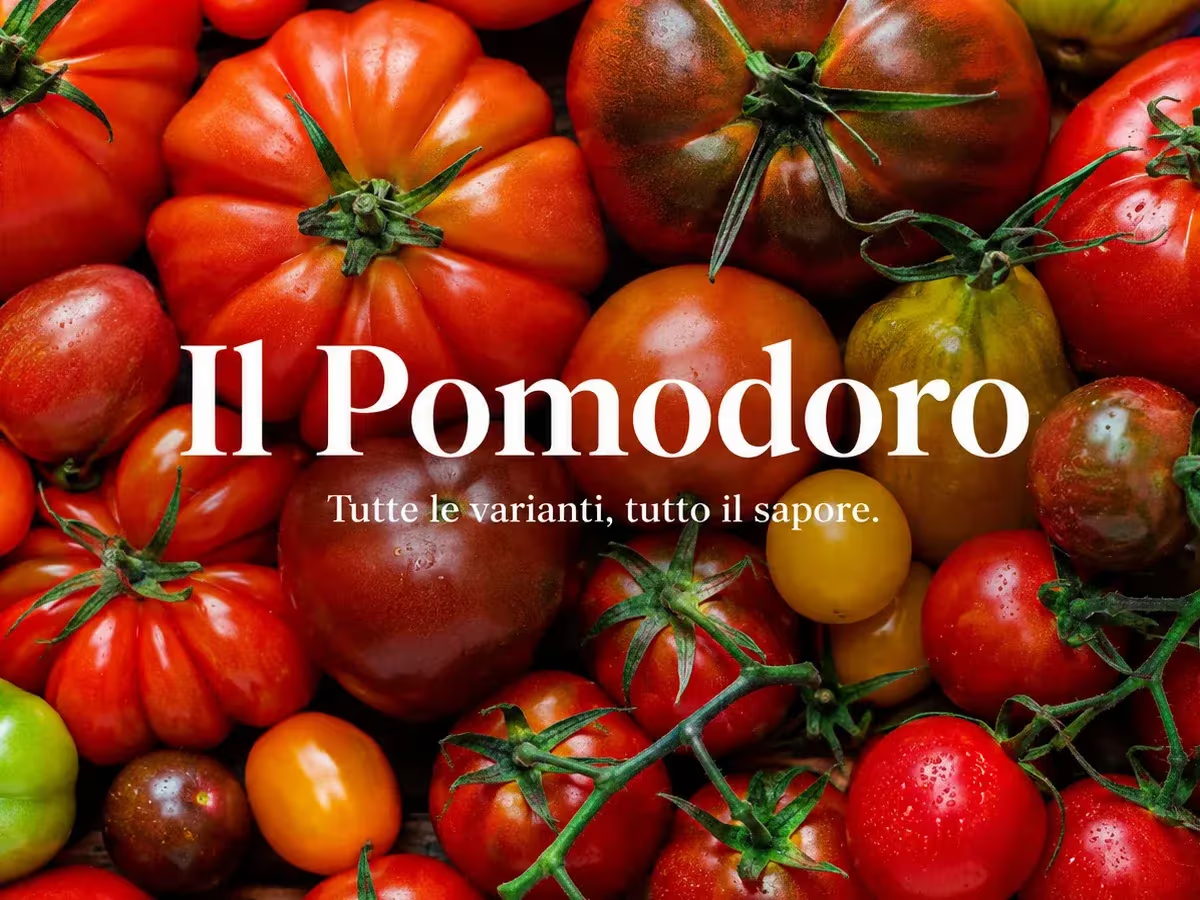

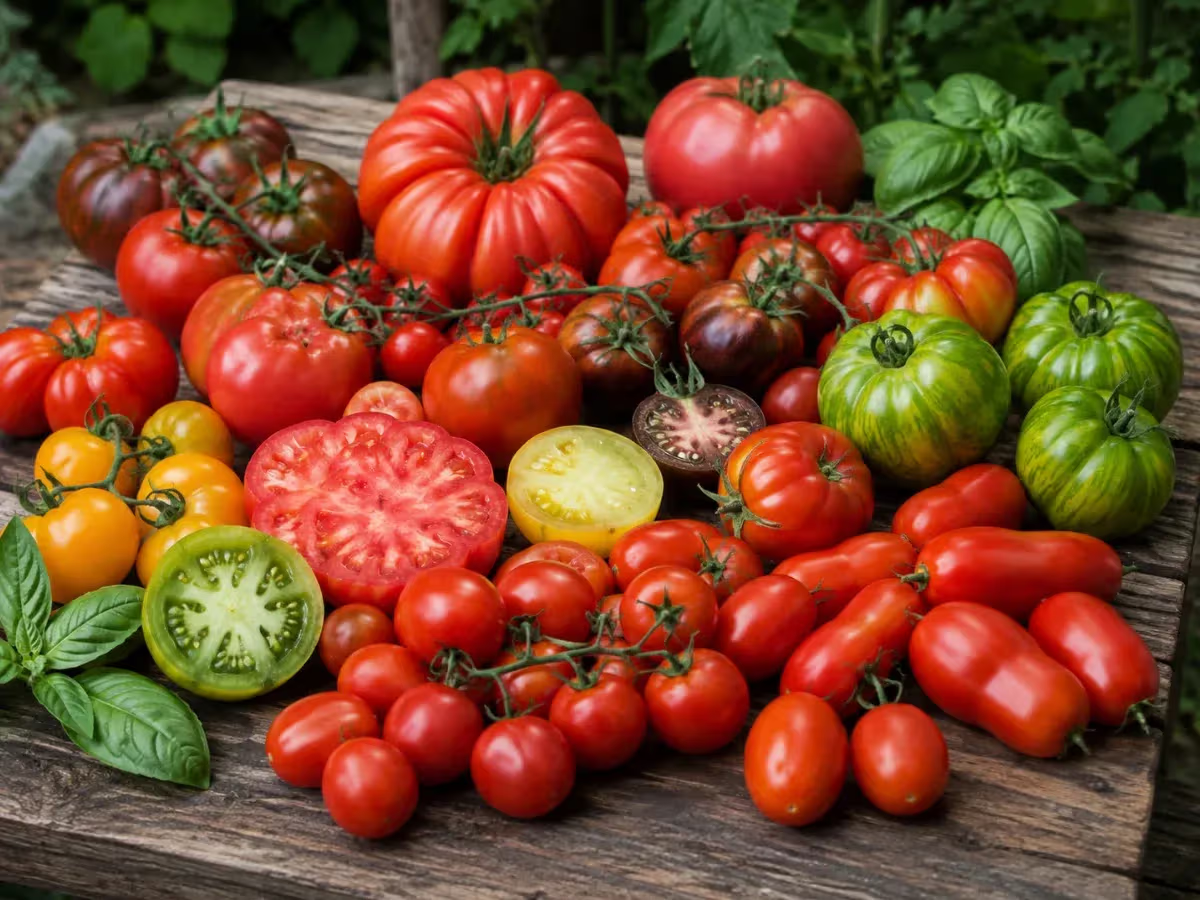
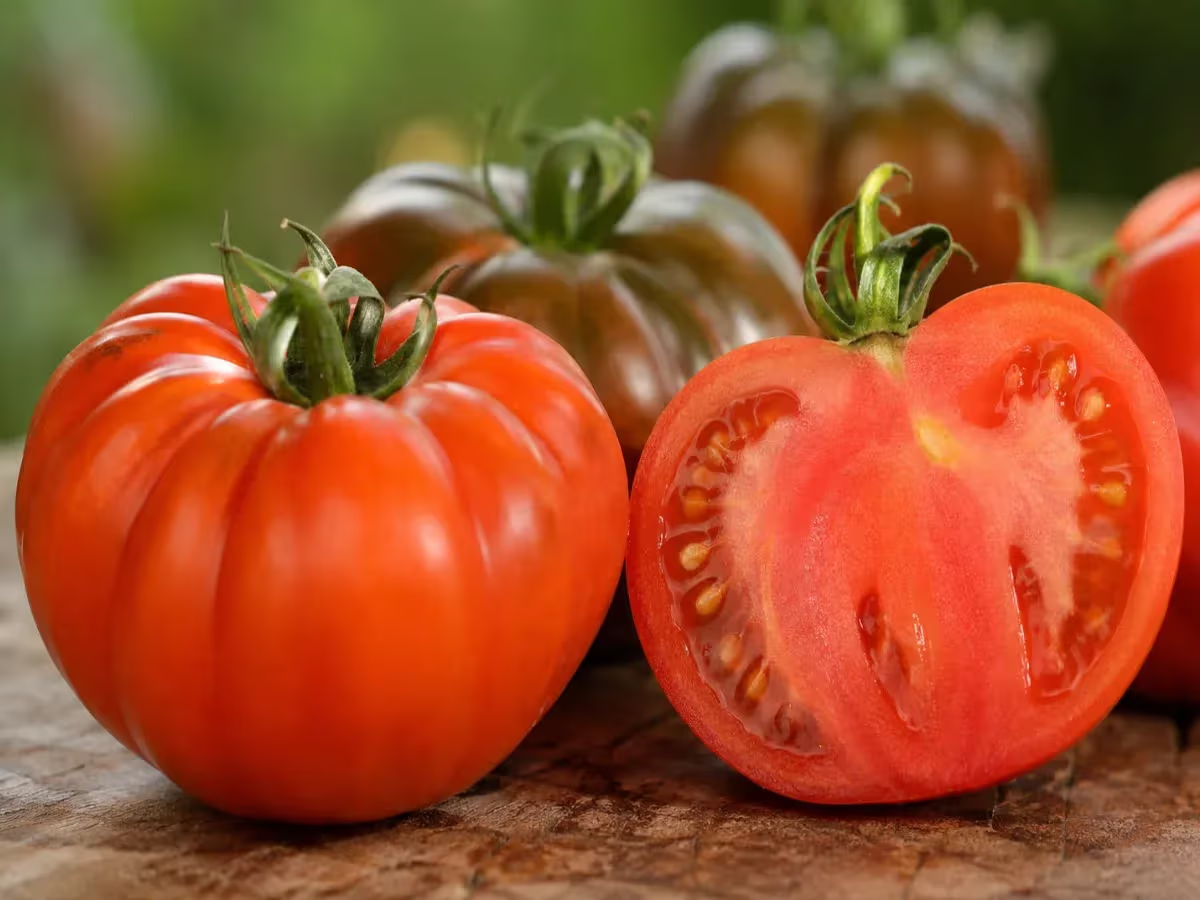
The tomato is the vegetable symbol of Italian cuisine, cultivated in almost all regions of the peninsula with characteristics that vary deeply based on the variety and territory. Fruit of the Solanum lycopersicum, it presents itself in an extraordinary range of shapes, colors and consistencies: from the firm flesh and almost seedless pulp of San Marzano to the thin and sweet skin of datterino, passing through the pronounced ridges of costoluto fiorentino. Its organoleptic profile ranges from sweet to slightly acidic, with herbaceous or fruity notes depending on the cultivar and ripeness. In the kitchen the tomato is an absolute protagonist: it is used raw in salads and condiments, cooked in sauces, sauces and preserves, dried, in the oven or on the grill.
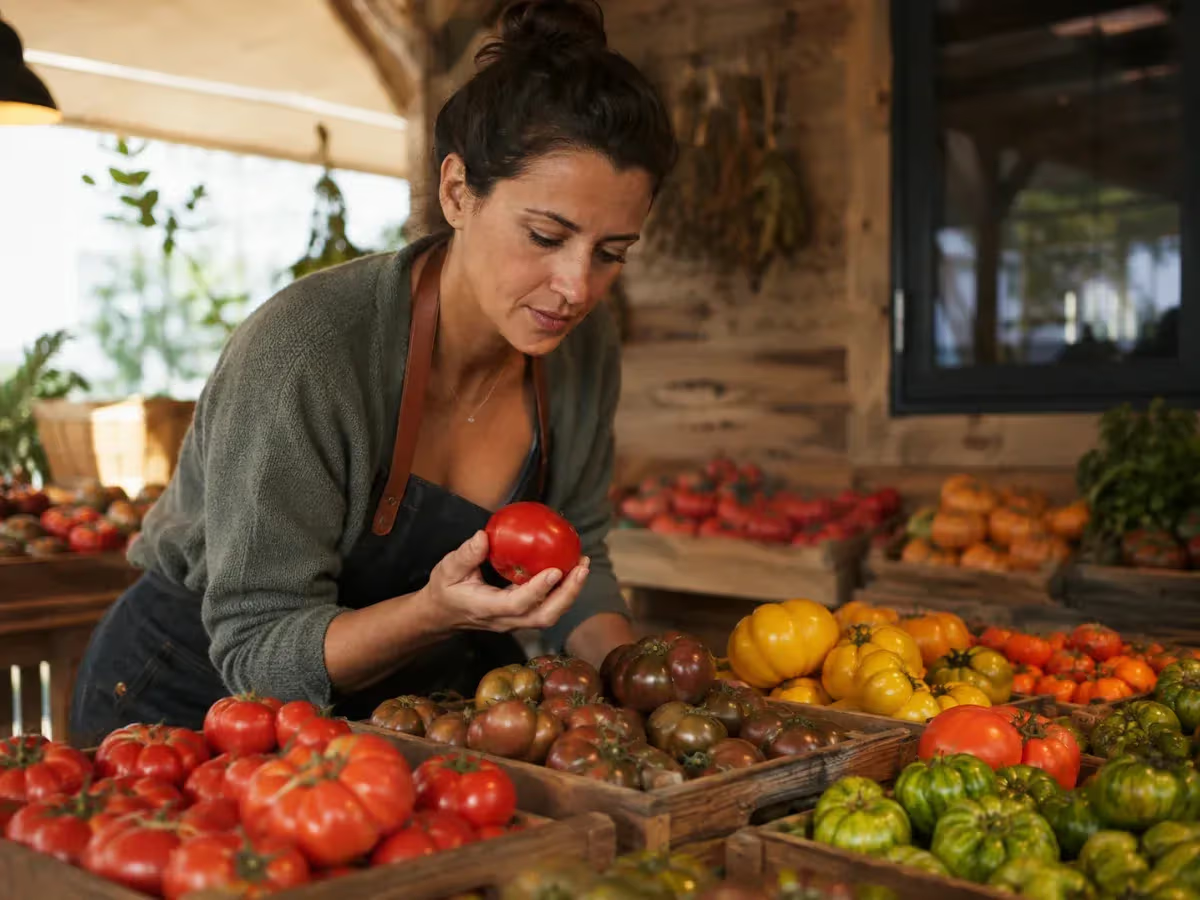
The main varieties cultivated in Italy each offer a specific vocation.
The San Marzano dell'Agro Sarnese-Nocerino (DOP) has compact flesh and low acidity, ideal for sauces.
The Pomodoro di Pachino (IGP) is small, very sweet, perfect raw.
The Pomodorino di Manduria has resistant skin and intense flavor.
The Riccio di Parma is meaty and not watery.
The Costoluto Fiorentino is large, ridged, excellent fresh or stuffed.
The Cuore di Bue has little skin and much sweet pulp.
The Sardinian Camone stands out for its greenish skin and markedly savory taste.
The Datterino is elongated, sweet and pulpy.
The Marinda has a marked balance between sweetness and acidity.
The Regina di Torre Canne is small, in clusters, typical of Puglia.
The Re Umberto is a historic Neapolitan variety with large fruit.
The Pizzutello di Paceco is pointed, meaty and cultivated in Sicily.
Arriving in Europe from the Americas in the sixteenth century, the tomato was initially met with mistrust: considered ornamental or even suspect, it took nearly two centuries before it firmly conquered Italian kitchens. It was the South of the peninsula, particularly Campania, that adopted it first as a culinary ingredient, radically transforming its own gastronomic tradition starting from the eighteenth century.
From the seventeenth century onward, cultivation spread throughout the peninsula, adapting to the volcanic soils of Campania, the Emilia plains, the Sicilian and Apulian coasts, and the coastal areas of Sardinia. Each territory selected over time its own cultivars, often through popular selection passed down from generation to generation. This process has produced a varietal heritage of rare richness, today partly protected by European recognitions and local safeguards.
The San Marzano dell'Agro Sarnese-Nocerino obtained DOP status in 1996, certifying an inseparable link between variety, soil, and Campanian preserving tradition. The Pomodoro di Pachino obtained IGP status in 2003, recognizing the influence of the Ragusa and Syracuse microclimate on its sweet and aromatic profile. Many other varieties remain guarded by local communities, festivals, historical growers, and safeguard networks like Slow Food Presidia, which protect cultivars at risk of disappearing such as the Pomodorino del Piennolo del Vesuvio or the Pizzutello di Paceco.
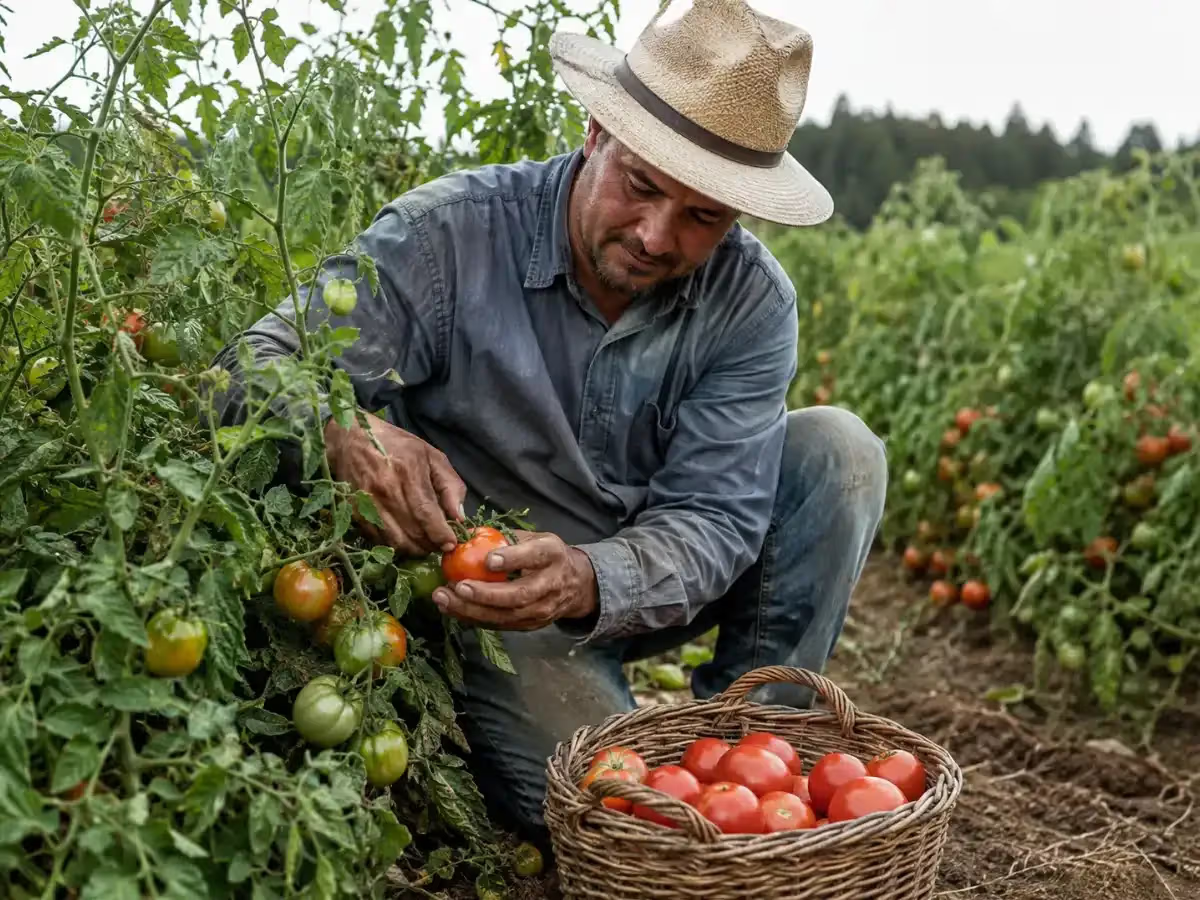
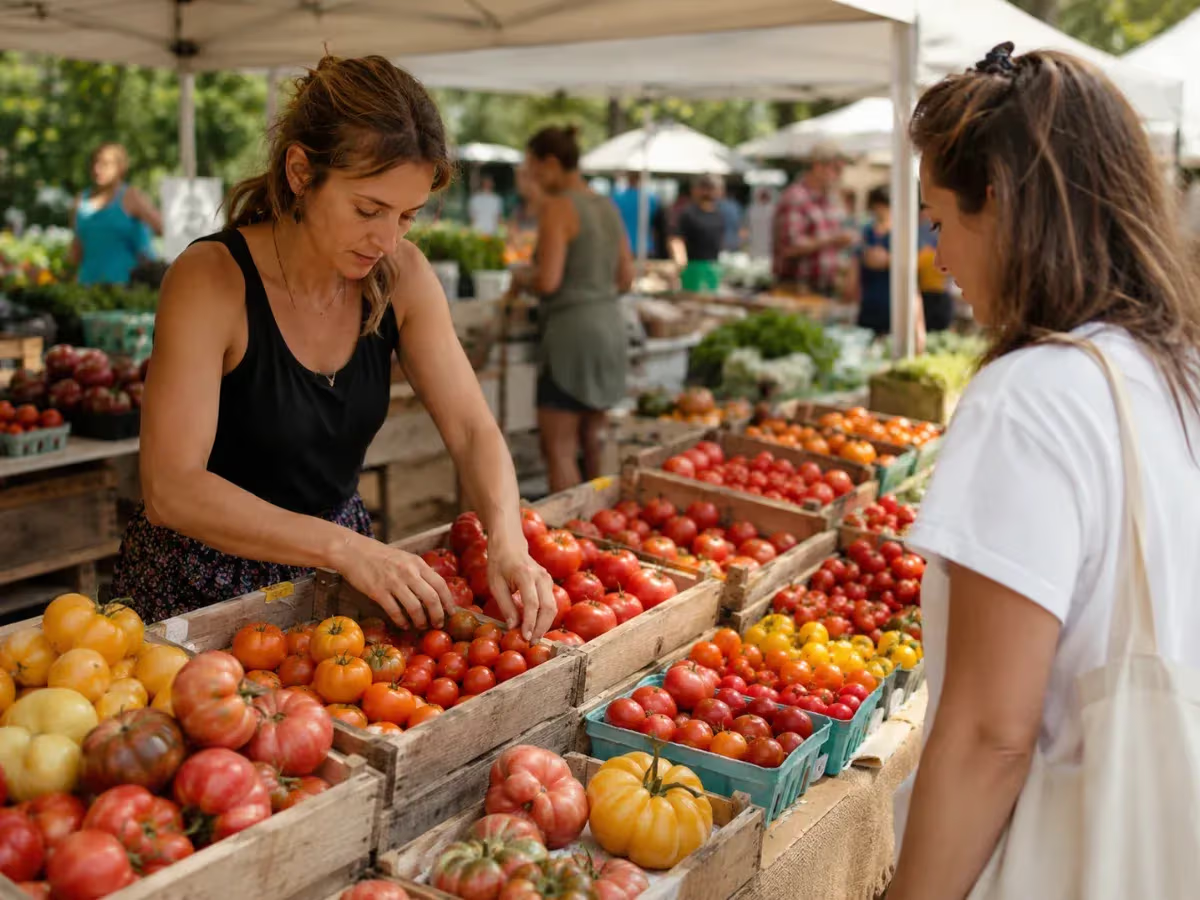
Recognizing a tomato of authentic quality requires attention to precise signals. The skin must be taut and intact, the color uniform and vivid, without soft spots or indentations that indicate early harvesting followed by artificial ripening. To the touch, the fruit must yield slightly but without collapsing. Aroma is the most reliable signal: a ripe tomato grown in open field releases a herbaceous and fruity aroma just by gently rubbing the stem.
Products with protected designation, such as San Marzano DOP or Pachino IGP, bear the community logo on the label and the certification batch number, which allows traceability to the producer. For local varieties without formal denomination, the point of sale, farmers' market, or short supply chain remain the most reliable references. Be wary of out-of-season tomatoes lacking aroma and with watery, tasteless flesh: they are almost always the result of greenhouse cultivation with forced ripening.
The tomato is a vegetable with low caloric content, around 18-20 kcal per 100 grams of fresh product. It is rich in water, vitamin C, and vitamin A in the form of beta-carotene. It contains lycopene, a carotenoid with antioxidant properties whose bioavailability increases with cooking and in the presence of fats, such as extra virgin olive oil. It also provides potassium, phosphorus, and small amounts of iron. The presence of citric acid contributes to the slightly tart flavor and promotes the assimilation of other minerals.
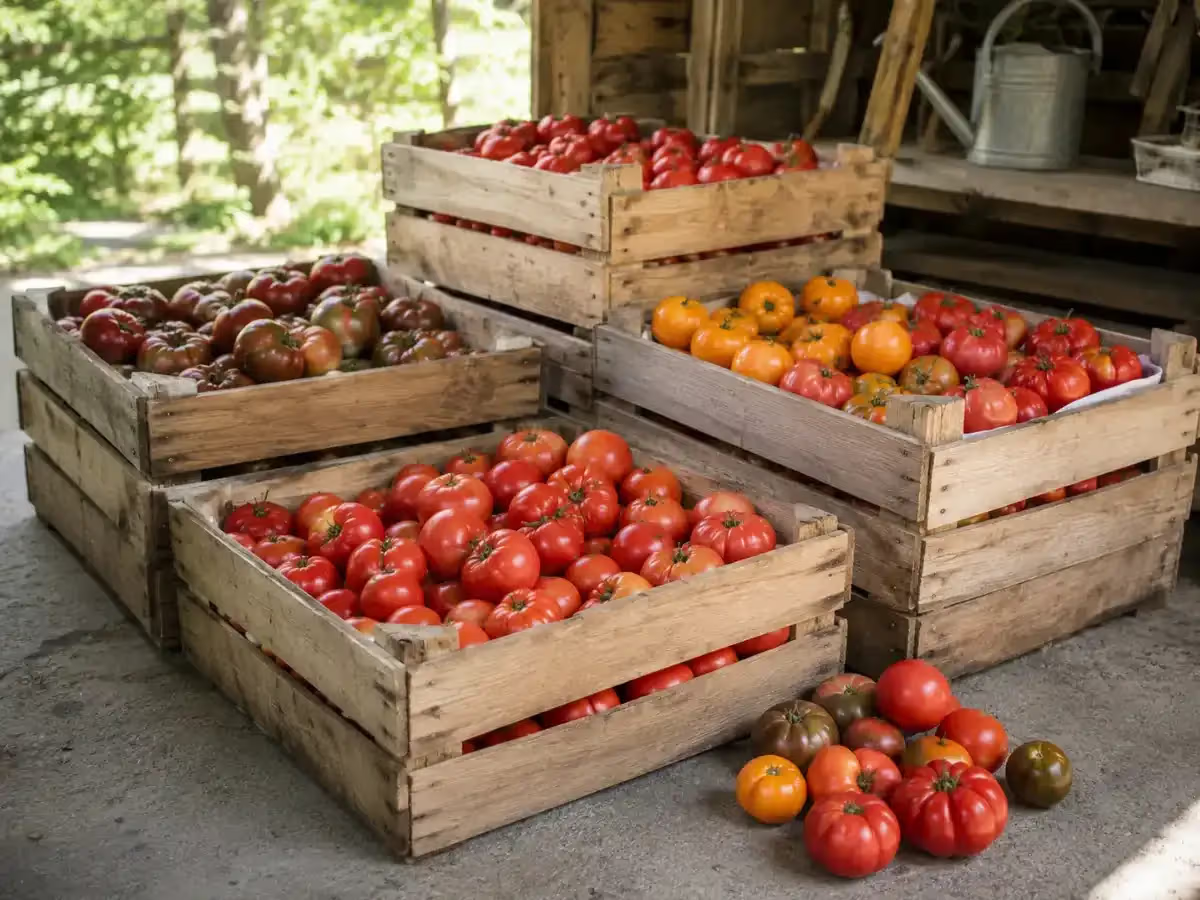
Fresh tomatoes should never be stored in the refrigerator if still whole: temperatures below 12-13 degrees block ripening and irreparably compromise the structure of the flesh and the aroma. The ideal place is a flat surface at room temperature, away from direct light. Once cut, it can be covered and placed in the refrigerator for one or two days at most. Very ripe tomatoes should be consumed within 24-48 hours of purchase.
Fresh tomato is best consumed at room temperature, never straight from the refrigerator. Raw, it is ideal with a drizzle of extra virgin olive oil, salt and fresh basil. Cooked, it lends itself to quick sauces or long cooking times for preserves and passatas. Solid flesh varieties like San Marzano and Riccio di Parma are indicated for sauces, while small and sweet types like datterino or Pachino are best valued raw or in brief cooking times. Peak season runs from June to September.
Fresh raw tomato naturally pairs with extra virgin olive oil, basil, Mozzarella di Bufala Campana, and homemade bread. In this simple combination, the quality of the raw materials is expressed at its best. Fresh and savory white wines, such as Falanghina or Vermentino, balance the acidity of the fruit without overwhelming it.
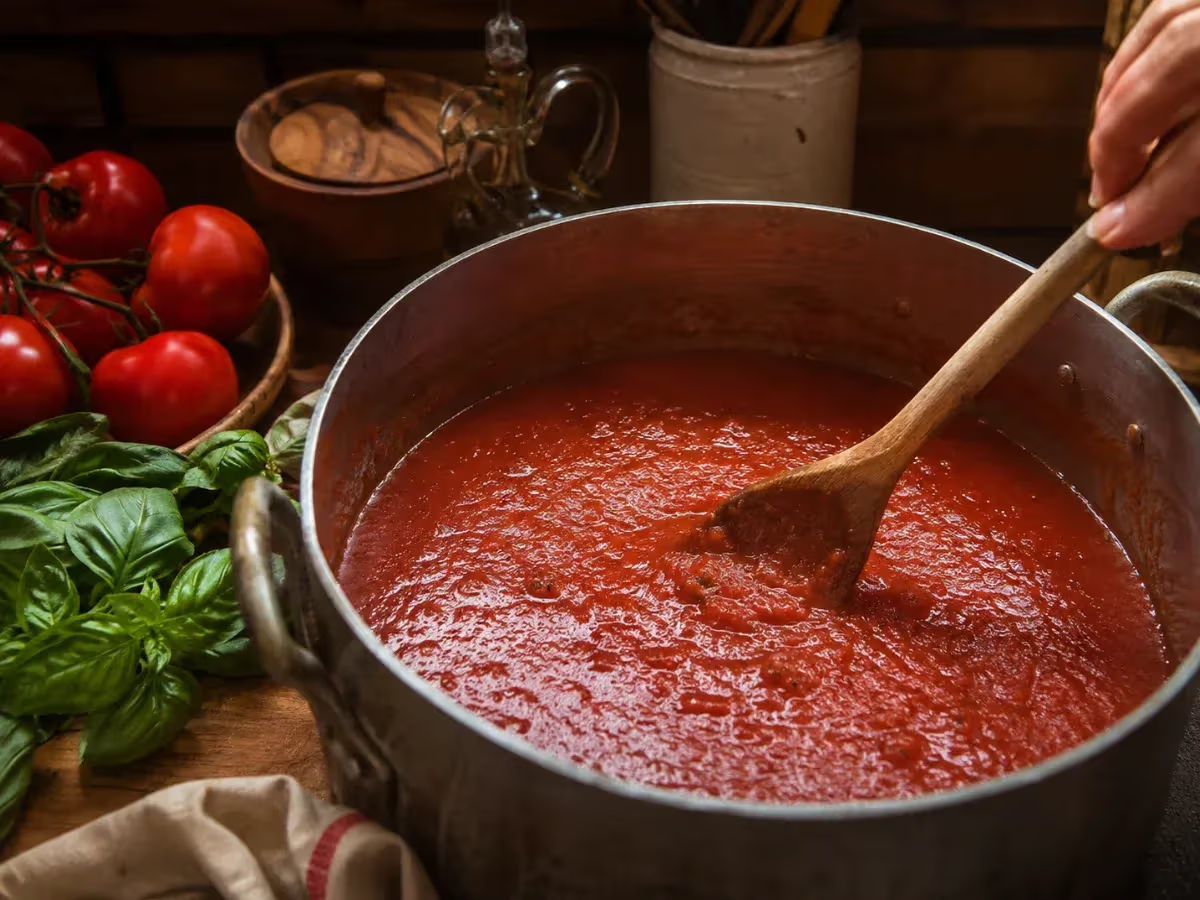
When tomato enters cooking, in sauces or gravies, it pairs with garlic, onion, oil and chili pepper, and becomes the base for combinations with meats, fish and legumes. In this case, medium-bodied red wines such as Montepulciano d'Abruzzo or Primitivo di Manduria accompany well the dishes in which tomato sauce is the protagonist. With grated Pecorino Romano or salted ricotta, the sauce is enriched with saltiness and complexity.
The quintessential summer preparation, made with ripe tomatoes peeled or cut into pieces, briefly sautéed in oil with garlic and basil. The short cooking time preserves the freshness of the fruit. It is traditionally served with spaghetti or linguine, finishing the dish with a fresh basil leaf and a drizzle of raw oil.
Typical of Roman and Lazio summers, round and fleshy tomatoes are hollowed out and filled with raw rice, garlic, basil, oil and their own pulp. Baked in the oven at moderate temperature, the rice absorbs the fruit's juices during cooking, resulting in a soft and fragrant dish. Often accompanied by sliced potatoes arranged around the tomatoes in the baking pan.
A Tuscan recovery dish rooted in summer peasant tradition: stale bread soaked in water and vinegar, squeezed and crumbled, mixed with ripe tomatoes cut into pieces, red onion, basil, extra virgin olive oil and salt. It is left to rest so that the flavors blend together. The Costoluto Fiorentino is the variety historically most suited for this preparation.
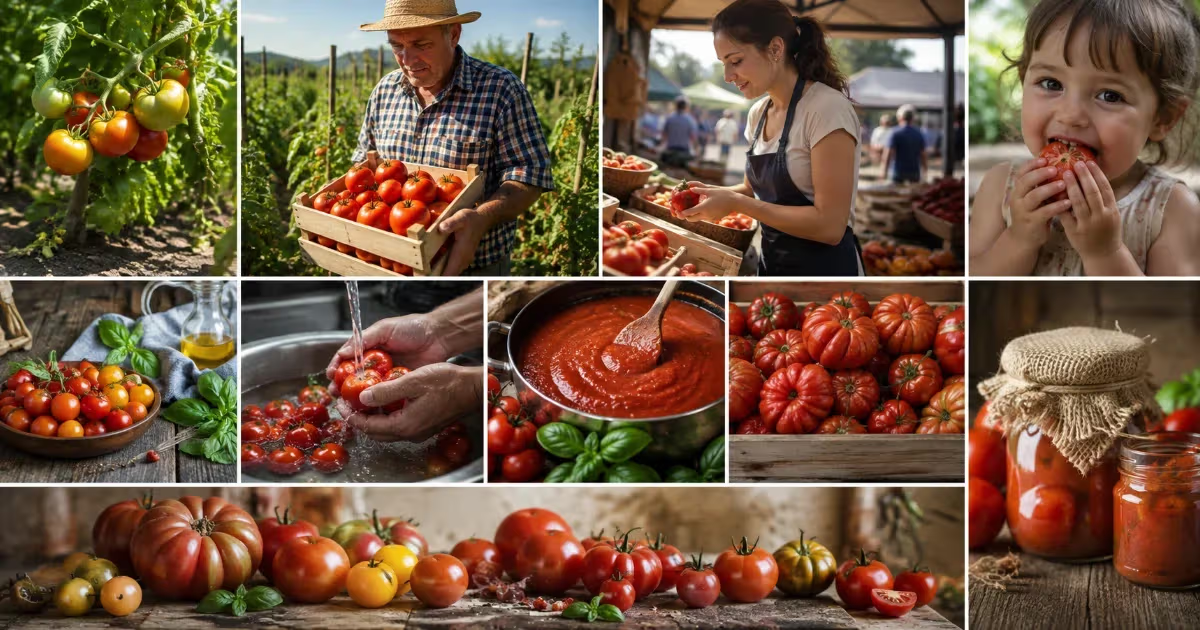
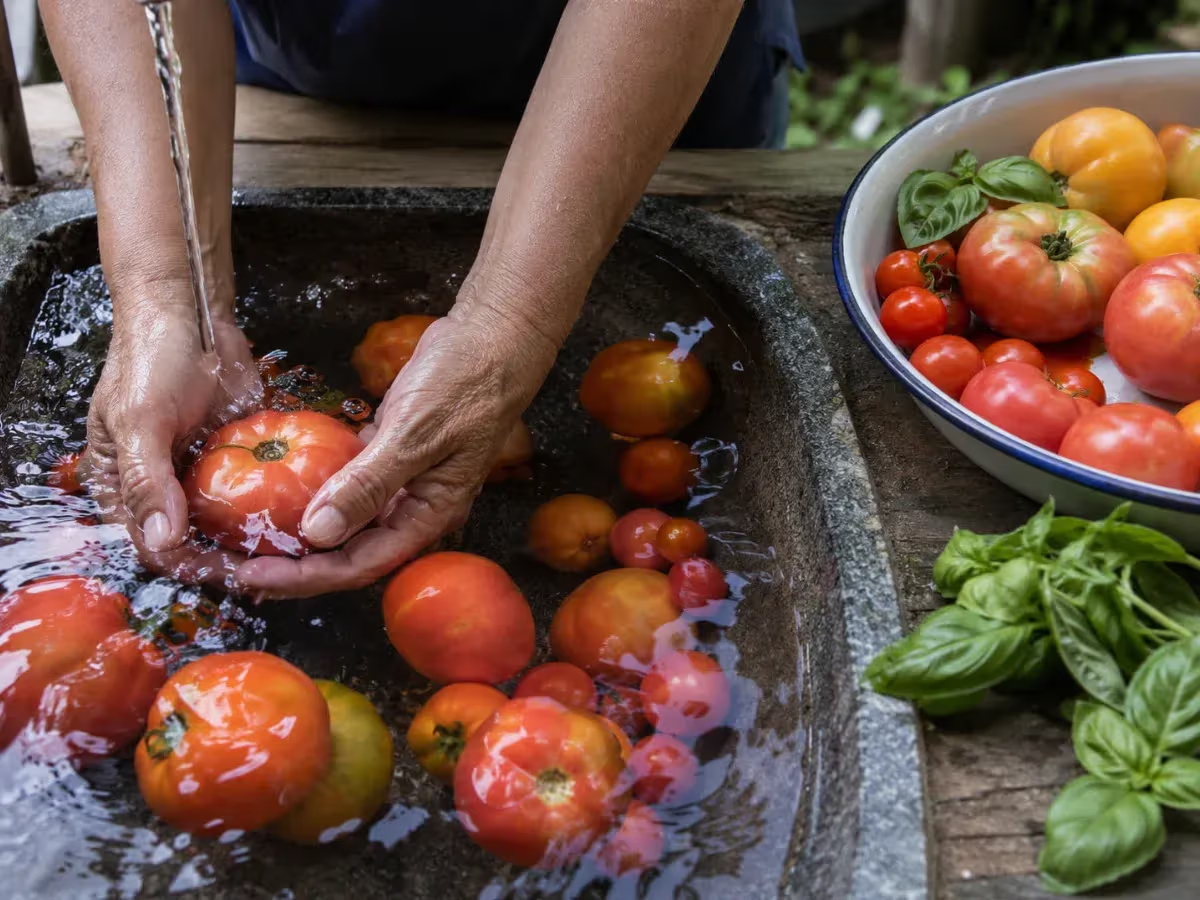
Domestic tomato preservation is one of the most deeply rooted collective rituals in the rural culture of Southern Italy. The so-called 'homemade tomato sauce' has historically involved entire family groups gathered for whole days in August, with sterilization of bottles, manual peeling of fruits and preparation of passata. This moment serves a social function beyond the practical one: it marks the end of summer and preparation for the cold season.
In many Apulian, Campanian and Sicilian communities, sun-dried tomatoes on reed racks is still today a way of preserving the flavor of summer. The Pomodorino del Piennolo, hung in bunches under the Vesuvian eaves, is the most well-known example of this preservation tradition that transforms the fresh fruit into a winter reserve of concentrated flavor.
Among the events linked to tomatoes, the Sagra del Pomodoro San Marzano, held in the Agro Sarnese-Nocerino area in the province of Salerno, is among the most established. In Sicily, in the areas of Pachino and Paceco, fairs and local markets celebrate native varieties at the end of summer. More generally, many village festivals in southern and central Italy feature tomatoes as the protagonist of the table between July and September, often coinciding with the harvest period and the domestic preparation of preserves.


