
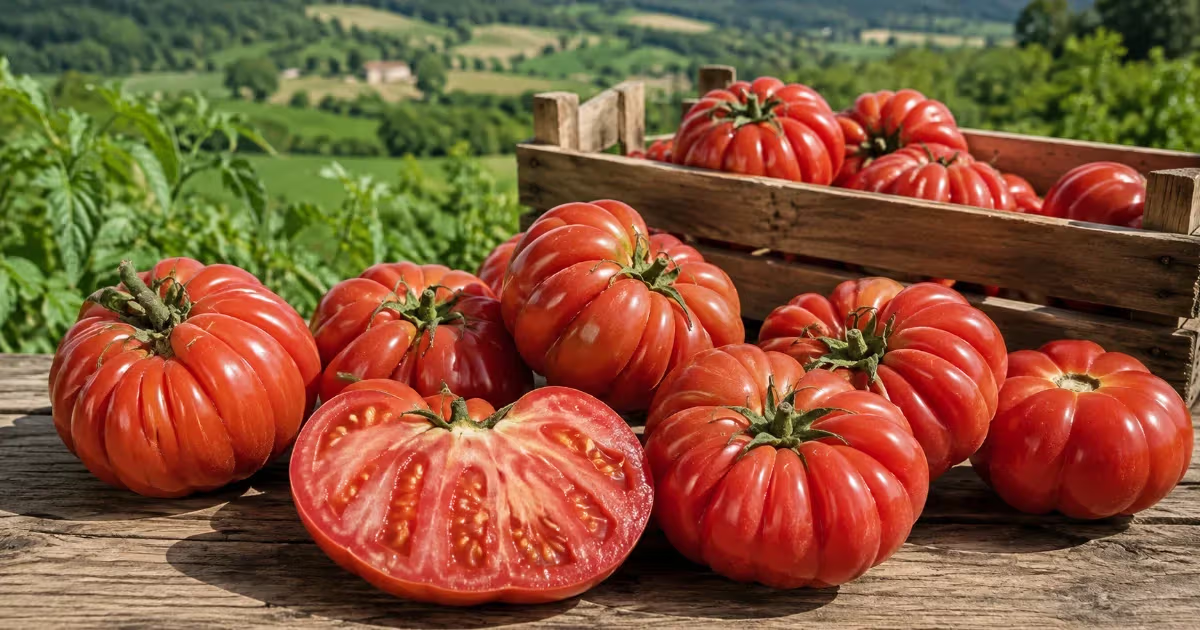
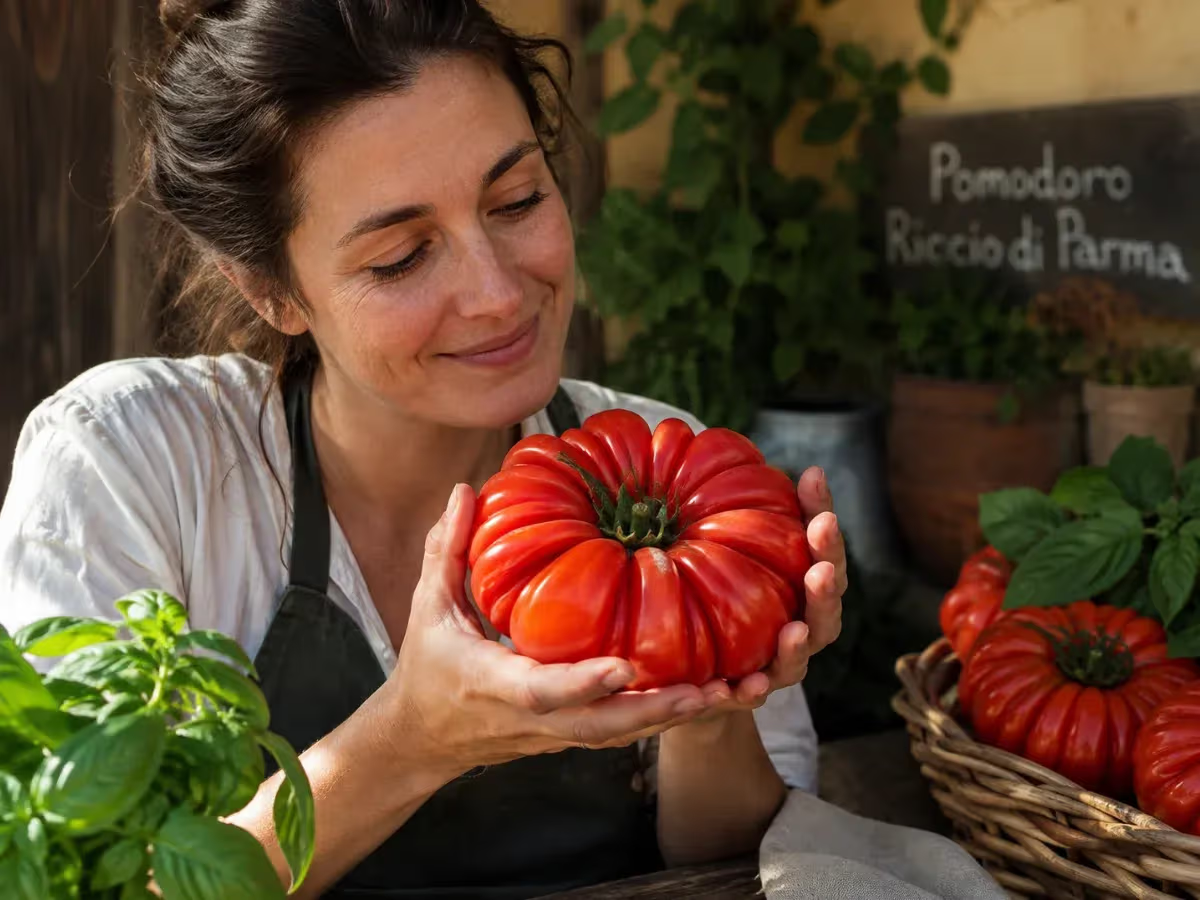

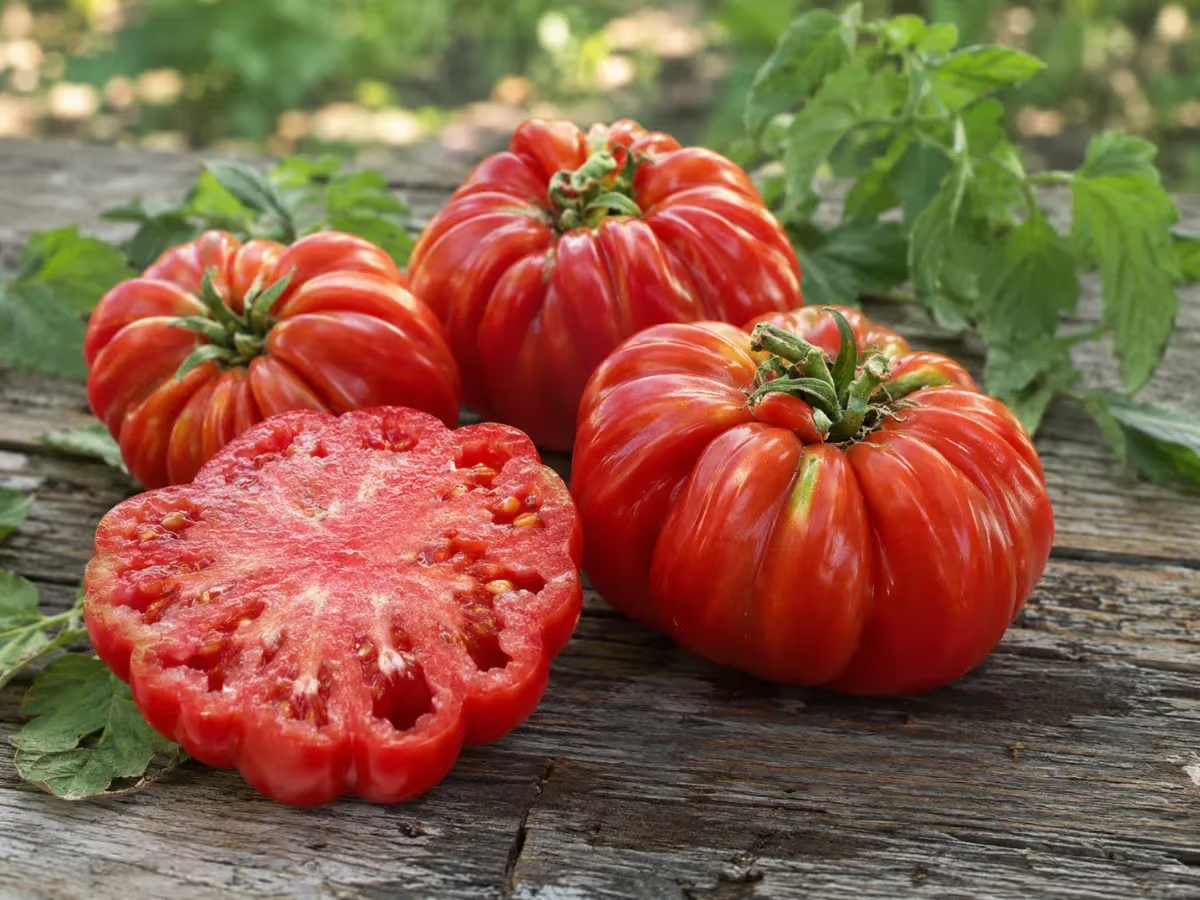
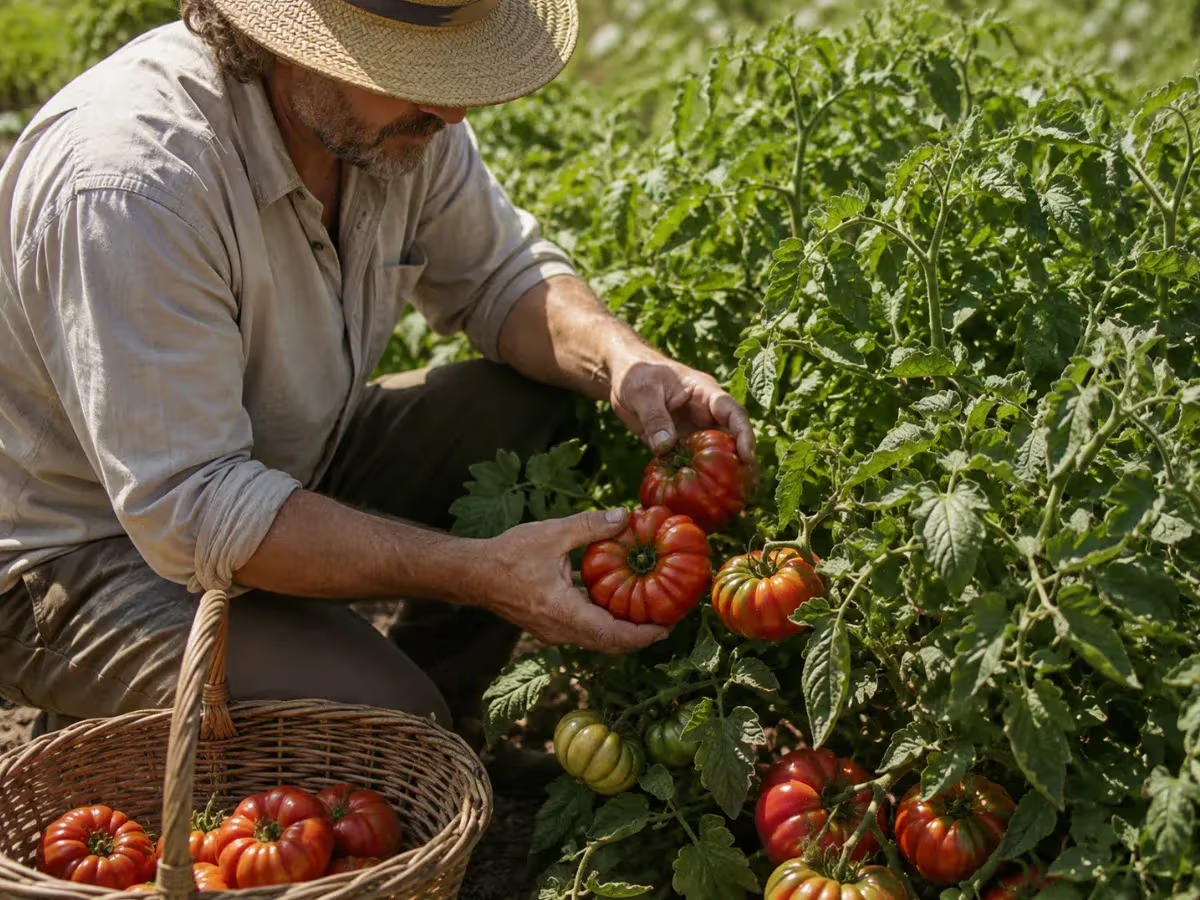
The Pomodoro Riccio di Parma is an ancient vegetable variety cultivated in the Parma territory, characterized by a ribbed and irregular shape that recalls, in its furrowed surface, almost a vegetable turban. The fruits, with a bright red color tending to carmine when fully ripe, present a fleshy, compact pulp poor in seeds, with a thin skin that yields easily to the knife. The aroma is intense and vegetal, with sweet notes and a slight acidity that rebalances the taste without making it harsh.
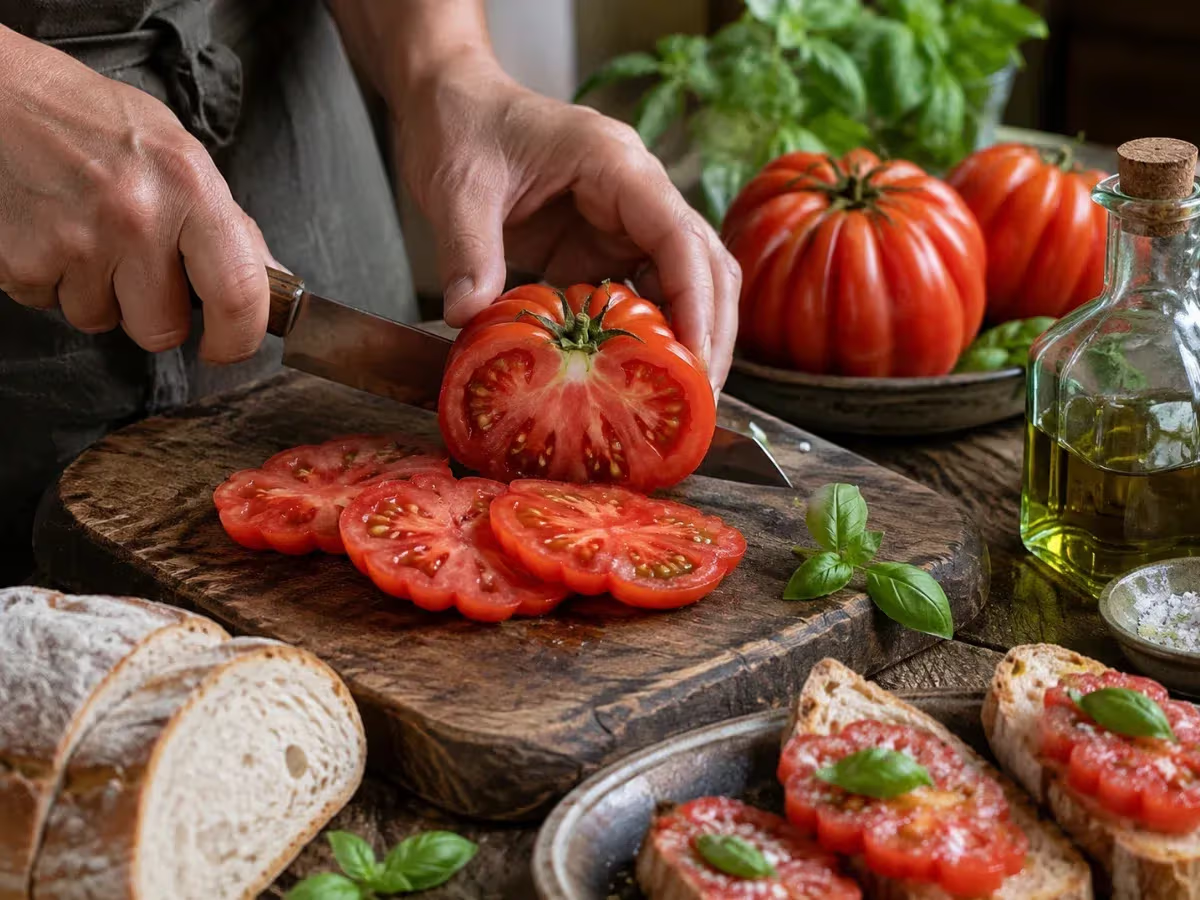
In the kitchen, the Riccio di Parma lends itself to preparations both simple and elaborate. Consumed fresh in salad it enhances its natural sweetness, while served raw sliced thick it is traditionally accompanied with coarse salt and a drizzle of extra virgin olive oil. The dense pulp makes it suitable also for sauces, gravies and homemade preserves, where the low water content guarantees quick cooking and a concentrated result. It also finds a place in the production of local artisanal tomato passata.
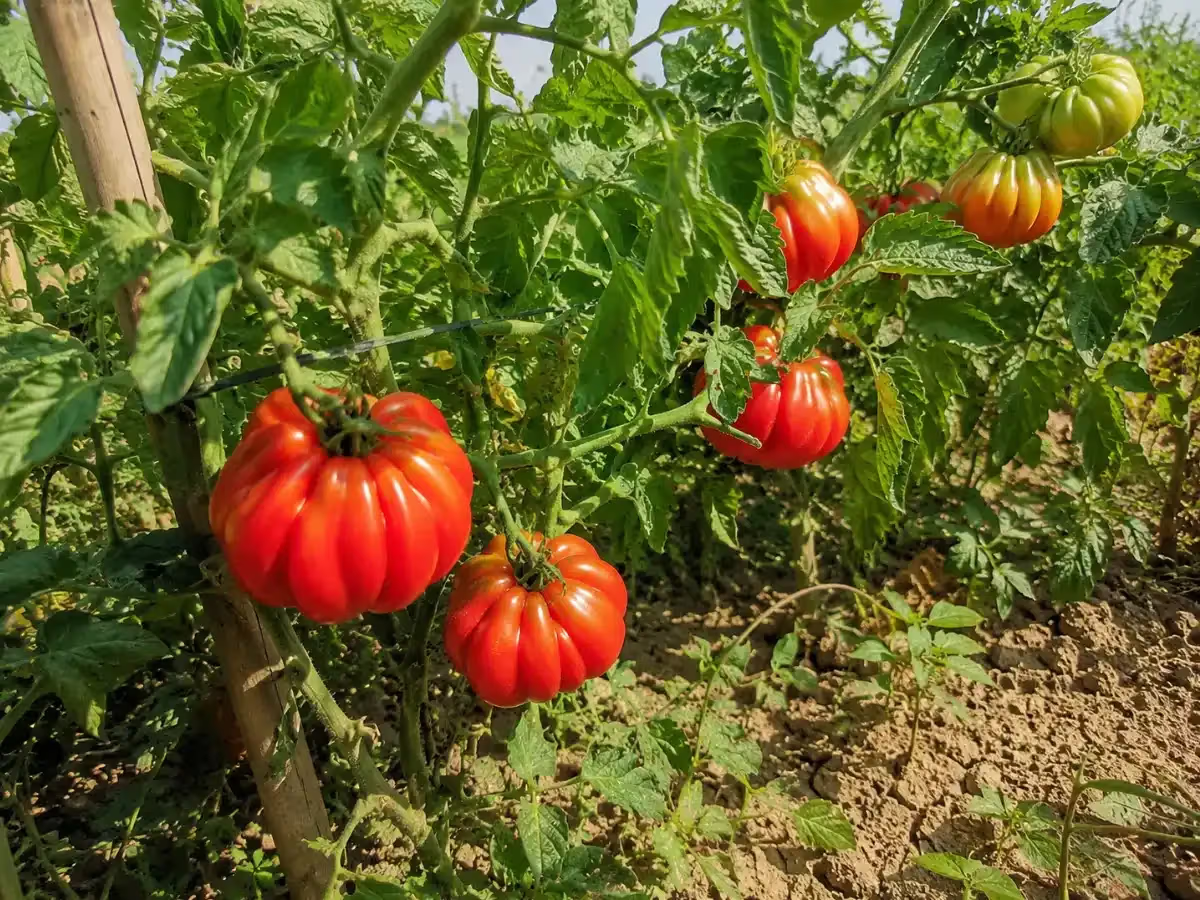
In the territory of the Parma plain, tomato cultivation is rooted in an agricultural system that for centuries has intertwined family gardens and artisanal supply chains. The Riccio di Parma belongs to that heritage of local varieties, so-called "da serbo" or "da orto", selected over time by farmers in the area for resistance, yield and gustatory quality, passed down through domestic seed conservation from year to year. There was no single commercial seed: each family guarded its own, adapted to the microclimate of its own countryside.
With the advance of agricultural mechanization and the establishment of industrial cultivars in the second half of the twentieth century, many of these ancient varieties risked disappearing. The Riccio di Parma survived thanks to small periurban gardens and an informal network of enthusiasts and custodian farmers who kept its seed alive. Today the variety is the subject of recovery efforts by local associations and producers operating in the field of organic farming and the safeguarding of agricultural biodiversity. The product is not currently protected by a DOP or IGP designation, but is included in the list of traditional Italian agri-food products recognized by the Ministry of Agriculture, as evidence of its rootedness in Emilian territory.
The Pomodoro Riccio di Parma distinguishes itself immediately by its ribbed and irregular shape, with deep grooves that start from the stem and run along the entire surface of the fruit. The size is medium-large, with variable weights that rarely tend toward uniformity, precisely because it is a variety that is not standardized industrially. The color at full ripeness is an intense and uniform red, without residual green streaks around the stem.
To the touch, the skin is smooth and thin, and the internal flesh is firm, compact and not very watery: cutting it in half, the cross-section shows small seed cavities and a prevalence of flesh compared to juices. The aroma is clear, fresh and recognizable. Authentic products come from small local producers or from farmers' markets in the Parma area; it is good practice to verify the origin and, when available, the organic certification or explicit indication of the variety on the label.
Like most dense-pulp tomatoes, the Riccio di Parma is a low-calorie vegetable, with high water content and a good presence of lycopene, the carotenoid pigment to which antioxidant properties are attributed. It provides vitamin C, vitamin A in the form of beta-carotene, and potassium. Its low acidity and compact flesh make it generally well tolerated even by those who suffer from gastric sensitivity. The content of natural sugars is slightly higher compared to industrial varieties, which translates into a rounder taste.
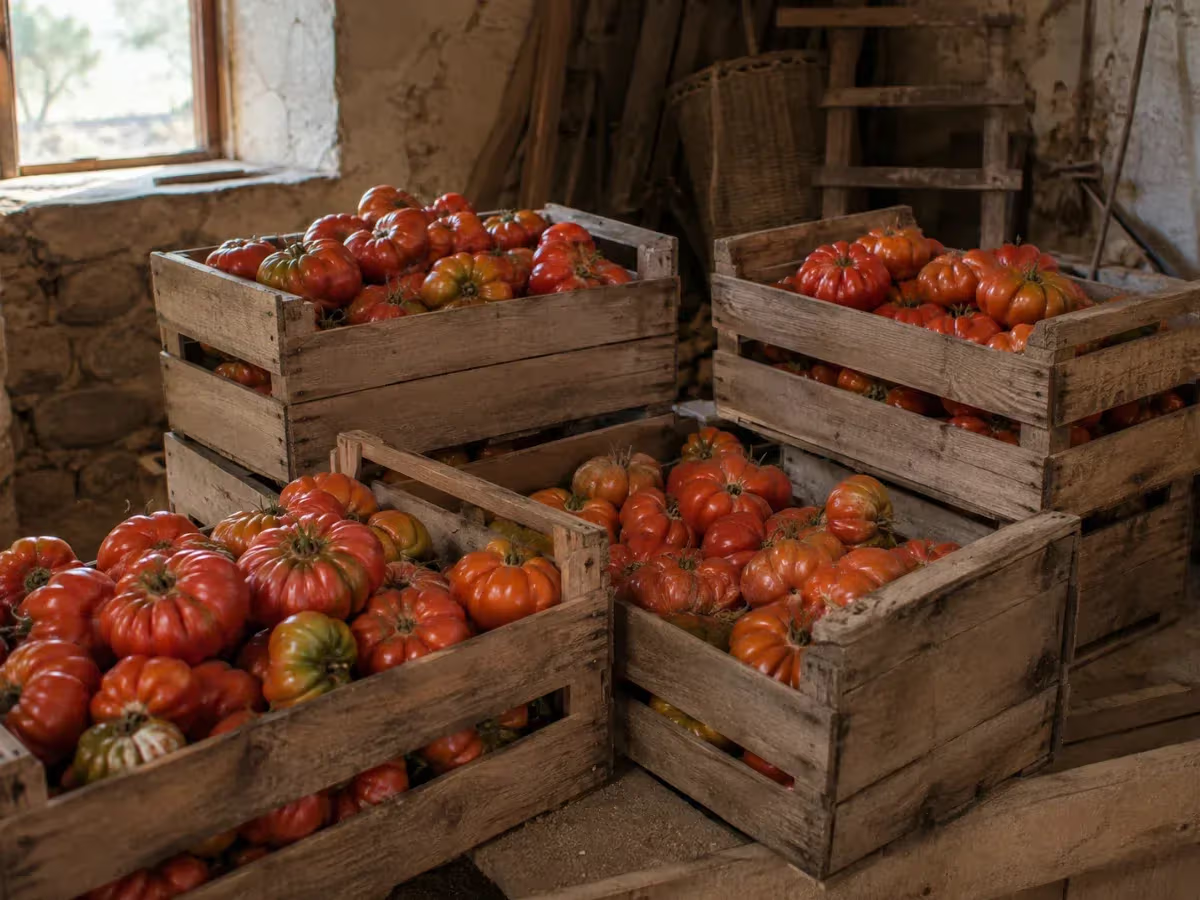
The Riccio di Parma should be stored at room temperature, away from heat sources and direct light, until it reaches full ripeness. Once ripe, the fruits keep for three or four days at room temperature or up to a week in the refrigerator, in the least cold section. It is not recommended to refrigerate the tomatoes while still unripe, because the cold blocks ripening and alters the aromatic profile. Cut fruits should be stored in closed containers in the refrigerator and consumed within one day.
The Riccio di Parma expresses its qualities best when consumed at room temperature, never directly from the refrigerator. Raw, sliced thickly, it is the most direct way to appreciate its dense flesh and sweet-tart flavor. It lends itself well to being hollowed out and stuffed with fillings based on rice, vegetables or meat. When cooked, it holds up well to both quick pan cooking for sauces and oven baking. The ideal consumption season runs from July to September, when the fruits reach maturity in the field.
Raw, Riccio di Parma pairs naturally with fresh cheeses from the Emilian tradition, such as crescenza or a creamy stracchino, and with the aromatic herbs typical of the Po Valley gardens: basilico, fresh origano, a few mint leaves. The contrast between the sweetness of the flesh and the savouriness of Parmigiano Reggiano shavings is a classic pairing in the summer dishes of the area.
On the beverage front, a fresh rosato wine from Lambrusco di Sorbara, with its lively acidity and light bubbles, pairs well with preparations based on this tomato, both raw and cooked. For more structured dishes, with sauces or fillings based on meat, you can opt for a Bonarda piacentina or a young Sangiovese di Romagna that is not too tannic.
Ricci di Parma tomatoes are hollowed out of their pulp, which is then mixed with partially processed rice, sautéed onion, aromatic herbs and, in the richer version, with ground meat or chopped cooked ham. The filling is reintroduced into the tomato shell and everything is cooked in the oven at moderate heat until the rice cooks in its own juice. It is a dish from Parma home cooking linked to summer.
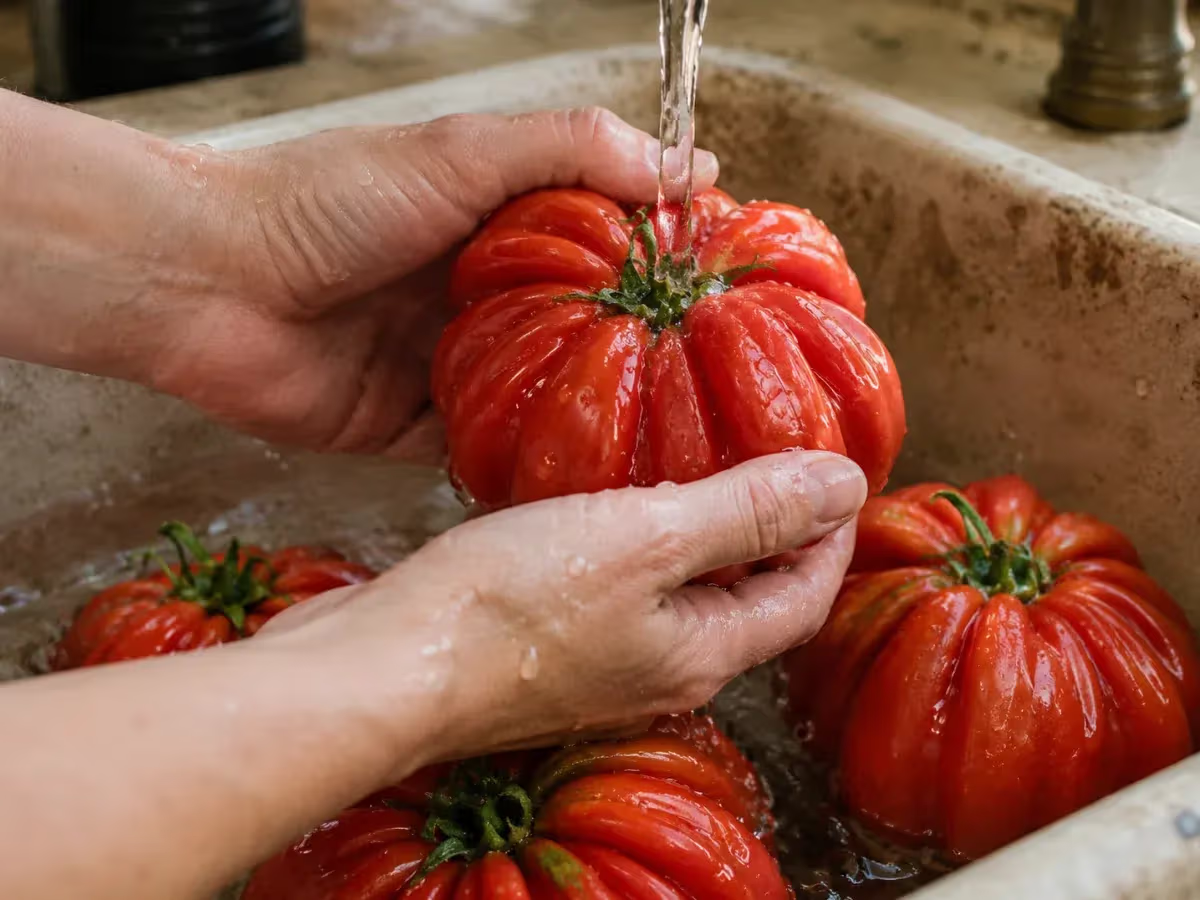
The compact and low-water pulp of Riccio di Parma makes it ideal for preparing homemade passata, a tradition still alive in many families in the province. The tomatoes are blanched, passed through a sieve and jarred hot with fresh basil, then sterilized in boiling water. The resulting preserve has a sweet and concentrated flavor, different from industrial passata, and is used during winter to dress pastas and risottos.
A very simple summer dish: thick slices of Riccio di Parma dressed with salt, extra virgin olive oil, flakes of aged Parmigiano Reggiano and a few drops of traditional balsamic vinegar from Modena or Reggio Emilia. The sweetness of the tomato balances the saltiness of the cheese and the intensity of the vinegar, creating a balance typical of Emilian gastronomic tradition.
In the peasant culture of Parma, the summer preservation of tomatoes has been for generations a collective ritual that marked the end of summer. The Riccio di Parma, with its abundant flesh and low water content, was among the preferred varieties for domestic production of passata, a task that involved the entire family and required entire days of preparation, cooking and jarring. That practice left a profound mark on local food identity. Even today, in many homes throughout the province, preserves made with tomatoes from the home garden or purchased from the trusted farmer is an indispensable point of reference in the winter pantry.
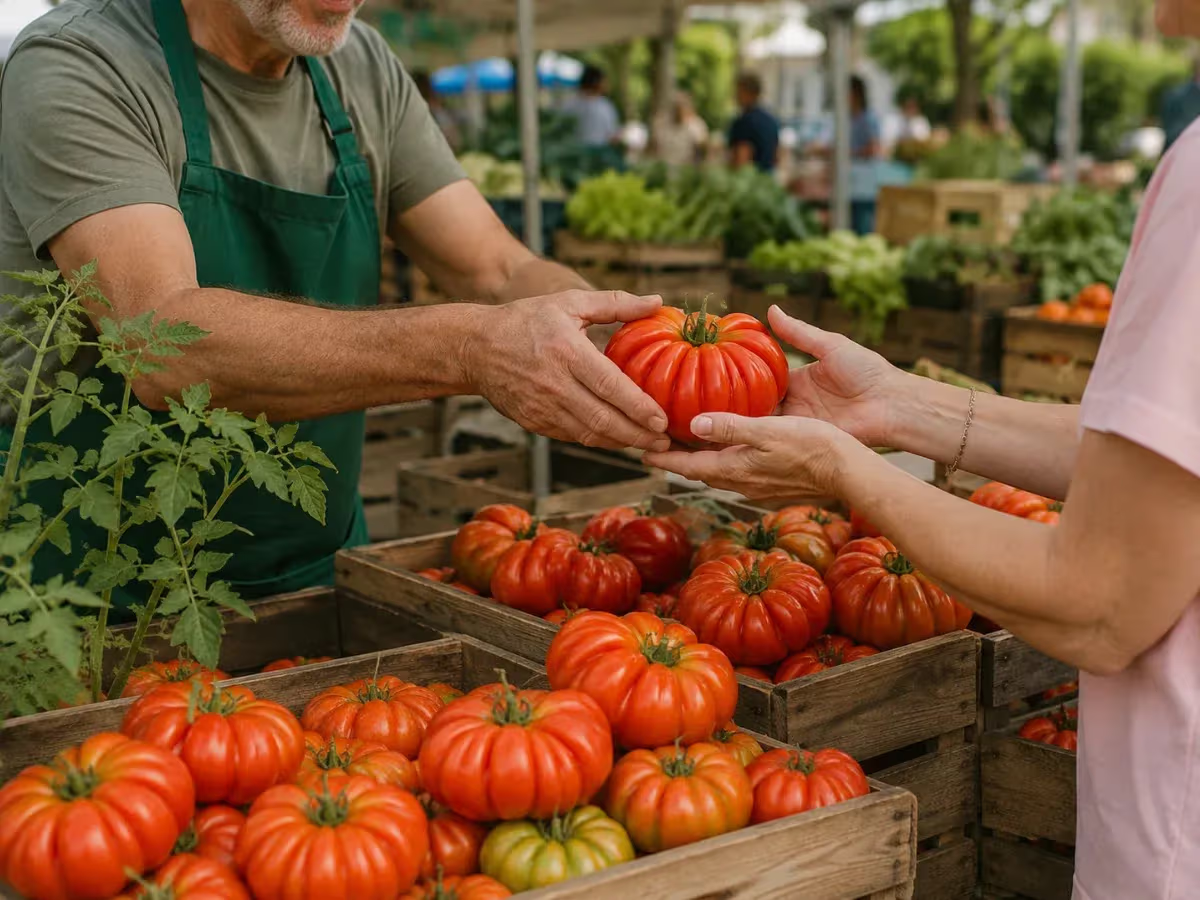
Riccio di Parma frequently appears in farmers' markets and fairs of typical products that animate the province of Parma between July and September, coinciding with the harvest season. Events dedicated to agricultural biodiversity and the recovery of heirloom vegetable varieties, promoted by local associations and entities such as the Emilia-Romagna Region as part of programs for the protection of agricultural biodiversity, represent occasions in which this tomato is displayed and valued together with other traditional varieties of the territory.