
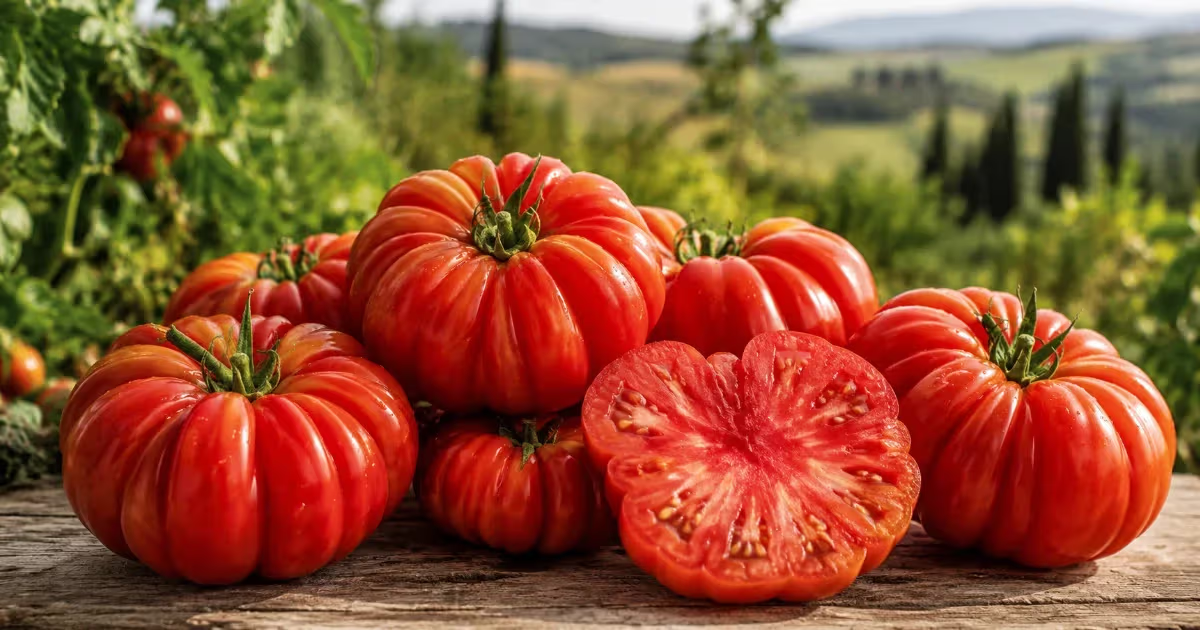
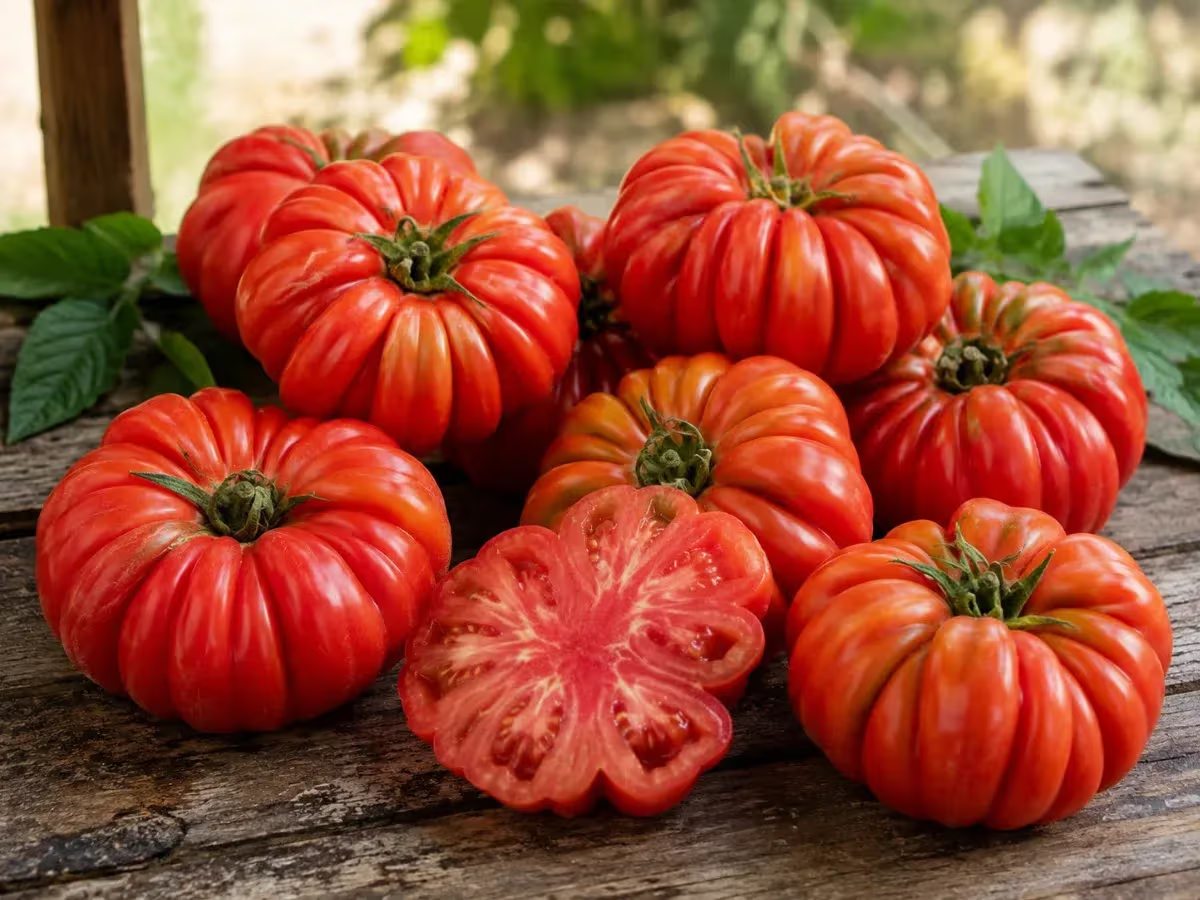
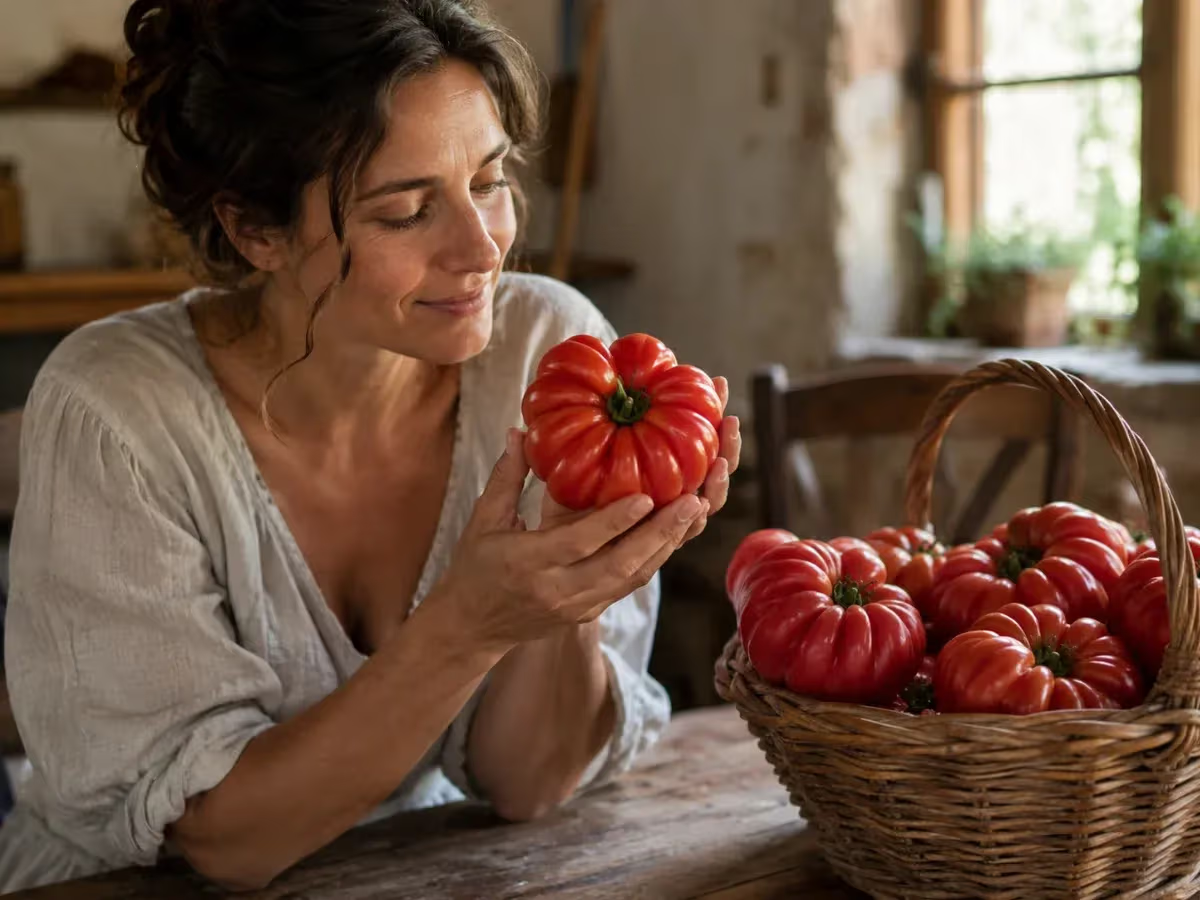
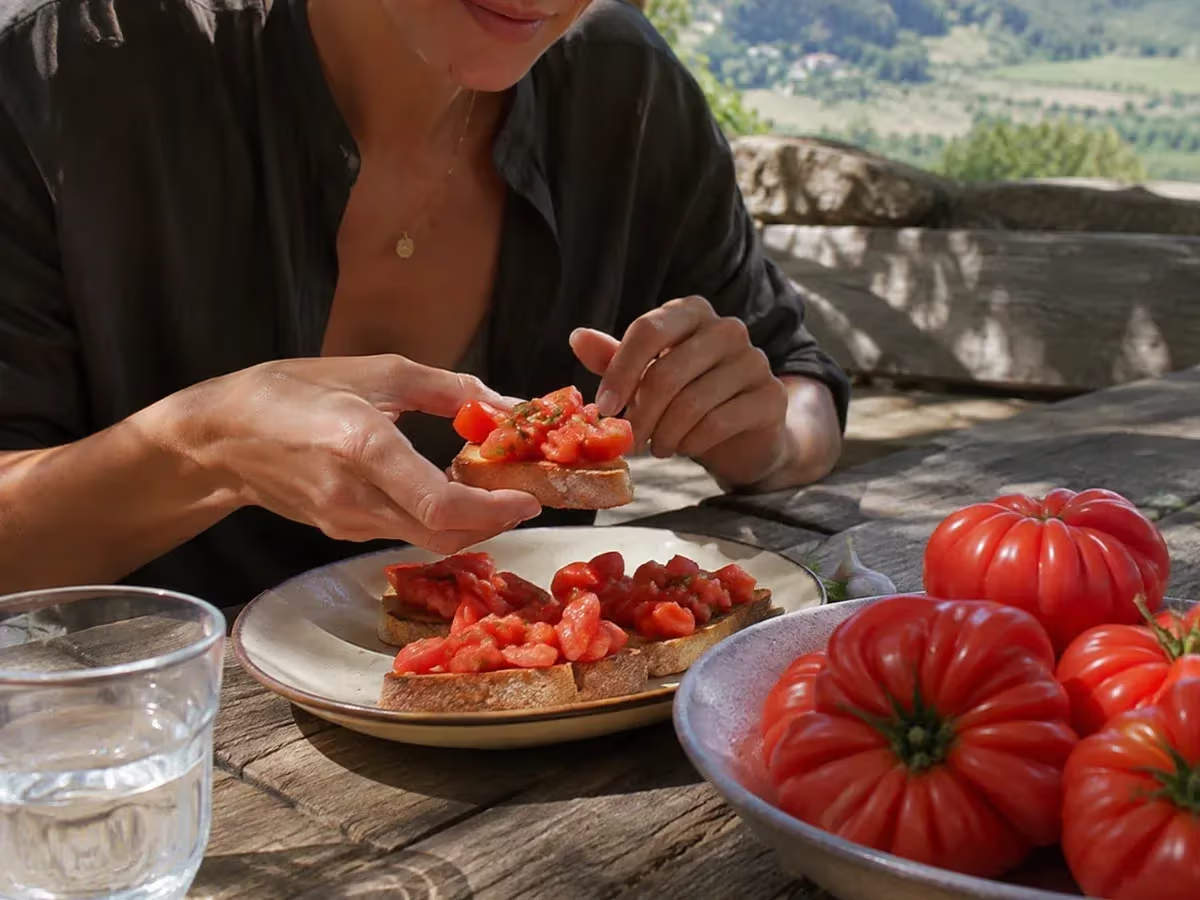
The Costoluto Fiorentino is an ancient Tuscan vegetable variety, characterized by its flattened and deeply lobed shape that gives it the distinctive appearance from which it takes its name. The skin, a vivid red tending toward crimson at full ripeness, is thin and delicate. The flesh is abundant, compact and meaty, with a reduced internal cavity and few seeds, qualities that make it particularly appreciated by those seeking substance on the plate. The aroma is intense, with sweet notes and slightly herbaceous undertones; the flavor balances sweetness and acidity well, resulting in a full and persistent taste.
In the kitchen the Costoluto Fiorentino proves concretely versatile: its dense flesh makes it ideal for sauces that thicken naturally, without need for long cooking times. It also excels served raw, sliced thick on a plate with Tuscan extra virgin olive oil and salt, or stuffed and baked in the oven. Its robust structure makes it the natural choice for preparing panzanella and for warm fillings with bread, capers and anchovies.
In the farms of the Florentine countryside, at least from the nineteenth century onwards, this tomato held a fixed place in family vegetable gardens and in the memory of sharecropping farmers. Its diffusion is strictly linked to the agricultural system of central Tuscany, where vegetable cultivation accompanied the vine and the olive in the domestic economy of rural families. The name refers directly to the city of Florence, which has been for centuries its main market hub and consumption center, as well as the territory where the most stable varietal characteristics were selected.
During the twentieth century, with the advancement of more productive hybrid varieties that were more resistant to transport, the Costoluto Fiorentino risked disappearing from gardens as a widespread production. Its revival is linked to the growing interest in open-pollinated local varieties, the so-called "antiche varietà" (heirloom varieties), whose seeds can be preserved and reproduced year after year by the growers themselves. The Ministry of Agriculture, Food and Forestry has included it in the list of Traditional Agri-food Products (PAT), a recognition that attests to its territorial and cultural rootedness. Today its cultivation is maintained by small producers, urban gardens and seed custodians who preserve its genetic continuity.
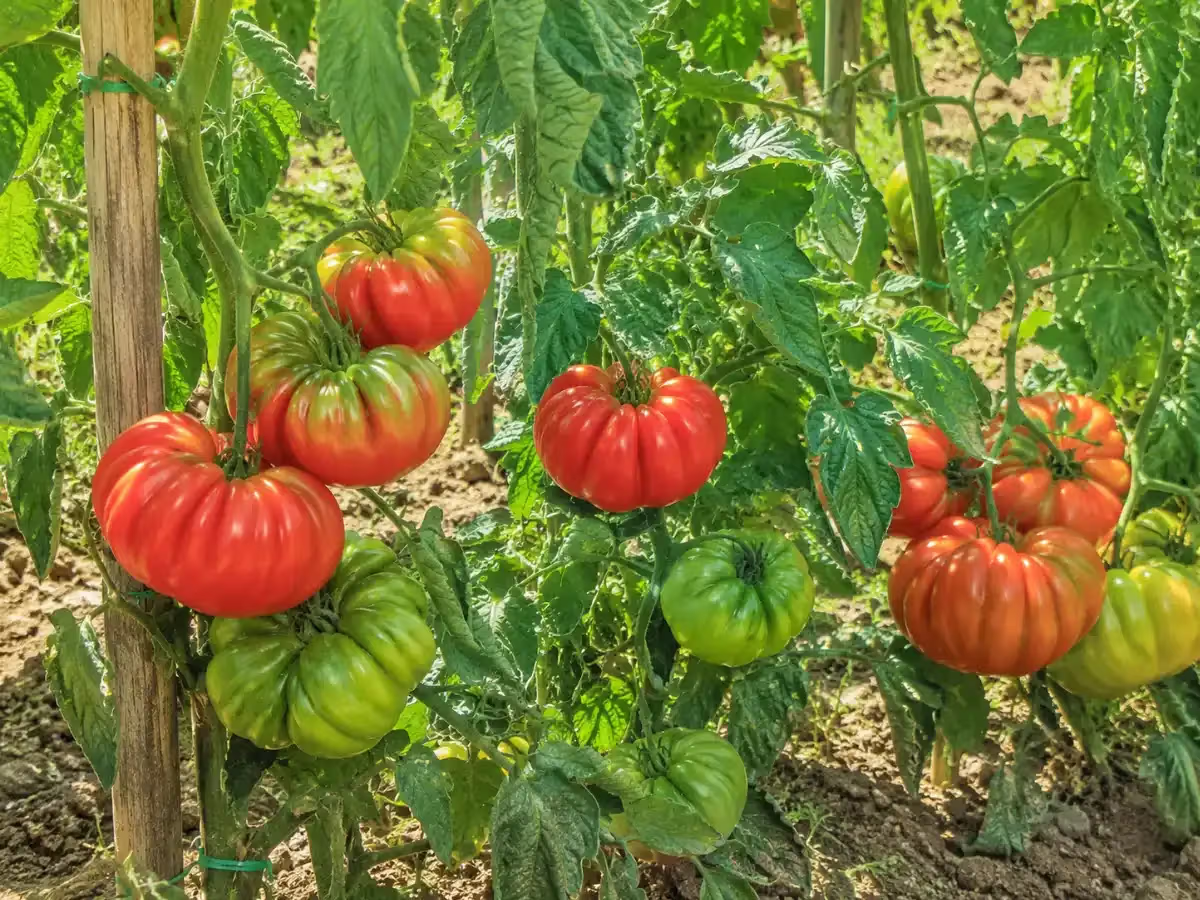
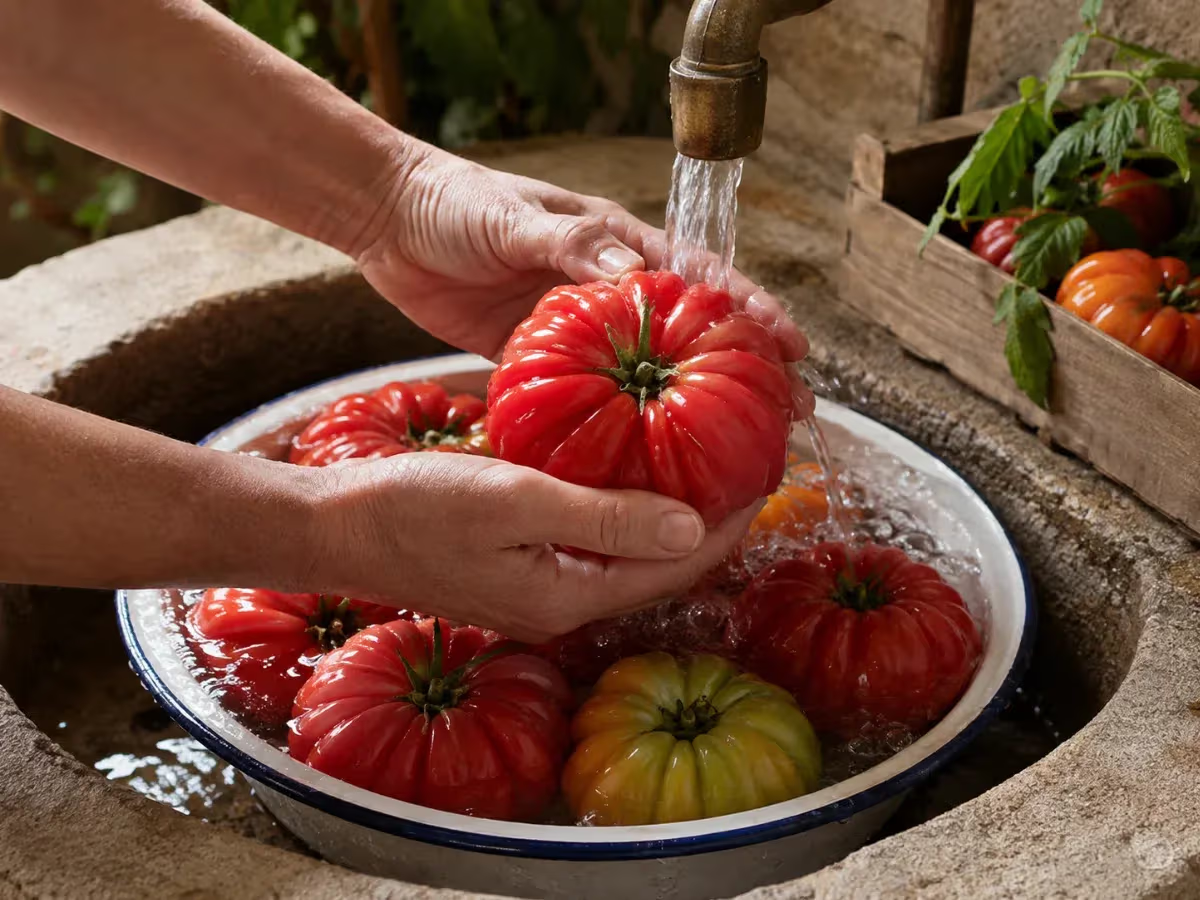
Shape is the first reliable indicator: the Costoluto Fiorentino presents itself flattened at the poles, with marked and regular ribbing that divides the fruit into well-defined lobes, separated by deep furrows. The diameter is generally wide, ranging from 10 to 15 centimetres, with a weight that can exceed 300 grams at full ripeness. The external colour shifts from green with greyish hues when unripe to an intense and uniform red when ripe, though sometimes retaining a slight green zone around the stem.
When touched, the surface feels firm but not hard. When cut, the flesh is a bright red, with reduced internal locules and a quantity of vegetative liquid decidedly lower compared to industrial varieties. The absence of labels or registered marks makes it essential to rely on trusted local producers, certified farmers' markets or cooperatives that guarantee varietal provenance. Be wary of fruits that are uniformly perfect in shape: slight irregularities are often a sign of authenticity.
Like most slicing tomatoes, the Costoluto Fiorentino provides modest calories, approximately 18-20 kcal per 100 grams of fresh product. It is a good source of vitamin C, vitamin K and folate, as well as lycopene, the carotenoid pigment associated with the red color of the flesh. It contains potassium in significant amounts and has a high water content, which contributes to hydration. Its thin skin and dense flesh make it particularly rich in fiber compared to other watery-fleshed varieties.
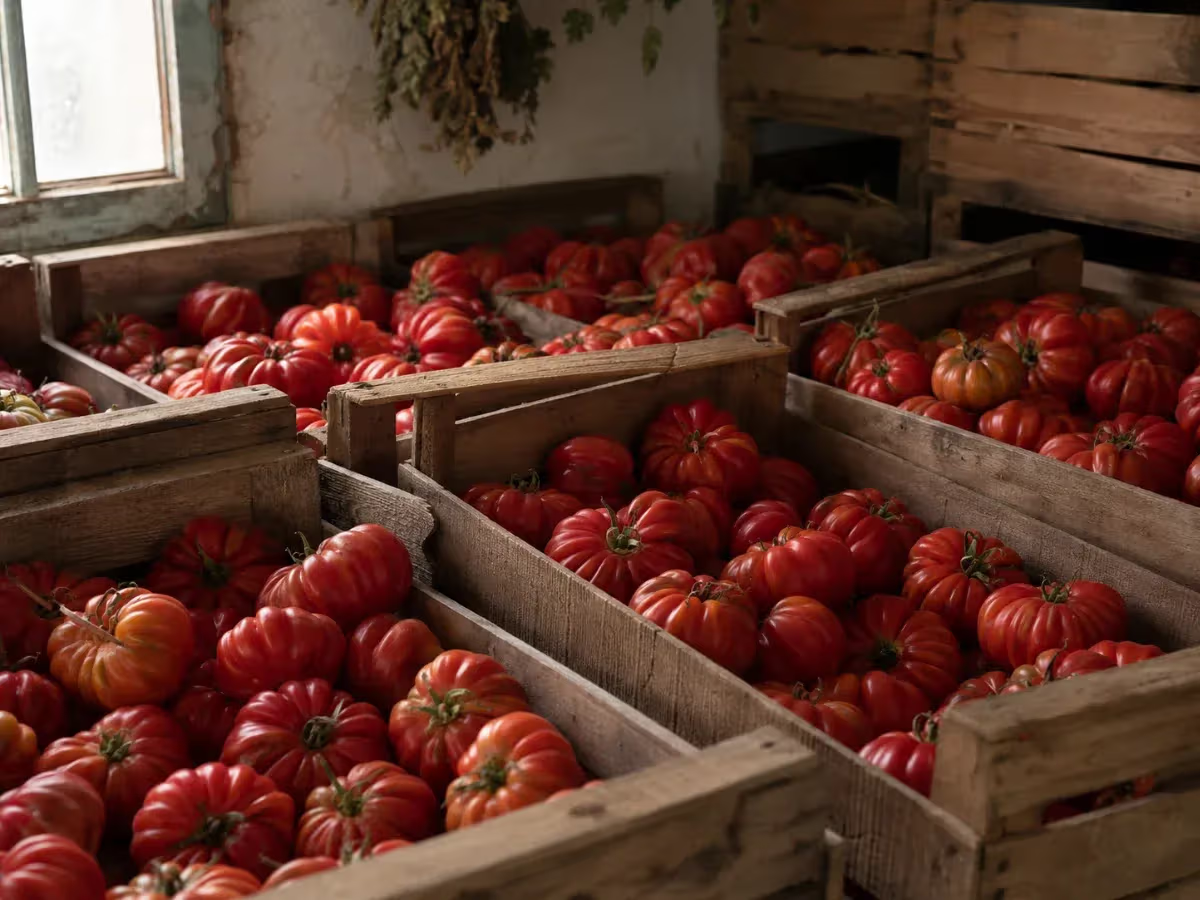
Costoluto Fiorentino tomatoes should be stored at room temperature, away from direct sunlight, preferably on a surface with the stem facing downward to slow down softening. The refrigerator is not recommended for whole fruits: low temperatures compromise the aroma and alter the consistency of the flesh. Once cut, the fruit should be consumed within a day or two, covered with plastic wrap and kept in the refrigerator. At full ripeness, consumption within two or three days guarantees the best organoleptic characteristics.
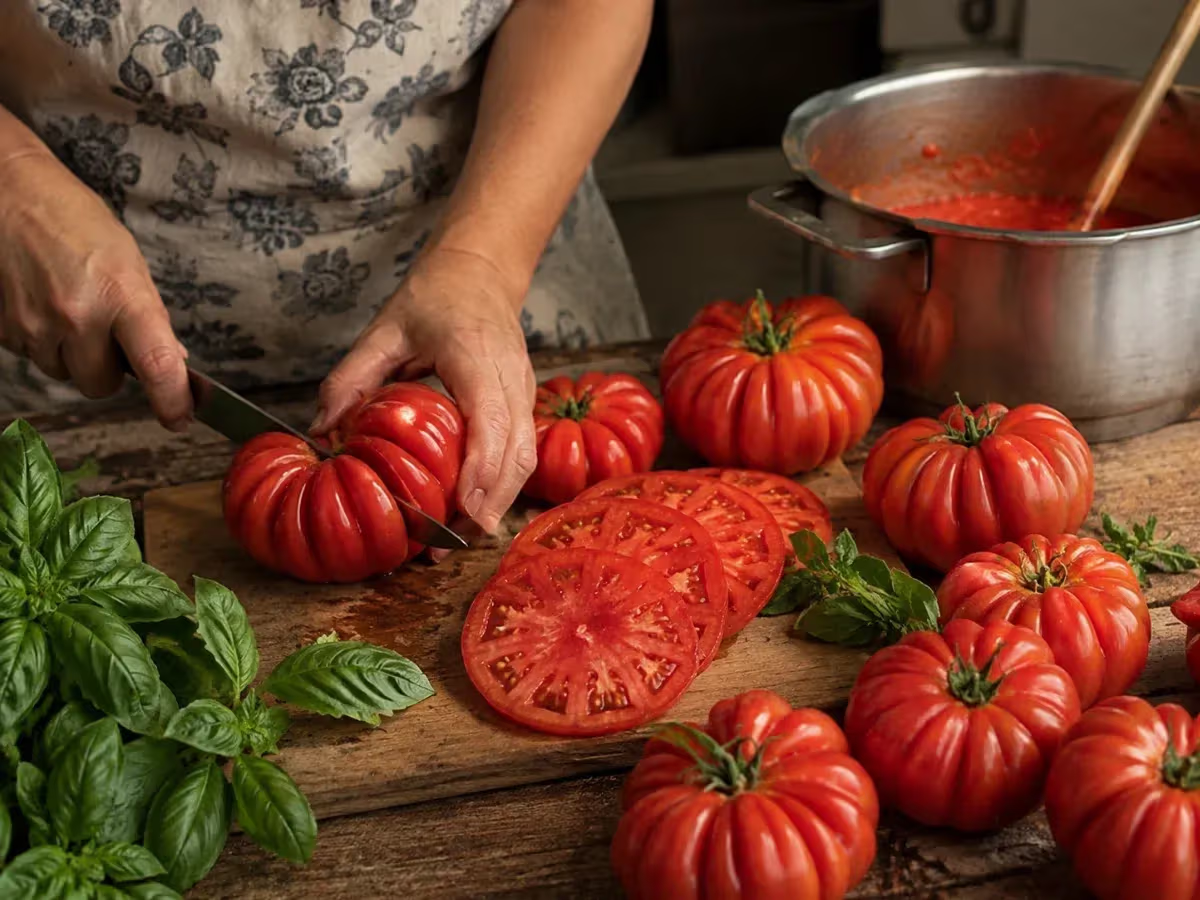
Raw, the Costoluto Fiorentino reaches its most immediate expression: thick slices dressed with Tuscan extra virgin olive oil, coarse salt and fresh basil leaves are a classic summer dish that needs nothing else. The heat of the season and full ripening on the plant are the ideal conditions for consuming it in this form.
When cooked, the dense flesh behaves optimally in oven preparations and in sauces, where it slowly breaks down releasing a flavorful and full-bodied sauce. It is traditionally used to fill the fruit itself with simple fillings based on stale bread, garlic, aromatic herbs and oil, then cooked in the oven until golden.
At the table the Costoluto Fiorentino pairs naturally with the bold flavors of Tuscan cuisine: extra virgin olive oil, preferably from the Florentine hills or Chianti, enhances its sweetness without masking its acidity. Fresh basil is the most classic aromatic companion, while salted capers, anchovies in oil and aged Pecorino Toscano create pleasant contrasts with the soft flesh.
For wine, the decisive character of the Costoluto finds a balanced counterpart in fresh Tuscan whites such as Vernaccia di San Gimignano or a Vermentino, capable of cleansing the palate between bites. If consumed in cooked and more structured preparations, it can hold its own against a young and fruity Chianti.
The quintessential summer preparation of Tuscan cuisine, panzanella calls for stale bread, soaked in water and wrung out, to be mixed with generous slices of ripe Costoluto Fiorentino, red onion, basil, cucumber and dressed with extra virgin olive oil, wine vinegar and salt. The dense flesh of the Costoluto releases just the right amount of juice to soak the bread without making it mushy, maintaining the balance between ingredients.
The fruits are hollowed out of their inner pulp, mixed with crumbs of stale bread soaked in water, garlic, basil, oregano and extra virgin olive oil. The filling is put back in the shell and the tomatoes are cooked in the oven at medium temperature until the skin wrinkles slightly and the filling browns on the surface. It is a typical oven recipe of Tuscan peasant summer, consumed both hot and at room temperature.
The flesh of the Costoluto Fiorentino, broken by hand and briefly cooked in a pan with garlic, extra virgin olive oil and basil, produces a dense and flavorful sauce that does not require long cooking times. Traditionally paired with fresh pasta or pappardelle, it is the reference base of Tuscan home cooking during the weeks of full summer.
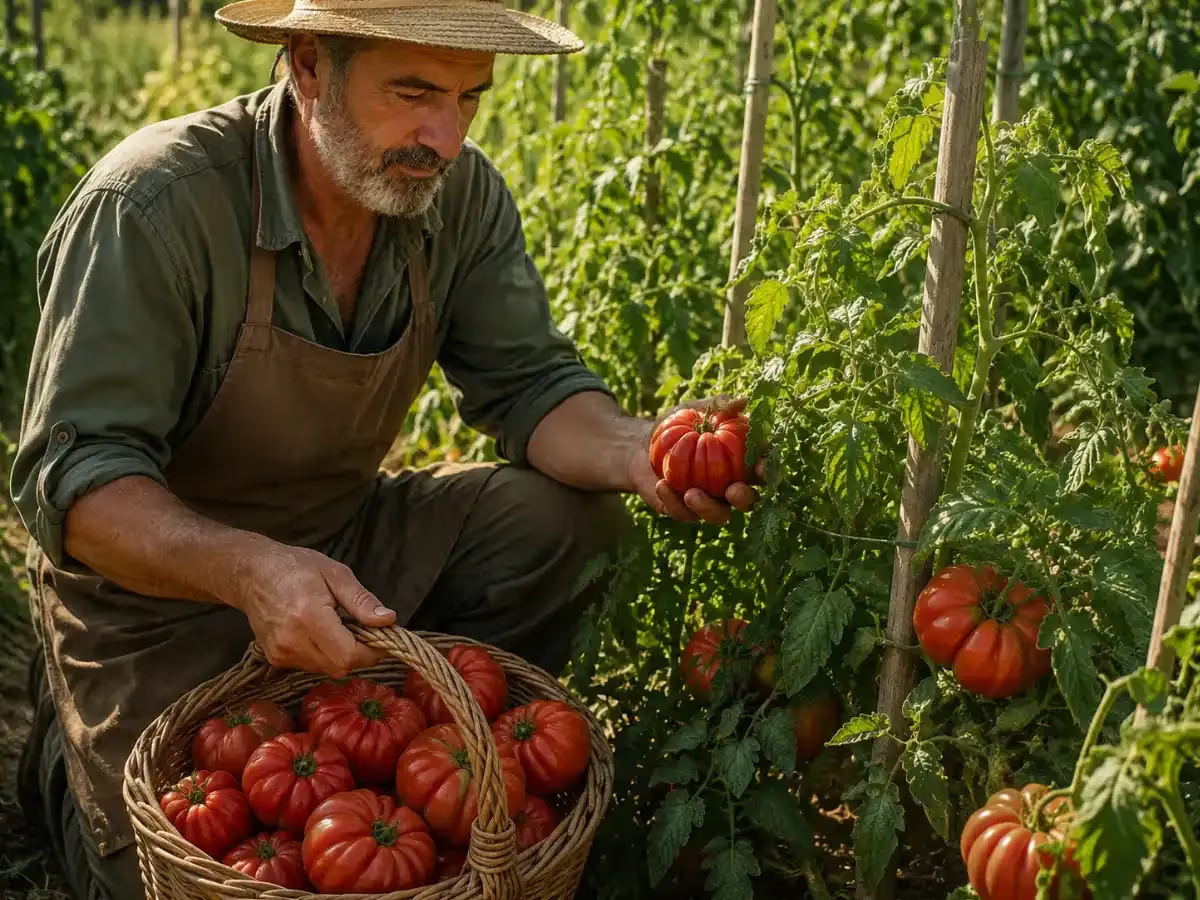
In the Tuscan vegetable garden, the Costoluto Fiorentino has always held a place of prominence, not as a commercial crop but as a mainstay of family self-consumption. The practice of saving seed from one year to the next, selecting the most beautiful and healthy fruits as the genetic source for the following season, is a gesture that binds generations together in a concrete way and has allowed the variety to survive the decades in which market logic favored other types. The preparation of summer preserves, from bottled sauce to sun-dried tomatoes on wooden racks, is closely associated with this variety in the farming families of the Florentine area, where collective work around the fires for sterilizing jars was a fixed appointment at the end of summer.
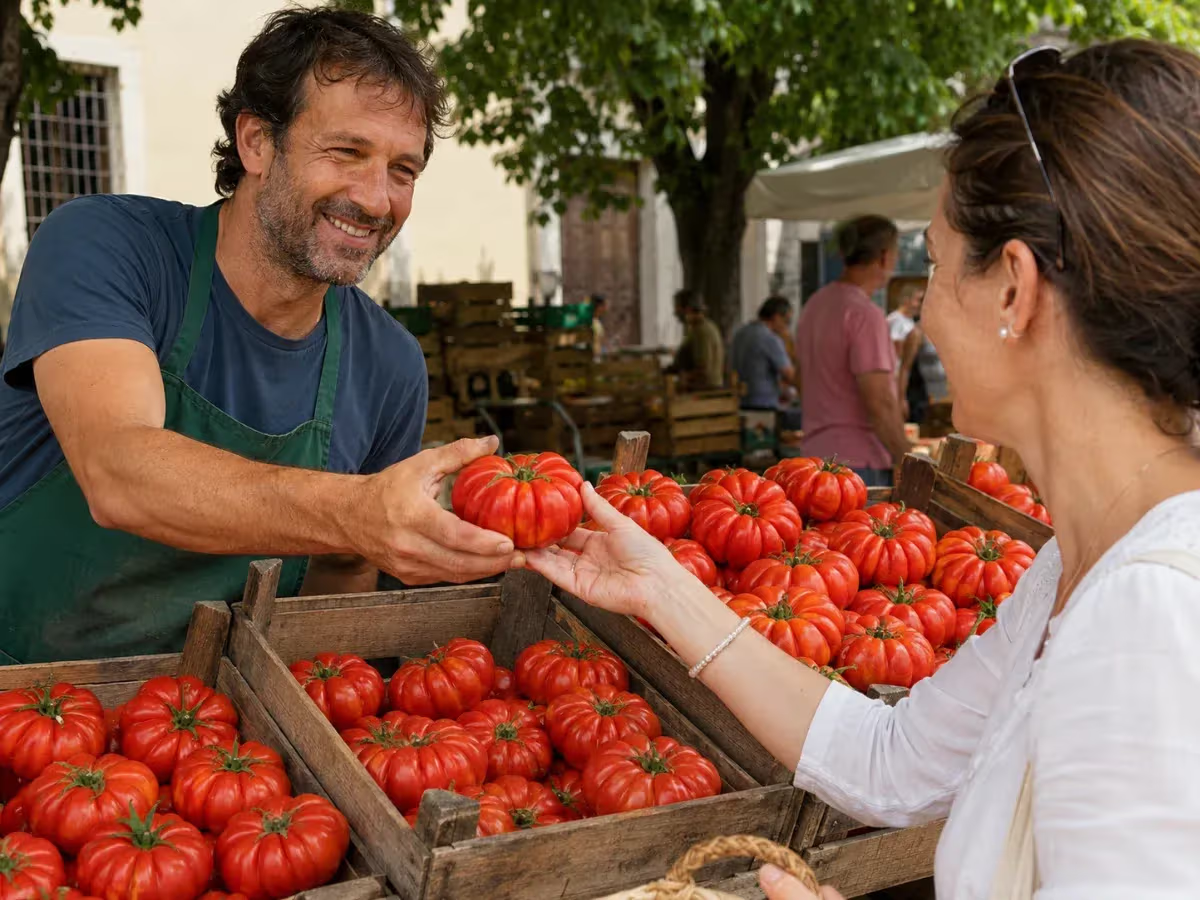
The presence of Costoluto Fiorentino in summer events linked to Tuscan horticulture is widespread but often inserted in broader contexts dedicated to vegetables from the traditional vegetable garden. Farmers' markets such as the one in Piazza Annigoni in Florence and numerous weekly markets in municipalities in the Chianti and Val di Sieve areas regularly offer this tomato during the summer season. Some vegetable garden festivals and village fairs in municipalities in the Florence province traditionally include tastings of ancient tomato varieties, often in collaboration with associations for the protection of local agricultural biodiversity.