
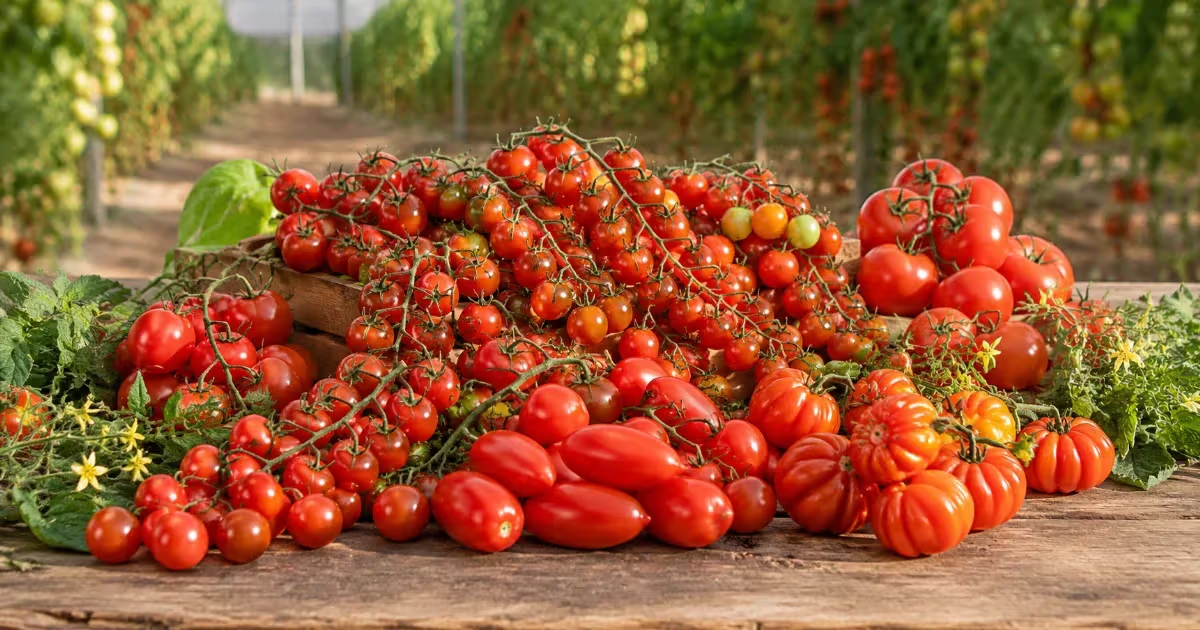
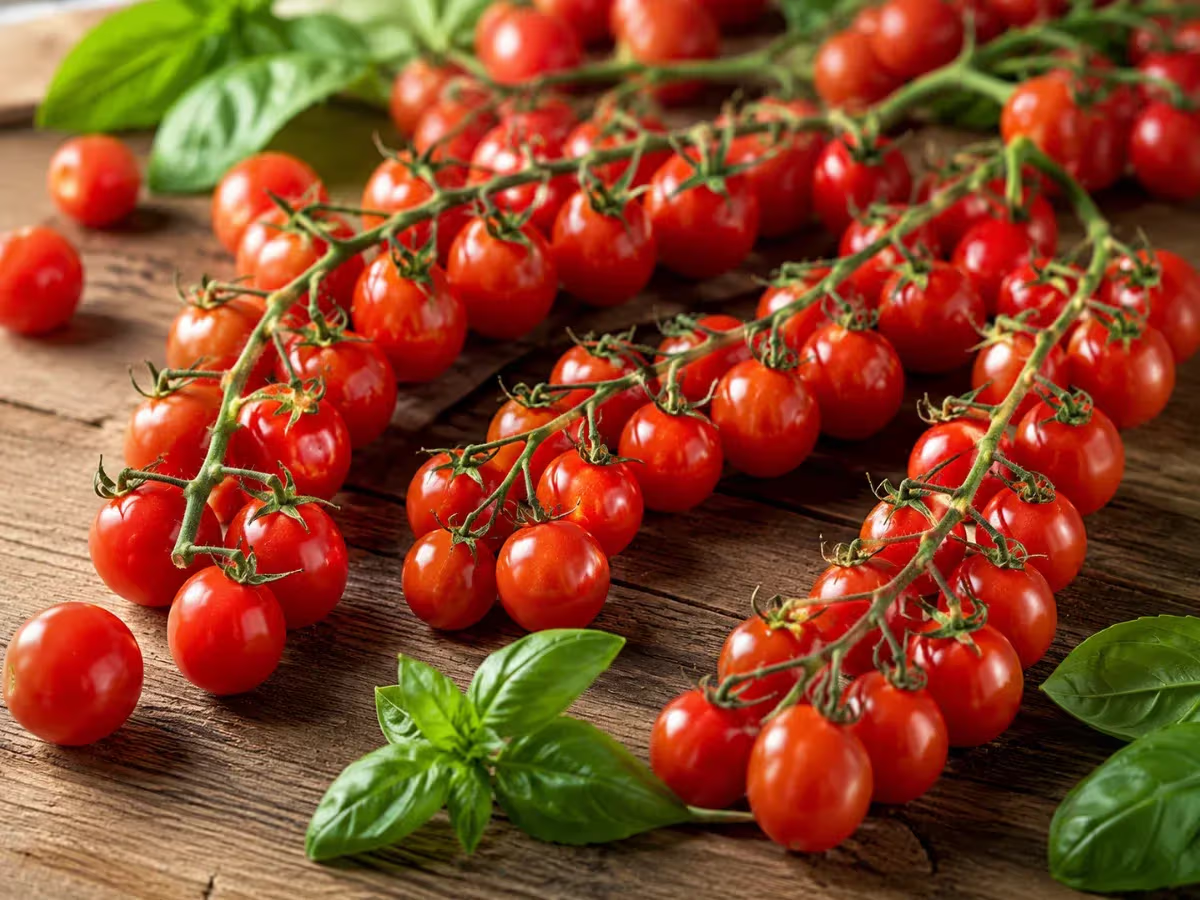
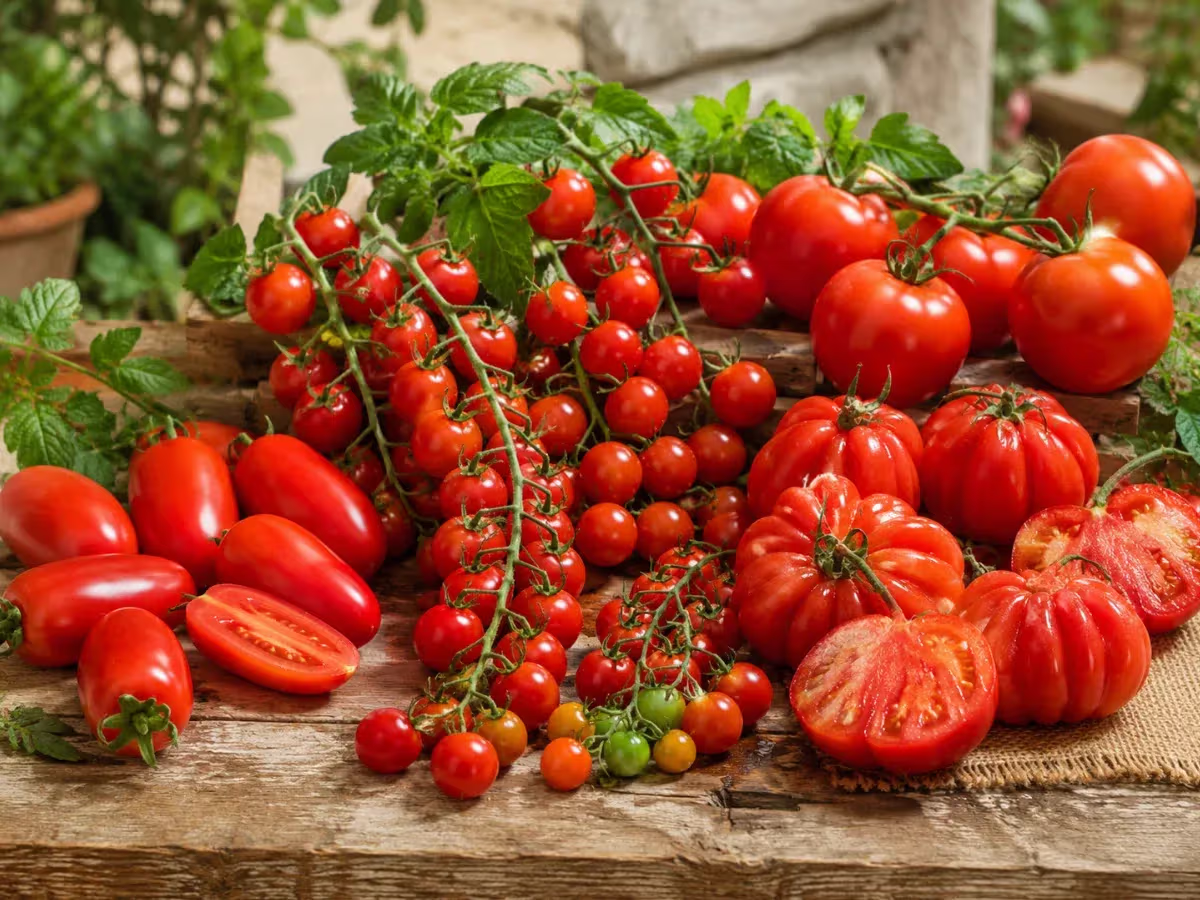
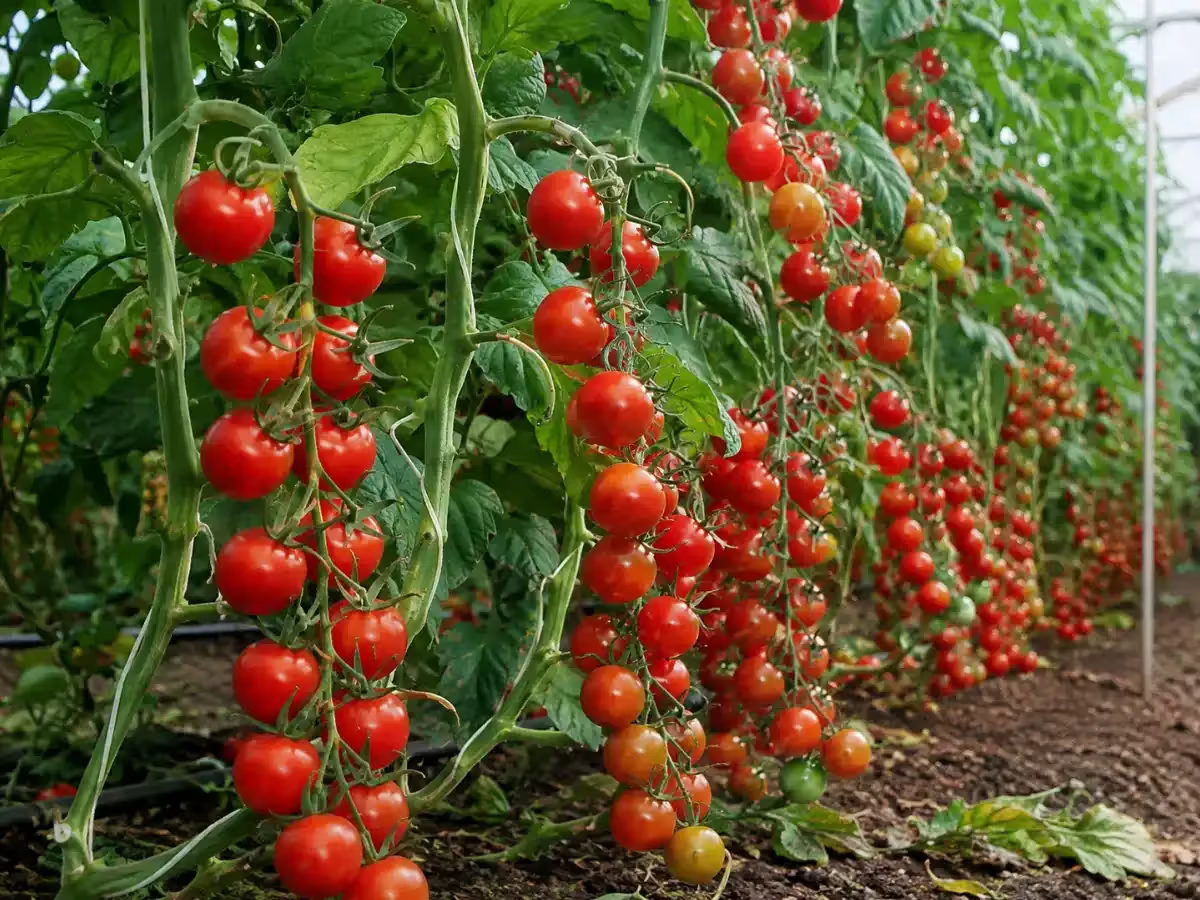
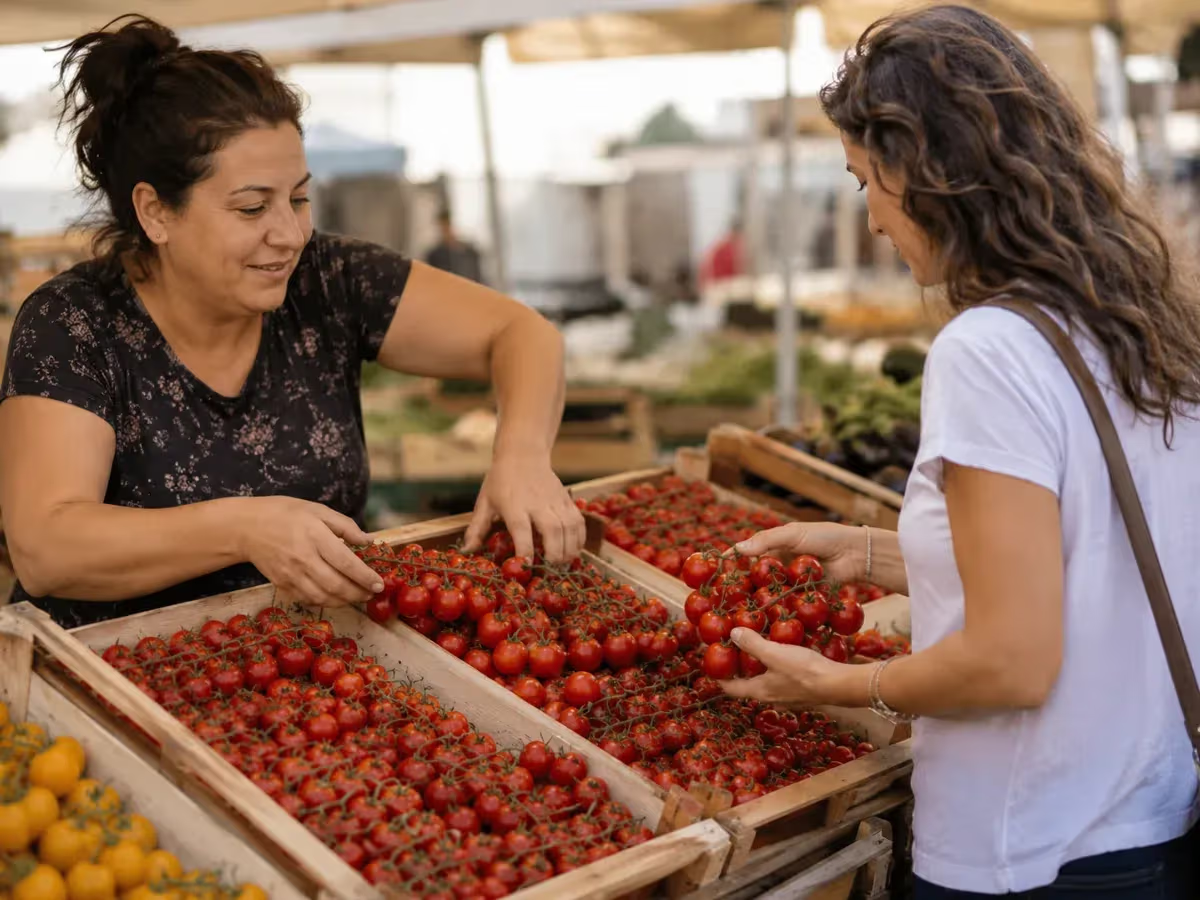
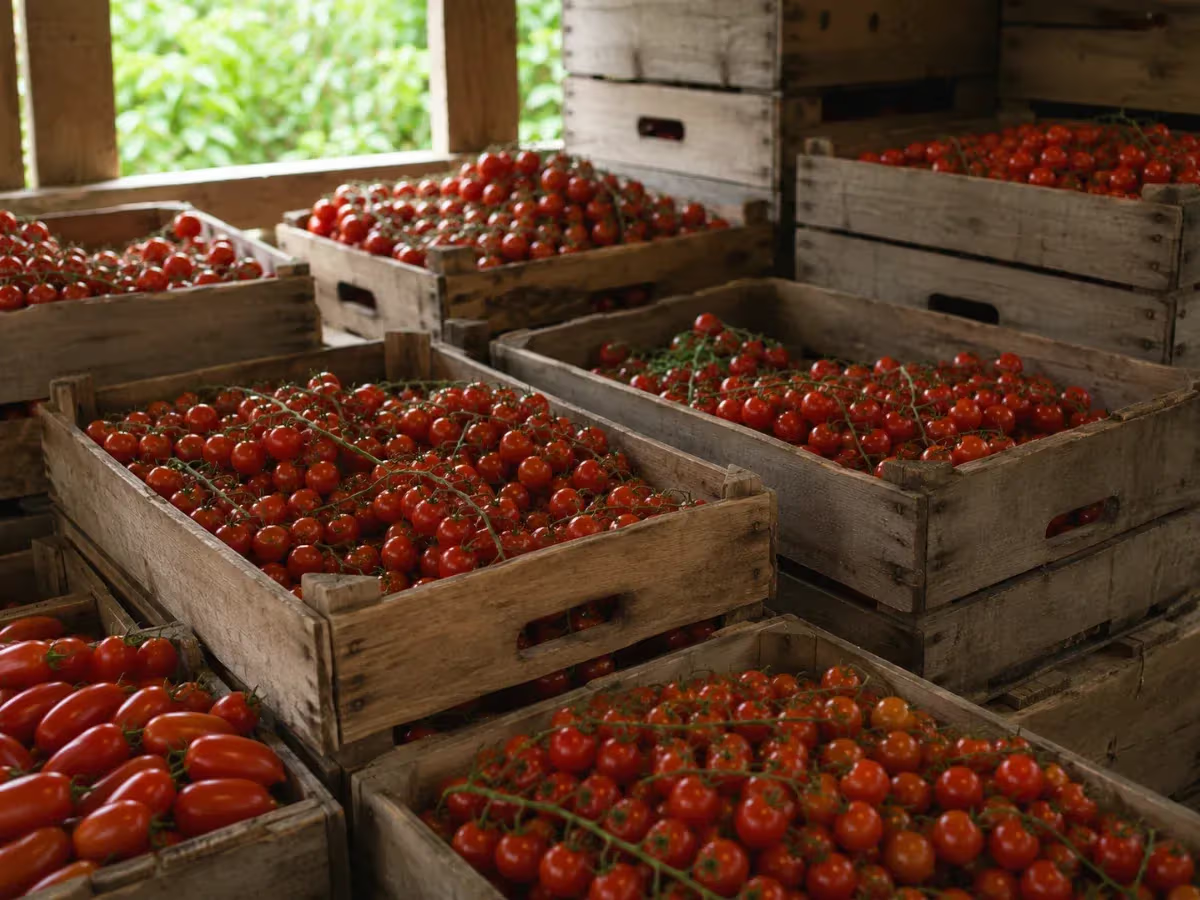
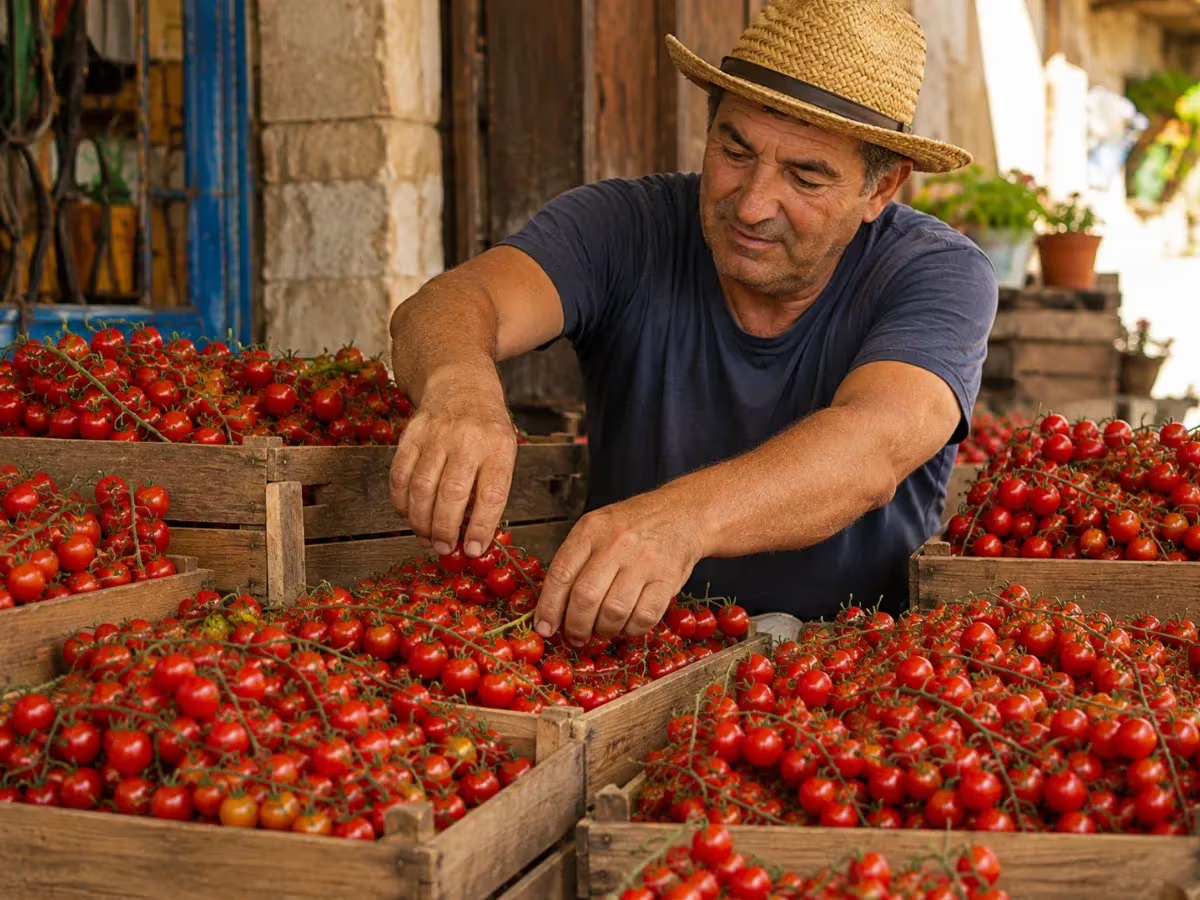
Pachino tomatoes IGP are born in the southernmost corner of Sicily, in the area between Pachino, Portopalo di Capo Passero and the surrounding countryside, where sandy soil, proximity to the sea and an almost African level of sunshine create unrepeatable conditions. It is not a single product but a family of four certified types: the Ciliegino (or Cherry), small and round, gathered in fishbone-shaped clusters with a very sweet flavor; the Costoluto, large with ridged skin, ranging from dark green to red; the Tondo Liscio, of medium or small size, available as single fruit or in clusters; the Plum and Miniplum, with an elongated shape and compact, sweet flesh.
In the kitchen each type finds its own purpose. The Ciliegino is used raw in salads or briefly sautéed in a pan to dress pasta; the Costoluto, with its firm flesh, lends itself to summer salads and full-bodied sauces; the Plum and Miniplum adapt to slow cooking, preserves and oven preparations. The natural sweetness, common to all variants, reduces the need for corrections during cooking and makes these tomatoes recognizable even to less experienced palates.
The fertility of this corner of Sicily was already known in the Greco-Roman era, but the intensive cultivation of tomatoes in the Pachino area consolidated during the twentieth century, when the local pedoclimatic characteristics, the salinity of the soil and the slightly mineral groundwater came to be recognized as determining factors for the quality of the fruit. Local varieties were slowly selected, adapting to a microclimate that guarantees contained temperature variations and an exceptionally long production season, almost winter-like compared to the rest of Italy.
The IGP recognition, obtained from the European Union, codified this collective identity by establishing precise regulations for the four permitted types: Ciliegino, Costoluto, Tondo Liscio and Plum-Miniplum. The certification also served an economic protection function for local producers, allowing them to defend the Pachino name from imitations from other areas. The delimited production area comprises the municipalities of Pachino, Portopalo di Capo Passero, Noto and Ispica, in the territory of the province of Syracuse. Alongside the IGP, GlobalGAP certification attests to compliance with agricultural practices concerning food safety, worker welfare and environmental management of the supply chain. Ciliegino remains the most well-known variant on the national market, but it is the combination of all four types that constitutes the complete identity of the brand.
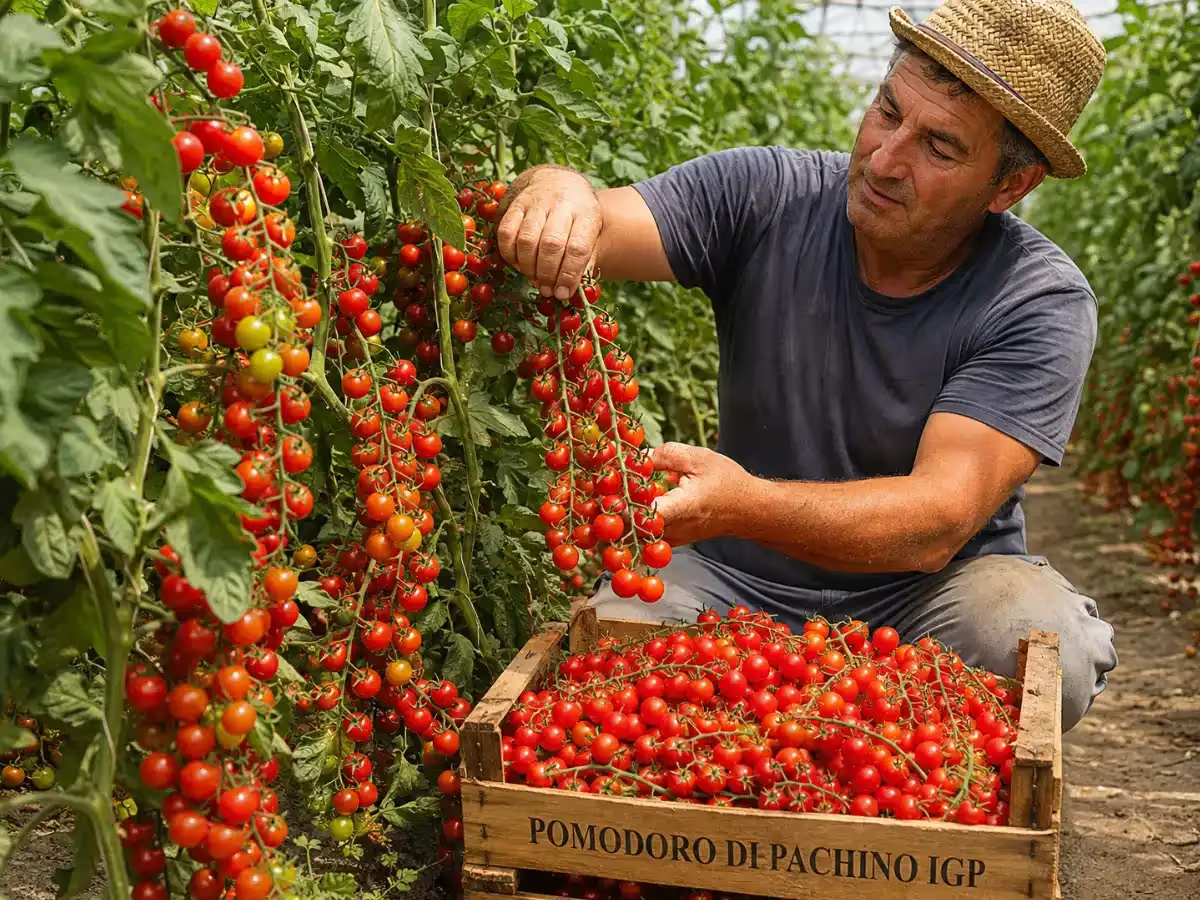
The Pomodoro di Pachino IGP is recognized first of all by its label: the regulations require the application of the IGP logo and the collective trademark of the Consortium for protection on every package, along with the indication of the specific type (Ciliegino, Costoluto, Tondo Liscio or Plum-Miniplum) and the area of origin.
Visually, authentic Ciliegino presents a taut and shiny skin, a uniform bright red, a green stem and an intact herringbone cluster. Costoluto is recognized by its deeply furrowed surface and generous dimensions. Plum and Miniplum have a distinctly elongated shape with a pointed apex. In all cases, the skin must be compact but not leathery and the fragrance must be present even at room temperature, with sweet and slightly marine notes.
A practical clue: the sweet flavor and the balance with a slight acidity are structural characteristics of these tomatoes, due to the soil and climate of the area. Insipid or excessively watery tomatoes, even if labeled with similar names, do not belong to this certified category.
Pomodoro di Pachino IGP provides a low caloric content, approximately between 18 and 22 kilocalories per 100 grams depending on the variety. It is rich in water, vitamin C and lycopene, the carotenoid pigment responsible for the red color, whose bioavailability increases with cooking. It also contains potassium, vitamin A in the form of beta-carotene and folates. The thin but resistant skin of the Ciliegino concentrates a good amount of antioxidants. The high water content makes it a low energy density food, suitable for low-calorie diets and a balanced Mediterranean diet.
The Pomodoro di Pachino IGP should not be stored in the refrigerator: the cold blocks ripening and compromises the characteristic fragrance and sweetness. The ideal solution is to keep it at room temperature, away from direct light and heat sources. Bunches are better preserved intact, without detaching individual fruits from the stem. Under optimal conditions, the Ciliegini and Plum varieties keep well for seven to ten days from purchase; the Costoluto, once ripe, should be consumed within two to three days.
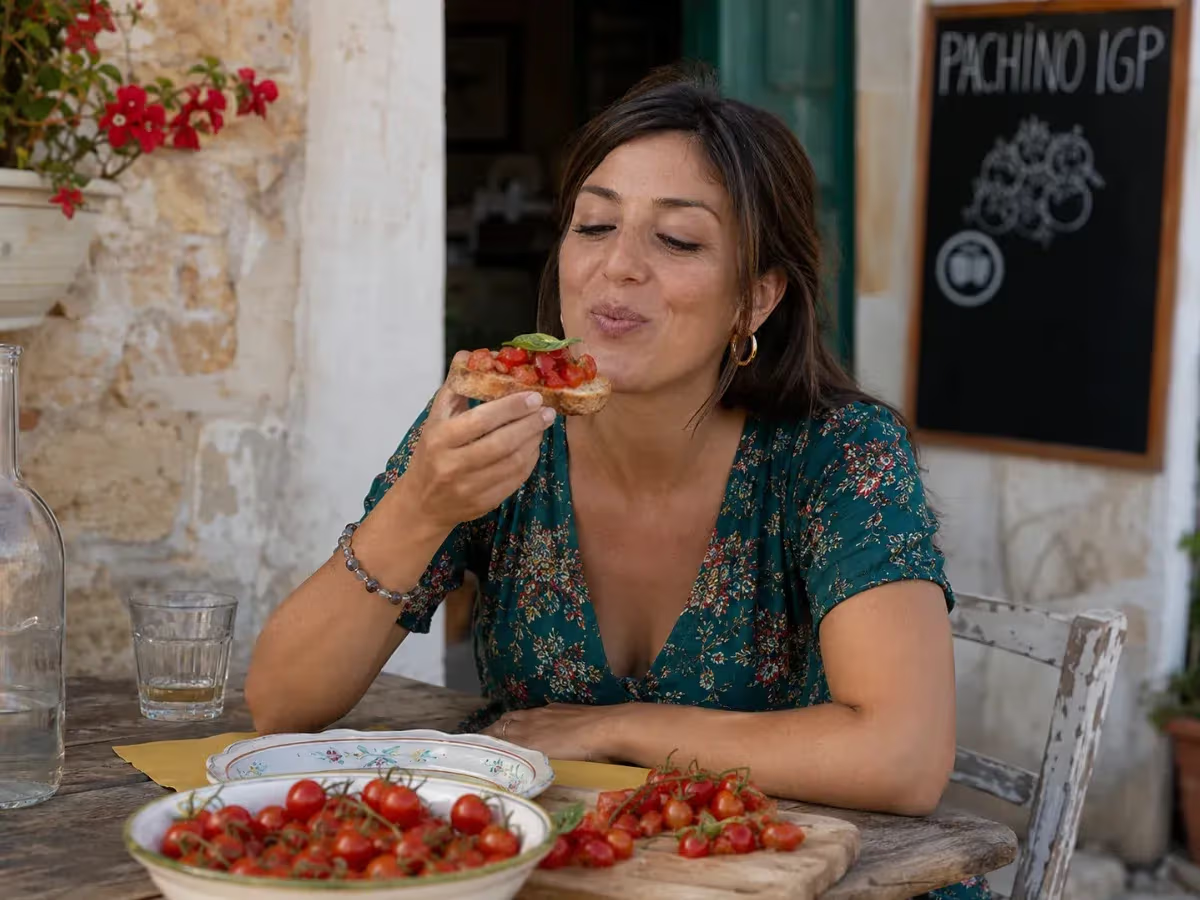
The Ciliegino and Tondo Liscio are excellent raw, whole or halved, and do not require prolonged marinating thanks to their natural sweetness. The Costoluto, with its firm and low-water flesh, pairs well with summer salads but also holds up well to brief cooking in a pan or oven. The Plum and Miniplum lend themselves to both fresh consumption and slow cooking for sauces and gravies. In all cases, the ideal serving temperature is room temperature: the aromas express themselves better away from refrigerator cold. A sprinkle of coarse salt and a drizzle of Sicilian extra virgin olive oil are enough to enhance any variety.
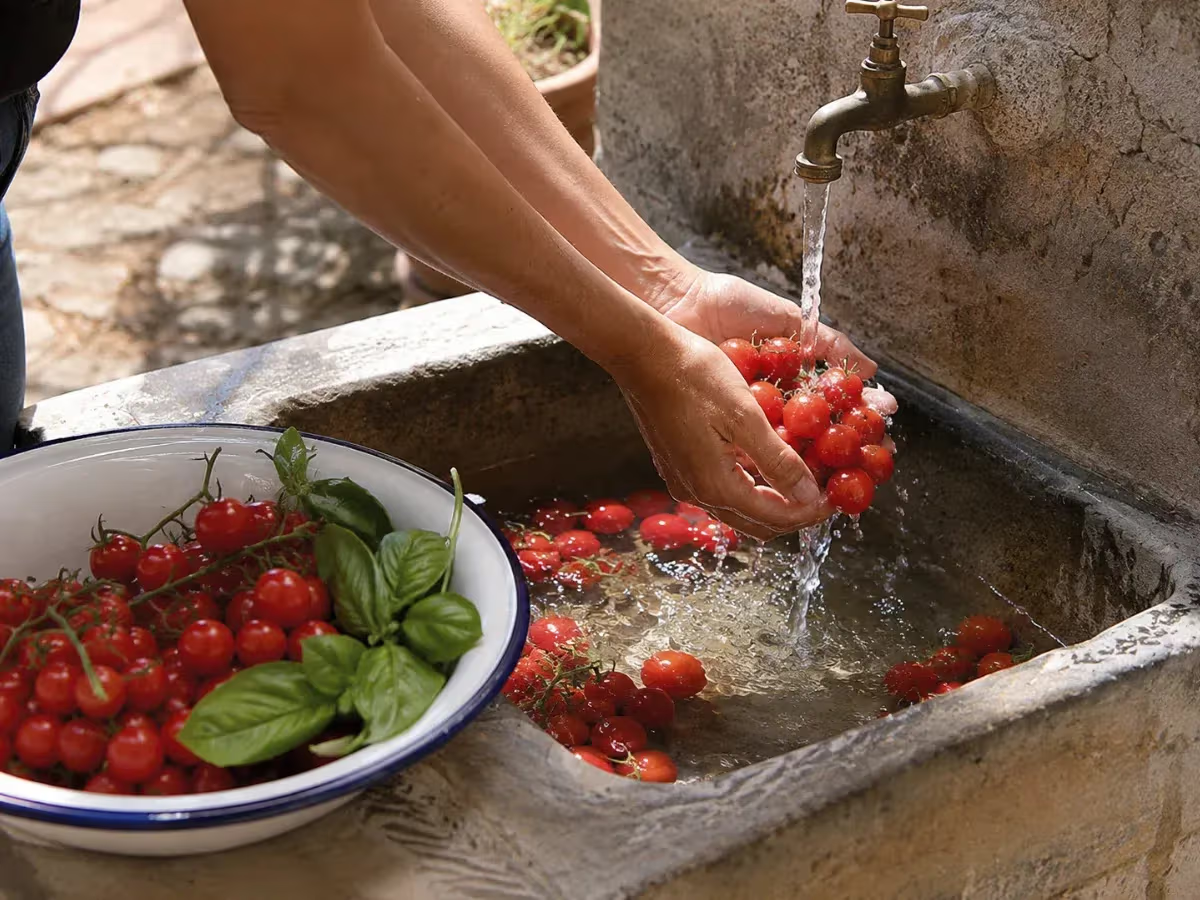
At the table, Ciliegino di Pachino finds its most classic pairing with mozzarella di bufala and fresh basil, in the simple composition that enhances the sweetness of the fruit without overpowering it. With wines, it pairs well with fresh and savory Sicilian whites like Grillo or Catarratto, which dialogue with the marine note of the tomato without weighing down the dish. For cooked preparations based on Plum or Costoluto, a young Nero d'Avola not too tannic holds up well with the structure of the sauce.
Among pairings with other ingredients, raw or just seared fish is a natural pairing for Ciliegino, as well as salt-cured anchovies, fresh pecorino siciliano, and Pantelleria capers. Pane di Altamura or a semolina roll complete any raw preparation, absorbing the juices of the fruit without stealing its space.
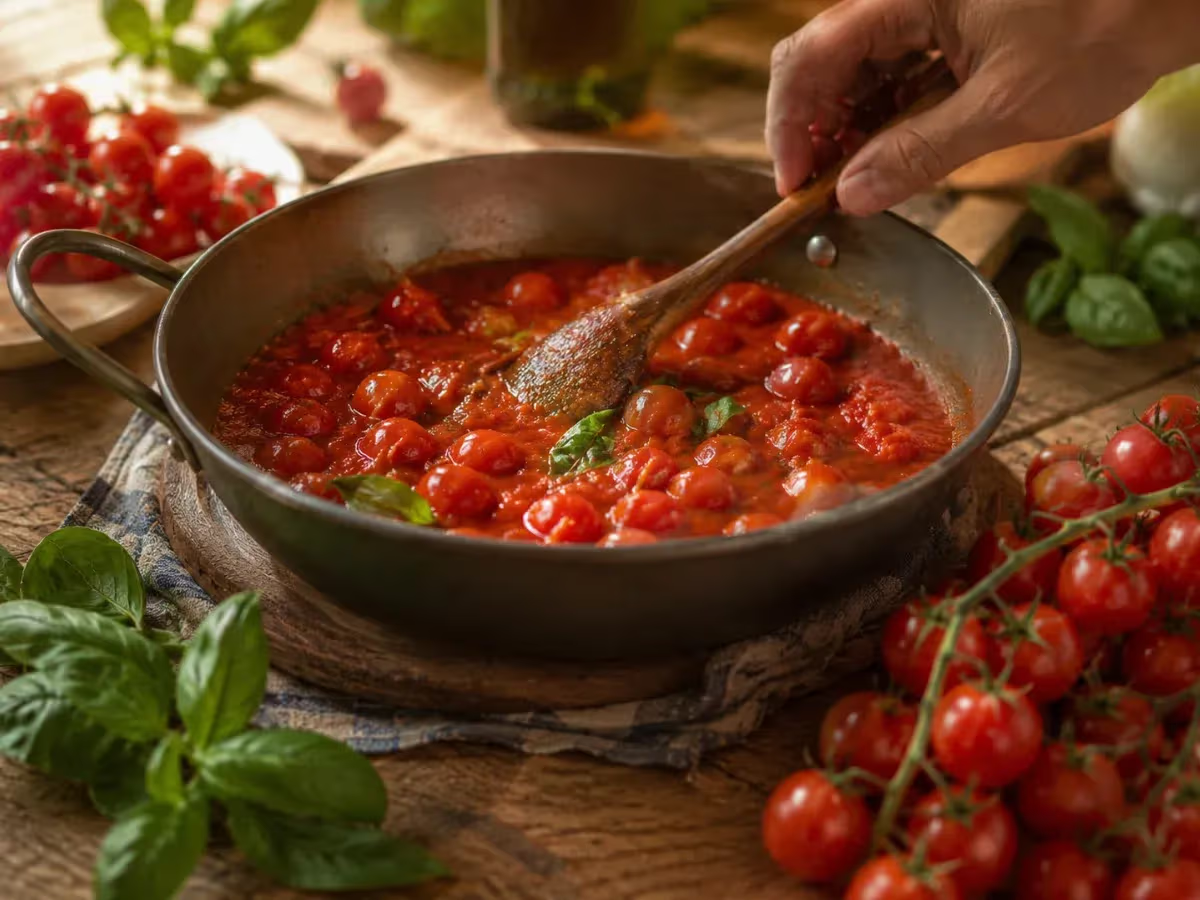
Spaghetti or linguine dressed with Ciliegini di Pachino sautéed over high heat in extra virgin olive oil with garlic and chili pepper, until the skin opens and the juice concentrates slightly. The dish is completed with fresh basil and, optionally, with anchovy fillets dissolved in the oil. It is a quick preparation, widespread throughout southern Sicily, that requires quality tomatoes to be effective.
The Costoluto di Pachino, cut into thick slices, is arranged on a plate with thinly sliced red onion from Tropea, black olives, Sicilian dried oregano and flakes of ricotta salata. A generous drizzle of extra virgin olive oil and a little salt complete the seasoning. It is a summer dish from the home cooking of Val di Noto, served as an appetizer or as a light main course.
The Plum di Pachino are cooked slowly, passed through a sieve and spread on wooden boards to dry in the sun for two or three days, according to a practice still carried out in the countryside between Pachino and Portopalo. The result is a dense and intense paste, preserved in oil, used as a base for sauces, soups and dressings during the winter months.
In the Pachino area, tomato production is not merely an agricultural activity but sets the rhythm of farming families for generations. The preparation of tomato extract, which involves cooking, sieving and slow sun-drying on wooden boards, is a collective ritual that once involved entire families and neighbourhood networks during the hottest months. Even today, in some farmhouses in the area, this practice is maintained and passed down.
The Ciliegino, despite being the most recent variety to establish itself on the national market, has become a symbol of identity recognition for the communities of Pachino and Portopalo di Capo Passero, often cited as an emblem of a territory that has managed to transform difficult conditions—drought, soil salinity, the winds of the Strait of Sicily—into recognizable productive resources.
The Pachino area and the Val di Noto region regularly host events dedicated to promoting Pomodoro di Pachino IGP, particularly in the summer months when production is at its peak. Among the most established initiatives are agricultural markets promoted by the Protection Consortium and rural fairs organized in municipalities within the production area, such as Pachino itself, Portopalo di Capo Passero and Ispica. Some local festivals dedicated to typical products of the Siracusa region include tastings and demonstrations of preparing traditional preserves, particularly sun-dried tomato extract, a practice still alive in the territory.