
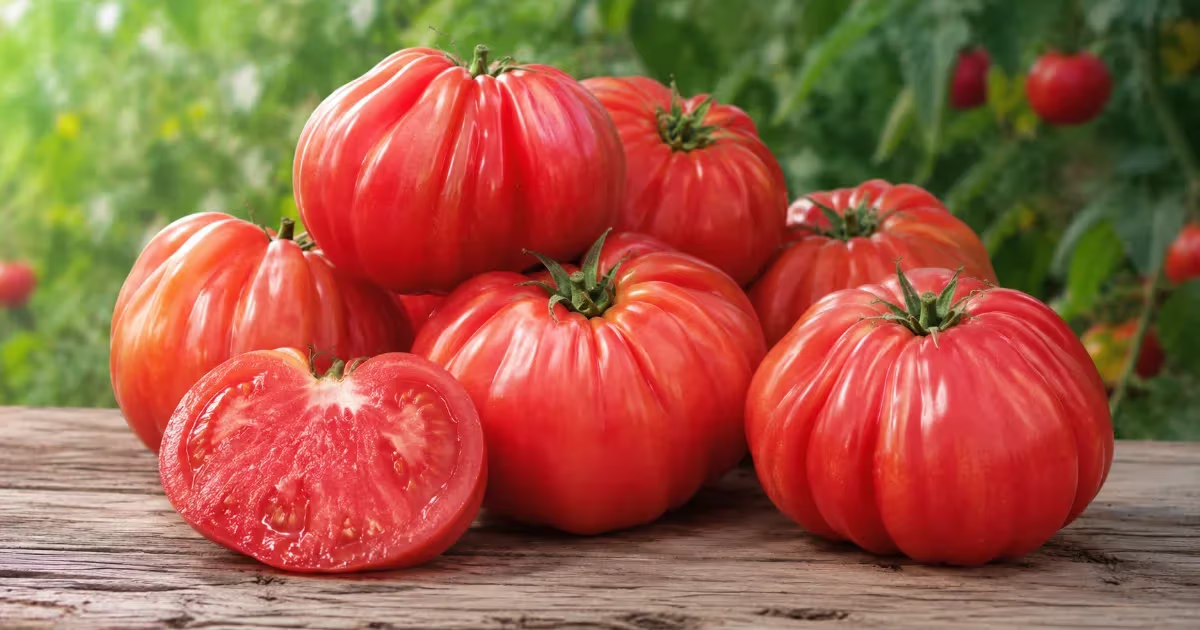
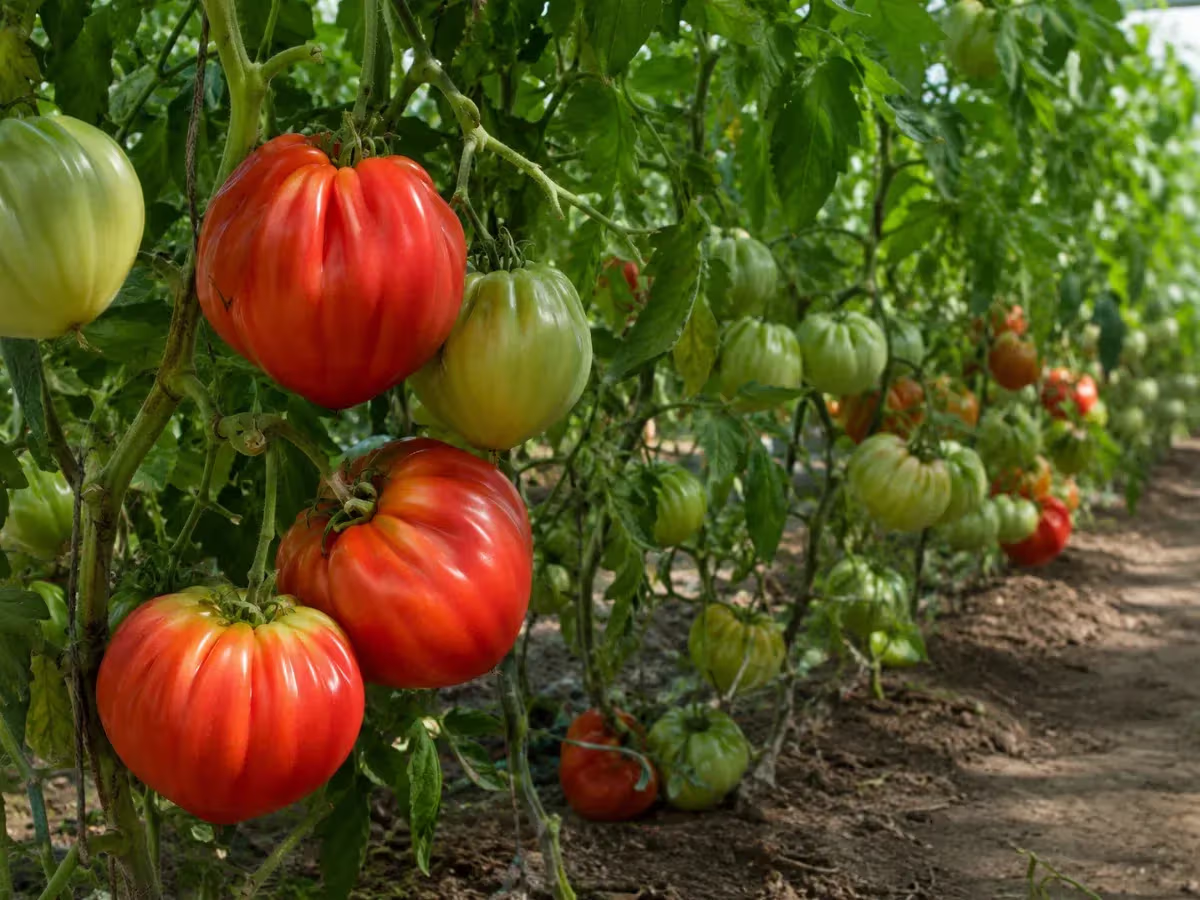
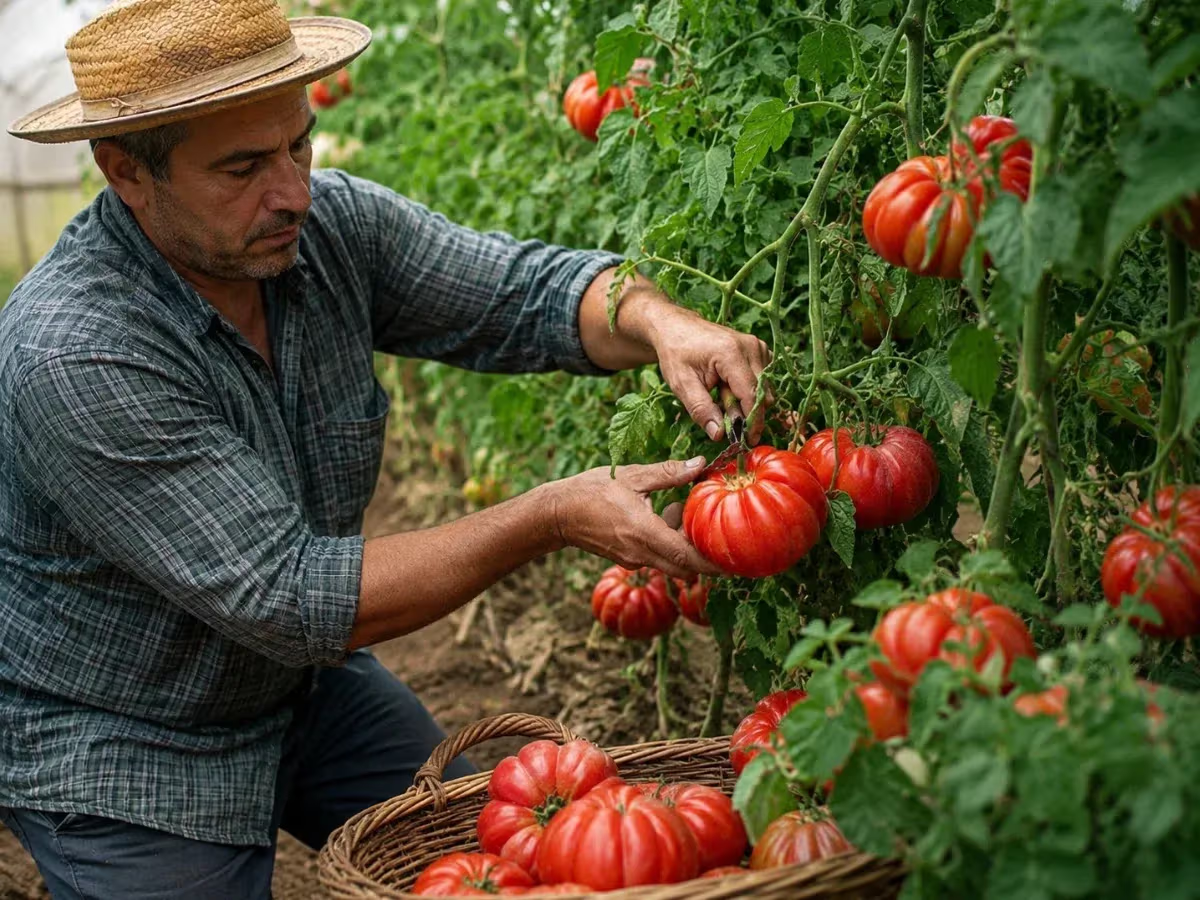
The Pomodoro Cuore di Bue is an ancient variety widespread throughout Italian territory, recognizable at first glance by its irregular, ribbed and fleshy shape that recalls, precisely, the heart of a bovine. The thin and delicate skin encloses abundant, compact pulp with almost no seeds and vegetative water. The color varies from bright red to intense red-orange depending on the ecotype and cultivation territory. The aroma is sweet and persistent, with vegetal notes reminiscent of tomatoes from summer fields. The flavor is balanced, with marked sweetness and low acidity that distinguish it clearly from the more common salad tomatoes.
In the kitchen, its low water content and abundance of pulp make it particularly suitable for raw consumption, sliced and dressed with extra virgin olive oil and salt. The same structure enhances it in caprese, summer cold dishes and rustic sandwiches. Its dense pulp also holds up well in hot preparations, from fresh sauce to bruschetta, to stuffed baked preparations.
The Cuore di Bue belongs to a group of traditional Italian tomato varieties that agricultural communities have selected and preserved over time, passing down seeds and cultivation practices linked to specific microclimates from generation to generation. The most famous and protected variety is the Cuore di Bue di Albenga, in Liguria, where the territory of the Ingauna plain offers light and soil conditions favorable to slow ripening and a particularly high concentration of sugars. The Albenga horticultural tradition has carefully preserved this ecotype, protecting it from the standardization imposed by industrial agriculture.
Other celebrated ecotypes have taken root in equally suited territories: in Calabria, in Belmonte Calabro, the Cuore di Bue has assumed distinctive characteristics linked to the drier and more intense Mediterranean climate; in Sicily and Veneto, further local selections have produced biotypes with distinct organoleptic nuances. This varietal pluralism tells how one and the same type of tomato has been able to adapt and differentiate itself, becoming part of the agricultural identity of multiple regions. In recent decades, growing attention to traditional products and agrobiodiversity has brought the Cuore di Bue back to the center of the quality horticultural products market, also supported by producers and associations committed to protecting ancient varieties.
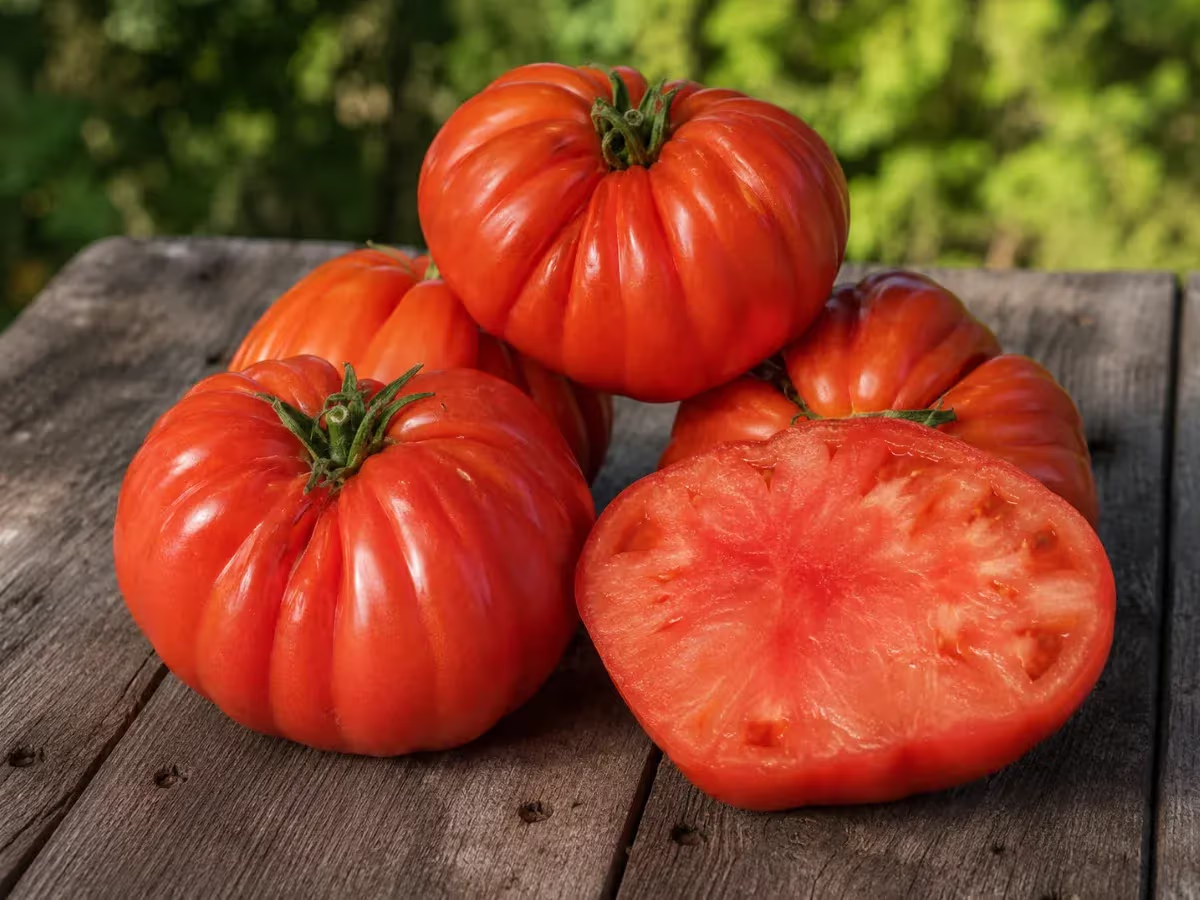
The authentic Cuore di Bue is recognized above all by its shape: large, globose and deeply ribbed, with an asymmetrical profile that distinguishes it from any intensively cultivated tomato. The weight of a single fruit can exceed 400-500 grams. The skin is thin, almost fragile, bright red or red-orange in color depending on ripeness and local ecotype.
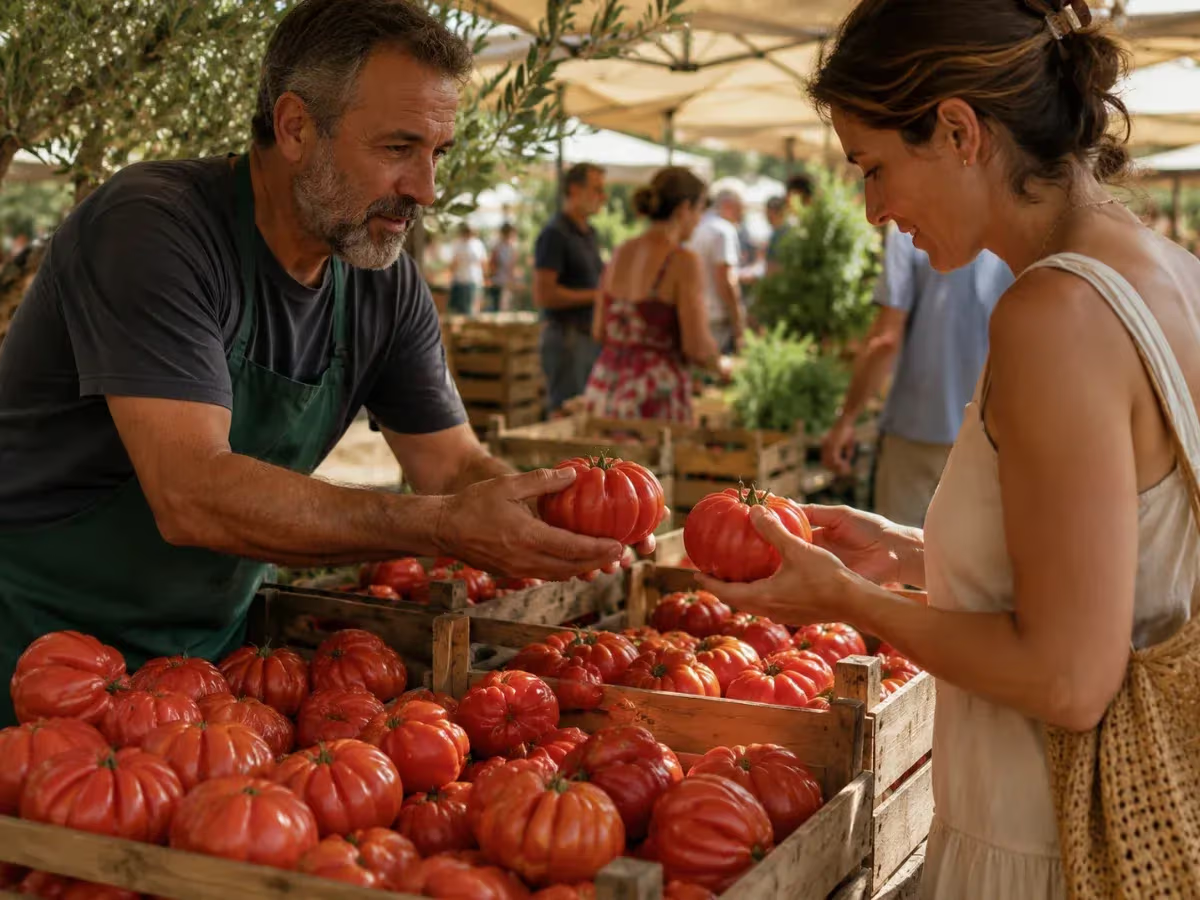
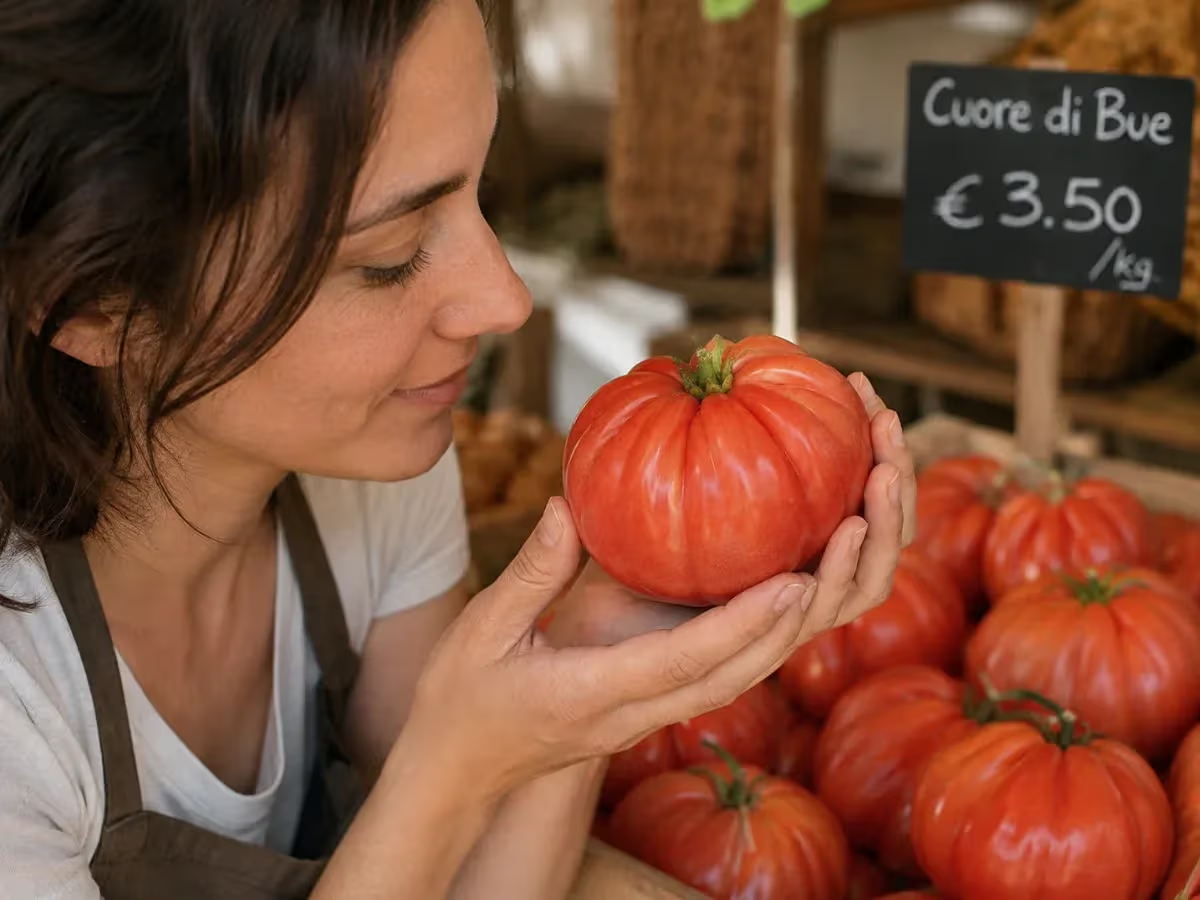
When cut, the flesh reveals itself to be compact and abundant, with reduced seed cavities and very little vegetative water: the cross-section appears full, almost solid. The aroma is sweet and genuine, without the aggressive herbaceous notes typical of tomatoes grown out of season. Local markets and the stalls of trusted market gardeners are the most reliable place to find authentic specimens, especially when purchasing in the height of summer, when seasonality guarantees the best organoleptic characteristics. Cuori di Bue from Albenga or Belmonte Calabro are sometimes marked with origin indications that the buyer should always verify.
Cuore di Bue tomato has a very low caloric content, approximately 18-22 kilocalories per 100 grams of fresh product. It is rich in lycopene, the carotenoid attributed with an antioxidant role, more concentrated the more mature and red the fruit is. It contains vitamin C, potassium, and folates in significant quantities. Its low acidity and high digestibility make it suitable even for those with gastric sensitivity to more acidic varieties. The high percentage of pulp compared to water increases its nutritional density per gram consumed.
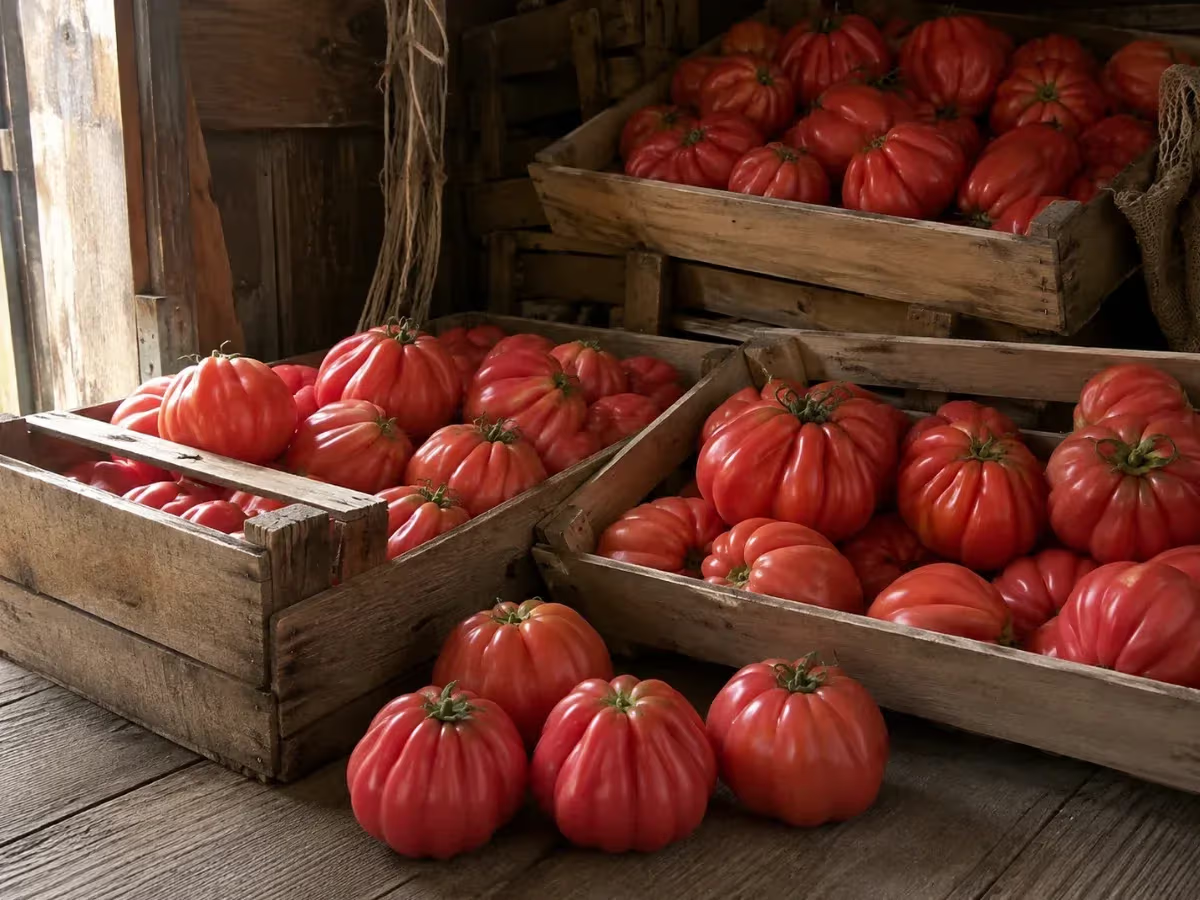
Cuore di Bue is a delicate tomato that should preferably be stored at room temperature, away from direct sunlight and heat sources. The refrigerator alters the consistency of the flesh and dampens its aroma: it is recommended only if the fruit is already very ripe and should be consumed within one or two days. Under ideal conditions, at cool and dry temperature, it keeps for three to five days from purchase. Once cut, store it in the refrigerator covered with plastic wrap and consume within twenty-four hours.
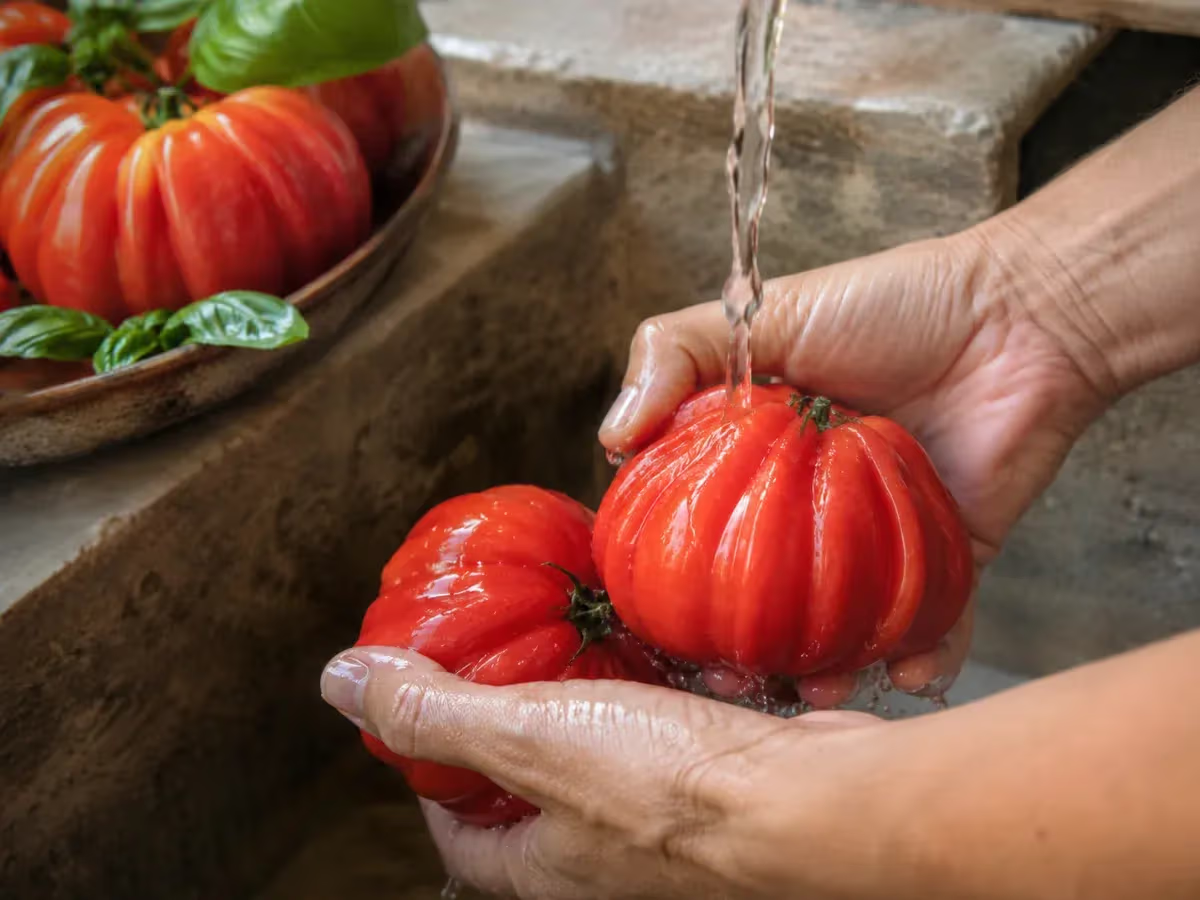
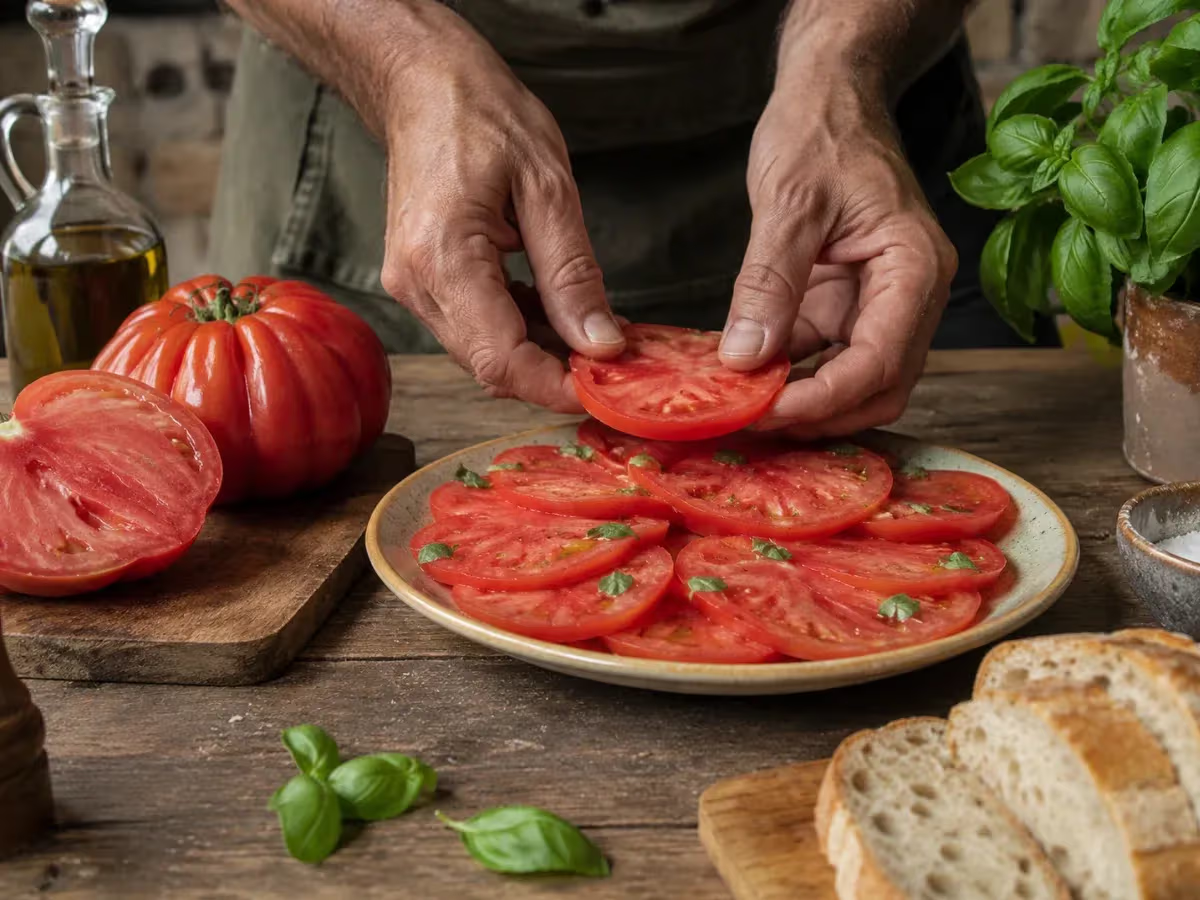
The most rewarding way to consume Cuore di Bue is raw, sliced with a wide-bladed knife to preserve the flesh intact. The thick, compact slices are dressed with quality extra virgin olive oil, salt and, if desired, fresh basil. The optimal season runs from July to September, when the fruit reaches full ripeness in the field. It can also be used cooked, in quick preparations such as bruschetta al pomodoro fresco, uncooked summer sauces or vegetable filling for baking. In any case, prolonged cooking is not recommended because it disperses the most delicate aromatic characteristics.
Raw, the Cuore di Bue pairs naturally with mozzarella di bufala or fior di latte, in a caprese where the sweetness of the tomato dialogues with the creaminess of fresh cheese. Ligurian or Sicilian extra virgin olive oil, fruity and not too bitter, completes the pairing without overwhelming it. Basilico genovese and coarse sea salt are also classic companions.
On the beverage front, fresh white wines with good acidity, such as a Vermentino ligure or an Etna Bianco, balance the sweetness of the flesh without covering it. An artisanal lager or blanche-style beer, light and refreshing, works well at informal summer meals. Among breads, focaccia di Recco or a ciabatta made with durum wheat with long fermentation lend themselves as the ideal support for dressed slices.
The most direct version and faithful to tradition: thick slices of Cuore di Bue alternated with slices of Mozzarella di Bufala Campana, dressed with extra virgin olive oil, sea salt and fresh basil leaves. It is prepared at the moment and served without refrigeration to preserve the aroma of the tomato.
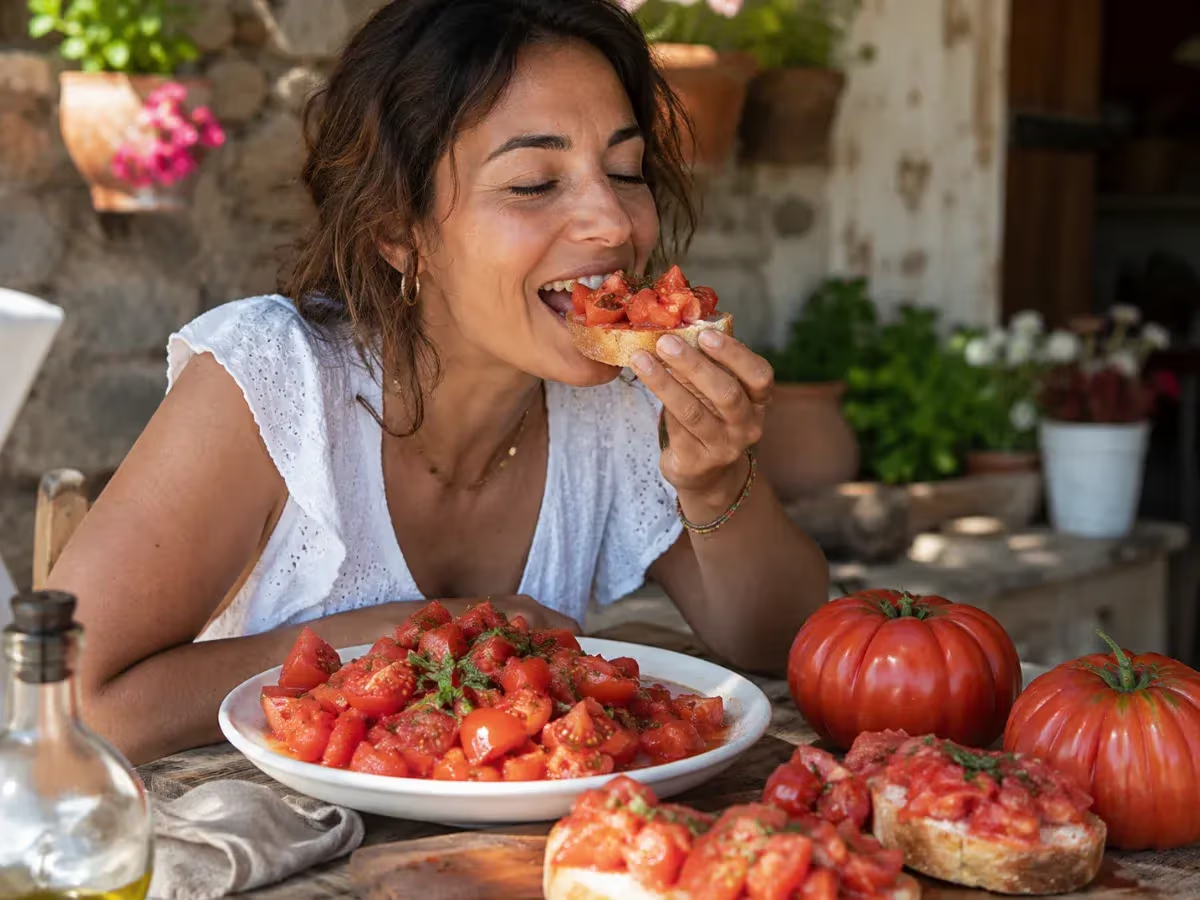
Slices of Tuscan bread or semolina bread toasted, rubbed with garlic and dressed with diced raw Cuore di Bue, extra virgin olive oil and salt. The compact flesh of the tomato prevents the bread from becoming too soggy, making this bruschetta more solid and flavorful compared to versions with watery varieties.
The Cuore di Bue, hollowed out and filled with a mixture of rice, aromatic herbs, garlic and oil, are baked at moderate temperature. The flesh of the walls remains compact during cooking, containing the filling well. It is a preparation typical of the Mediterranean summer, present in local variants from Liguria to Sicily.
In the farming families of the historic cultivation areas, the Cuore di Bue has always represented the tomato for great summer occasions: the one to bring to the table whole, to slice in front of guests, to dress with the good oil preserved for special moments. It was not the tomato for daily sauce, but the one to eat as it is, in all its simplicity. In Liguria, the Albenga plain has built part of its own agricultural identity around this vegetable, with a varietal transmission that still takes place today through domestic seed conservation. In Belmonte Calabro and in the Sicilian areas, the Cuore di Bue enters into the ritual of summer as the tomato of Sunday lunch and outdoor meals.
Among the events linked to Pomodoro Cuore di Bue, the Albenga plain traditionally hosts summer initiatives dedicated to local horticultural products, where this tomato is among the protagonists. Farmers' markets and agricultural fairs in the Belmonte Calabro areas and in other zones of historical cultivation periodically offer tastings and direct sales of local ecotypes. More generally, Cuore di Bue is present in the main events dedicated to agrobiodiversity and traditional vegetable garden products that take place during the summer season in many Italian regions.