
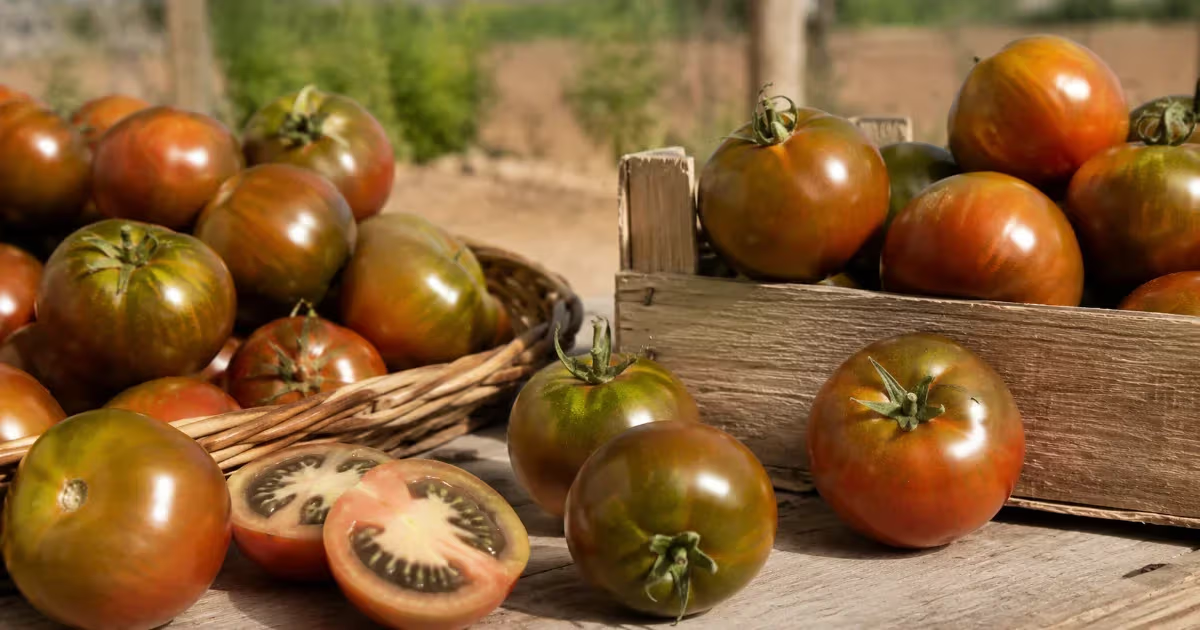
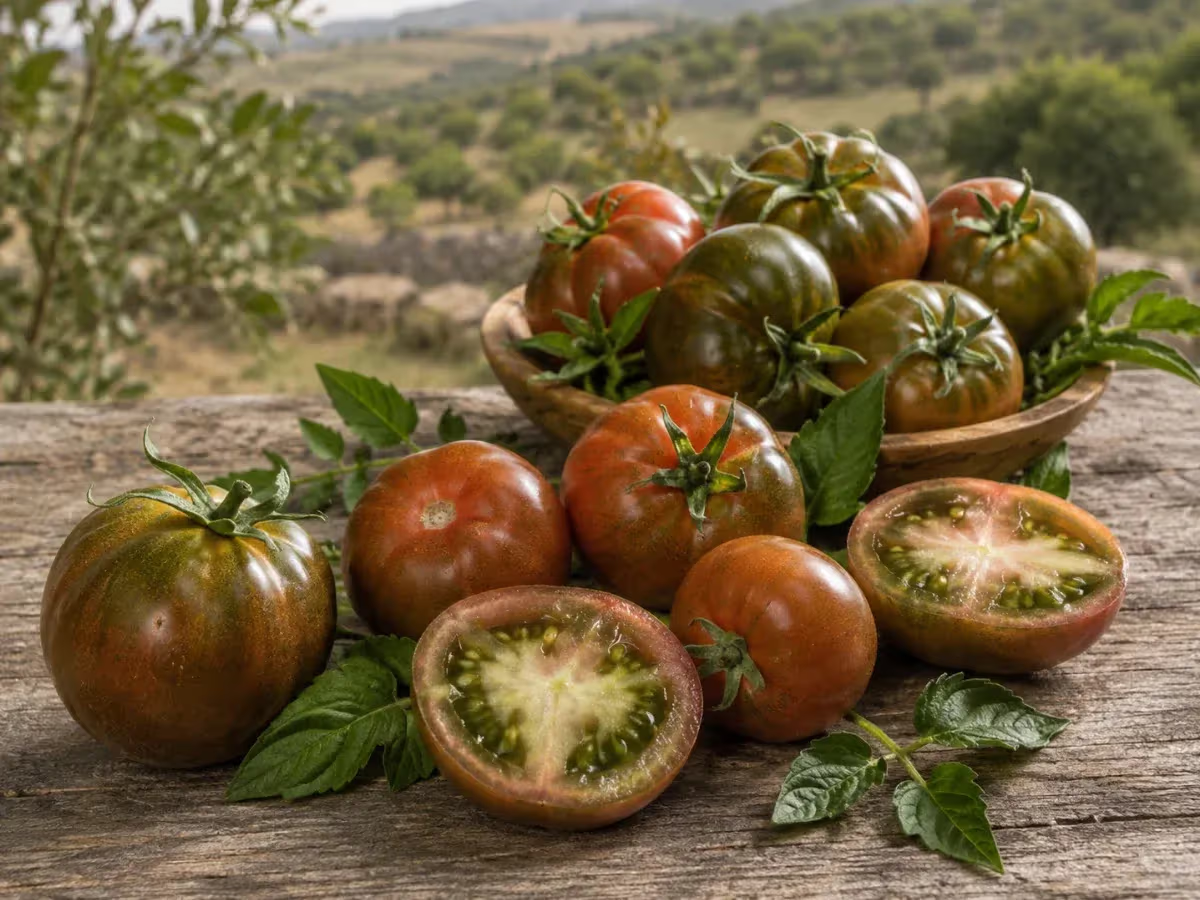
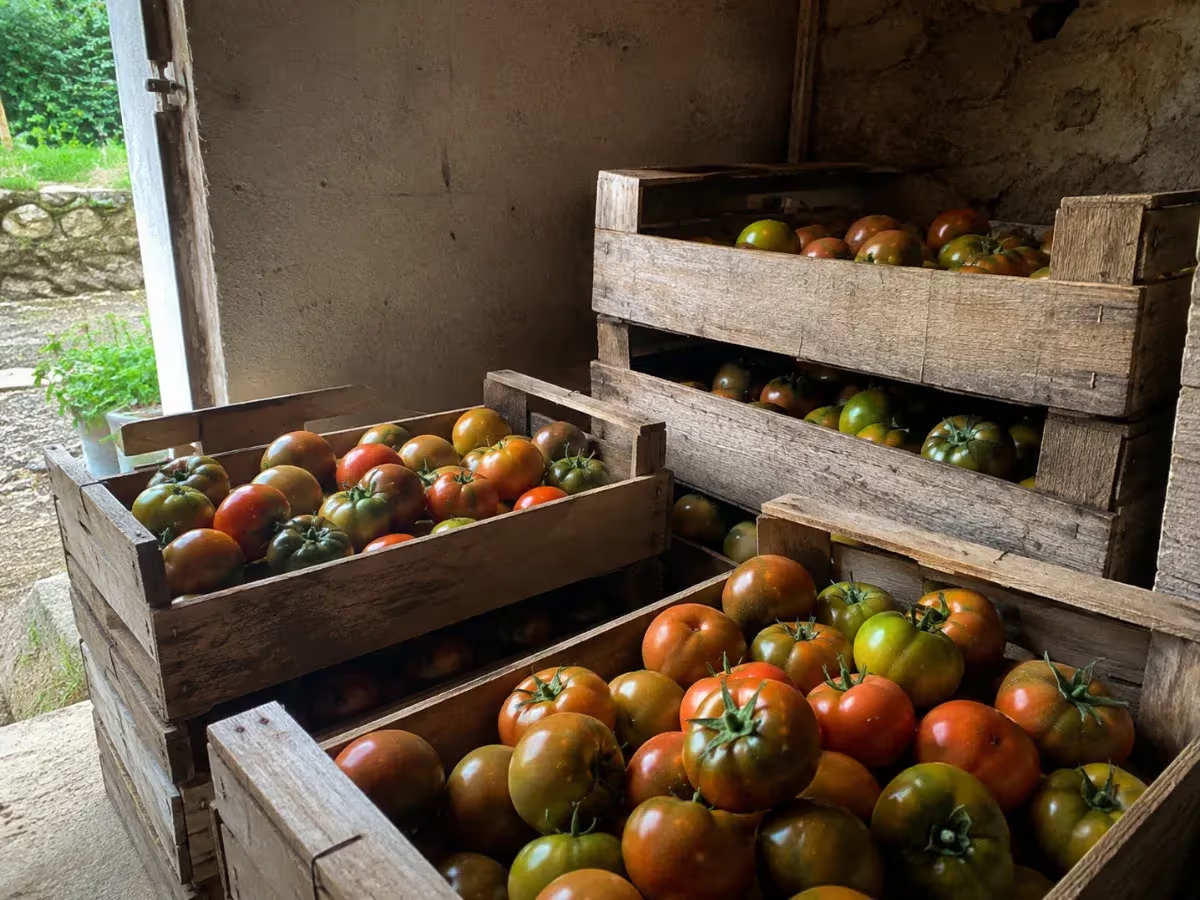
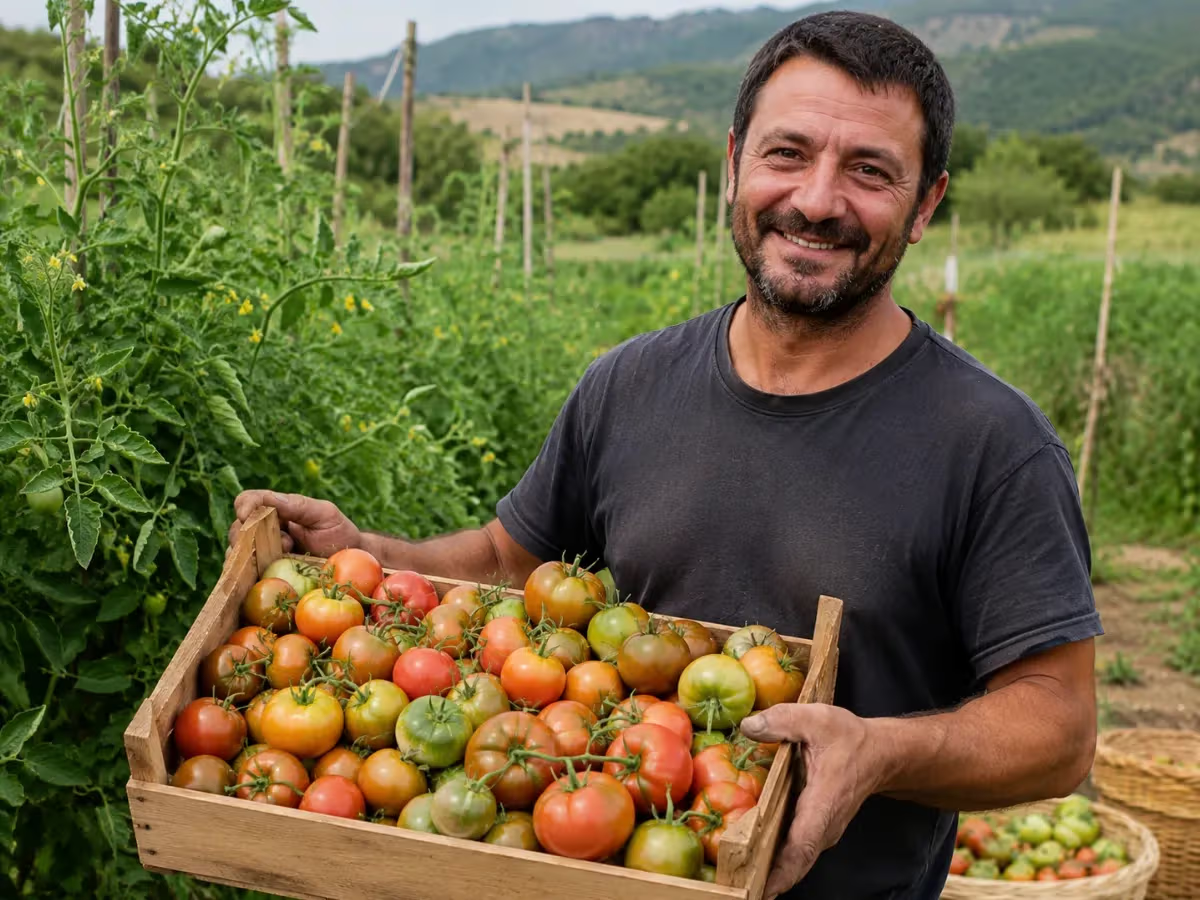
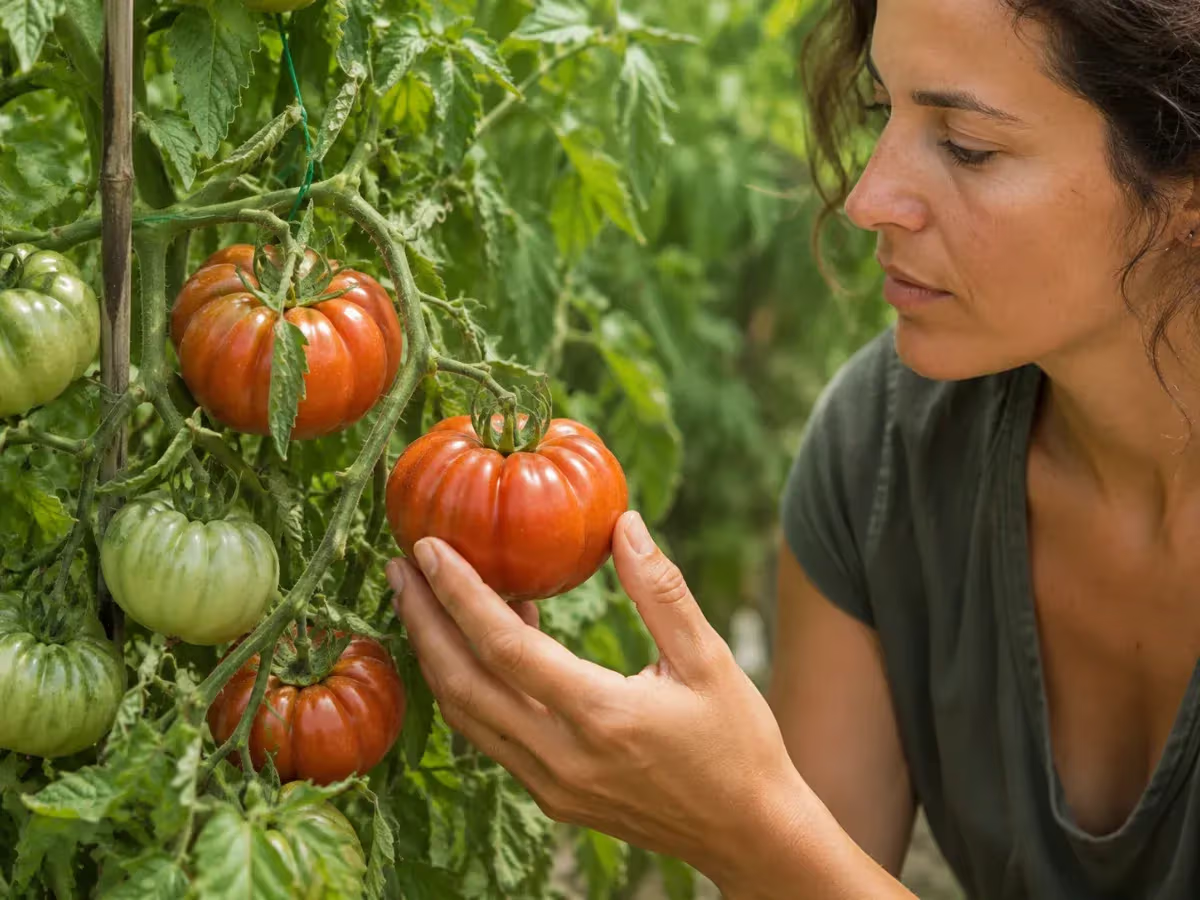
Pomodoro Camone is a characteristic variety from Sardegna, cultivated mainly in the coastal areas and irrigated plains of the island, particularly in Nurra and the Alghero area. The fruit is distinguished by its greenish-yellow streaked skin, which remains partially green even at full ripeness, with shades ranging from yellow to antique pink towards the base. The flesh is compact, juicy and low in seeds, with a flavour that balances sweetness and acidity in a sharp and persistent way. The aroma is fresh and vegetal, with notes that recall tomato freshly picked from the garden.
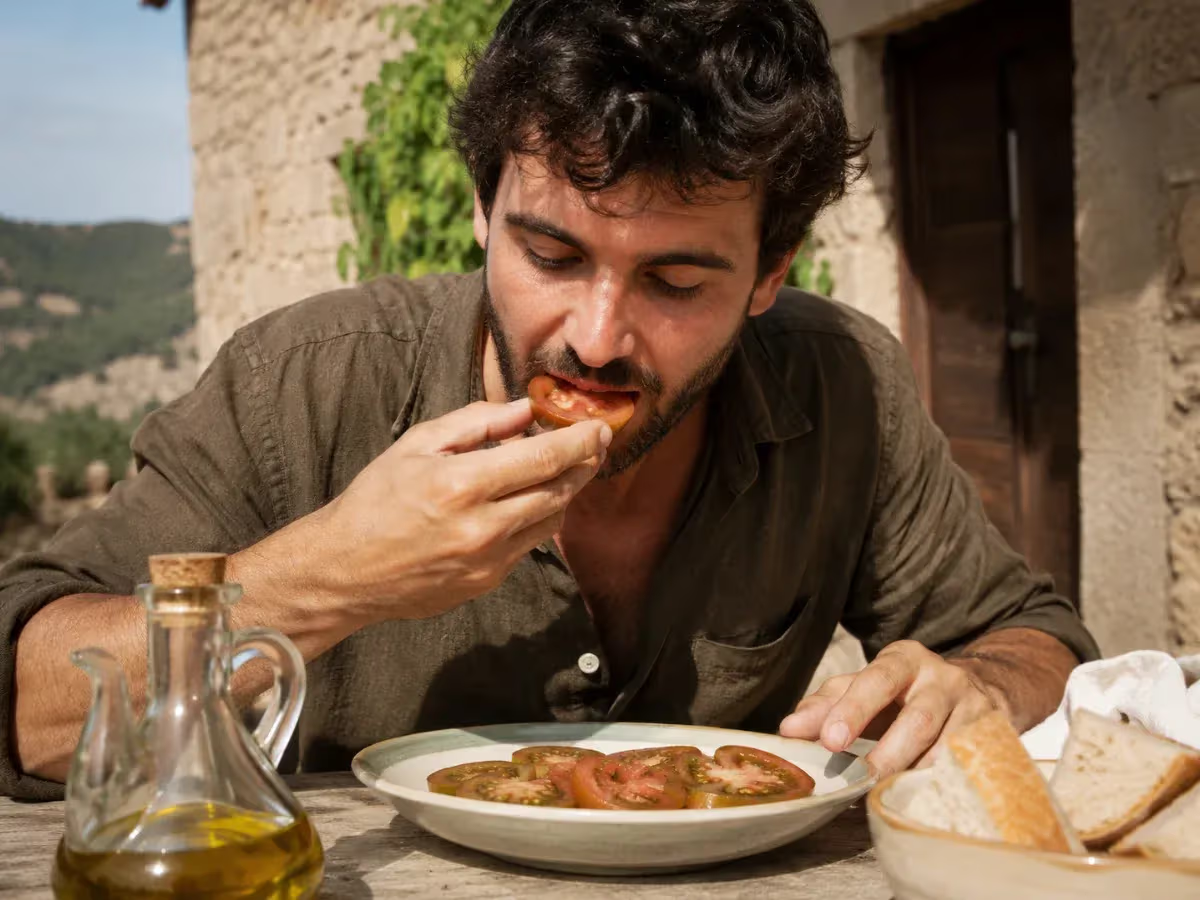
In the kitchen the Camone lends itself particularly to raw consumption: sliced and dressed with sardo extra virgin olive oil, salt and oregano is its most authentic form. The consistency of the flesh makes it suitable also in mixed salads, in caprese with local fresh cheeses, and as a base for bruschette. The low water content allows it to be used also in cooked preparations, such as rustic sauces or as a seasoning for simple pasta dishes, without losing structure.
The plains of Nurra, in north-west Sardegna, with their microclimate influenced by the Maestrale wind and a pronounced temperature range between day and night, provided ideal conditions for the development of this variety. Camone is the result of a crop selection that took place over the course of the twentieth century, refined by Sardinian farmers who sought a tomato resistant to the island's difficult climatic conditions and capable of maintaining superior organoleptic qualities compared to varieties more widely distributed on the continental market.
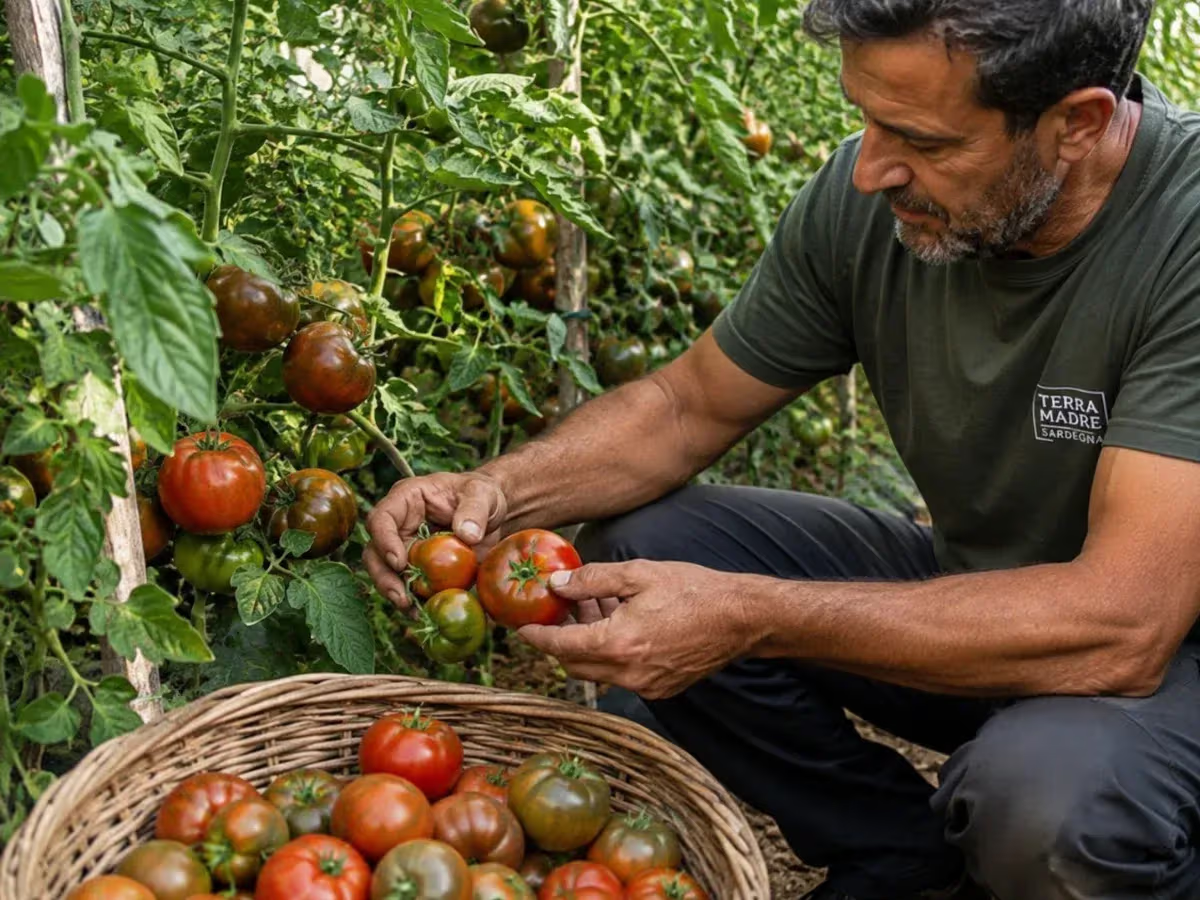
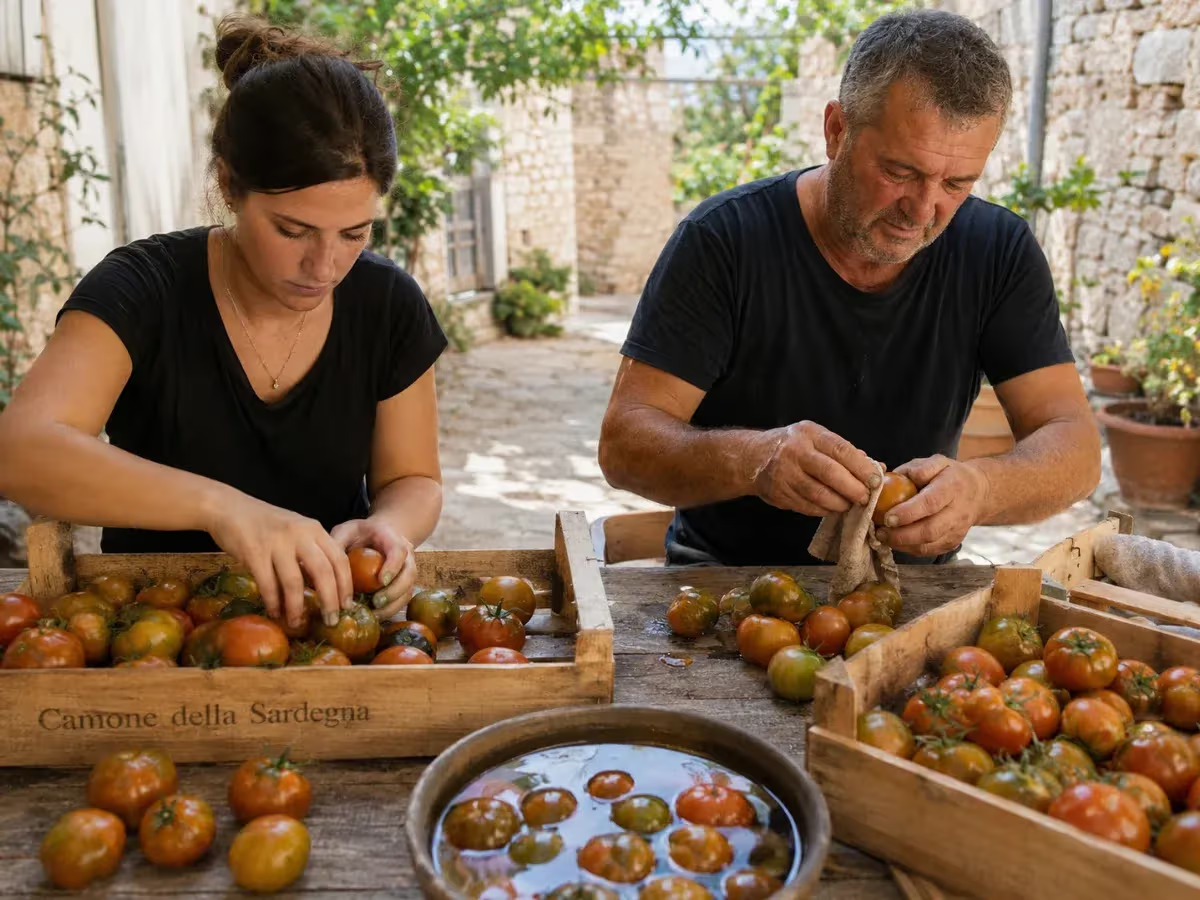
The peculiar coloration of the skin, which in other contexts might be read as a sign of immaturity, became over time the recognizable mark of this product: a visual trait that recounts its diversity compared to the uniformly red tomatoes of the food industry. Cultivation remained for a long time the domain of small family farms, with techniques that favor controlled irrigation and manual harvesting. Today Camone is recognizable in markets throughout Italy and enjoys a consolidated reputation among consumers attentive to quality, even though it is not currently protected by a DOP or IGP designation. The connection with Sardinian land is an integral part of its commercial and cultural identity.
The most immediate element to recognize Pomodoro Camone is the skin: green striped with yellow nuances and a pinkish-orange blush on the lower part. Even at full maturity the crown remains green, and this should not be mistaken for immaturity. The sizes are medium-small, with a weight that generally ranges between 100 and 200 grams, and the shape is rounded and slightly flattened.
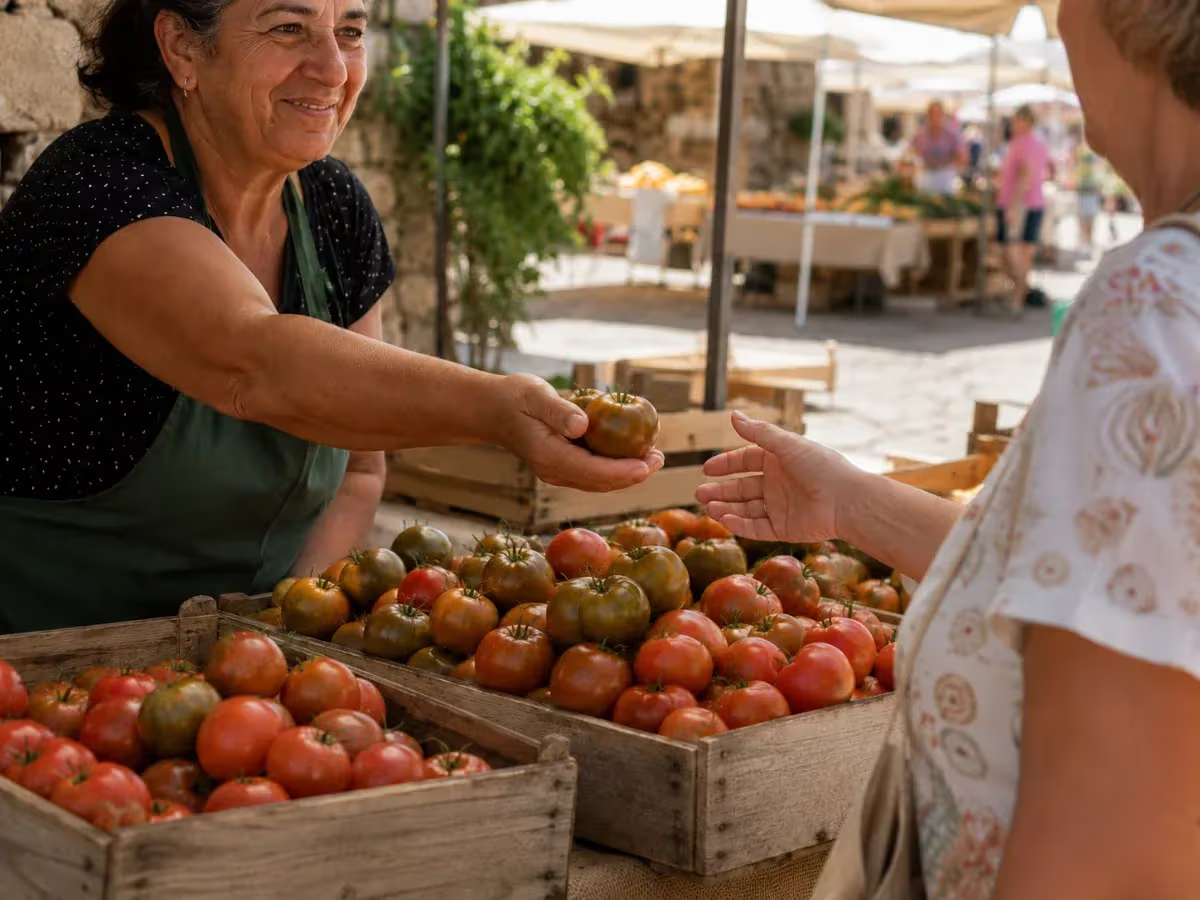
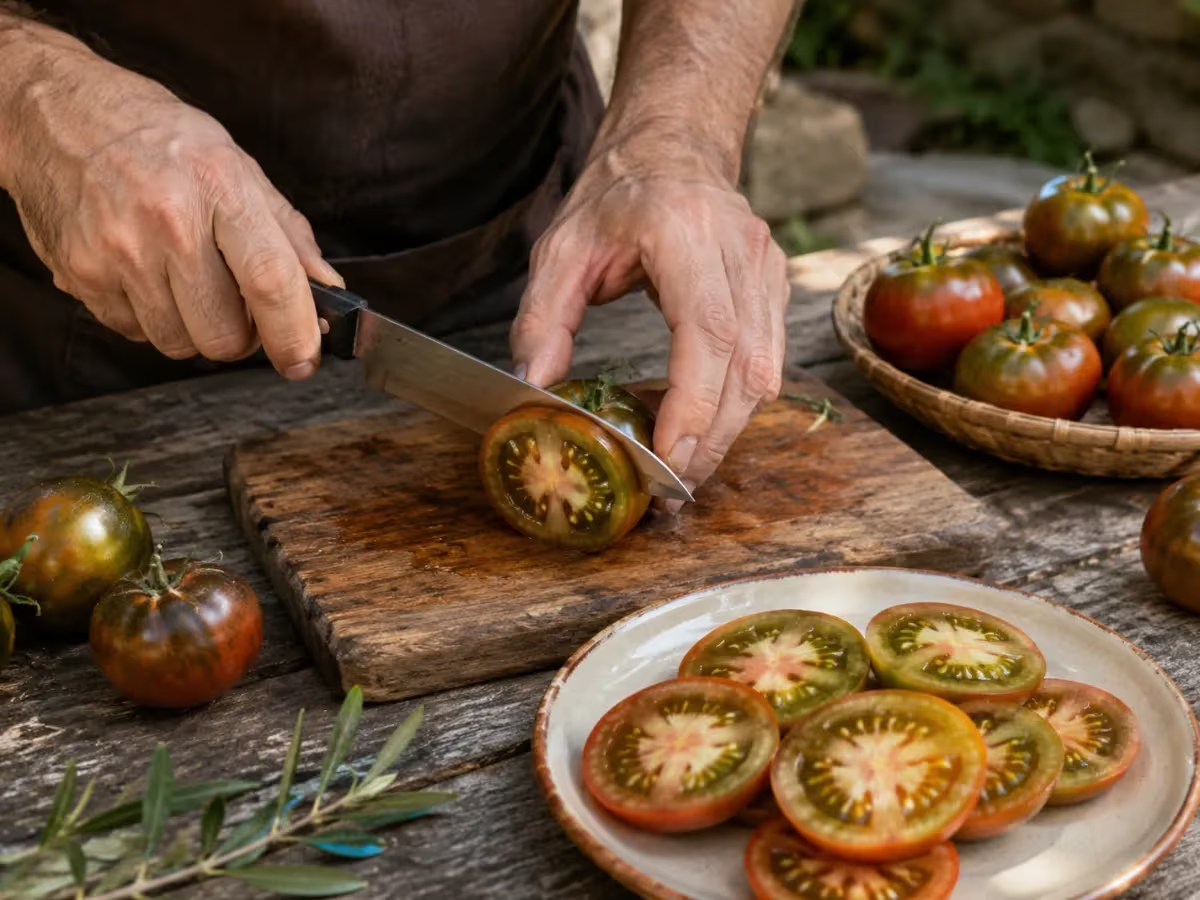
To the touch the skin is smooth and taut, the flesh is firm and not yielding. When cut, the inside shows few locules, scant vegetative liquid and dense, fleshy flesh. The aroma is clean and fresh. In markets it is often sold still attached to the bunch to preserve freshness longer. In the absence of official certifications, the Sardinian origin declared on the label and the characteristic two-tone coloring of the skin remain the most reliable indications for the consumer.
The Pomodoro Camone has a low caloric intake, estimated at around 18-22 kcal per 100 grams. It is rich in water, vitamin C and lycopene, the carotenoid to which antioxidant action is attributed. It provides discrete amounts of potassium and folates. The compact flesh and low acidity make it generally well tolerated even by those with moderate gastric sensitivity. It contributes to dietary fiber intake and, consumed raw with extra virgin olive oil, promotes the absorption of fat-soluble carotenoids.
Camone tomatoes are best preserved at room temperature, away from direct heat sources and sunlight, to maintain their organoleptic characteristics intact. The refrigerator is not recommended because it compromises the texture and diminishes the flavor. If purchased in bunches, it is preferable not to detach the fruits until the moment of consumption. Once cut, they should be consumed within a few hours.
Camone is best expressed when consumed raw, at room temperature. Sliced to medium thickness and dressed with extra virgin olive oil, sea salt and a few leaves of fresh basil or dried oregano, it reveals its dense flesh and balanced flavor. It is suitable in every season when available, with peak quality between late spring and summer. Before serving, it is sufficient to wash and dry it; the skin is edible and does not require peeling. In cooking, short sauces and gravies enhance its low water content.
At the table, Camone pairs naturally with Sardinian extra virgin olive oil, preferably of the Bosana or Semidana variety, which amplifies its freshness without overwhelming it. With fresh island cheeses, such as sheep's ricotta or primo sale, it forms simple and well-balanced pairings. Pane carasau, broken into rough pieces, is a traditional accompaniment in the Sardinian countryside.
On the beverage front, young and savory Sardinian white wines pair well with raw Camone: a fresh Vermentino di Gallura or a light Nuragus balance the acidity of the tomato without overshadowing its flavor. For those who prefer beer, a clear and lightly bitter craft beer is a coherent choice. Avoid pairings with very fatty condiments or elaborate sauces that would mask the character of the fruit.
A preparation typical of domestic Sardinian cuisine, essential in its structure. Sliced Camone is arranged on a flat plate, alternated with spoonfuls of fresh sheep's milk ricotta, dressed with extra virgin olive oil, salt, black pepper and fresh mint leaves. The contrast between the tangy flesh of the tomato and the sweet richness of the ricotta is the heart of the dish.
Carasau or pane guttiau bread lightly dampened is covered with slices of Camone, a drizzle of extra virgin olive oil and a generous grating of bottarga di muggine. The pairing between the briny flavor of the bottarga and the freshness of the tomato is rooted in the tradition of northern Sardinia's coastal cuisine.
The simplest and most widespread snack in the Nurra countryside: stale semolina bread, dampened with water or rubbed with halved tomato, dressed with Sardinian extra virgin olive oil, coarse salt and dried oregano. An everyday preparation that tells the story of the essentiality of Sardinian peasant cuisine.
In the families of Nurra and the coastal areas around Alghero, Camone has been for decades the tomato of everyday summer life. It is not a festive or ceremonial product, but belongs to domestic food memory: it appeared on the tables of farming families as a bread condiment, as an accompaniment to homemade cheeses, as an elementary ingredient in quick meals in the fields.
Its green coloration, which to the untrained eye may seem anomalous, is for Sardinians a signal of immediate recognition, almost an identity marker. Choosing Camone at the market is a gesture that distinguishes the local consumer, capable of reading the traits of the product without being guided by the conventional appearance of the red tomato. This connection between form, origin and consumer trust is part of the cultural significance that the product carries with it.
The Pomodoro Camone does not have a festival exclusively dedicated to it, but it is present as a protagonist product in various farmers' markets and agrifood fairs in northern Sardinia, particularly in the Alghero and Sassari areas during the summer months. Among the events linked to local horticultural production, farmers' markets organized by associations of Sardinian producers often offer tastings and direct sales of the Camone. Regional fairs like those linked to the valorization of typical Sardinian products frequently include this variety among the island's horticultural excellences.