
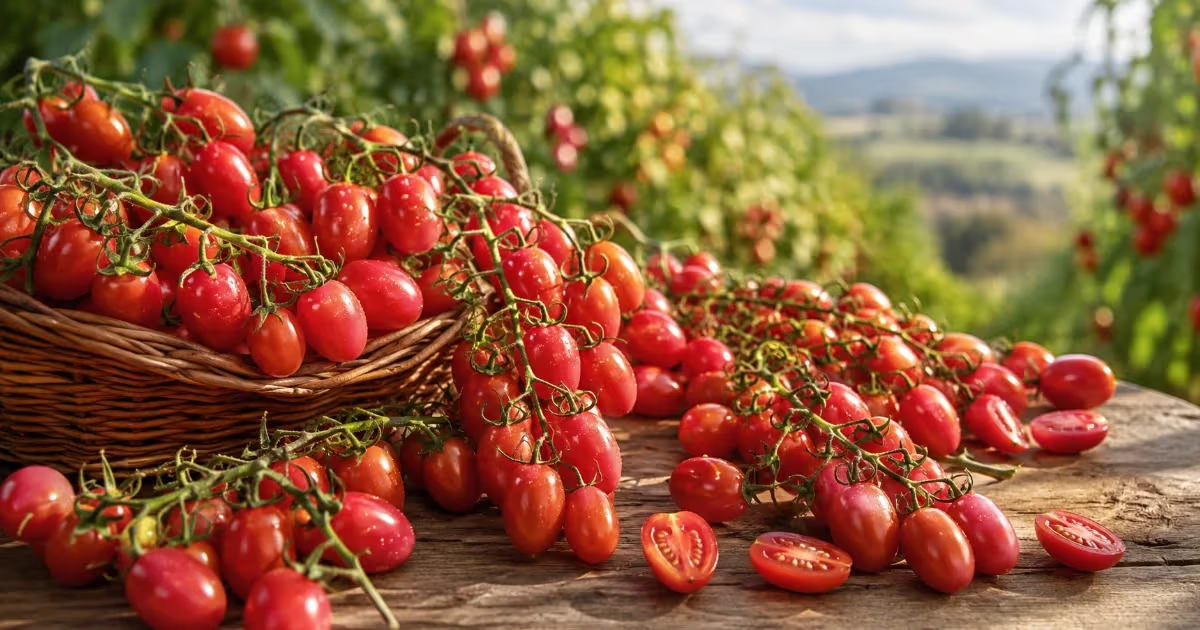
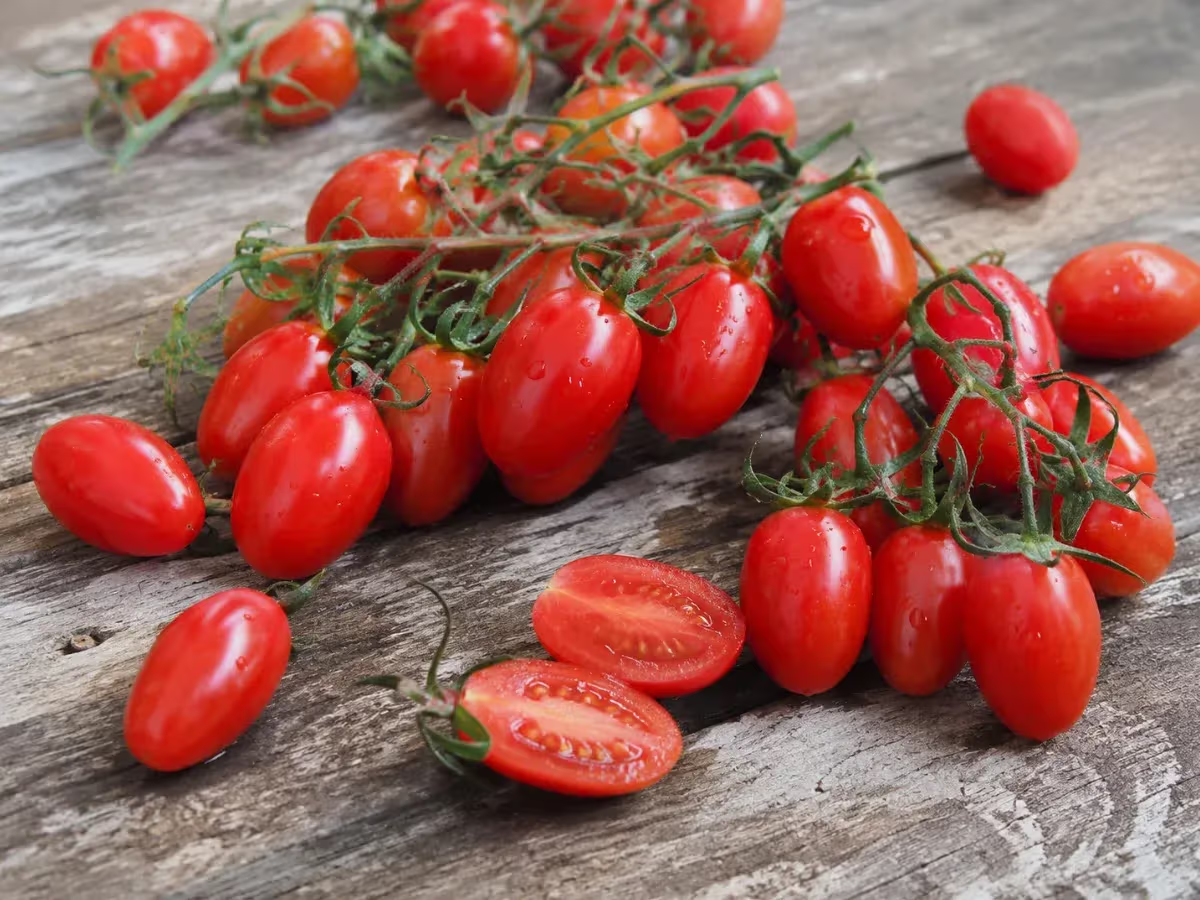
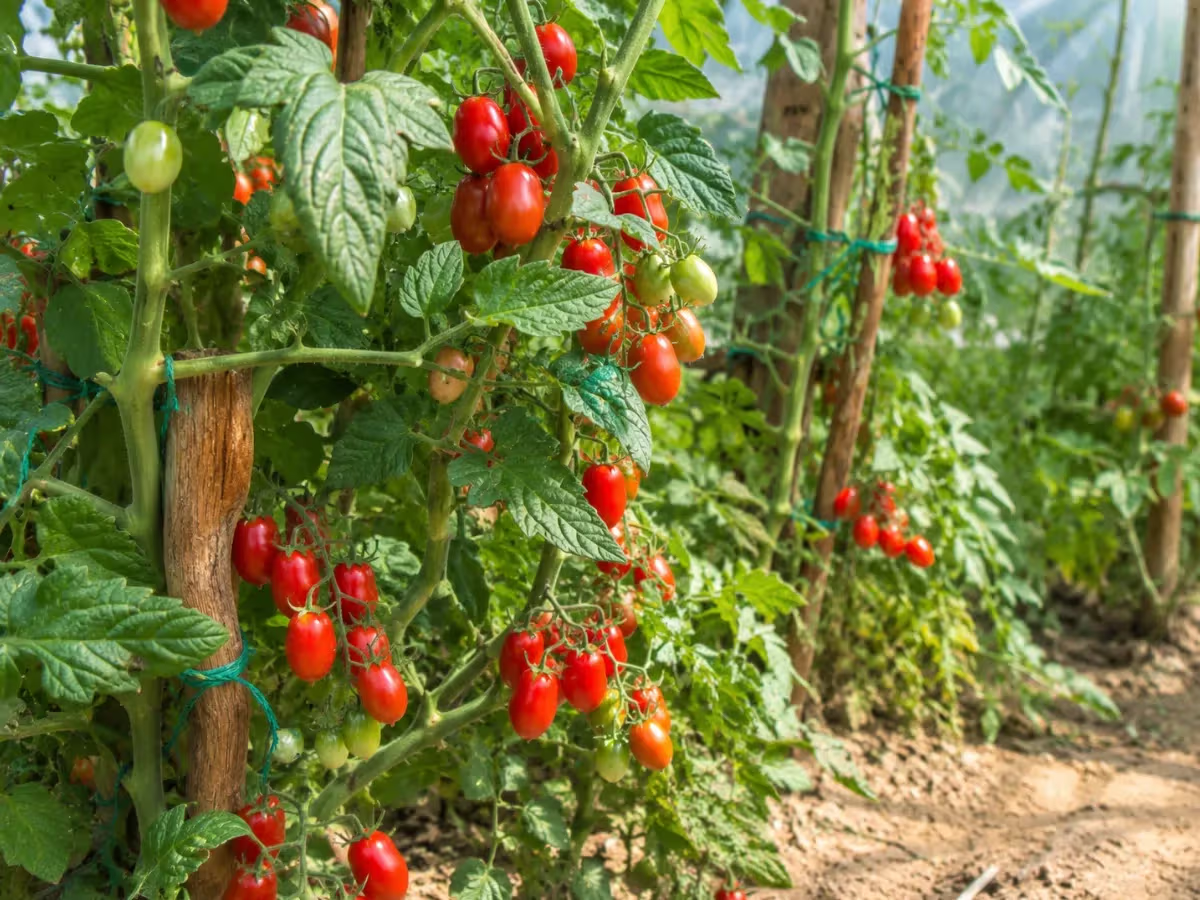
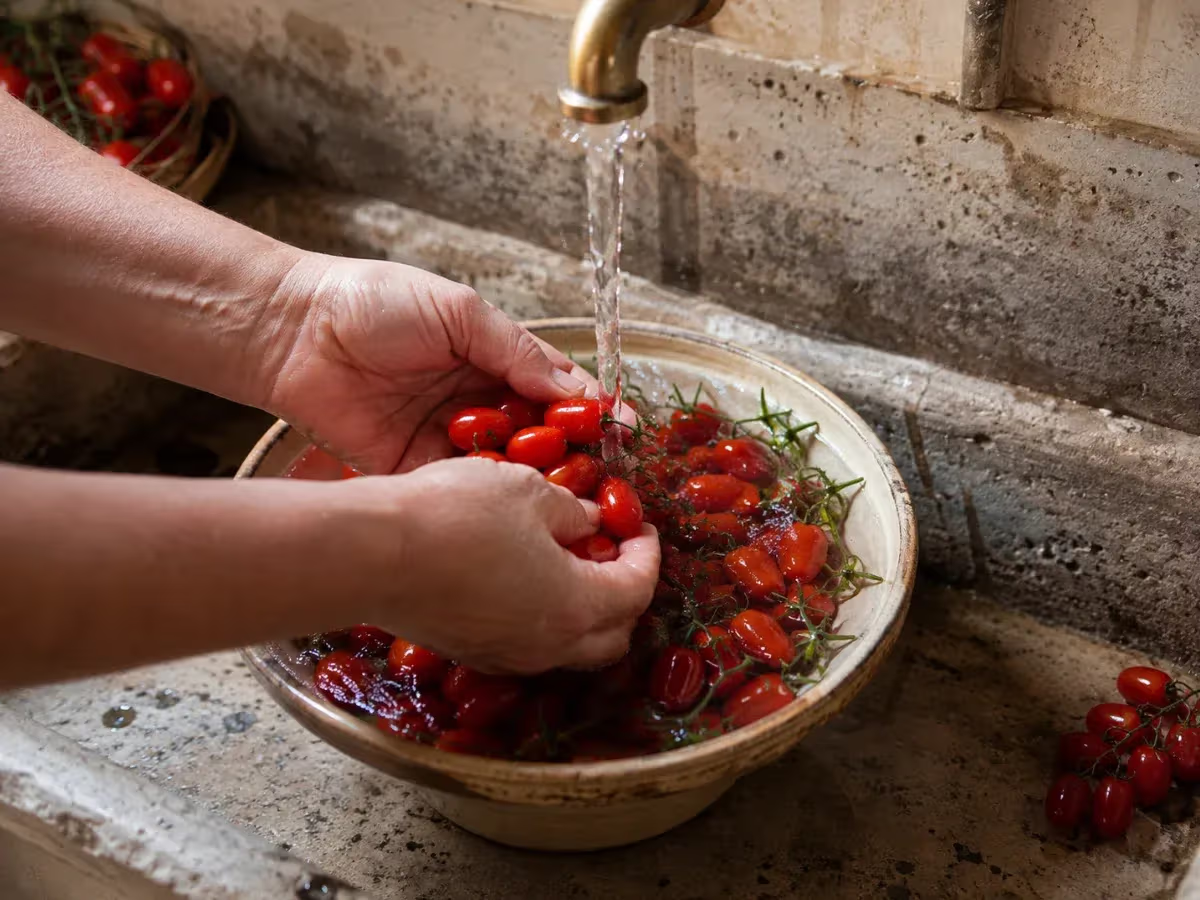
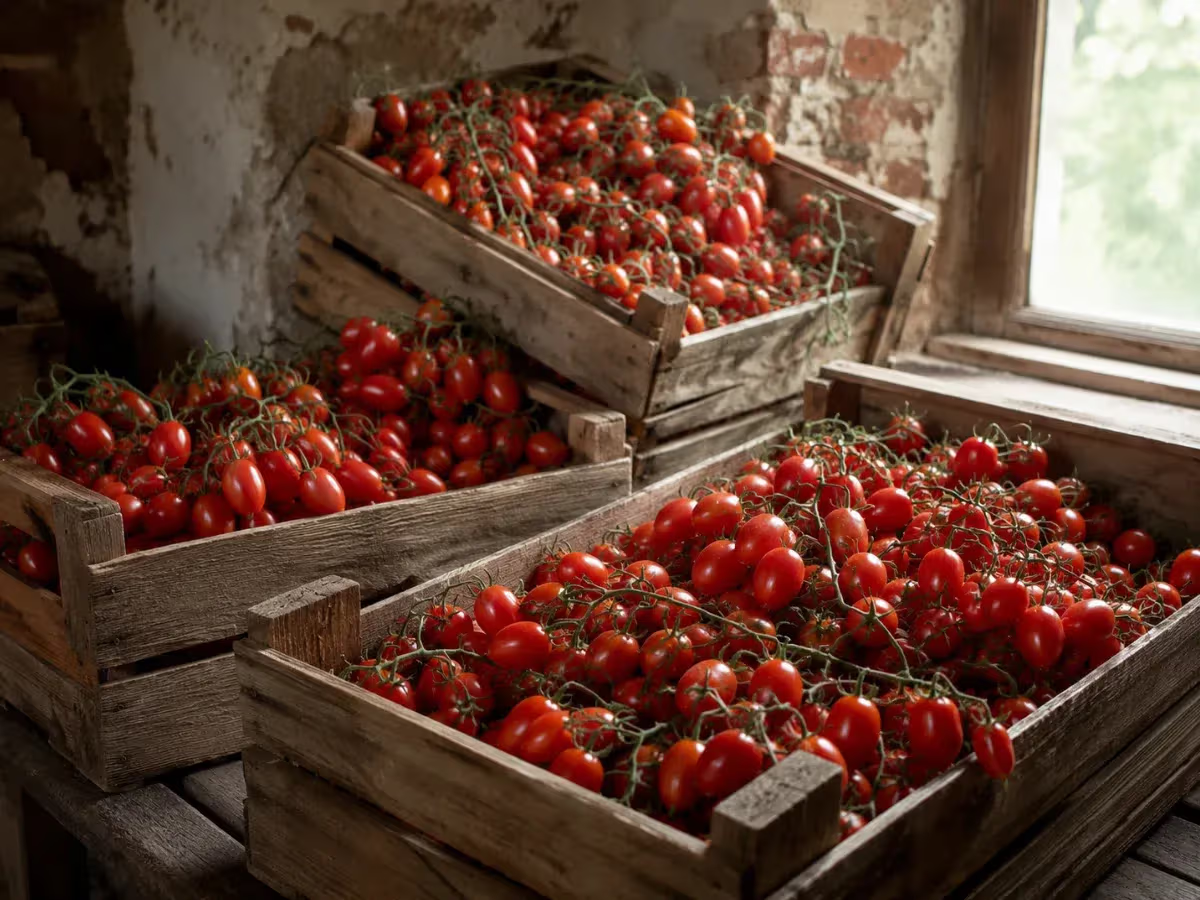



The Pomodoro Datterino is a small-fruited tomato variety, with an elongated shape that indeed recalls a date, cultivated with particular vocation in the coastal areas and inner plains of Sicily. The color ranges from bright red to intense red at full ripeness, with a thin and glossy skin that encloses a fleshy, dense pulp and almost seedless. The organoleptic profile is the trait that distinguishes it most clearly: a pronounced natural sweetness, with low acidity, a fresh and fruity aroma that intensifies with ripening in the sun.
In the kitchen the Sicilian Datterino is versatile and generous. It lends itself to raw consumption, in salads where its sweetness contrasts pleasantly with aromatic herbs and extra virgin olive oil. It goes into quick sauces, where brief cooking preserves its concentrated flavor, and is used for the preparation of artisanal preserves, sauces and passatas. It is a reference ingredient in many preparations of the Mediterranean island tradition, from baked pasta to summer side dishes.
The cultivation of the small, elongated tomato fruit in Sicilian countryside has deep roots in an agricultural vocation built over centuries around the Mediterranean: dry climates, mineral-rich soils and an intense luminosity that few other territories can offer. The Datterino has found ideal conditions in Sicily, so much so that some areas of the island, such as the regions of Ragusa, Syracuse and Trapani, have established themselves as reference centers for this production at the national level.
Over time, the cultivation of Sicilian Datterino has undergone a significant transformation: from local production destined for nearby markets, it has evolved into a structured supply chain, with producers who have adopted quality protocols recognized such as GLOBALGAP certification and ISO 22005 standard for food traceability. The product is also included in the list of Traditional Italian Agrifood Products (PAT), confirming its cultural and gastronomic rooting in the Sicilian context. This dual nature, between peasant tradition and modern production rigor, is the trait that characterizes its presence on markets today.
The authentic Pomodoro Datterino is recognized first and foremost by its shape: elongated, tapered at the extremities, with a length that ranges around three to five centimeters. The skin is smooth, glossy and taut, a uniform and brilliant red at full ripeness, without stains or bruises. The weight is contained, generally between fifteen and thirty grams per fruit.
To the touch the flesh is compact yet yielding, not watery. When cut, the Datterino reveals a reduced seed cavity and dense flesh, with very few seeds. The aroma is sweet and fruity, with notes reminiscent of ripe field tomatoes ripened in the sun. Products certified GLOBALGAP and traced according to ISO 22005 standard are accompanied by supply chain documentation that guarantees their origin and production process. Be wary of fruits with excessive irregular shape, opaque skin or watery flesh: they are often an indication of out-of-season cultivation or non-optimal conditions.
The Pomodoro Datterino is a low-calorie food, with approximately fifteen to twenty kilocalories per one hundred grams of fresh product. It is rich in lycopene, the carotenoid pigment responsible for the red color, associated with antioxidant properties. It provides vitamin C, vitamin A and folates in relevant quantities, as well as potassium and other minerals. The high water content promotes hydration, while the low acidity makes it generally well tolerated even by those with sensitive stomachs. The concentration of natural sugars is higher compared to other round-fruited tomato varieties.
Fresh Datterino tomatoes should preferably be stored at room temperature, away from direct heat sources and intense sunlight, to preserve their sweetness and consistency. The refrigerator is not recommended for whole fruits, as the cold alters the texture and diminishes the aroma. Once cut, the product should be consumed within a few hours. Whole clusters keep for up to five to seven days from harvest under ideal conditions.
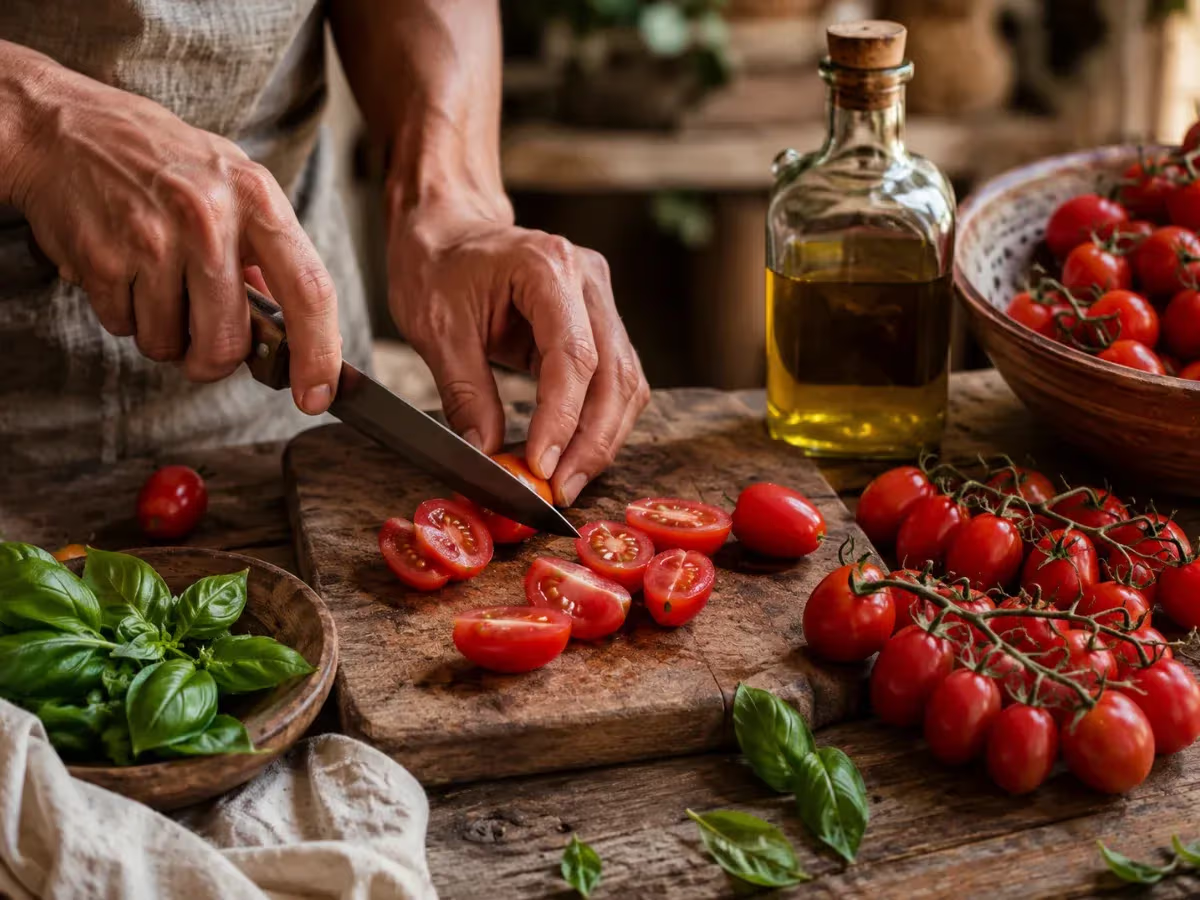
Sicilian Datterino tomatoes are best enjoyed at room temperature, when natural warmth brings out their sweetness and fragrance. Raw, they are ideal halved with a drizzle of Sicilian extra virgin olive oil, sea salt, and fresh basil. When cooked, they require short cooking times: a quick sauce of ten to twelve minutes preserves the aromatic intensity without losing the fruit's freshness. The most suitable season is summer, from June to September, when ripening in the open fields of Sicily reaches its optimal point.
On the beverage side, raw Datterino pairs well with dry and aromatic white wines such as Grillo or Catarratto from Sicily, capable of dialoguing with the fruit's sweetness without overpowering it. For dishes based on Datterino sauce, a Cerasuolo di Vittoria or a young Nero d'Avola offer a pleasant tannic and fruity response.
Among kitchen pairings, Datterino combines naturally with mozzarella di bufala or caciocavallo ragusano, with salt-cured anchovies, capers from Pantelleria and black olives. Homemade bread, preferably made from Sicilian durum wheat like that from Castelvetrano, is the simplest complement and most rooted in local tradition.
A sauce prepared with Datterini tomatoes halved and sautéed in a pan with garlic, extra virgin olive oil and basil for about ten minutes. The result is dense and fragrant, ideal for dressing spaghetti or mezze maniche. It is one of the most widespread preparations in Sicilian home kitchens during summer, when the tomato reaches full ripeness.
Whole or halved Datterini tomatoes are served raw with salt-cured anchovies desalted, Pantelleria capers, dried oregano and extra virgin olive oil. An essential summer dish, rooted in Sicilian peasant cuisine, that highlights the natural sweetness of the fruit in contrast with the savory flavors of the other ingredients.
Datterini tomatoes are blanched, peeled and placed in sterilized jars with fresh basil leaves and a pinch of salt, then subjected to boiling for winter preservation. This domestic practice, still alive in many Sicilian families, allows you to preserve the summer flavor of fresh tomato for the colder months.
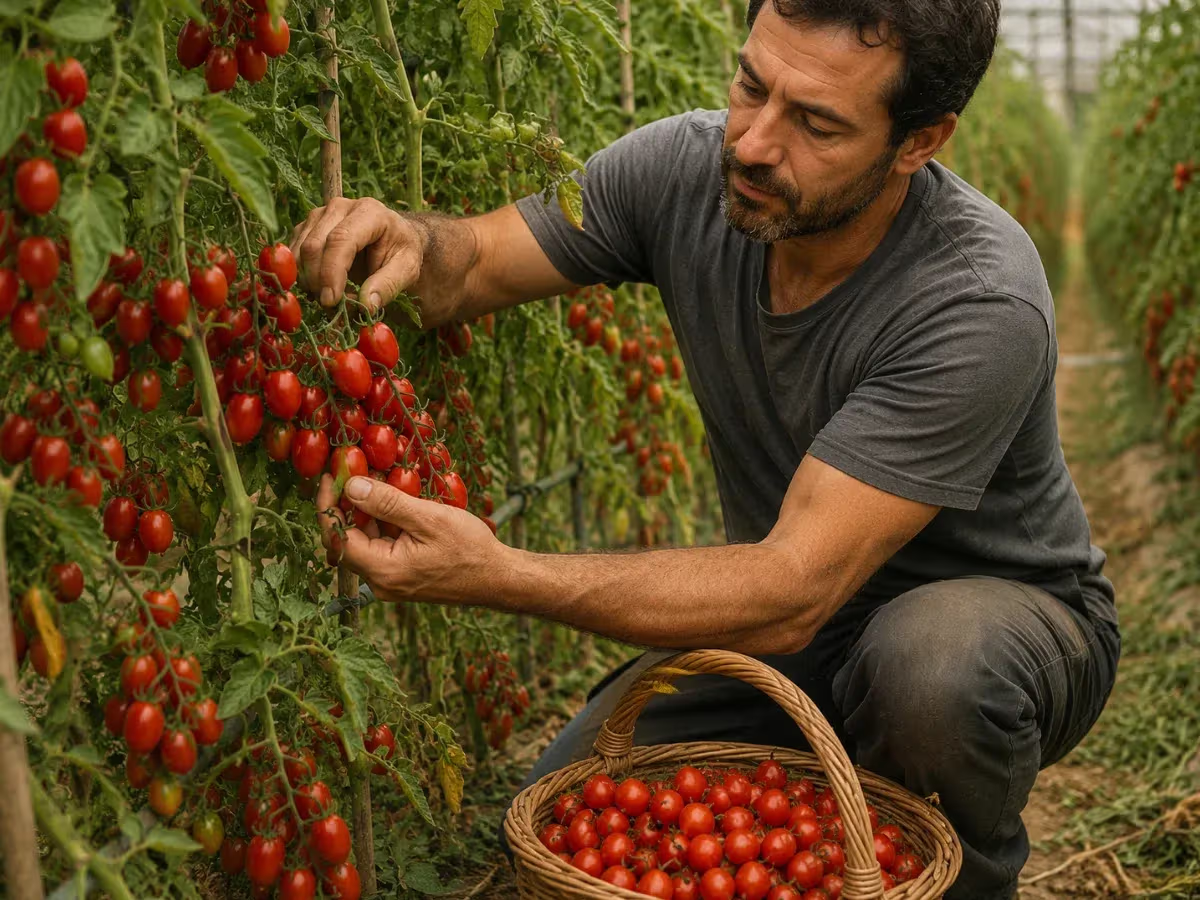
In the Sicilian countryside, the harvest of Datterino has marked for generations the rhythm of the agricultural summer: a collective work that involved the entire family, with women engaged in the immediate transformation of the fruit into preserves intended for the winter months. The practice of homemade "salsa" made with Datterini cooked and bottled in the hottest days of August, is still alive in many families of the Sicilian hinterland and coasts. This tomato carries with it the meaning of a cuisine founded on seasonality and respect for the natural cycle, values that the new generations of Sicilian producers seek to keep alive also through supply chain certifications.
Among the events linked to Sicilian fruit and vegetable production, some summer festivals in the provinces of Ragusa, Syracuse and Trapani include the Datterino among the protagonists of tastings and local agricultural markets. On these occasions producers offer samples, artisanal preserves and traditional recipes. Regional agricultural fairs such as those linked to the valorization of Sicilian PAT offer periodically space to this tomato within dedicated paths to the traditional horticulture of the island.