
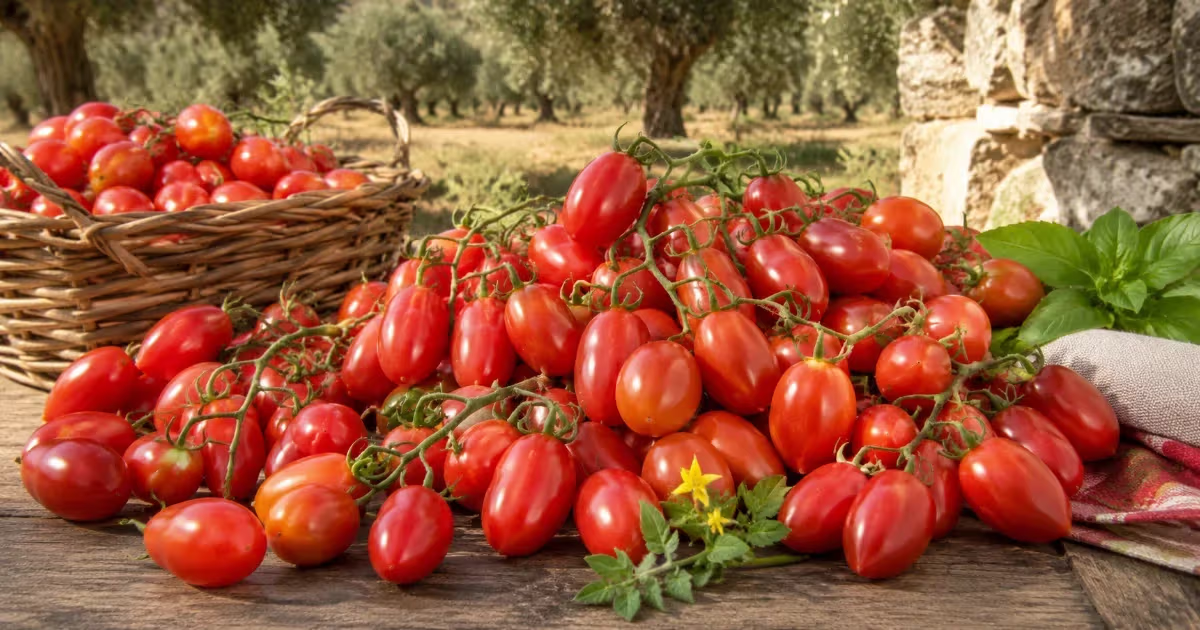
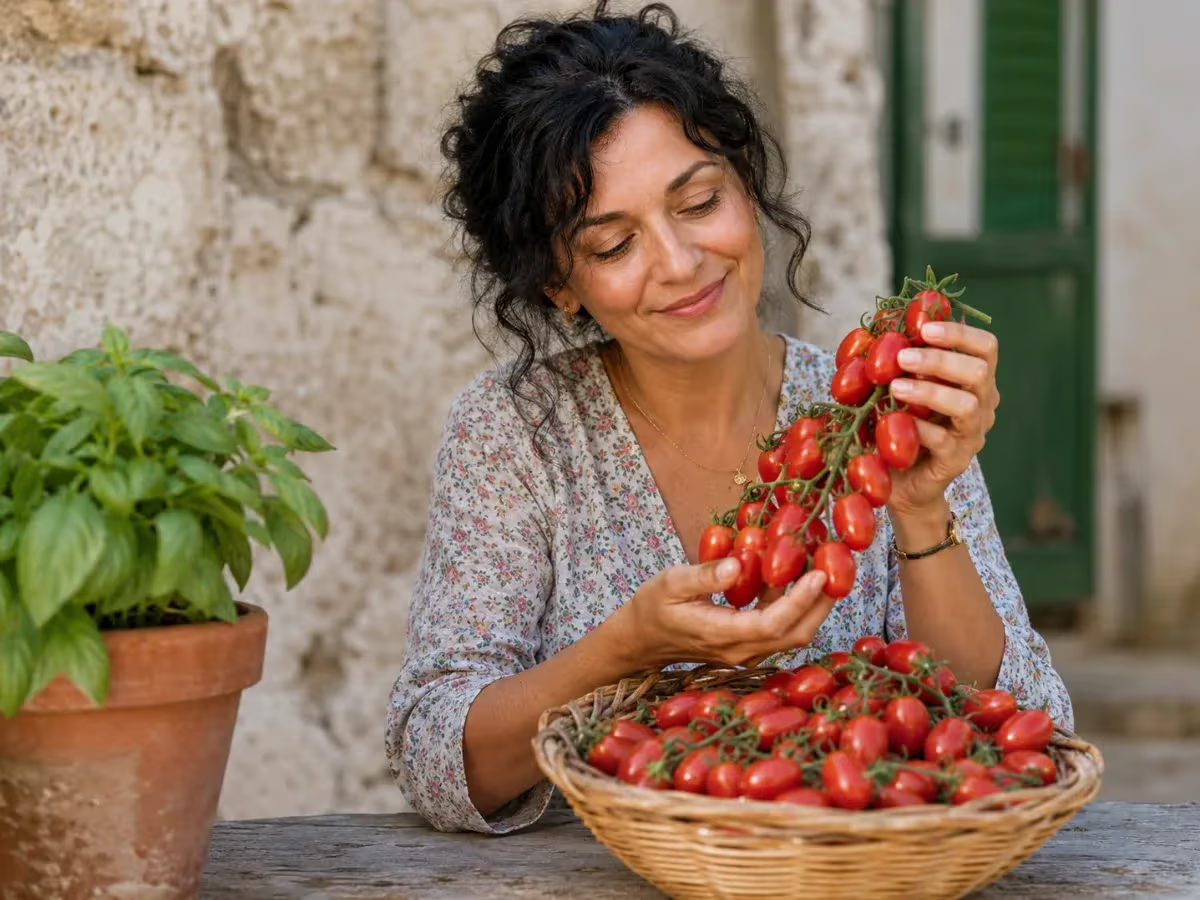
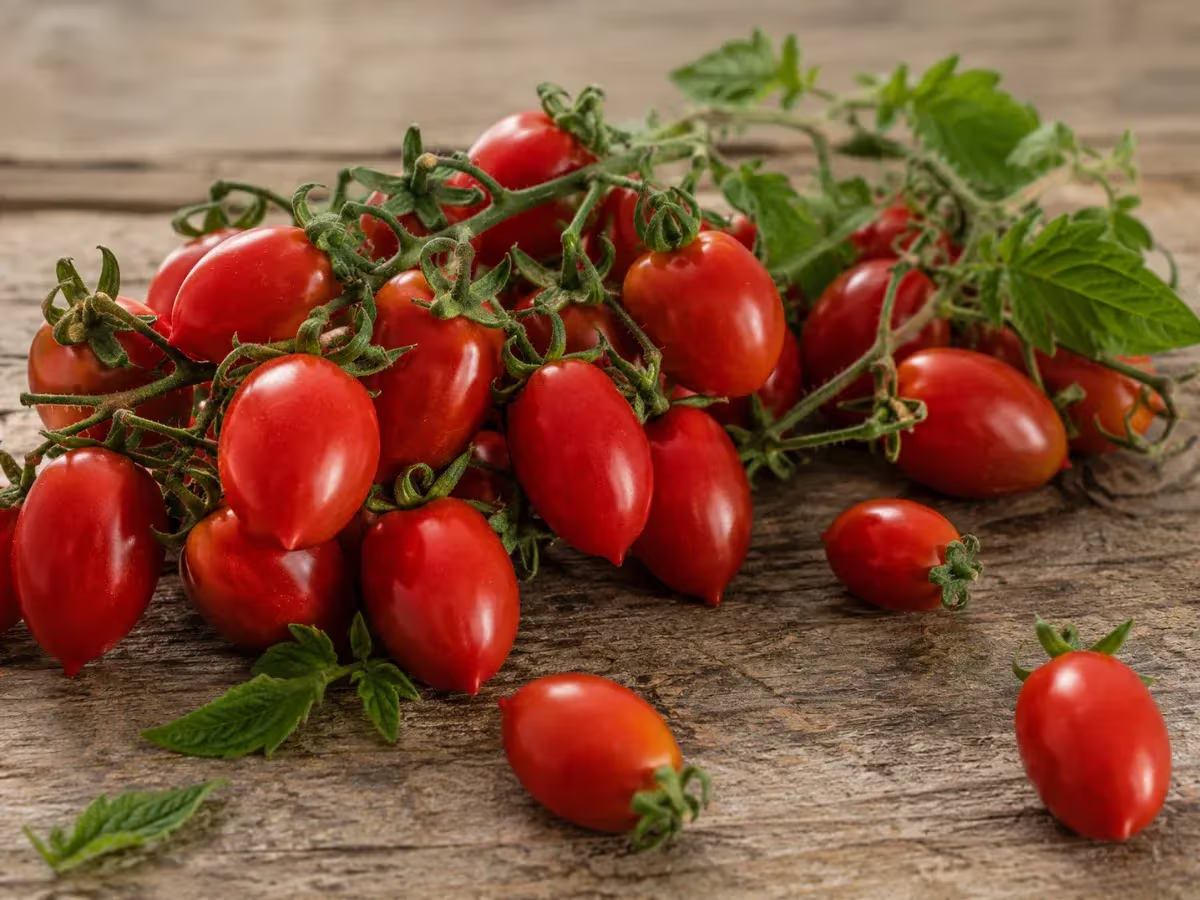
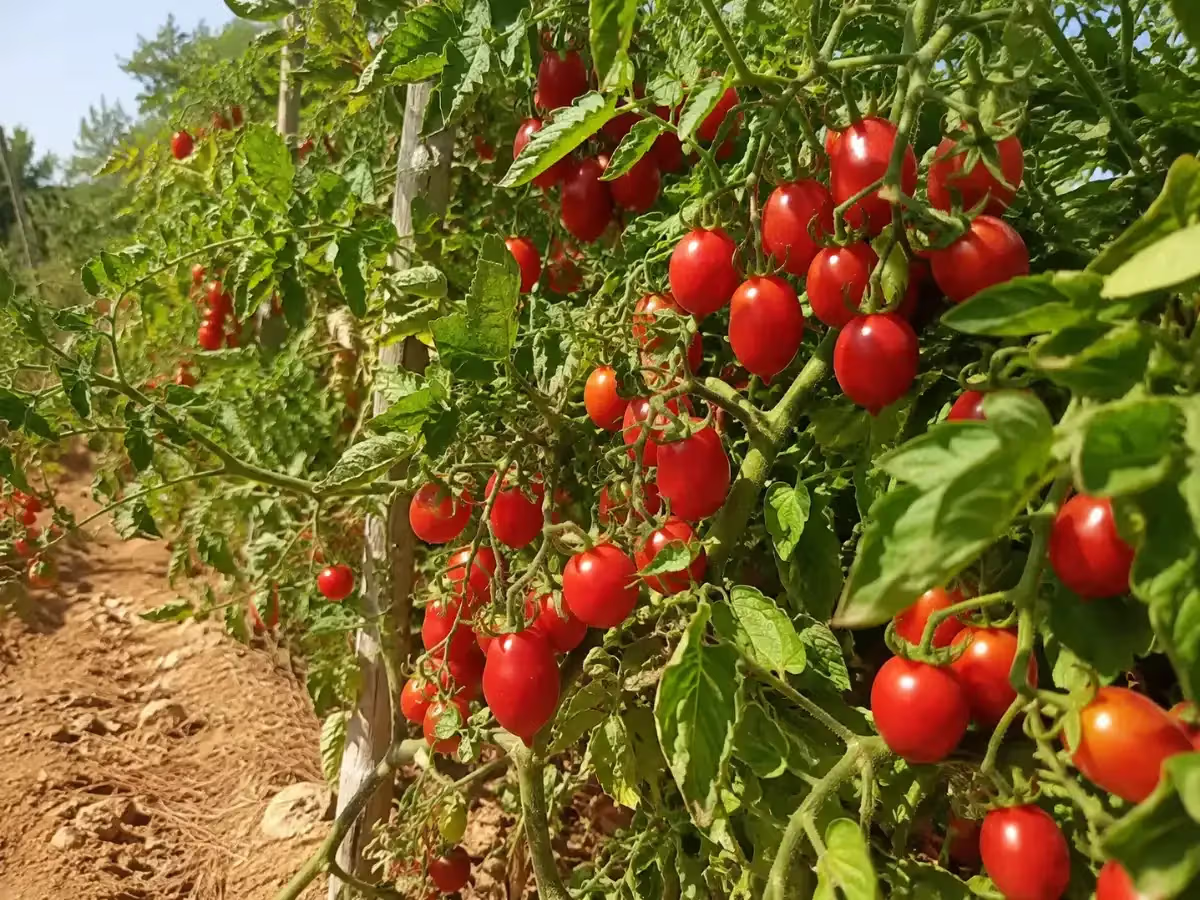
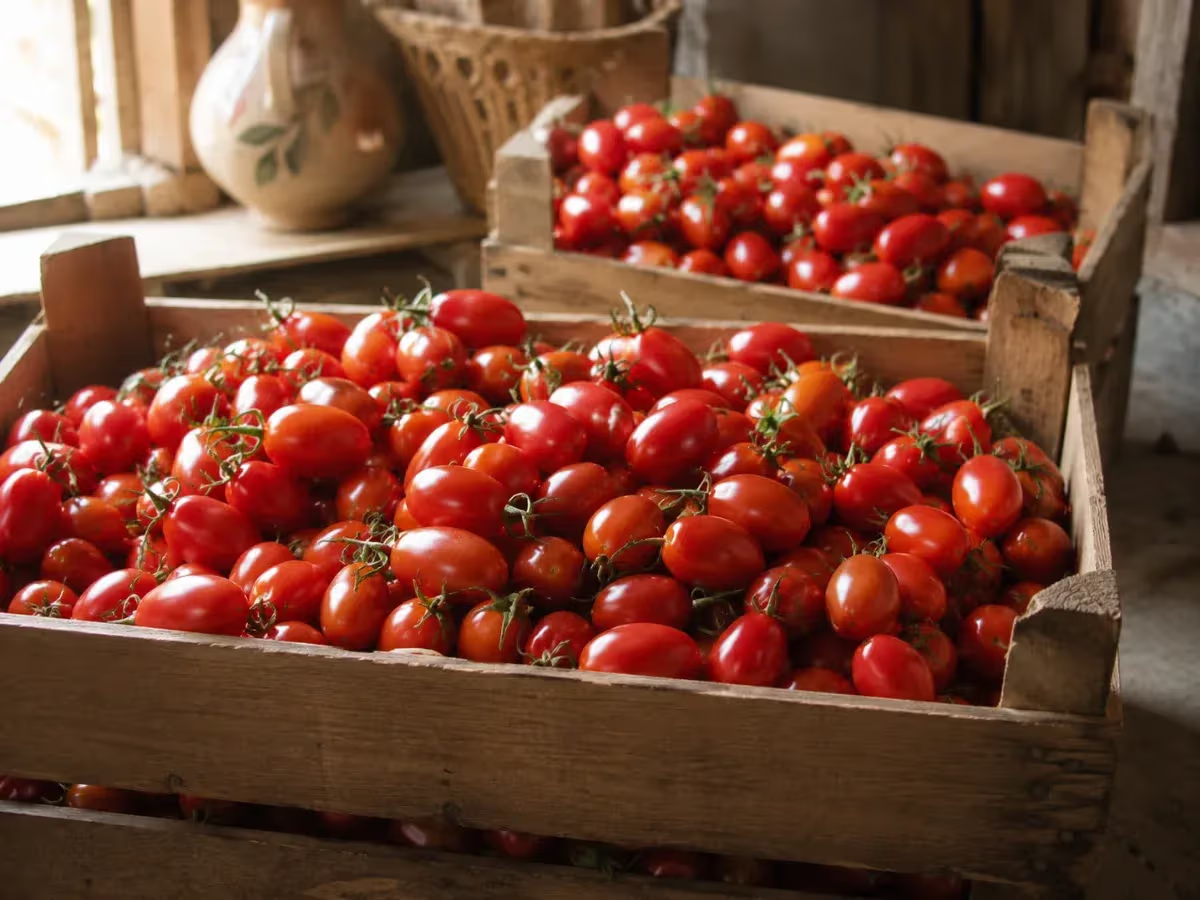
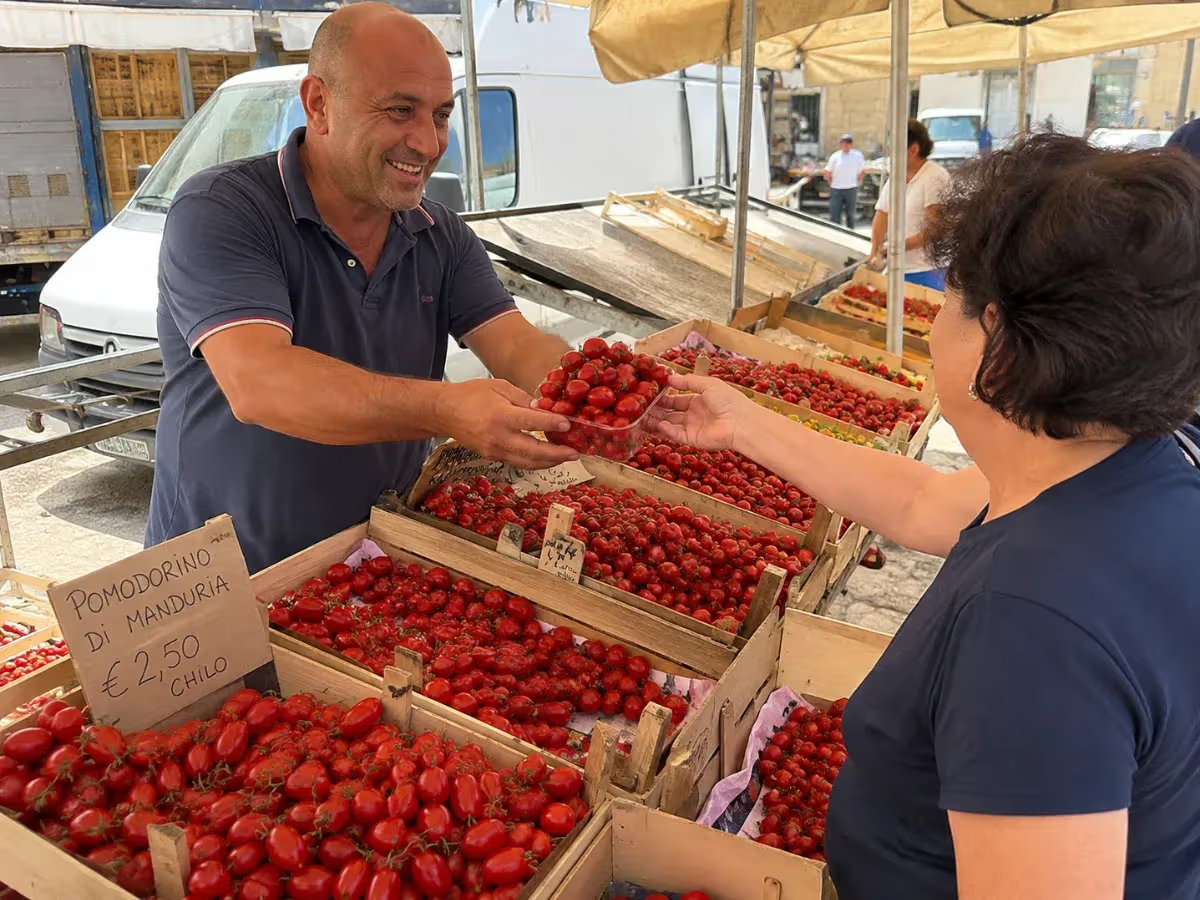
Pomodorino di Manduria is a small cherry tomato variety grown in the Ionian zone of Puglia, in the Manduriano territory, between municipalities in the province of Taranto. It has an ovoid or clustered shape, smooth and resistant skin of vivid red color, compact flesh and low water content. The aroma is intense, with sweet notes and slightly herbaceous nuances, while the flavor is balanced between sweetness and acidity, with a marked salinity that derives from mineral-rich soils and the sun exposure of the Tarantinian plain.
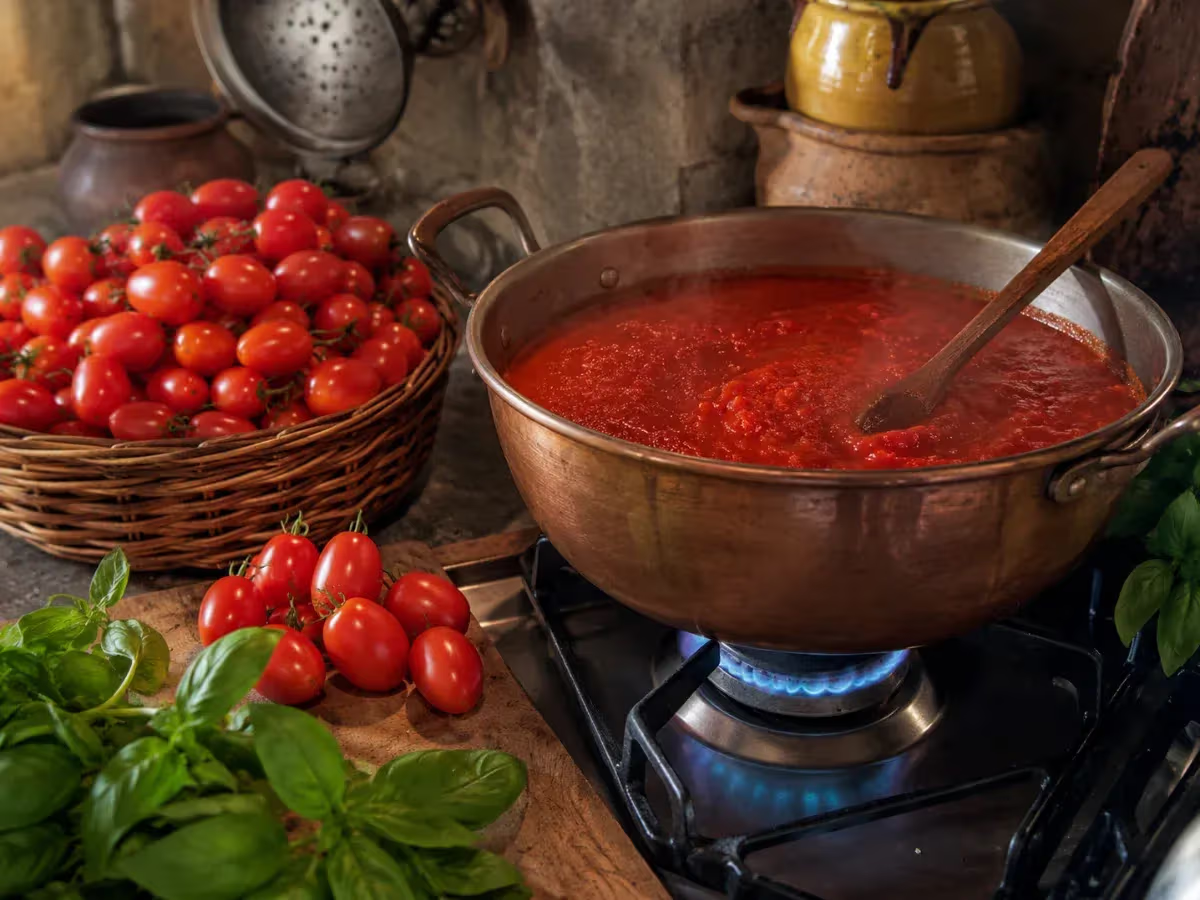
In the kitchen, Pomodorino di Manduria lends itself to very diverse uses. It is consumed fresh in salads, but its true vocation is long-term preservation: hung in clusters in cool and ventilated places, it maintains its organoleptic qualities for several months. It is a fundamental ingredient in winter sauces, raw condiments dressed with Puglian extra virgin olive oil, and the ancient local practice of "pennula", the suspended preserved tomato that accompanies bread on peasant tables during the cold months.
In the countryside of Manduriano, between the vineyards of Primitivo and age-old olive groves, this small tomato has built over time a presence that is far from secondary in domestic and rural economy. Its cultivation is linked to a peasant tradition that has made preservation its cornerstone: in an area where summers are long and parched and fresh products are exhausted quickly, selecting a tomato capable of lasting until winter was not a luxury, but a concrete necessity.
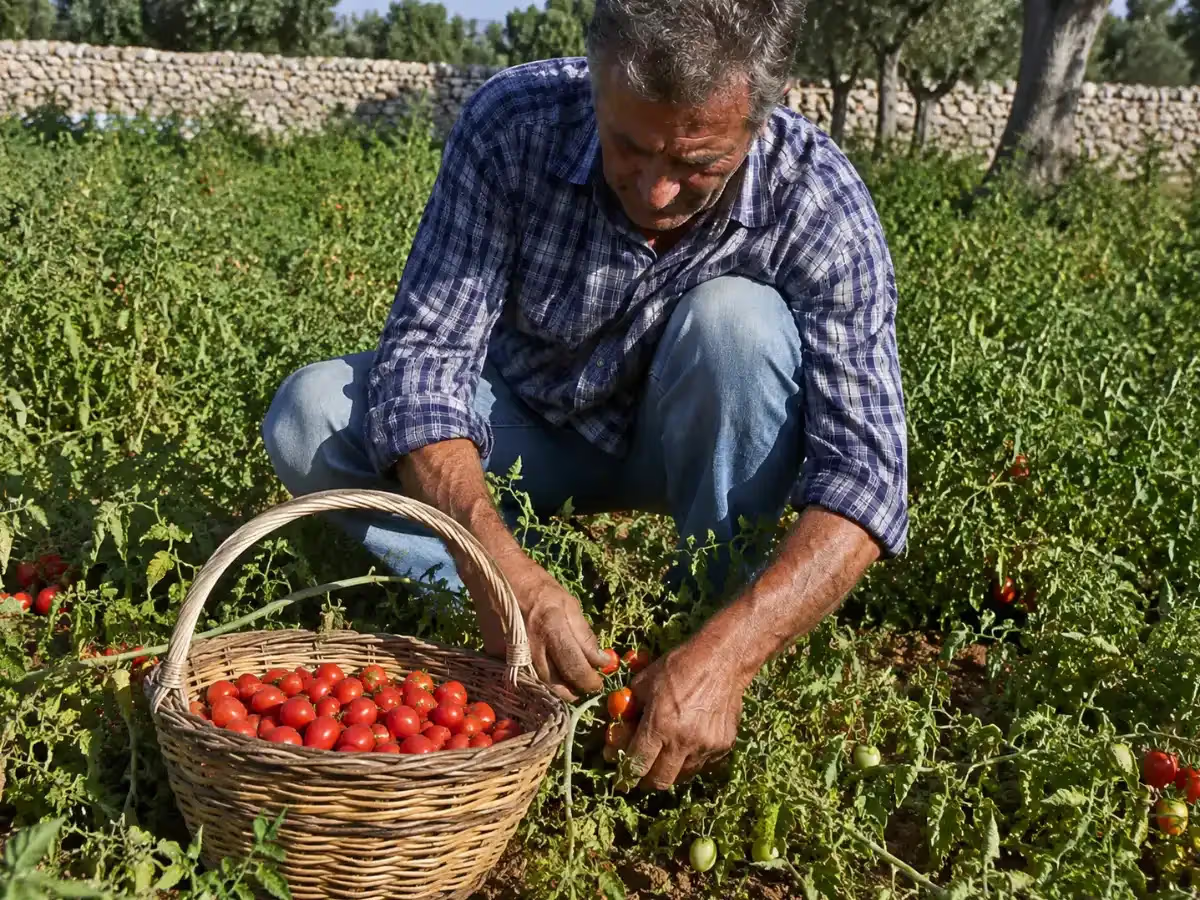
The local varieties, empirically selected over generations by peasants of the Ionian Salento, were preserved precisely thanks to the habit of keeping tomatoes hanging in bunches in homes. This practice has kept alive a genetic heritage that has been lost elsewhere. Recognition as a Slow Food Presidium brought attention to this product, enhancing the work of small producers who still cultivate according to traditional methods, with reduced irrigation and manual harvesting. The candidacy for DOP certification further consolidated the bond between the product and its territory of origin, defining a disciplinary regulation that protects historical cultivation practices and the production area.
The Pomodorino di Manduria is first recognized by its compact ovoid shape and smooth, thick skin resistant to touch, which distinguishes it from more fragile cherry tomatoes found on the market. The color is intense and uniform red at full ripeness, while fruits still to be stored may show orange hues. The weight is modest, generally between fifteen and thirty grams per fruit. Internally the flesh is dense, with reduced seeds and scarce water content.
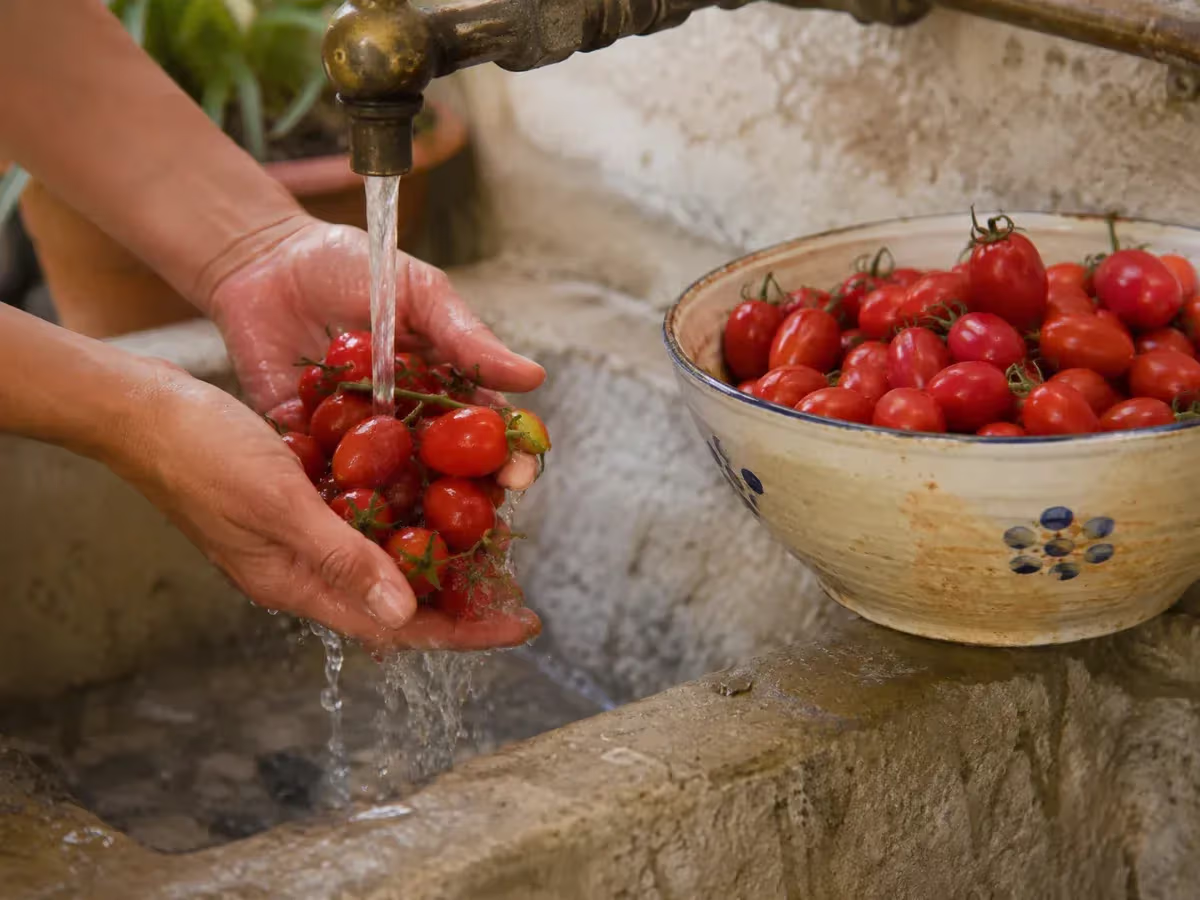
When purchased in the traditional clustered form, the stem is still present and green, a sign that the tomato was harvested intact to favor its conservation. The Slow Food Presidium mark and, where applicable, the DOP seal guarantee provenance from the Manduria area and compliance with the traditional cultivation method. A concentrated and persistent aroma, perceptible even without cutting the fruit, is a further indicator of authenticity compared to lower quality products or those from different sources.
Like all small shelf-stable tomatoes, the Pomodorino di Manduria presents a concentration of nutrients superior to more watery varieties. It is rich in lycopene, an antioxidant linked to the reduction of the risk of certain chronic diseases, and contains vitamin C, vitamin K and potassium in significant quantities. The reduced water content of the pulp results in a greater density of natural sugars and minerals. The caloric content is very low, approximately eighteen to twenty kilocalories per one hundred grams of fresh product, with values that increase with aging.
The main characteristic of Pomodorino di Manduria is its exceptional ability to be preserved. The bunches are hung in cool, dry, and well-ventilated places, away from direct sunlight, and maintain their qualities even for four to six months after harvest. It is important that the fruits do not touch each other to prevent mold. Once detached from the bunch or cut, they must be consumed within two to three days, stored at room temperature if still firm.
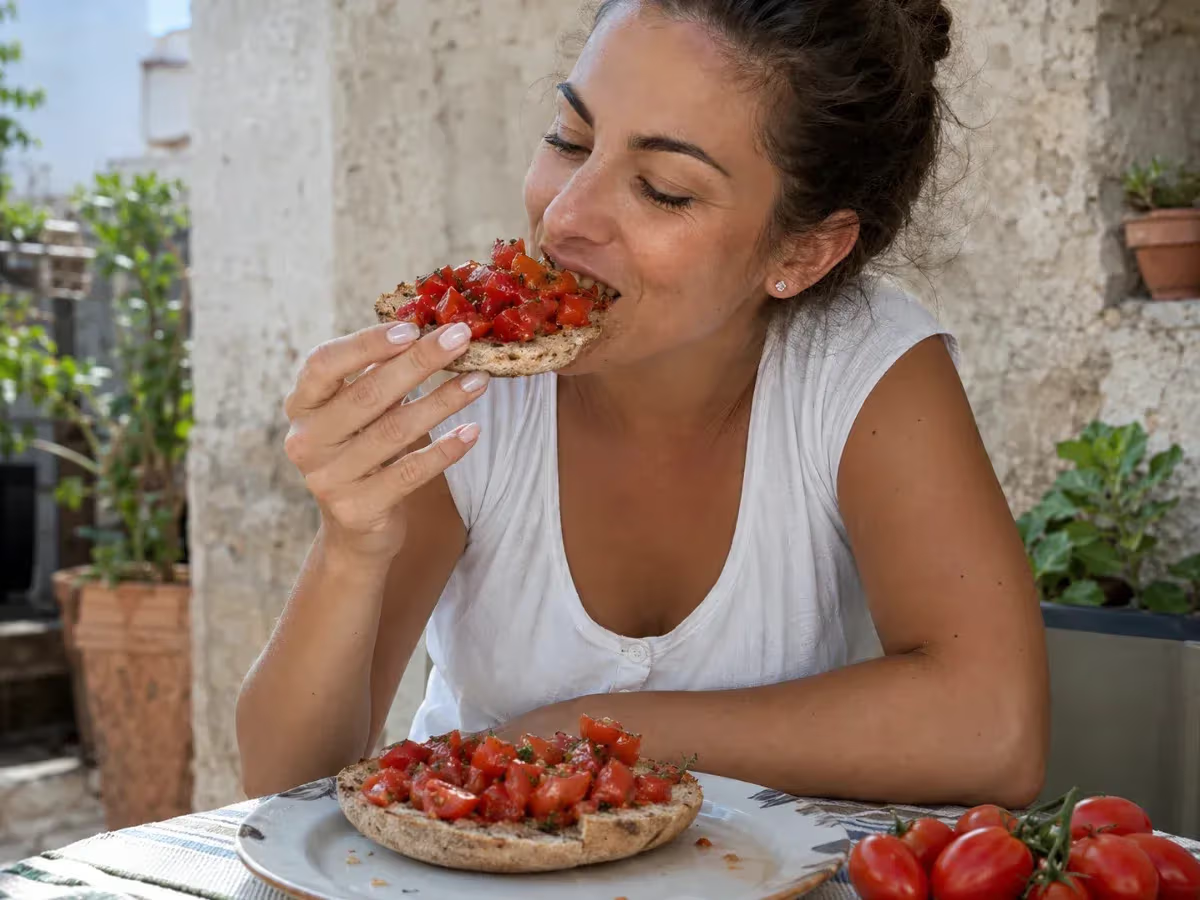
The Pomodorino di Manduria lends itself to dual seasonal use. During the summer and autumn months it can be consumed fresh sliced or whole, dressed simply with extra virgin olive oil, salt and basil. In the winter months, when the hanging bunch has further concentrated the flavors, it becomes the star of raw quick sauces, of bruschette on toasted stale bread and of slowly cooked sauces. It is preferable to consume it at room temperature, never directly from the refrigerator, so as not to dampen the aromatic intensity that characterizes it.
On the beverage side, the Pomodorino di Manduria pairs naturally with the rosé wines and fresh whites from the Ionian territory of Puglia, such as a Primitivo rosé or a Verdeca from Salento, which balance the salinity of the tomato without overpowering it. In more elaborate preparations, such as long-simmered sauces or rustic pizzas, it can be accompanied by a young, low-tannin red wine.
In local tradition it pairs with hard durum wheat bread from Puglia, with fresh sheep's milk ricotta, with black olives fermented in brine and with stretched-curd cheeses like burrata or stracciatella. Combined with the extra virgin olive oil from Taranto, whose territory it shares, it expresses a gustatory synergy that directly conveys the flavors of the Ionian plain.
The simplest preparation and one rooted in the domestic tradition of Manduria: the conserved cherry tomatoes hung in bunches are picked by hand, halved and dressed with Puglian extra virgin olive oil, coarse salt and wild oregano. They are served on slices of toasted durum wheat bread, as a substitute for summer bruschetta. In winter, when fresh tomatoes are unavailable, this dish brings to the table the concentrated flavor of summer.
The cherry tomatoes are crushed by hand in a pan with unpeeled garlic, extra virgin olive oil and a little chili pepper. Cooking is brief, over high heat, to preserve the acidity and sweetness concentrated by aging. The resulting sauce dresses the orecchiette or cicatelli, and is completed with fresh basil added off the heat.
Summer dish from the Salento-Ionian table: fresh cherry tomatoes halved are combined with black olives from Taranto in brine, spoonfuls of fresh sheep's ricotta and basil leaves. The dressing is only extra virgin olive oil and salt. The compact consistency of the cherry tomato holds up well to the pairing with the other ingredients without releasing excess water.
In the homes of the Manduriano area, hanging bunches of pomodorino under the roof or in the cellar was and remains a gesture that marks the end of summer. It is not merely a matter of food preservation: it is a way of extending the harvest, of bringing the flavor of August into the heart of winter. The practice is handed down primarily within families, with techniques of tying and selecting fruits that each family guards with its own variations.
The hanging pomodorino, called "pennula" in the local dialect, still appears today in traditional kitchens as a reference winter ingredient, in stark contrast to the standardization of fruit and vegetable offerings. Its presence in the neighborhood markets of Taranto and in the agricultural fairs of the area is an indicator of the living bond between the local community and agricultural heritage.
The Manduriano territory hosts various events linked to local typical products during the summer and autumn period, in which the Pomodorino di Manduria finds space alongside the Primitivo di Manduria and other products of Ionian agriculture. Among the initiatives promoted by the Slow Food circuit, events for the valorization of Puglian Presidi are periodically highlighted, with tastings and meetings with producers. Local farmers' markets, active in several municipalities in the Province of Taranto, represent the most direct place to encounter this product during its harvest season, between July and September.