
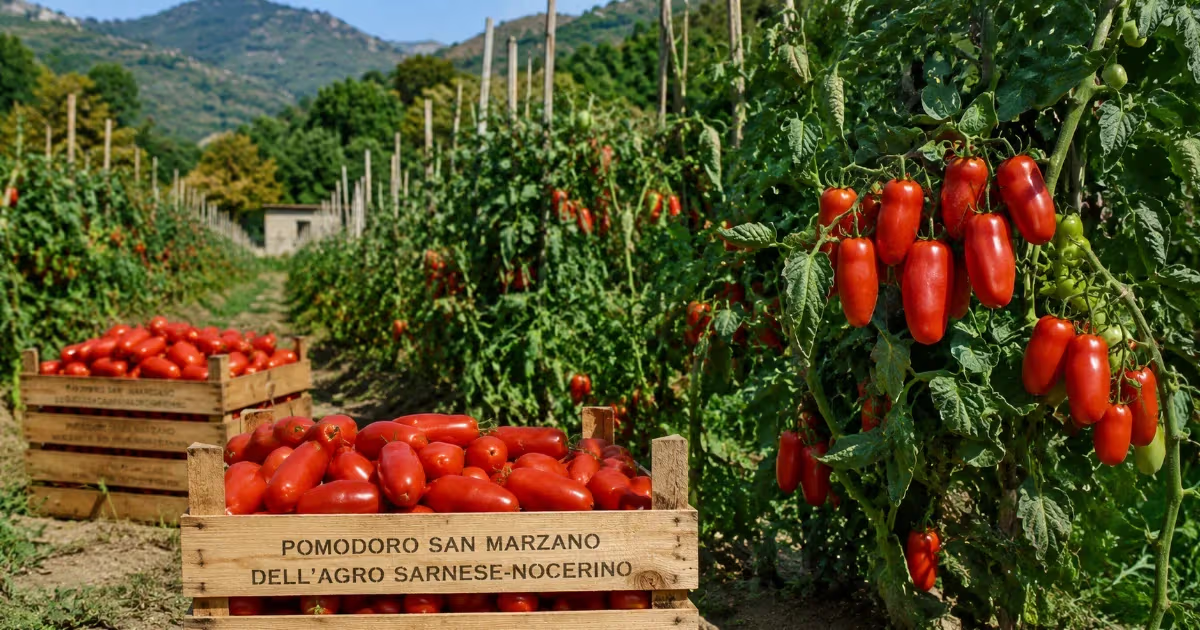
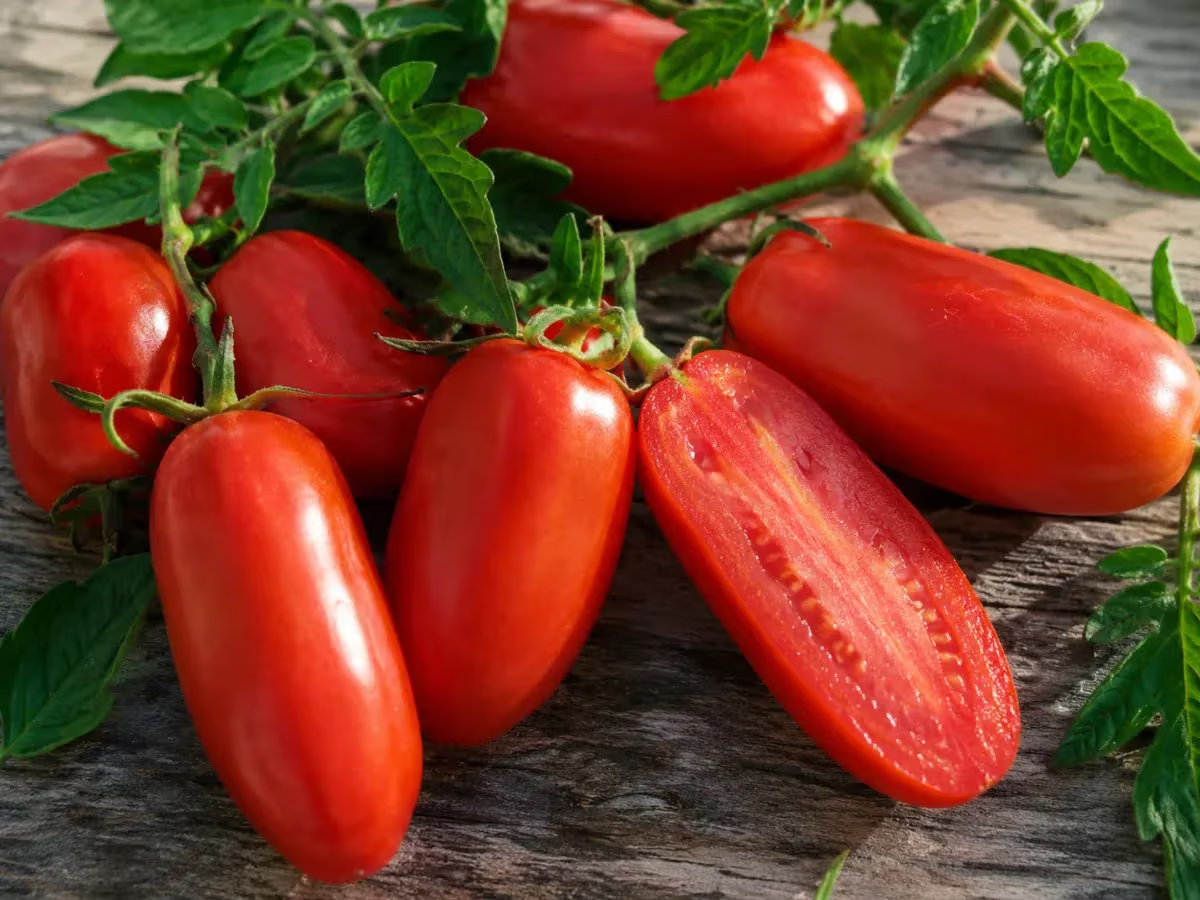

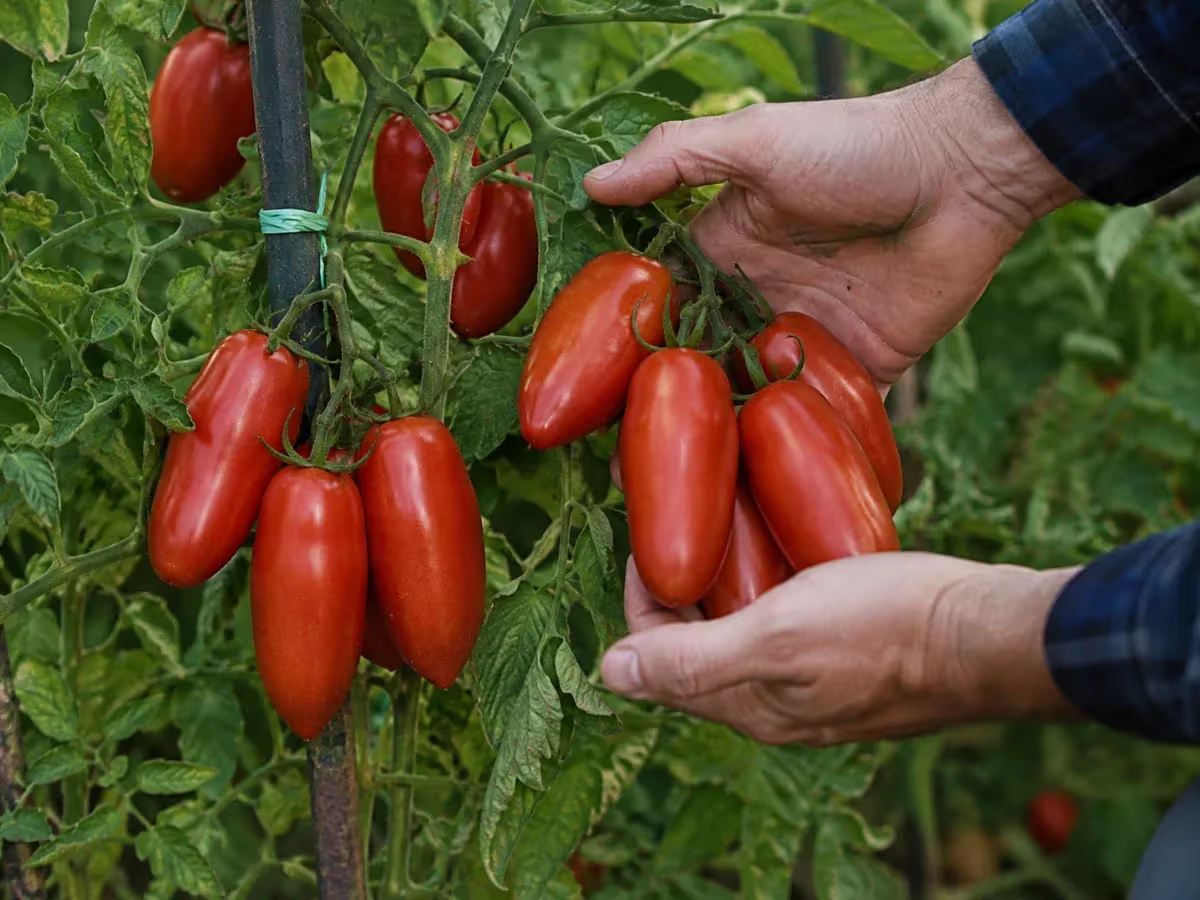
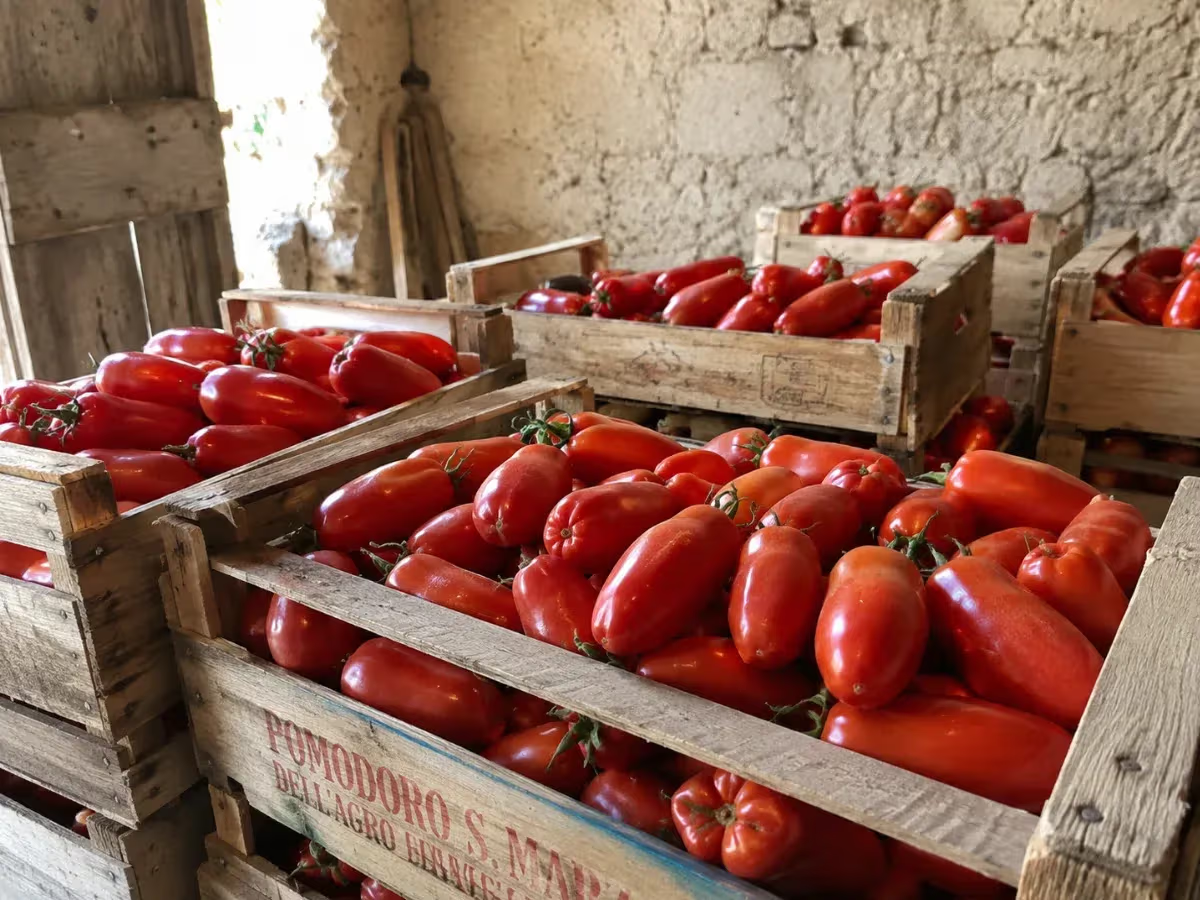


The San Marzano Tomato from the Agro Sarnese-Nocerino is an elongated fruit vegetable cultivated in the Campania plain between the provinces of Salerno, Naples and Avellino, on volcanic soil at the foothills of Mount Vesuvius. Its shape is cylindrical-elongated, tending toward prismatic, with a pointed apex and slightly pronounced ribbing; the skin is thin and bright red when fully ripe. The flesh is firm, meaty, poor in seeds and watery juice, with a marked balance between sweetness and acidity that makes it recognizable among all storage and processing tomatoes.
In the kitchen, it finds its most complete expression in tomato sauce for Neapolitan pizza, where it is traditionally used raw and crushed by hand. It is a central ingredient in simple sauces dressed with basil and extra virgin olive oil, artisanal preserves, tomato pulp and canned peeled tomatoes. Its compact flesh holds up well to oven preparations, making it versatile both in everyday dishes and in more elaborate preparations of Campania cuisine.
The alluvial plain between Sarno and Nocera has safeguarded extraordinary fertility for centuries, nourished by the volcanic deposits of Vesuvius and the water of local rivers. It is in this context that, presumibly between the late eighteenth century and the early decades of the nineteenth century, the variety today known as San Marzano established itself as a distinct type, selected by local farmers for its flesh yield, ease of peeling and ability to withstand transformation into preserved tomato.
The development of the Campania canning industry, from the second half of the nineteenth century onwards, made San Marzano the productive heart of an entire economic district. The peeled tomato factories that arose in the Agro Sarnese-Nocerino brought this tomato to international markets, helping to build the global reputation of Italian cuisine. The post-war varietal crisis, caused by the introduction of more productive industrial hybrids, risked causing the original genotype to disappear. It was thanks to the recovery work begun in the 1980s and then consolidated with DOP recognition, obtained in 1996, that the authentic variety returned to being cultivated with rigorous disciplinary standards. Today the Protection Consortium oversees the supply chain, from seed selection to processing, ensuring that the name San Marzano is associated only with the product of the original Agro.
The authentic fruit has an elongated shape and is generally prismatic, with a length that generally exceeds six centimeters, a pointed apex and two or three well-defined internal locules. The skin, at full ripeness, is an intense and uniform red, thin and almost free of surface defects. When cut, the flesh is compact, with little vegetative water and a quantity of seeds clearly lower than common hybrids.
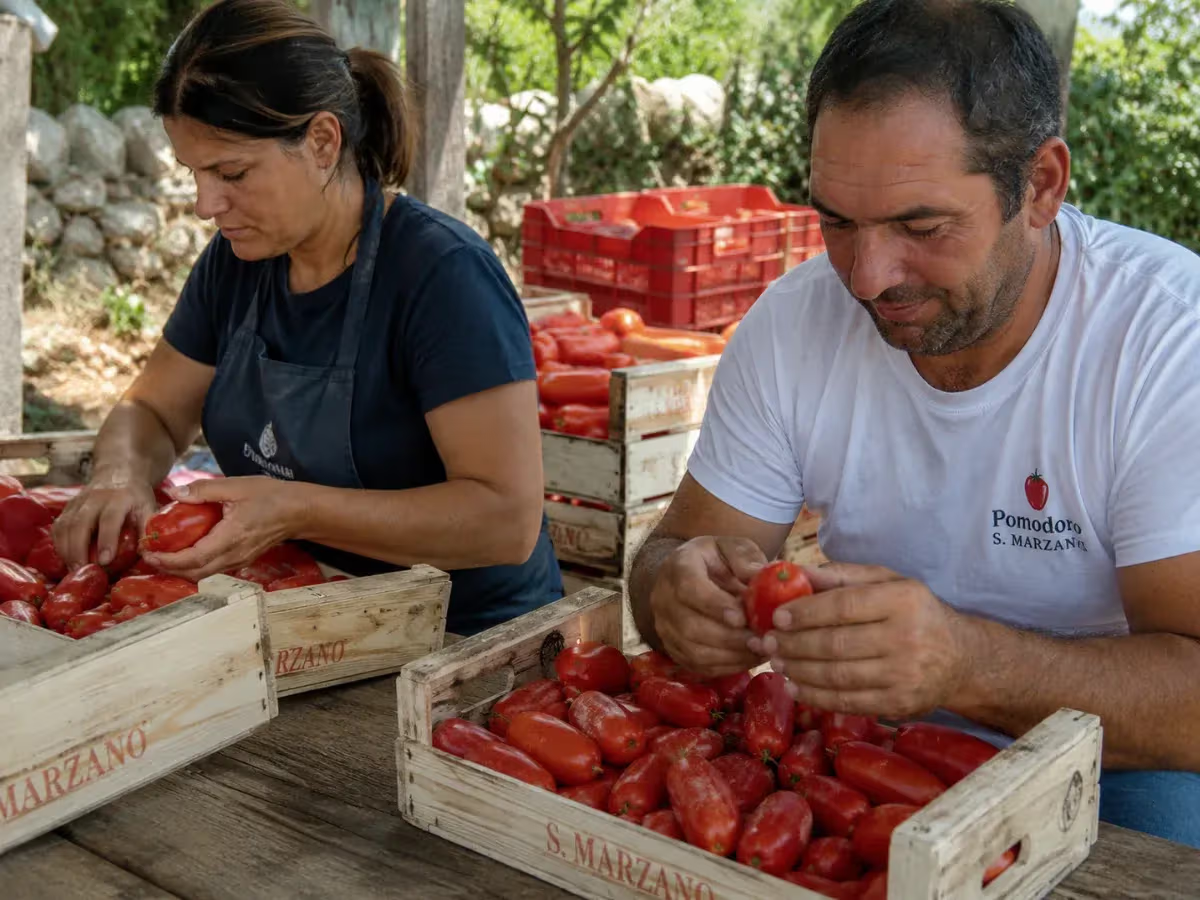
The DOP product is marketed fresh or, more frequently, as pelati in cans. In both cases the disciplinary regulations provide for the use of the collective trademark of the Consorzio di Tutela del Pomodoro San Marzano dell'Agro Sarnese-Nocerino DOP, accompanied by the community DOP logo. For pelati, the label must show the batch number and the code of the authorized processing facility. The presence of these elements is the first criterion for distinguishing the certified product from the numerous imitations on the market, often generically labeled as "tipo San Marzano".
San Marzano tomato has a low caloric intake, estimated at around 18-20 kcal per 100 grams of fresh product. It is rich in lycopene, the carotenoid pigment responsible for the red color, associated with antioxidant properties. It provides vitamin C, vitamin A in the form of beta-carotene, potassium and a good amount of folic acid. Thanks to its compact flesh and low content of seeds and water, it is particularly concentrated in its nutritional components compared to other tomato varieties.
Fresh tomatoes should be stored at room temperature, away from direct light, and consumed within a few days of harvest. The refrigerator compromises their aroma and consistency. Canned peeled tomatoes, once the package is opened, must be transferred to a glass container, refrigerated, and consumed within two or three days. Intact packages should be stored in a cool, dry place for the times indicated on the label.
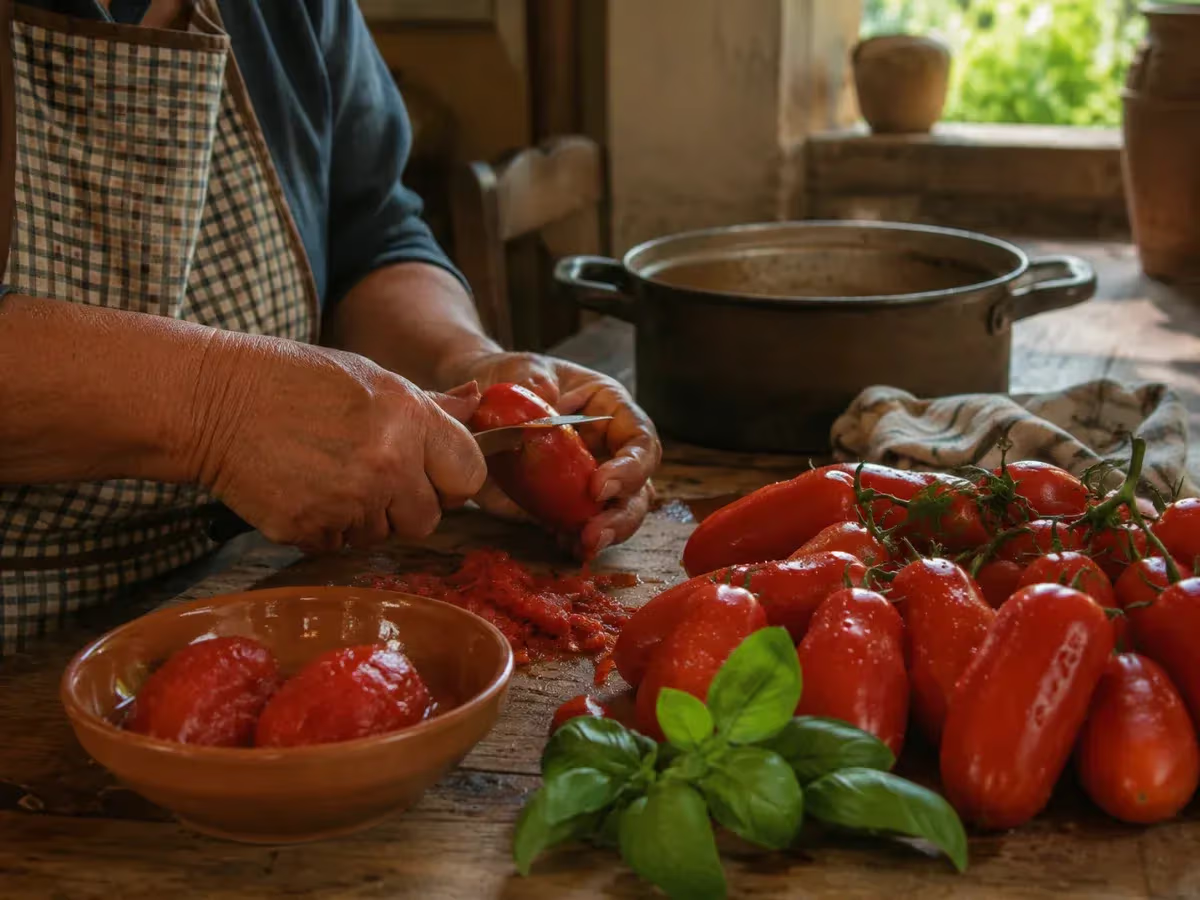
Traditionally San Marzano is used raw, crushed by hand or quickly passed, to dress Neapolitan pizza, thus preserving the aromatic intensity without alterations from cooking. In sauce, a brief cooking with oil and basilico is sufficient to obtain a balanced condiment. The whole peeled tomato lends itself to slow cooking, for meat or fish sauces, where the pulp breaks down while remaining dense. Fresh seasonal fruits, from July to September, can also be consumed in salad or as a base for bruschette.
In the Campania tradition, San Marzano naturally pairs with mozzarella di bufala, fresh basil and high-quality extra virgin olive oil, forming the triad of Pizza Margherita. With durum wheat dried pasta it finds its most direct pairing: spaghetti or paccheri with simple tomato sauce and a grating of Parmigiano Reggiano or Pecorino Romano.
On the beverages side, a Campania red wine of medium structure, such as an Aglianico del Beneventano or a Piedirosso dei Campi Flegrei, balances well the sweetness and slight acidity of the sauce. For informal pairings, a clear lager-style craft beer or a blanche can hold their own without overpowering the delicacy of the tomato.
The recipe that symbolizes Neapolitan tradition uses San Marzano as the base topping, crushed by hand or briefly passed through without cooking, spread over the dough before baking. It is completed with Mozzarella di Bufala Campana DOP added at the end of cooking and fresh basil leaves, according to the regulations recognized by the STG Pizza Napoletana.
A sauce prepared with San Marzano peeled tomatoes, garlic in its skin, extra virgin olive oil and basil, cooked over high heat for no more than twenty minutes, constitutes one of the dishes most deeply rooted in Campania's everyday cuisine. The brevity of cooking preserves the freshness of the tomato and its sweet-acidic note.
Fried eggplants in layers, alternated with San Marzano tomato sauce, fior di latte and Parmigiano Reggiano, represent one of the most representative baked preparations of Neapolitan cuisine. The compact flesh of San Marzano prevents excess liquid during cooking, ensuring a dense and flavorful consistency in the finished dish.
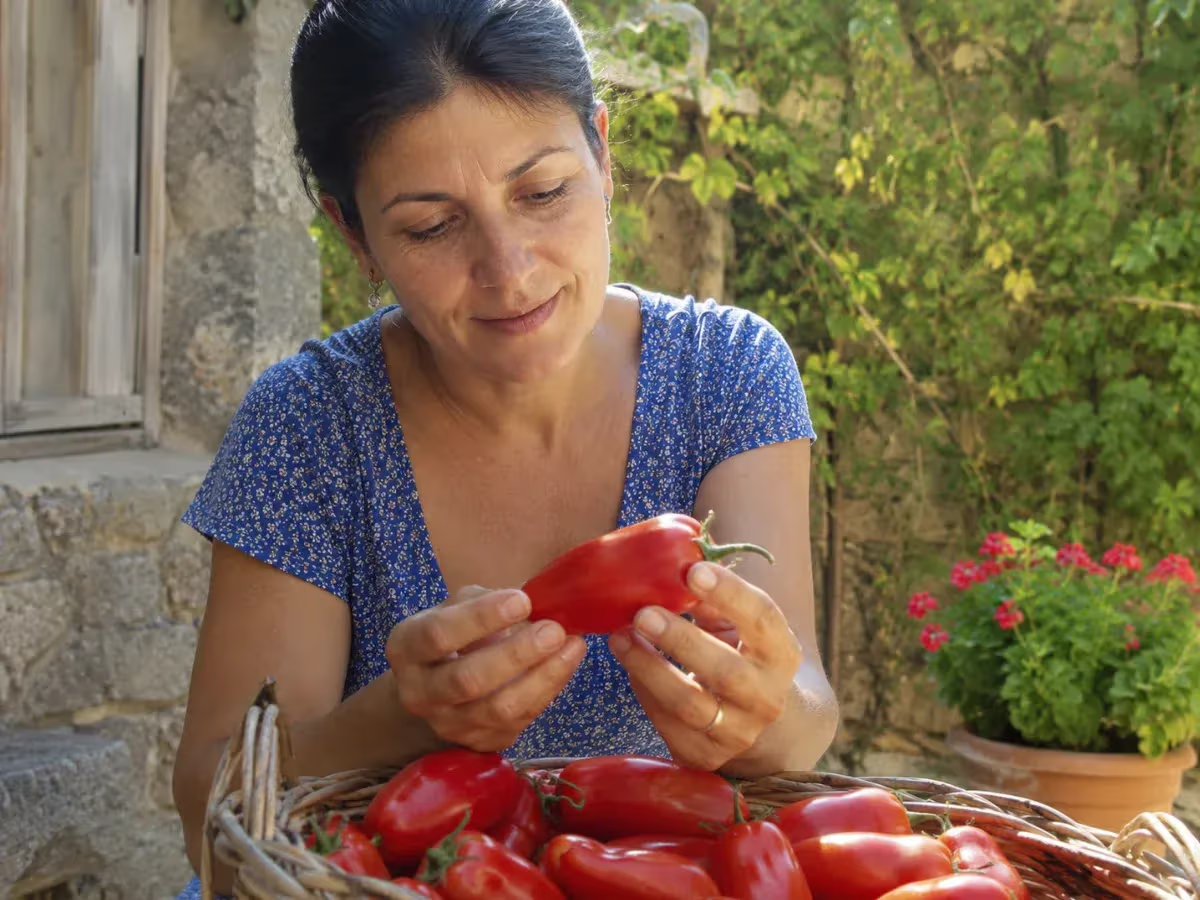
The harvest of San Marzano has marked for generations the agricultural calendar of the families in the Agro region, involving the entire community in collective work that took place during the summer months. The domestic production of preserves, bottles of passata prepared in large quantities and jealously kept in the cellar, is still a living practice in many homes in the area, passed down as a family heritage rather than as a recipe.
The San Marzano tomato is also a strong identity element for Campanians who emigrated: the authentic can of peeled tomatoes, sent or brought in a suitcase, has become over time a symbolic object of connection to their land of origin, capable of evoking distant flavors and domestic practices.
The Agro Sarnese-Nocerino traditionally hosts initiatives linked to the tomato harvest season, concentrated between July and September. Among the most established events is the San Marzano tomato festival in San Marzano sul Sarno, the municipality that gives its name to the variety, where peasant culture and the preserved tomato supply chain are celebrated. Campania agrifood fairs of regional importance, such as those promoted within the framework of trade fair events in Salerno and Naples, regularly include tastings and presentations of the DOP product.