
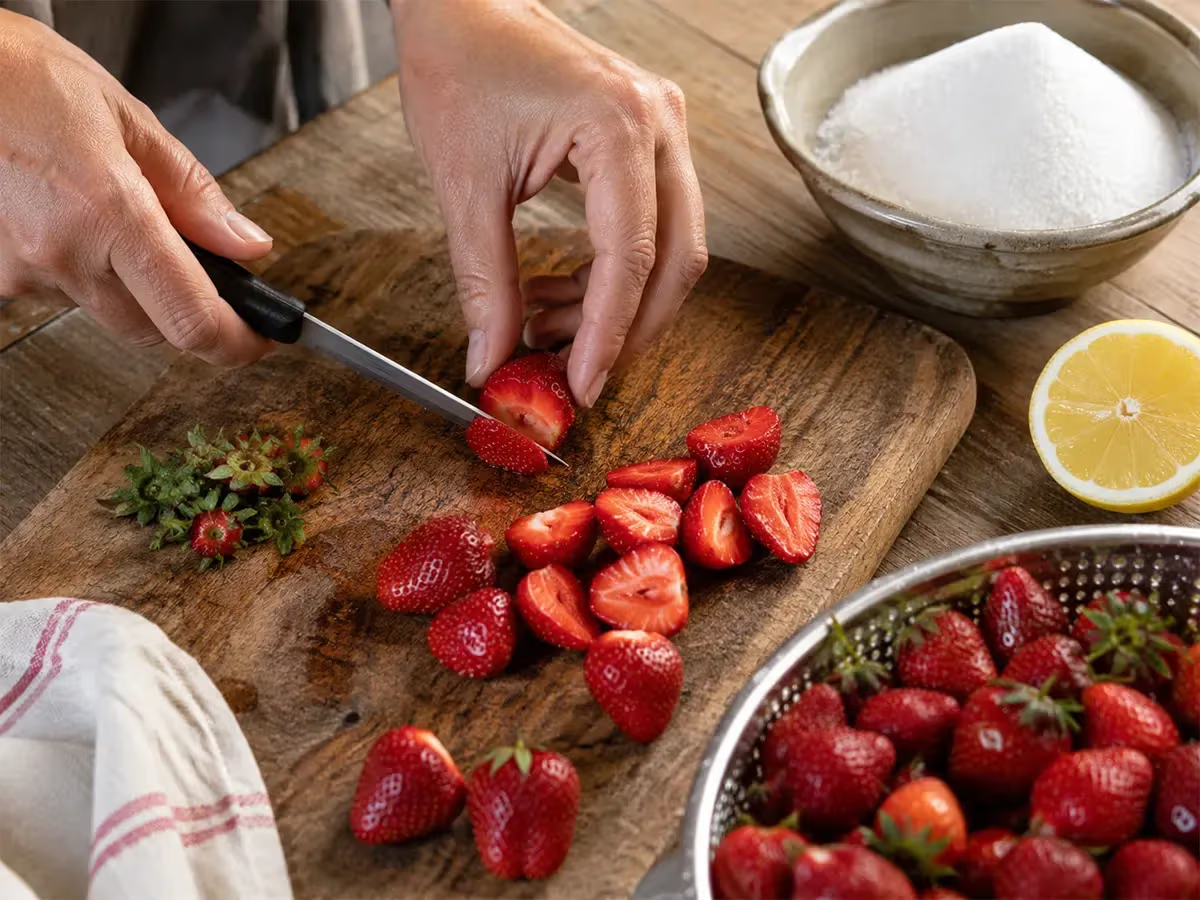

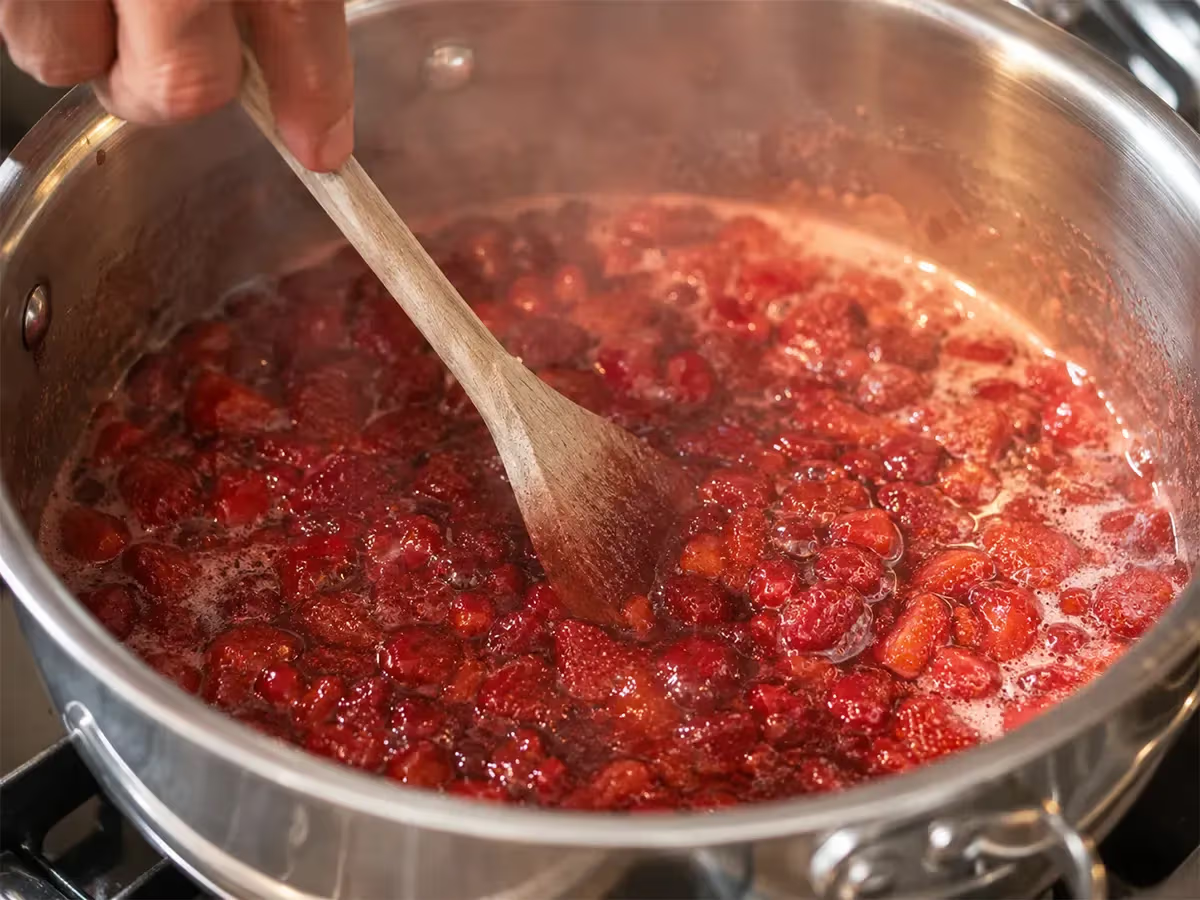
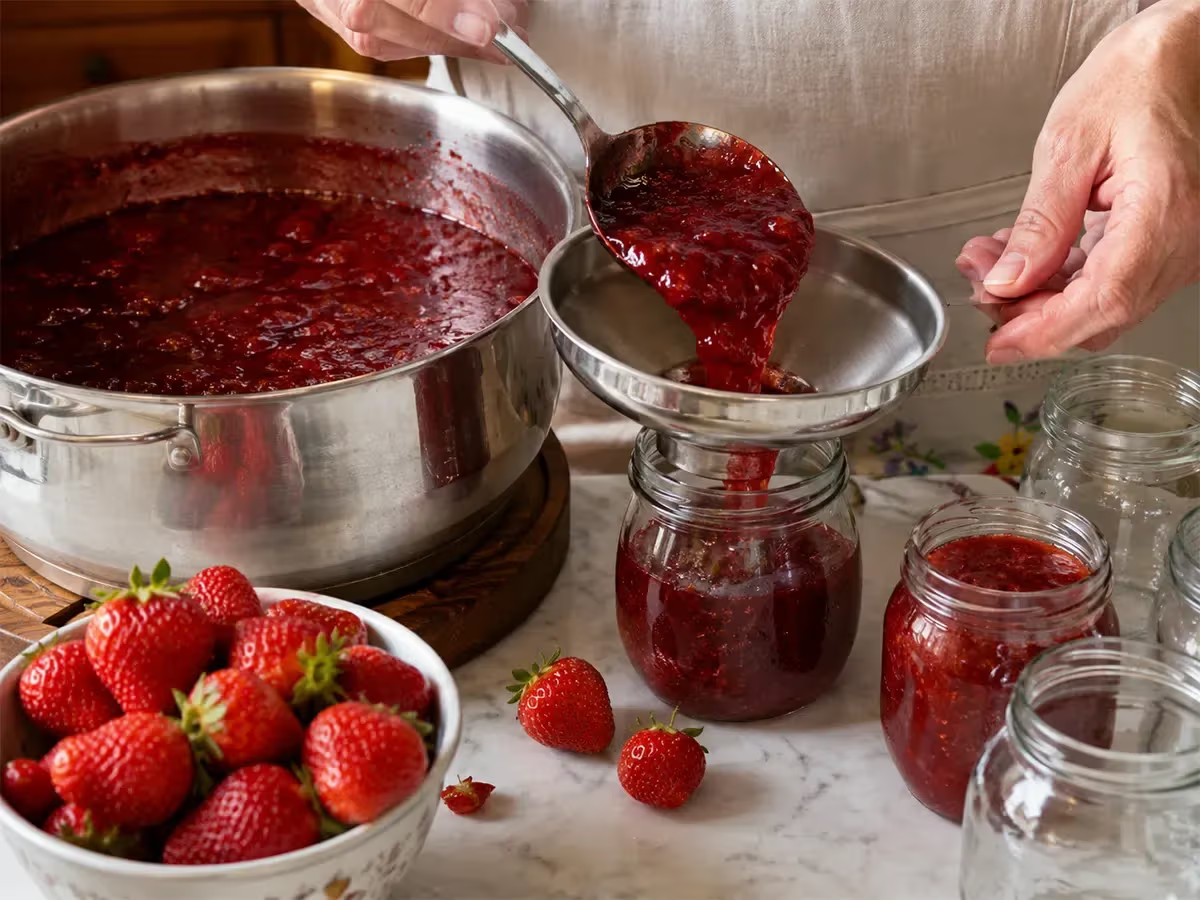
For the jam
Stir well and leave to macerate for at least 2 hours at room temperature, or overnight in the refrigerator, until the sugar has partially melted and the fruit has released its liquid.
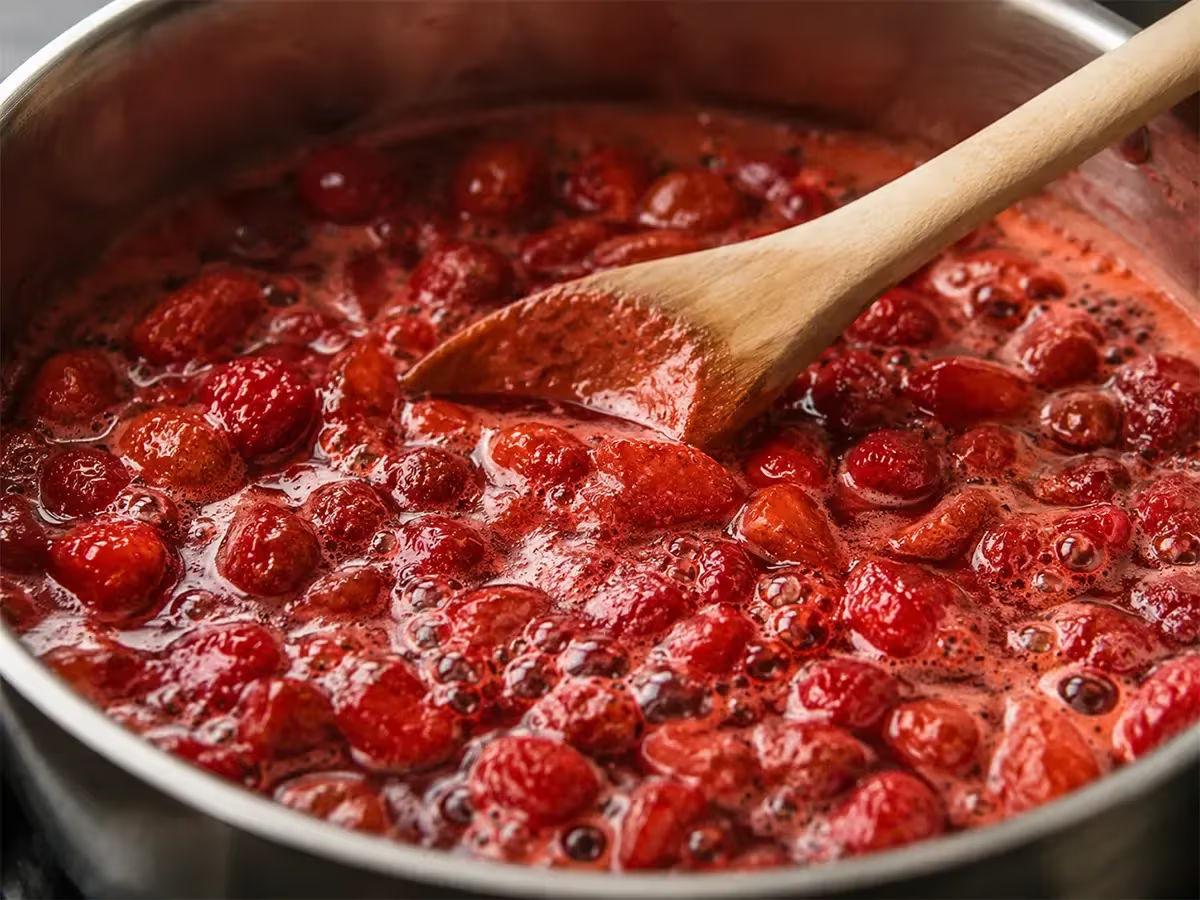
Check the gelation by pouring a few drops on a cold refrigerator saucer: the jam should flow slowly and form a slight ripple if touched with your finger.
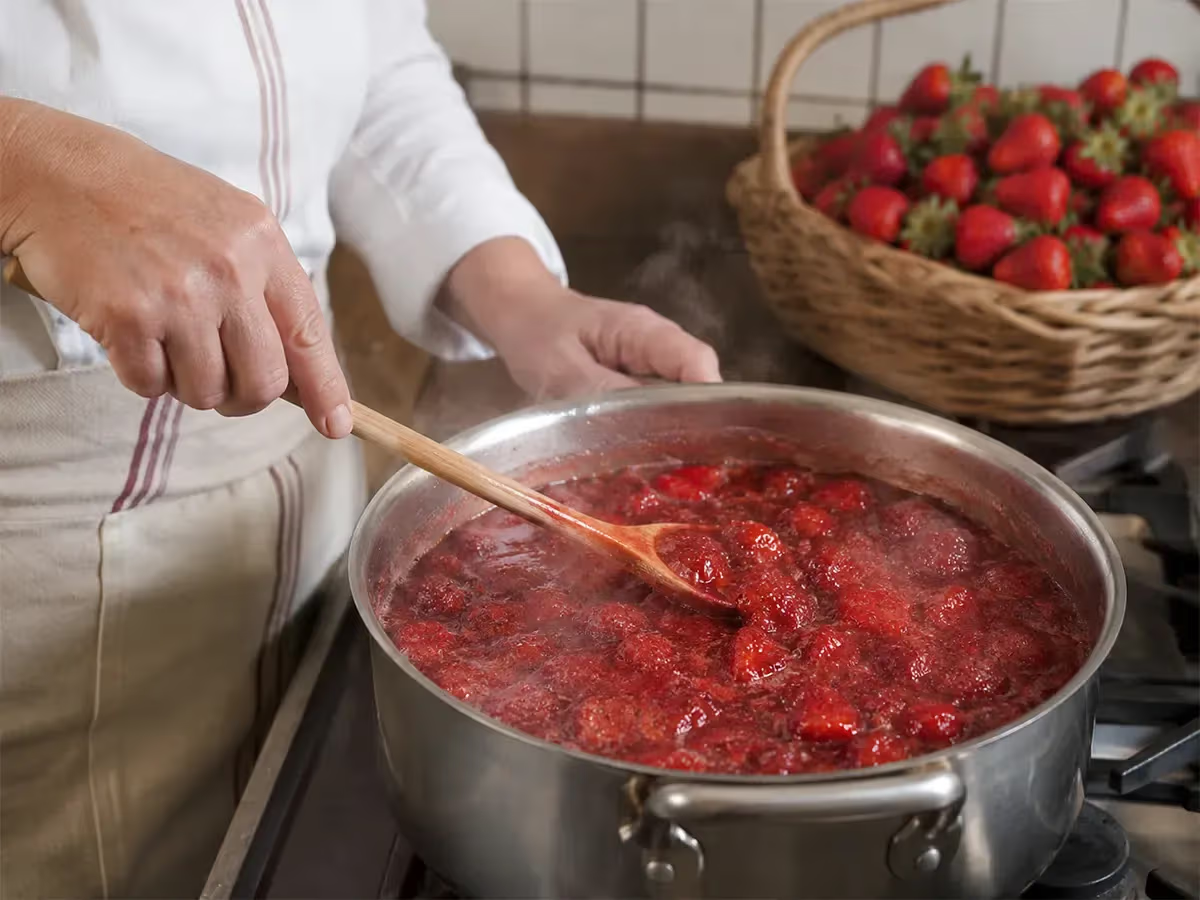
The choice of saucepan is decisive: a copper or steel bottom often distributes heat evenly and reduces the risk of localized burns on the bottom. Avoid too tall and narrow pots: the large evaporation surface accelerates the reduction and better preserves the colour of the fruit.
Preliminary maceration is not an optional step. It promotes the release of the natural pectin of strawberries, reducing cooking times and limiting the caramelisation of sugar, which would alter the colour towards brown.
In a professional context, the gelation temperature is measured with the sugar thermometer: the jam is ready when it reaches 104-105 degrees Celsius. However, the cold saucer test remains a reliable visual check as a parallel check.
The cans must be sterilized in the oven at 120 degrees for 20 minutes or in boiling water for the same time. New caps are essential: a cap already used does not guarantee the vacuum seal and compromises storage.
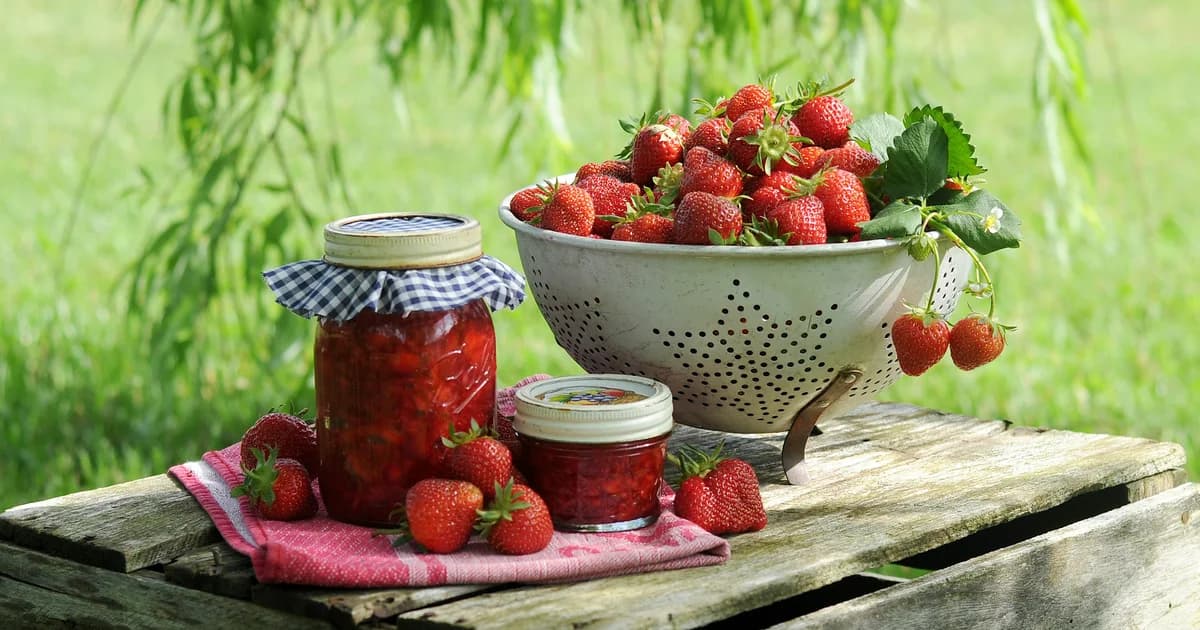
The strawberry jam of San Mauro is a sweet preserve linked to the territory of San Mauro Torinese, a municipality in the metropolitan belt of Turin that for decades has hosted crops of renowned strawberries throughout Piedmont. The strawberry of San Mauro, a small fruit variety with an intense aroma, is harvested between May and June and finds one of its most consolidated traditional outlets in its transformation into jam.
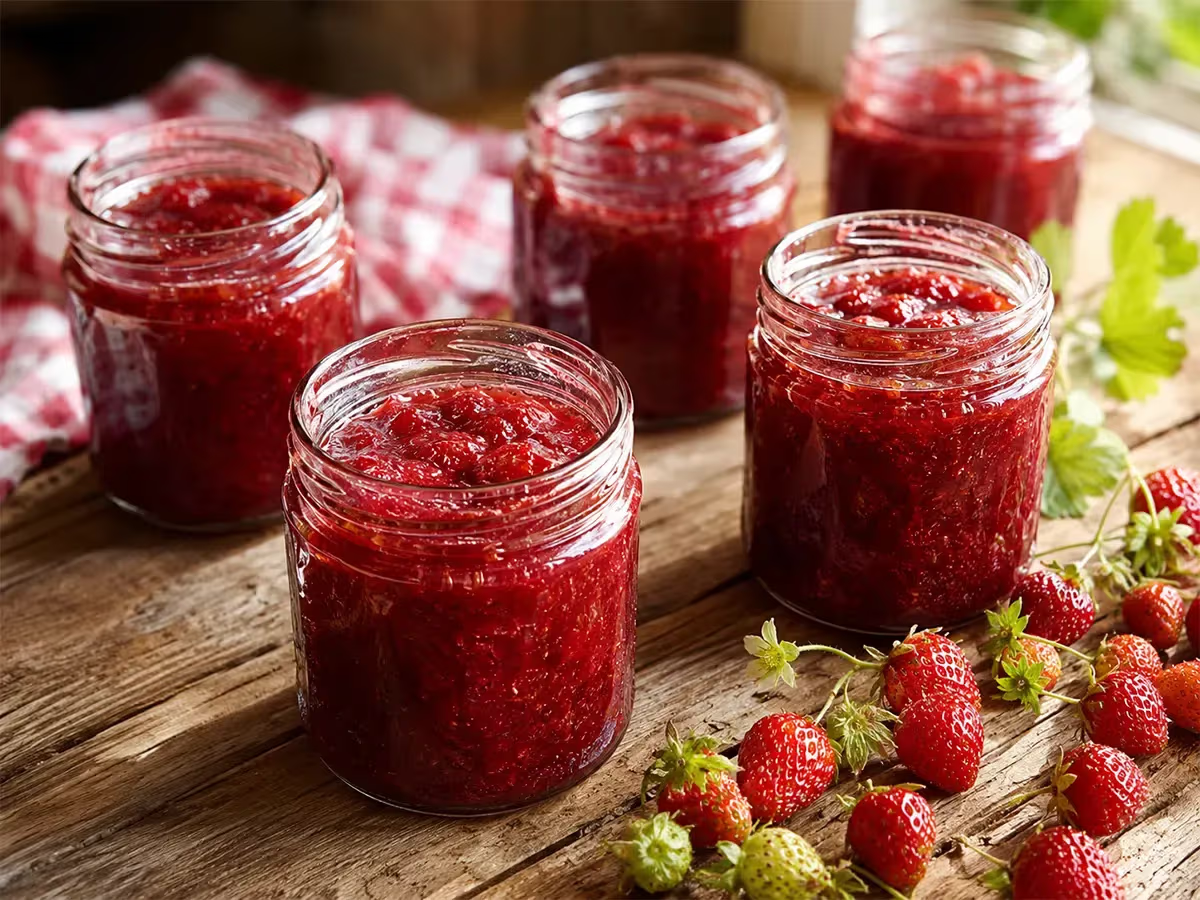
The result is a jam with a soft texture, not excessively compact, with a bright red colour that tends to amber with cooking and a flavour that balances the sweetness of the sugar with the natural acidity of the fruit.
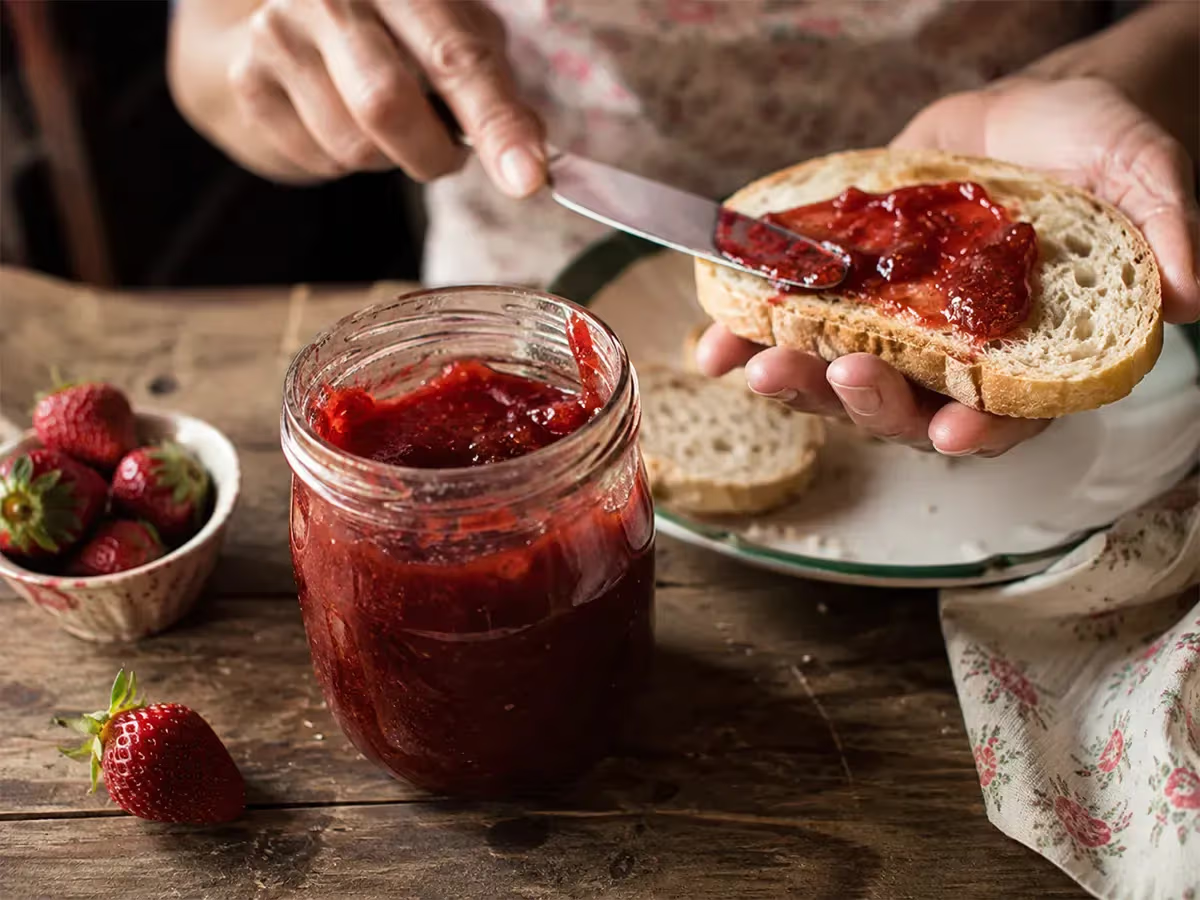
At the table it is served on toasted bread for breakfast, used to fill tarts and dry Piedmontese biscuits such as krumiri, or accompanied by fresh cow's milk cheeses that enhance the fruity note.
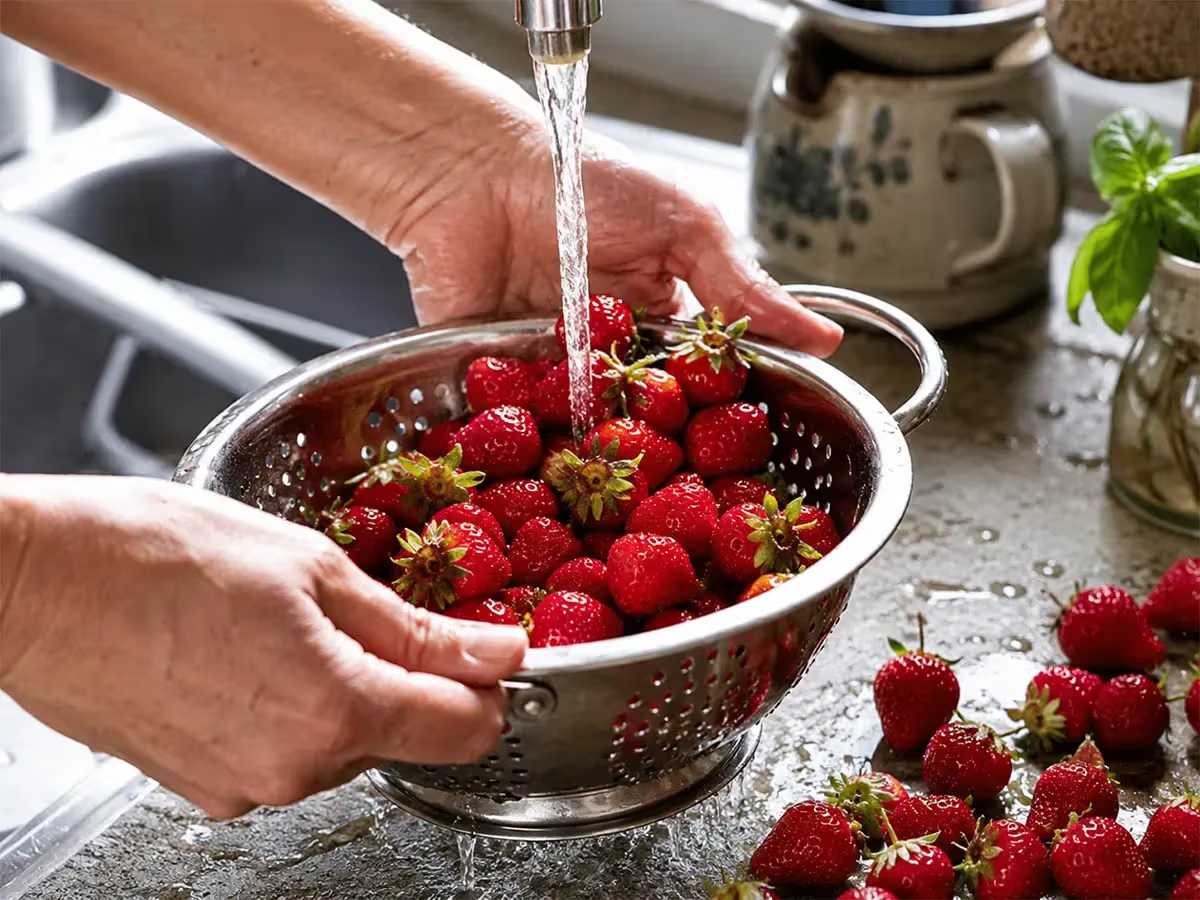
The preparation requires few ingredients and careful control of cooking: the simplicity of the recipe should not be confused with the superficiality of the gesture, because the quality of the starting strawberry and the management of the fire decisively determine the final character of the preserves.
The basic recipe of the Piedmontese strawberry jam admits some variants consolidated in the domestic tradition and in that of the small artisan workshops of the territory.
Marmalade with vanilla: an engraved vanilla pod is added to the macerated mixture. The aromatic note of vanilla integrates with the acidity of the strawberry without overpowering it. - Marmalade with balsamic vinegar: a tablespoon of traditional balsamic vinegar added at the end of cooking gives aromatic depth and a slight tannic note that balances the sweetness.
Version with less sugar: some artisanal preparations reduce sugar to 500 g per kilo of fruit, slightly increasing lemon juice as a natural acidifier.
The preserves are less sweet and less compact, with a shorter shelf life after opening. - Strawberry and raspberry jam: the addition of 200 g of raspberries per kilo of strawberries intensifies the aromatic profile and colouring.
Moscato d 'Asti DOCG (Piedmont): the sparkling sweetness and the notes of white peach and citrus of this wine dialogue with the strawberry without overlapping. Classic pairing in Piedmontese desserts. - Brachetto d 'Acqui DOCG: sweet and sparkling red wine with hints of rose and small red fruits, similar in aromatic intensity to strawberry jam.
Weizen-style wheat craft beer: the lactic note and light spiciness of wheat yeast go well with the jam spread on fresh cheeses.
Darjeeling first flush black tea: the tannin astringency of the tea balances the sweetness of the jam, a recommended pairing in the classic breakfast with bread and butter.
Closed unopened jars: store in a cool, dry place and away from direct light for 10-12 months. - After opening: store in a refrigerator at 2-4 degrees Celsius and consume within 3-4 weeks. Always use a clean, dry spoon to avoid contamination. - Freezing: not recommended for hermetically sealed glass jars. It is possible to freeze the jam in plastic food containers, with a shelf life of up to 6 months.
Regeneration: not required.
Serve directly from the refrigerator or at room temperature.
per serving
Along the banks of the Po, in the flat fields surrounding San Mauro Torinese, strawberry cultivation has roots dating back at least to the late nineteenth century. The microclimate of the lower Po river, with autumn fogs and hot but not dry summers, favoured the development of local varieties with small and very fragrant fruit, different in character from the industrial hybrids that would have dominated the market since the 1970s.
The transformation into jam was born as a practical response to seasonal abundance: strawberry ripens quickly and domestic production often exceeded fresh consumption. The peasant families in the area prepared the jams at the end of May, in large copper casseroles placed on the wood-burning stoves, and the jars filled the pantries throughout the winter.
The San Mauro strawberry fair, which is still held today in May, has helped to keep alive the memory of this cultivation and the artisanal transformations that were connected to it, in a territory that was progressively urbanised during the second half of the twentieth century.


