
TOMA PIEMONTESE DOP
1. Type of milk and cattle breeds
Milk: exclusively cow's milk
Types:
Whole milk → "Fat" Toma
Partially skimmed milk → "Semi-fat" Toma
Cattle breeds (typical of the Piedmontese area)
Not strictly imposed by regulations, but traditionally:
Piemontese
Brown Alpine
Red Pied
Other local breeds adapted to alpine pastures
The diet (alpine herbs, mountain flowers) strongly influences the aroma and quality of the milk.
2. History and tradition
Very ancient origins (Roman era)
Already documented around the year 1000
Born as a "poor" peasant cheese
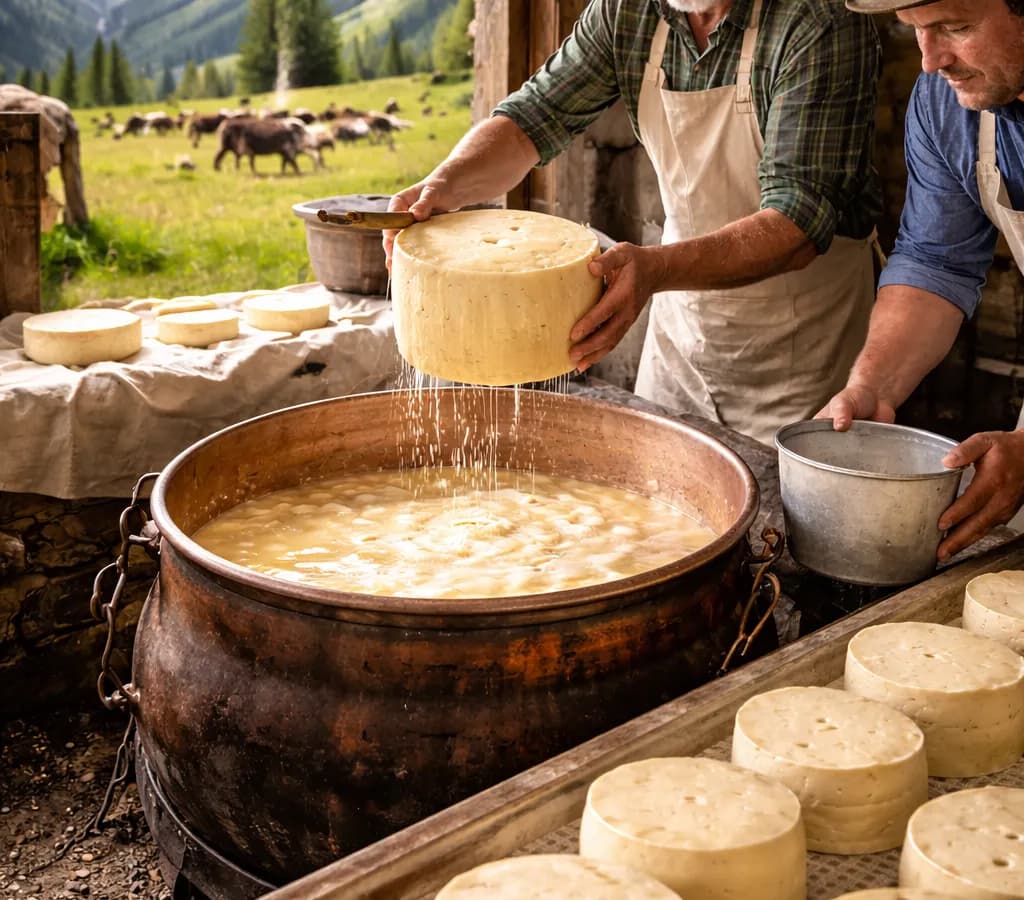
Spread thanks to alpine herders (transhumance)
In 1996 it obtained DOP status
It was also used to flavor soups instead of salt.
3. Production area
Entire territory of Piedmont, particularly:
Provinces: Cuneo, Turin, Biella, Vercelli, Novara, Verbano-Cusio-Ossola
Some municipalities in Asti and Alessandria
Production:
Traditionally mountain (alpine pastures)
Today also hills and plains
4. Production process (technical summary)
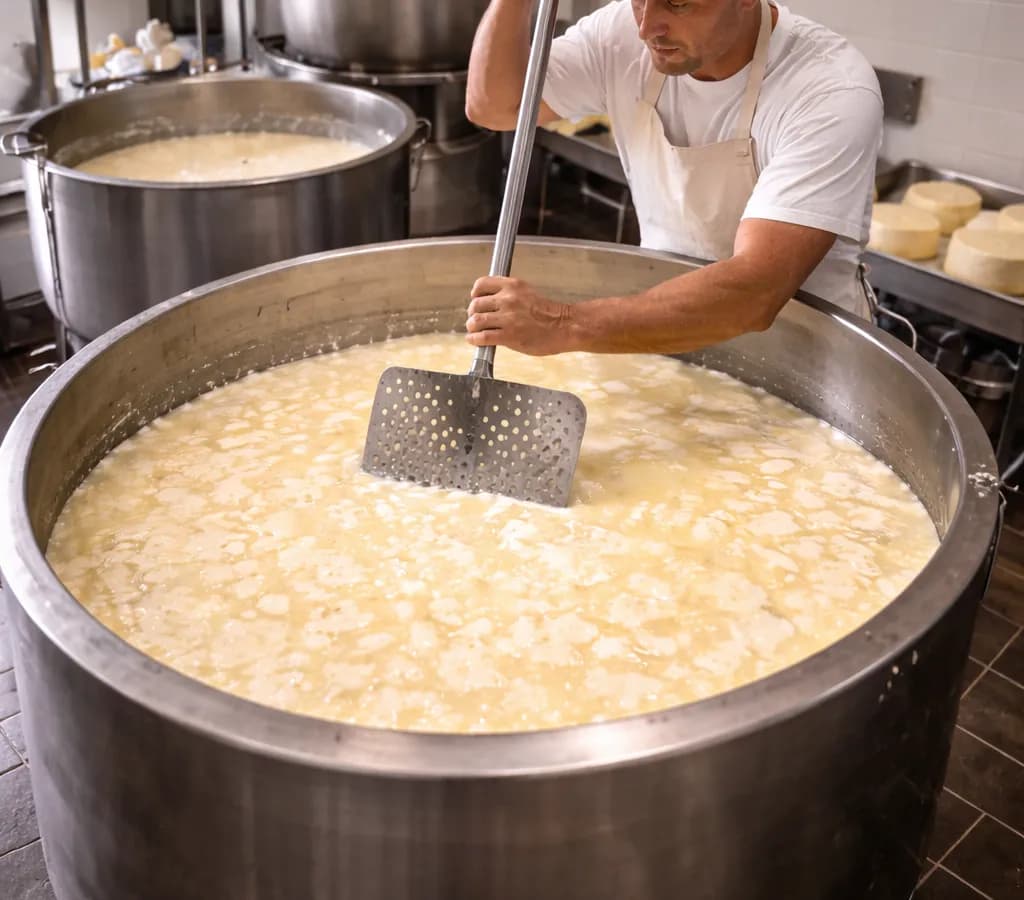
Milk coagulation
Curd breaking
Placing in molds
Pressing and turning
Salting
Aging (15–60 days)
Aging conditions
Temperature: 6–10 °C
Humidity: ≈85%
5. Product specifications
Characteristic Description
Type: Semi-cooked cheese
Milk: Cow's
Shape: Cylindrical
Weight: 1.8 – 8 kg
Diameter: 15 – 35 cm
Height: 6 – 12 cm
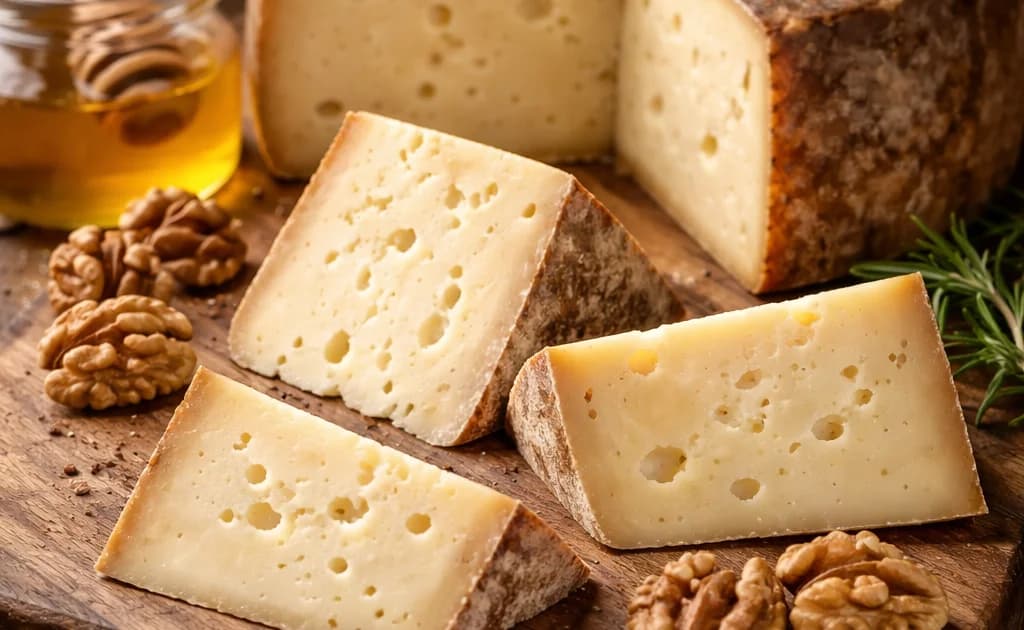
Paste: Soft (fat) or more compact (semi-fat)
Color: White/straw yellow
Rind: Smooth or rustic, from straw to brown
Eyes: Small and diffuse
Aging: 15–60 days
Flavor: Sweet → more intense with maturation
6. Organoleptic profile
Young: sweet, delicate, milky
Medium aging: more aromatic, slightly acidic
Semi-fat: more intense and fragrant
Reminiscent of:
fresh grass
alpine flowers
warm milk
7. Culinary uses (traditional recipes)
Traditional dishes
Potato and toma gratin
Fondues and creams
Polenta with melted toma
Gnocchi and risottos
Valsesian miacce (alpine tradition)
Raw consumption
With honey
With jams
With truffle
8. Food and wine pairings
Gastronomic pairings
Piedmontese cured meats
Rustic bread
Grilled vegetables
Walnuts and dried fruit
Recommended wines
Young:
fresh or sparkling whites
Aged:
Piedmontese reds (e.g. Dolcetto, Barolo – tradition)
Semi-fat:
more structured wines
9. Nutritional properties (indicative)
Good source of:
noble proteins
calcium
vitamins A and B
Contains:
fats (variable: higher in the whole milk version)
sodium
Medium-high energy content (typical of cheeses)
10. Pros and cons
Advantages
High quality (DOP)
Versatile in cooking
Good balance of taste/digestibility
Strong connection to territory and tradition
Available in lighter version (semi-fat)
Disadvantages
High caloric content
Presence of saturated fats
Not suitable for lactose intolerants (unless long-aged)
Flavor may be too delicate for those seeking strong cheeses
11. Curiosities
The name "toma" originally indicated a homemade cheese made by farmers
Many local variants exist (Lanzo, Susa, Biella, etc.)
Each valley produces a toma with unique characteristics (microclimate + pasture)
Conclusion
Toma Piemontese DOP is one of the most representative cheeses of Piedmont: simple in origin, but extremely rich from a gastronomic standpoint. It stands out for its versatility, balance and territoriality, making it perfect both as a table cheese and for cooking.


