
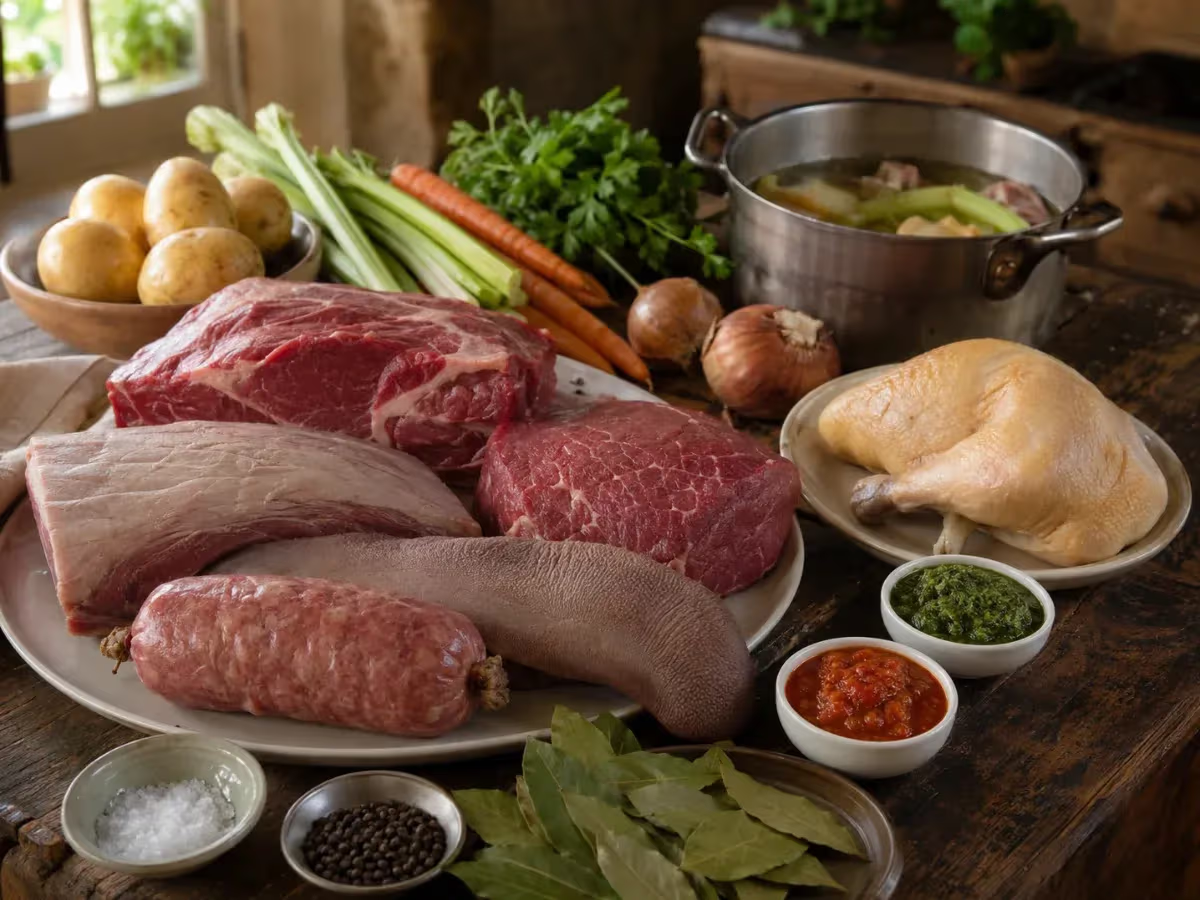
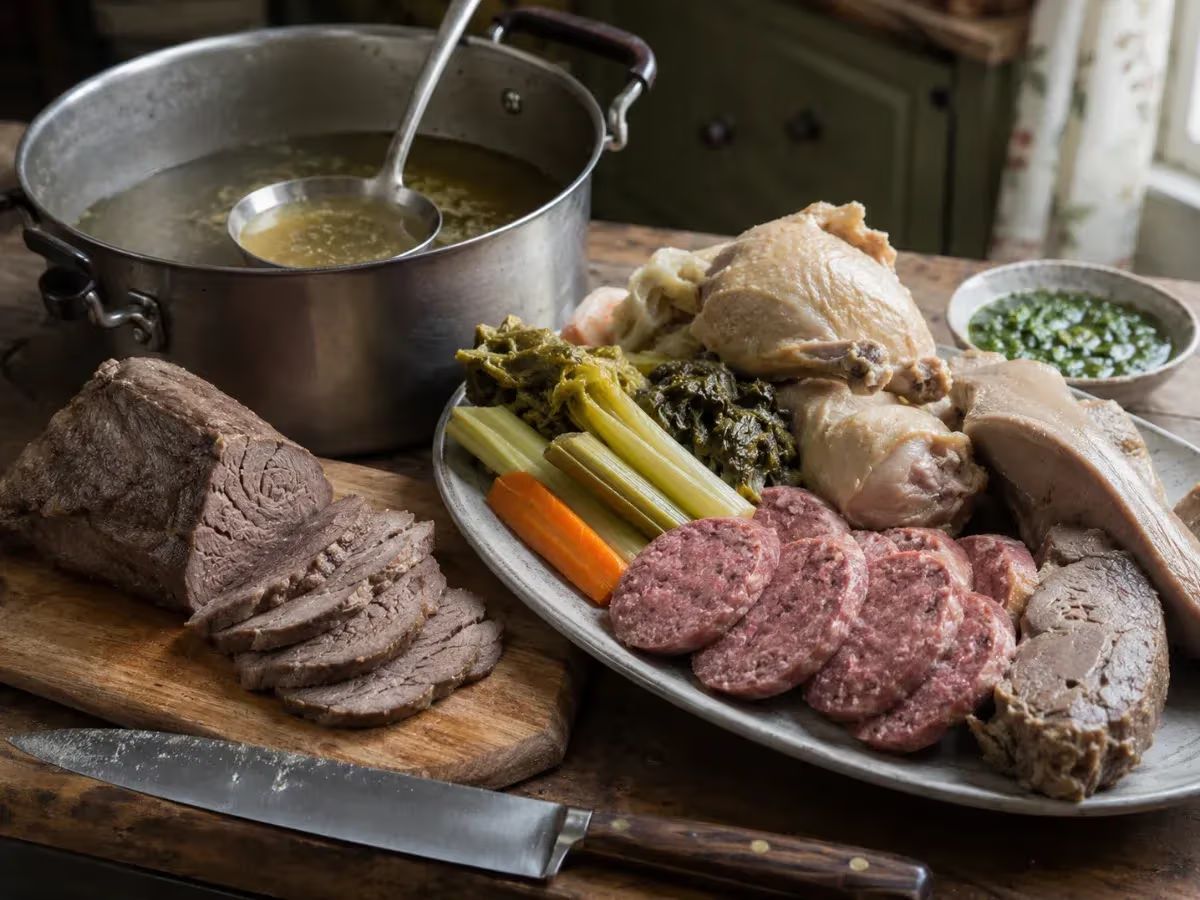
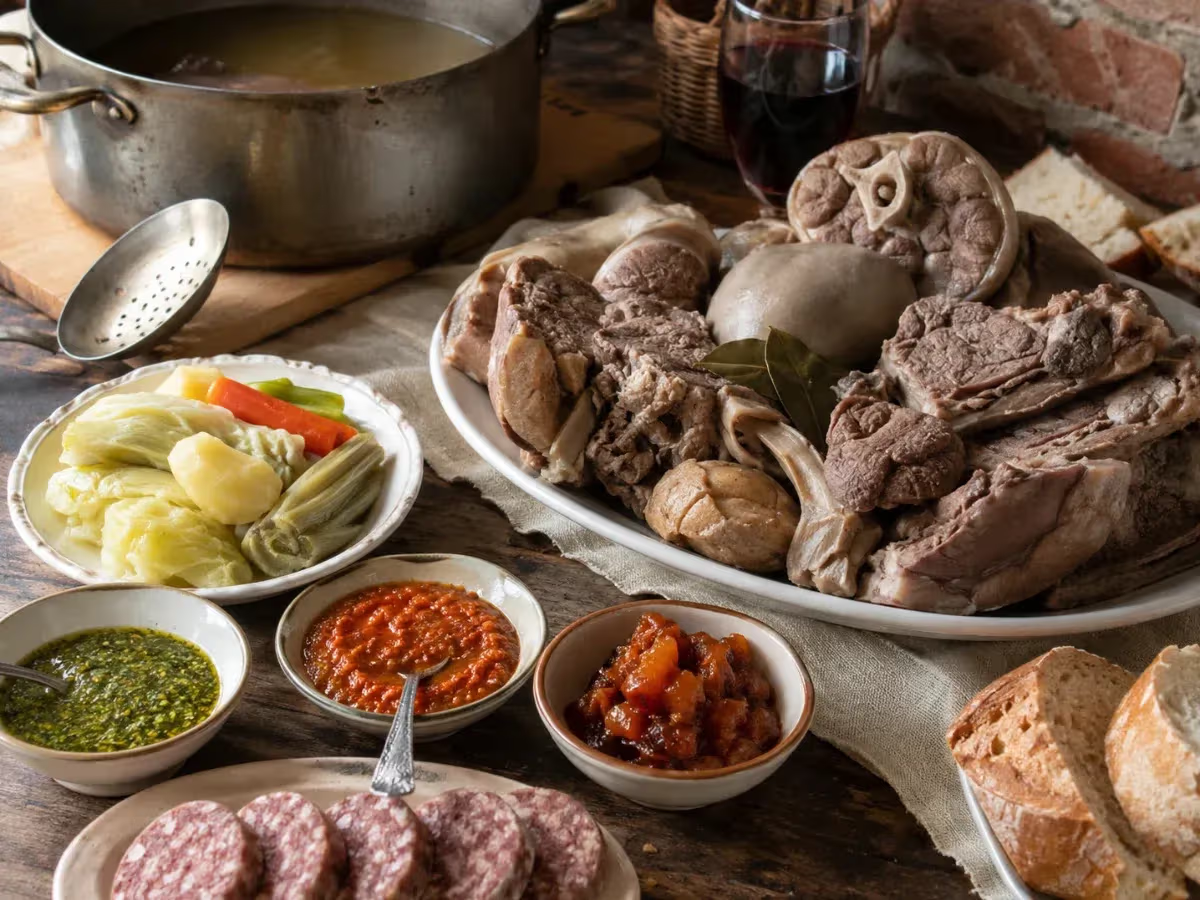
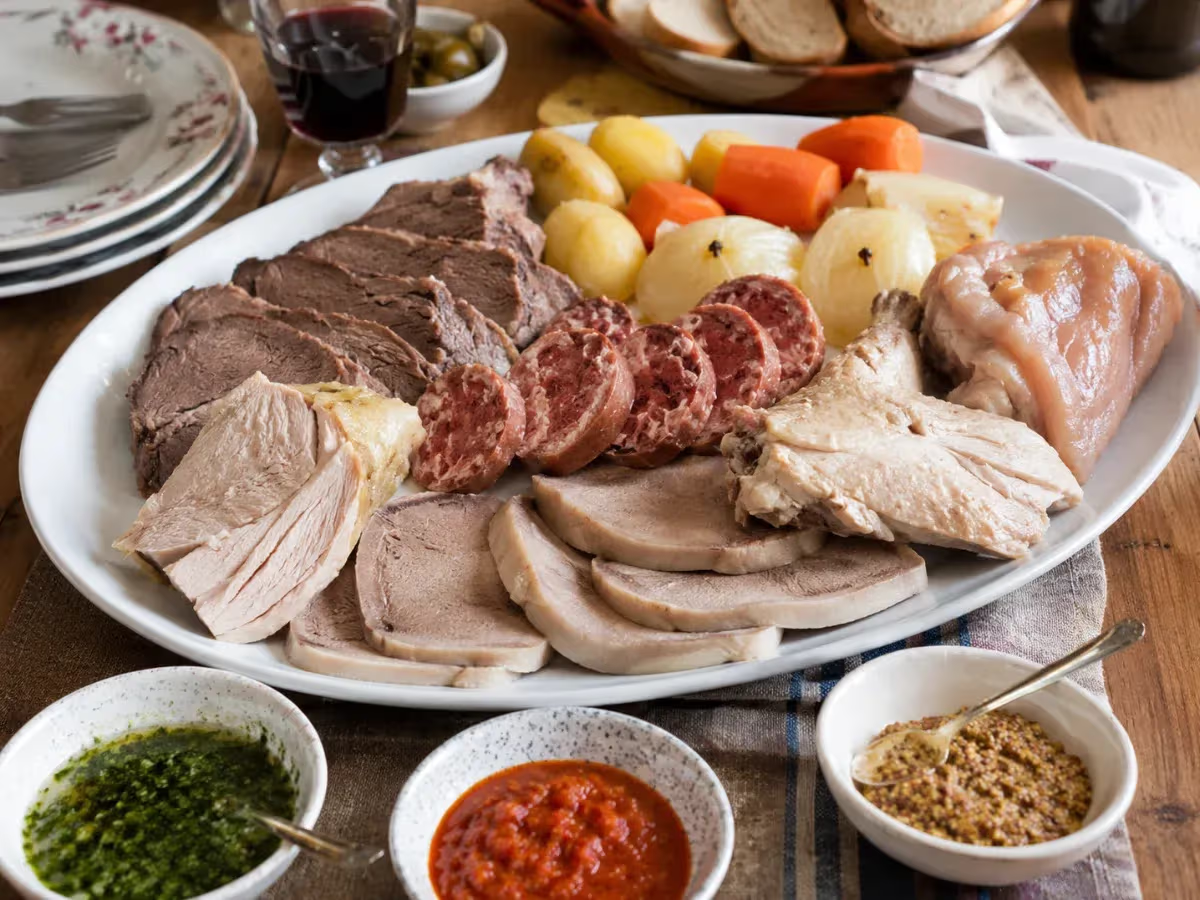
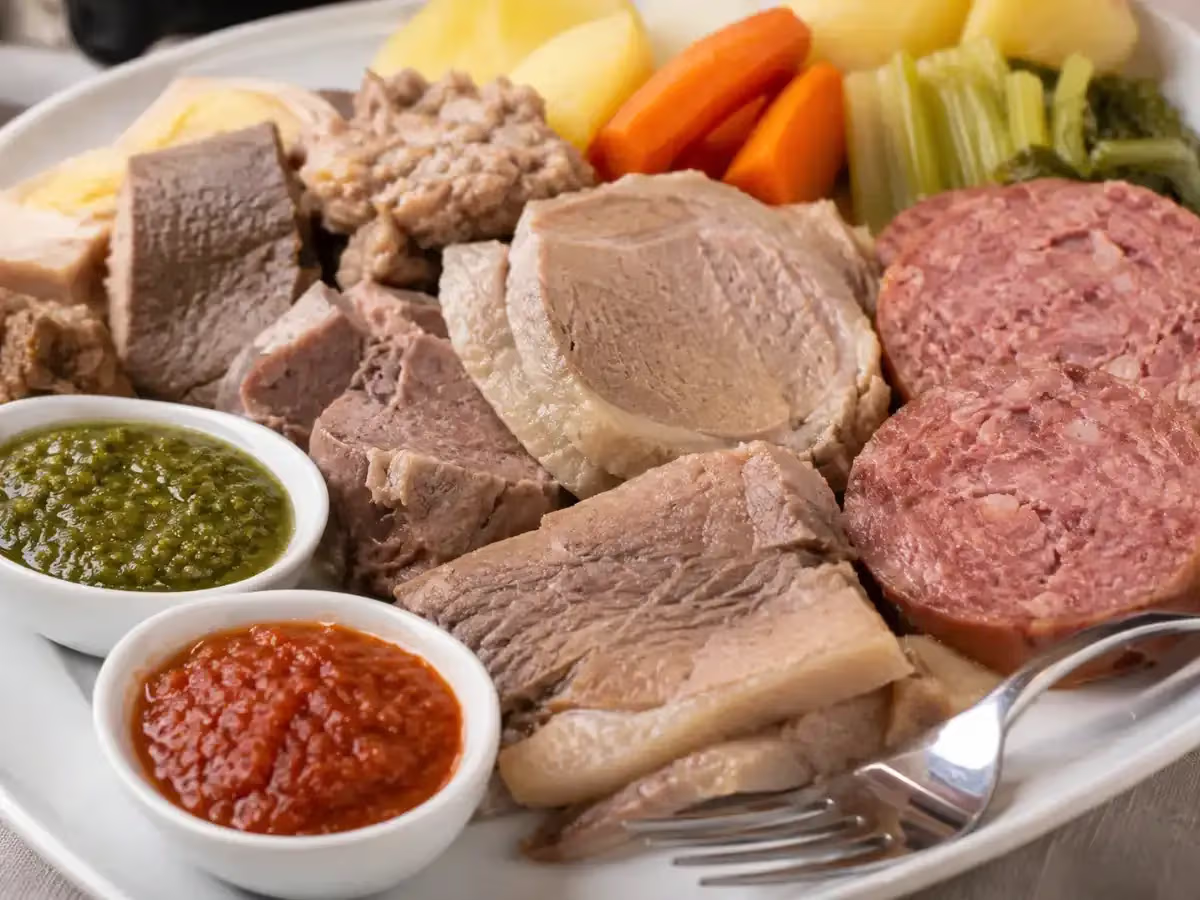
For the boiled meats
For the broth
For the green sauce (bagnet verd)
For the red sauce (bagnet ross)
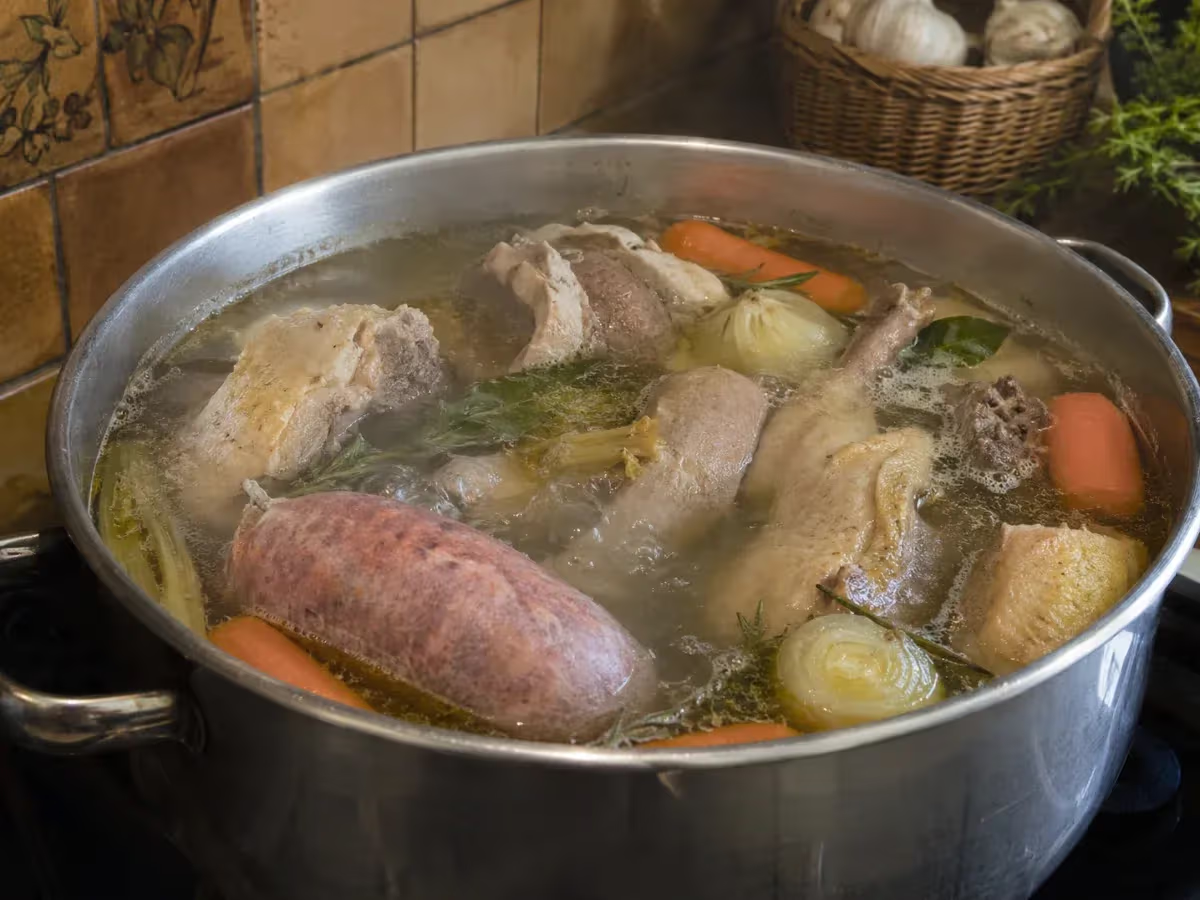
The fundamental rule of bollito piemontese is hot immersion: the meats must be plunged into water that is already at a vigorous boil. This thermal shock coagulates the proteins on the surface, prevents the loss of juices and produces meat that is more succulent compared to the cold broth method, which instead prioritizes the quality of the liquid.
Maintaining the broth temperature between 85 and 90 °C throughout cooking is essential. A boil that is too vigorous makes the fibers tough and stringy. Using a probe thermometer avoids approximations. The different cuts have different cooking times: the brisket is ready before the cappello del prete, the tail requires at least 2 hours and 30 minutes. Managing a staggered cooking, with differentiated additions, allows you to remove each cut at the right moment.
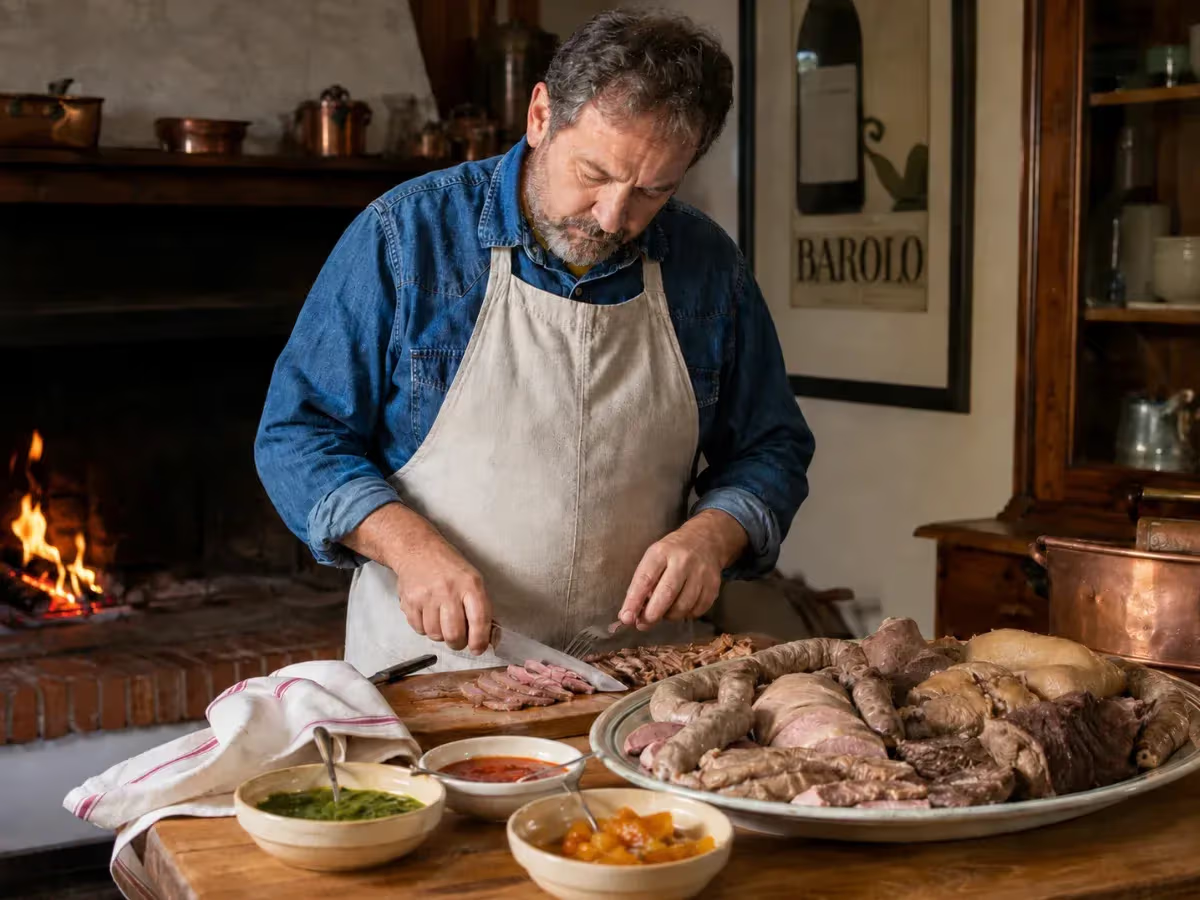
The meats must never be left to dry outside the broth: keep them submerged until serving and slice them only at the last moment. For the bagnetto verde, avoid the immersion blender if you want a more rustic consistency: the crescent-shaped knife on the cutting board is the traditional technique. The bagnetto rosso gains depth if prepared the day before.
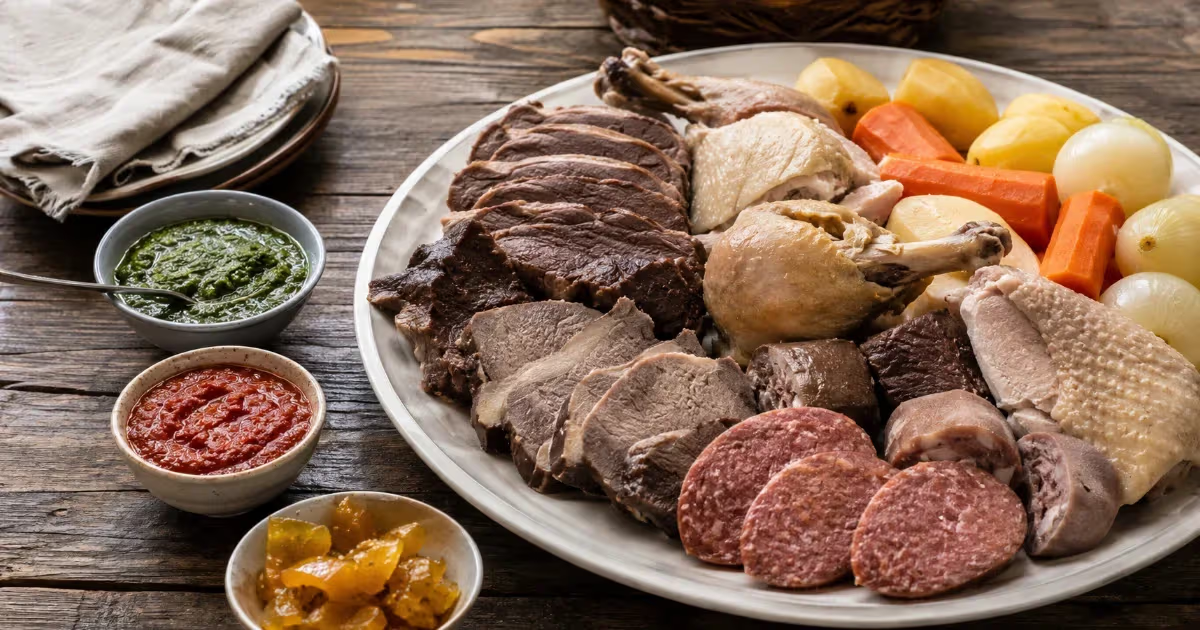
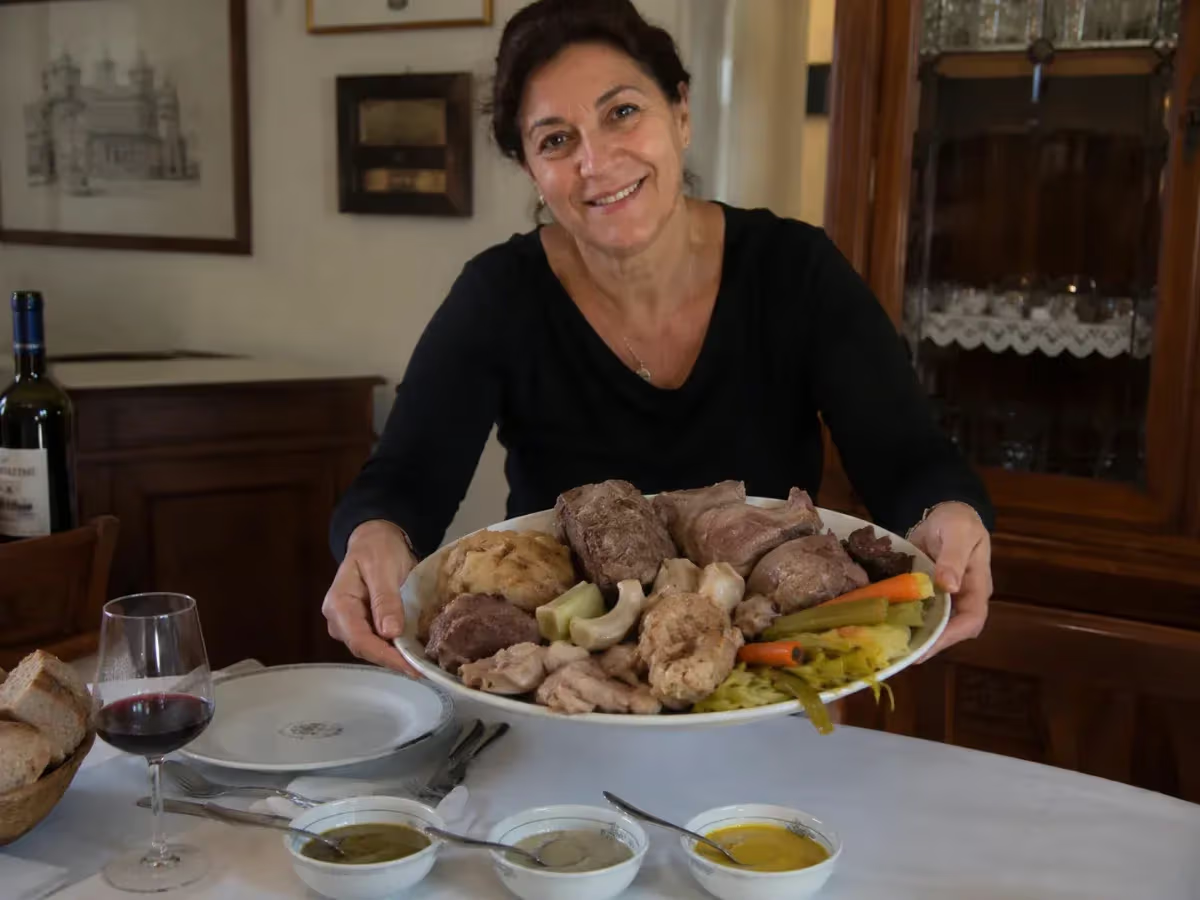
Bollito misto alla piemontese is one of the most representative dishes of Northern Italian cuisine, capable of telling the gastronomic identity of an entire region through the steam rising from a pot of broth. It is not a simple boiled meat dish: in the Piedmontese tradition, bollito is a collective ritual, a celebration at the table that marks the cold months of the year, from autumn festivals to Sunday lunches on the farms of the Po Valley plains.
The most rigorous version, known as "il gran bollito", calls for seven cuts of beef, seven ammenicoli (the minor parts such as tongue, head, tail, trotters), seven sauce accompaniments and seven side dishes. In domestic practice and in many trattorias, one works with a reduced selection but always attentive to the variety of cuts, which guarantees a dish of great gustatory complexity: meats with different textures, flavors ranging from the delicate breast to the more assertive tail. The resulting broth is liquid gold, deep and clean. Bollito is never served without the accompanying sauces, the bagnetto verde based on parsley and anchovies, the bagnetto rosso with tomato and peppers, and mostarda di frutta. All of this finds its ideal counterpoint in a Barbera or a Grignolino del Monferrato.
The flexibility of bollito misto piemontese has generated different interpretations over time, linked to the territory and available resources.
Bollito misto, with its diversity of meats and the company of tart sauces, requires red wines with moderate tannins and good acidity, capable of cutting through the richness without overpowering the delicate flavors of the boiled meat.
per serving
In the farmhouses of the Cuneo and Asti plains, bollito did not emerge from a recipe book but from the agricultural calendar: the autumn slaughter of work animals, too old for the fields, made available tough cuts of meat that only slow cooking in water could render edible. From necessity came a method, and from the method a tradition.
Already in the nineteenth-century texts of Giovanni Vialardi, cook at the Savoy court of Carlo Alberto and Vittorio Emanuele II, bollito misto appears as a dish ennobled by court technique without losing the rustic character of its origins. Turin became the crucible in which bourgeois and rural cuisine intersected: Piedmontese osterie adopted the large steaming platter as a sign of generosity and abundance.
In the twentieth century, restaurants like the Cambio in Turin helped consolidate bollito as an emblem of the region's gastronomic identity. Its complexity, made up of different cuts and accompanying sauces, reflects the very structure of Piedmontese cuisine: precise, stratified, proud of its own roots.