
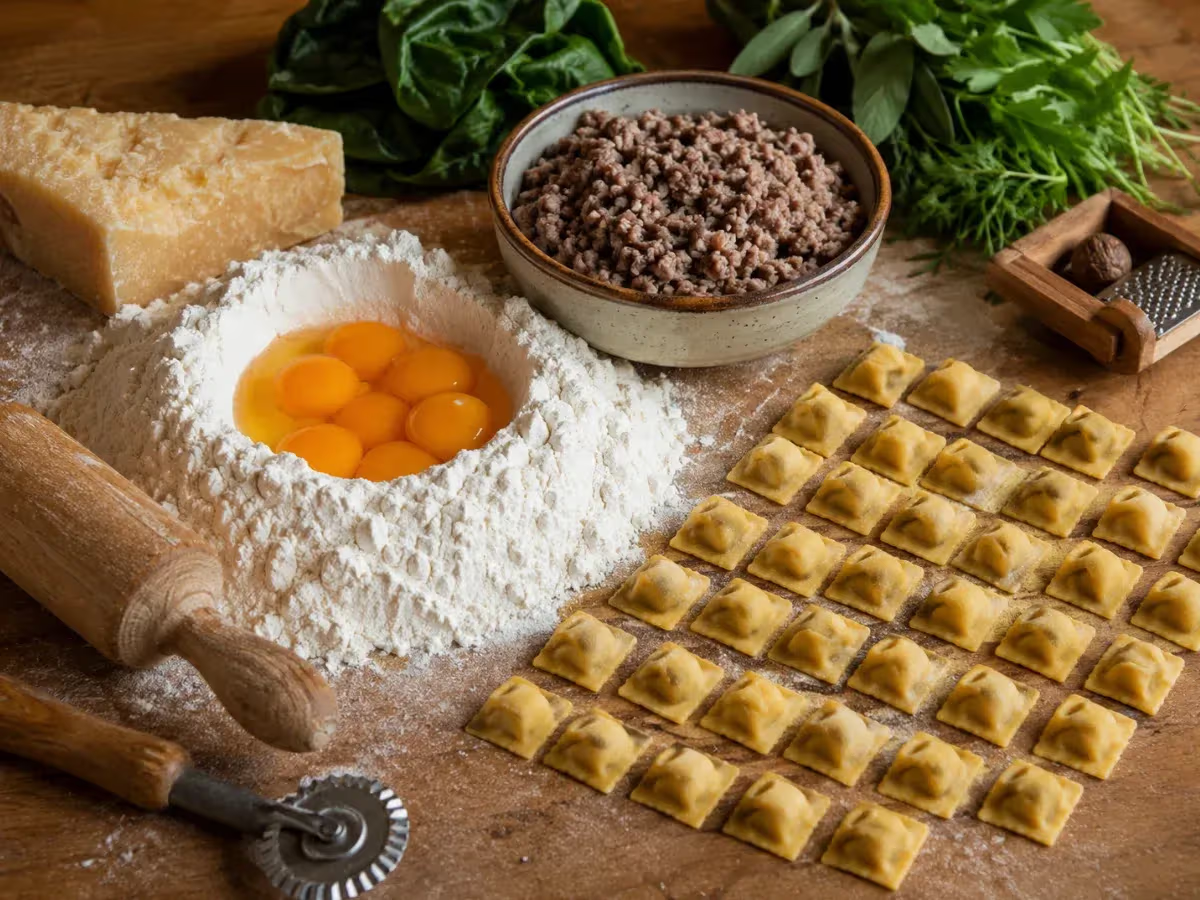
For the pasta
For the filling
For the sauce
The quality of the filling depends almost entirely on the meat used: using leftover roast cooked with aromatics and white wine is preferable to boiled or poached meats, which would taste bland. The spinach must be squeezed forcefully, more than seems necessary, because residual moisture makes the filling soft and tends to break the pasta sheet during cooking.
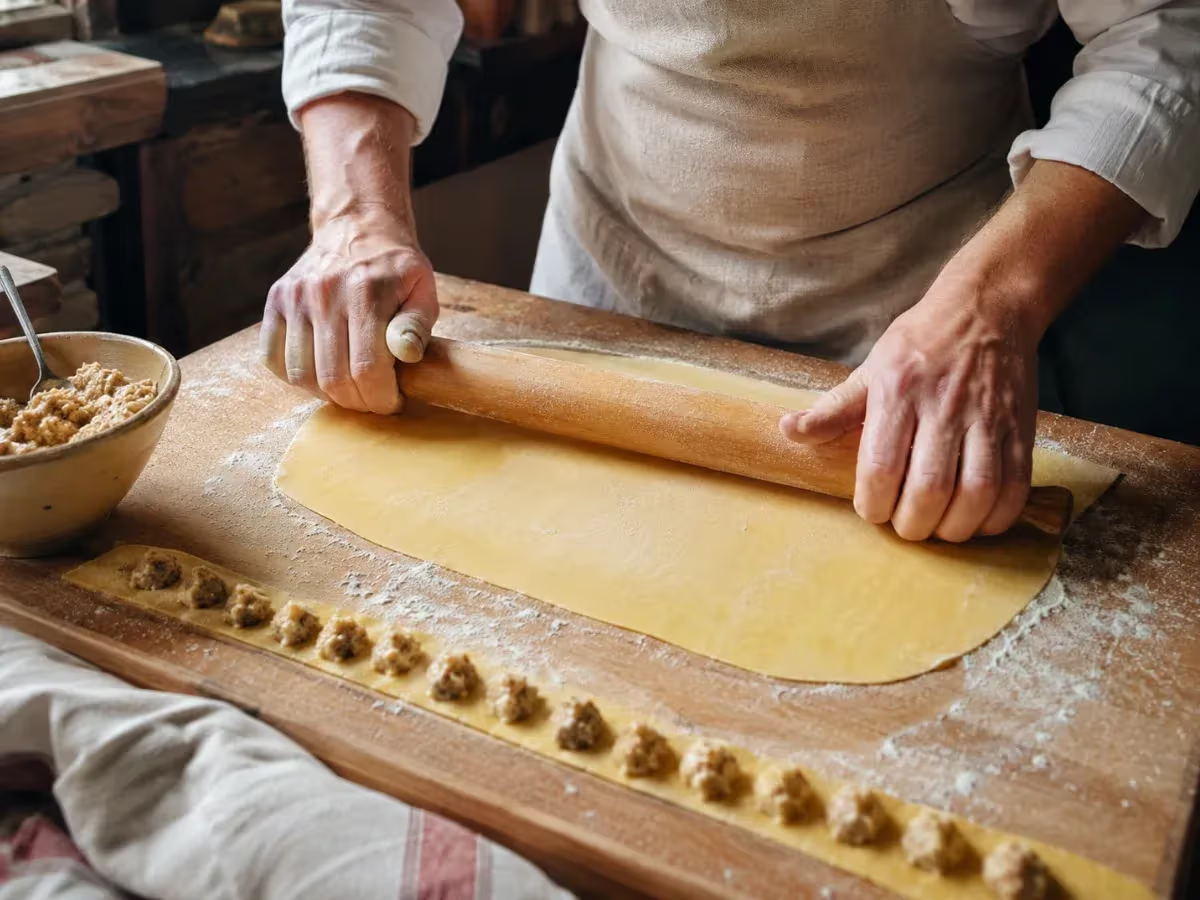
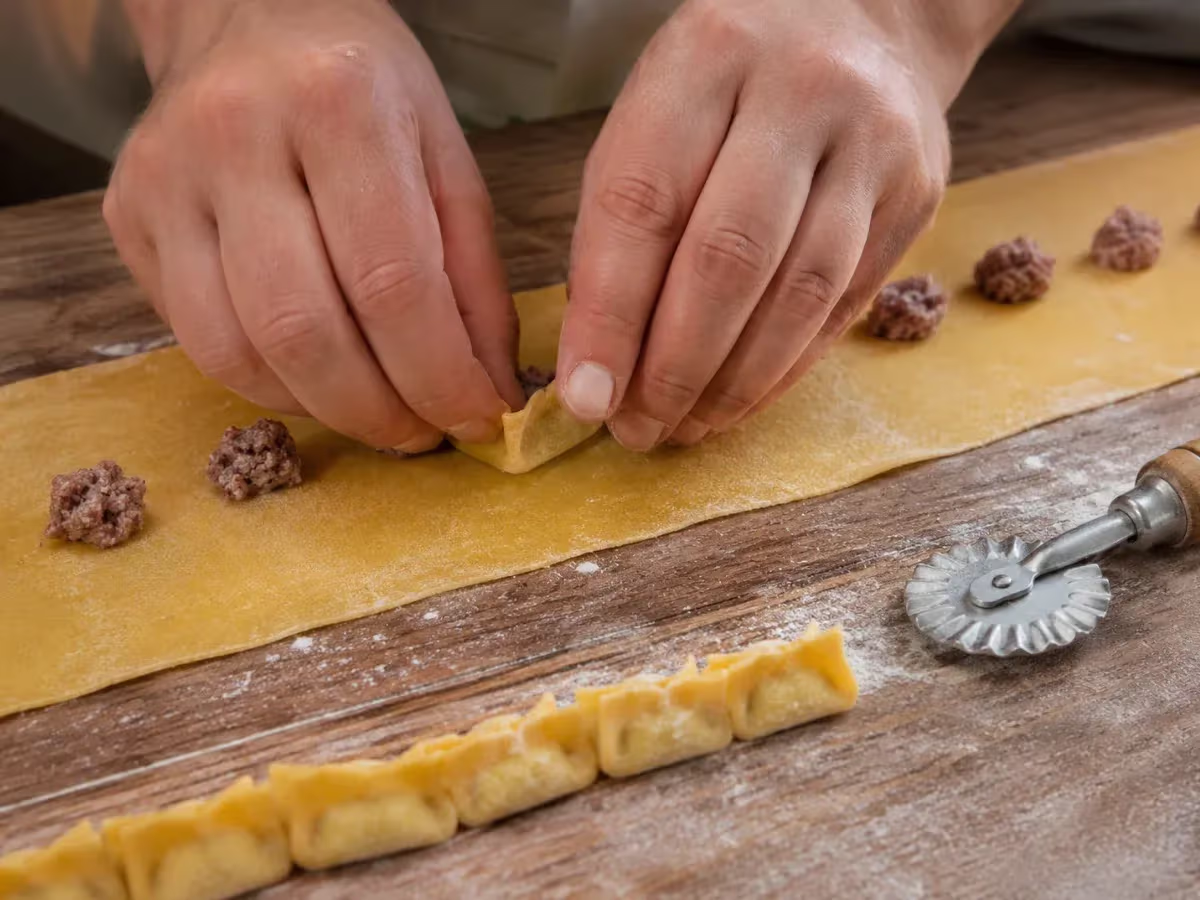
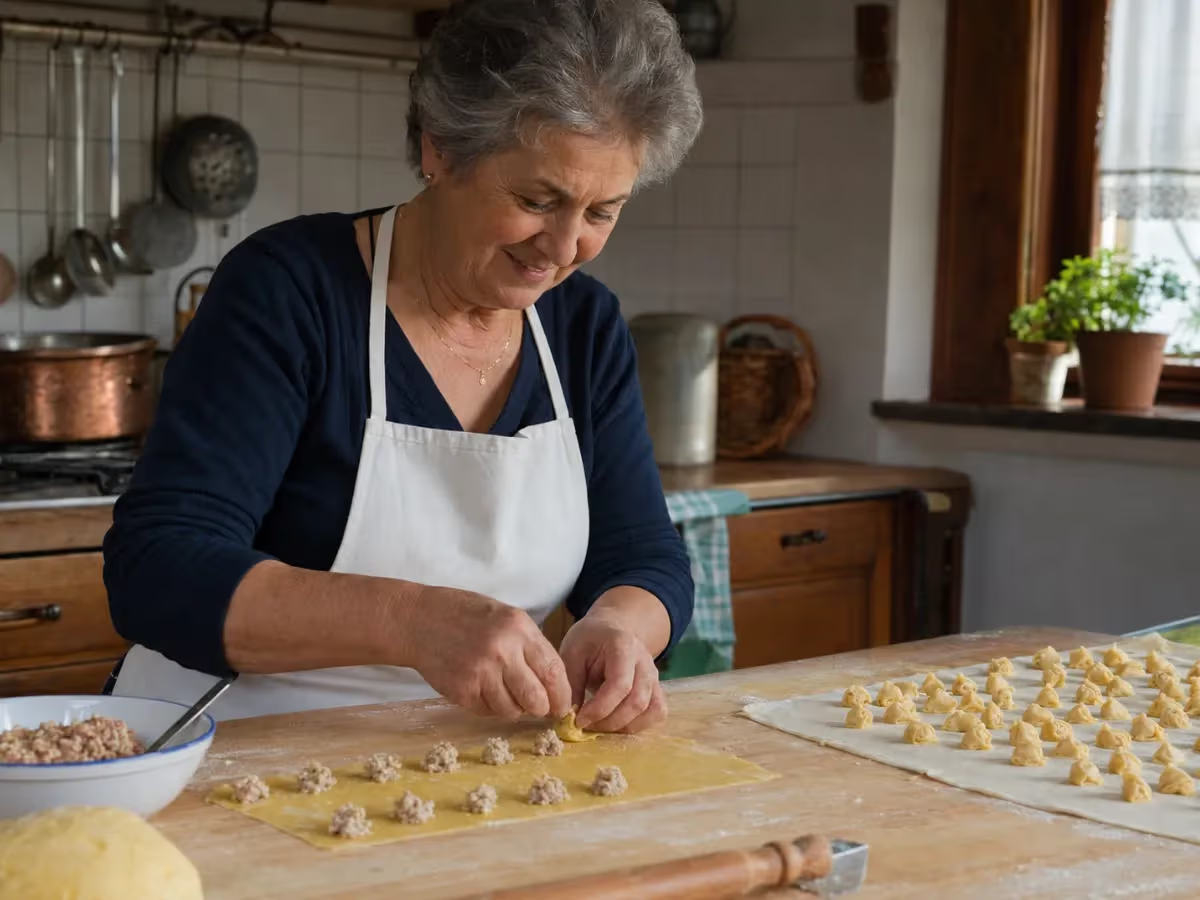
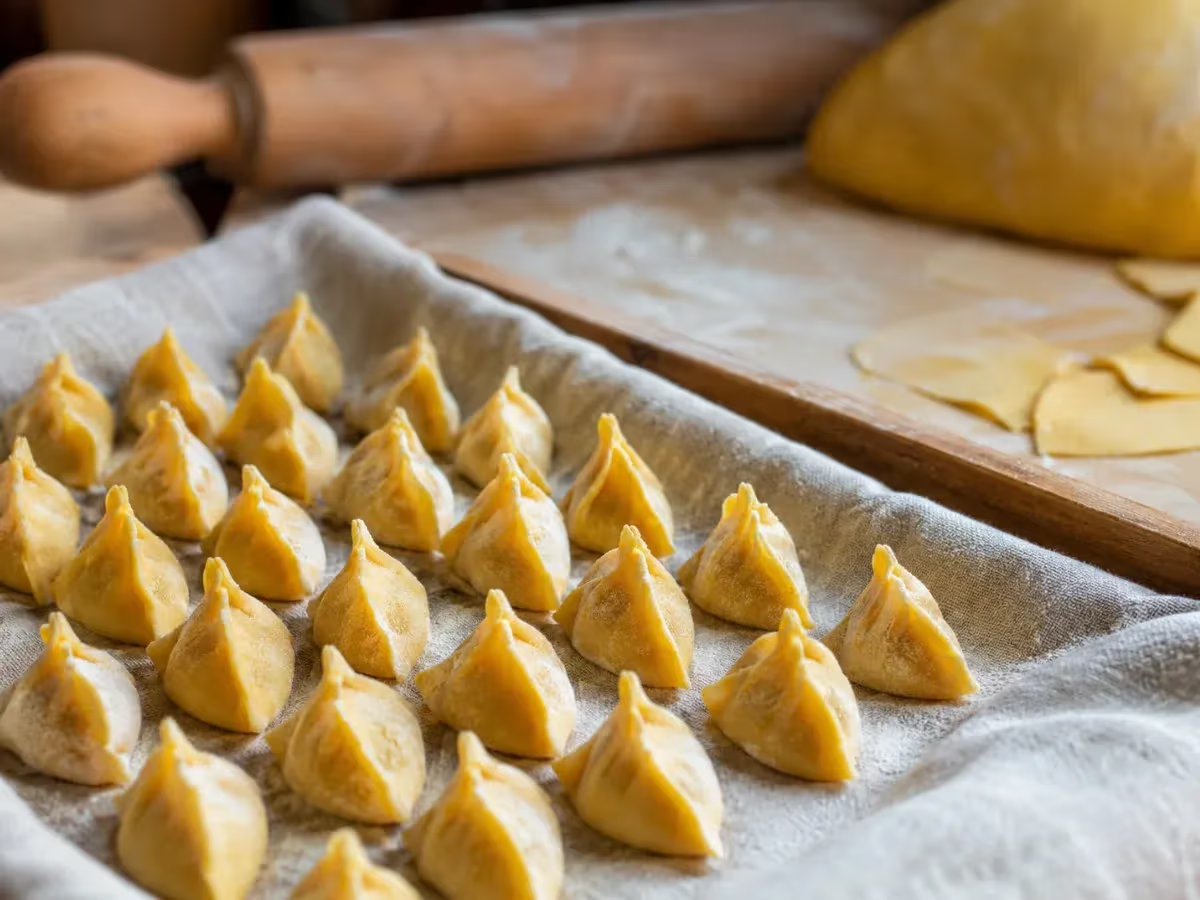
The pasta sheet must be rolled as thin as possible without tearing, roughly at level 5-6 on a standard pasta machine. Pasta that is too thick weighs down the bite and upsets the balance between wrapper and filling. The plin must be executed decisively: uncertain pressure does not seal correctly and the agnolotti open during cooking.
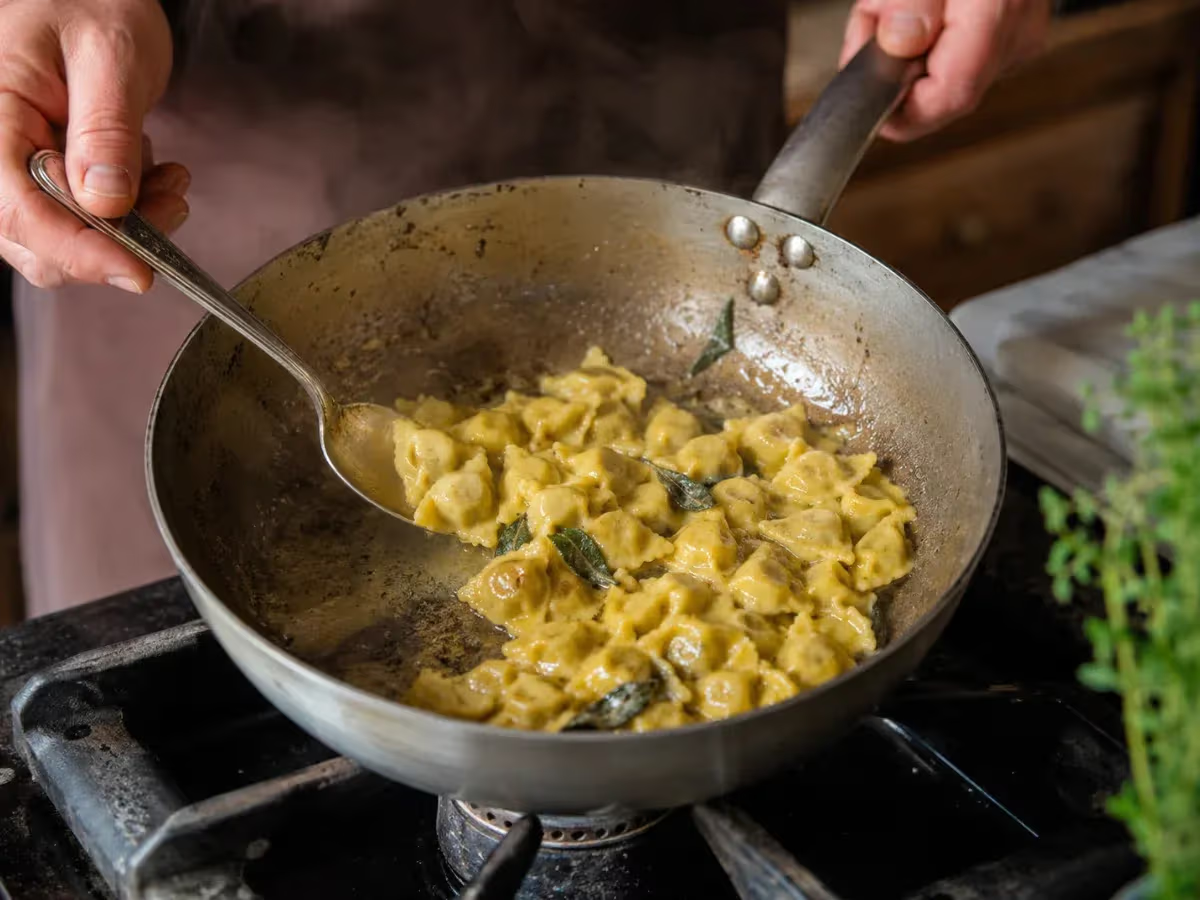
During cooking, use a wide pot with abundant water and do not boil over too high heat: vigorous boiling breaks the thinner plin. For the butter dressing, brown the butter in a pan until lightly golden before adding the sage, without letting it burn.
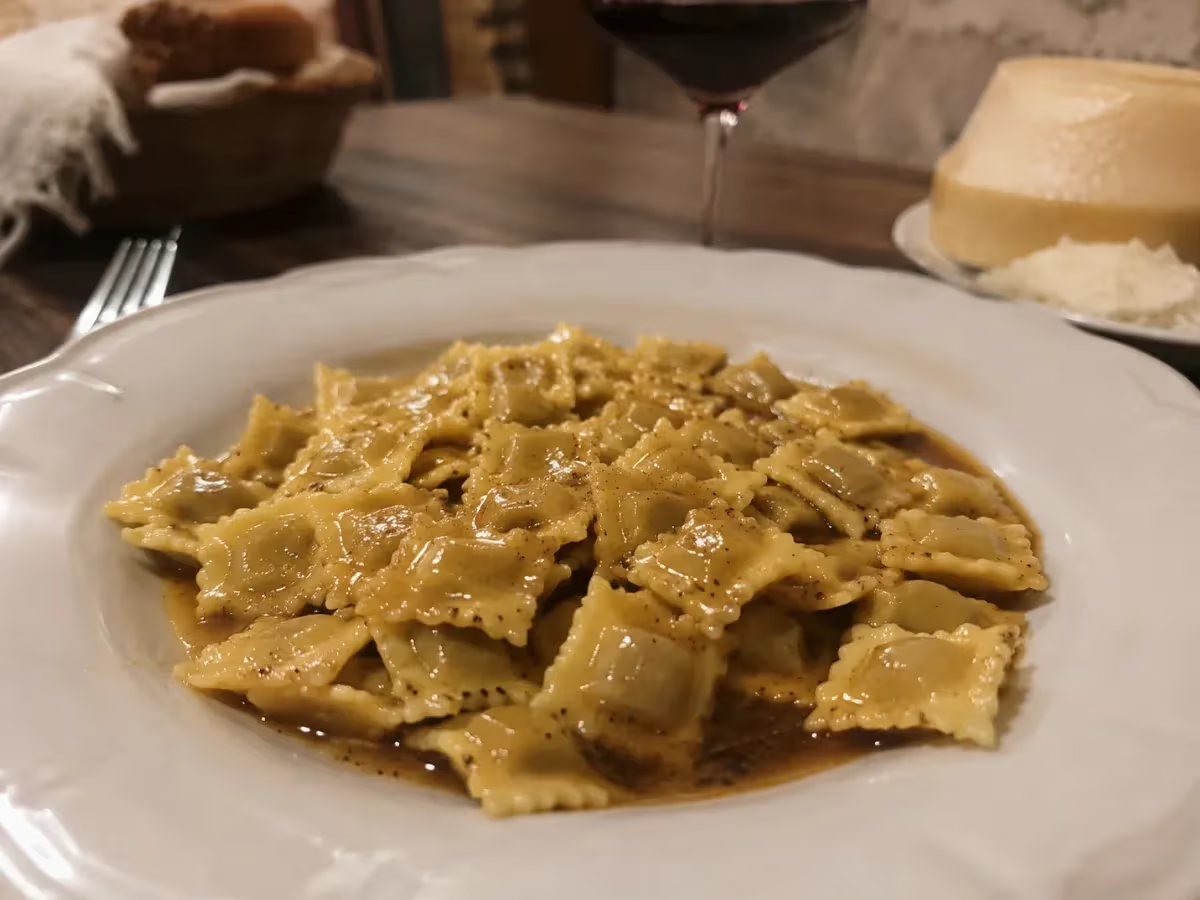
Agnolotti del plin are one of the most recognizable expressions of the cuisine of the Langhe, that hilly strip between Cuneo and Asti where vineyards alternate with hazelnut groves and Sunday lunches last until the afternoon. The name comes from the gesture that defines them: the "plin", the quick and decisive pinch with which the fingers close the filling in the pasta sheet, creating that characteristic irregular undulation that no machine can replicate faithfully.
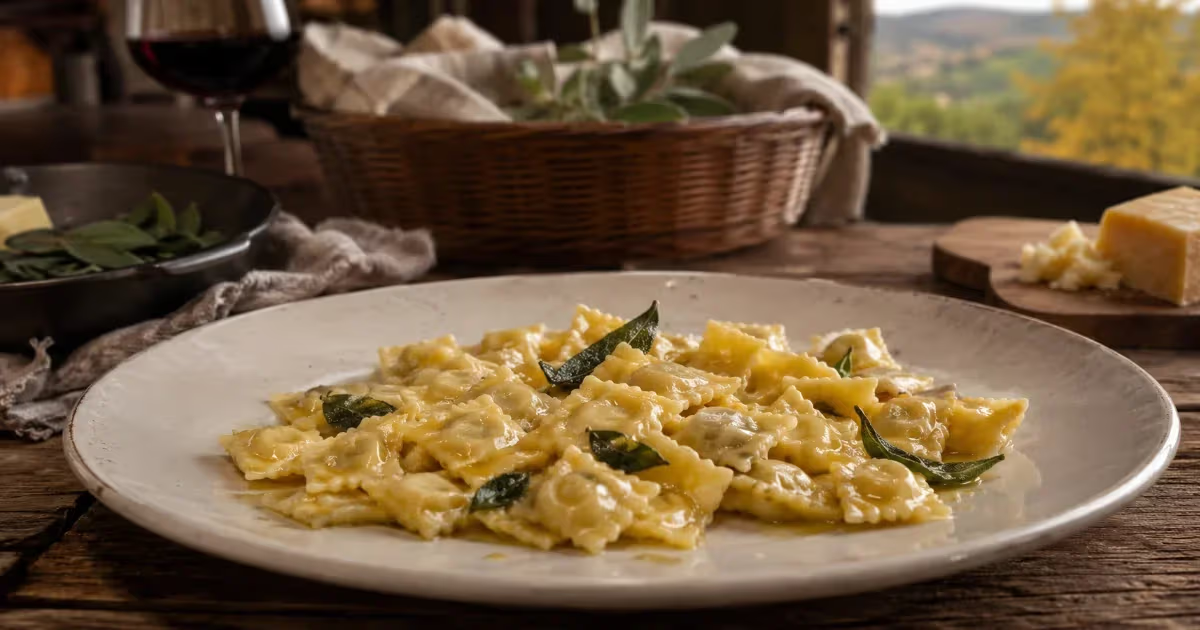
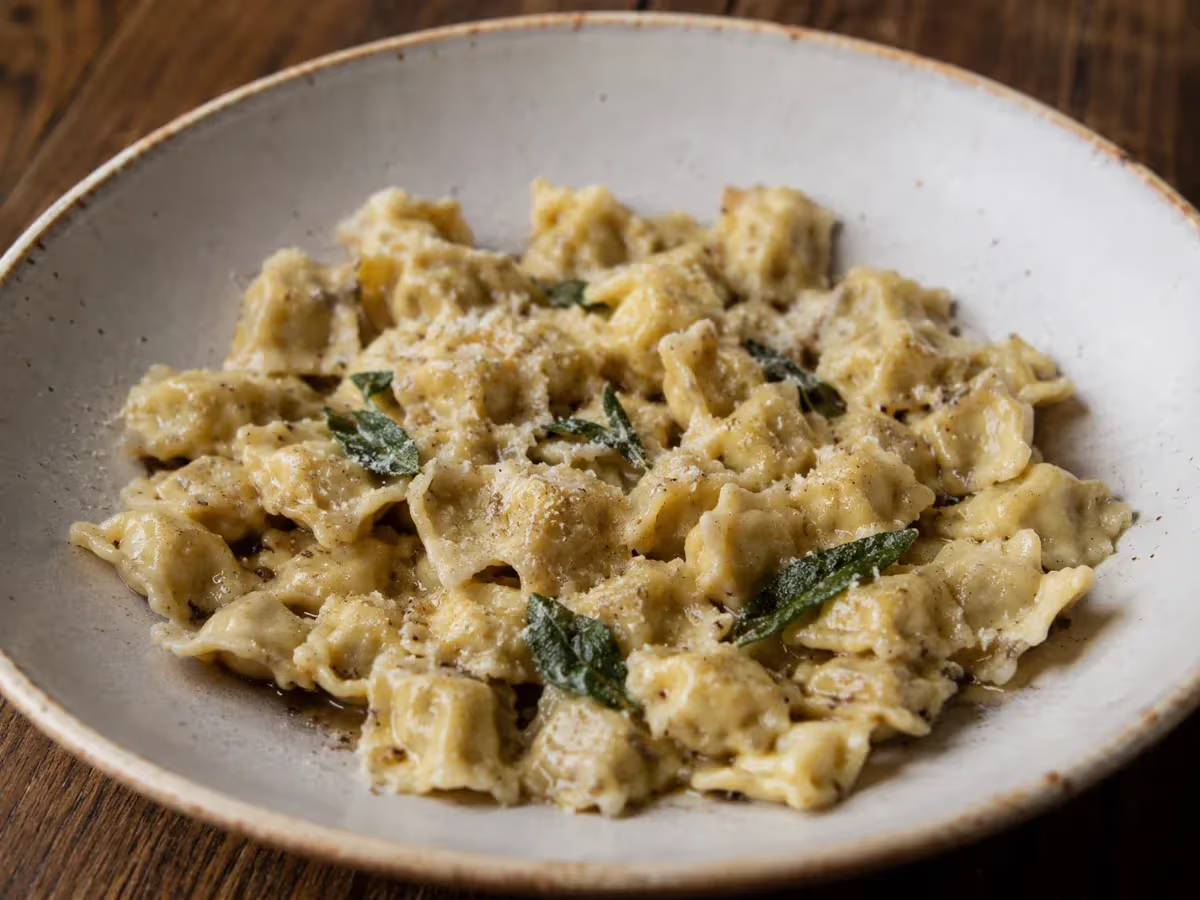
The filling is the heart of the recipe and directly tells the farming culture of the area: leftover roasted meats, spinach or chicory, Parmigiano Reggiano and eggs. Every family in the Langhe has their own version, passed down with small variations from generation to generation. The pasta is rolled thin, almost transparent, because the filling must be the protagonist without being smothered. The flavor profile is full and savory, with the iron note of the vegetables balancing the richness of the meats. The traditional condiment features melted butter with sage, or the gravy from the roast itself; in the restaurants of the Langhe it is not uncommon to serve them dry, on a napkin, to fully appreciate the filling without interference. They are the dish of celebrations, of coming home, of Christmas lunch on the hills of Barolo.
The recipe for agnolotti del plin has significant variations even between towns just a few kilometers apart in the Langhe.
per serving
In the kitchens of the Langhe, the filling of agnolotti originates from the habit of wasting nothing. The leftover meats from Sunday's roast, mixed with vegetables from the garden and bound with eggs and cheese, found in the pasta rolled out by the home sfoglina a second life that was more elaborate and festive. The plin, the pinch that closes each agnolotto, is a gesture so codified and recognizable that it has become the name of the dish itself.
The first written attestations date back to the eighteenth century in the Alba territory, but the practice is certainly older. For centuries the dish remained tied to the domestic dimension and to important occasions: weddings, end of harvest, return of sons from military service. The spread in Langhe restaurants grew starting from the seventies, in parallel with the enhancement of the territory's food and wine heritage that would lead to the worldwide fame of Barolo and Alba as the capital of white truffle. Today the plin is recognized as a Piedmontese Traditional Agri-food Product and appears on almost every menu in the area, while preserving in families jealously guarded variations.