
For the frico
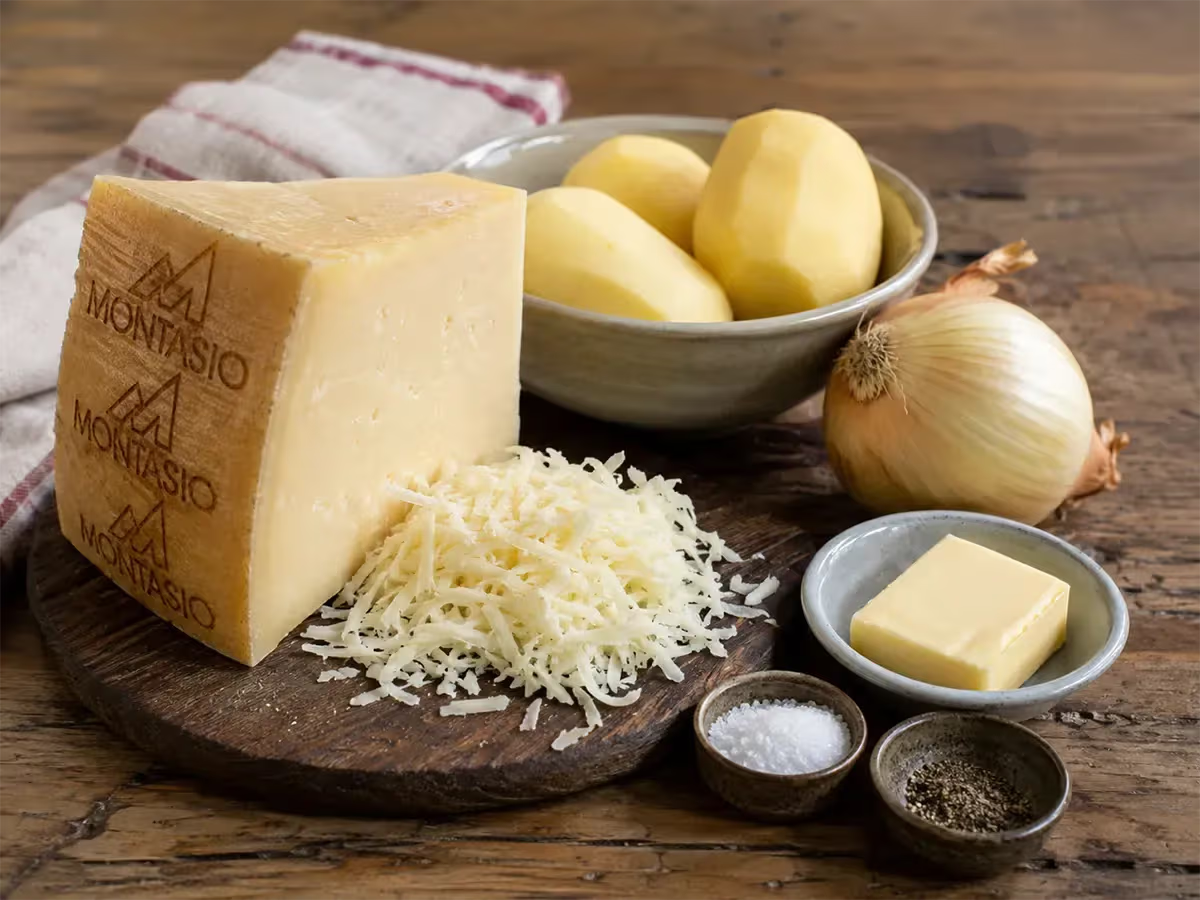
The choice of cheese is the determining factor. The exclusive use of aged Montasio gives crispness but can make the frico too dry and salty; combining it with a portion of fresh Montasio ensures melting and internal softness. The recommended ratio is two-thirds aged and one-third fresh.
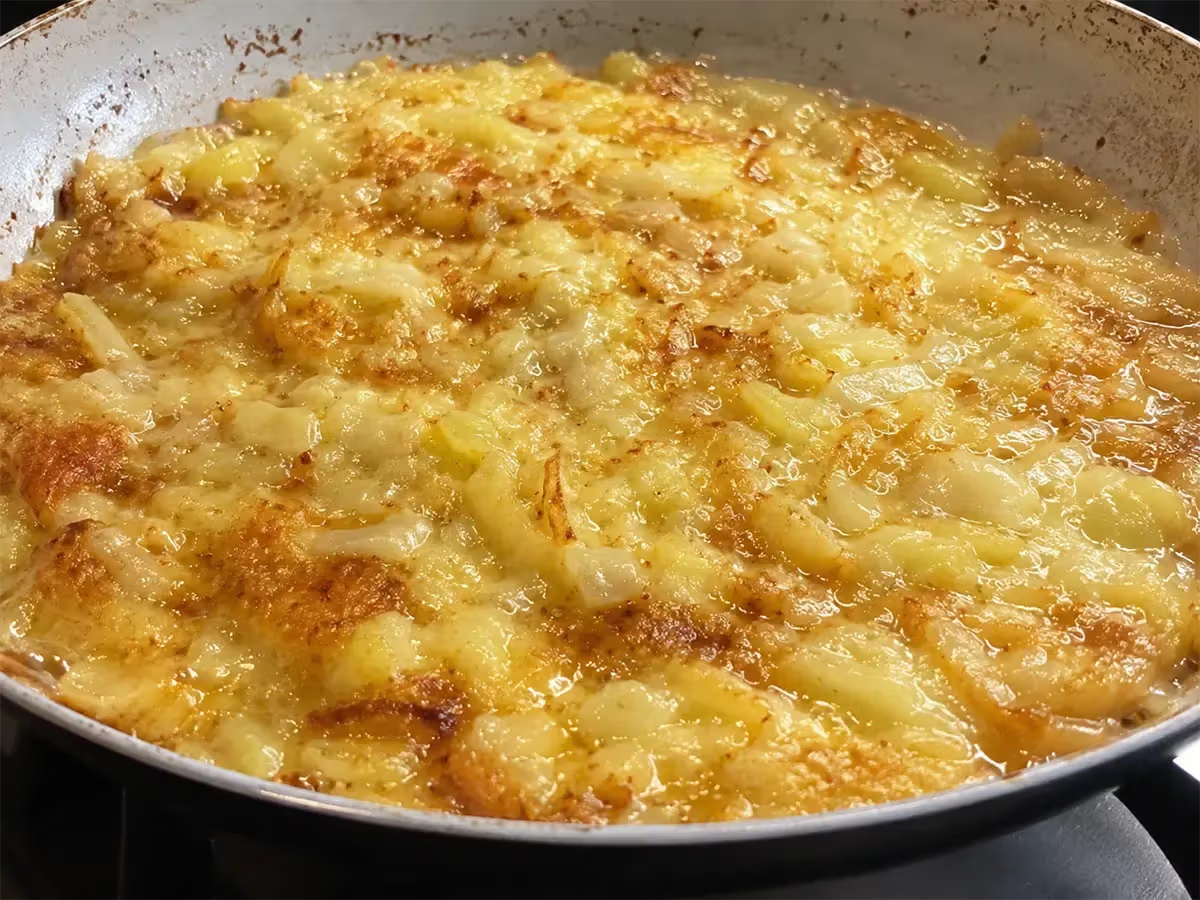
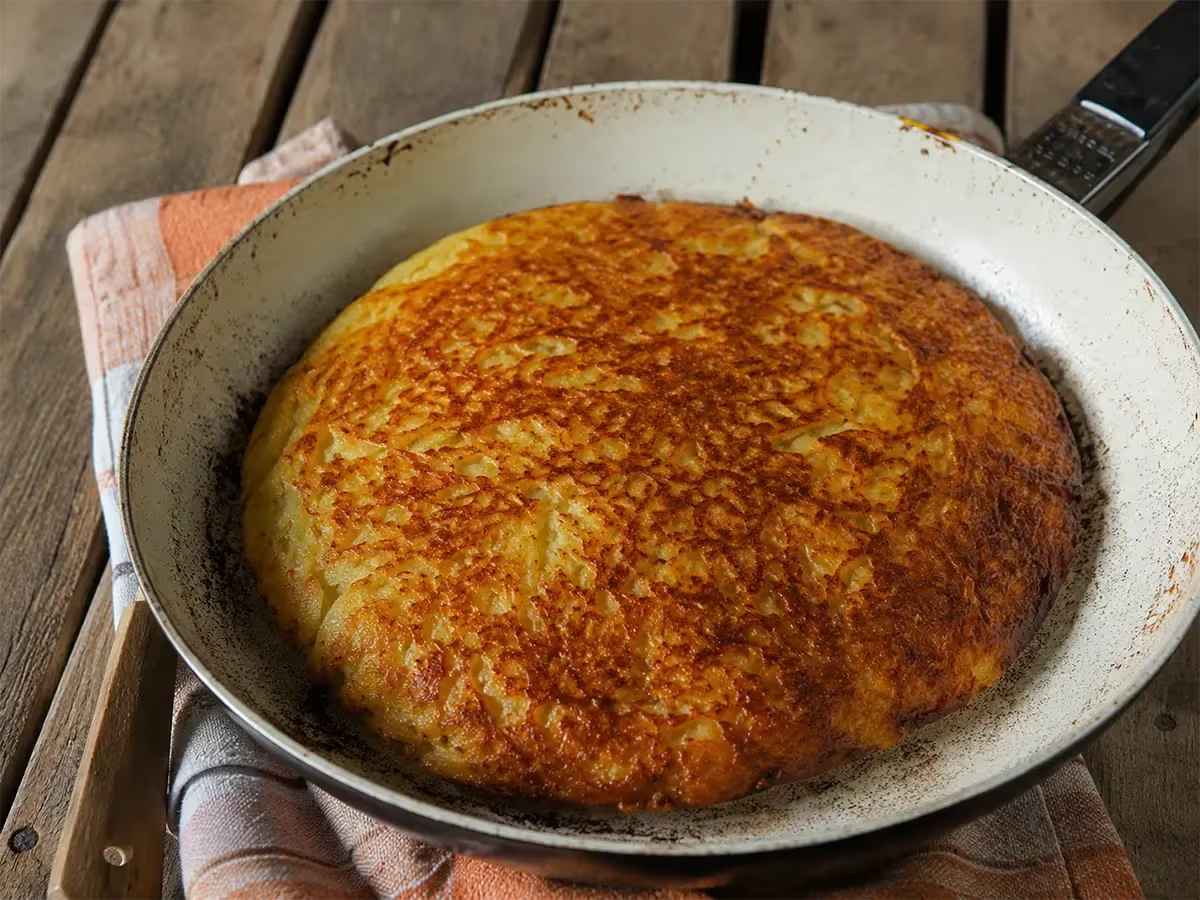
The pan must be non-stick and of good quality: a defective surface compromises the release of the crust and makes rotation impossible. Before adding the cheese, ensure the potatoes are completely dry, because residual moisture prevents crust formation and causes the mixture to stick. The heat must be medium-low throughout cooking: a high flame burns the surface before the cheese has completely amalgamated inside. The moment of flipping is the most delicate step: use a flat plate with a diameter larger than that of the pan, flip with a decisive and quick movement, and return to the pan immediately. Letting the frico rest for a few minutes before cutting it helps stabilize its structure.
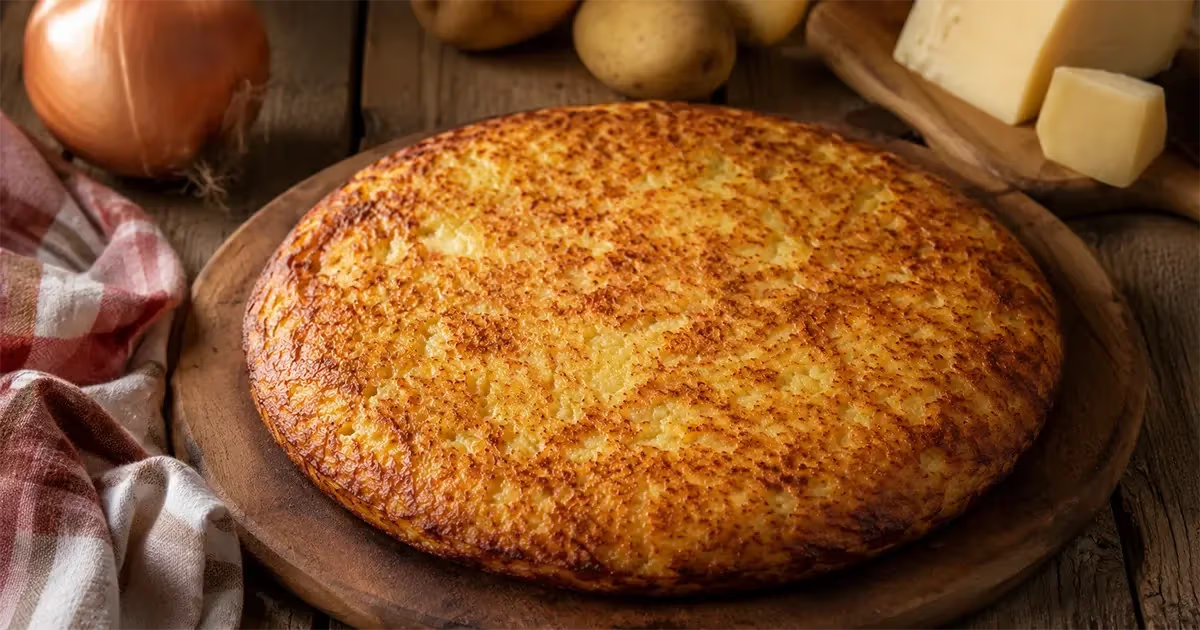
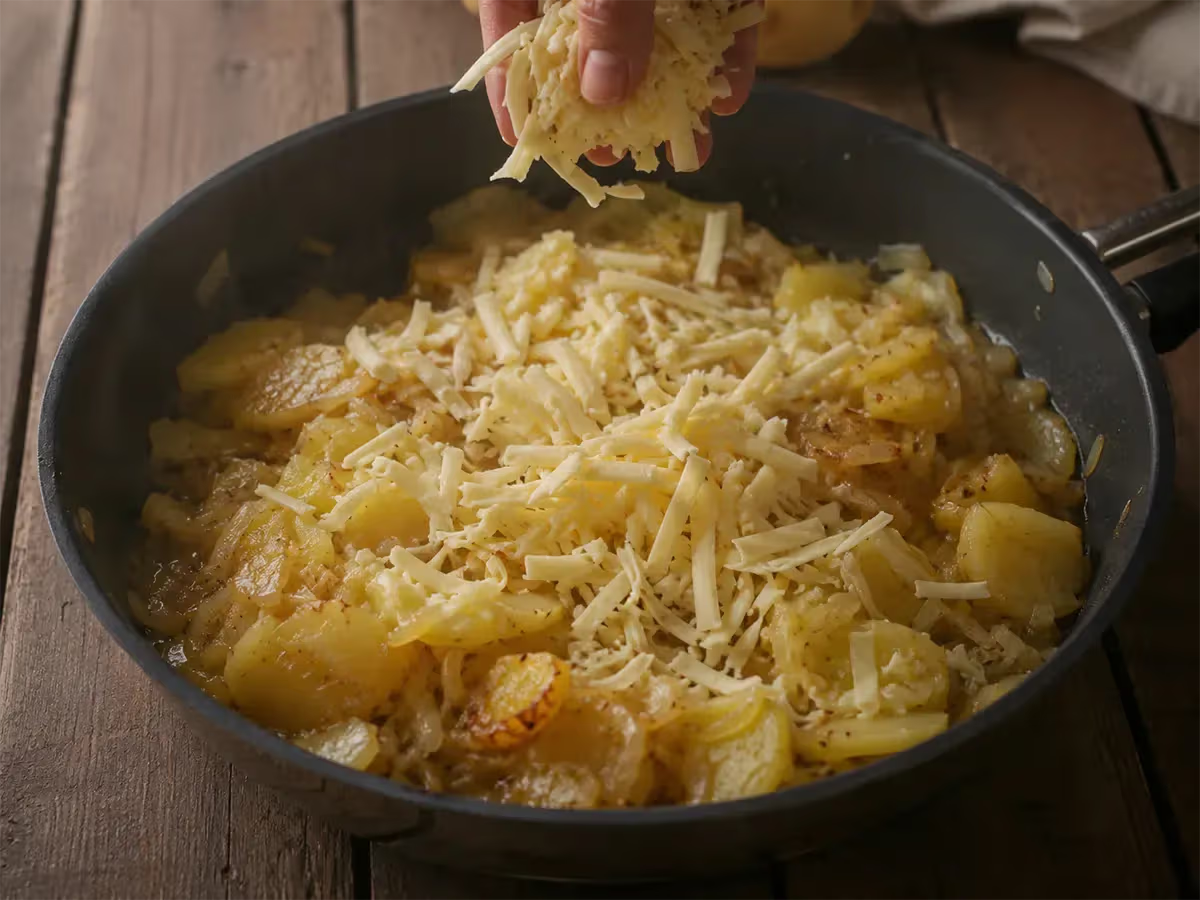
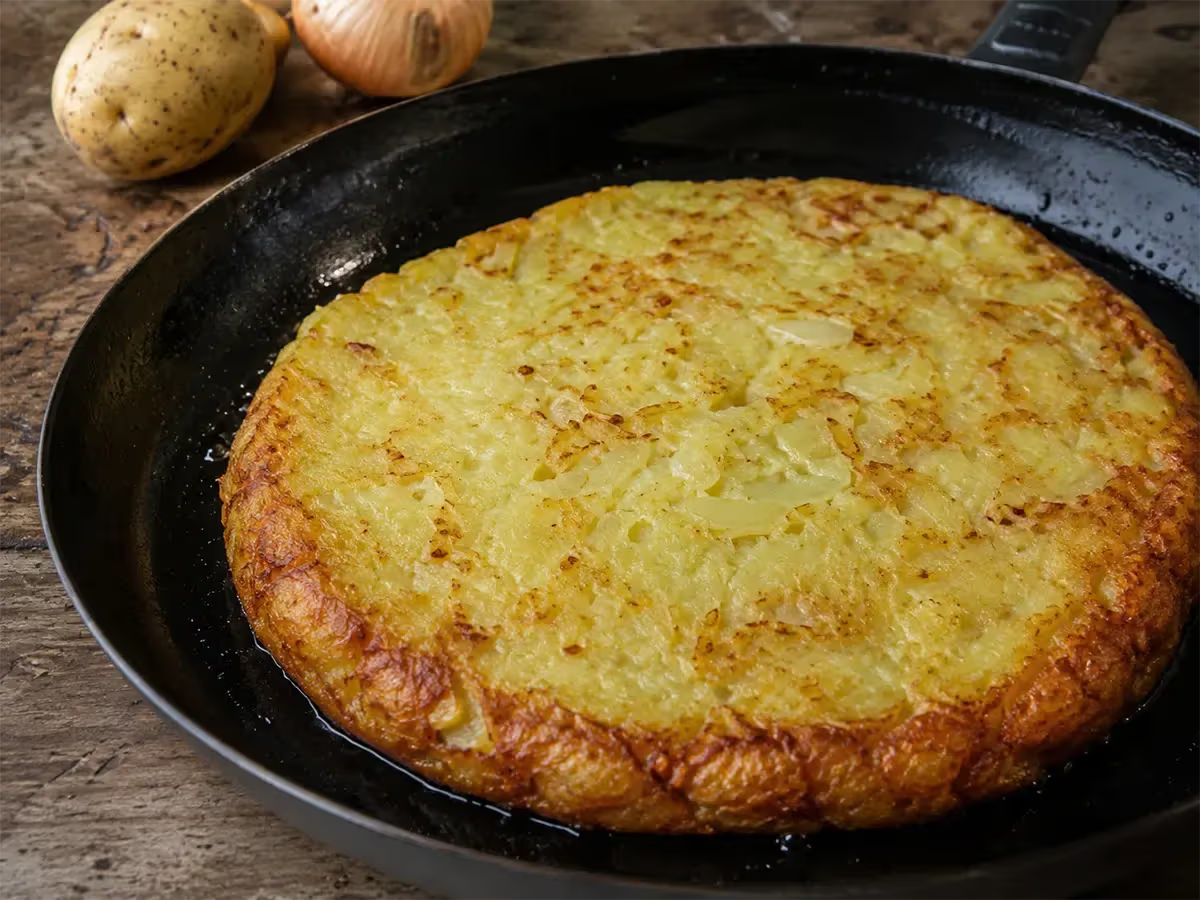
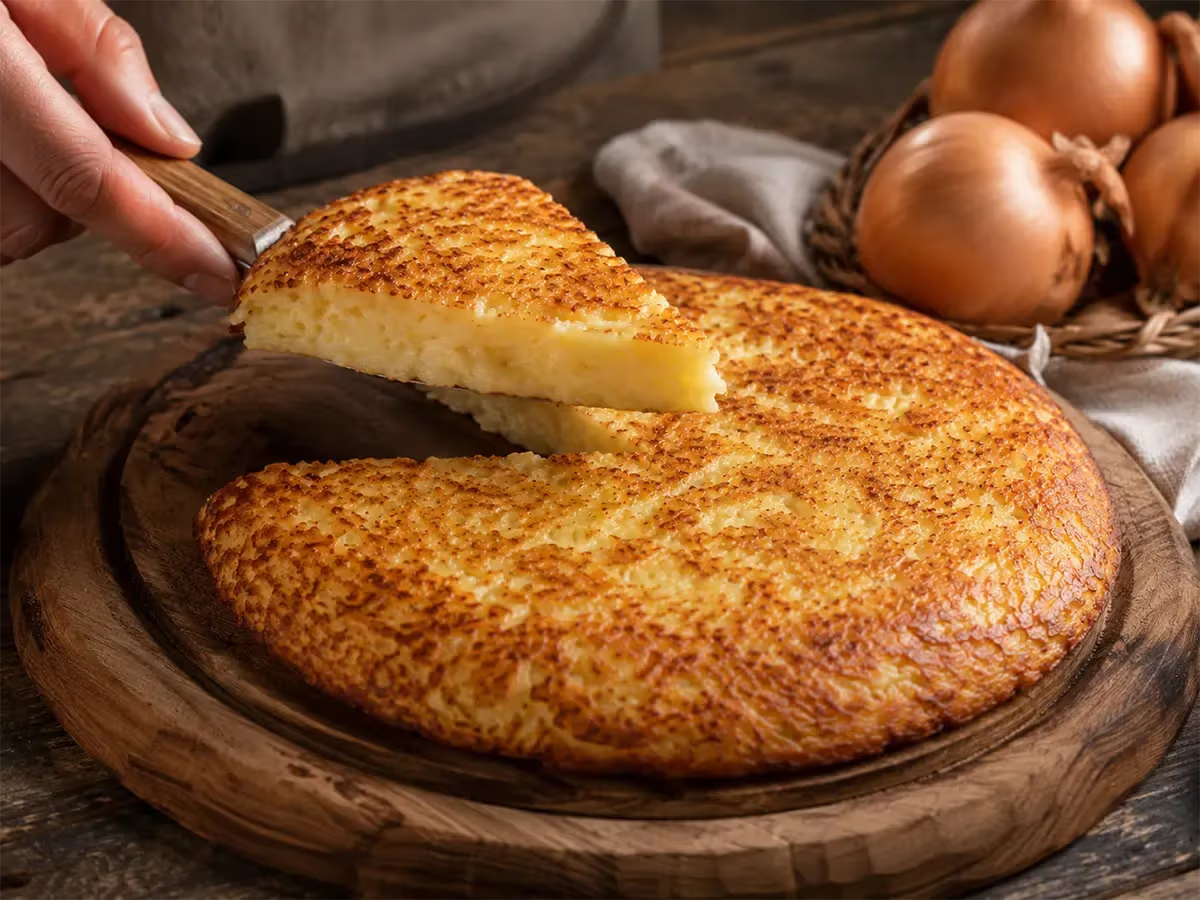
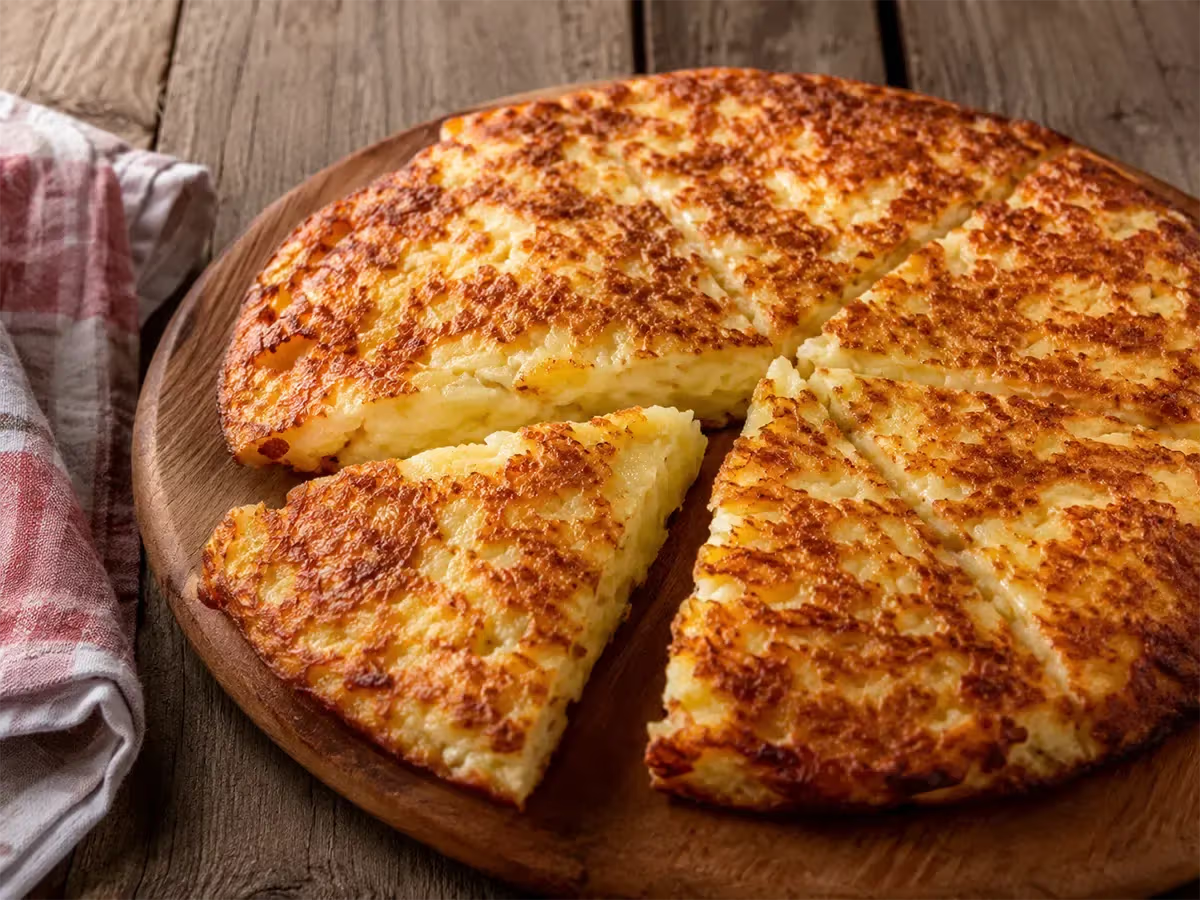
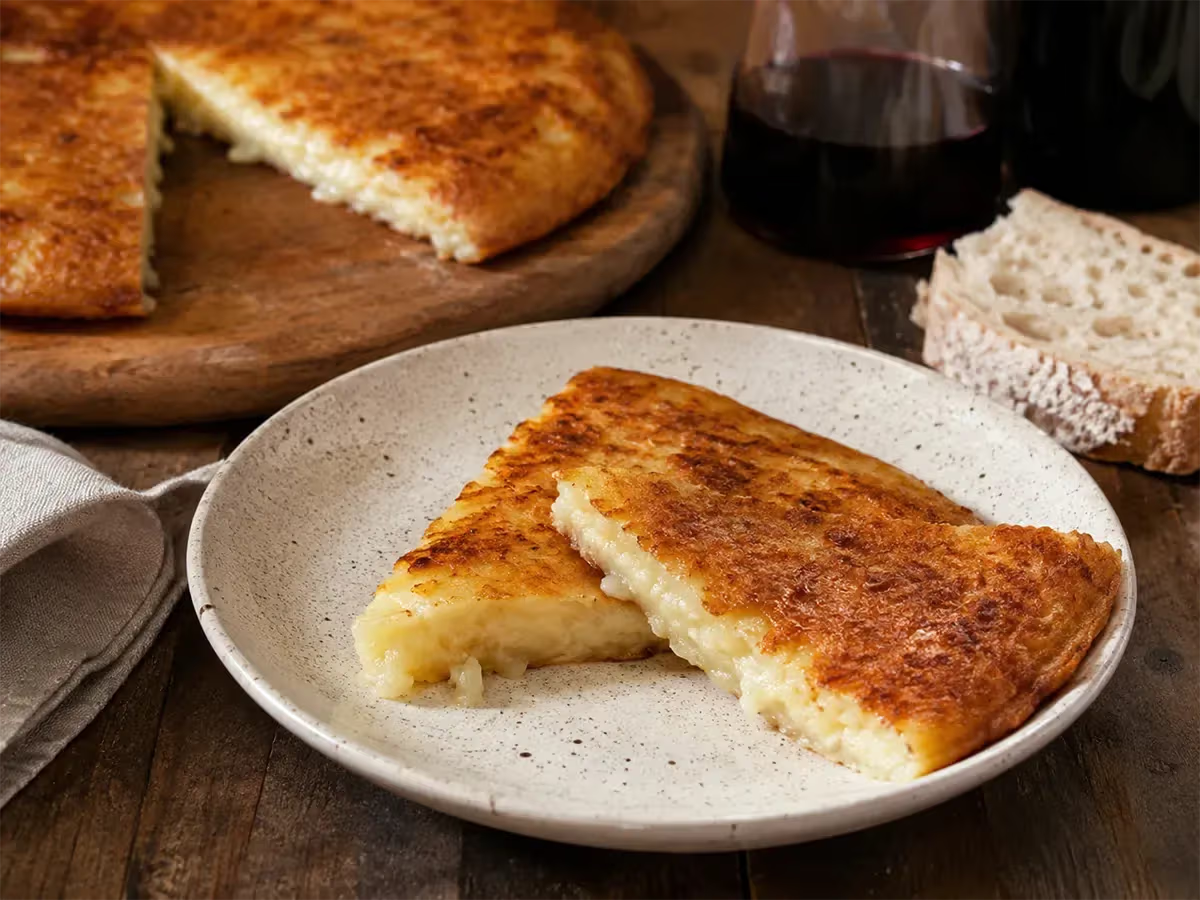
Frico with potatoes and onion is one of the symbolic dishes of Carnic cuisine, that high-altitude land occupying the northern edge of Friuli-Venezia Giulia. It is not a cake in the conventional sense of the term, nor an omelette: it is something in between and irreducible, a thick and golden sheet of melted cheese that envelops boiled potatoes and stewed onion, with a crispy crust on the outside and a soft, stringy heart on the inside. The simplicity of its ingredients is only apparent, because the result depends entirely on the quality of the cheese and the patience of whoever cooks it.
In the Carnic tradition frico was pasture and mountain hut food, prepared with leftover cheese, the kind too aged or irregular to be sold, grated or cut into pieces and melted directly in the pan. Potatoes, probably introduced between the eighteenth and nineteenth centuries as a substantial ingredient, made it a complete dish, capable of feeding mountain workers during the coldest months. Today frico is present in the menus of Friuli inns and country festivals, where it is served in slices accompanied by polenta gialla, which balances the decisive flavor and the richness of the melted cheese. The ideal wine is a dry Friuli white, with good acidity, that cuts through the richness of the dish without overpowering it.
Frico knows variations that follow the geography of Friuli and the seasonal availability of ingredients.
Friulano (Tocai Friulano) DOC: the white wine symbol of the region, with its bitter almond note and soft structure, holds the fatness of the cheese well without overpowering it. - Ramato del Friuli DOC: a Pinot Grigio grape vinified in contact with the skins, with light tannins and copper colour, balances the flavour of Montasio and accompanies the golden crust without weighing it down.
Unfiltered Friulian Lager craft beer: carbonation cleanses the palate between bites, and the delicate bitterness of hops pleasantly counteracts the persistence of fat.
Natural sparkling water with lemon slice: for those who prefer non-alcoholic, minerality and mild citric acid perform a similar function of cleansing the palate.
The cheese tends to separate and the potato becomes watery on thawing, compromising the texture of the dish.
per serving
The roots of frico lie in the system of Friulian alpine huts, where cheesemakers had to manage surplus cheese and find ways to consume the less regular pieces of the production.
The first written attestations of the term date back to the fifteenth century: Martino de Rossi, a cook of Como origin active at the court of the Patriarch of Aquileia Ludovico Trevisan, describes in his culinary treatise a preparation based on fried cheese that scholars identify as a direct ancestor of frico.
The addition of potatoes is subsequent and linked to the diffusion of the tuber in the Friulian countryside during the eighteenth century, when cultivation stabilised in the hilly and mountainous areas of Carnia. This step transformed the frico from a simple cheese pod to a complete and substantial dish, capable of feeding a family with poor ingredients.
The version with potatoes and onions was consolidated in the nineteenth century as a dish of peasant cuisine, and in the twentieth century it found its stable place in the taverns and trattorias of the Friulian plain and mountains, becoming a symbol of regional gastronomic identity.


