
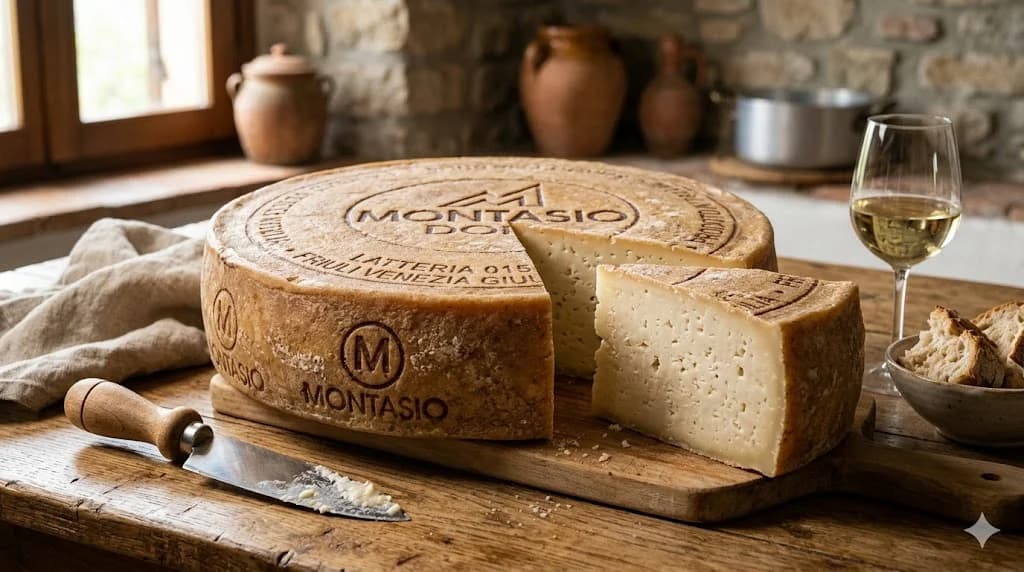
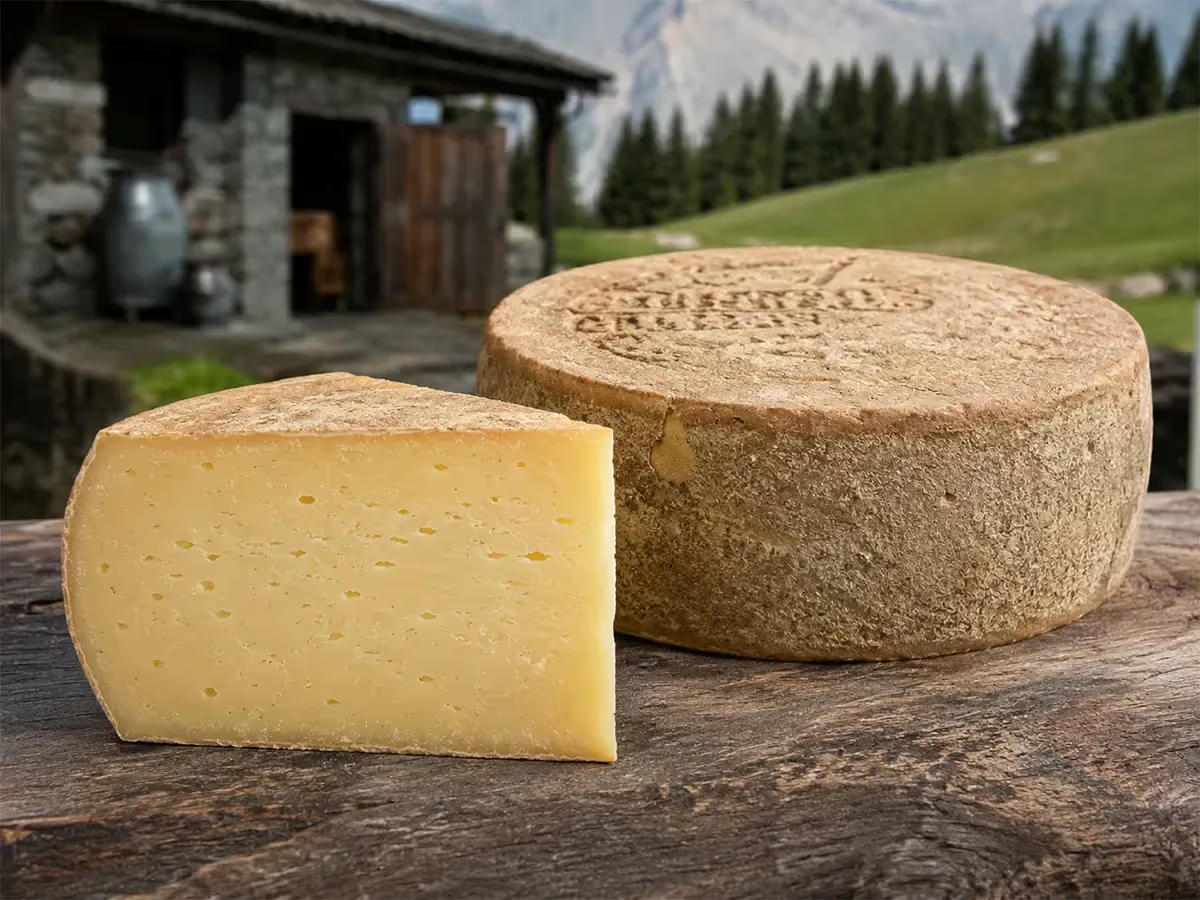
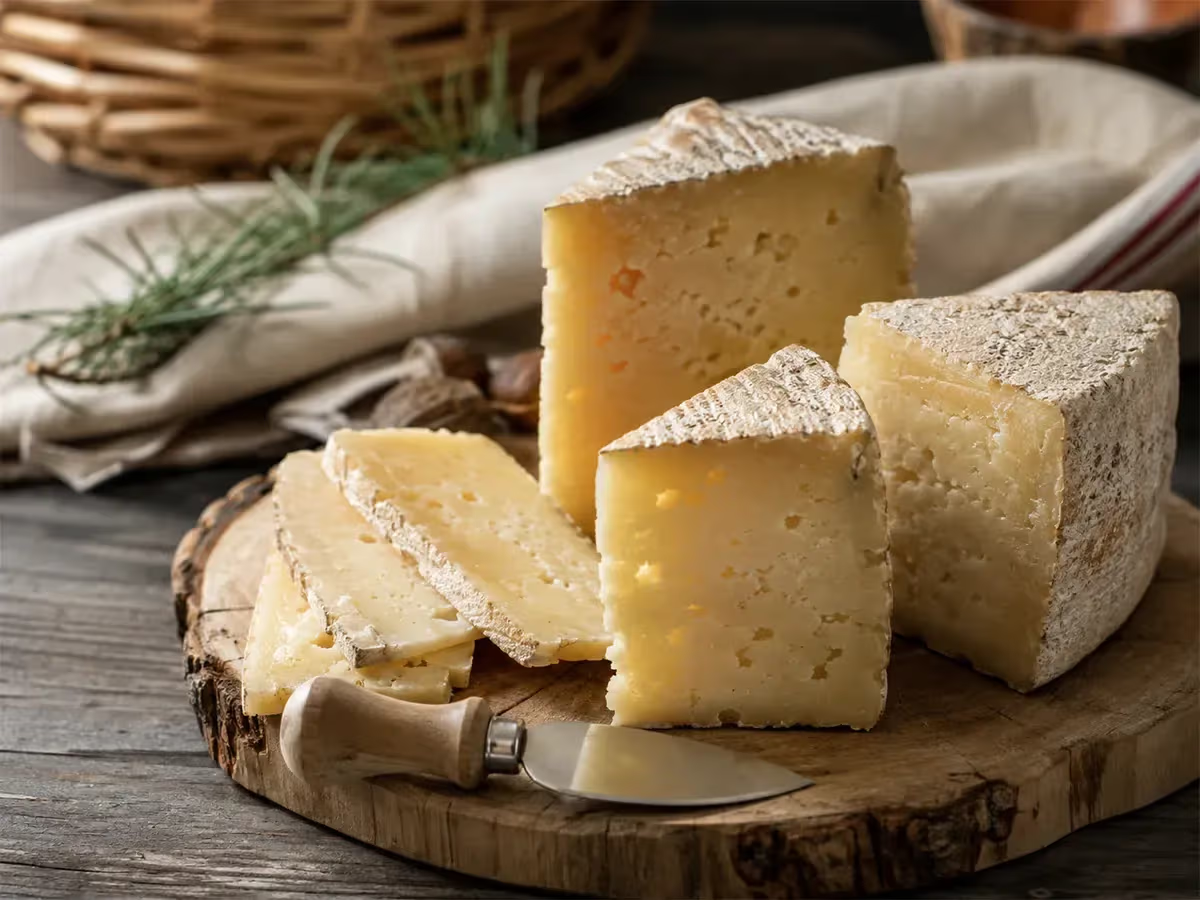
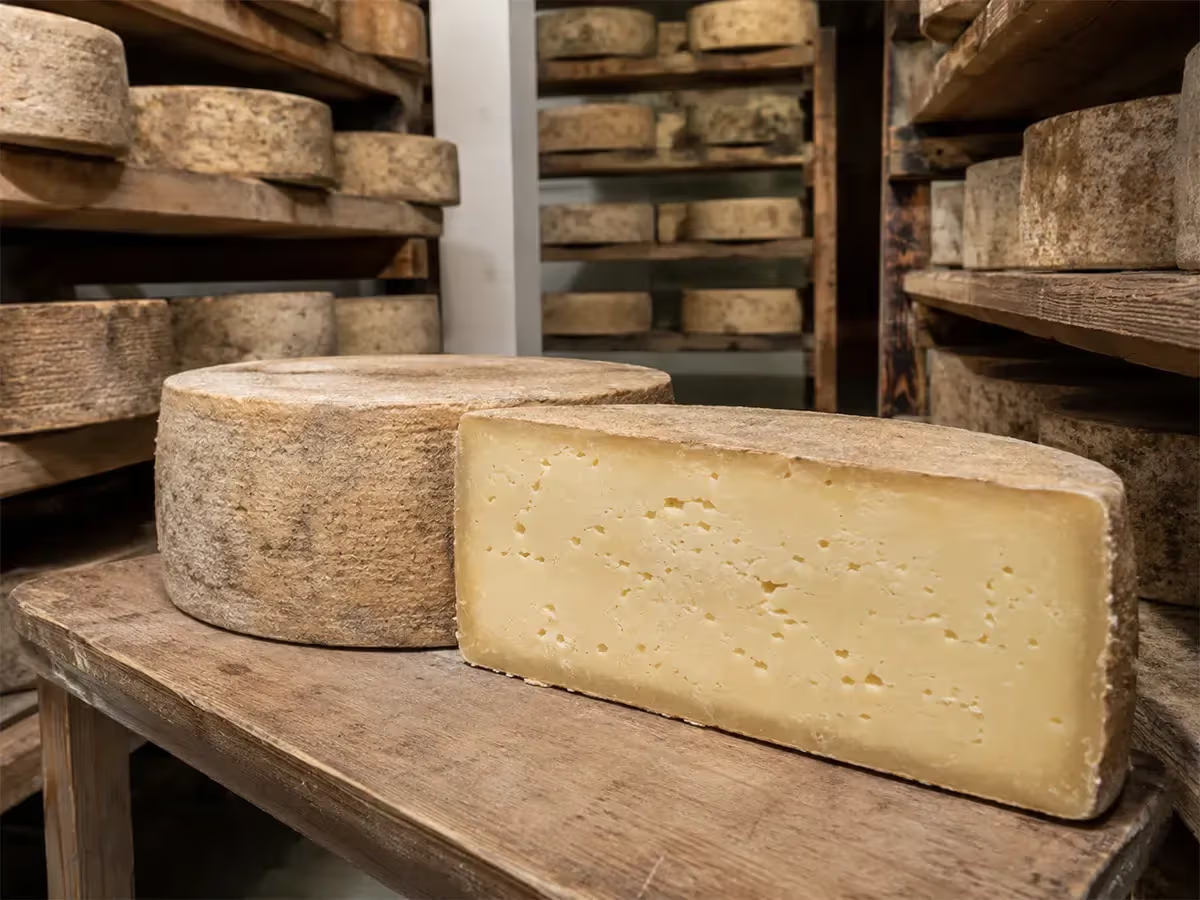
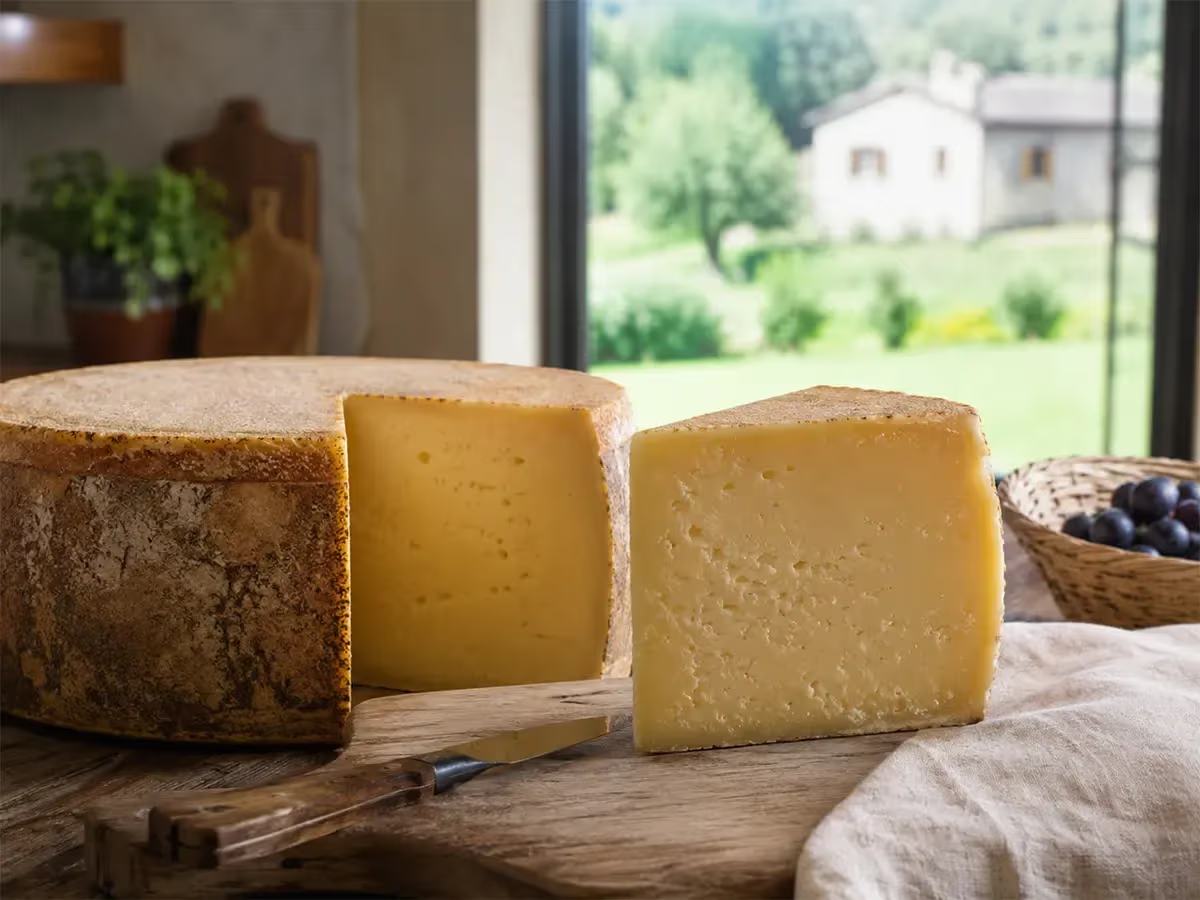
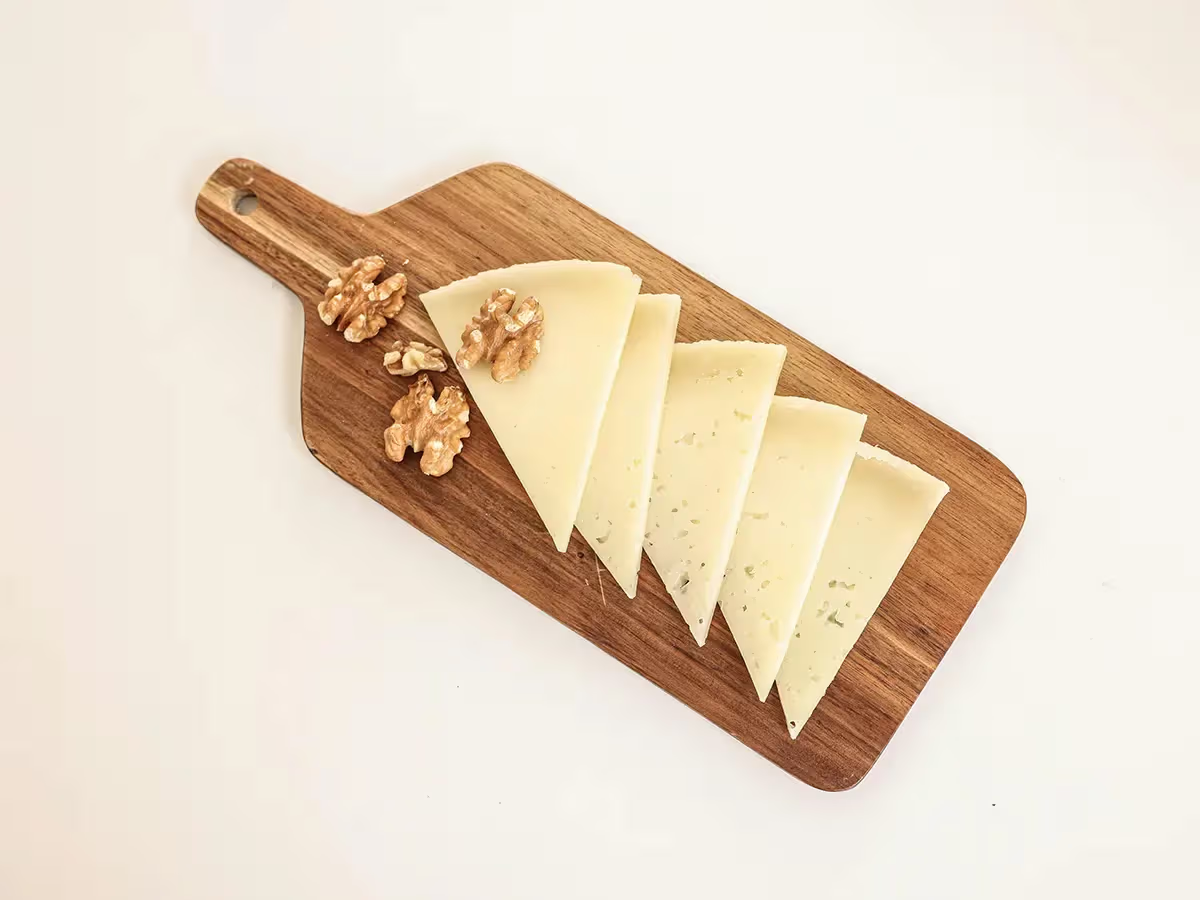
Montasio DOP is a semi-cooked paste cheese produced with whole or partially skimmed cow's milk, originating from the Alpine and pre-Alpine arc that extends between Friuli-Venezia Giulia and part of Veneto. It takes its name from the Montasio plateau, in the heart of the Julian Alps, where cheesemaking tradition has deep roots in centuries of pastoral life. Depending on aging, it presents in different forms: fresh, semi-aged, aged and extra-aged, each with distinct organoleptic characteristics ranging from milky sweetness to intense aromatic complexity.
In the kitchen, Montasio DOP proves to be extraordinarily versatile. In its fresh or semi-aged version it lends itself to the table as a slicing cheese, accompanied by spelt bread or polenta. The more aged versions are used as a grating cheese, to enrich risottos, pasta and soups. It is the central ingredient of frico, a dish symbolizing Friuli cuisine, prepared in both the soft and crunchy versions.
The origins of Montasio date back to the thirteenth century, when Benedictine monks from the Moggio Udinese abbey refined dairy production techniques on the homonymous plateau, favored by the quality of high-altitude pastures and the availability of bovine milk during the summer seasons. Production developed over the centuries as a widespread practice among the mountain dairies of Friuli, consolidating an artisanal knowledge transmitted from generation to generation among mountain cheesemakers.
Over time, production expanded from the Alpine areas towards the plains, progressively involving areas throughout the entire region and some Venetian provinces. The recognition as a Protected Designation of Origin, obtained at the European level, established the protection of the name and production method through a precise regulation that defines the production area, the bovine breed, the processing technique and the minimum aging times.
Today Montasio DOP is one of the symbols of the gastronomic identity of Friuli-Venezia Giulia, produced by cooperative and private dairies distributed over a territory that includes the entire region and the Venetian provinces of Belluno, Treviso, Padova and Venice. The Consortium for the Protection of Montasio Cheese oversees compliance with the regulation and promotes the product at national and international levels.
Montasio DOP is presented in cylindrical forms with a slightly convex rind, with an indicative weight of six to nine kilograms. The rind is smooth and compact, with a light straw color in younger versions and tending toward brown in longer aging periods. The internal paste is white or straw-colored, with small and regularly distributed eyes.
The aroma varies significantly with maturation: sweet and milky when fresh, more complex with herbaceous notes in semi-aged versions, decided and slightly peppery in extra-aged. Each commercially marketed form bears the Consorzio di Tutela's fire brand, with the word "Montasio" impressed on the rind. The labels of whole forms and portioned packages must display the European DOP logo. The presence of these elements guarantees authenticity compared to cheeses lacking certification.
Montasio DOP is a significant source of proteins with high biological value and calcium, an essential mineral for bone health. It provides fats predominantly saturated, in proportions varying according to the degree of skimming of the milk used. The indicative caloric content is around 350-380 kcal per 100 grams in standard versions, with variations linked to aging. As maturation lengthens, the concentration of free amino acids increases, which promotes protein digestibility. It contains B-group vitamins and vitamin A in appreciable quantities.
Fresh and semi-aged Montasio should be stored in the refrigerator between 4 and 8 degrees, wrapped in cheese paper or in an airtight container to preserve its moisture and limit the absorption of foreign odors. Once purchased in slices, it should be consumed preferably within a week. The aged and very mature versions tolerate the external environment better but still benefit from storage in a cool and dry place, away from direct heat sources.
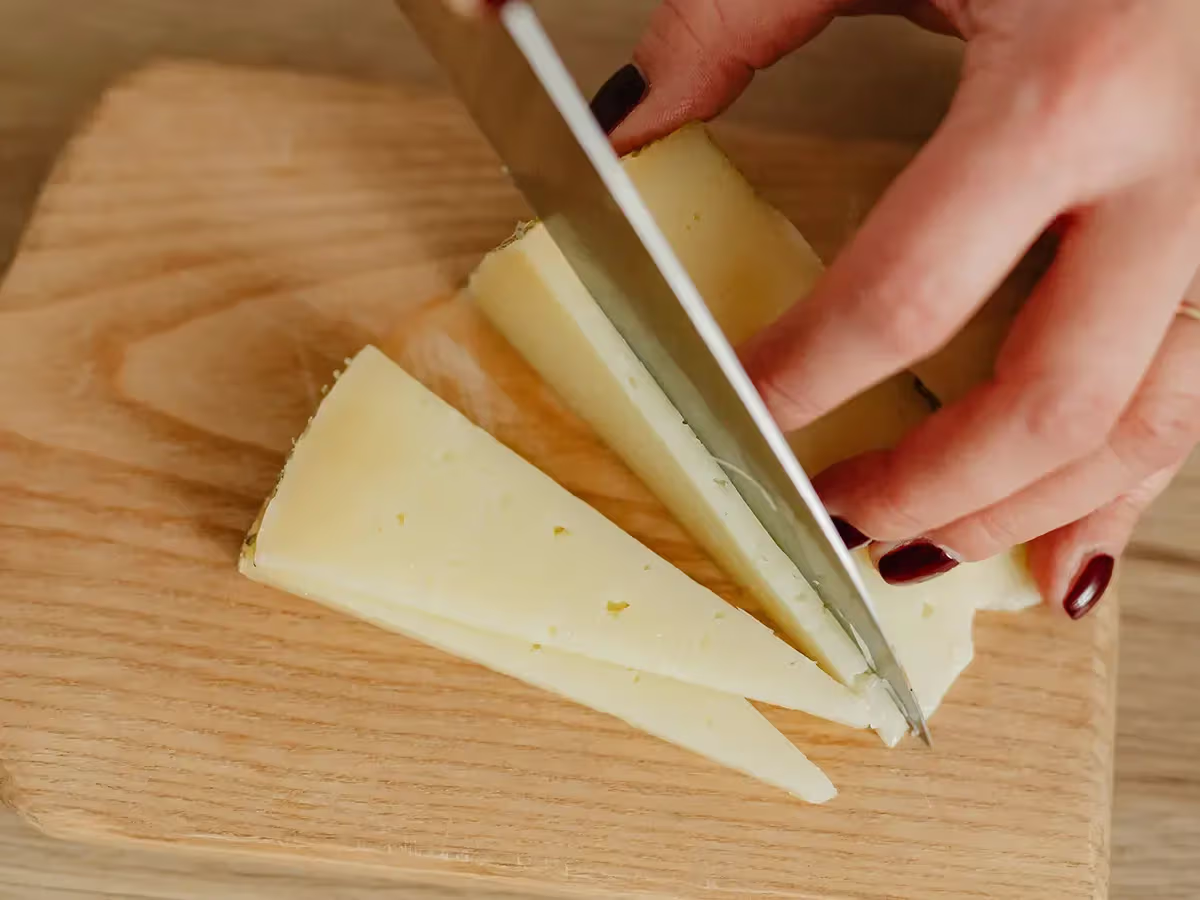
Fresh Montasio is served at room temperature after a few minutes of rest outside the refrigerator, to allow the aroma to fully express itself. It is excellent sliced or diced, on mixed boards or as an ingredient in hot dishes. The semi-aged version lends itself both to direct consumption and melting, proving ideal for soft frico. The aged and very aged versions are grated over hot dishes or enjoyed in small flakes as a rustic appetizer, paired with honey or fruit preserves.
Fresh and semi-aged Montasio pairs well with medium-bodied Friuli white wines, such as Friulano or Pinot Grigio from the Colline moreniche. The wine's freshness balances the milky sweetness of young cheese, creating a territorially coherent pairing. With more aged versions, different possibilities open up: a Refosco dal Peduncolo Rosso or a Schioppettino can stand up to the saltiness and slight piquancy of the very aged cheese.
Among breads, toasted polenta is the most deep-rooted pairing in Friuli tradition. Montasio also pairs well with acacia or wildflower honey, fruit mustards and fig jams, which soften the more intense notes in mature versions. On a mixed board it finds good company with local cured meats such as Prosciutto di San Daniele DOP.
Crispy frico is the most emblematic preparation: thin slices of Montasio semi-aged cheese are melted in a pan until they form a golden and crispy waffle. It is served as an appetizer or side dish, often accompanied by polenta. In the soft version, frico is prepared with sliced potatoes and onions, blended with melted cheese until a compact and savory frittata is obtained, a dish of peasant tradition deeply rooted in Friuli culture.
Montasio risotto is a typical first course in Friuli homes: the semi-aged cheese is added at the end of cooking to mantecare, giving creaminess and a delicate aroma. Some variations include the addition of radicchio or wild mushrooms to enrich the aromatic profile of the dish.
Montasio has been an integral part of Friuli's food culture for centuries. In the peasant families of the mountain, cheese production in the alpine dairy marked the rhythm of the seasons: the ascent to the mountain pastures in spring and the return to the valley in autumn were collective moments of great social importance. Frico, prepared with leftover cheese of different aging, represented the ingenuity of poor cuisine transformed into an identity dish. Even today Montasio is present on Friuli tables during celebrations and in everyday occasions with the same naturalness, a sign of a bond with the territory that goes far beyond simple food consumption.
Montasio DOP is a protagonist in various gastronomic events across the Friuli Venezia Giulia region. Among the most established initiatives are the festivals linked to the end of summer in the mountain pastures, when cheeses produced during the alpine season are presented and tasted in mountain communities. The Protection Consortium regularly participates in the main national agrifood fairs, including the Salone del Gusto and regional events dedicated to DOP products. At local level, numerous municipalities in the Friuli alpine area organize spring and summer markets and festivals where Montasio is present in its various aging stages.