
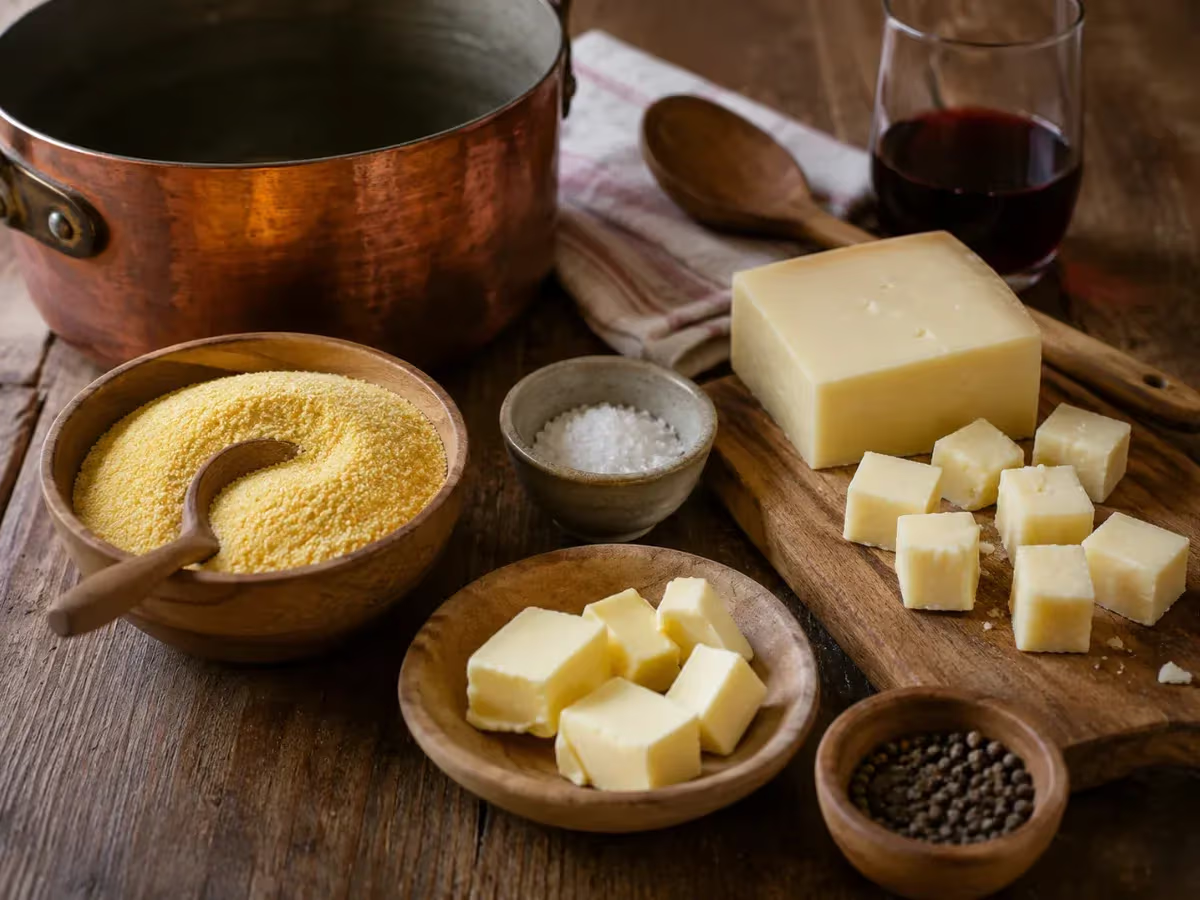
For the polenta
For the seasoning
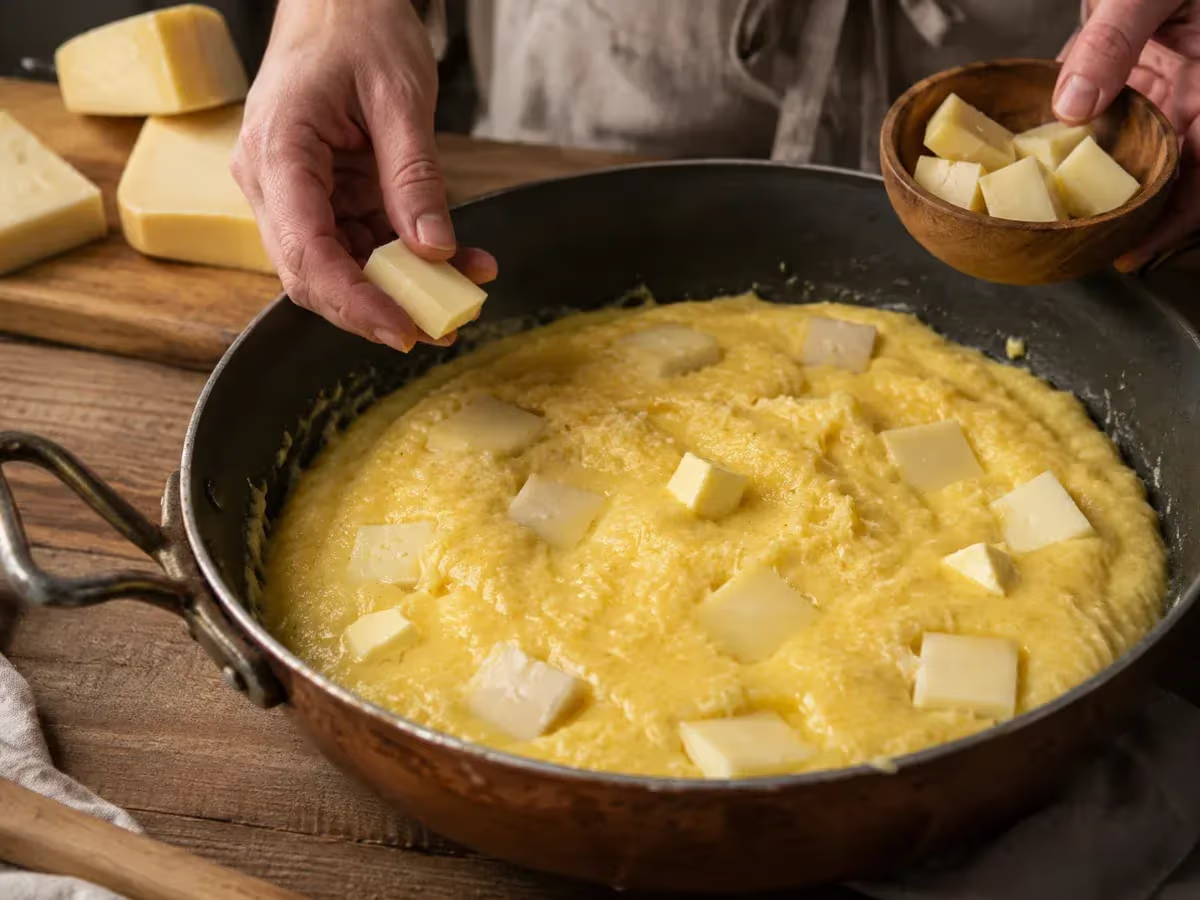
Fontina must be at room temperature when added: cold from the refrigerator tends to form lumps instead of melting evenly. Cut it into small cubes and let it rest outside the fridge for at least 30 minutes before cooking.
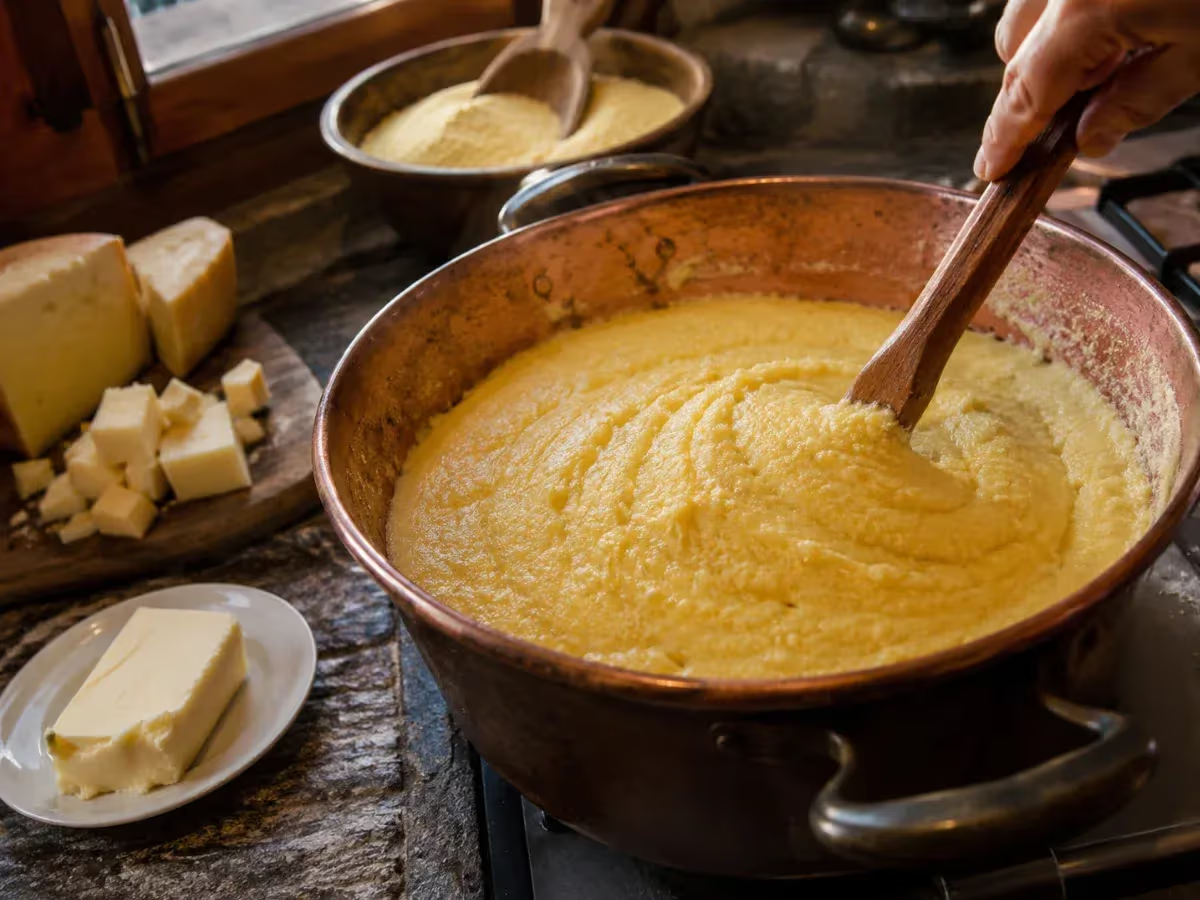
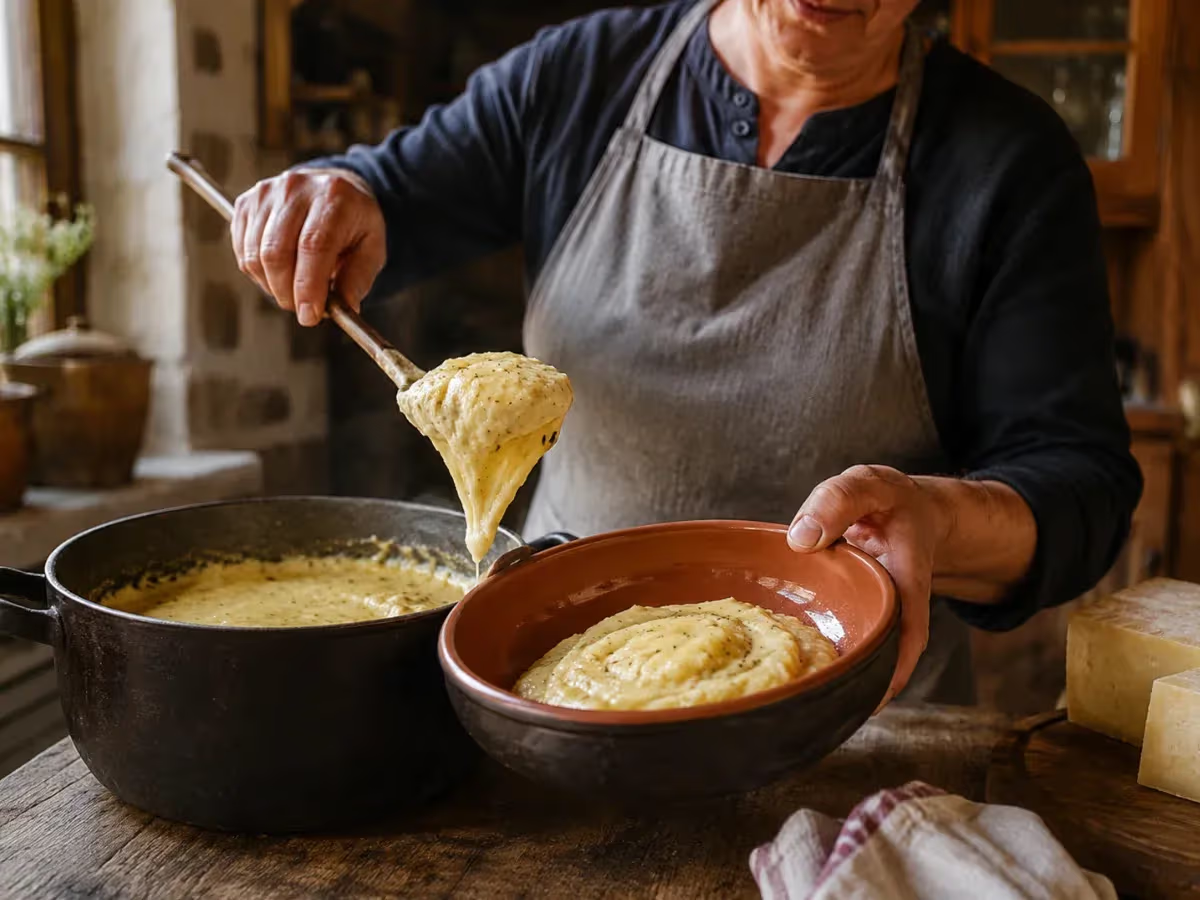
Butter should always be added before the cheese, not simultaneously: it creates a fatty base that facilitates the melting of Fontina and prevents the cheese from becoming too stringy or separating. In a professional context, keep the pan over very low heat throughout the cooking phase, never completely off: the polenta compacts quickly and becomes difficult to work with. A useful mise en place tip is to prepare the base polenta slightly more liquid than usual, because the cheeses will thicken it further. For service, dip the serving spoon in hot water between each portioning: it facilitates separation and maintains the shape.
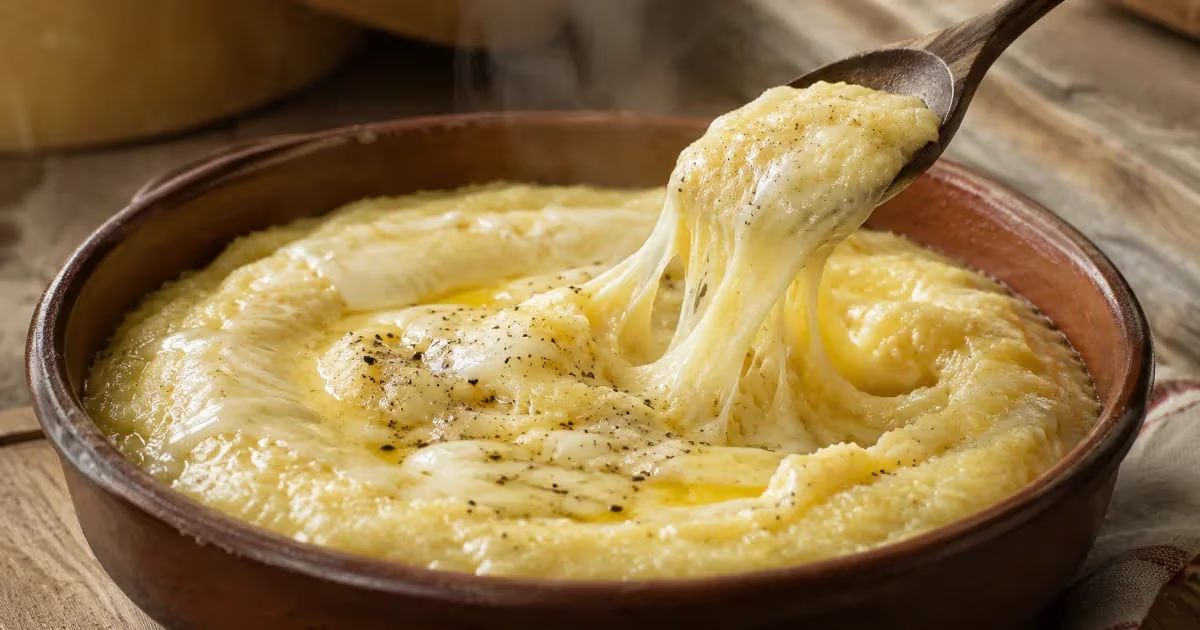
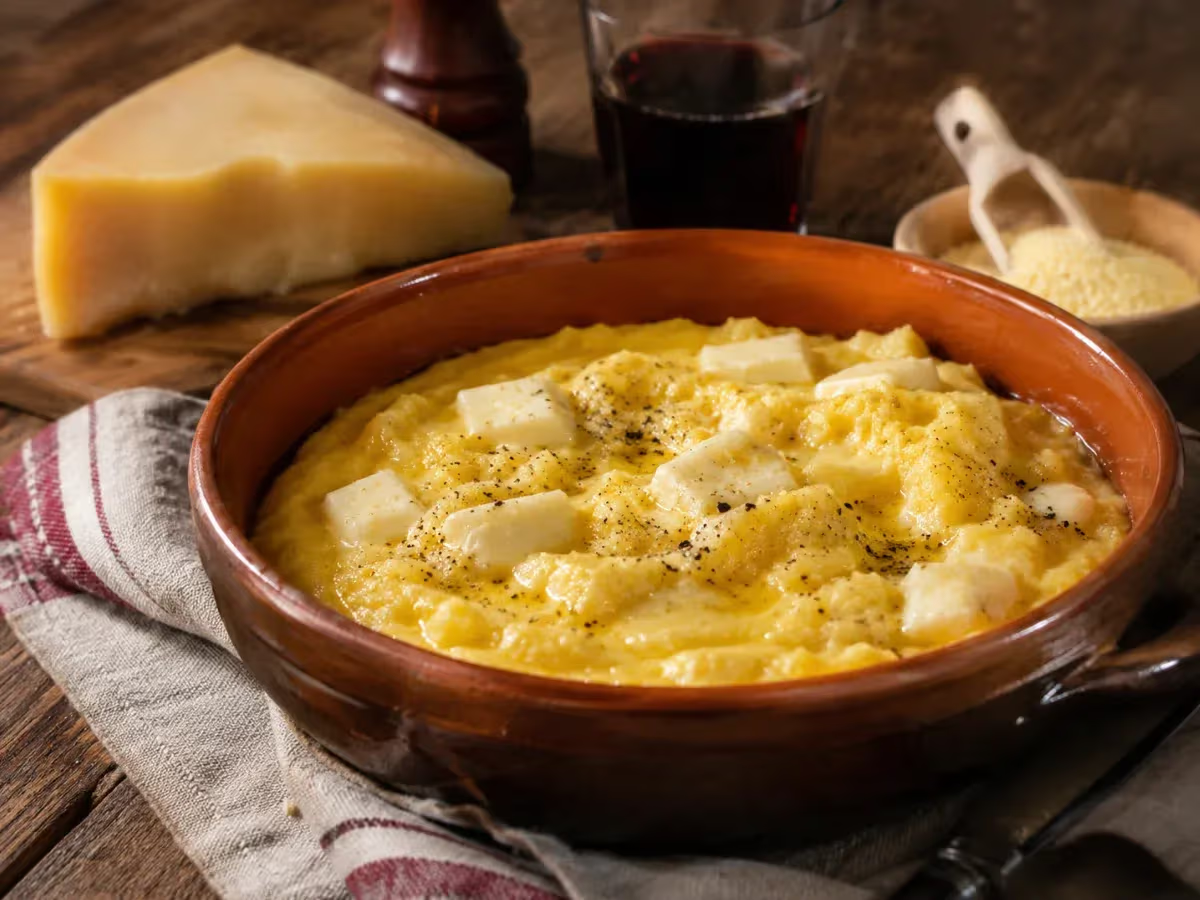
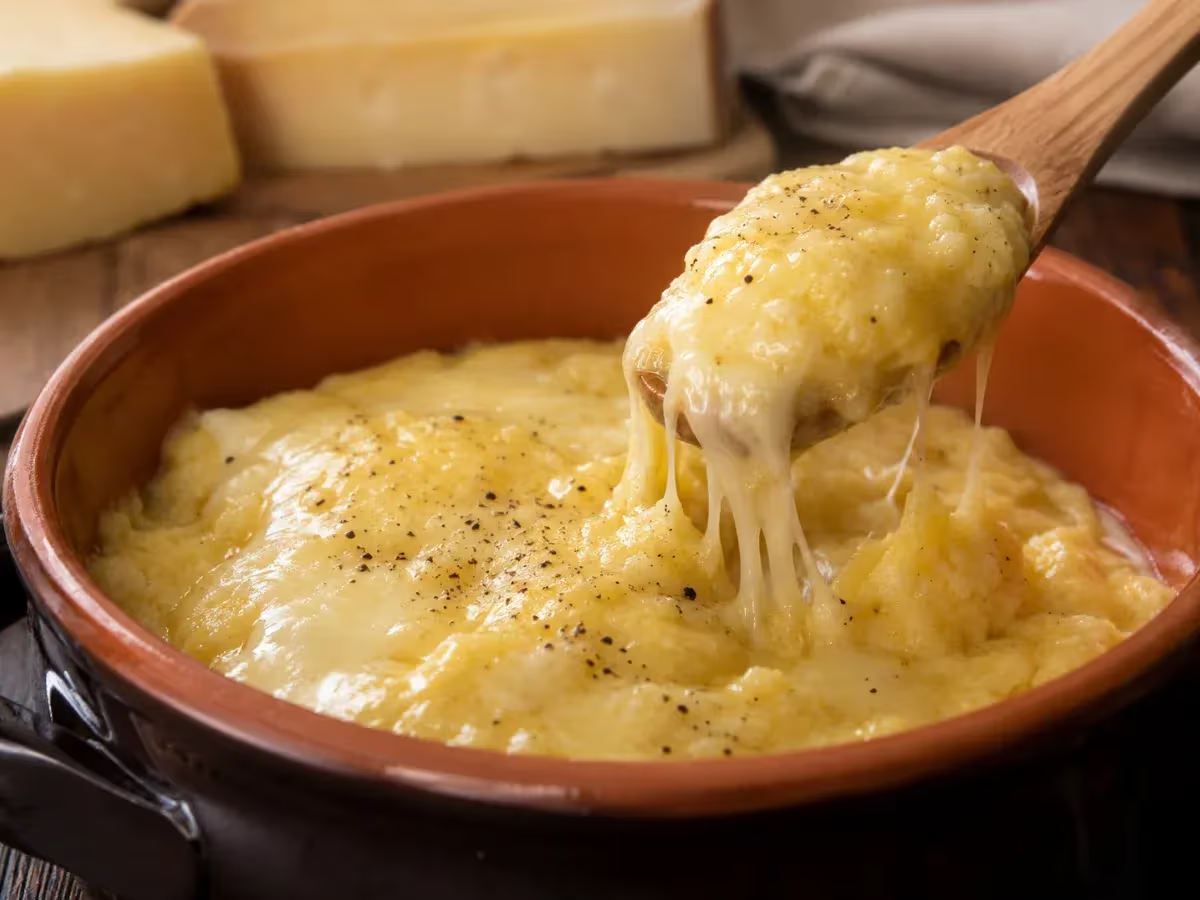
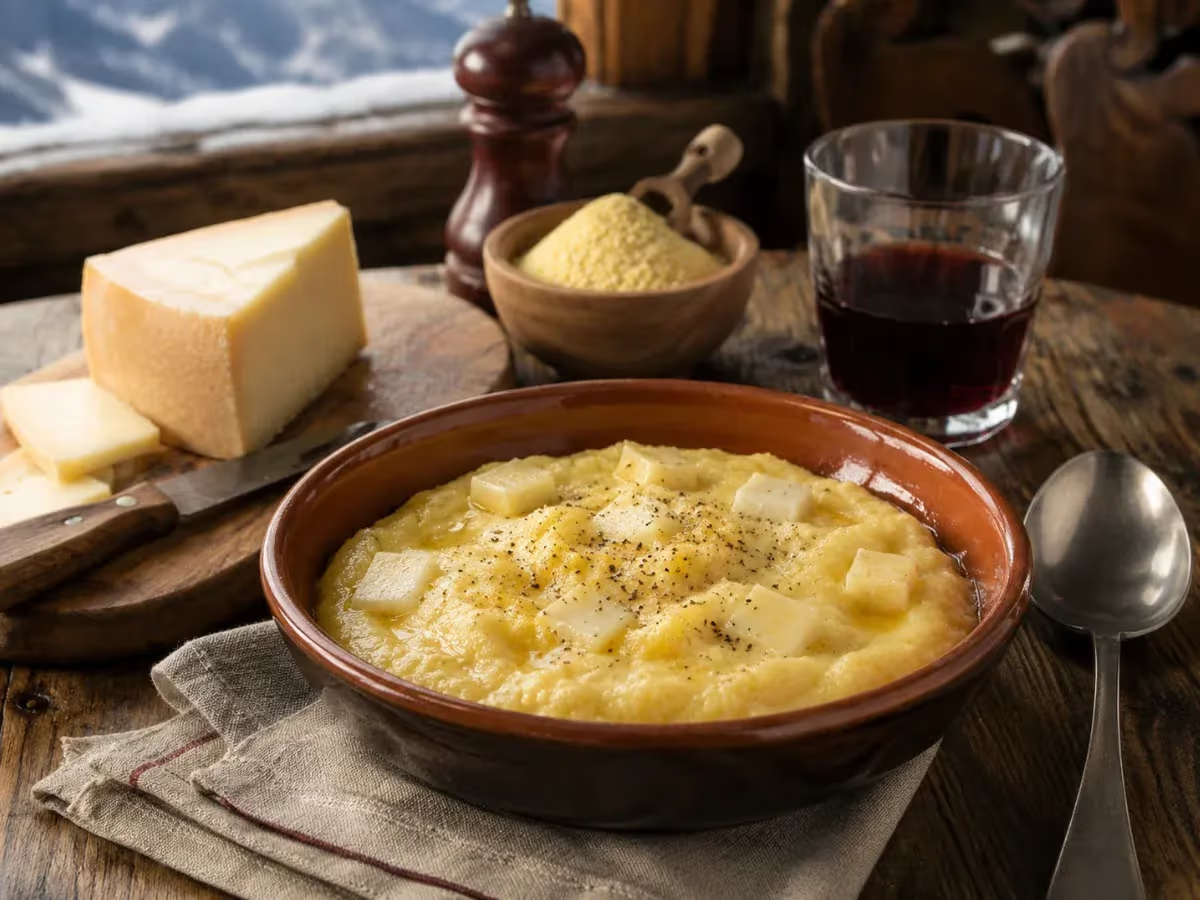
Polenta concia valdostana is one of the most deeply rooted dishes in the food culture of the Valle d'Aosta, born in high-altitude mountain huts where shepherds and cheesemakers transformed a few essential ingredients into a meal capable of sustaining days of hard work in the alpine cold. The term "concia" refers precisely to the generous condiment with which polenta is enriched: abundant mountain butter and local cheeses that melt into the hot mixture until it becomes creamy, stringy, almost impossible to describe without having tasted it at least once in front of a lit fireplace.
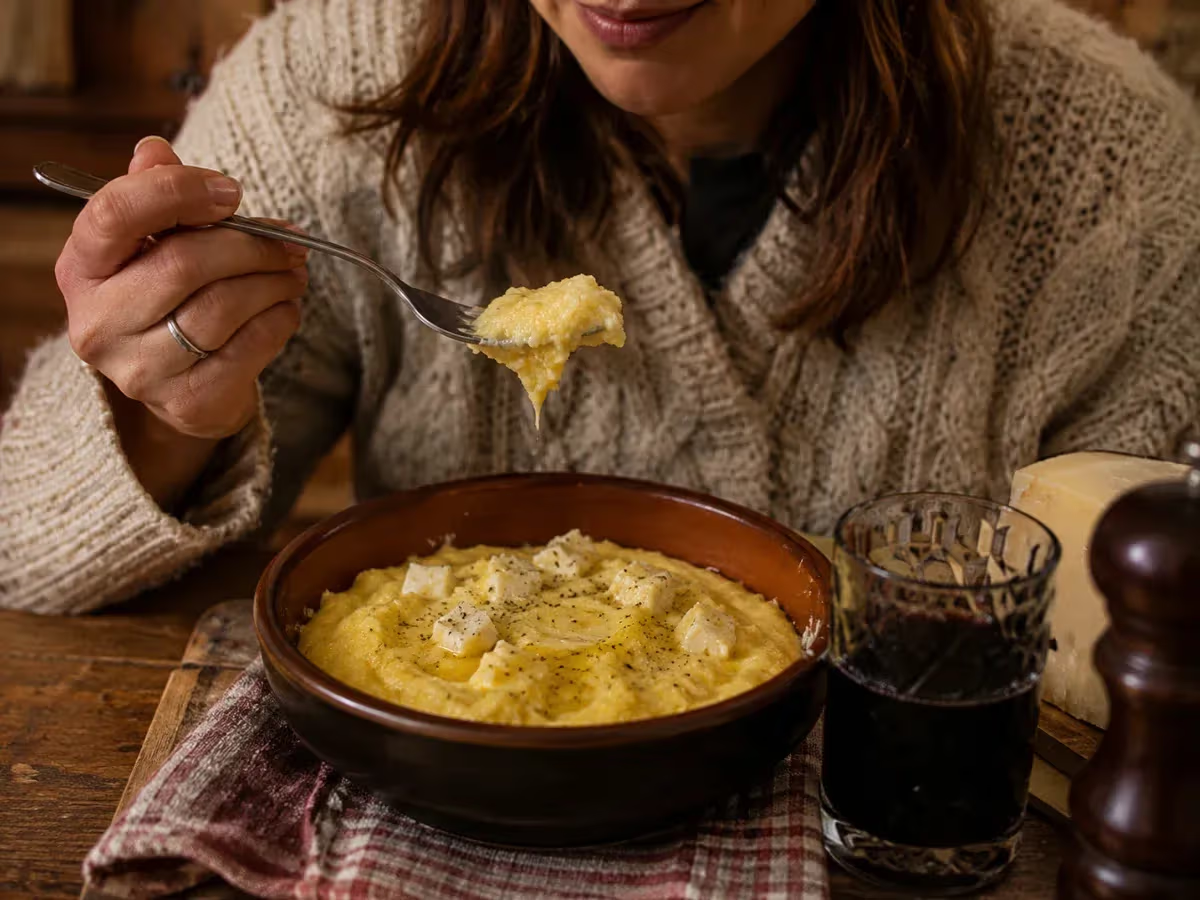
The taste profile is decisive and enveloping. The richness of the butter balances the tangy and aromatic note of Fontina DOP, the Valle d'Aosta cheese par excellence, while the cornmeal creates a dense and full-bodied base that retains heat for a long time. Traditionally served as a single course in the cold months, polenta concia also accompanies braised game or grilled sausages, but in its most authentic version it holds up beautifully on its own. It is a winter table dish, meant to be shared in a group, where the pot is brought directly to the center and everyone serves themselves directly from the copper pot.
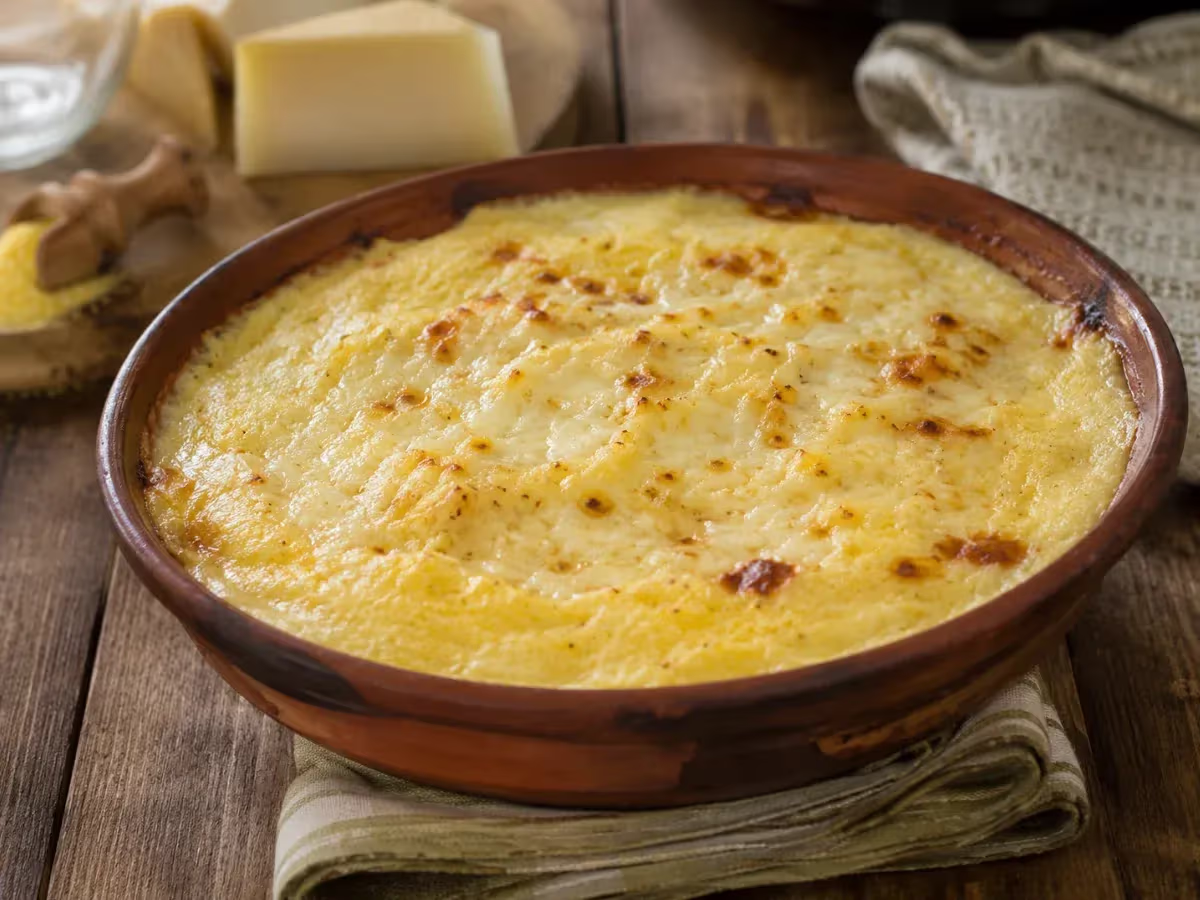
Polenta concia varies in different ways depending on the valley and alpine pasture of origin, with variations in ingredients and proportions.
The richness and persistence of polenta concia require wines with good acidity and enough structure to cleanse the palate.
per serving
In the mountain huts of the Aosta Valley, where the Alpine summer lasted only a few months and winter imposed parsimony and ingenuity, polenta concia took shape as a concrete response to a precise need: to feed those who worked outdoors, at high altitude, with what was available without descending to the valley. Corn flour, mountain hut butter, and Fontina, the cheese that Aosta Valley cheesemakers were already producing in the Middle Ages according to techniques documented as far back as the 14th century, were the ingredients that never lacked in Alpine pasture pantries.
Fontina obtained DOP recognition in 1996, but its production in the lateral valleys of the region dates back centuries earlier, when monks from the Collegiate Church of Sant'Orso in Aosta recorded local cheeses in their accounting documents intended for the payment of land tributes. Polenta concia accompanied that silent history of subsistence economy, becoming over time a symbol of Aosta Valley gastronomic identity, still present today in mountain trattorias that serve it during the cold months, presented in a copper pot amid the crackling of burning wood and the smell of melting butter.