
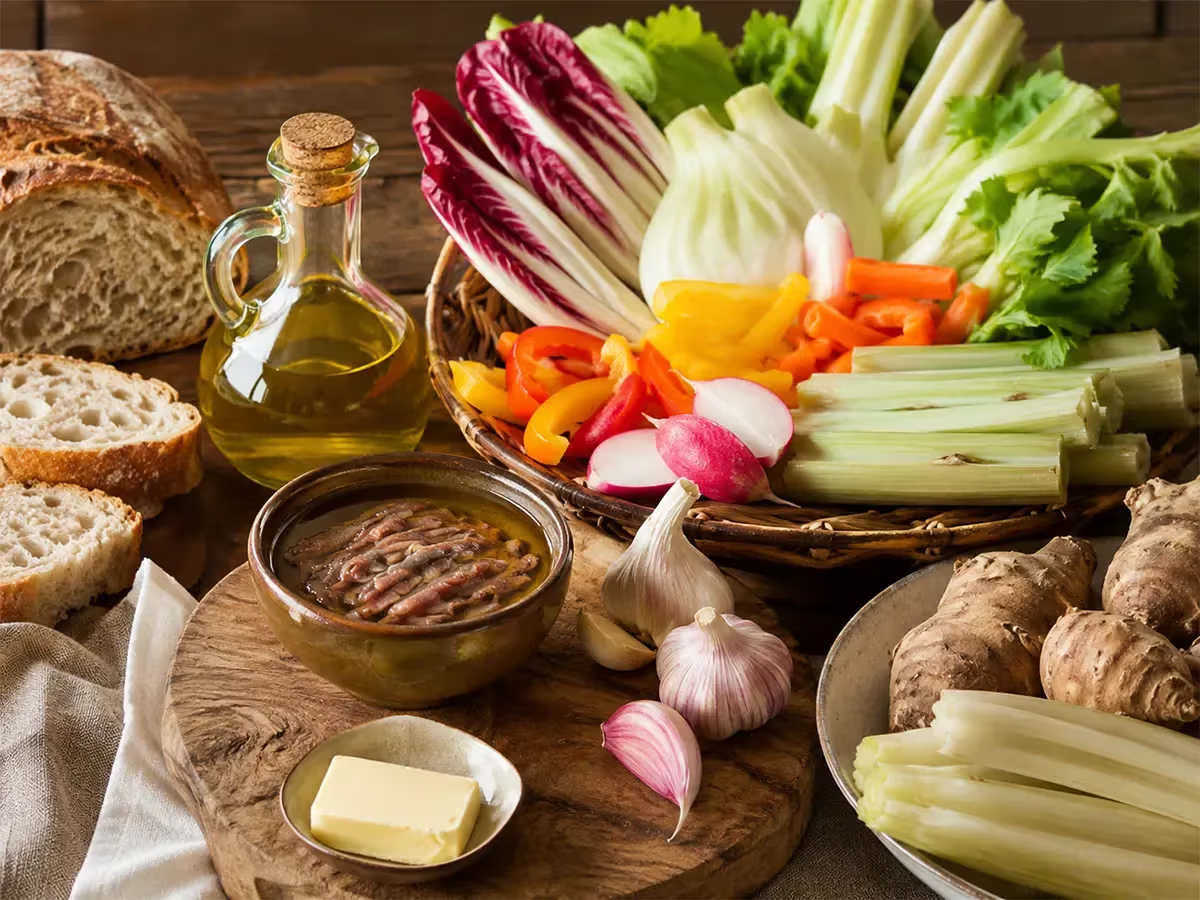
For the sauce (6 servings)
For the accompanying vegetables
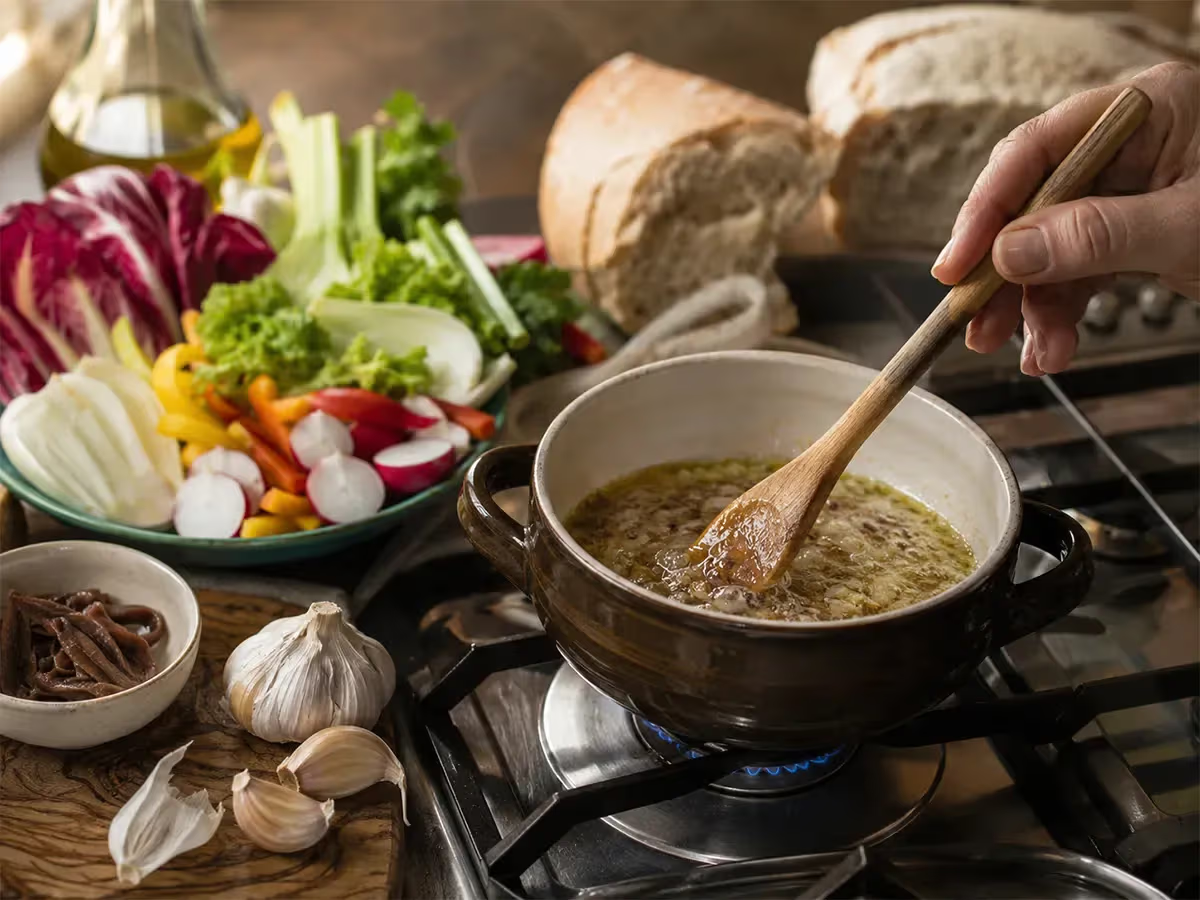
Temperature control is the most critical technical factor. The oil must never exceed 65-70 °C during the entire cooking process: above that threshold, the anchovies tend to fry rather than dissolve, and the garlic risks browning, compromising the balance of the sauce. In professional kitchens, it is useful to use a probe thermometer to monitor the temperature in the pan.
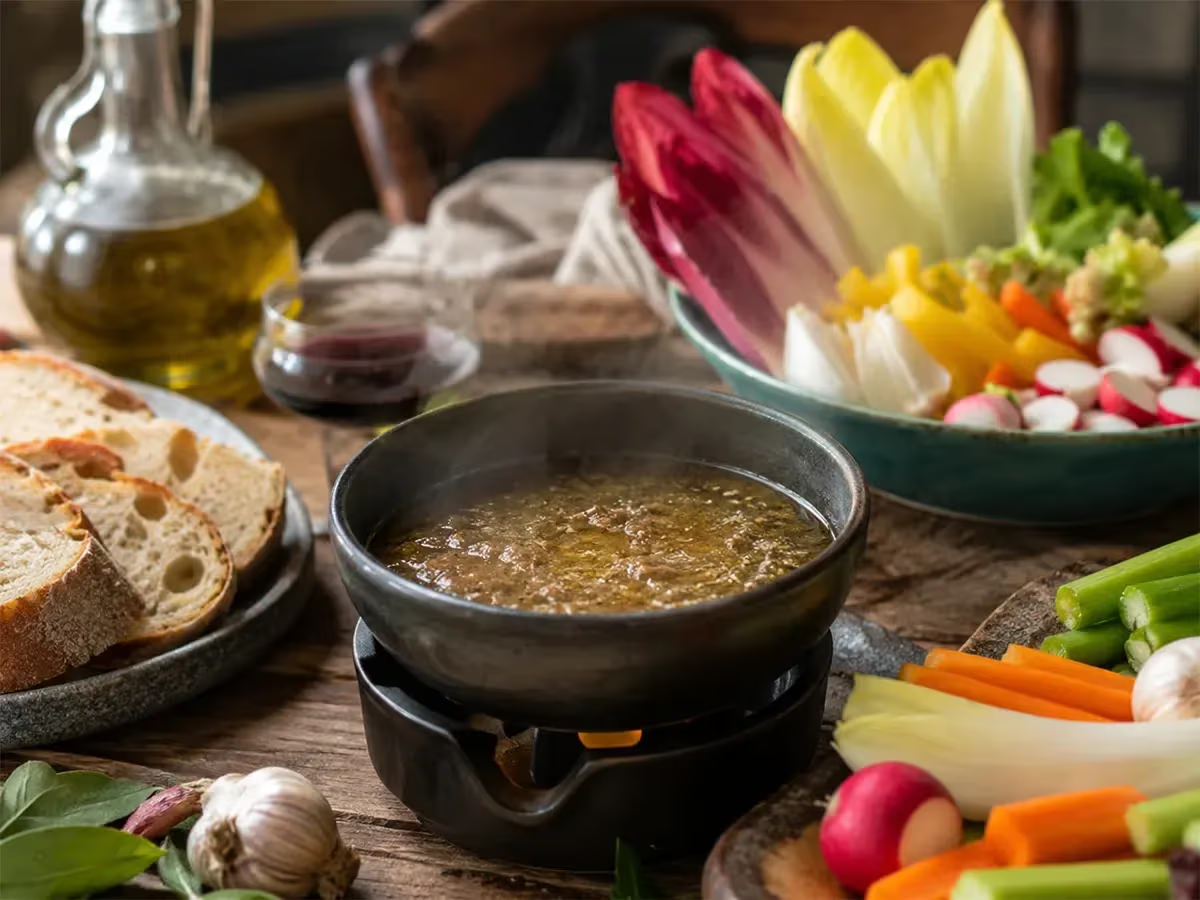
For the pan, earthenware remains the ideal material because it distributes heat uniformly and retains temperature during service. Alternatively, a cast-iron casserole with a thick bottom offers comparable results.
Salted anchovies of good quality are preferable to those in oil: they have a fuller flavor and a consistency that facilitates dissolving. In professional mise en place, the anchovies should be desalted at least 30 minutes beforehand, changing the water twice. The garlic must be fresh and firm: avoid bulbs with sprouts already developed, since cooking in milk cannot correct poor-quality garlic. Bagna cauda must never be stirred with abrupt movements: a wooden spoon moved slowly maintains the cohesion of the sauce.
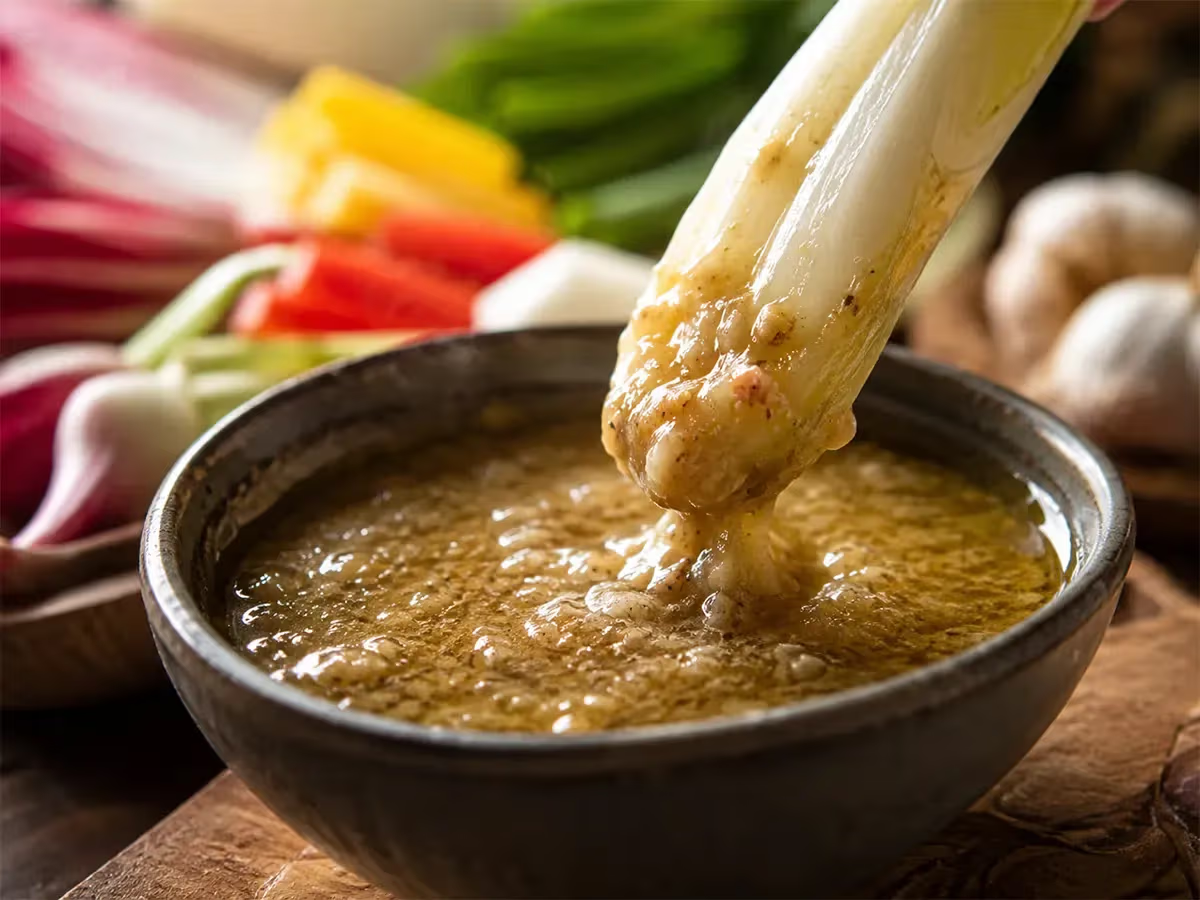
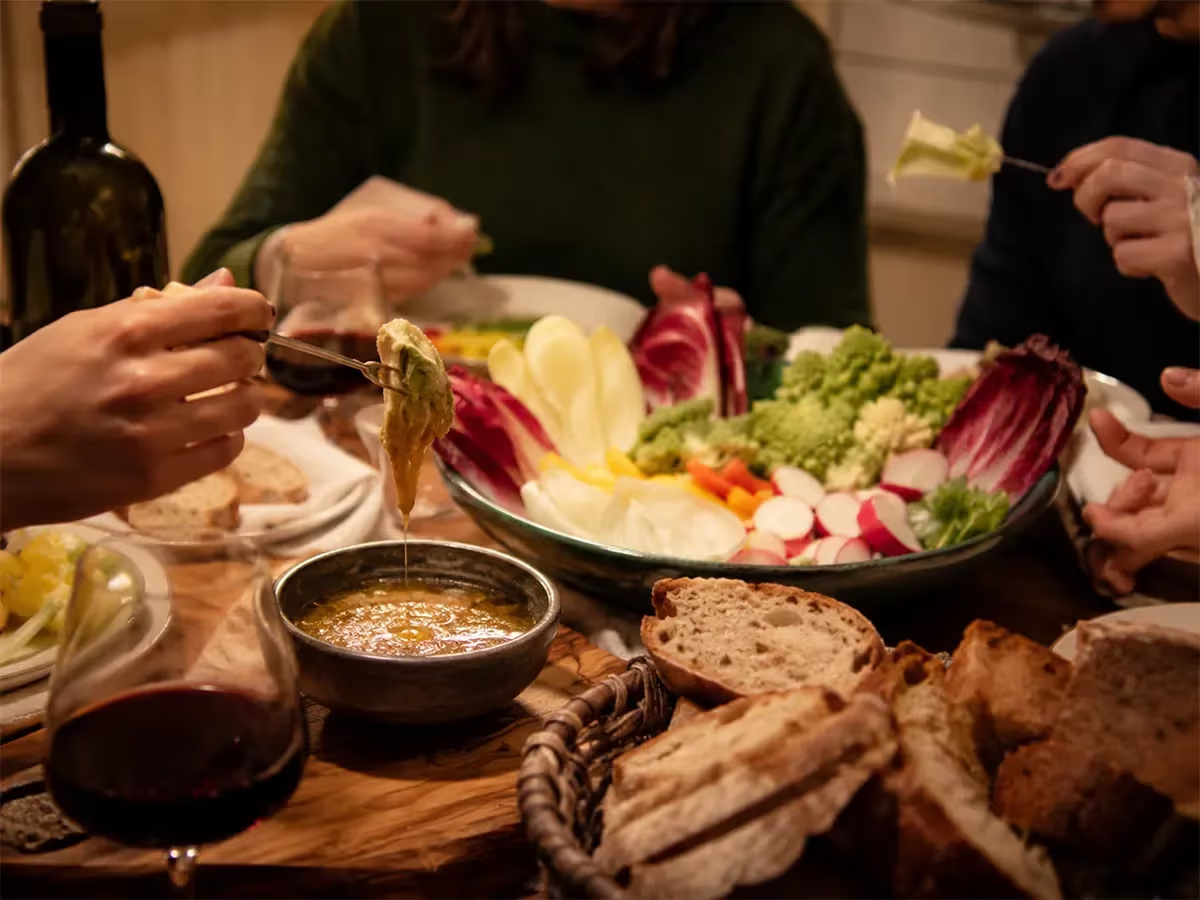
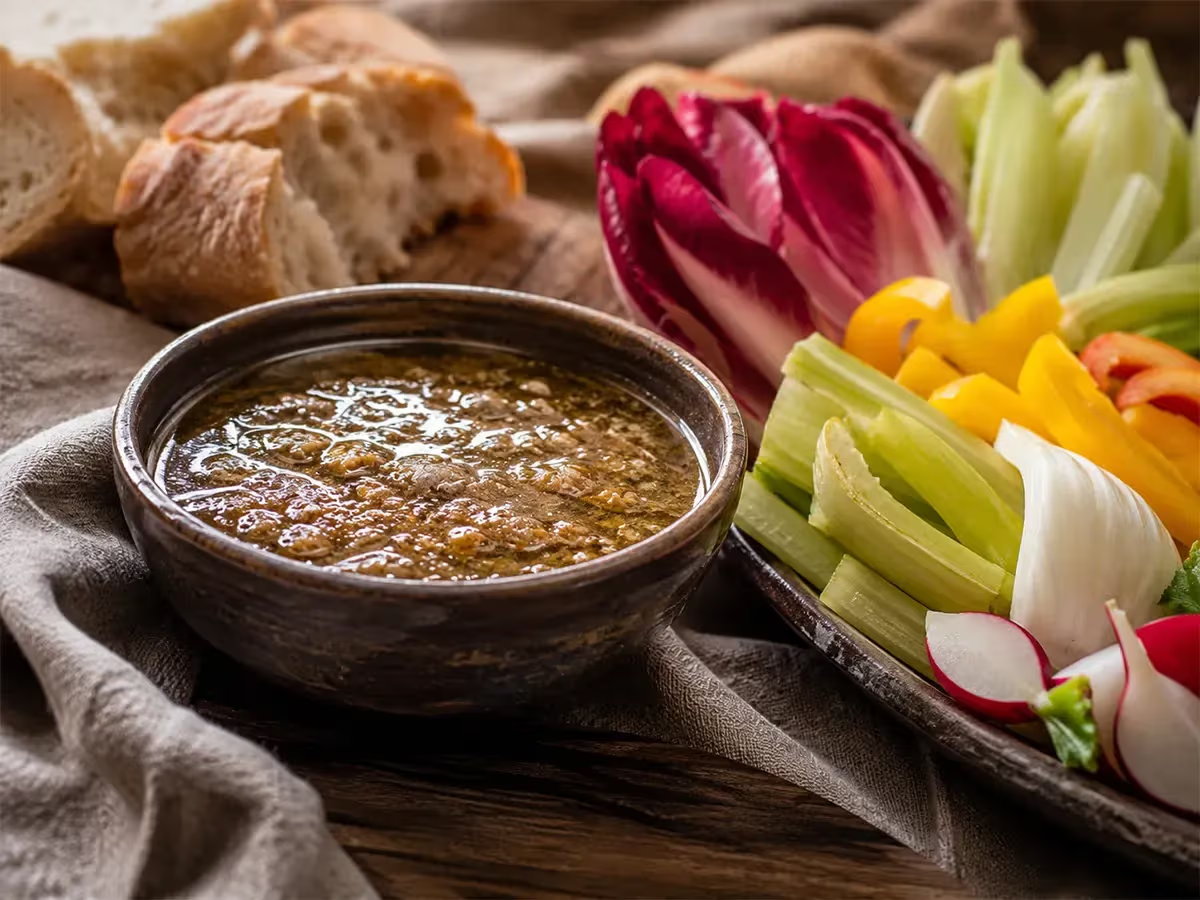
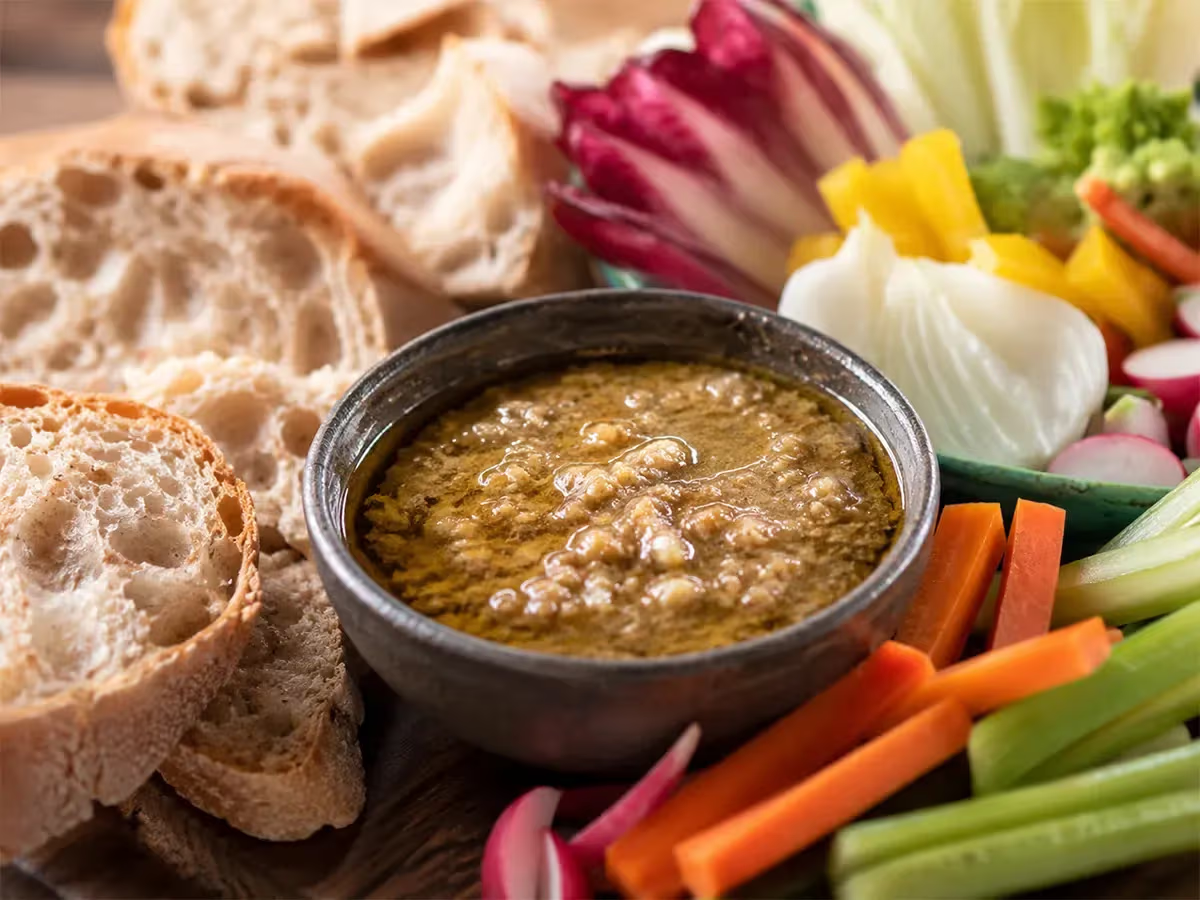
Bagna cauda is a hot sauce made with garlic and salt-cured anchovies, slowly cooked in extra virgin olive oil until it becomes a dense, fragrant and enveloping mixture. An emblematic dish of Piedmont, it is particularly widespread in the Langhe, Roero and Monferrato regions, where wine-making tradition and gastronomic heritage intertwine continuously across centuries. It is not simply a sauce: it is a collective ritual, a moment of sharing that repeats every autumn, after the harvest, when families and communities gather around the fire.
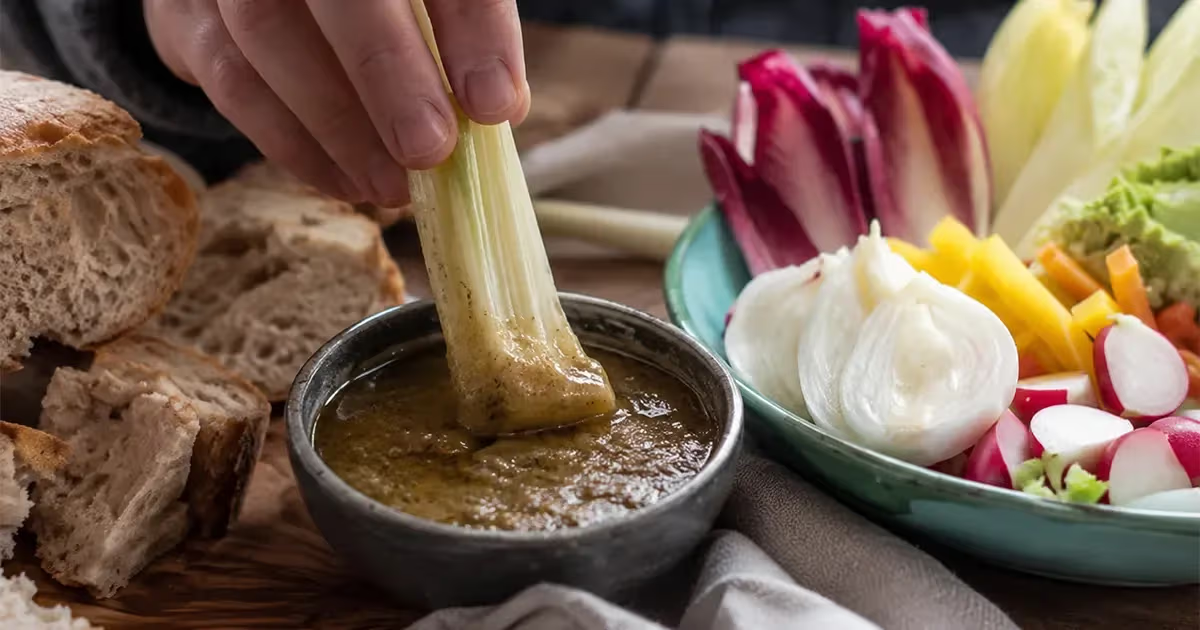
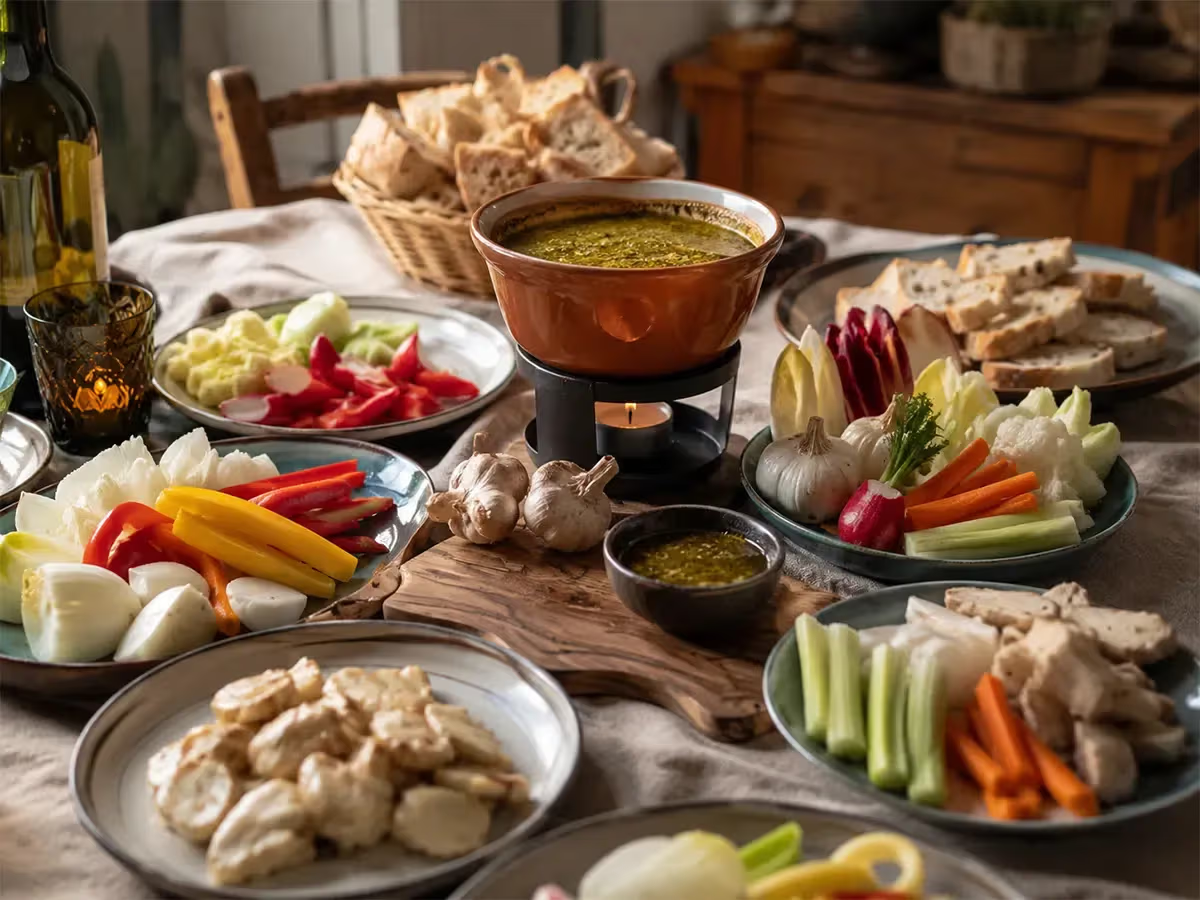
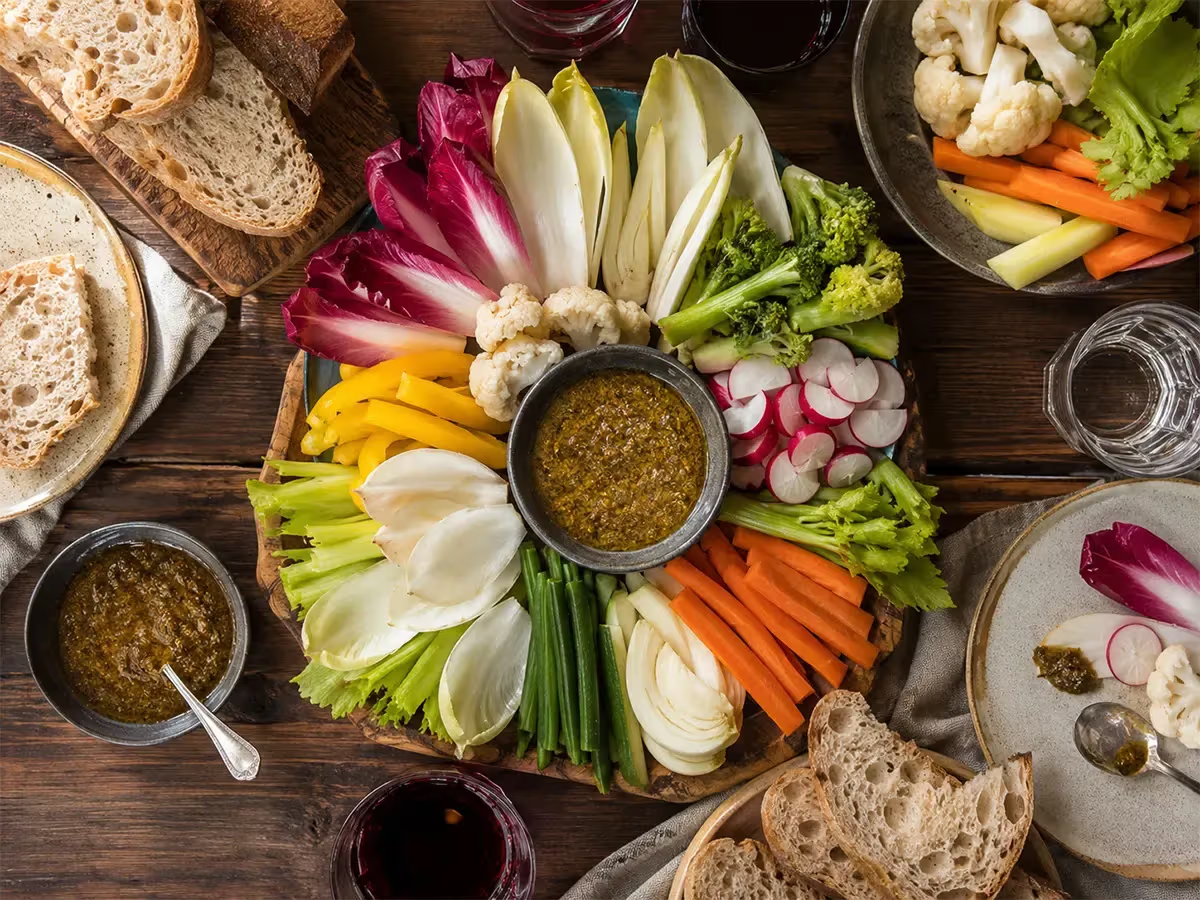
Consumption takes place in a direct and convivial manner. The sauce is brought to the table in the traditional "fujot", a small terracotta vessel with a flame underneath, and each diner dips seasonal vegetables into it: goblet thistles, peppers, fennel, celery, carrots, cauliflower, boiled potatoes. The flavor profile is decisive and persistent, with the saltiness of the anchovies blending with the sweetness of the garlic softened by prolonged cooking. The oil holds everything together, creating a dense but not heavy consistency. At table it is usually accompanied with Piedmontese red wines, rustic bread or slices of toasted polenta, which help to collect every trace from the fondue.
Bagna cauda has a solid body of tradition, but local variations are not lacking. In the different areas of Piemonte and in family kitchens, you find interpretations that modify above all the treatment of garlic and the structure of the sauce.
Bagna cauda, with its savory intensity and the assertive presence of garlic, requires wines with sufficient acidity and tannins to hold their own without overpowering the vegetables.
per serving
The roots of bagna cauda are found in the interweaving of Piedmontese rural culture and the ancient commercial routes that crossed the Alps. The salt-cured anchovies arrived in Piedmont along the so-called "salt routes," historical paths that connected the Ligurian ports, particularly Savona and Genoa, to the towns and countryside of the hinterland. Salt, a precious commodity, traveled together with anchovies preserved in barrels, and the "cavagnin," the traveling merchants specialized in this trade, were familiar figures in the markets of the Langhe and Monferrato already in the Middle Ages.
The first documented mention of bagna cauda dates back to the sixteenth century, in texts that describe the autumn banquets of rural Piedmont. The preparation was intimately tied to the end of the harvest: peasants would gather in the cellars to celebrate the vintage, warming themselves with this robust sauce accompanied by new wines. Over time the dish crossed social classes without losing its character as shared food. Today Bagna Cauda Day, a gastronomic event widespread throughout Piedmont every November, testifies to the vitality of this tradition and its ability to renew itself while remaining rooted in the territory.