
For the risotto
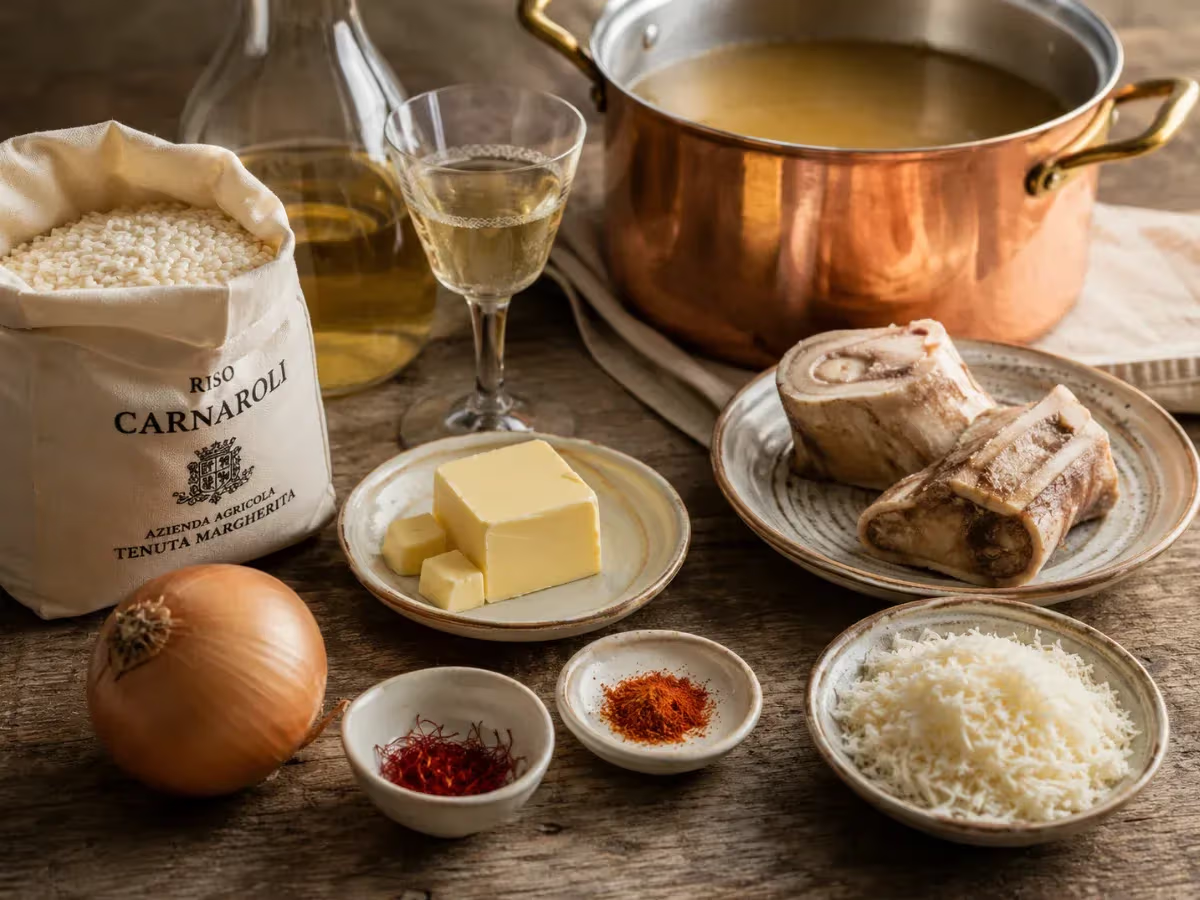
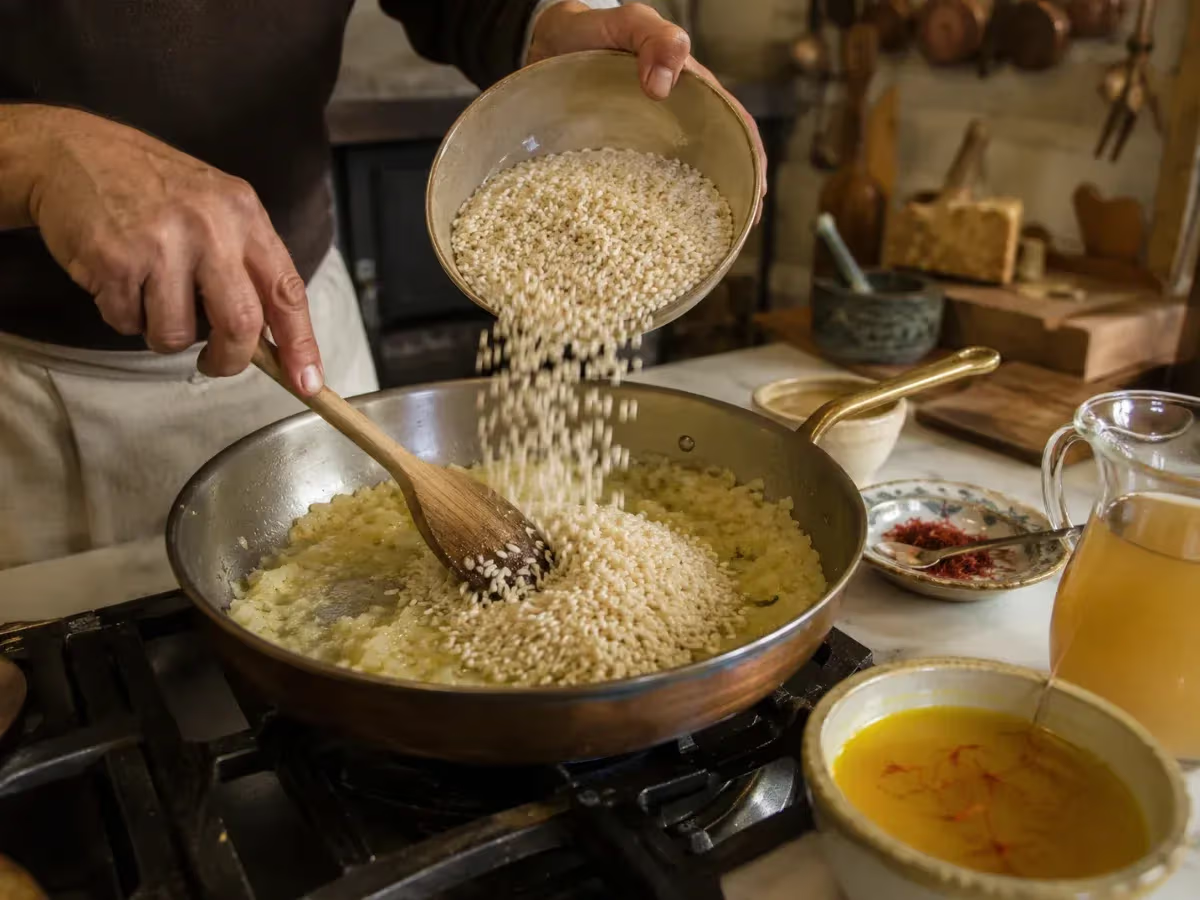
The choice of rice is decisive: Carnaroli, with its high starch content and superior cooking stability, is preferable to Vialone Nano for this preparation, because it guarantees creaminess without losing consistency.
Beef marrow, often omitted in modern versions, is instead a structural element of the original dish: it must be extracted from the bone at room temperature and added to the onion cold, so that it dissolves progressively without burning.
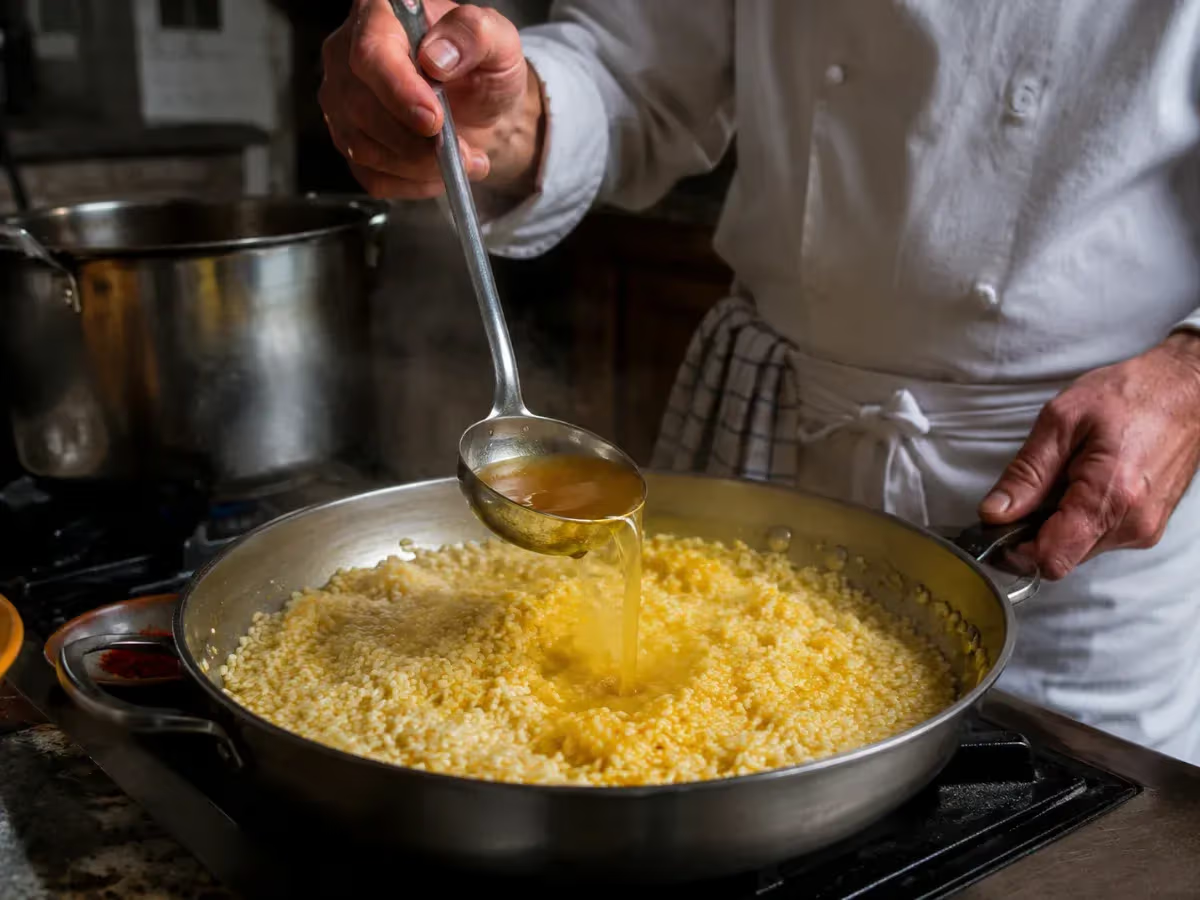
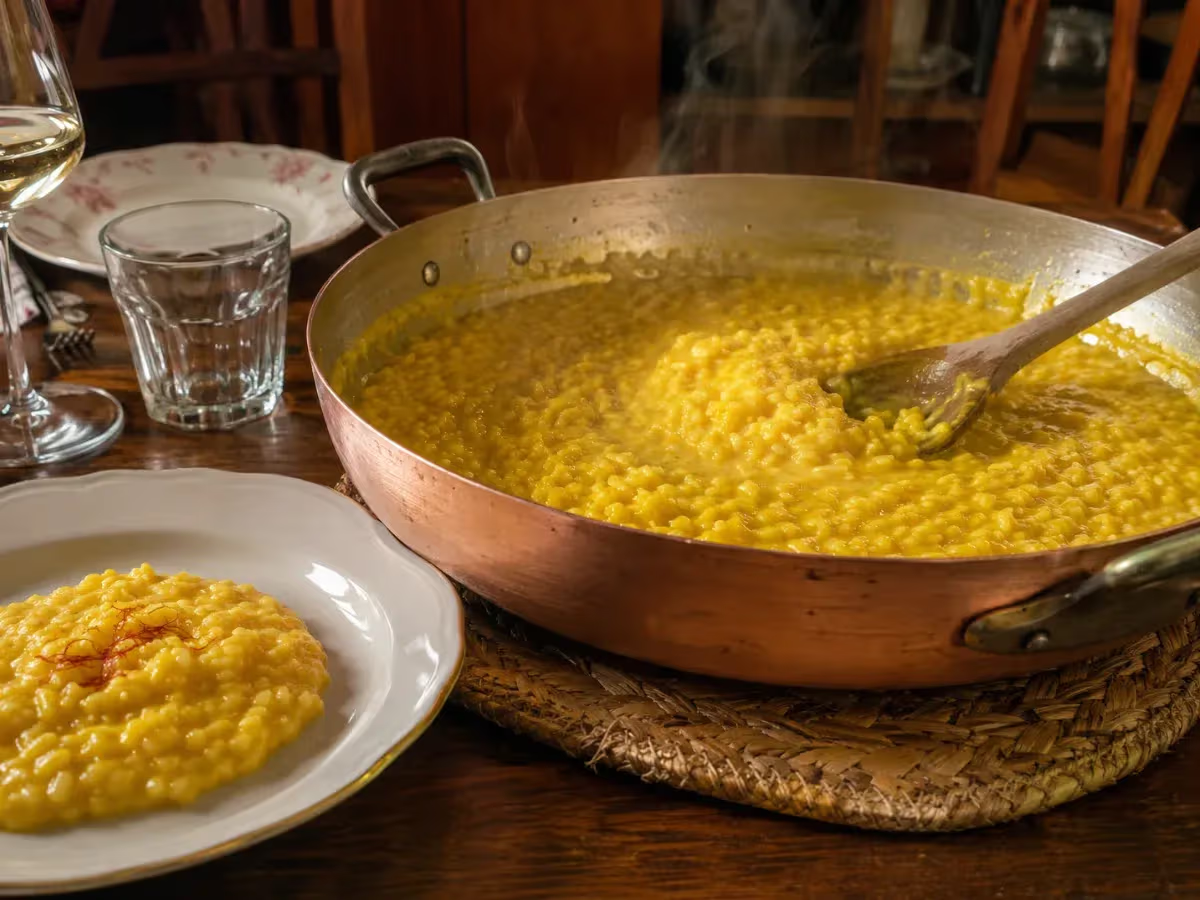
The broth must always be at a gentle boil when added to the rice. Cold broth lowers the temperature of the pan and blocks the gelatinization of the starches, compromising the final creaminess. Using a tin-lined copper pan or stainless steel with a thick bottom guarantees uniform heat distribution.
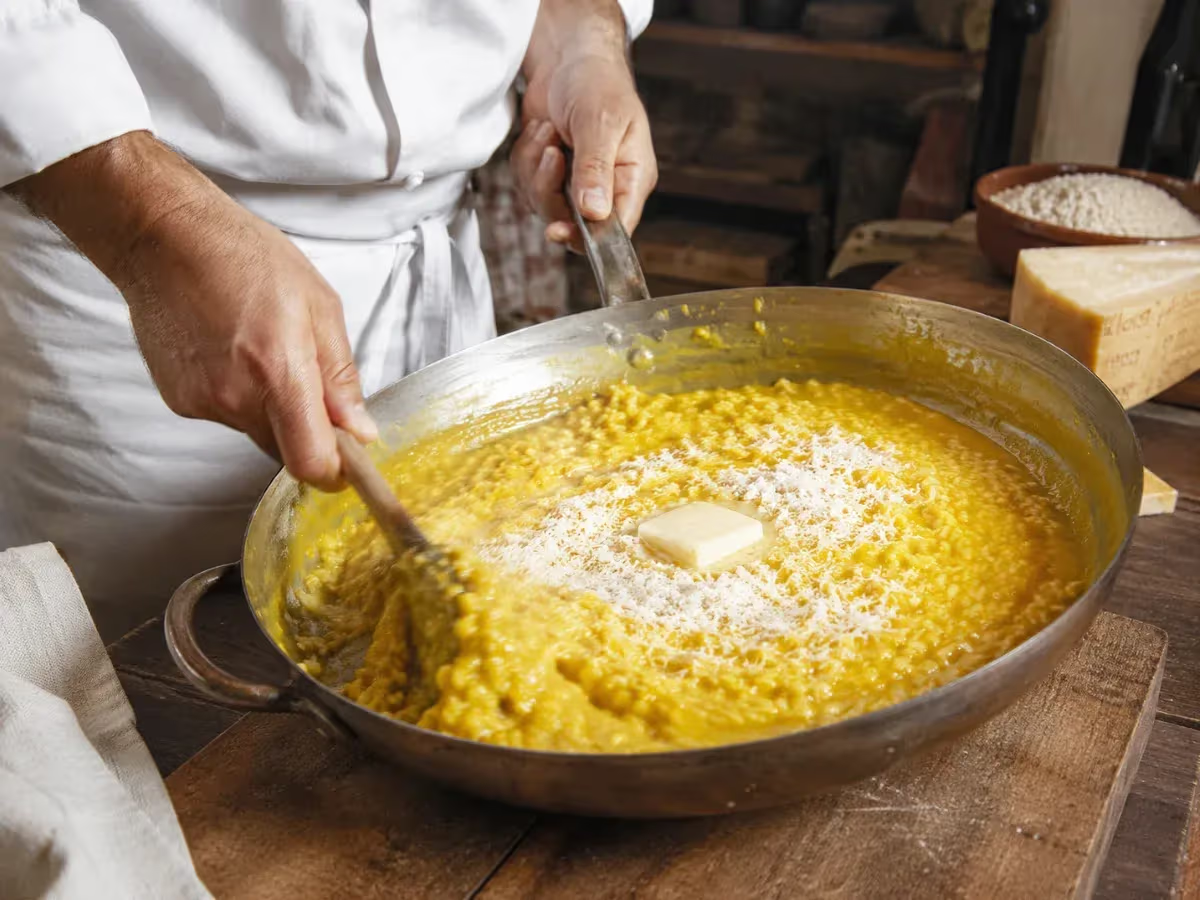
For the mantecatura, the butter must be cold from the refrigerator: the thermal shock facilitates emulsification. Avoid returning the risotto to the heat after the mantecatura. The wave forms only away from the heat, with a decisive wrist movement.
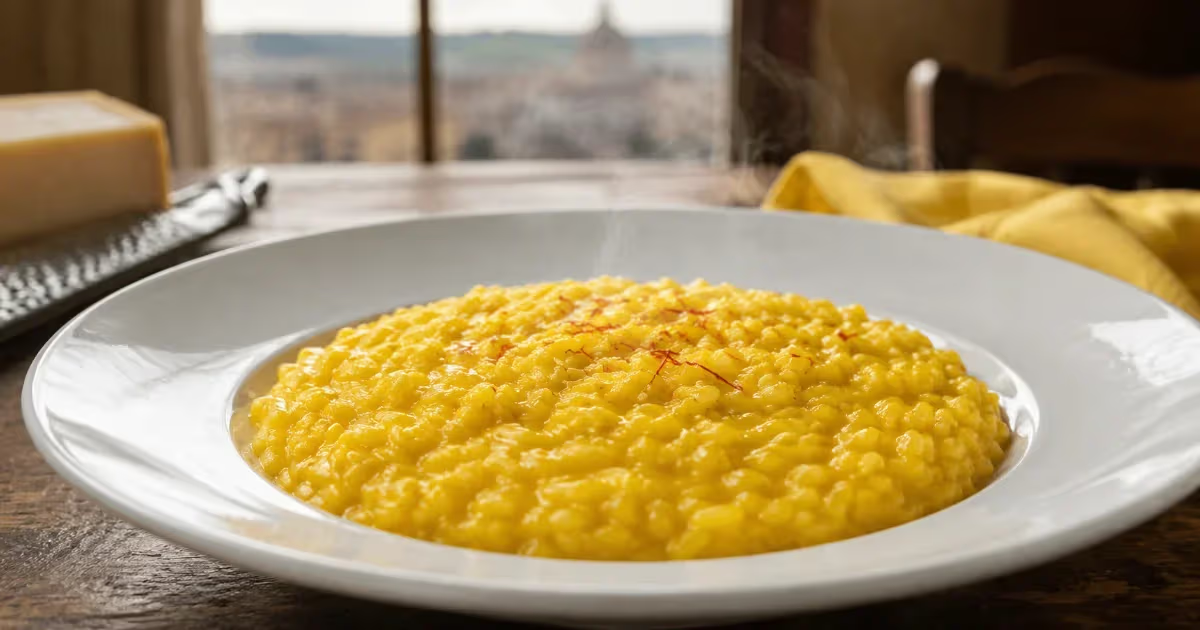
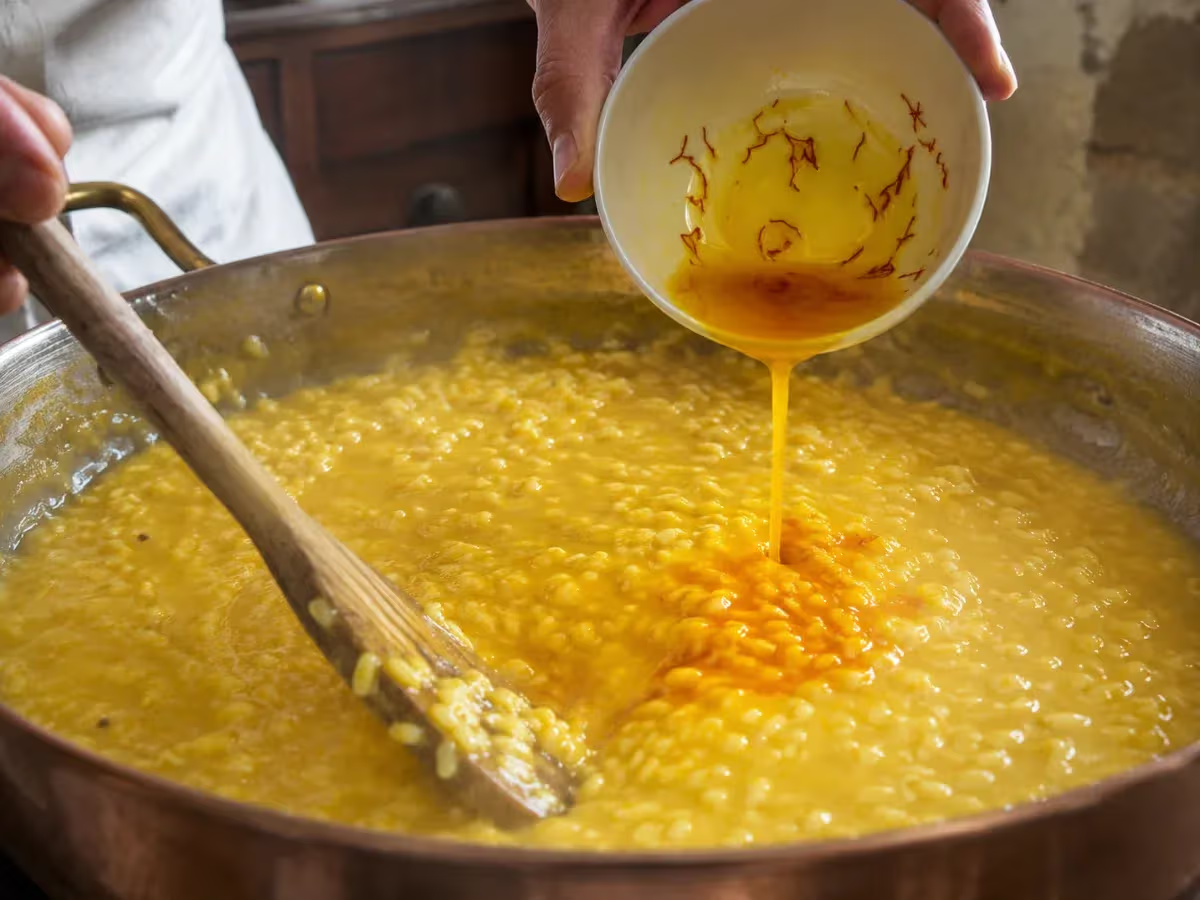
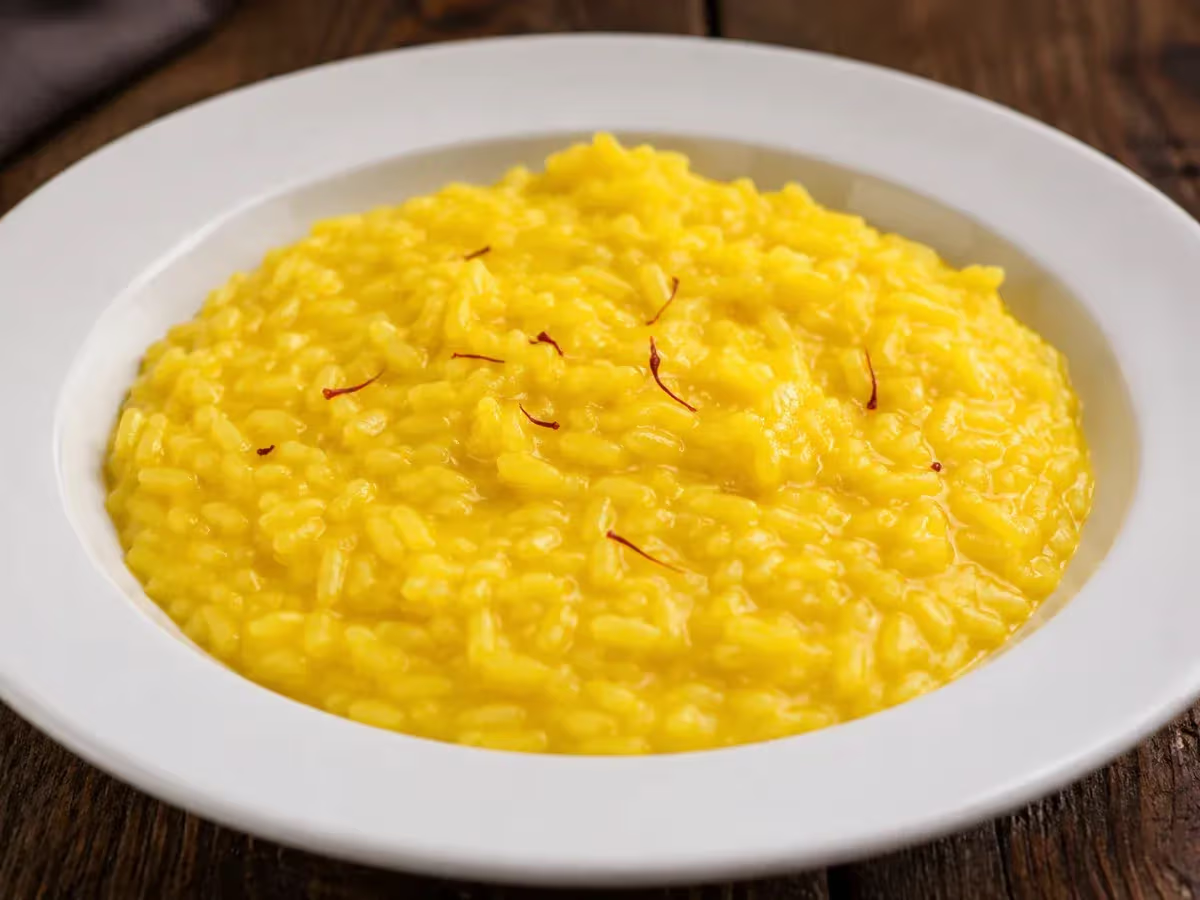
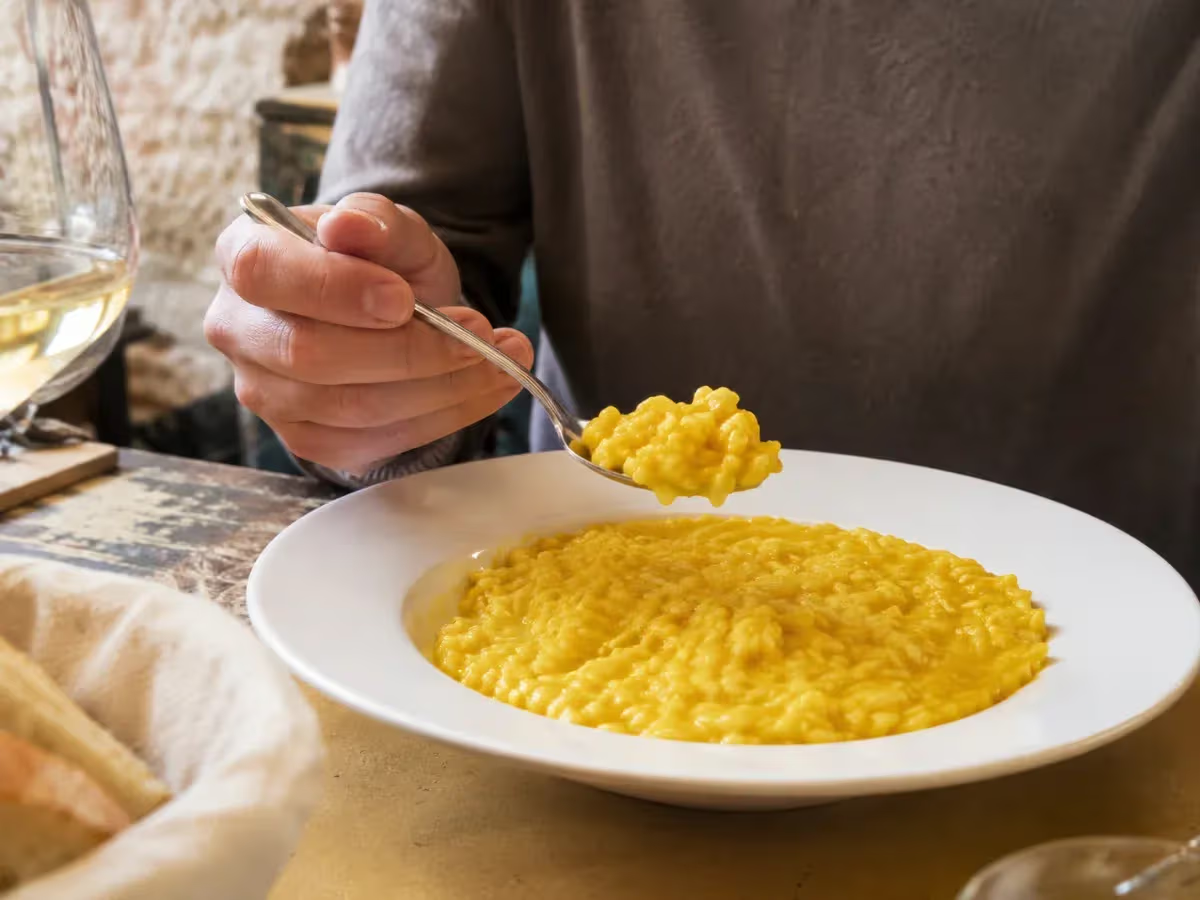
Risotto alla milanese is one of the most recognizable dishes of Lombard cuisine, linked to Milan with an almost geographical precision. Its golden yellow color, obtained from the infusion of saffron stigmas, makes it unmistakable among Italian risottos. The consistency is that of the wave, the result of careful mantecatura with butter and Parmigiano Reggiano that transforms the rice into something creamy without ever becoming heavy.
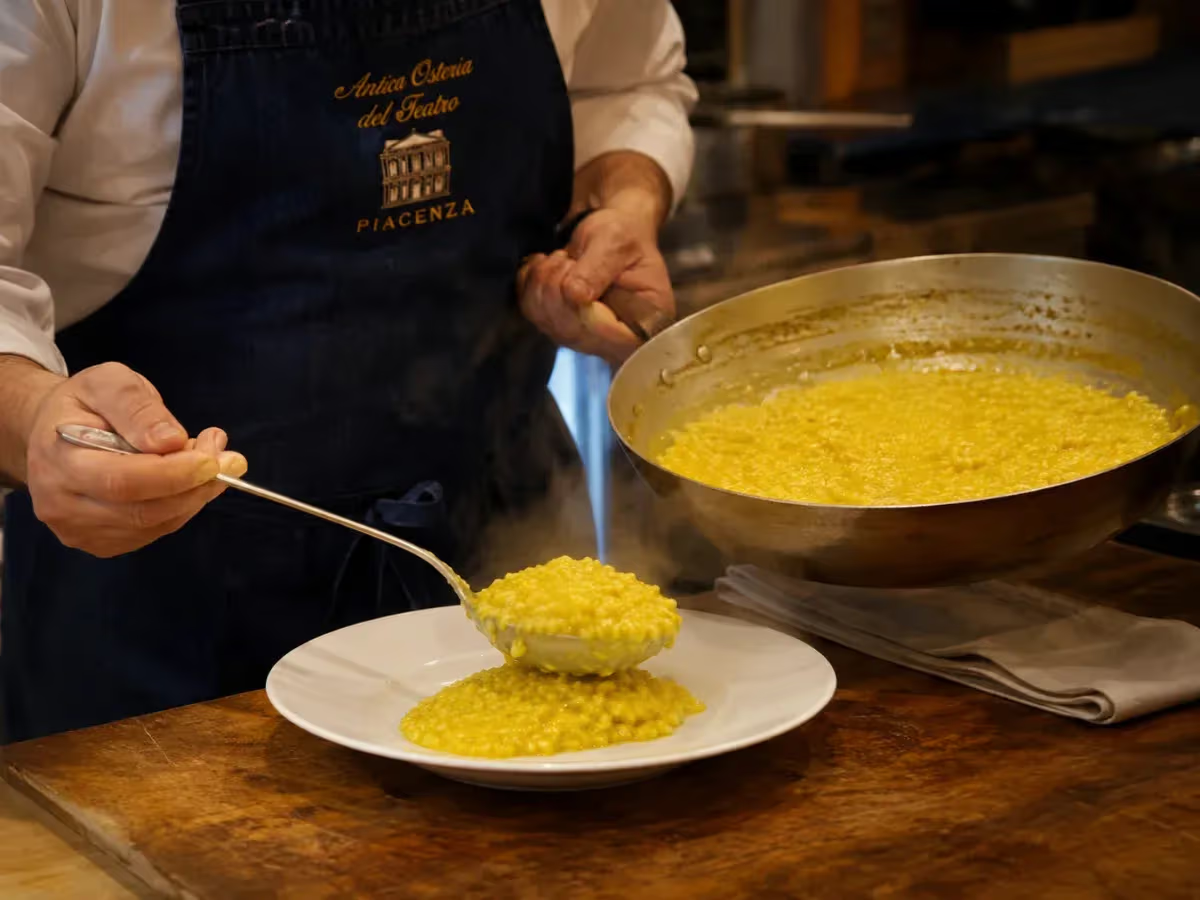
Born as a dish of the Milanese bourgeoisie, this preparation has traversed centuries of urban history without losing its identity. It is still found today in restaurants in the historic center of the city, but lives with equal dignity on the domestic tables of Lombard families, especially on feast days. The classic pairing with ossobuco, in the dish called "risotto e ossobuco", represents one of the most solid gastronomic marriages of the Northern Italian tradition. The flavor profile is rich but not cloying: the richness of the butter is balanced by the slightly bitter and aromatic note of saffron, while the meat broth gives depth to the whole. It is always served piping hot, just mantecato, because risotto alla milanese does not wait.
Risotto alla milanese has few codified variants, all within the Lombard tradition.
Risotto alla milanese, rich in fat and with the aromatic note of saffron, calls for structured white wines or moderate-bodied reds.
per serving
Saffron stigmas arrived in Milan through medieval commercial routes, brought by Flemish merchants who used them also as pigment for the glass of Gothic cathedrals. Legend has it that a master glassmaker of the Duomo, nicknamed Zafferano for the habit of adding the spice to his colors, jokingly mixed the stigmas into a risotto during his daughter's wedding, in 1574. The story is probably apocryphal, but it documents an ancient bond between the spice and the city.
The first written recipe traceable to risotto giallo milanese appears in the "Cuoco moderno" of the late eighteenth century, but it is during the nineteenth century that the dish consolidates its bourgeois identity, becoming a symbol of cultured and urban Milanese cuisine, distinct from the peasant dishes of the Lombardy countryside. The beef marrow, an ingredient today often overlooked, testifies to the origin of the dish in a cuisine that wastes nothing of the working ox, the central animal in Paduan agricultural economy.