
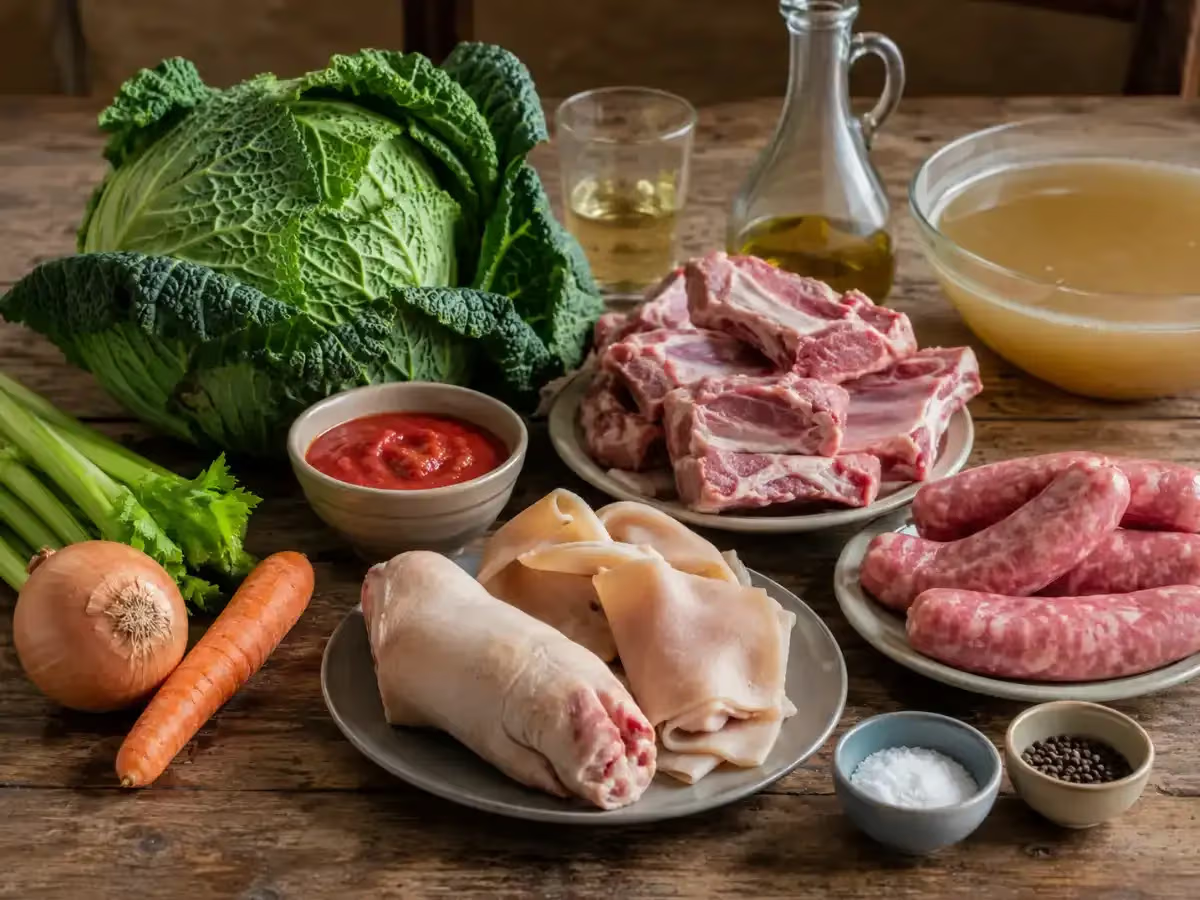
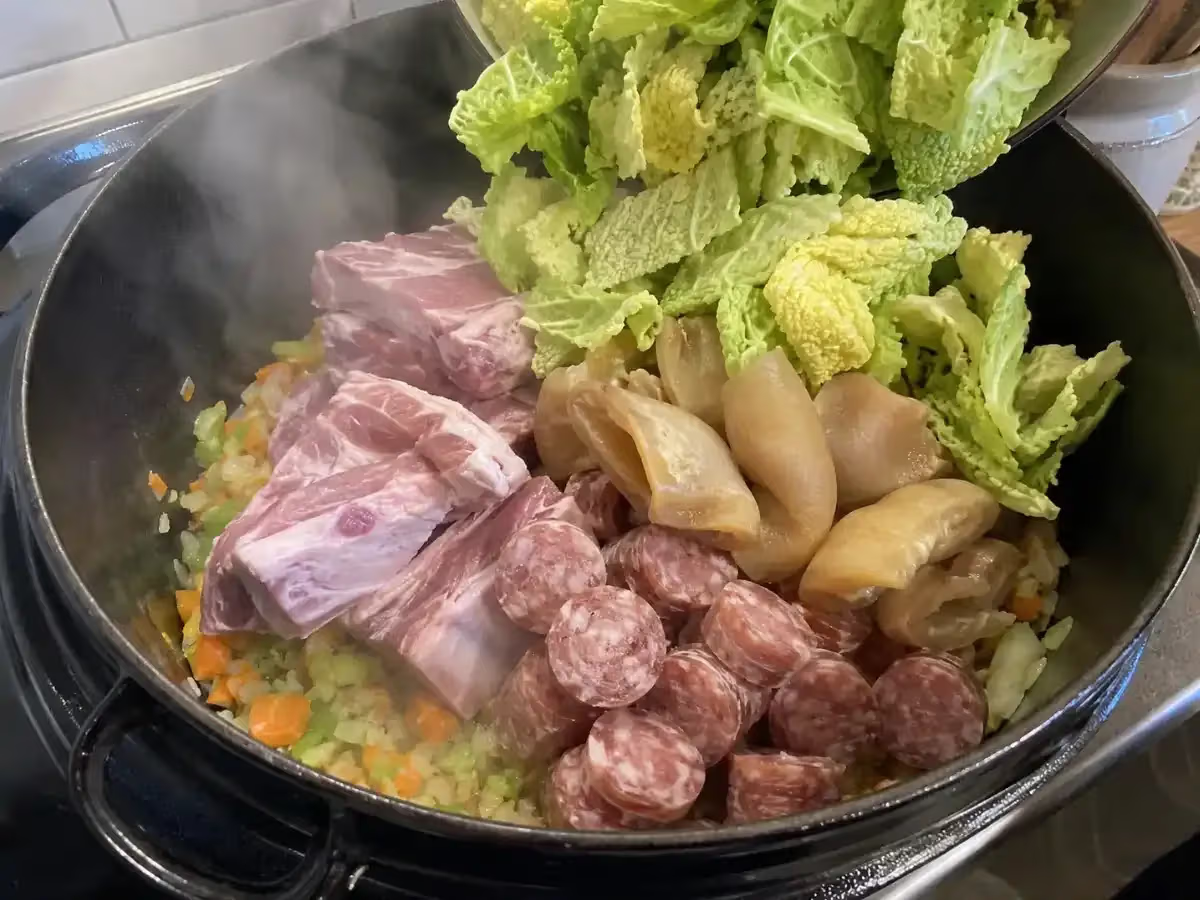
For the meat and vegetables
For the accompanying polenta
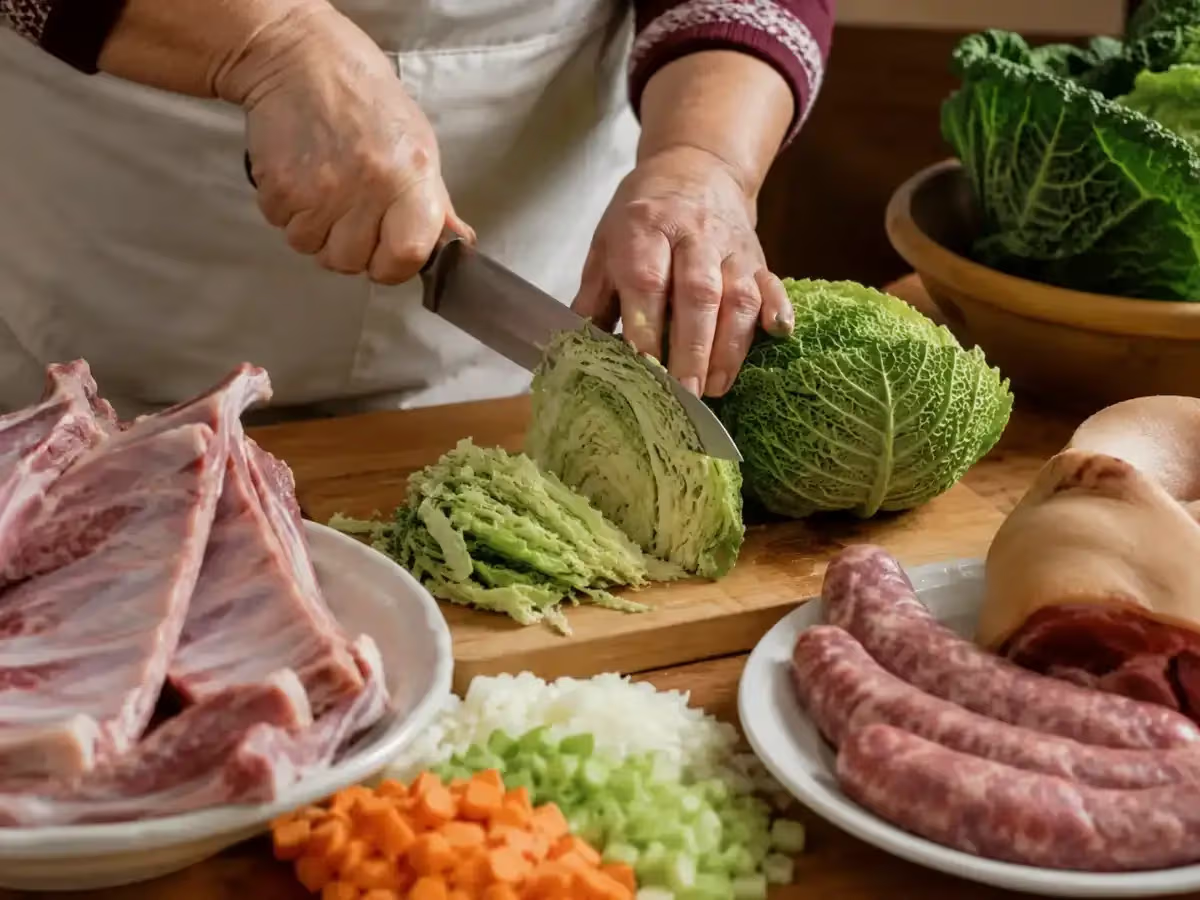
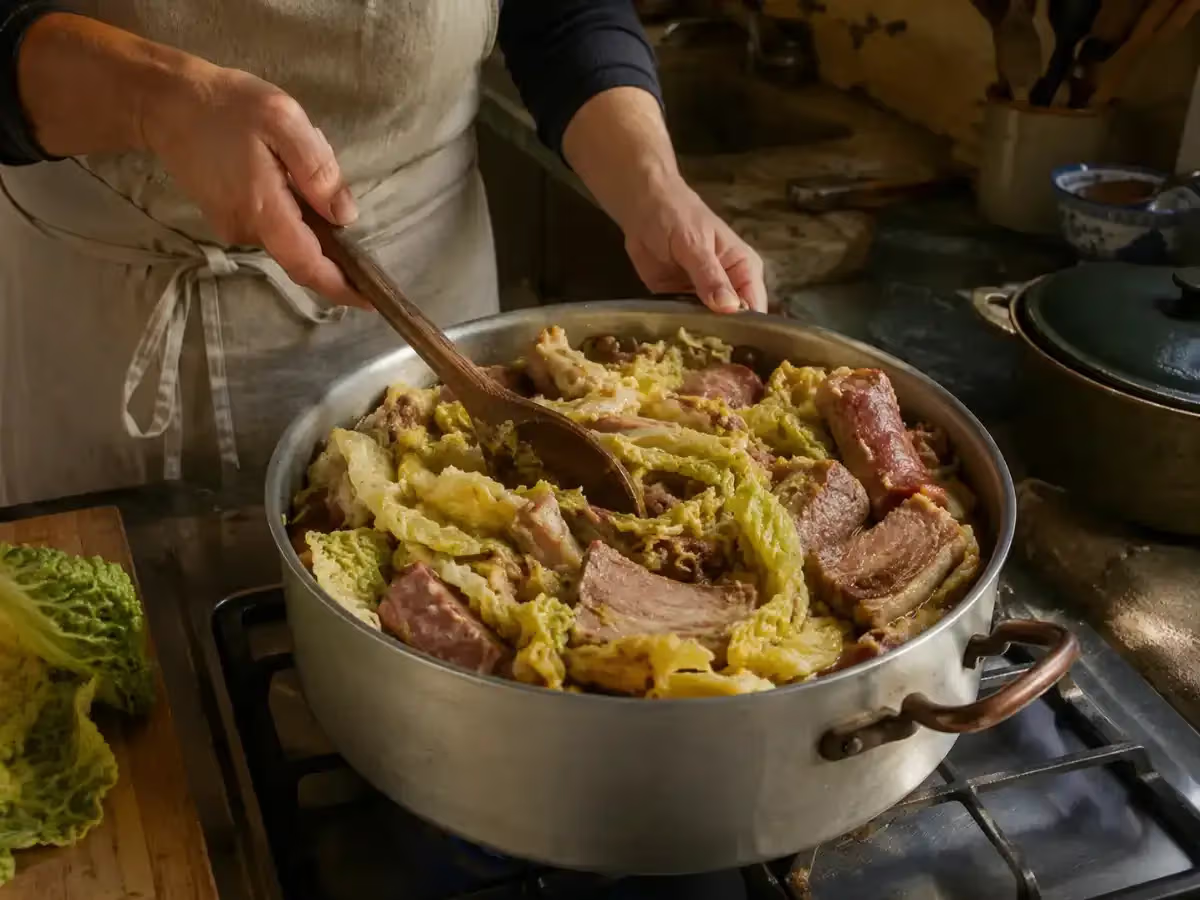
The success of cassoeula depends largely on the quality of the cabbage: it must be winter cabbage, harvested after the first frosts, with dense leaves and dark green jagged edges. Summer cabbage or greenhouse-grown cabbage does not develop the same sweetness and releases too much water during cooking, making the base watery rather than dense.
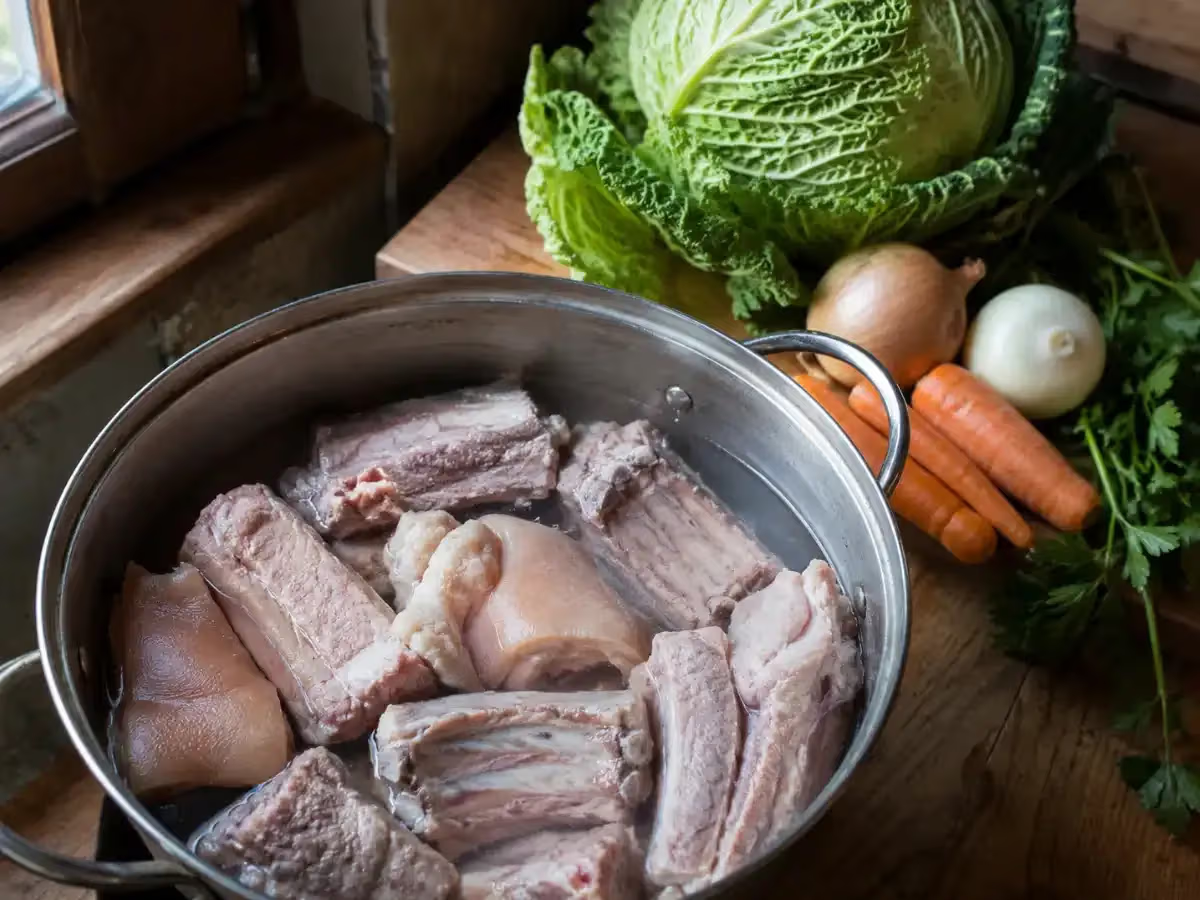
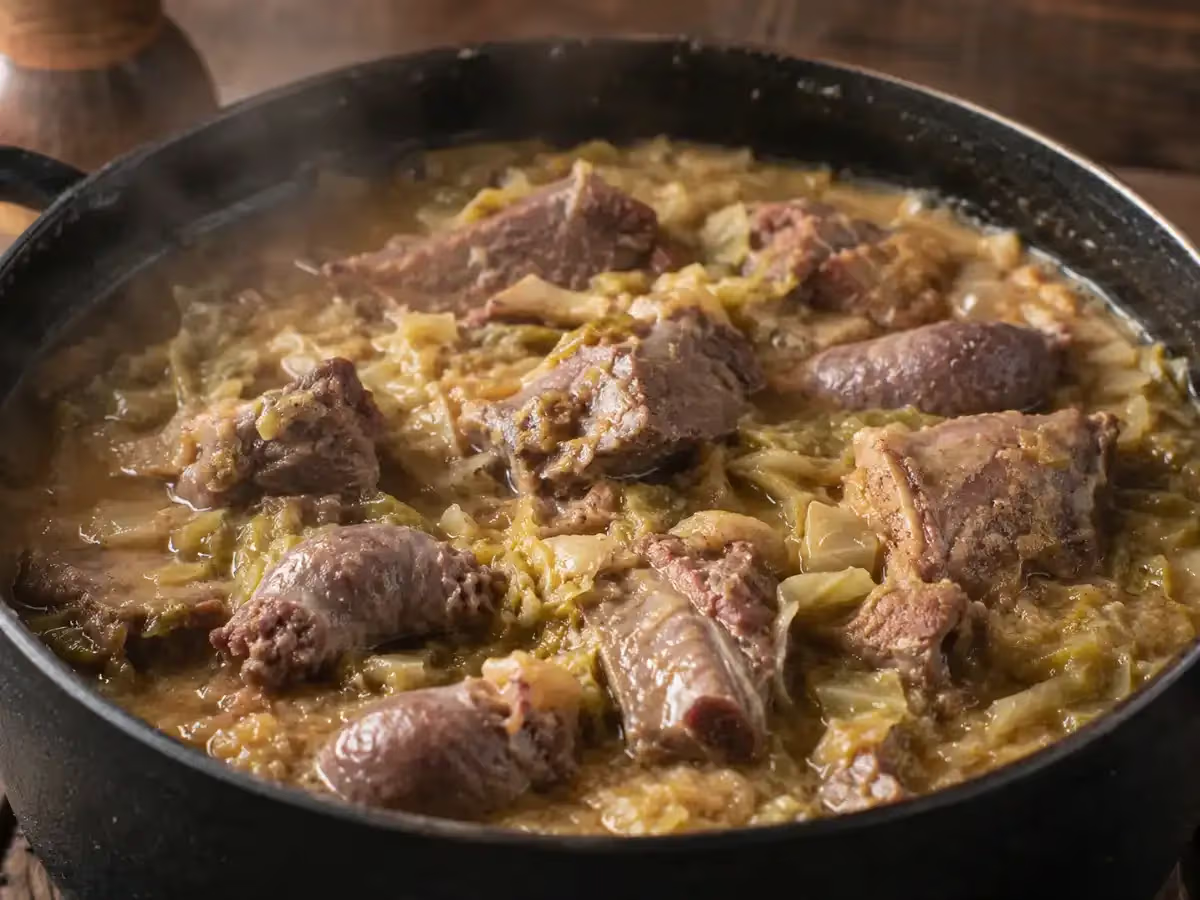
The rind must be treated with care: after the initial blanching, remove excess subcutaneous fat with a sharp knife but leave a thin layer, essential for giving body to the base. The ideal pot is enamelled cast iron or terracotta, both ensure uniform heat distribution and controlled evaporation. Adjusting the lid leaving a slight gap in the last twenty minutes promotes reduction of the base without burning it. The dish improves noticeably the next day, when the fat risen to the surface can be partially removed when cold before reheating: warm slowly with a spoonful of broth, without raising the flame too high.
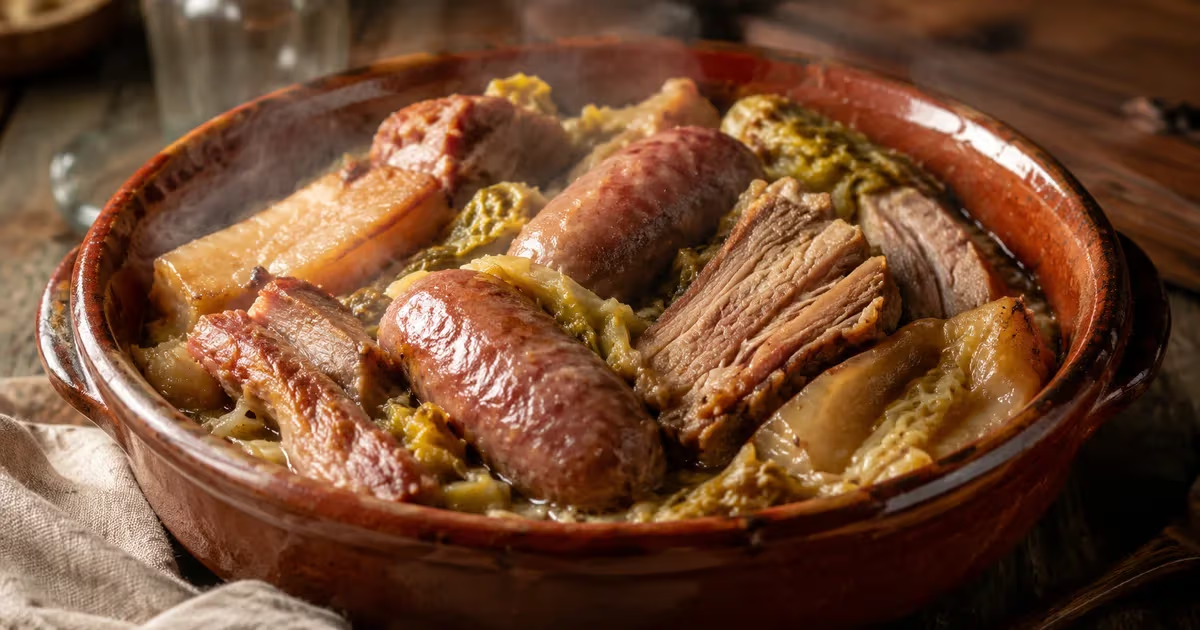
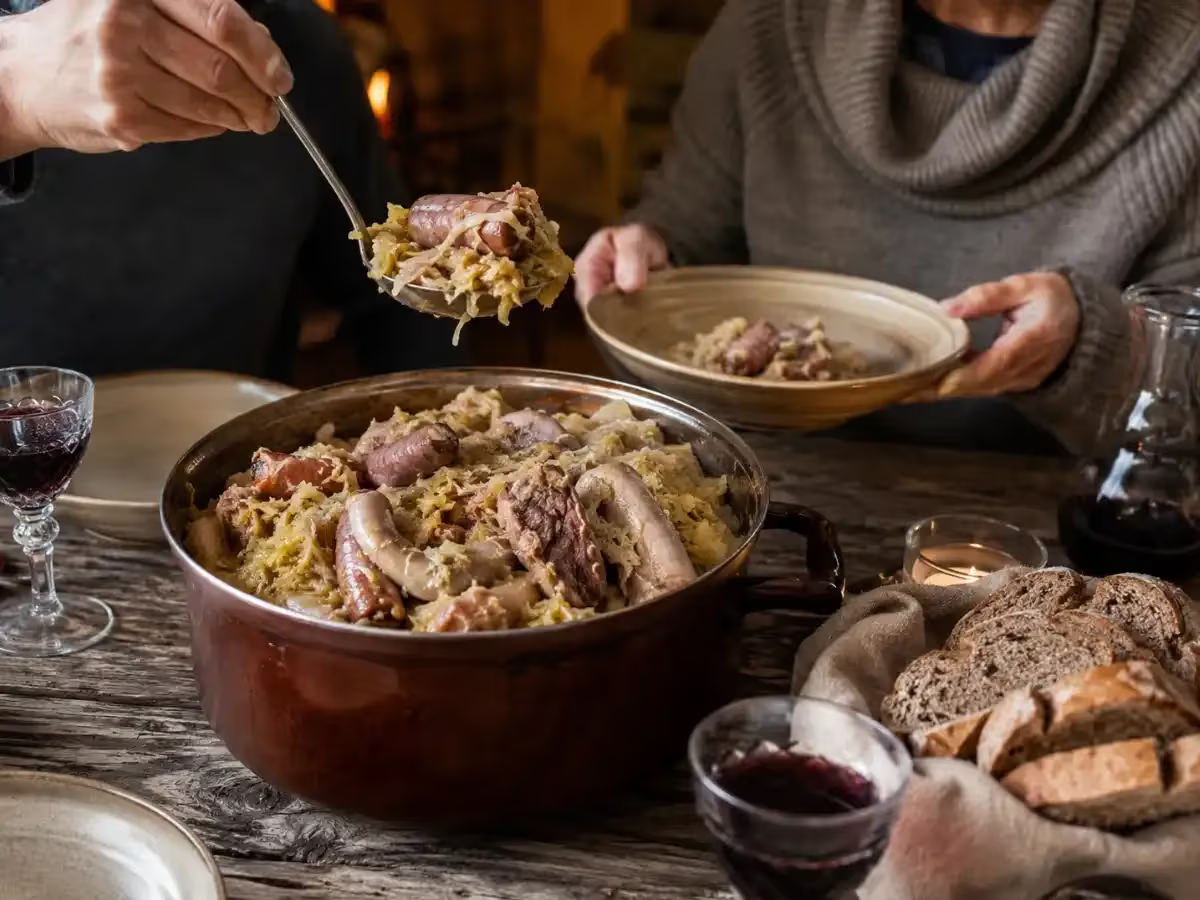
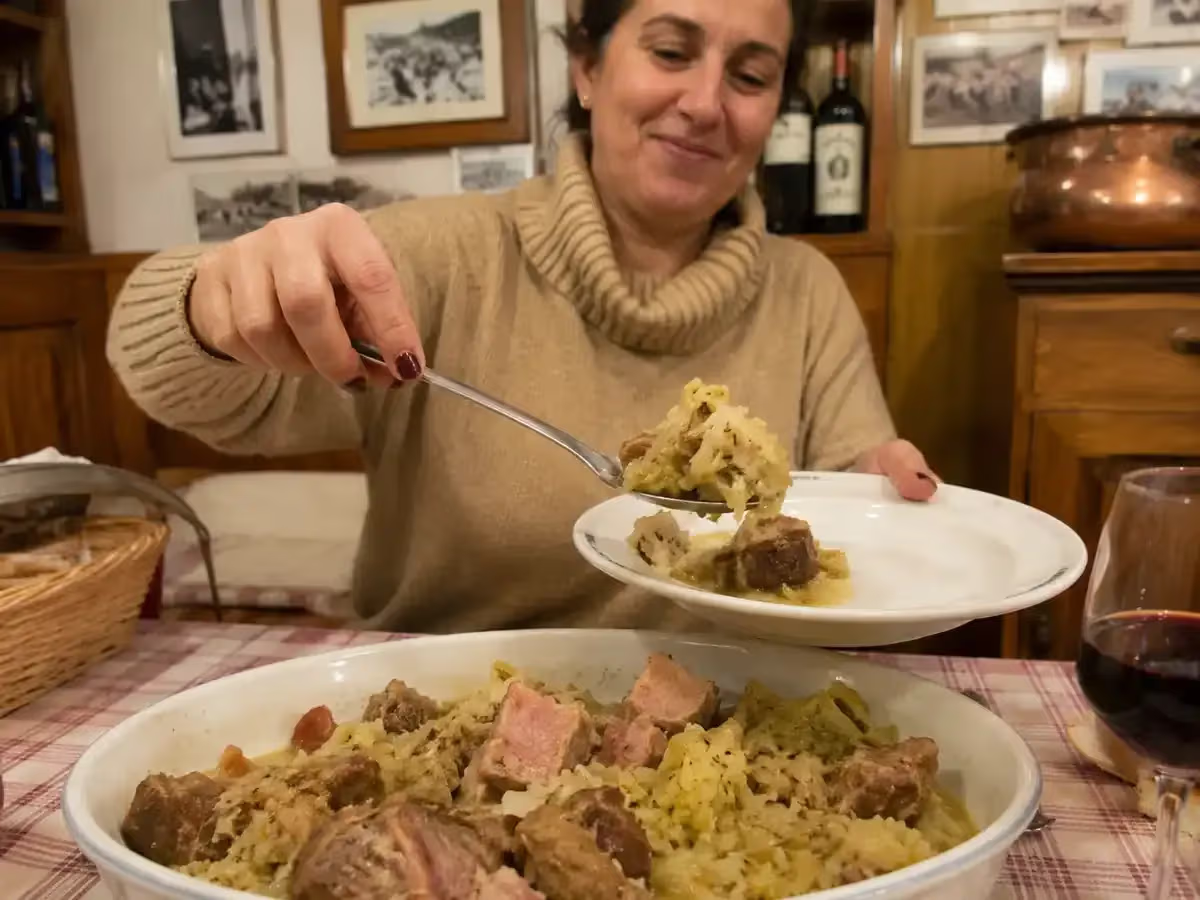
Cassoeula is one of the dishes most deeply rooted in Lombard culinary memory, born in the cold months as a concrete response to the necessity of wasting nothing from pigs slaughtered in winter. It is a generous stew that brings together in the same pot the less noble parts of pork, the ribs, the rind, the trotters and the leafy greens, together with winter cabbage which, touched by frost, acquires a particular sweetness and tenderness. The result is a dense, fragrant dish, with an intense and enveloping flavor, where the fattiness of the pork is tempered by the bitter vegetable quality of the cabbage until reaching a balance that is anything but accidental.
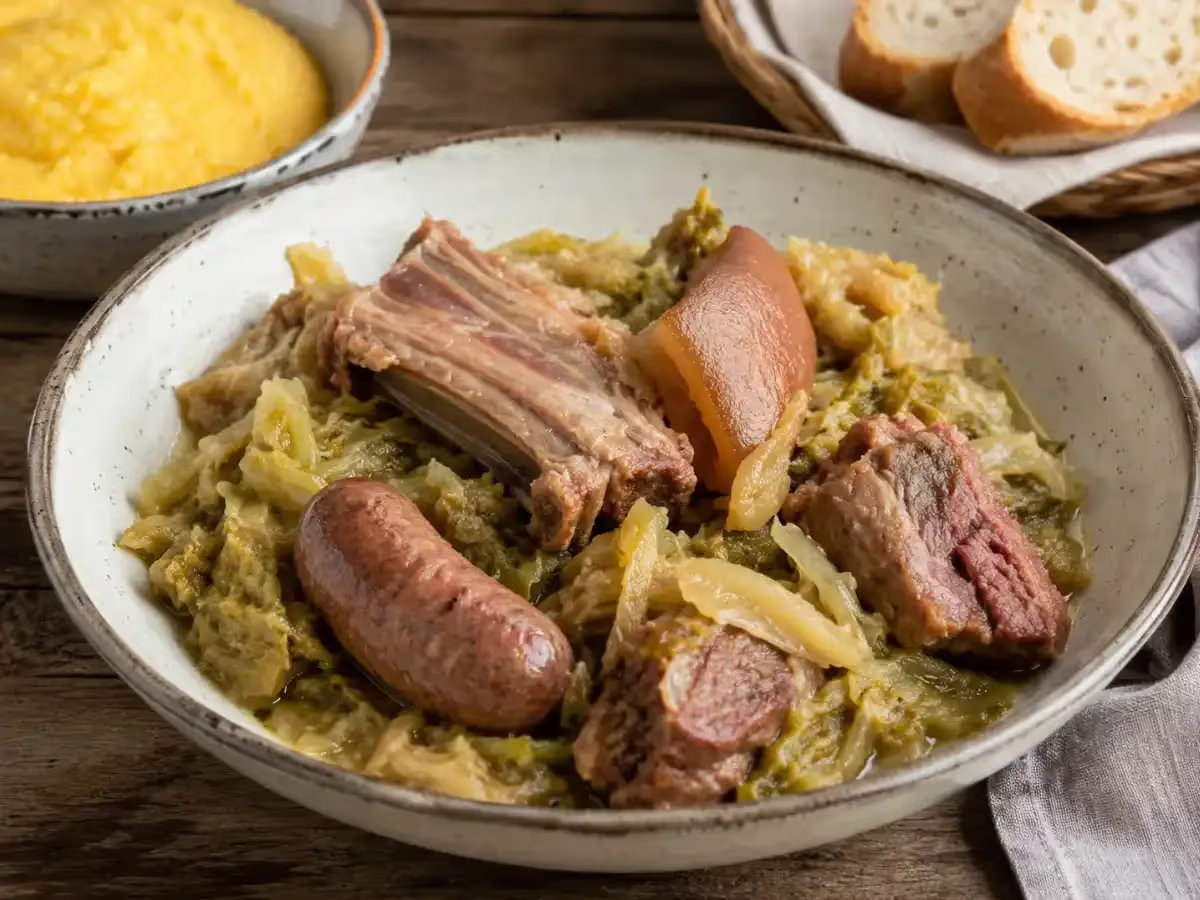
Born as food for the poor in the farmhouses of Lower Lombardy and the outskirts of Milan, cassoeula has become over time a collective ritual, consumed in neighborhood taverns on the Monday following the feast of Sant'Antonio Abate, January 17th, the traditional day of pig slaughter. Today it remains a dish for shared winter tables, to be prepared in abundant quantities and enjoyed the day after, when the flavors have further blended together. It is served almost always with polenta gialla made from bramata corn, which absorbs the cooking liquid and completes the dish in a natural way.
The cassoeula has significant variations even within the same Lombard territory, linked to farmstead traditions and local availability.
Cassoeula, with its fatty structure and intense flavor of braised pork and cabbage, calls for beverages capable of standing up to the dish without masking its complexity.
per serving
In the farmhouses of the Lower Lombardy region, January has marked for centuries a precise ritual: the slaughtering of pigs, a collective event that involved entire families and marked the food supply for winter. Cassoeula is born from that logic of zero waste, gathering the parts that butcher shops could not easily sell, rinds, trotters, ribs, scraps, and cooking them slowly with cabbage harvested after December frosts.
The name probably recalls the cooking vessel, the casserole, although some nineteenth-century sources cite it as "bottaggio," a term of French descent that indicates a stew of mixed meat. The connection with the feast of Sant'Antonio Abate on January 17th is not accidental: on that day it was tradition that pigs would be blessed and often slaughtered, making cassoeula the natural dish for the following Monday in Milanese taverns.
In the twentieth century the dish passed through neighborhood trattorias, becoming a symbol of working-class conviviality in the expanding suburbs of Milan. Resisting gastronomic fashions, it has remained substantially unchanged, a fact that says something about the solidity of its internal logic.