
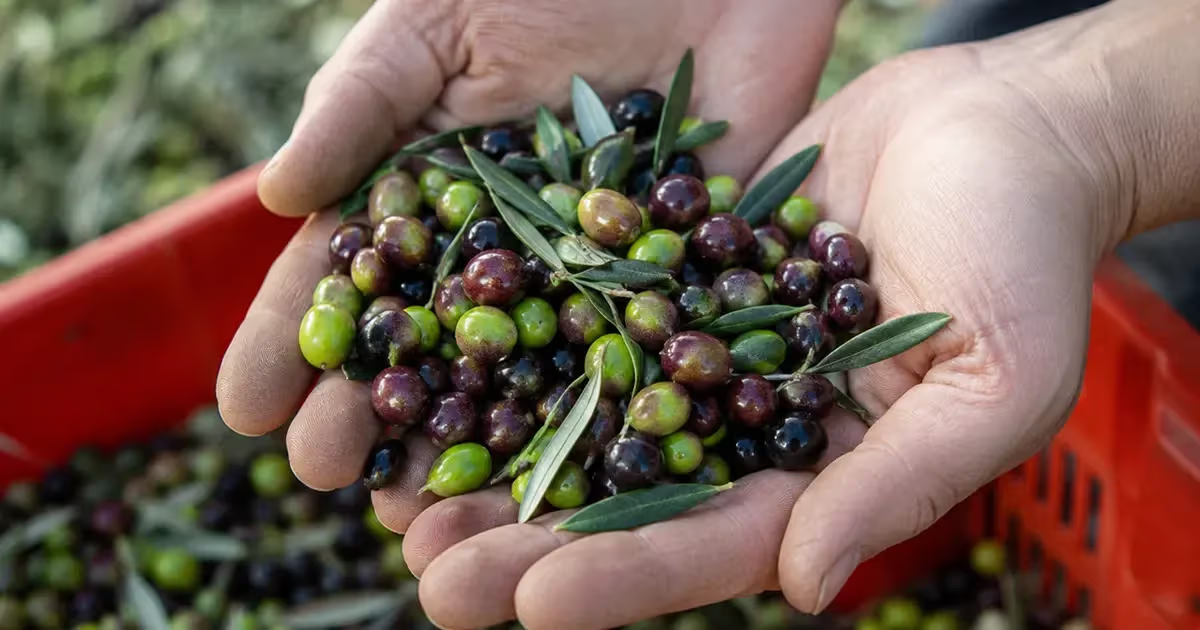
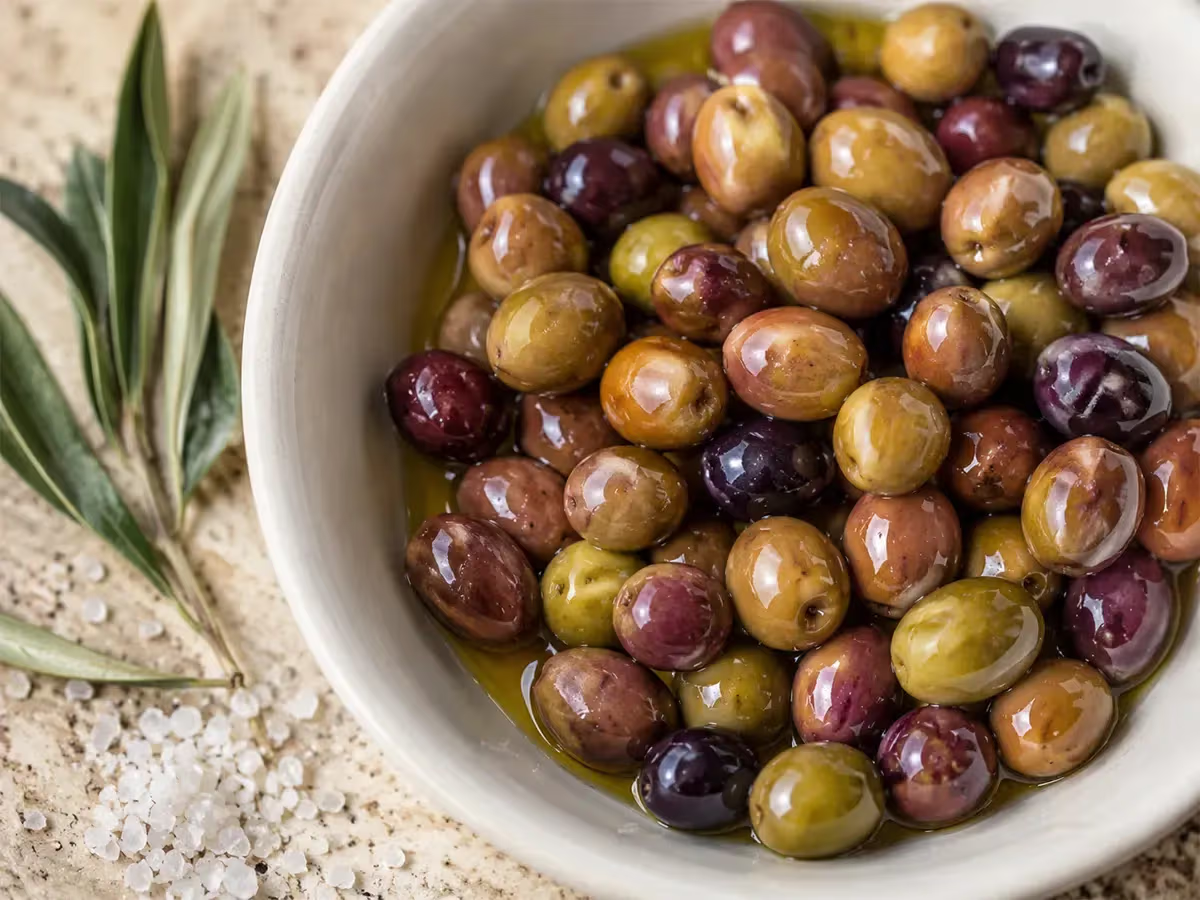
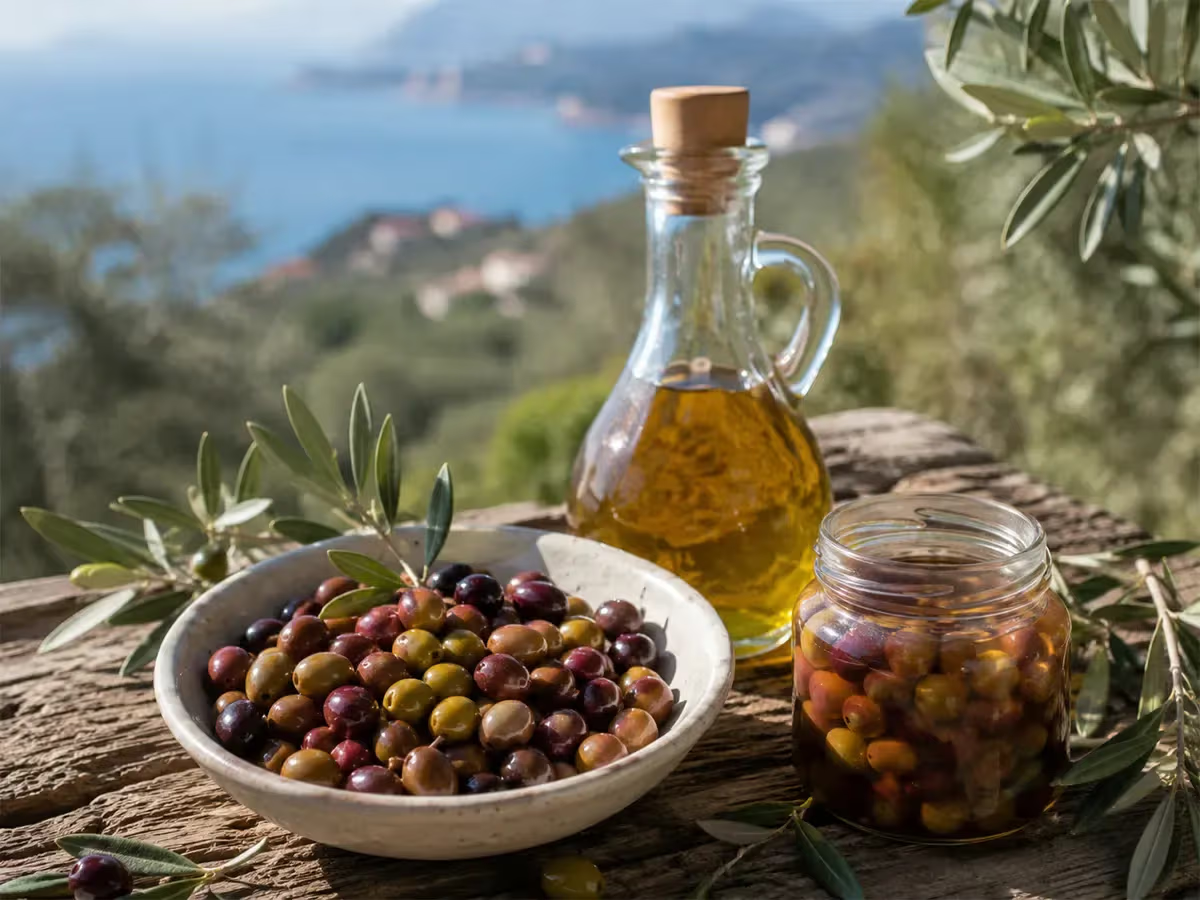
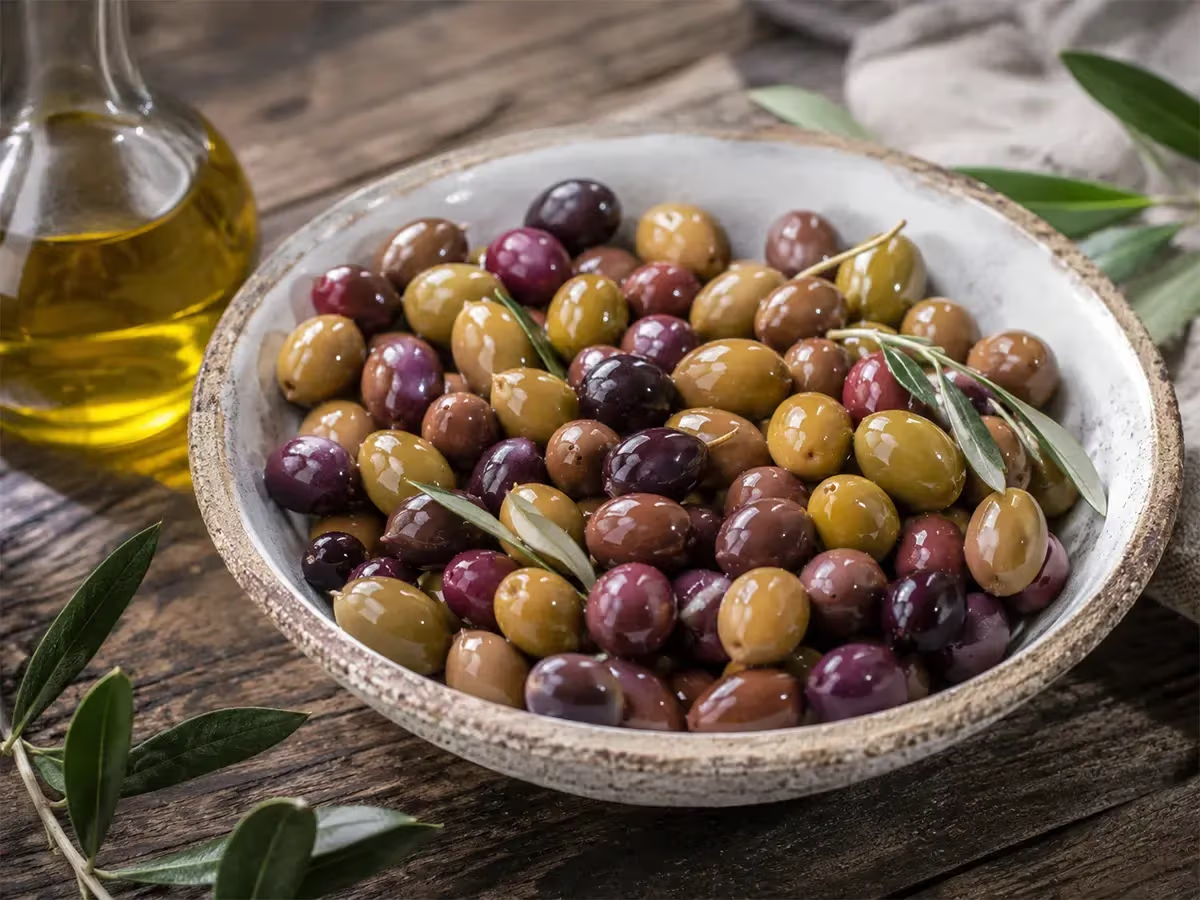
Taggiasca olives IGP are among the most representative olive varieties in Liguria, cultivated mainly in the inland areas and coastal strip of the Imperia province. Small, oval-shaped and with thin skin, they mature shifting from intense green to dark purple to black, with tender flesh and high oil content. The aroma is delicate, fruity, with floral notes; the flavor is sweet, almost devoid of bitterness, with a slight almond note that distinctly sets them apart from olives of other origins.
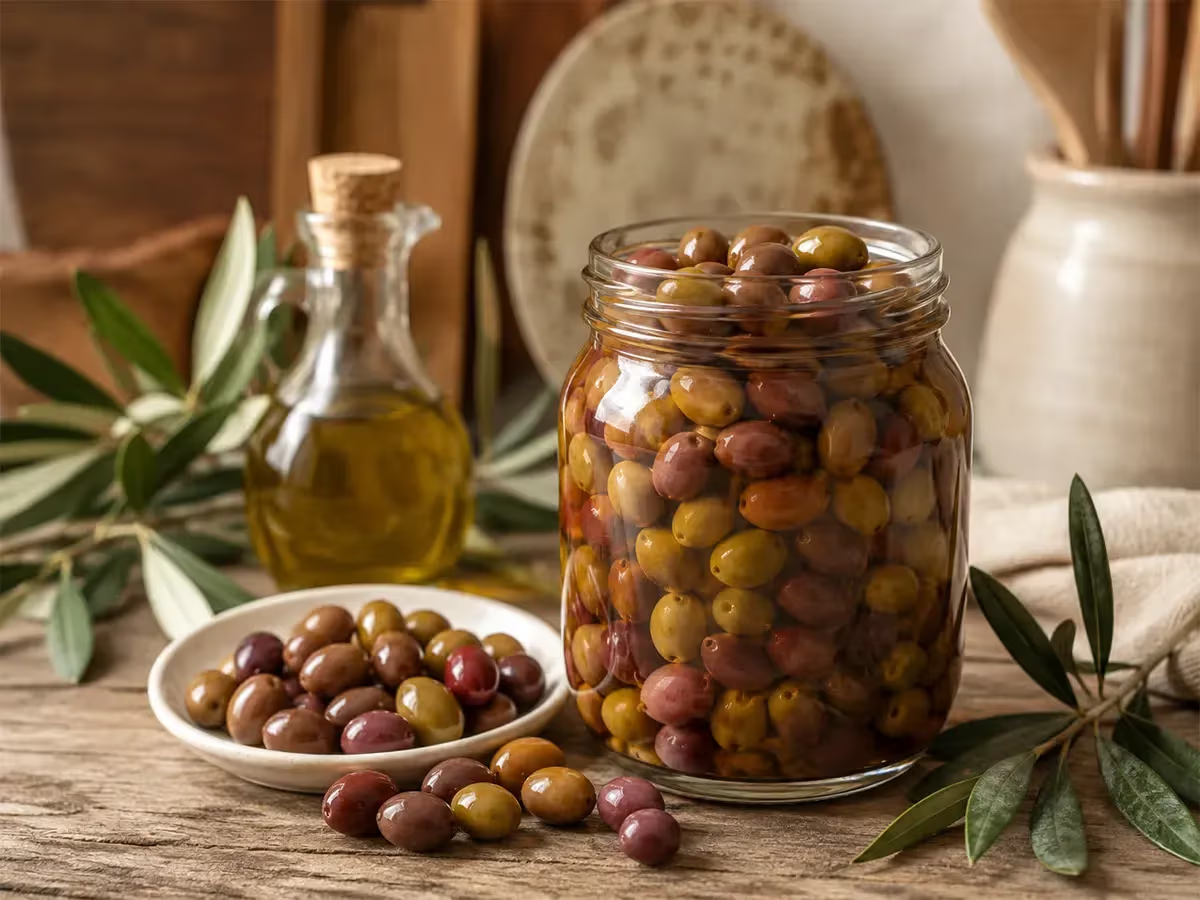
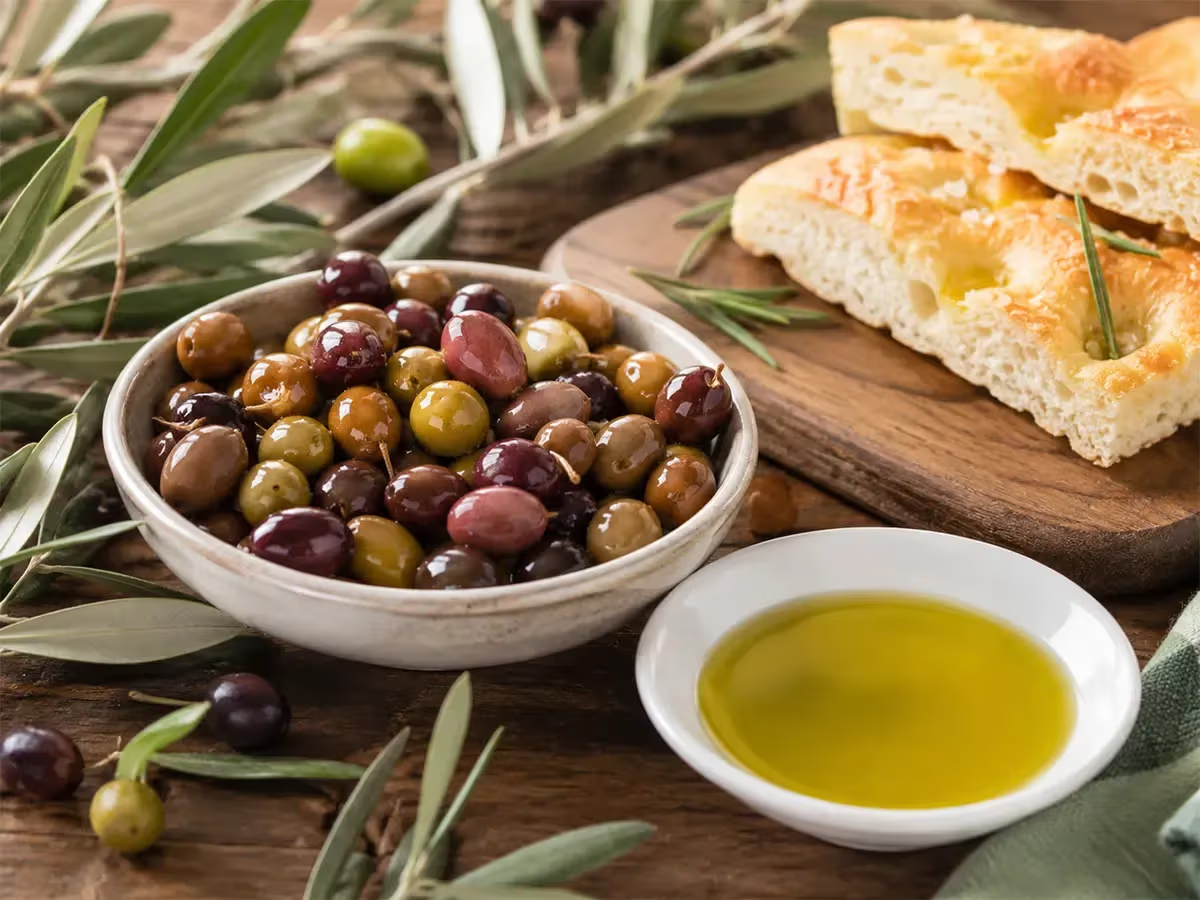
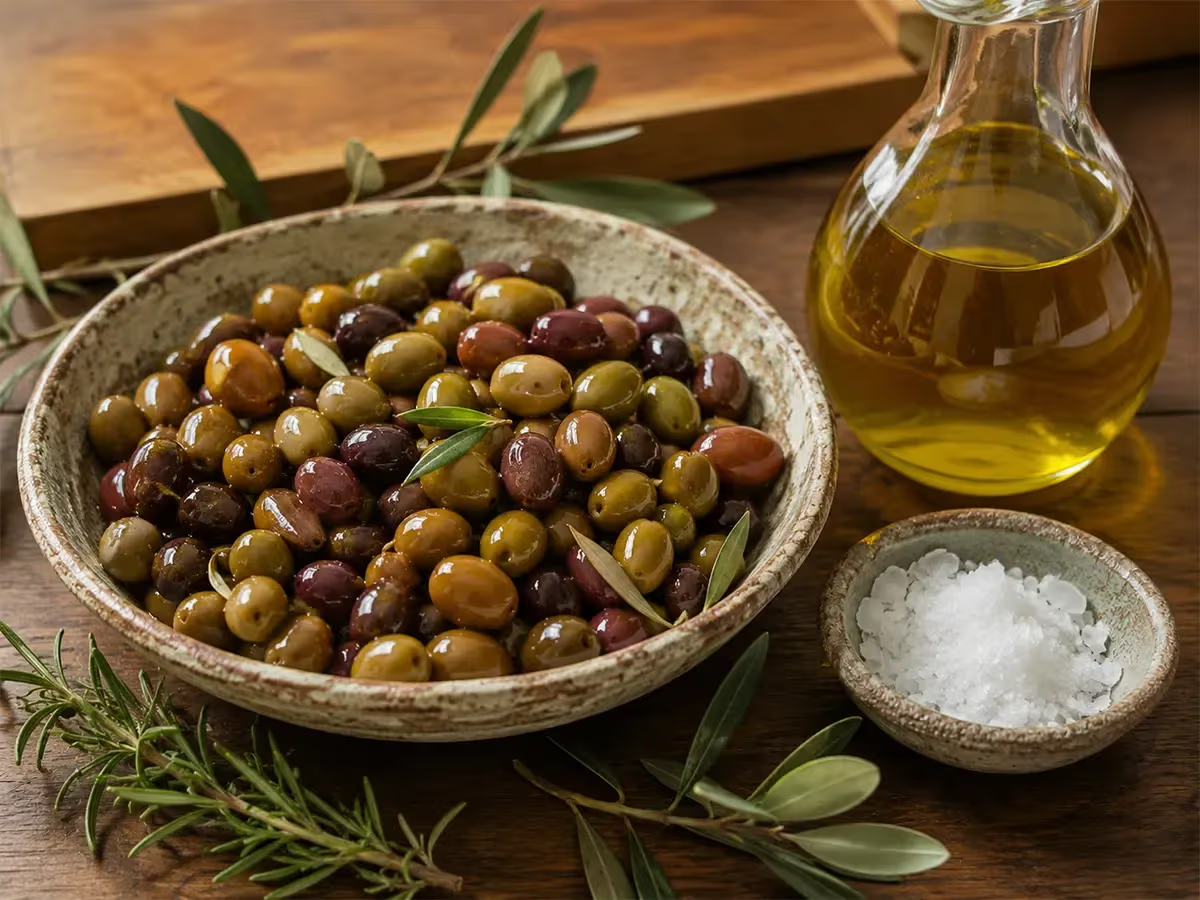
In the kitchen they are used in many different ways: they are consumed in brine as an appetizer or ingredient to dress salads and fish main courses, or pitted and preserved in oil as a garnish for focaccia and pizzas. They are the raw material for Riviera Ligure DOP extra virgin olive oil, but they are also dried or marinated with local aromatic herbs such as rosemary and thyme. When paired with stewed rabbit or pasta with pesto, this olive expresses at its best its ability to blend with other flavors without overpowering them.
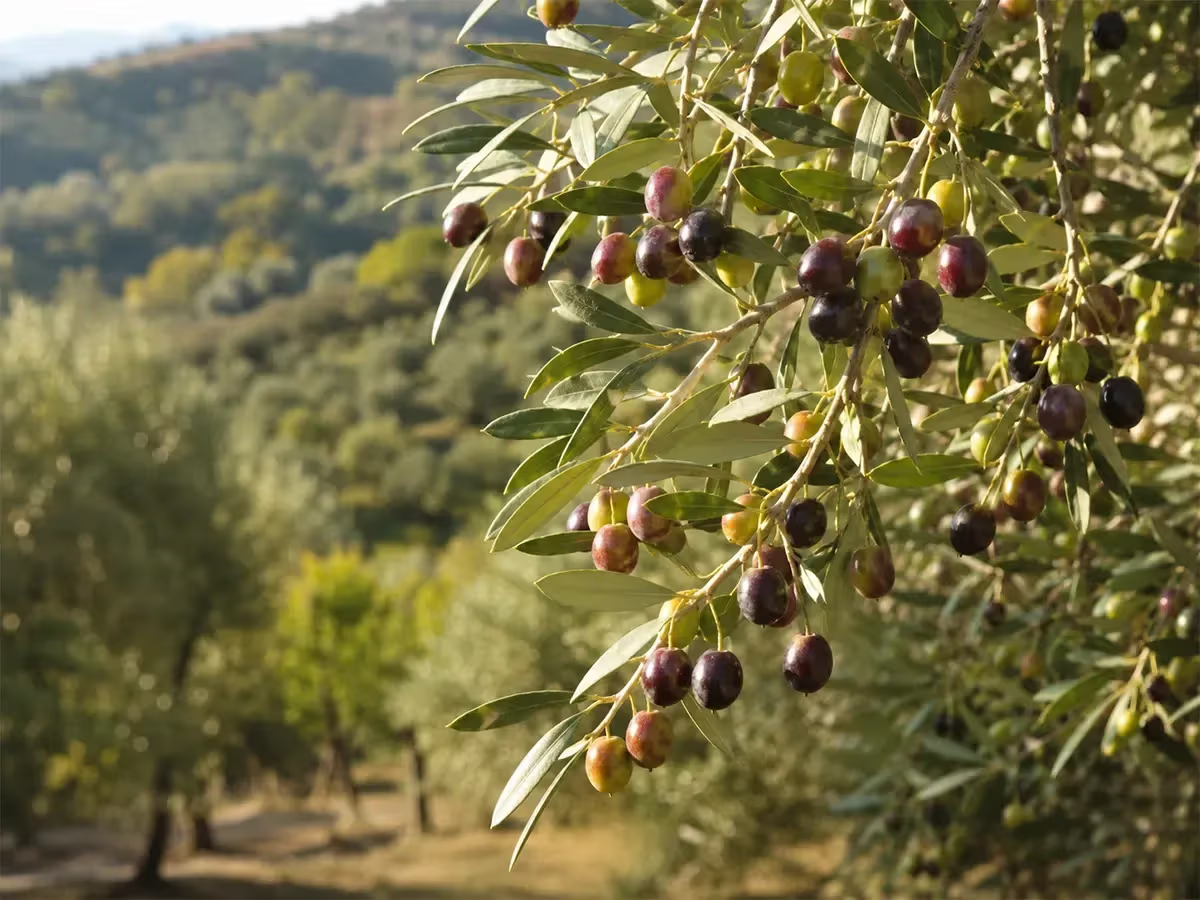
On the dry-stone terraces that climb from the Imperia hinterland towards the Ligurian Apennines, the Taggiasca olives have shaped a landscape for centuries, built by the toil of farmers and the logic of the land. The variety takes its name from the village of Taggia, in the immediate hinterland of Sanremo, where Benedictine monks of the order of San Colombano introduced and selected these plants probably during the Middle Ages, adapting them to the steep terrain and mild climate of the Riviera di Ponente.
In the following centuries, cultivation expanded along the entire coastal and hilly strip of the province of Imperia, becoming the economic foundation of many farming families. Traditional harvesting takes place by hand, with nets spread at the foot of the trees, between November and February, when the olives reach their ideal degree of ripeness. This slow and selective method has passed through generations without substantial changes, preserving a quality that large-scale mechanical methods can hardly guarantee.
The recognition of IGP status has officially established the link between this fruit and the Imperia territory, defining the production zone, permitted varieties and allowed processing methods. This protection has helped enhance even small artisanal productions and preserve the terraces, a landscape heritage as well as an agricultural one.
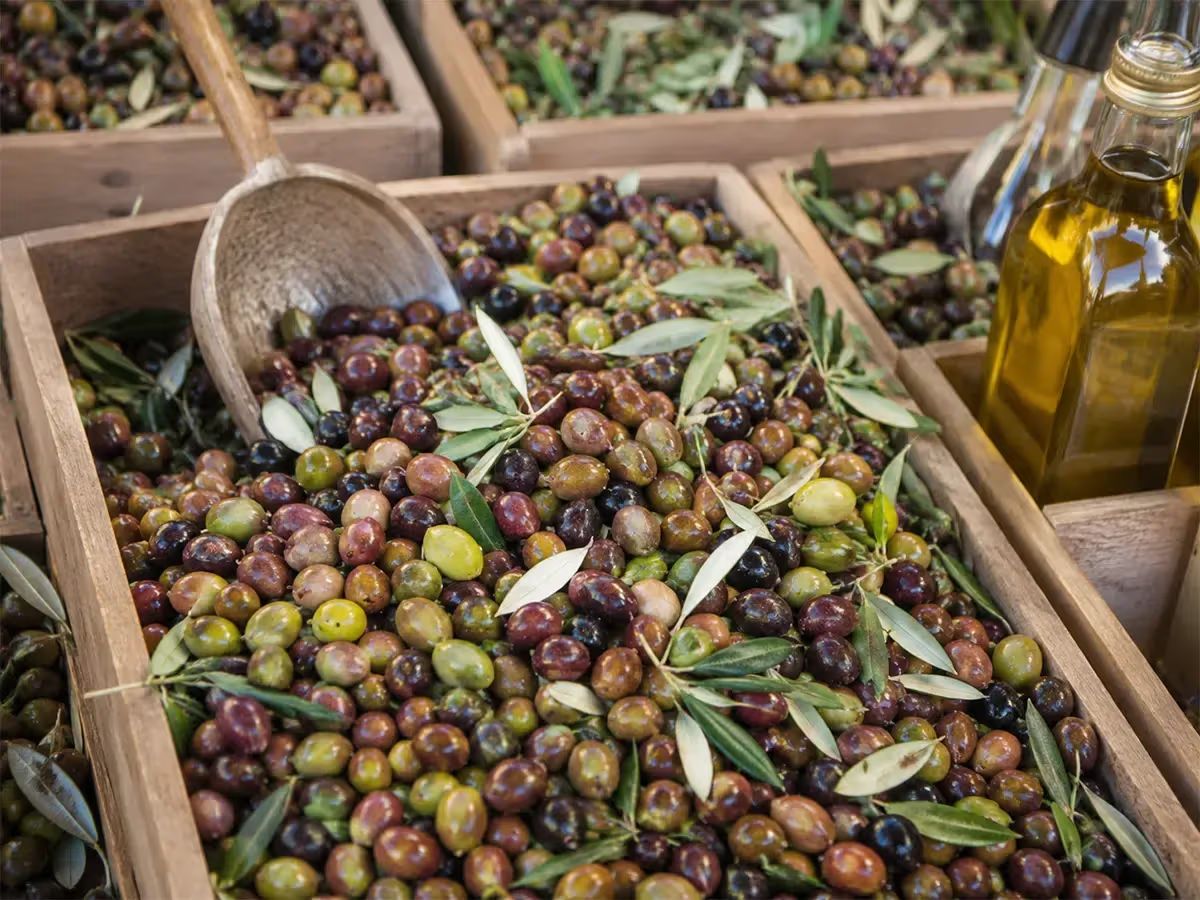
Taggiasca olives are recognized first of all by their small size: they are small olives, with an average weight generally between two and four grams, with an oval and slightly asymmetrical shape. The color changes during ripening, progressing from green to pink, to purple and finally to dark blue-black; olives harvested at full maturity have a dark and uniform skin color. The flesh is tender, with a high oil yield relative to total weight.
IGP certified products must display the IGP community logo and the full denomination "Olive Taggiasche IGP" on the label, together with an indication of the production area. To distinguish the authentic product from imitations or olives from different origins marketed under similar names, it is advisable to verify the presence of the batch number and the authorized packager. Tasting remains the most direct test: the sweetness of the flesh and the absence of a strongly bitter aftertaste are the distinctive traits of this variety compared to other small olives of different origin.
Taggiasca olives are rich in monounsaturated fats, particularly oleic acid, which contributes positively to the lipid profile. They contain polyphenols with antioxidant properties, vitamin E and small amounts of vitamin K. The caloric intake of olives in brine is approximately between 100 and 150 kcal per 100 grams, varying depending on processing and any added oil. The sodium content can be significant in brine preparations, an aspect to consider in low-salt diets.
Taggiasca olives in brine should be stored in the refrigerator after opening the package, immersed in their own brine or in extra virgin olive oil, and should be consumed within a week or ten days. If purchased loose, it is advisable to keep them in an airtight glass container. The versions in oil in a sealed jar should be stored at room temperature in a cool and dry place, away from direct light; once opened, they must be refrigerated.
Taggiasca olives are typically served at room temperature, after a brief rinse from the brine if one wishes to reduce the saltiness. They lend themselves both to direct consumption as an appetizer and to use in cooking: they withstand heat well without losing structure, and integrate naturally into sauces, roasts and stews. The pitted versions in oil are convenient for dressing focaccia, bruschetta and salads without further preparation. In spring and autumn, when they are still found fresh or just transformed, they express a particularly lively aroma.
At the table, Taggiasca olives pair well with dry white wines from Liguria, such as Vermentino or Pigato from Riviera di Ponente, which enhance their sweetness without overwhelming their delicacy. A light rosé can be a valid alternative when olives appear in more structured preparations.
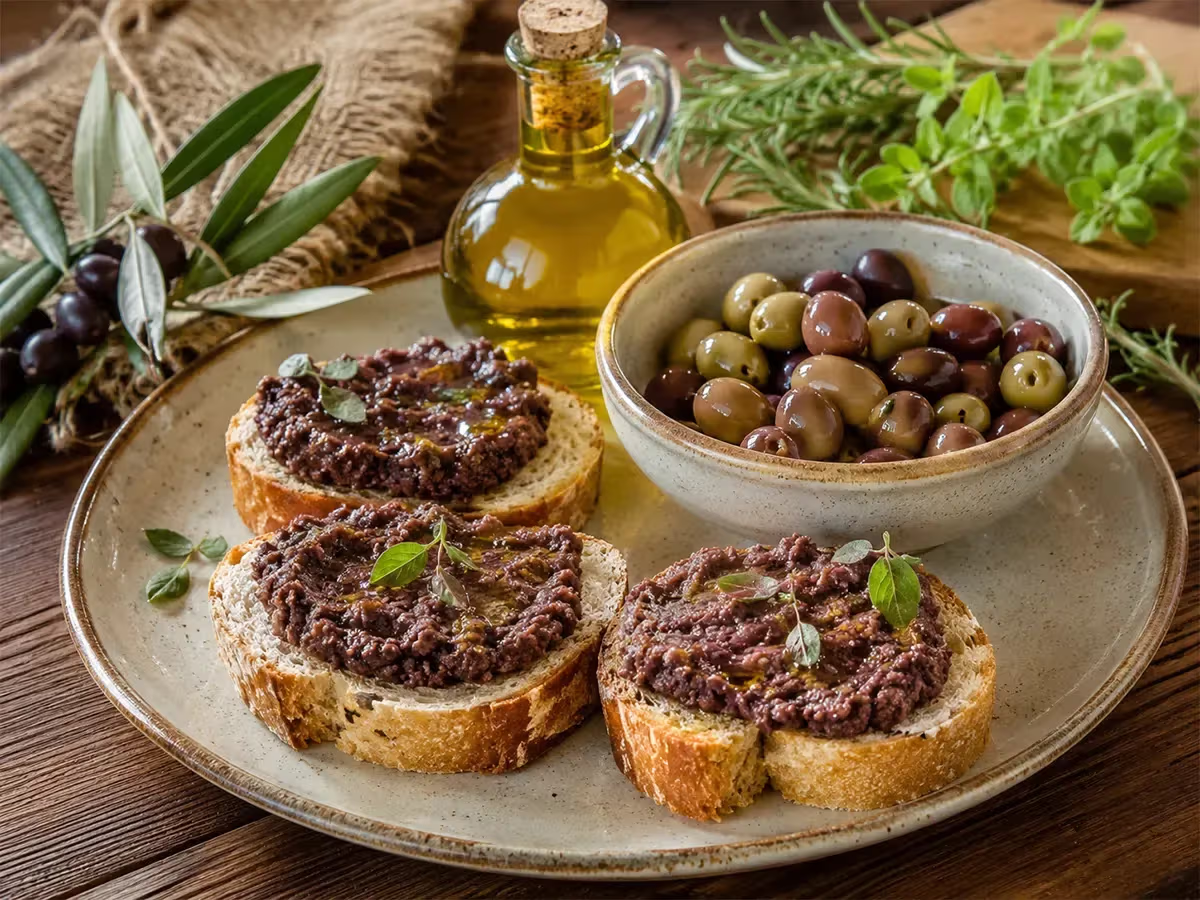
With cheeses, they work particularly well alongside semi-aged tomme made from cow's or goat's milk, where the contrast between the richness of the cheese and the light acidity of the olive creates a pleasant balance. They find a natural place also in an appetizer with salt-cured anchovy fillets, focaccia di Recco or crostini with olive paté, where the whole evokes the coastal Ligurian cuisine in a direct way.
A central dish of domestic tradition on the Riviera di Ponente, it involves slow braising of rabbit with Taggiasca olives, pine nuts, rosemary and dry white wine. The olives are added halfway through cooking to preserve the tender flesh and gradually release their flavor into the cooking liquid, which is collected with bread or used to dress polenta.
An enriched variation of the classic pesto alla genovese, in which pitted olives are added raw at plating alongside boiled green beans and trenette or trofie. The contrast between the intense herbaceous notes of the pesto and the sweetness of the olive characterizes this version widespread in the Imperia area.
Ligurian focaccia in its variant with whole or pitted olives pressed into the dough before the second rising. Baking in a high-temperature oven partially melts the olive flesh in the oil that softens the surface, making each bite particularly flavorful.
In the families of the Imperia hinterland, the harvest of olives in November and December has been for generations a collective moment involving multiple family units in mutual aid, with nets spread on damp grass and work shared among adults and children. The olives were at the same time everyday food and currency of exchange, an integral part of a rural economy based on self-sufficiency.
Even today, many families in the area preserve the practice of transforming at home a part of the harvest: olives in brine prepared with water and coarse salt, or marinated with herbs from the garden. This domestic continuity coexists with an artisanal and industrial production of increasing quality, keeping alive the bond between the Taggiasca olive and the gastronomic identity of Western Liguria.
Among the events linked to olive oil production in the Ponente region of Liguria, the Fiera dell'Oliva Taggiasca in Taggia represents the main reference point for the territory: it is traditionally held in autumn, coinciding with the start of the harvest, and hosts local exhibitors, tastings and educational initiatives on processing. Numerous festivals in the municipalities of the Imperia hinterland, from Dolceacqua to Badalucco, regularly feature Taggiasca olives among the protagonist products, often accompanied by extra virgin olive oil and other typical products of the Riviera di Ponente.

