
Guide·Sagre·Fiere·Mercati·Degustazioni
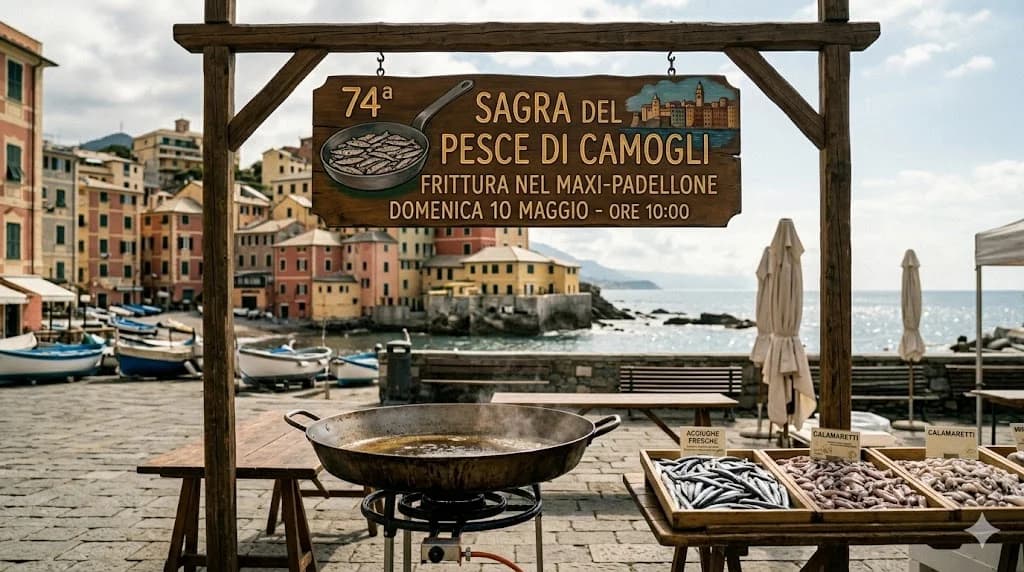
Liguria is not just a strip of land between sea and mountain. It is a precise food system, built on humble ingredients elevated with patience, and festivals are its most honest map. From Ponente to Levante, along the Apennines and in the villages of the hinterland, every season brings with it celebrations dedicated to a specific product: the basil of Prà, farinotto (chickpea flour pancake), the anchovies of Monterosso, the mushrooms of the internal valleys. This guide accompanies the reader through the calendar of Ligurian festivals, with advice on how to navigate them, avoid the most frequent pitfalls and make the most of each event.
Ligurian festivals reflect the dual soul of a region that looks toward the sea but has deep roots in the hinterland. On one hand, there are coastal products: anchovies in salt, bottarga, humble fish transformed into elaborate dishes. On the other, the flavors of the Ligurian Apennines: chestnuts, porcini mushrooms, goat cheeses, wild herbs that go into the filling of pansotti and savory pies. This duality makes the panorama of regional festivals more varied than the region's small geographical size would suggest.
Events are concentrated especially between June and October, but there are also spring events linked to Vessalico garlic or the aromatic herbs of the Riviera. Many festivals take place in hinterland villages that receive few visitors during the year, which makes them precious opportunities to discover a Liguria far from postcards: narrow alleyways, a still-active community oven, producers selling directly what they harvested the week before.
January and February Winter months are poor in festivals, but not in gastronomic events. Some inland villages organize evenings dedicated to tripe, work animal meat sauces and wine from local hills. It is the right time to visit markets of preserved products: salted anchovies, Taggiasca olives in brine, pesto in jars.
March and April Spring opens with the first wild herbs. In Vallecrosia and in some towns of the Imperia area, markets and small festivals dedicated to prebuggiun are organized, the bunch of wild herbs that goes into the filling of tortes. Garlic from Vessalico, a Slow Food presidium, begins to be the protagonist of the first seasonal appearances.
May Month of basil and the first focaccia festivals. In Recco and surroundings, the focaccia col formaggio is celebrated, which has obtained IGP recognition. In some towns of the Nervia valley, spring festivals linked to DOP Riviera Ligure extra virgin olive oil are organized.
June The heat arrives and with it the sea festivals. In Monterosso al Mare, the Festival of Salted Anchovies takes place, one of the most awaited events of the Levante riviera. Anchovies are processed and tasted in various formats: marinated, fried, in anchovy paste.
July Month full of events. In the Savona inland areas, village festivals multiply with dishes based on coniglio alla ligure, trofie al pesto and chickpea flour pancake. In Diano Marina and nearby towns, festivals linked to lavender and aromatic herbs of the Ponente riviera are celebrated.
August The richest month of festivals by far. Almost every village organizes at least one gastronomic event. The Pesto Festival in Genoa attracts producers and enthusiasts, with mortar pounding competitions. In Valpolcevera, the Zerli onion is celebrated. In the Chiavari inland, festivals dedicated to porcini mushrooms anticipate the autumn season.
September The month of mushrooms and early chestnuts. In Aveto valley and Trebbia valley, festivals dedicated to freshly picked porcini mushrooms are held. In Varese Ligure, a village among the most intact of the eastern Apennines, certified organic products celebrated for decades are celebrated. The anchovies from Monterosso return as protagonists in the second half of the month.
October The chestnut tree is the king of October. In Calizzano, in Bormida valley, the Chestnut Festival takes place, among the longest-lived in the region. Also in Pornassio and in many towns of the Imperia area, festivals are organized with roasted chestnuts, chestnut flour and traditional sweets. Markets of dried mushrooms and preserves complete the autumn picture.
November and December Festivals become sparse, but markets of new oil remain active, concentrated especially in the Imperia area after the harvest of Taggiasca olives. Some towns organize social dinners based on buridda di stoccafisso and cappon magro, bringing back to the table the dishes of winter maritime tradition.
Ligurian festivals work best when you don't seek to replicate an expectation, but instead let yourself be guided by the seasonal calendar and the logic of local products. A village of three hundred inhabitants in the Nervia valley that celebrates its wild herbs tells a story that no restaurant on the coast can offer: the context in which that dish exists, the hands that prepare it, the landscape from which it comes. Taking home a bottle of new oil or a bag of chestnut flour purchased directly from the producer extends that connection well beyond the day of the festival.