
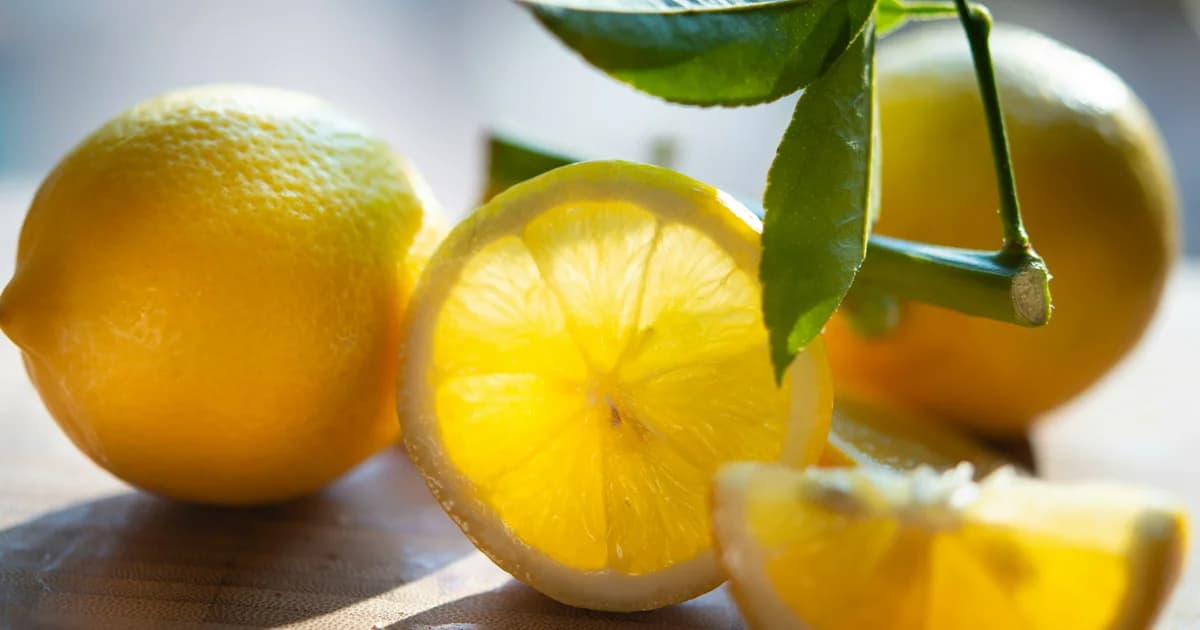
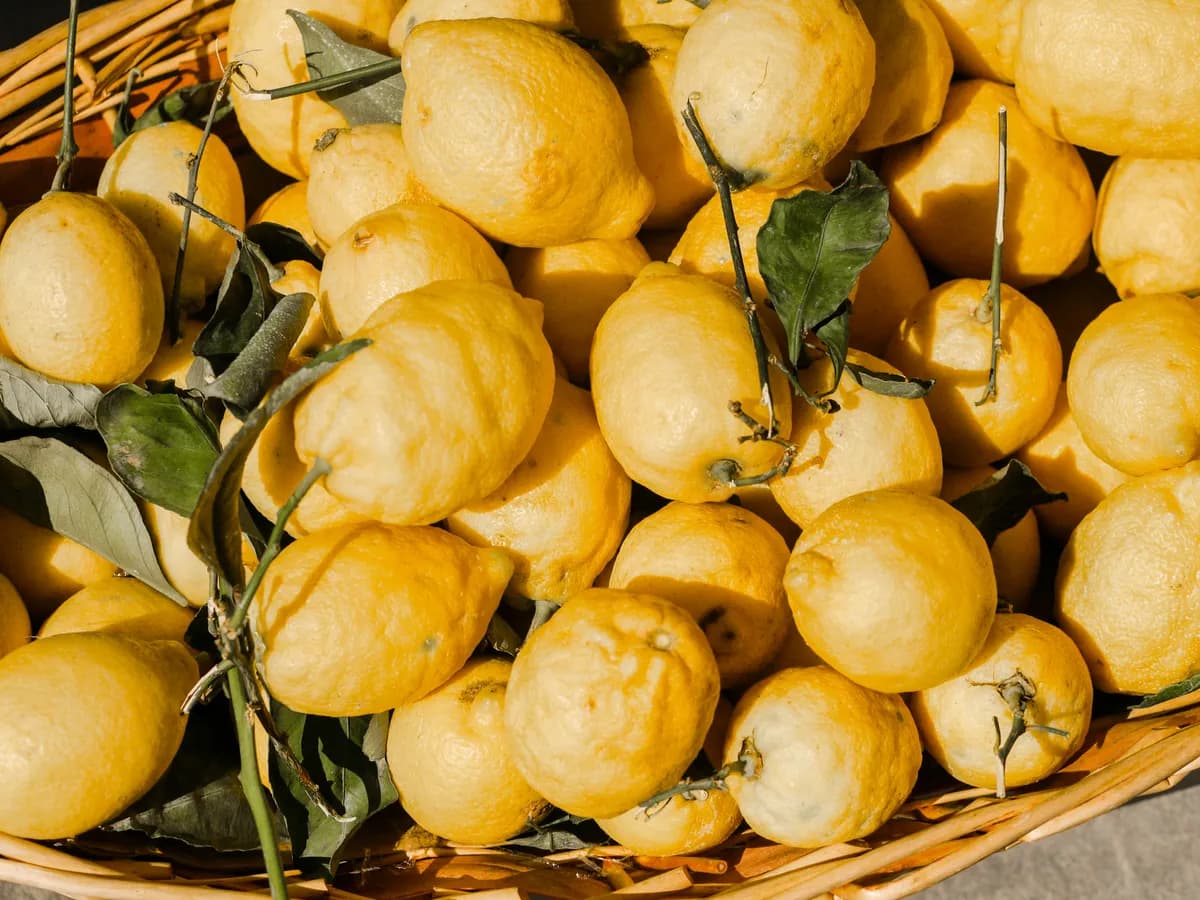

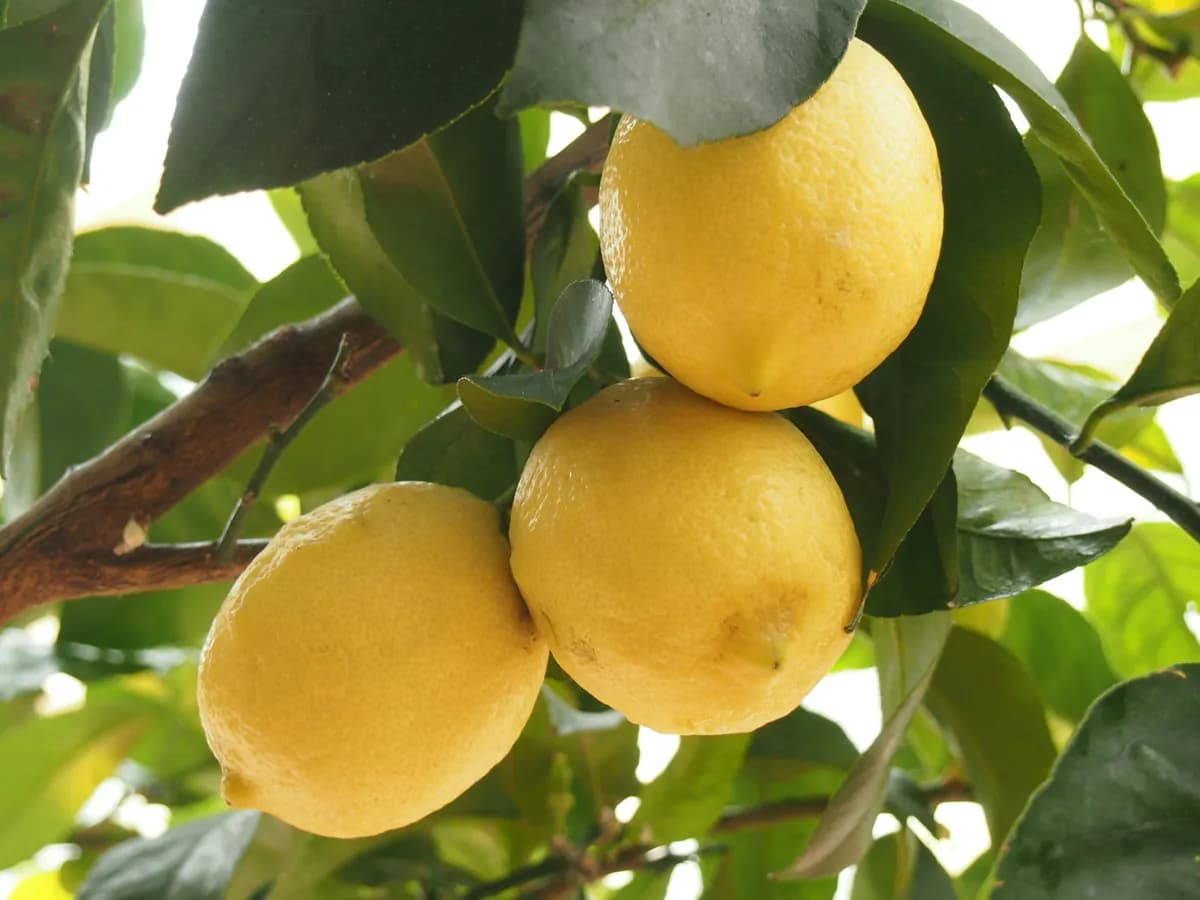
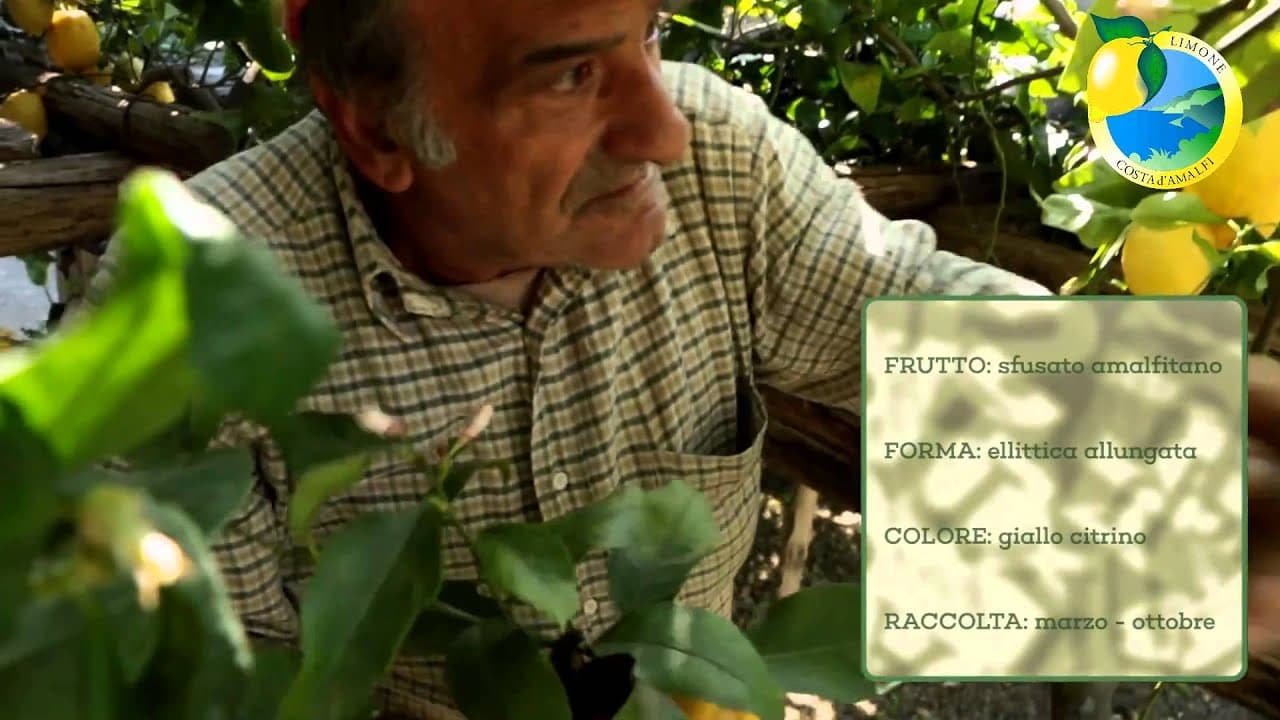
Among the rocks overlooking the sea and the terraces that mark the Amalfi Coast, one of the most recognizable lemons in Italy grows. The IGP Amalfi Lemon, known locally as "amalfitano lemonade", owes its name to the tapered and elongated shape that distinguishes it from any other variety. The skin is thick, wrinkled to the touch, of an intense yellow tending to green in the less mature phases, rich in essential oils with a penetrating and floral aroma.
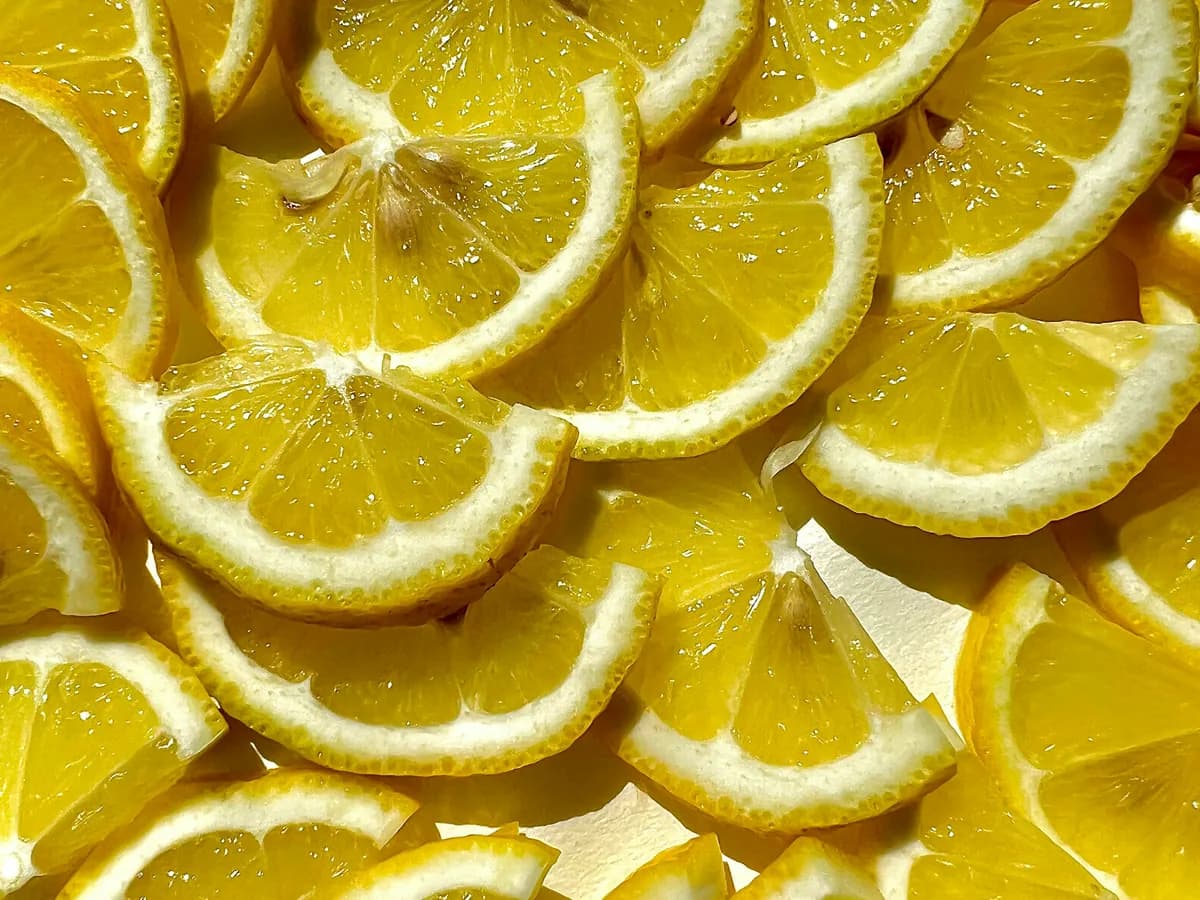
The pulp, with few seeds, is juicy and surprisingly sweet for a citrus fruit: the acidity is there, but it is balanced, lacking that hardness that characterizes lemons for large distribution.
In the kitchen, the loose Amalfi cheese is a fundamental ingredient of the local tradition. Its fragrant juice flavours the fish of the Gulf, seasoning salads and carpaccio, and enlivens the desserts of the coast, from lemon delight to flavoured almond paste. The rind, as precious as the pulp, is used in the production of artisanal limoncello and in pastry creams. It is used fresh, grated, preserved or candied.
The lava-stone terraces of the Amalfi Coast are not just landscapes: they are the result of centuries of patient work, built to tear cultivable space from walls that seem inaccessible. On these bands, called "macere", lemon cultivation has deep roots, probably introduced by the medieval monks who managed the lands around Amalfi.
The Maritime Republic of Amalfi, a Mediterranean trading power between the ninth and eleventh centuries, contributed to the spread of citrus fruits along the routes of the Levant, and lemon soon became an integral part of the coastal economy.
Over the centuries, the local variety has naturally been selected adapting to the unique microclimate of the coast: the warmth of the sun reflected from the sea, the salt breezes and the protection from the cold winds guaranteed by the mountains behind. This unique combination has shaped the characteristics of the bulk. The PGI recognition, obtained in 2001, has formalized a link with the territory already consolidated in agricultural practice and local culture.
Cultivation, still largely manual due to the rough conformation of the land, is one of the few activities that keeps mountain communities alive along the coast.
The shape is the first clue: the loose Amalfi is elongated, with the poles thinned in a characteristic way, different from the rounded silhouette of ordinary lemons. The dimensions are medium-large, with a weight that often exceeds 100 grams. The peel is thick, with an irregular and grainy surface, bright yellow with green shades, more accentuated in the fruits harvested in the early stages of ripening.
The aroma of the rind is the most convincing sign: just brush the surface with a nail to release an intense, citrusy and floral fragrance together, very different from the sharp note of intensively grown lemons. PGI-certified products must comply with the specification and may bear the Community PGI logo on the label together with the consortium mark.
When buying, be wary of fruits with excessively smooth peel, uniform and plastic color or without perfume: it is almost certainly not the authentic Amalfi loose.
Amalfi lemon is a notable source of vitamin C, with values tending to be higher than those of lemons of common variety, thanks to the high concentration of juice and the richness of the peel in flavonoids and limonenes. The calorie intake is low, around 29 kcal per 100 grams of juice. The rind contains essential oils with recognised antioxidant properties.
The fruit is naturally low in fat and sodium, with a moderate content of potassium and folic acid.
At room temperature, in a cool and ventilated place, Amalfi lemons are stored for one or two weeks while maintaining their aromatic qualities. In the fridge, in the vegetable drawer, the duration extends up to three or four weeks. Once cut, they should be stored in the refrigerator wrapped in film and consumed within two days. The grated rind can be stored in a freezer in an airtight container.
Amalfi amusement is mainly consumed fresh, raw or just sprinkled on hot preparations, to preserve the most volatile aromas. The juice condiments grilled fish, molluscs and crustaceans, and is an indispensable base for sorbets and granite. The rind, better if organic or not surface-treated, is grated on pasta, risottos and desserts or cut into julienne to garnish.
In spring and early summer, when the harvest is most intense, it is the ideal time to prepare preserves, candied products and artisanal liqueurs.
On the wine side, the loose Amalfi finds a natural correspondence with the whites of Campania: a Falanghina del Sannio or a Costa d 'Amalfi Bianco, with their lively acidity and mineral notes, dialogue well with the citrus freshness of lemon in fish-based preparations. For lemon desserts, Moscato d 'Asti or Fiano passito can support the sweetness of the pulp without covering it.
Among the most classic gastronomic combinations of the coastal tradition, Amalfi lemon accompanies stuffed totanas, marinated anchovies, carpaccio swordfish and stewed cod with olives and capers. It is also combined with fresh soft cheeses, such as buffalo ricotta, and with zagara honey, obtained from the same trees from which the flowers are harvested.
A sweet symbol of Amalfi pastry, the lemon delight is a small dome of sponge cake soaked in citrus syrup, stuffed and covered with a lemon cream prepared with juice and loose peel. The yield depends directly on the quality of the fruit: without the aromatic depth of the bulk, the cream is flat.
Typical preparation of coastal domestic cuisine, it involves whipping the linguine with extra virgin olive oil, fresh anchovies dried in a pan, abundant grated Amalfi lemon peel and a drizzle of raw juice before serving. The lemon balances the flavour of the fish and perfumes the dish without covering it.
The home production of limoncello along the Amalfi Coast uses almost exclusively the husks of the bulk, infused in alcohol at 95 degrees for at least a week. The richness in essential oils of the peel guarantees a liqueur with an intense yellow colour and a clean aroma, very distinct from the industrial versions.
Along the Amalfi Coast, the lemon grove is not only a productive plot: it is an element of domestic and community identity. The families who cultivate the terraces pass on pruning and plant management techniques from generation to generation, often without written documentation. The scent of lemon blossoms in spring, the zagara, marks the beginning of the season and has inspired scents and liqueurs of local tradition.
In the domestic calendar, the collection often involves the entire family unit and the preparations that derive from it, from limoncello to preserved candied rinds, are moments of practical transmission of knowledge. The Amalfi lemon also appears in the ceremonial gifts and in the typical baskets brought to guests, in a gesture of hospitality rooted in the territory.
The Amalfi Coast traditionally hosts initiatives related to lemon culture, with seasonal markets and tastings that coincide with harvest periods, between spring and early summer. In Amalfi and in neighbouring municipalities such as Maiori and Minori, gastronomic events are regularly held in which the lemon is the protagonist, including artisanal processing workshops, limoncello productions and local pastries.
The Consorzio di Tutela del Limone Costa d 'Amalfi PGI participates in regional and national agri-food fairs to promote the product and knowledge of the regulations.
Discover more

