
For the stew
To accompany
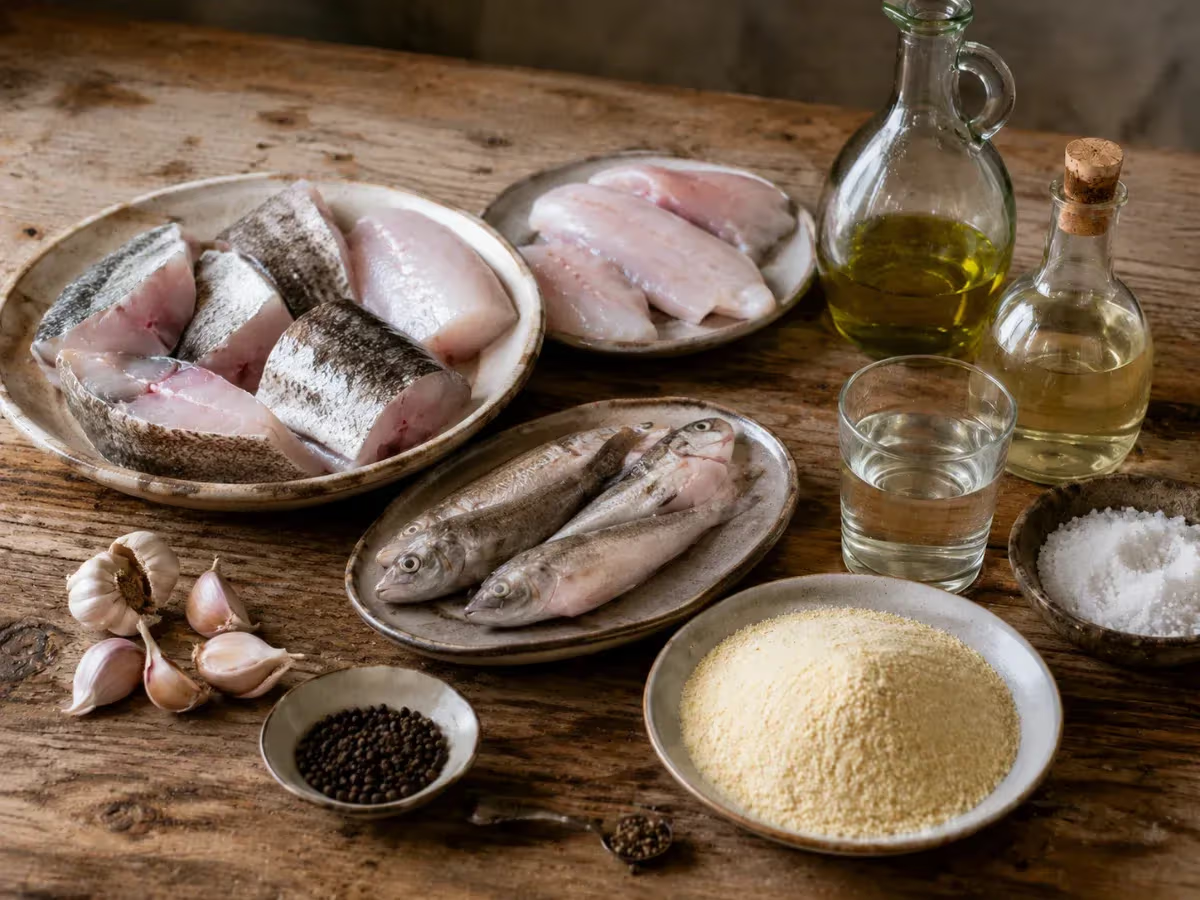
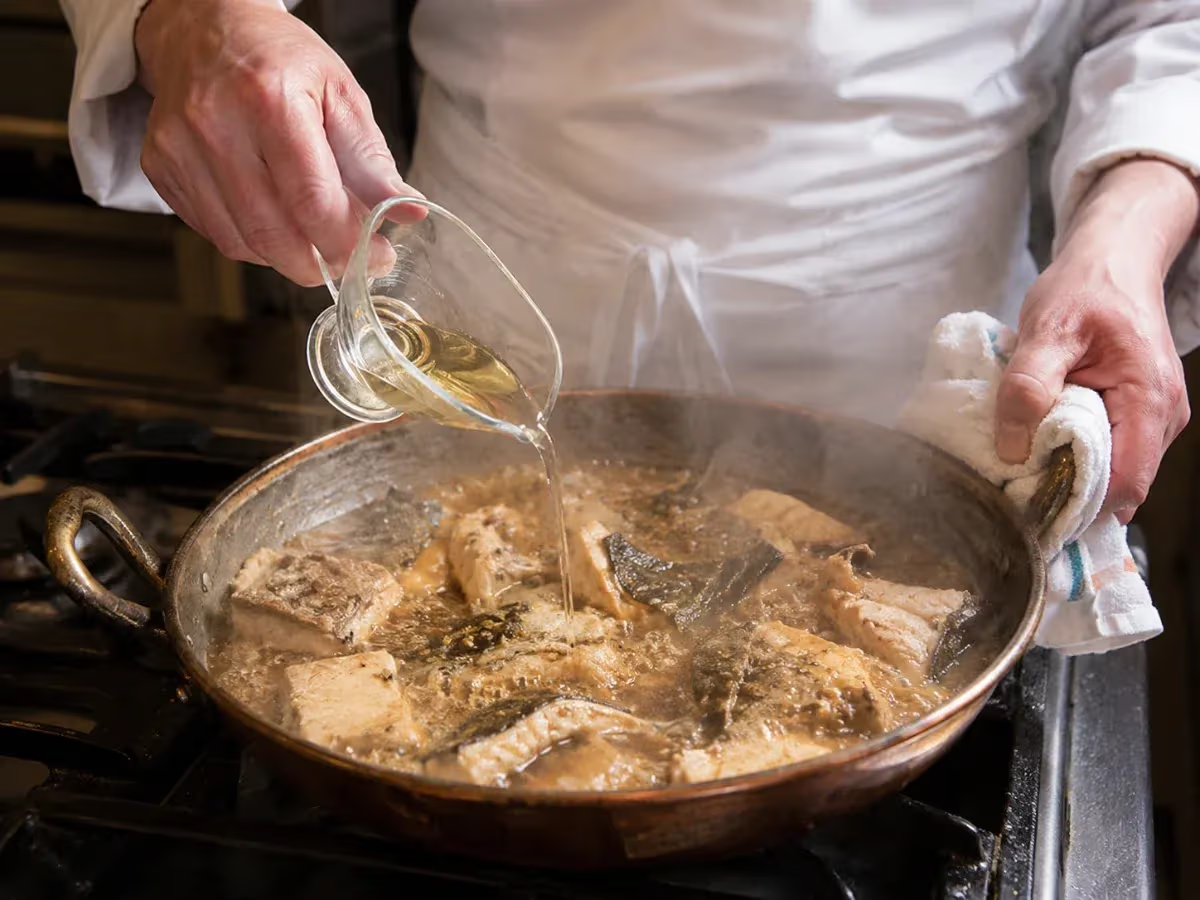
The choice of fish is the critical point of the entire preparation. Boreto alla gradese requires lagoon fish with firm flesh and intense flavor: go (lagoon goby) is the historical reference, but flounder, small sole, and young eels hold up well to cooking in vinegar. Fish that are too delicate fall apart in the acidic liquid and lose structure. The vinegar must be made from dry white wine, with good natural acidity but without pronounced vinegar notes: a medium-quality vinegar, not industrial, guarantees the right punch without overpowering the fish.
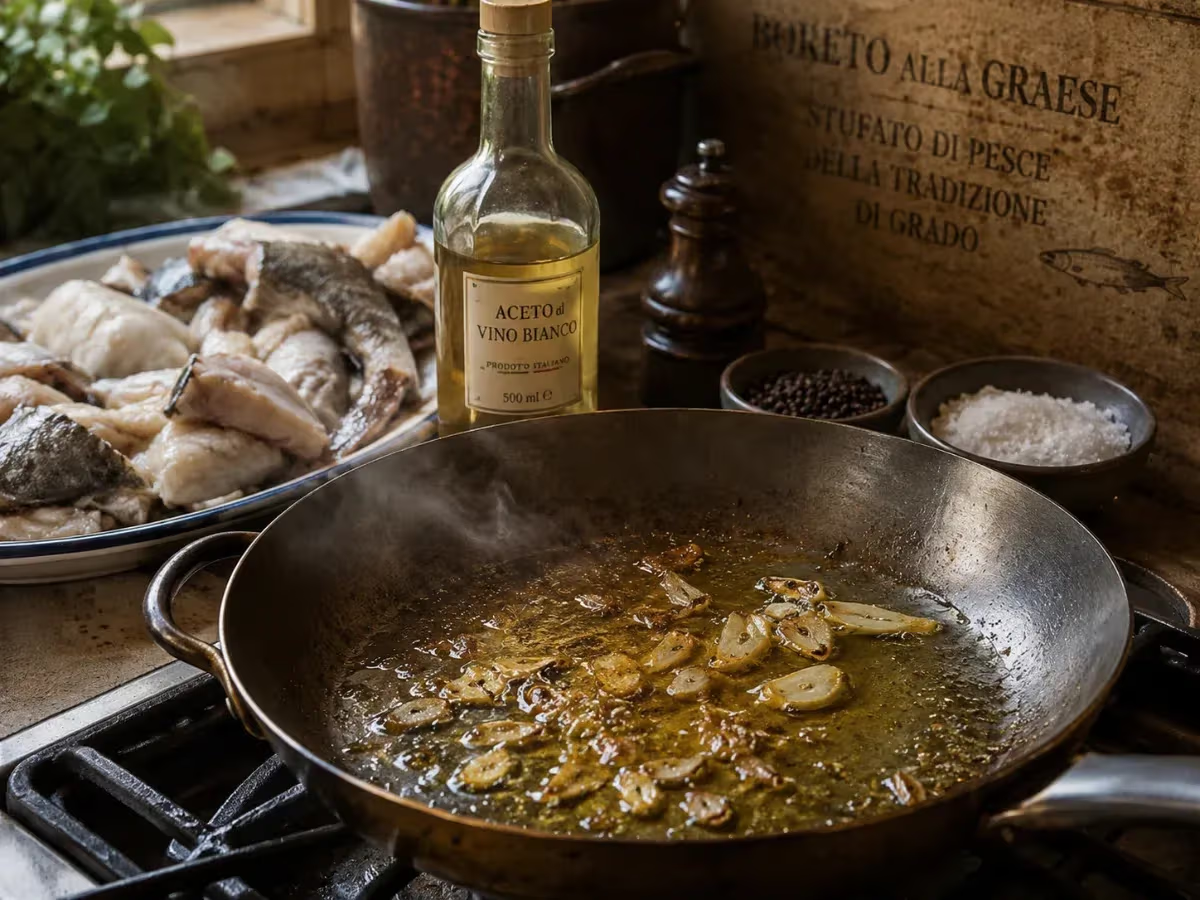
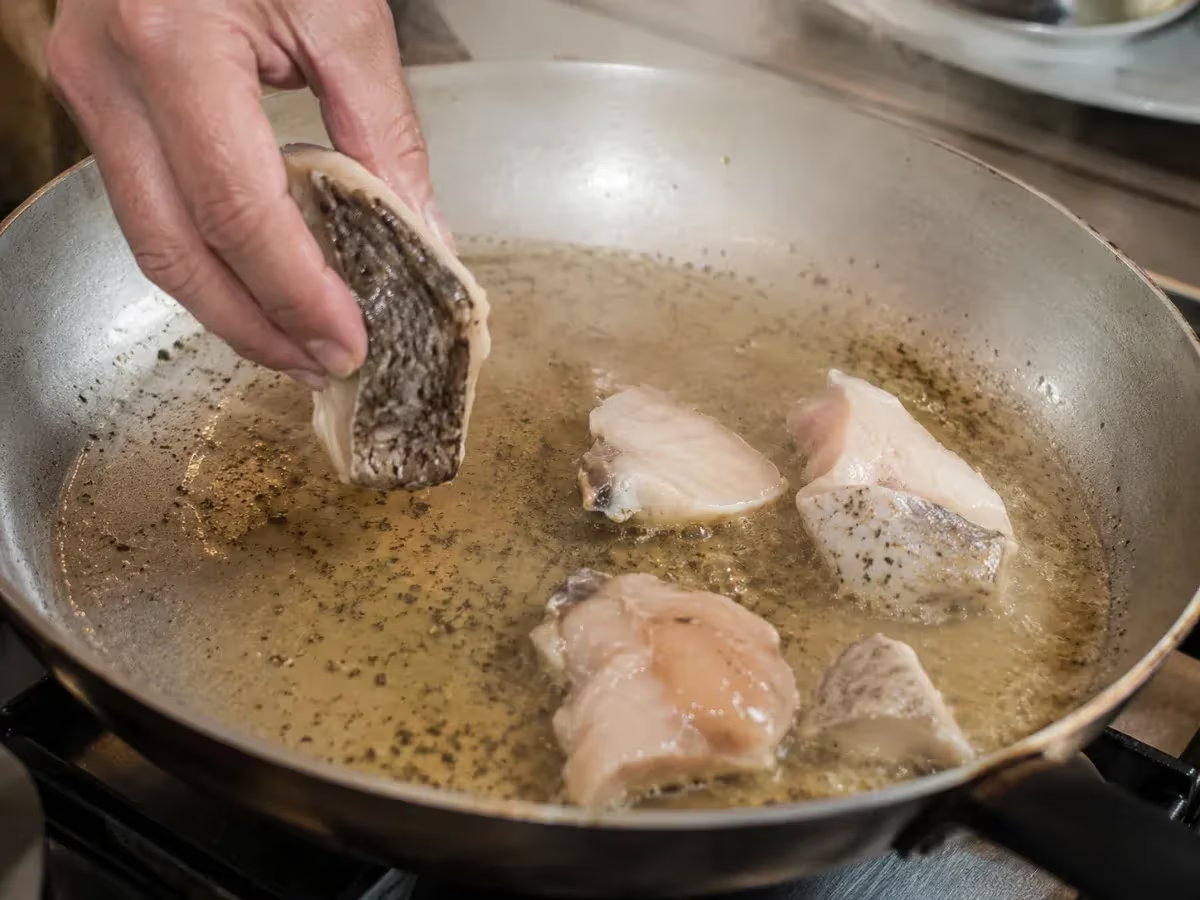
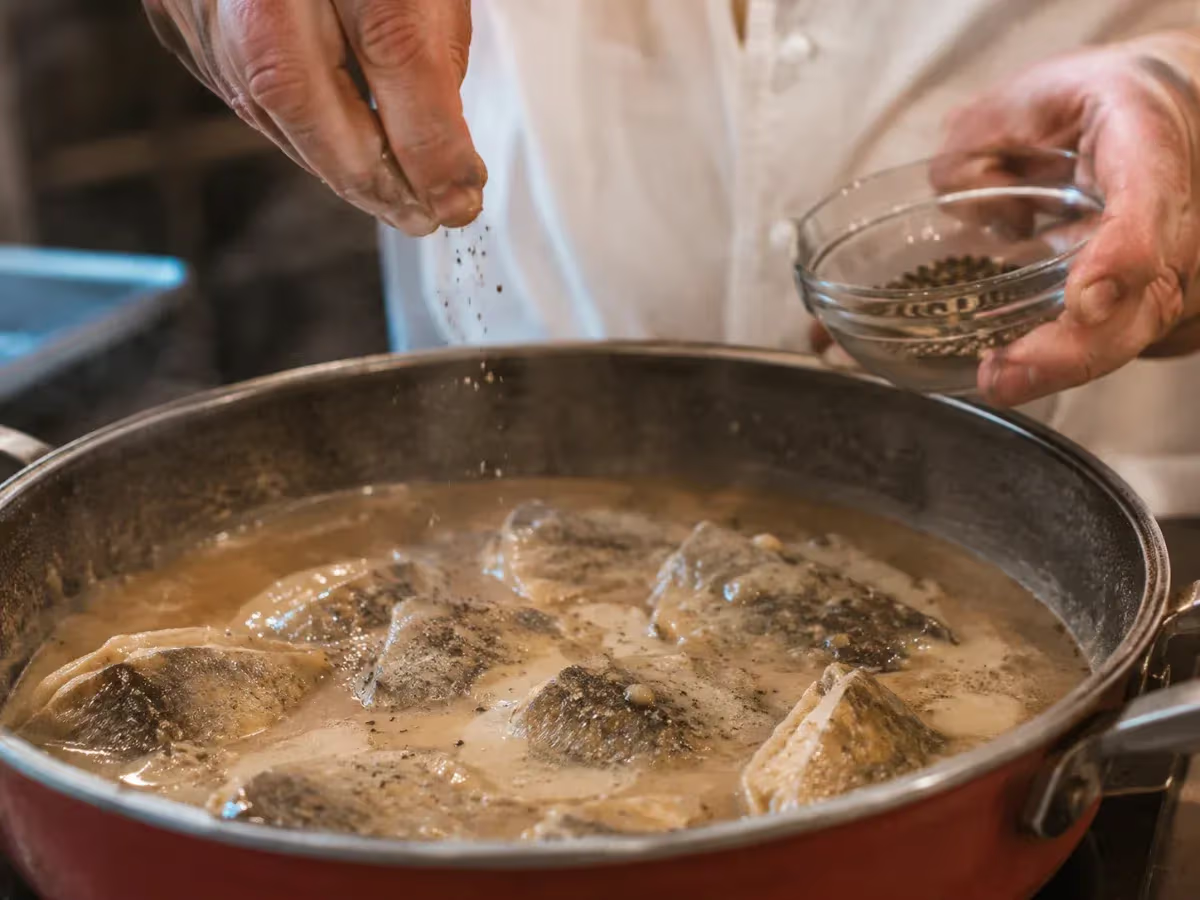
The terracotta pan is not an aesthetic detail: it distributes heat uniformly and retains internal moisture better than steel. If using a non-stick pan, reduce the heat and check the bottom more frequently. Black pepper should be ground fresh and in coarse grains: the pre-ground version loses the volatile aromatic component that plays a determining role in this dish. Do not add aromatic herbs or lemon: Gradese orthodoxy calls for only garlic, vinegar, pepper, and oil.
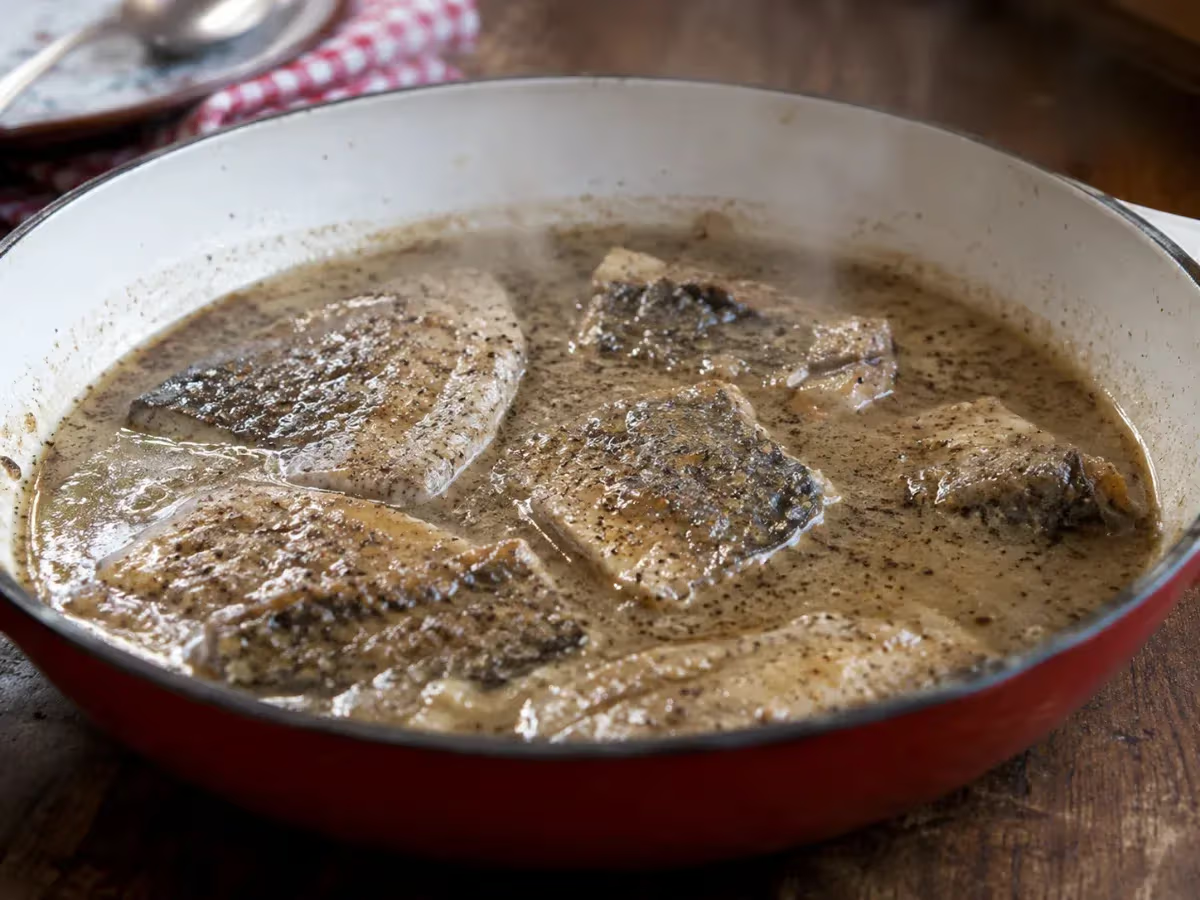
Boreto alla gradese is a fish stew that carries with it the scent of the Grado lagoon, the island-city on the northern edge of the Adriatic, where fishing with trawl nets and lift nets has always yielded small and varied catches. The dish springs from that essential logic of poor seafaring cuisine: nothing is discarded, everything is cooked together, quickly, with the few ingredients that a fisherman's pantry can offer. White vinegar and black pepper are its recognizable marks, almost a signature, capable of cutting through the iodized flavor of fish while at the same time preserving a certain gustatory roughness that more refined preparations tend to smooth away.
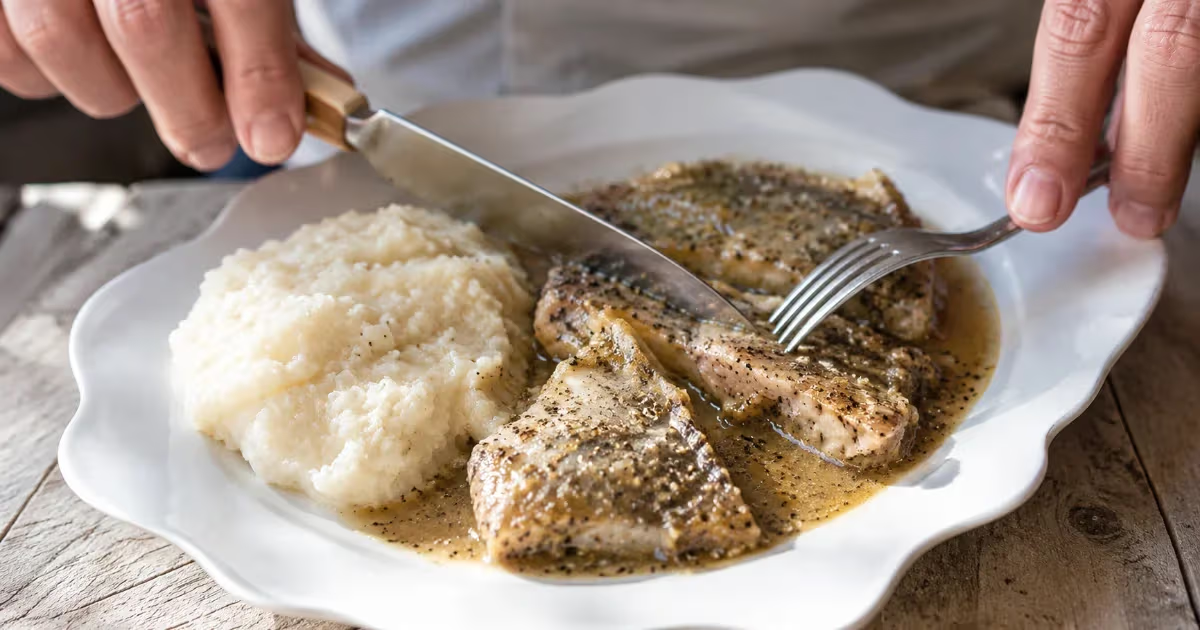
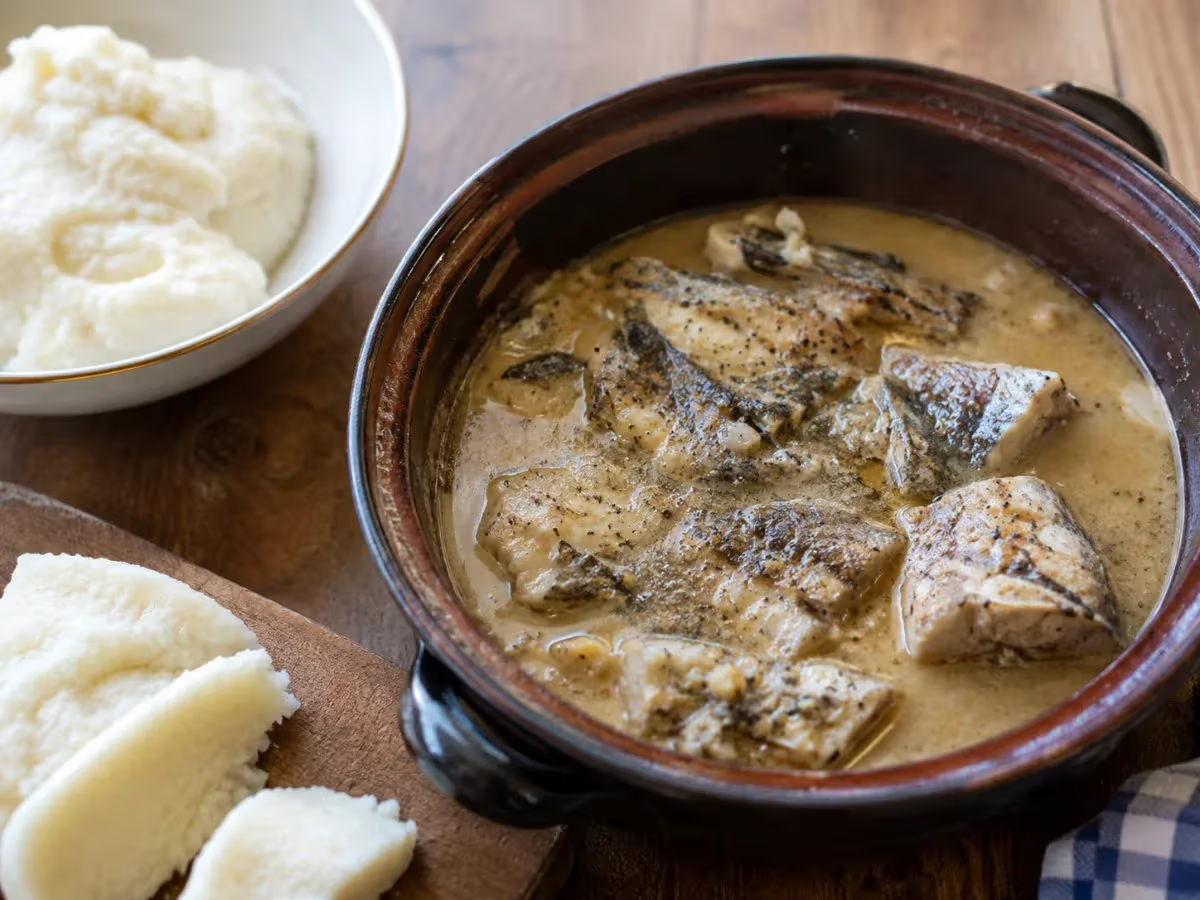
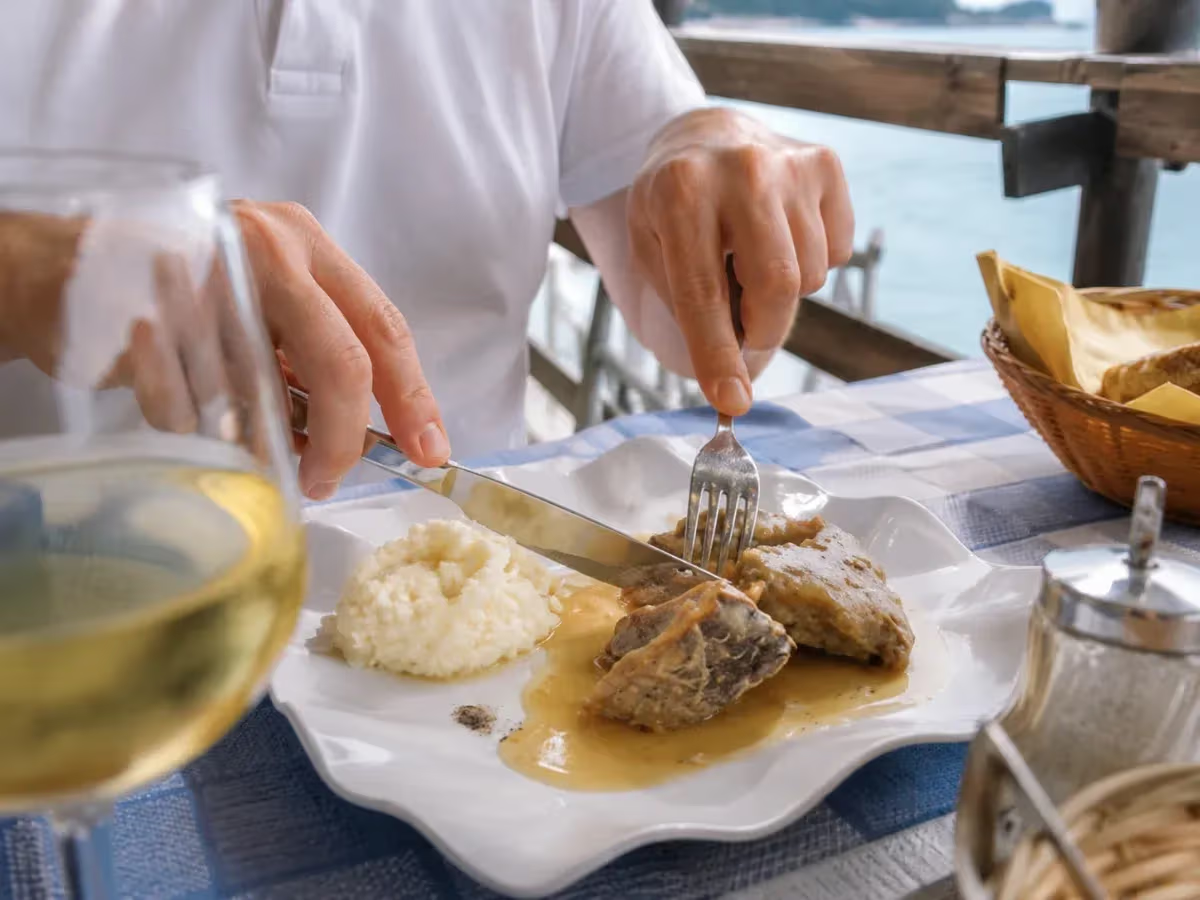
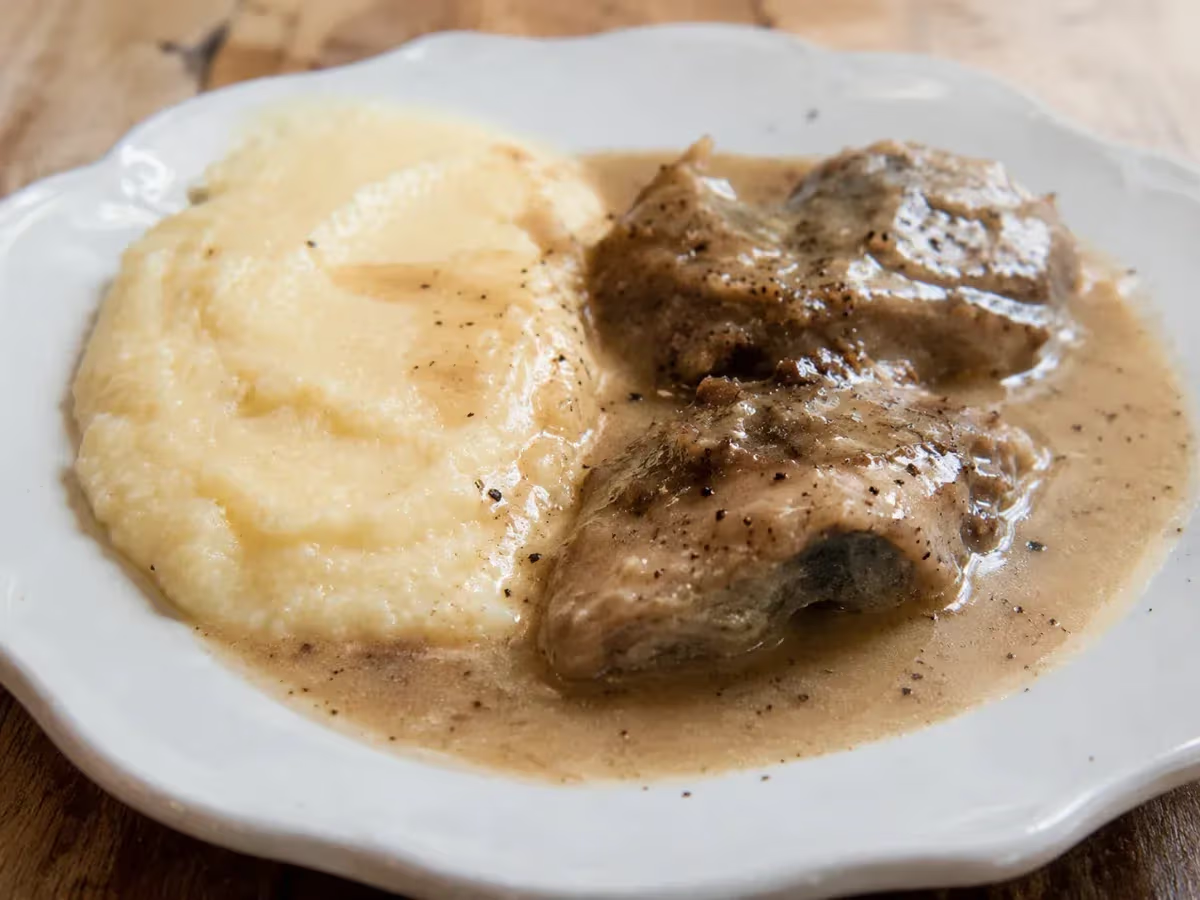
Boreto arrives at the table still steaming, directly from the pan or terracotta cooking vessel, accompanied by white or yellow polenta or slices of toasted homemade bread. It is not a dish for display: it belongs to the daily life of the port, to meals consumed after outings at sea, when unsold fish or fish too small in size became dinner. Its flavor profile is decisive, slightly tangy, aromatic with pepper, with the natural sweetness of lagoon fish providing a counterpoint. It should be eaten with your hands and without ceremony.
Boreto is a dish deeply rooted in the territory of Grado, but along the Friuli coast and in the lagoon areas there are variations that modify some details without overturning its structure.
The acidulous and peppery profile of boreto alla gradese requires wines with sufficient acidity and sharp aromatic character.
per serving
In Grado, fish was cooked in a pan long before a market existed to sell it. The island, separated from the mainland by a shallow lagoon teeming with life, lived for centuries on direct fishing: flat-bottomed boats, tight nets, an abundant catch but of small size that hardly found buyers outside local boundaries. Boreto is born from this context, as a practical response to the abundance of small fish and the necessity of preserving or cooking it immediately with what was available.
The use of white vinegar, which in this preparation is not a secondary flavoring but a structural ingredient, recalls ancient practices of fish preservation in the Venetian Adriatic, documented at least since the sixteenth century. Grado was long under the Republic of Venice and then under Habsburg rule, and its cuisine bears traces of both influences: the simplicity of the Venetian lagoon blends with the Central European preference for sweet-and-sour and peppery flavors. The name itself, in the local dialect form, refers to the action of cooking in acidic broth, a gesture that in Grado has never ceased to be performed.