
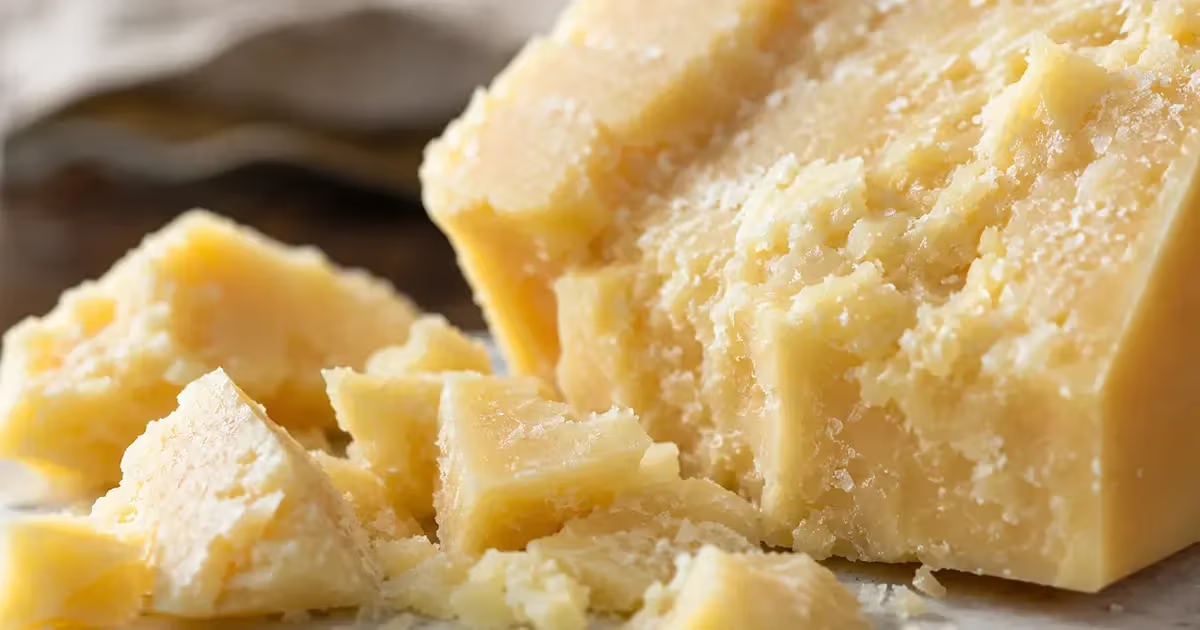
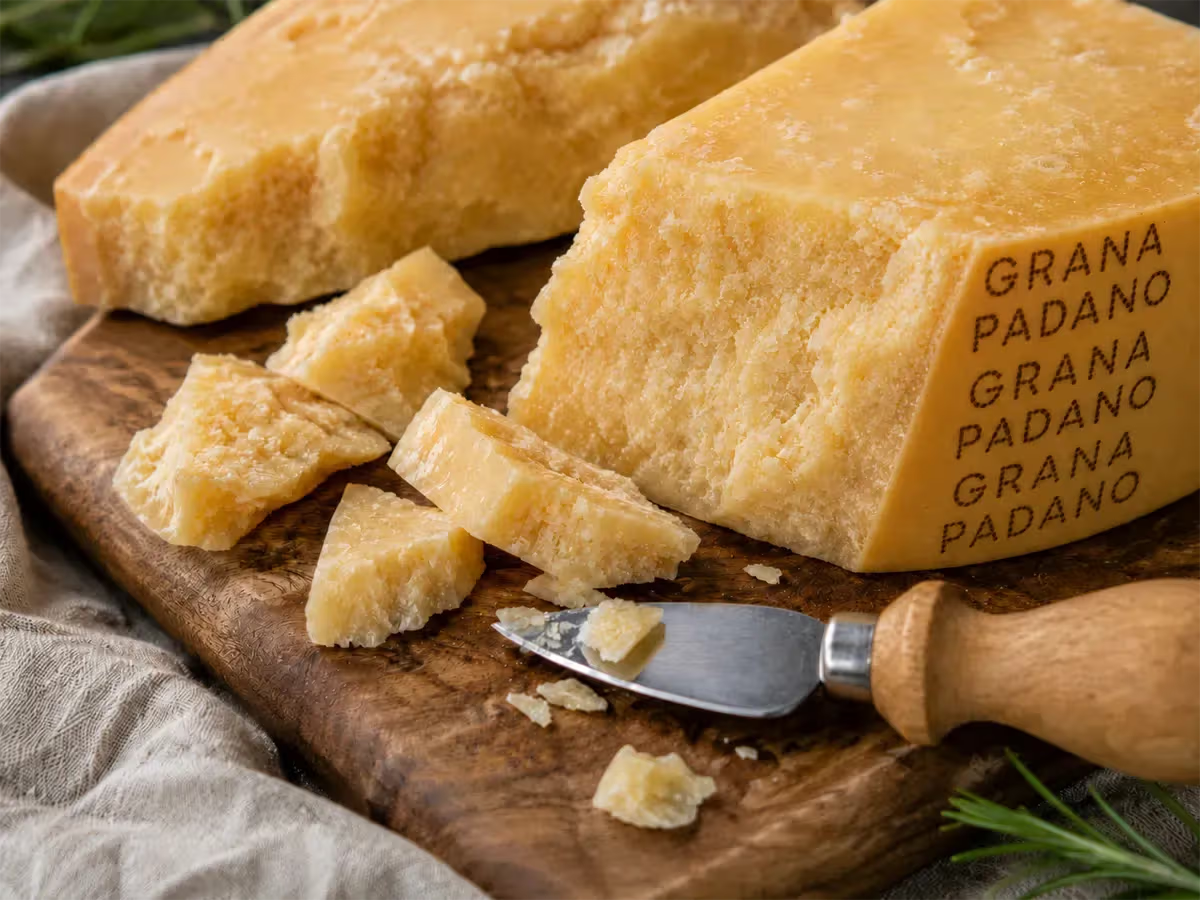
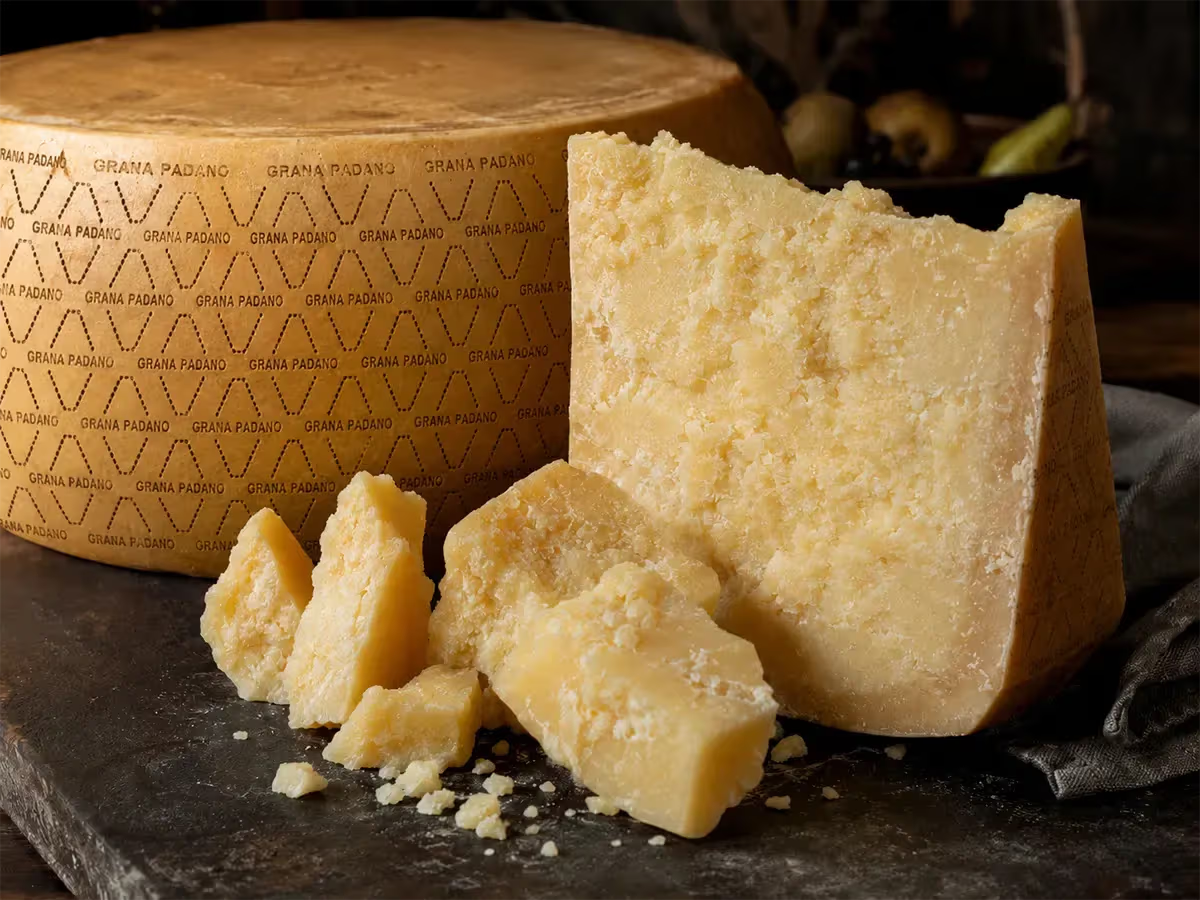
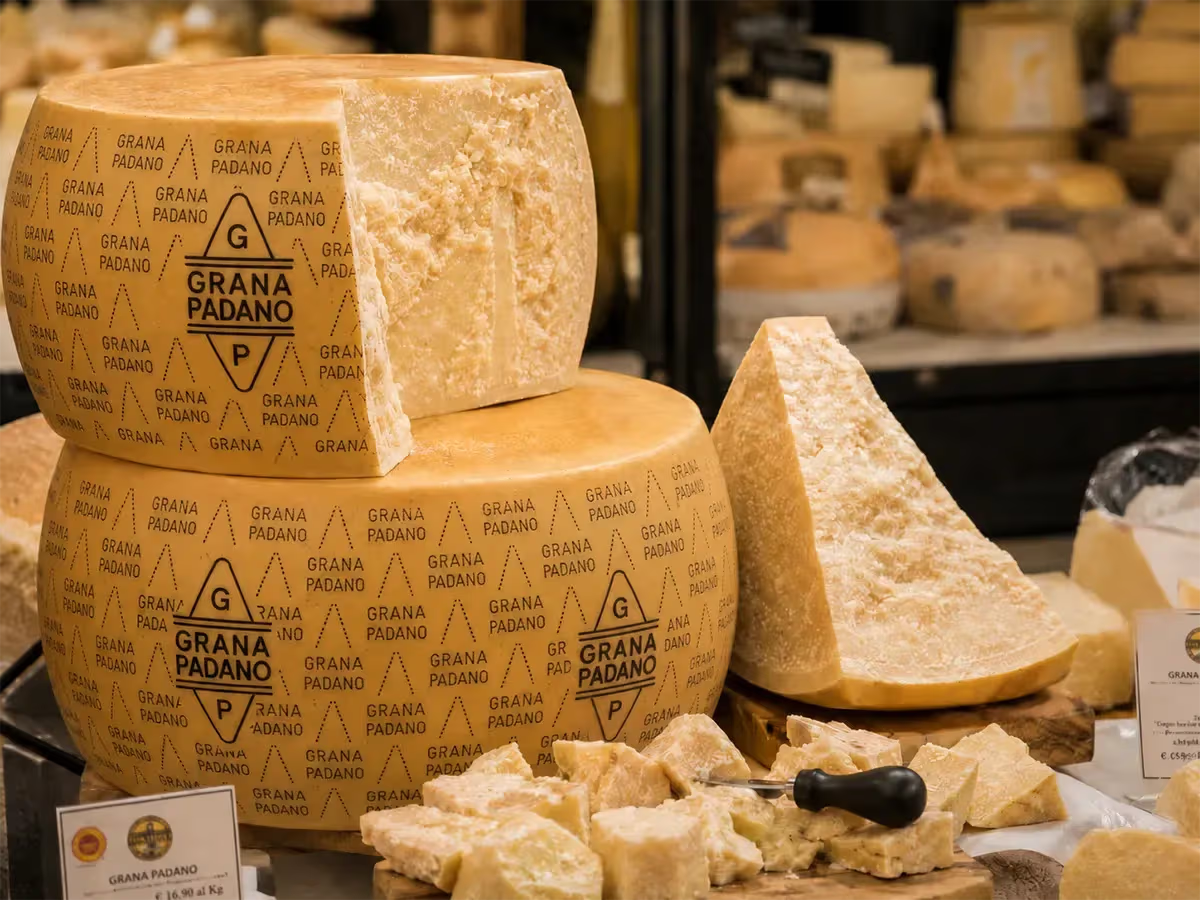
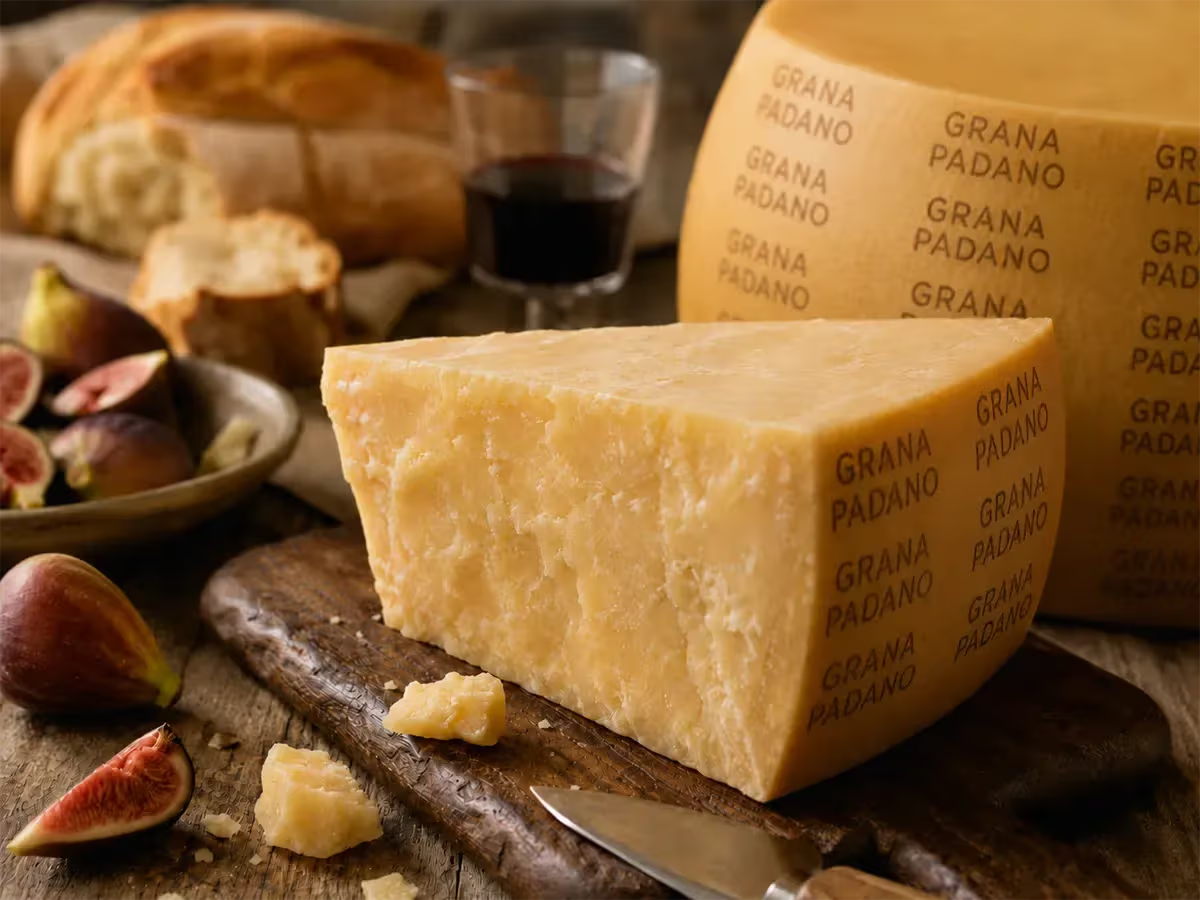
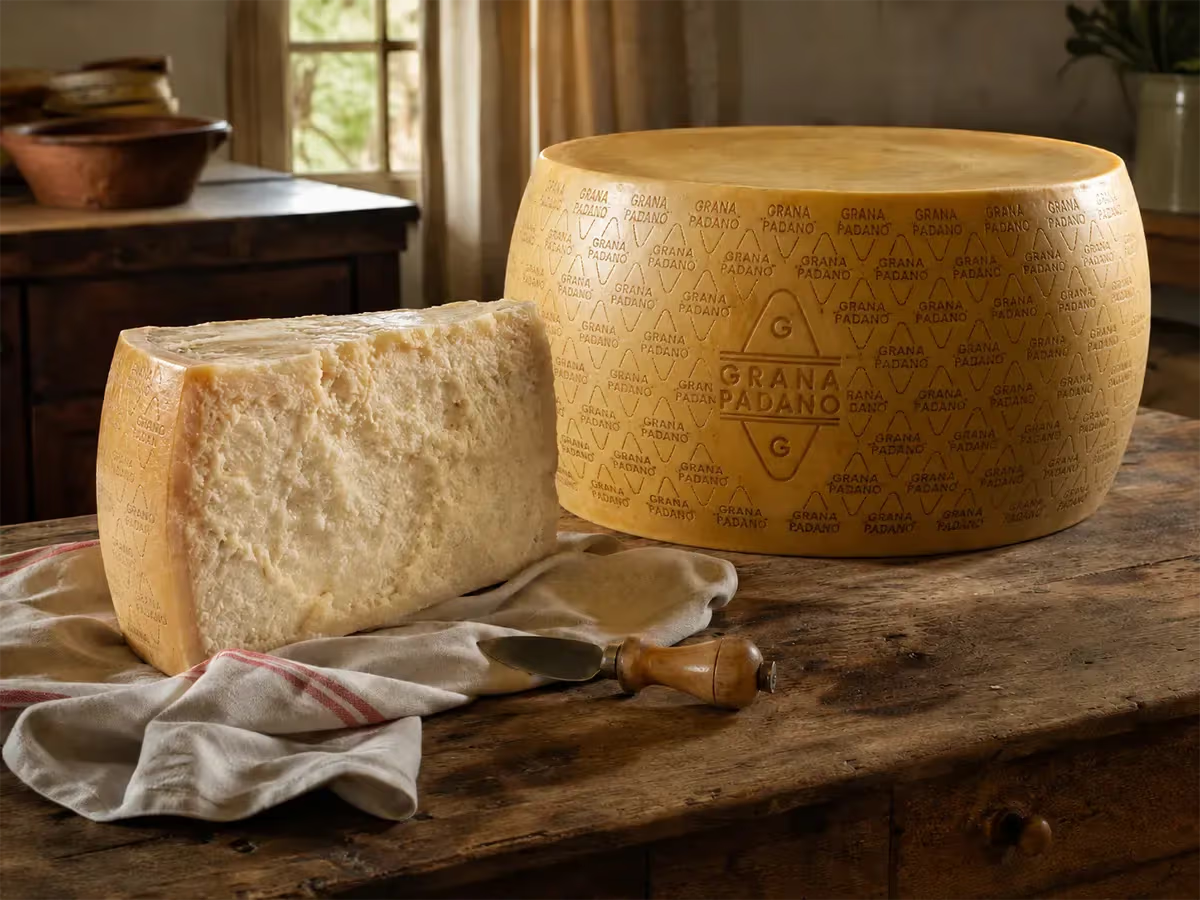
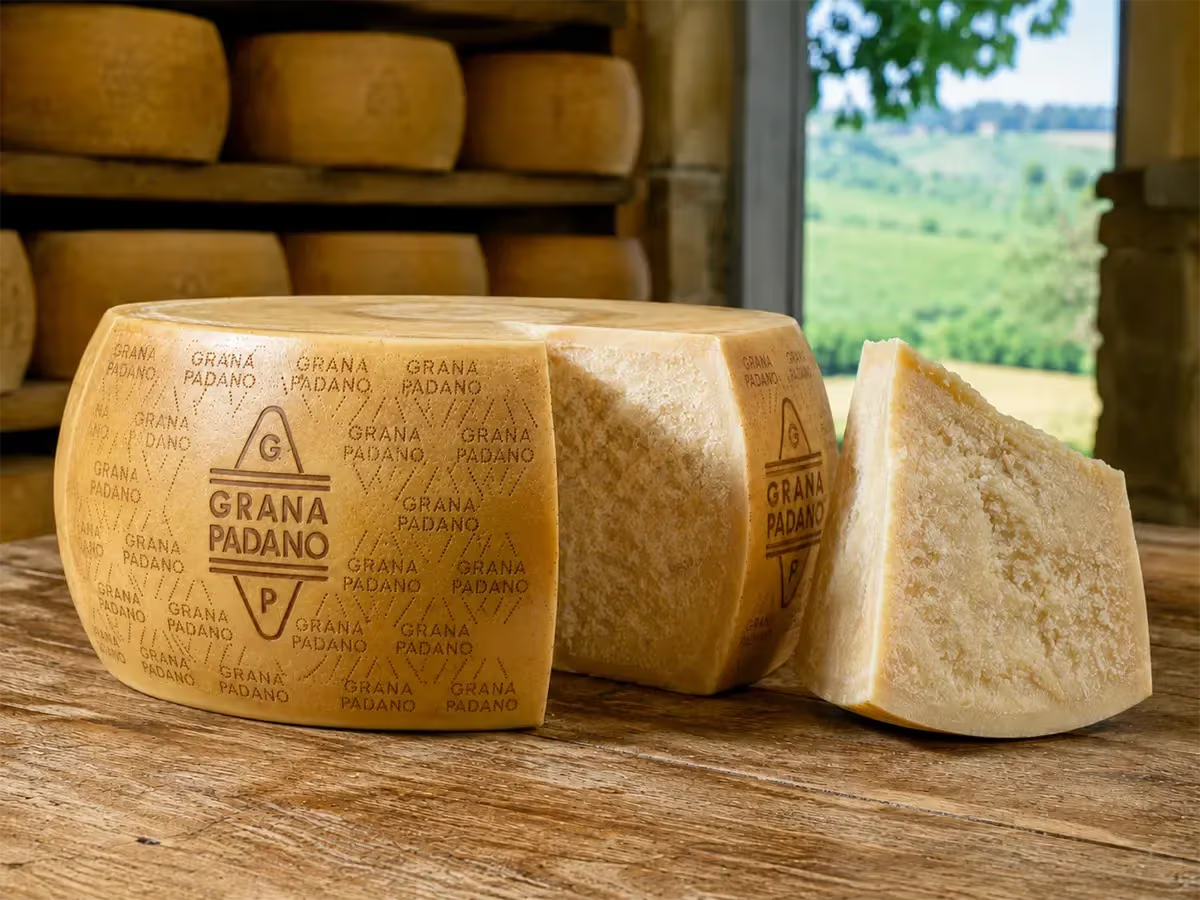
Grana Padano DOP is a hard cooked-curd cheese produced with partially skimmed cow's milk from the Po Valley. Lombardy represents its historic production heartland, with provinces such as Brescia, Cremona, Mantova, Milan and Pavia among the most representative. The cylindrical form, with slightly convex sides and flat faces, traditionally weighs between 24 and 40 kilograms. The paste is granular, with a light straw color that intensifies with aging, and characteristically flakes when broken. The aroma is delicate, milky and fragrant in younger cheeses, becoming increasingly complex and enveloping as maturation progresses.
In the kitchen Grana Padano is a versatile tool. Grated, it enriches risottos, pasta dishes, soups and polenta. In flakes it accompanies aperitifs and appetizers, often paired with cured meats and honey. In savory pastry preparations it enters into doughs and fillings. Its restrained saltiness compared to other grating cheeses makes it suitable even as an ingredient in more delicate preparations, where it should not overpower other flavors.
Along the canals and water meadows of the Pianura Padana, already in the Middle Ages Benedictine and Cistercian monks were experimenting with cheese-making techniques capable of enhancing the milk produced in excess by large agricultural enterprises. The cheese that resulted from this—hard, aged and transportable—lent itself to commerce over long distances and guaranteed reliable nutritional value in eras of scarce food preservation. Lombardy notarial documents from the twelfth and thirteenth centuries already mention granular-type cheeses traceable to this tradition.
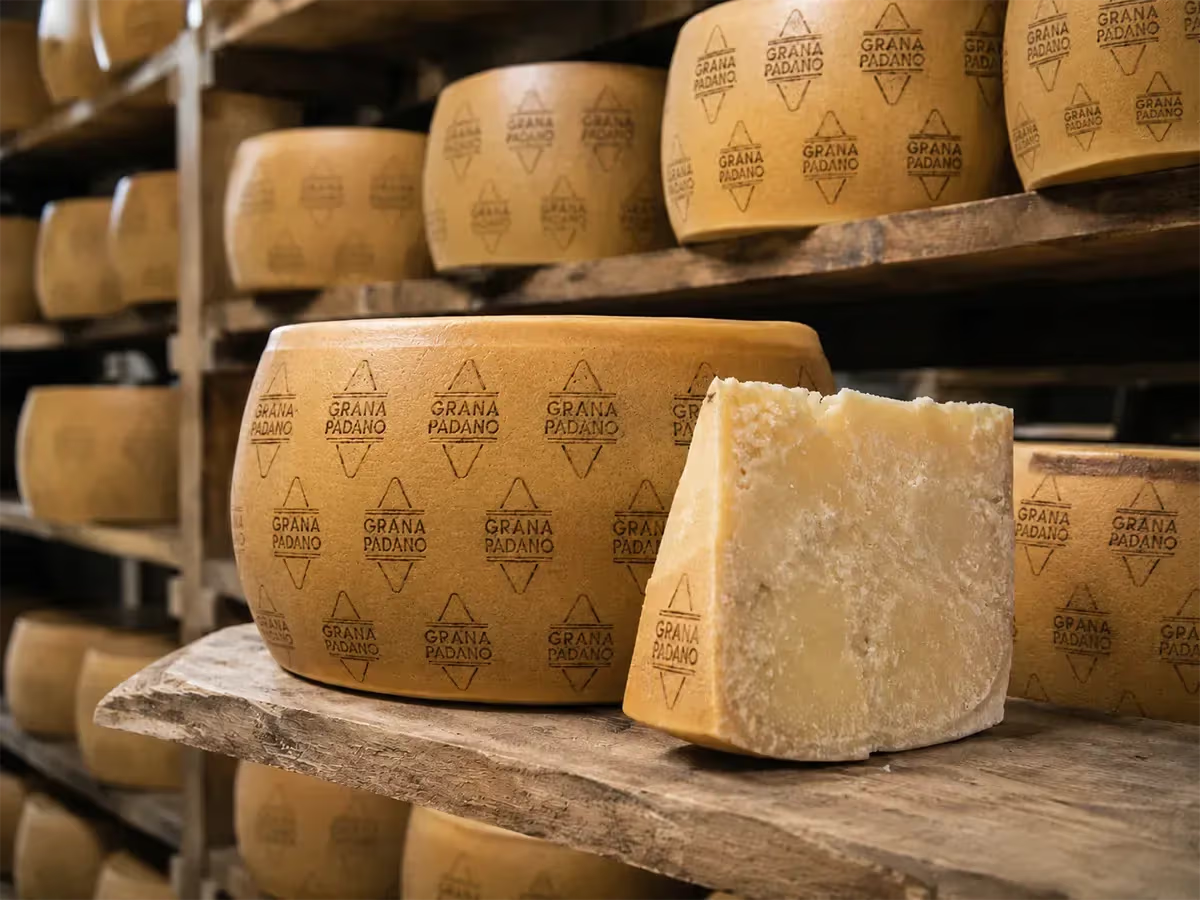
Over the centuries, production gradually extended throughout the entire Po Valley area, eventually including portions of Piemonte, Veneto, Trentino Alto Adige and Emilia Romagna, in addition to Lombardia. The DOP designation, obtained in 1996 under the framework of EU regulations, crystallized geographical boundaries, production methods and aging criteria in a rigorous disciplinary code. The Consortium for the Protection of Grana Padano, active since 1954, oversees the compliance of production and authorizes the application of the trademark. The minimum aging period required by the disciplinary code is nine months, while the type designated "Riserva" exceeds twenty months, offering a significantly more intense aromatic profile.
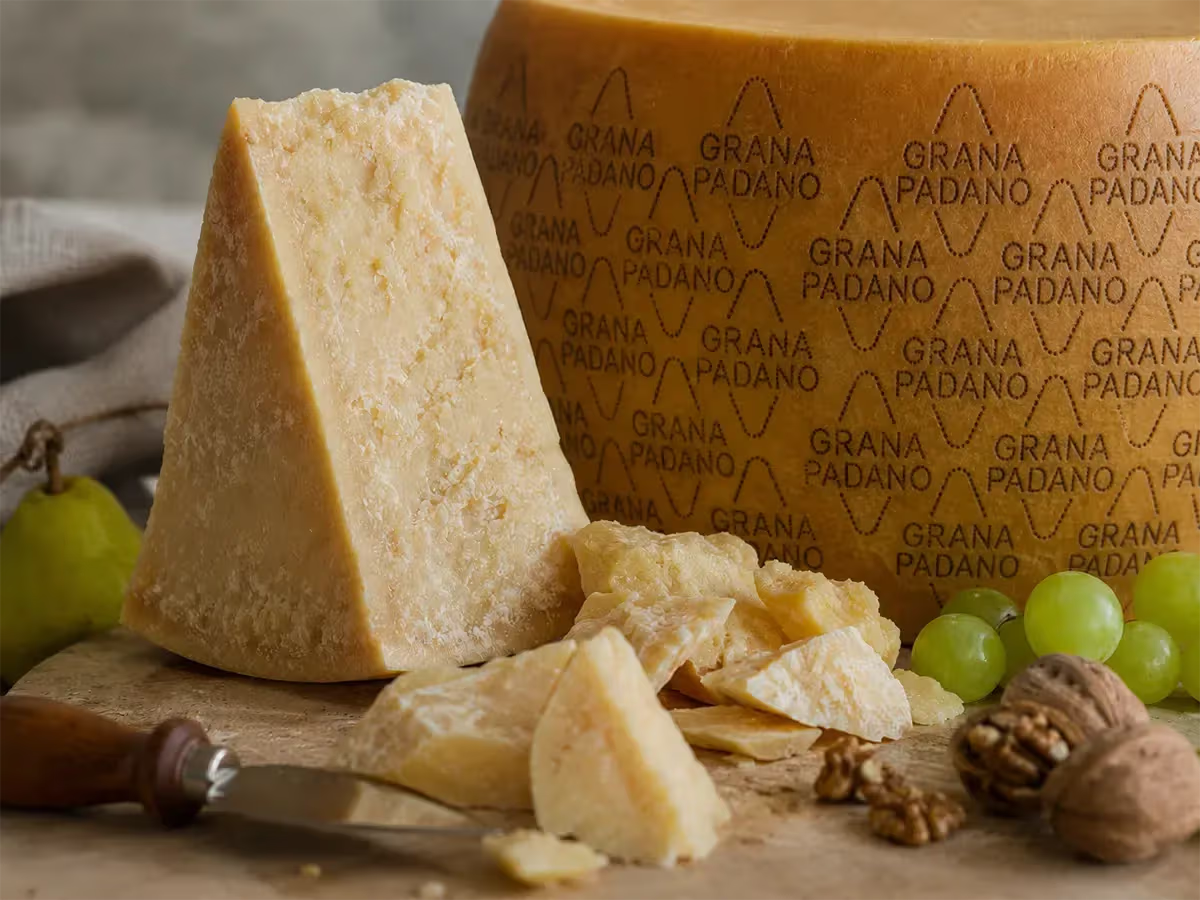
The authentic form bears on its rind a series of distinctive visual elements: the hot brand with the Consortium logo, the inscription "Grana Padano" repeated in relief along the entire edge of the rind and, on whole wheels, the numbered mark that allows traceability to the dairy of origin. The rind is hard, smooth and brown or dark straw-colored, while the internal paste is light straw-colored, homogeneous and free of eyes.
The granular structure of the paste, which flakes irregularly when the appropriate spire is used, is a fundamental recognizing feature. Cheeses aged beyond twenty months, classified as "Riserva", present a more amber paste and tyrosine crystals visible to the naked eye. Purchasing pre-packaged pieces with the visible rind, on which the logo and numbering are still legible, is the most practical guarantee for the consumer.
Grana Padano is a concentrated source of proteins with high biological value and calcium, an essential mineral for bone health. The partial skimming of the starting milk makes it slightly less caloric compared to other hard pasta aged cheeses. The caloric intake is approximately between 370 and 390 kcal per 100 grams. Aging determines a natural proteolysis that makes proteins easily assimilable. Among micronutrients, vitamin A, vitamin B12, phosphorus and zinc are noteworthy. The lactose content is very low, tending to be residual in forms with prolonged aging.
Once purchased in a piece, Grana Padano should be stored in the refrigerator between 4 and 8 degrees Celsius, wrapped in a slightly dampened cotton cloth or in food wrap, renewed regularly. Under these conditions it keeps for several weeks. Already grated cheese is also stored in the refrigerator, in an airtight container, and should be consumed within a few days to preserve its aroma. Freezing is not recommended for table forms, while it can be tolerated for grated cheese to be used in cooking.
Grana Padano lends itself to two distinct and complementary uses. As a table cheese, consumed at room temperature and cut into flakes with a cheese knife, it best expresses the aromatic complexity acquired through aging, especially in the more mature versions. It is preferable to remove it from the refrigerator at least thirty minutes before serving.
As a cooking ingredient, finely grated, it is a key component in risottos and butter-based pasta dishes, in fillings for fresh pasta, and in seasonings for roasted vegetables. The "Riserva" version, with its more pronounced character, is better suited for consumption on its own, while the basic aging forms are the most suitable for hot preparations.
On the wine front, younger versions find a natural balance with dry white wines of good acidity, such as Lugana or Soave, capable of balancing the saltiness without overpowering the milky notes. More aged forms pair well with medium-bodied reds, such as Barbera d'Asti or Valpolicella, and also with light dessert wines when the cheese is served with acacia honey or fruit preserves.
Among classic food pairings, Grana Padano in flakes pairs beautifully with mortadella, prosciutto crudo and aged coppa. Chestnut honey and Lombard fruit mostarda enhance its natural sweetness. Accompanied by walnuts and dried figs, it becomes a simple yet balanced conclusion to a meal. Lombard polenta, whether soft or grilled, also welcomes it with great ease.
The saffron risotto is perhaps the Lombard preparation that more than any other celebrates the mantecatura with grated Grana Padano. At the end of cooking, off the heat, the cheese is incorporated together with cold butter in a rotatory movement that creates the creamy consistency typical of the recipe. The Grana balances the sweetness of the saffron and binds the rice without making it heavy.
In some domestic variants of the cotoletta, shavings of aged Grana Padano are arranged on the breaded and fried meat while still hot, melting slightly when in contact with the heat. The practice is informal but rooted in many Lombard families, and adds a savory and aromatic note to the classic preparation.
The vegetable minestrone of the Paduan peasant tradition includes in many family recipes a generous grating of Grana Padano served at the table or, in some versions, a final gratin in the oven that forms a golden crust on the surface. The cheese absorbs part of the broth and concentrates the flavors of the legume and seasonal vegetable.
In the farmhouses of the Lower Lombardy plains, the production of Grana Padano was historically linked to the cycle of irrigated meadows and the management of dairy cattle during the winter months, when fresh forage was scarce and milk was transformed to avoid waste. The cheese wheel also represented a form of savings and value accumulation, given as payment or preserved as a food reserve.
In Lombardy domestic culture, Grana Padano remains today an element of continuity between generations, present on daily tables and in festive preparations. The tradition of bringing an entire wheel as a gift on important occasions, weddings or inaugurations, is kept alive in some rural areas of the plain, where the cylindrical wheel with the impressed mark preserves a symbolic value that goes beyond mere food.
Grana Padano is present at numerous events dedicated to Lombard dairy and food products. Among the key appointments is the International Food Exhibition CIBUS, in Parma, which every two years hosts exhibitors and tastings related to DOP cheeses from the Po Valley. At the local level, many autumn festivals in the municipalities of Lower Brescia, Cremona and Mantua include stands dedicated to aged cheeses of the territory. The Consortium for the protection of Grana Padano periodically organizes itinerant promotion and tasting events in Lombardy and in the other producing regions.