
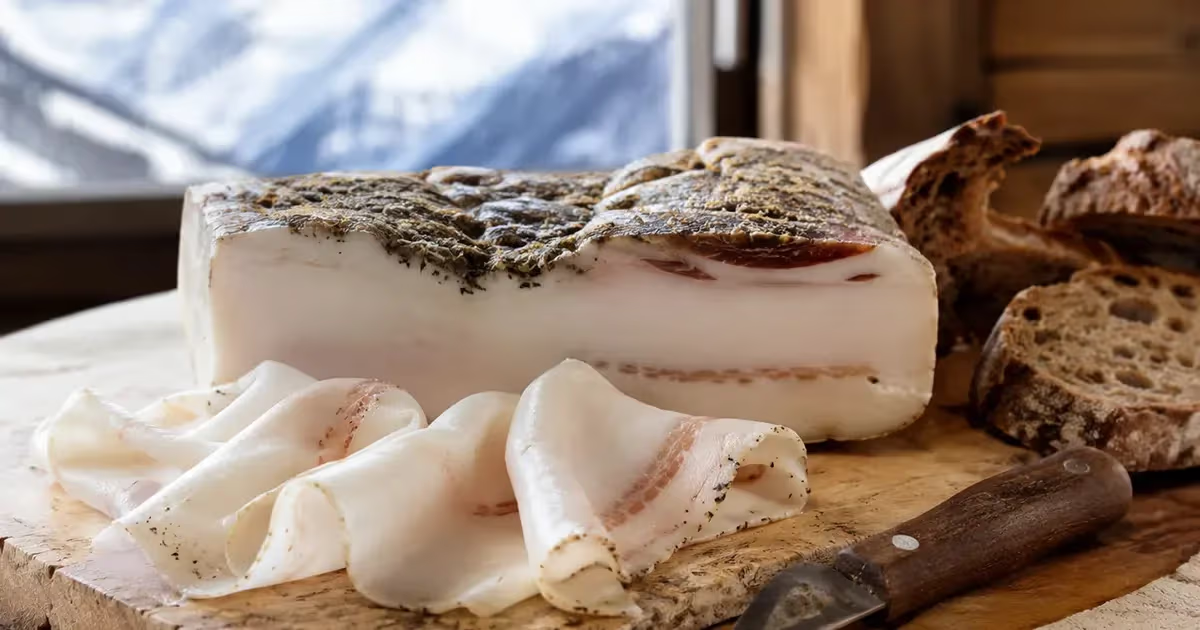
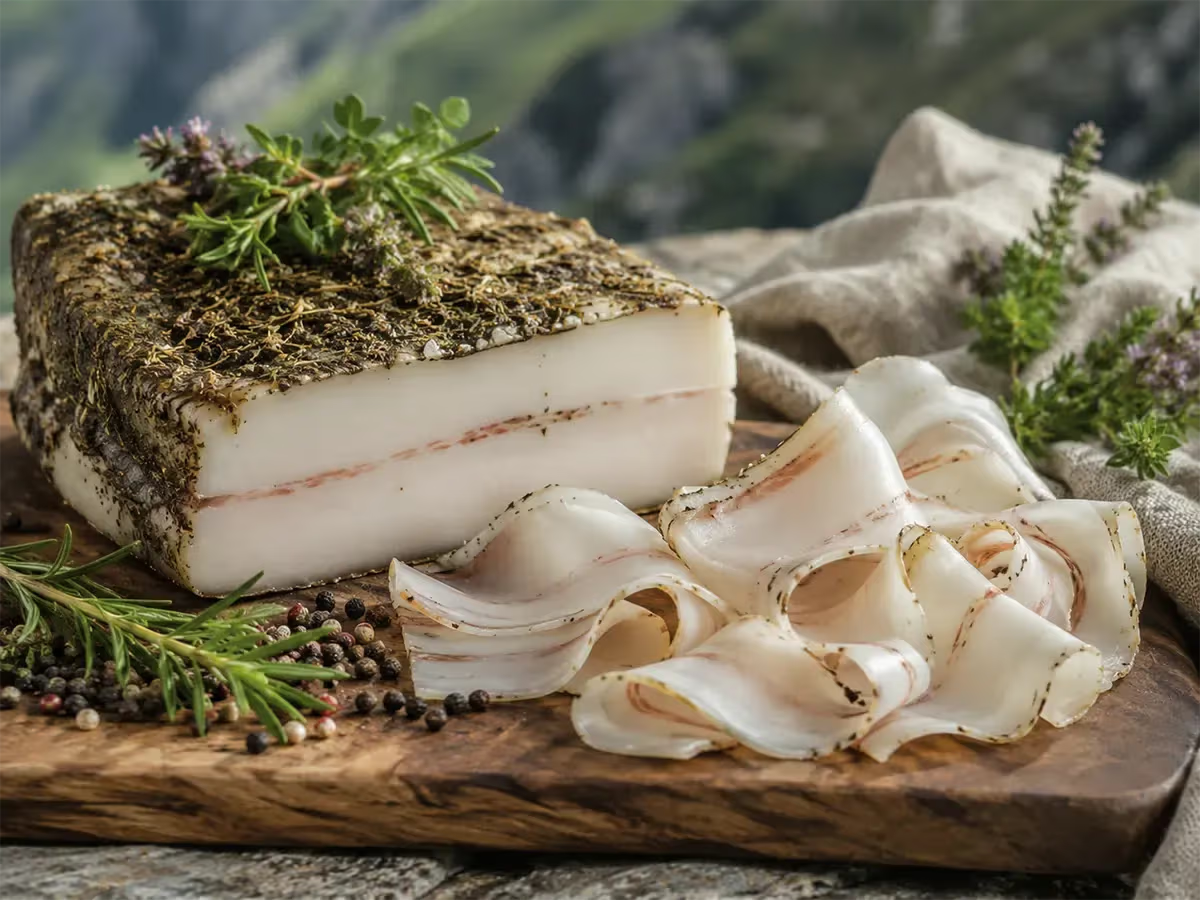
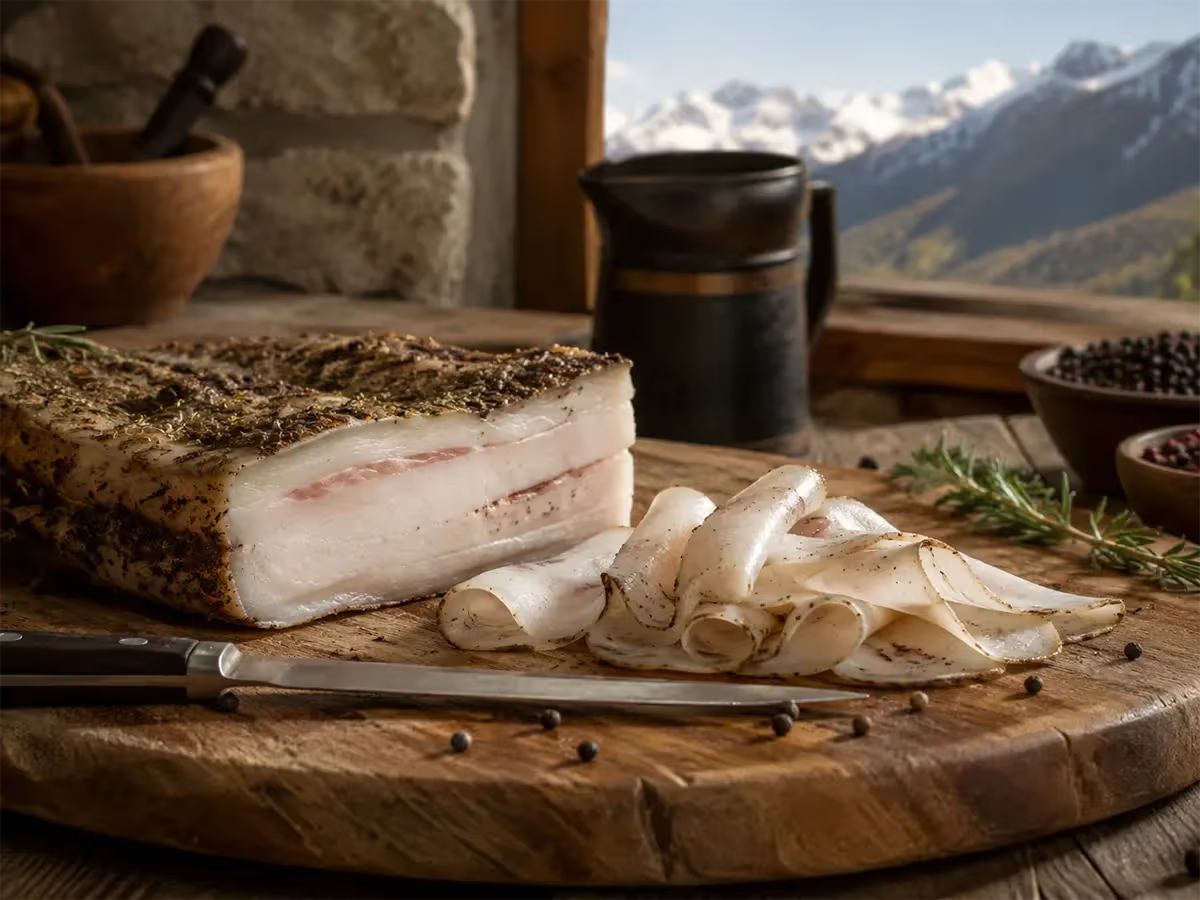
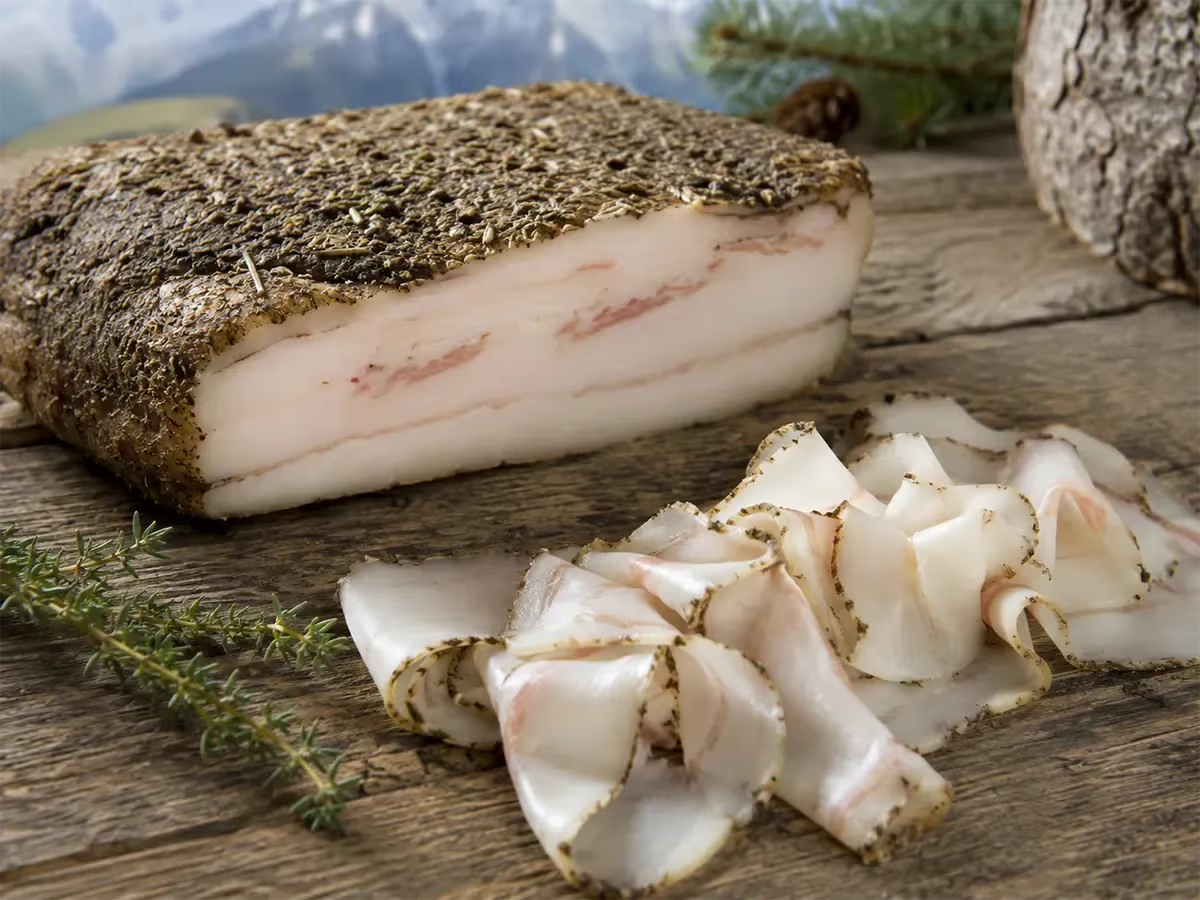
Lardo di Arnad DOP is a cured meat from Valle d'Aosta obtained from the processing of the dorsal fat of the pig, aged in wooden containers called "doils", typically made of oak or chestnut, together with aromatic mountain herbs, spices and salt. The product is linked to the municipality of Arnad, in the lower Valle d'Aosta, and owes its entire identity to this valley nestled between the Alps, where the microclimate and the tradition of meat preservation have found a precise form of expression.
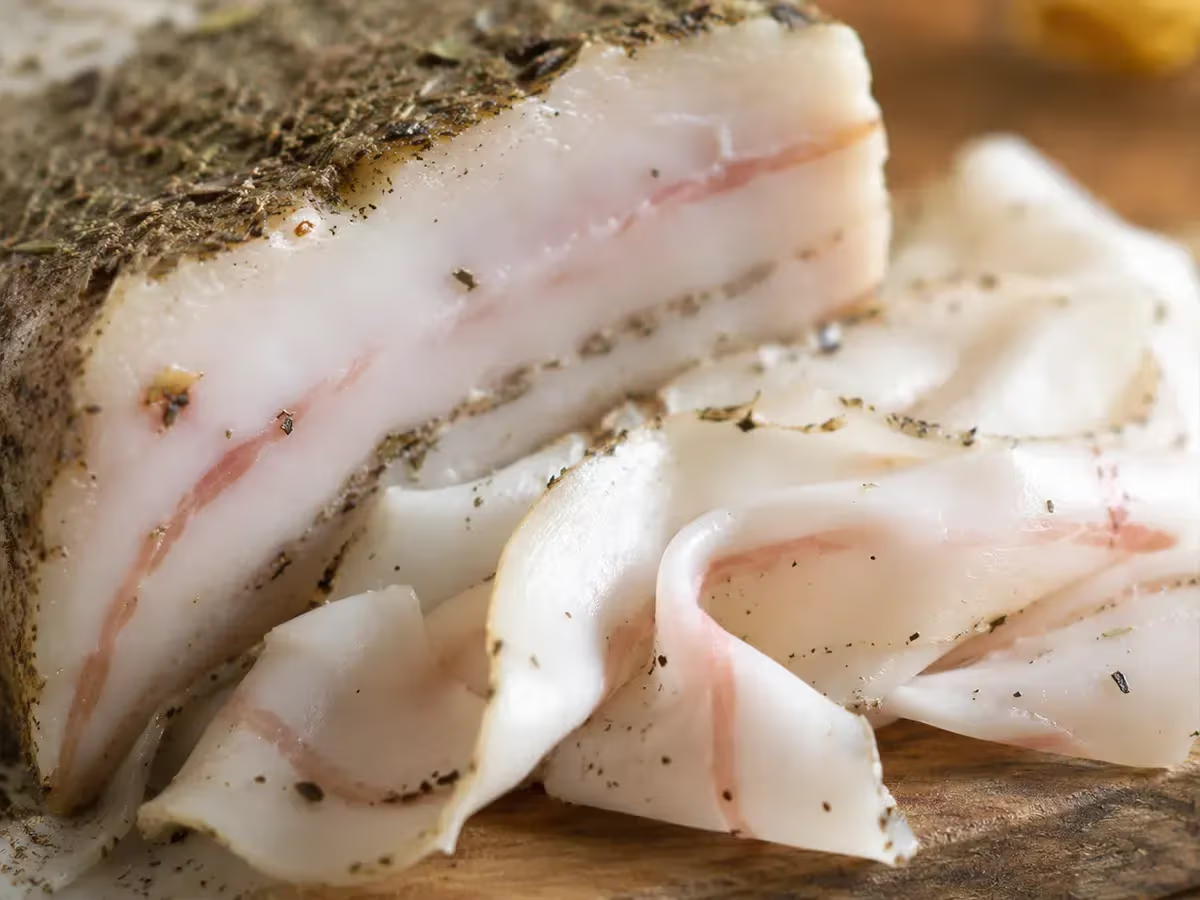
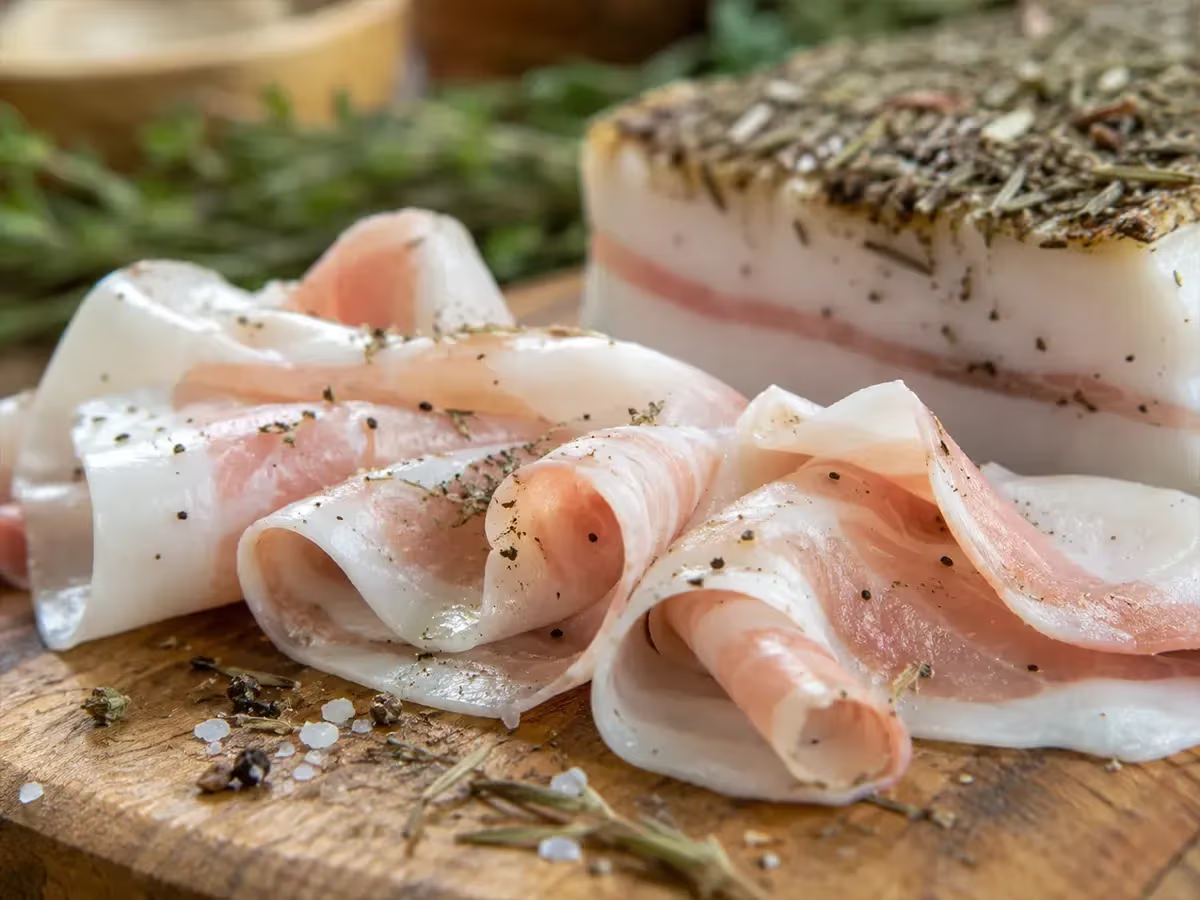
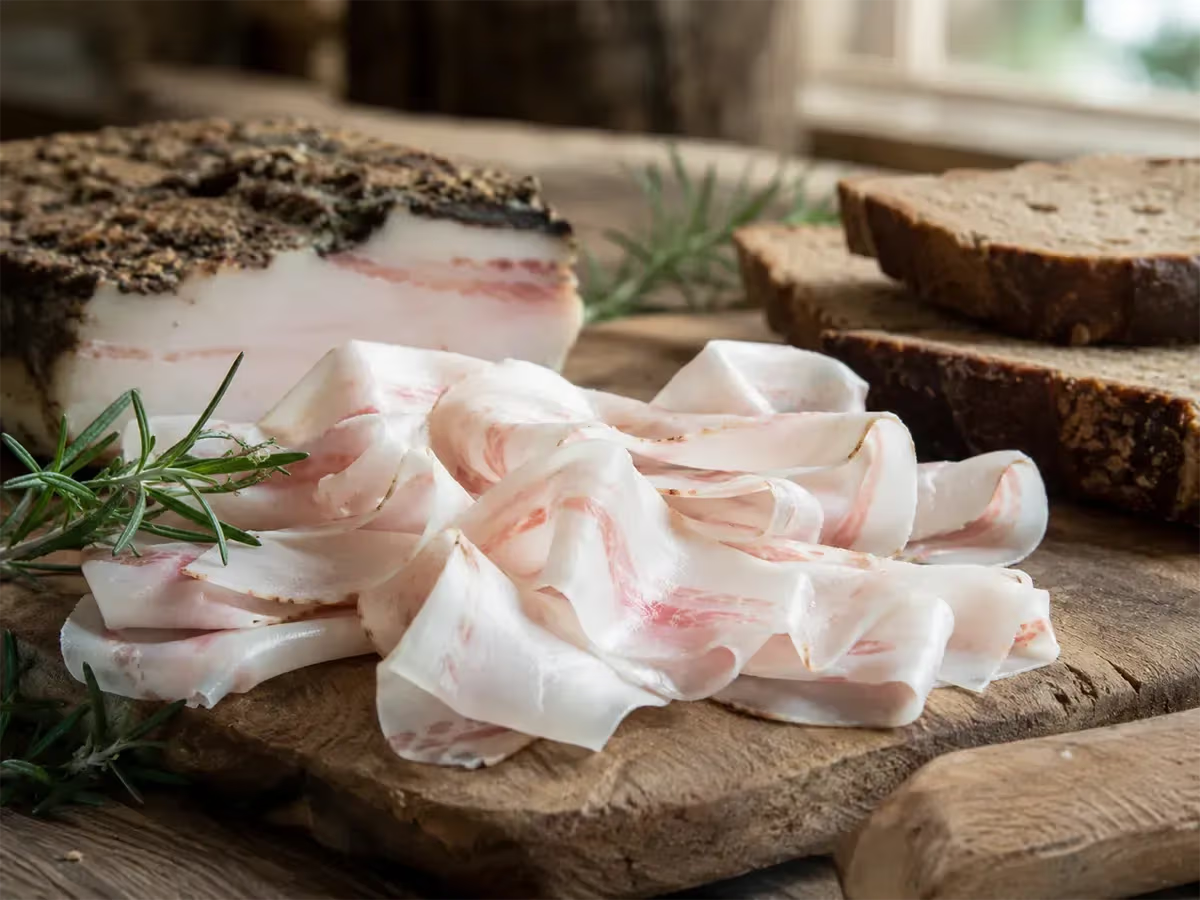
On the palate, Lardo di Arnad reveals itself to be soft, almost velvety, with an aromatic note reminiscent of alpine herbs, rosemary and the spices used in the seasoning. The color is candid white, sometimes with rosy hues in the part in contact with the rind. In the kitchen it is used on slightly toasted rye bread as an appetizer, or paired with mountain honey for a sweet-salty contrast of great balance. Traditionally it is also used to flavor polenta, vegetable soups and meat preparations.
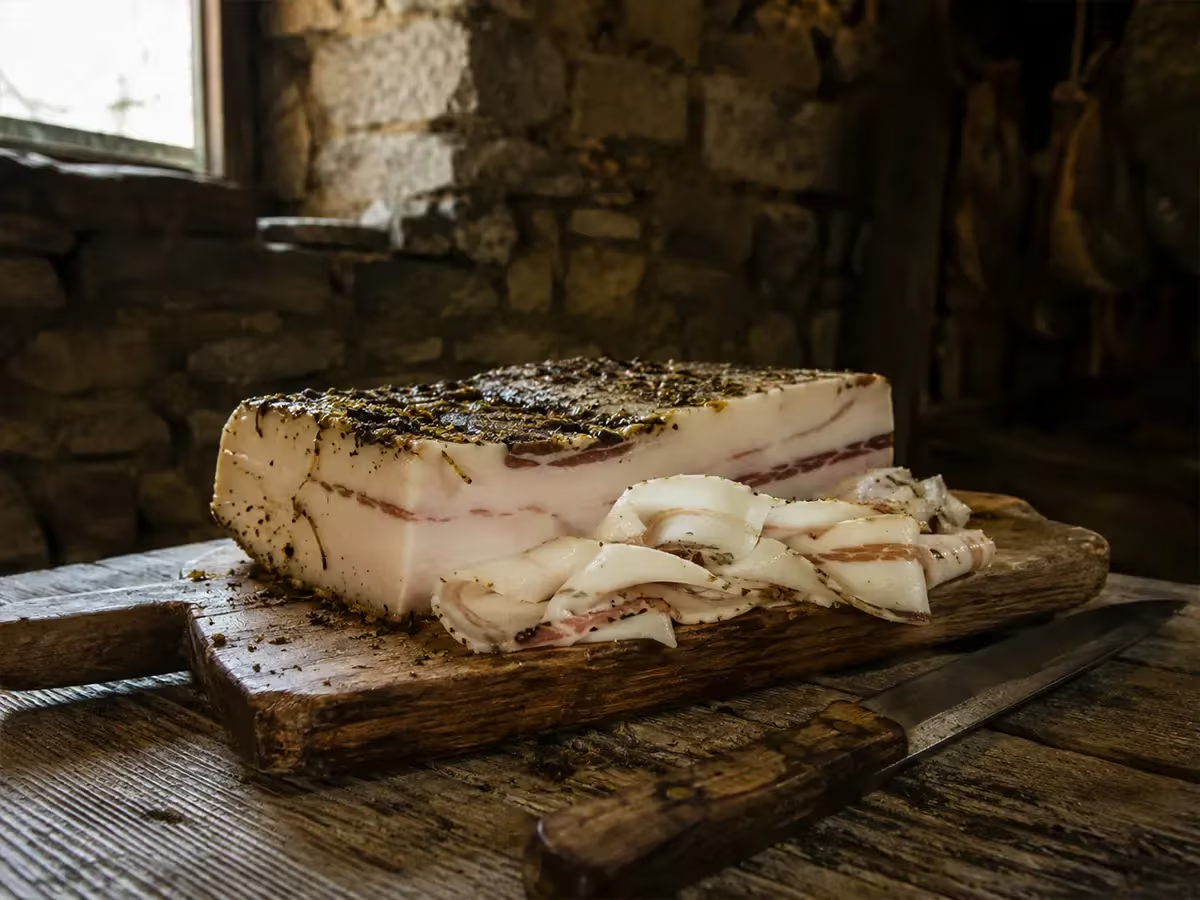
In Arnad, a small municipality in the Vallée, the practice of preserving Lardo in doils has roots in documents dating back to the fifteenth century. The use of these wooden containers was not random: wood, porous and living, participated in the aging process by absorbing and releasing the scents of herbs, building over time a balance that no other material could replicate. The technique was passed down from house to house, adapting year by year the blends of spices and aromatics, but maintaining intact the underlying logic: the cold of the valley and the slowness of rest in the doil as instruments of transformation.
Over the course of the twentieth century, production, once strictly domestic, began to take on more organized forms, also in response to growing demand from regional and national markets. Recognition as a Protected Designation of Origin, obtained at the European level, established the inseparable bond between this product and its territory, requiring that every phase, from pig breeding to final aging, take place in the municipality of Arnad or in the surrounding areas provided for by the regulations. Every year, in August, the Lardo festival attracts visitors from throughout the region, confirming the identity role that this cured meat maintains in the local community.
Lardo di Arnad DOP is presented in generous thick slices, with a white or ivory-white paste, uniform, free from spots or unwanted discolorations. The lower part is protected by the rind, which must be soft and well-adhering. To the touch the consistency is compact but yielding, without hardened or fibrous parts: a well-aged lard yields under finger pressure without crumbling.
The aroma is characteristic and recognizable, with notes of alpine aromatic herbs, spices and wood, a direct legacy of aging in doils. Certified products bear the DOP mark with the European logo and the denomination "Lardo di Arnad" on the label, together with the indications of the authorized producer and the traceable batch number. A lard lacking these references or sold loose without provenance documentation does not offer the guarantees of the product specification.
Lardo di Arnad is a food with predominantly lipid content, with a fat content that represents the dominant nutritional component. Among the fats present are monounsaturated fatty acids, in significant proportion, alongside a share of saturated fats. The product also provides small amounts of protein and supplies fat-soluble vitamins, particularly vitamin E and some B vitamins. The sodium content is significant, due to the salting process. The energy value is high, estimable at approximately 600-650 kcal per 100 grams, so consumption is traditionally moderate.
Once purchased, Lardo di Arnad should be stored in the refrigerator, ideally at a temperature between 2 and 6 degrees Celsius. If purchased whole or in unsliced pieces, it is recommended to wrap it in butcher paper or in a slightly damp cloth to prevent excessive surface dehydration. Once sliced, it should be consumed within a few days. Vacuum-packed products maintain freshness longer, following the expiration dates indicated on the label.
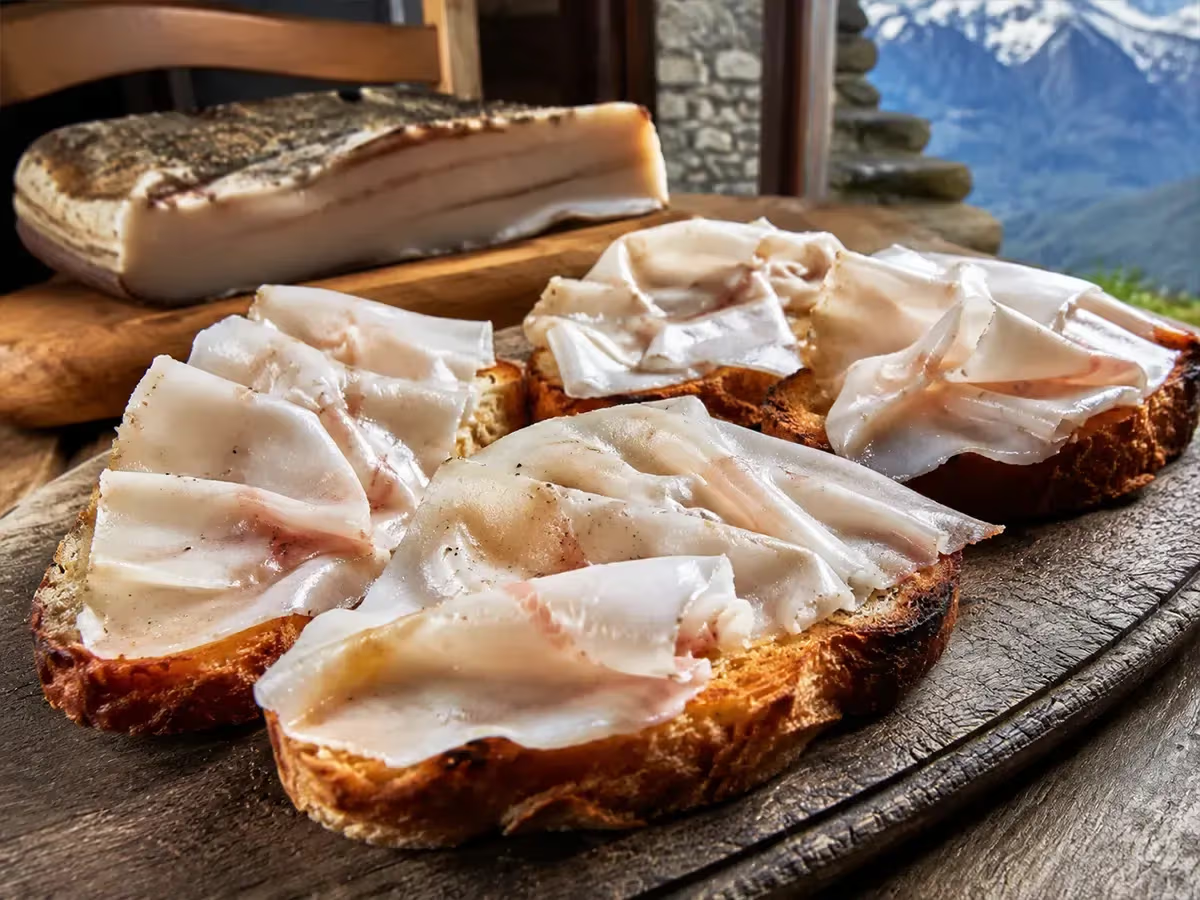
The most direct way to appreciate its quality is at room temperature, thinly sliced on lightly toasted Valdaosta rye bread: the heat releases the aromas and further softens the paste. The pairing with wildflower or chestnut honey is a proposal rooted in local tradition that plays on the contrast between the savory flavor and the floral sweetness of the honey.
Lardo di Arnad also enters hot cuisine: melted in a pan it flavors polenta concia, it is used to lard roasts and game meats, and adds body to mountain soups and stews. In these uses the quality of the fat, which melts at low temperature without being heavy, is a determining element.
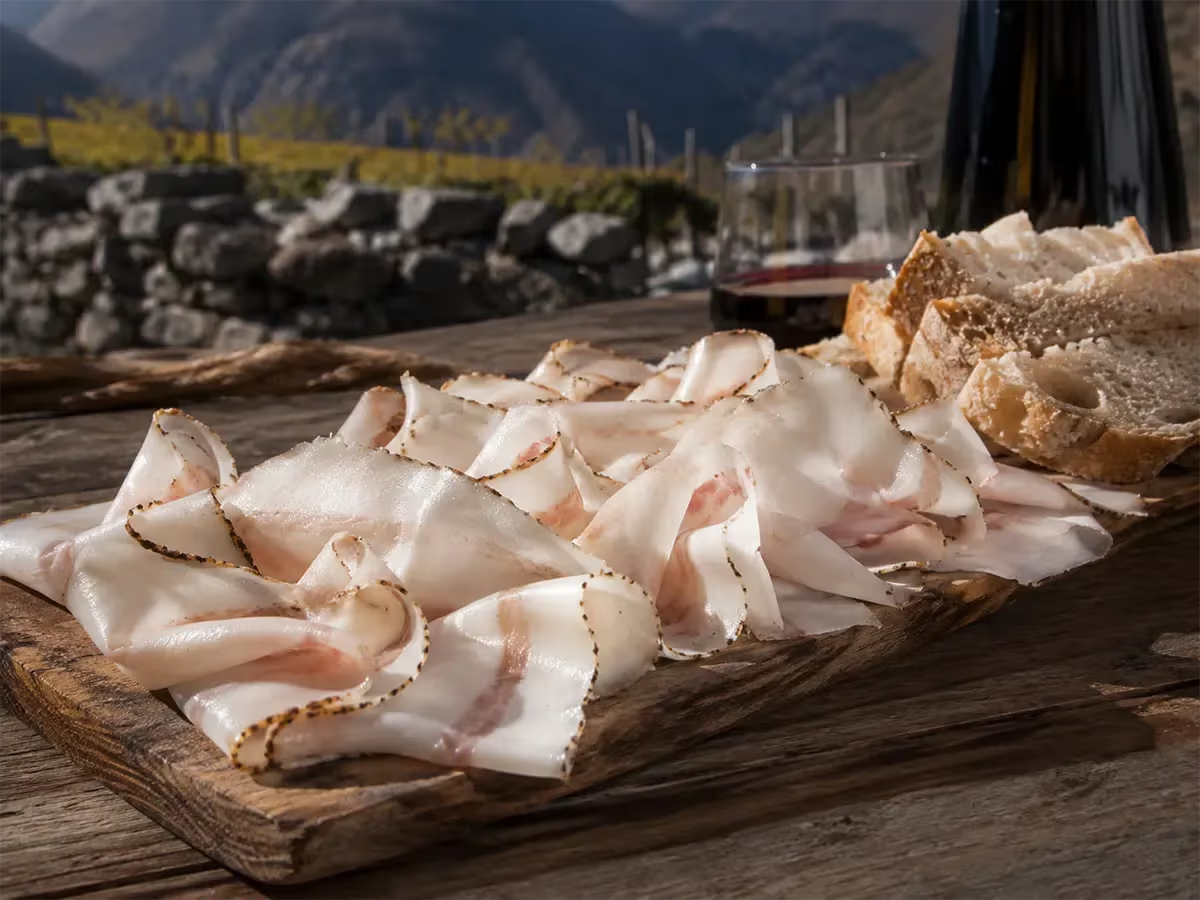
On the wine front, Lardo di Arnad pairs naturally with structured white wines from the Valle d'Aosta, such as a Petite Arvine or a Chambave Muscat in their dry versions, capable of supporting the richness of the cured meat with their acidity and alpine aromatic profile. A light red wine based on Pinot Nero or Gamay from the Valle d'Aosta also accompanies the product well without masking its aromas.
Among foods, rye bread remains the natural companion par excellence. Fontina DOP cheese, with its soft paste and milky flavor, creates a deeply territorial combination. Honey, particularly that of rhododendron or chestnut produced in the valley, completes the picture with a sweet note that balances the salt of the curing.
Slices of Aosta Valley rye bread are briefly toasted on the grill or in the oven, then placed on a cutting board and covered with thin slices of Lardo di Arnad arranged to cover the entire surface. A drizzle of rhododendron or chestnut honey completes the dish. The residual heat of the bread slightly melts the lard, releasing the aromas of the curing process. It is the signature appetizer of Aosta Valley mountain cuisine.
Bramata corn polenta, cooked for a long time in a copper pot, is tossed with Fontina DOP and alpine butter. The Lardo di Arnad, cut into small cubes, is briefly sautéed until transparent and poured over the polenta when serving, along with the cooking juices. The aromatic fat penetrates the polenta and enriches its flavor with the herbaceous notes of the aging process.
Thin slices of veal or beef are wrapped in a slice of Lardo di Arnad before being browned in a pan with butter and sage. The quick cooking over high heat allows the lard to seal the meat, keeping it tender inside and adding an aromatic crust on the outside. The dish is traditional in families of the lower Aosta Valley.
In the peasant culture of Arnad, lard processing marked a precise moment in the domestic calendar, linked to pig slaughter in late autumn or early winter. The preparation of the doils, the choice of herbs and the composition of the curing mixture were forms of knowledge transmitted orally, guarded with a certain reserve by each family. Lard was not a luxury: it was dense and preservable energy, capable of nourishing during the harshest months of the year in the mountains.
Today that meaning of a sustenance food has transformed into a symbol of territorial identity. Bringing Lardo di Arnad to the table is a gesture that refers back to that culture of preservation and the whole use of the pig, values that the local community continues to recognize as part of its own history.
In Arnad, the Fête du Lard is held every year in August, the most representative event dedicated to this cured meat. The event attracts producers, enthusiasts and visitors from throughout the Aosta Valley and neighboring regions, offering tastings, insights into production techniques and direct sales of the product. The festival is also an opportunity to enhance the entire gastronomic heritage of the town and the lower valley. Lardo di Arnad is also present at the main regional fairs dedicated to DOP and IGP products of the Aosta Valley, where it finds a place alongside other protagonists of Alpine dairy and cured meat traditions.