
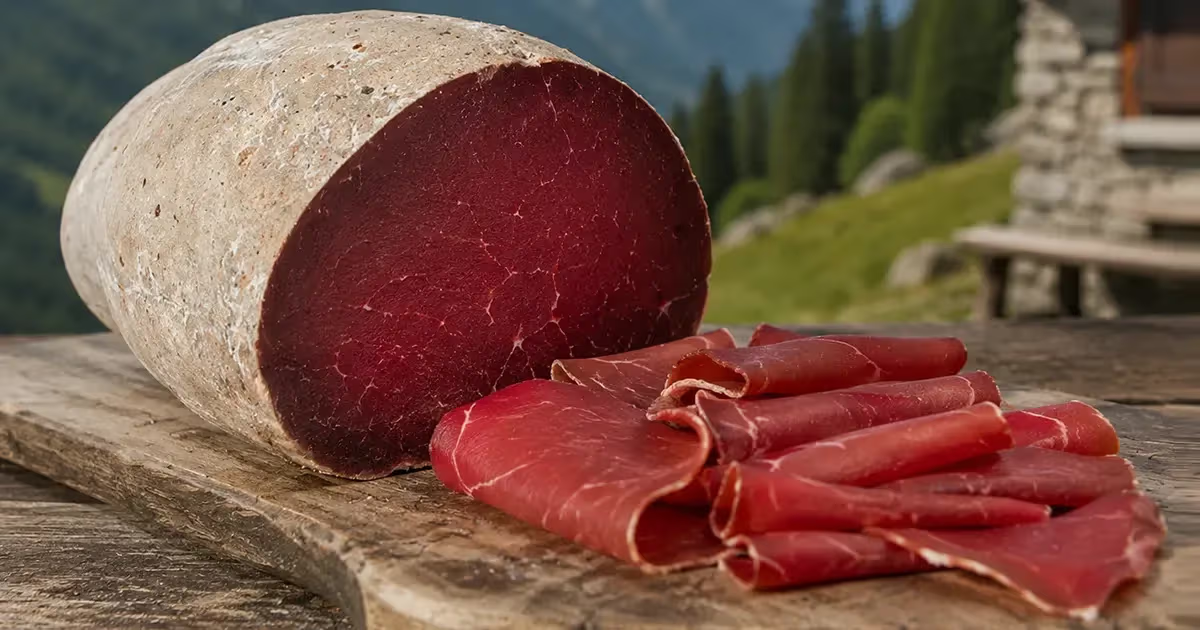
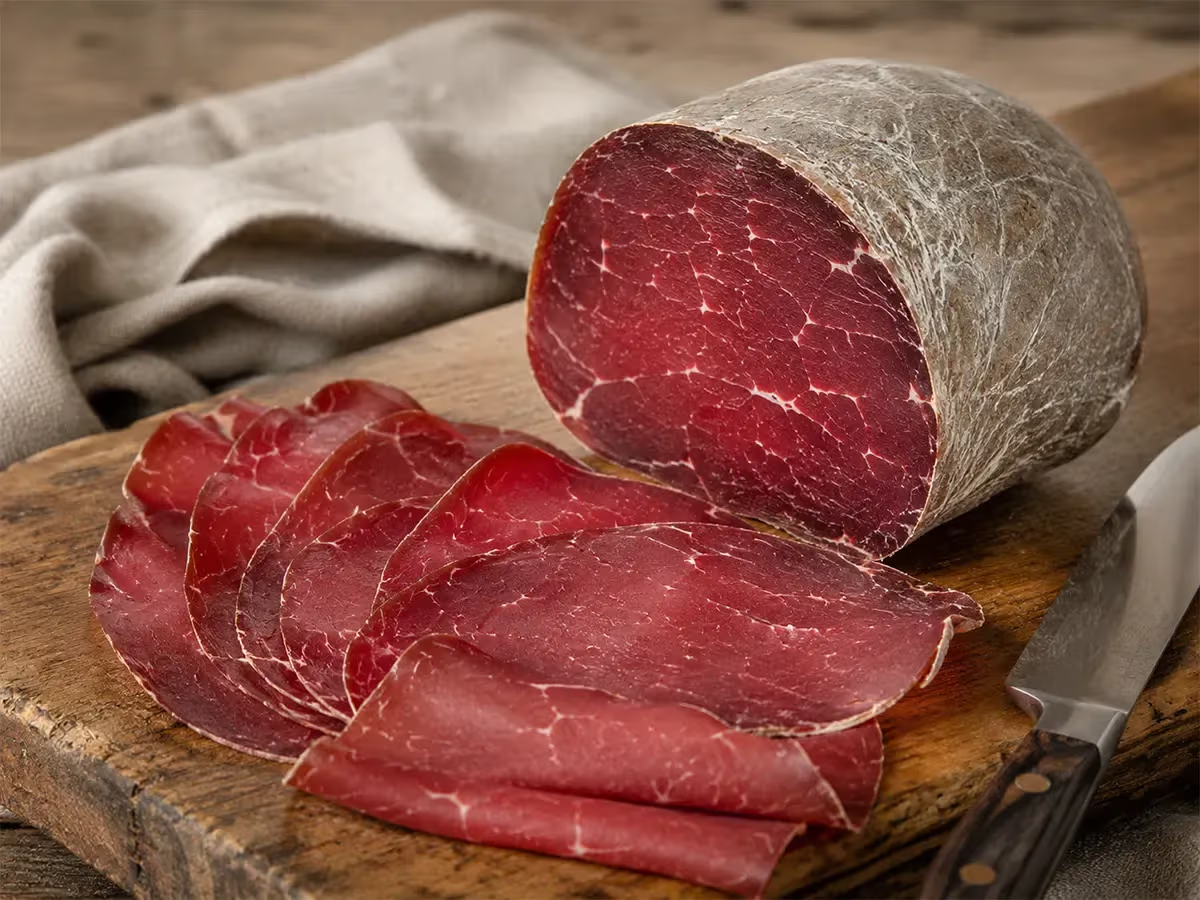
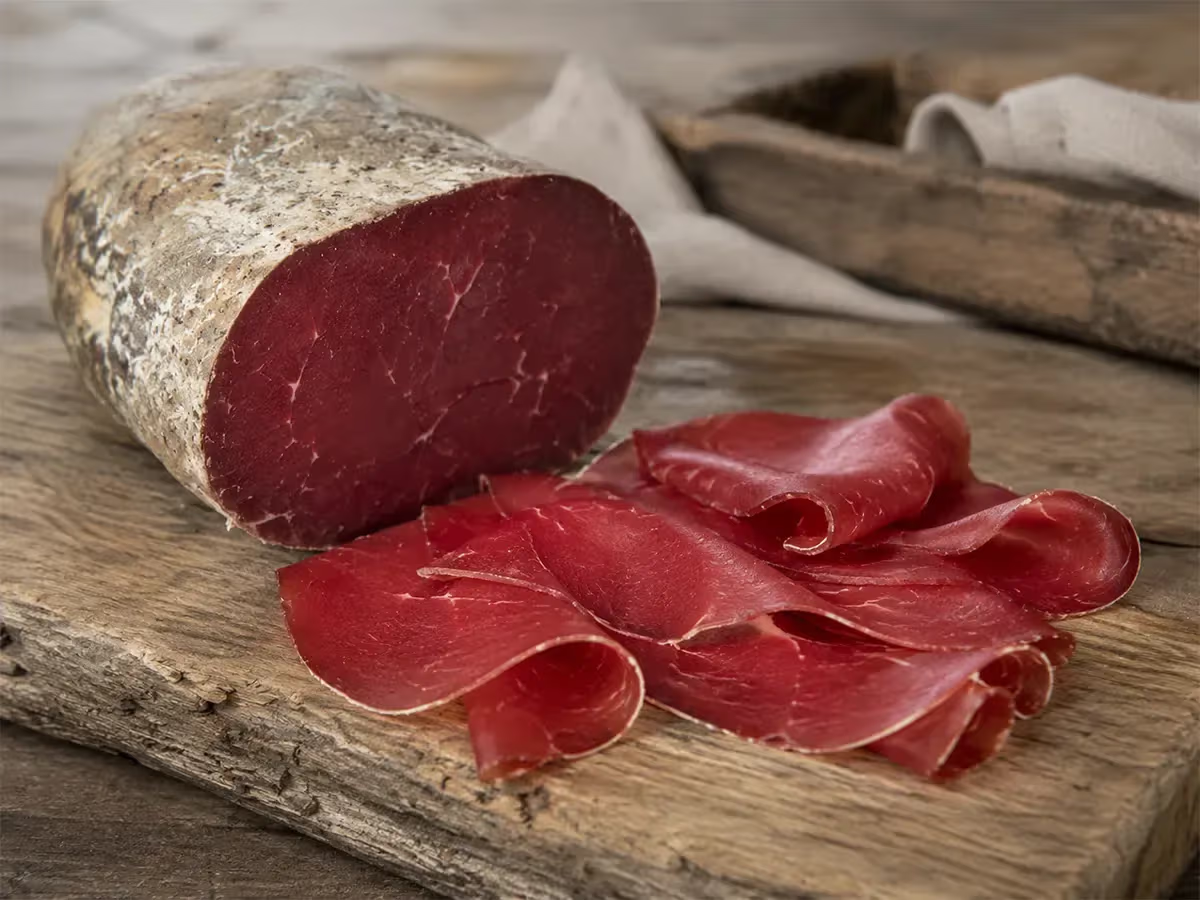
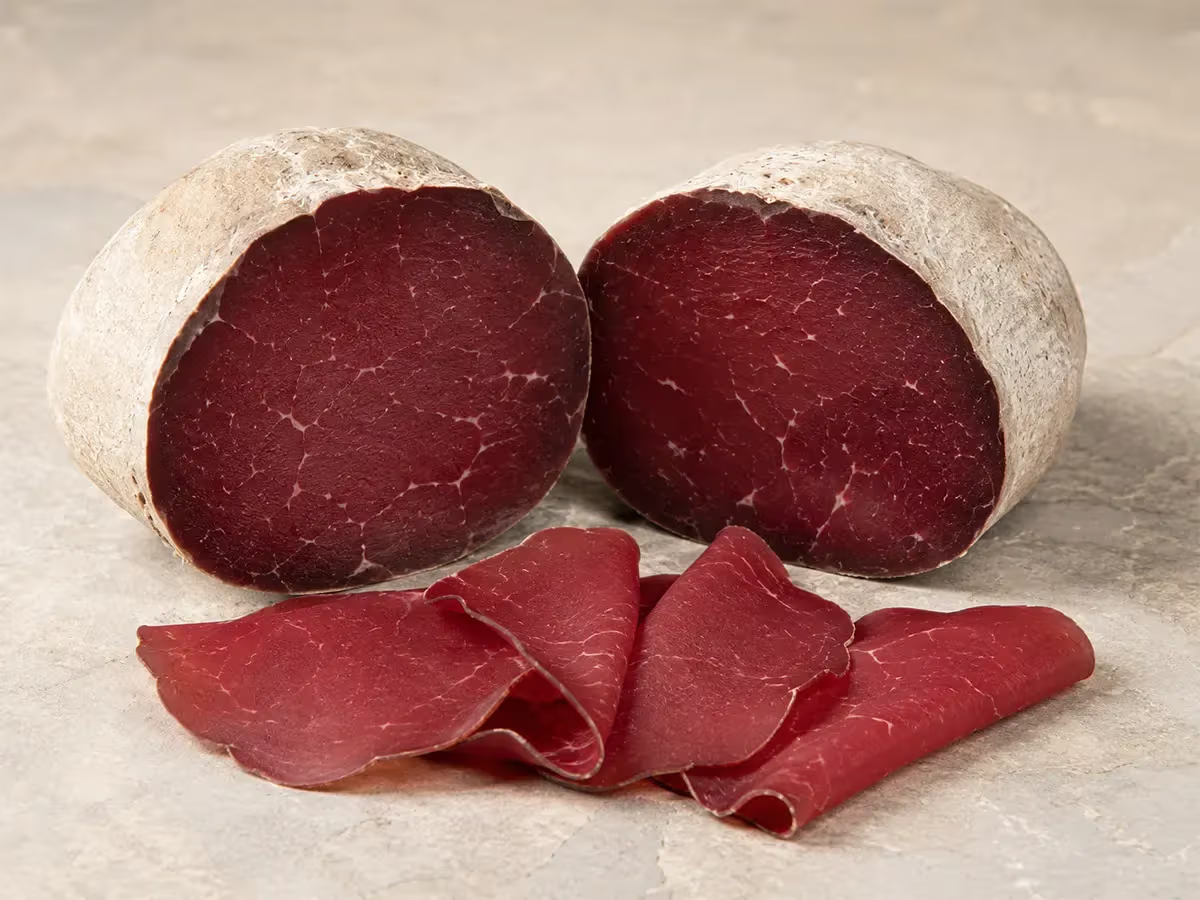
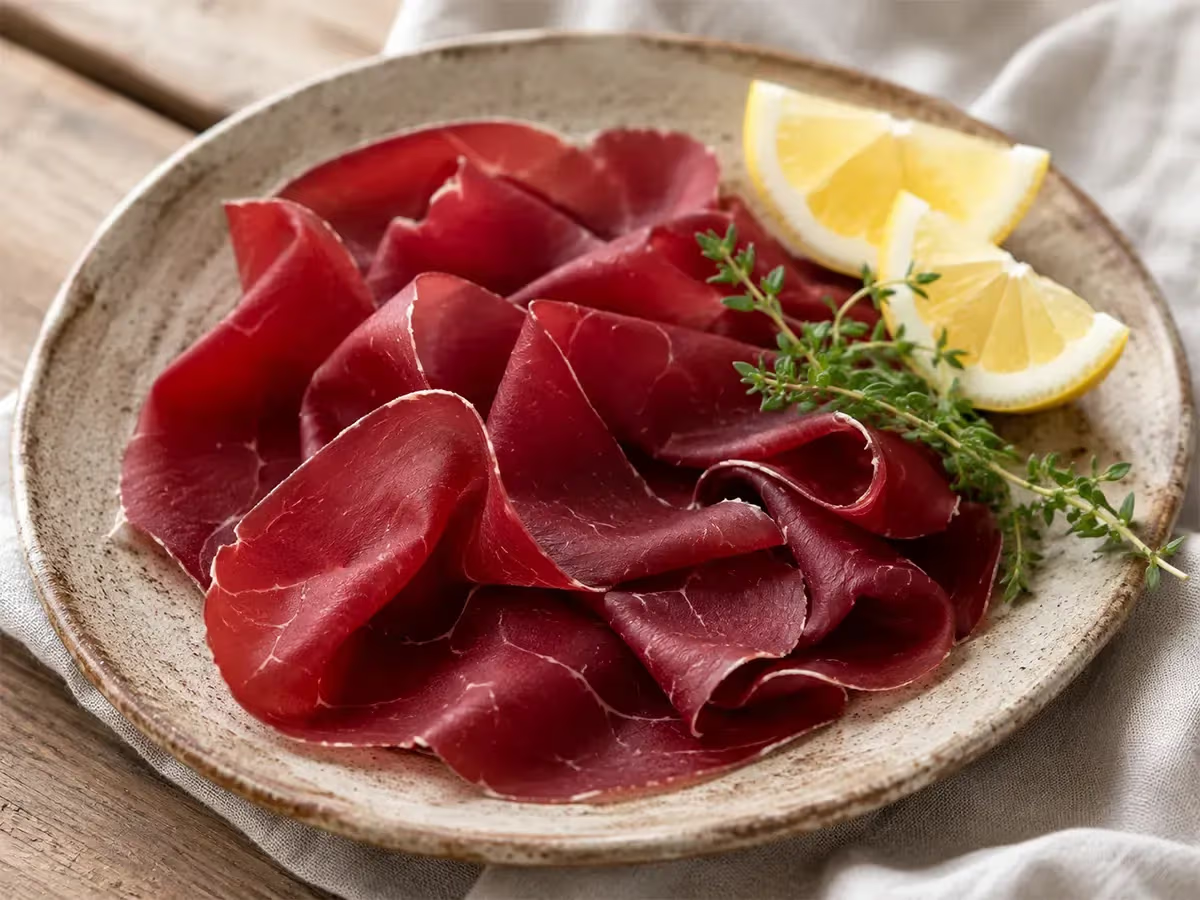
Bresaola della Valtellina IGP is a cured meat made from beef obtained from prized cuts of the thigh, subjected to salting and aging in an alpine environment that defines its organoleptic character in a decisive way. Production is limited to the province of Sondrio, nestled between the Rhaetic Alps and the course of the Adda river, where the fresh and dry air of the valleys contributes to the maturation of the meat. The color is intense ruby red, tending toward bordeaux at the edges of the slice, with a compact section and almost free of fat. The aroma is delicate, with herbaceous notes and a slight spice; the flavor is sweet, slightly savory, with a softness on the palate that distinguishes this cured meat from other smoked or more aggressive products.
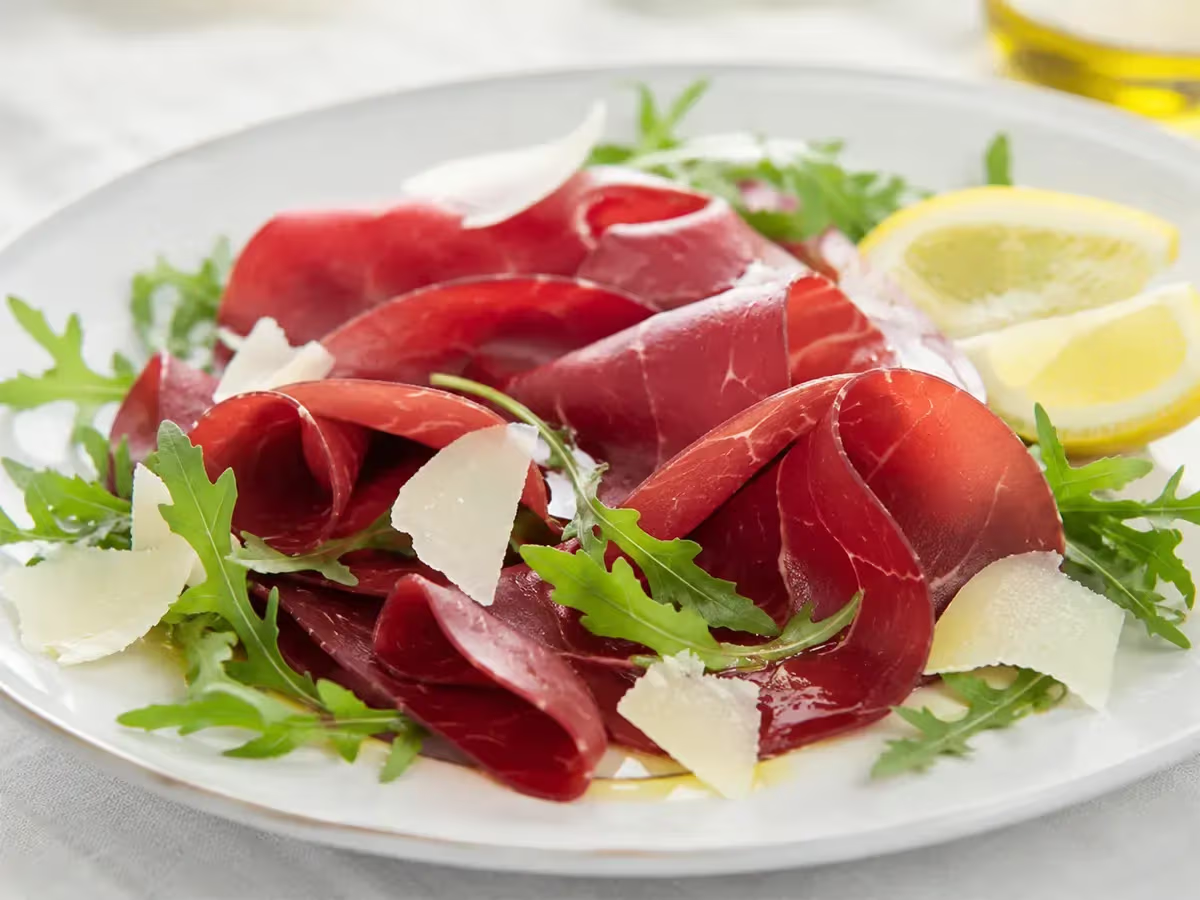
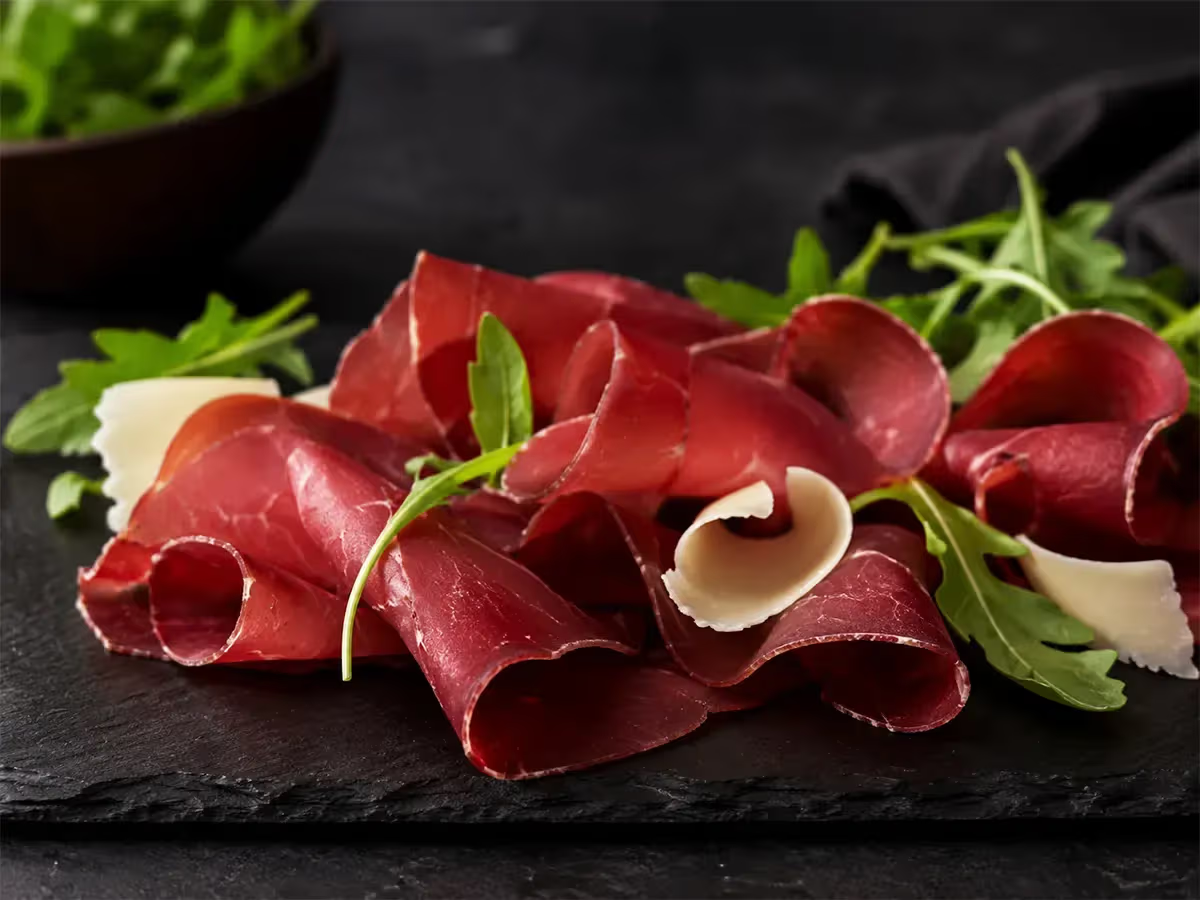
In the kitchen bresaola finds its most classic use served raw, sliced thinly and dressed with extra virgin olive oil, lemon juice and black pepper. It pairs easily with arugula and grana in flakes, but also enters into more elaborate preparations such as cold rolls, grain salads or carpaccio enriched with fresh aromatic herbs.
In the alpine valleys of Valtellina, the necessity of preserving beef during the winter months generated over the centuries a practice of salting and aging that became a precise gastronomic identity. The first documented attestations of a bovine cured meat produced in this area date back to the fifteenth century, when local commercial registers mention preserved meats destined for exchanges with the markets of the Po Valley plain and the bordering Swiss cantons.
The bond with the territory has never been merely climatic. The tradition of raising cattle in high-altitude mountain pastures, combined with the processing techniques passed down in the artisanal butcher shops of the valley, built a specific knowledge that no decentralized industrial production has been able to authentically replicate. The IGP recognition, obtained in 1996, formalized this bond, binding production to the province of Sondrio and establishing precise regulations on the permitted cuts, salting times, and aging parameters. Today Bresaola della Valtellina IGP is among the most recognizable Italian cured meats at the European level, with a supply chain involving producers of different sizes but united by respect for the same process rules. The regulations permit several commercial varieties, including Punta d'Anca, Sottofesa, Magatello, and Fesa, each with its own characteristics of tenderness and consistency.
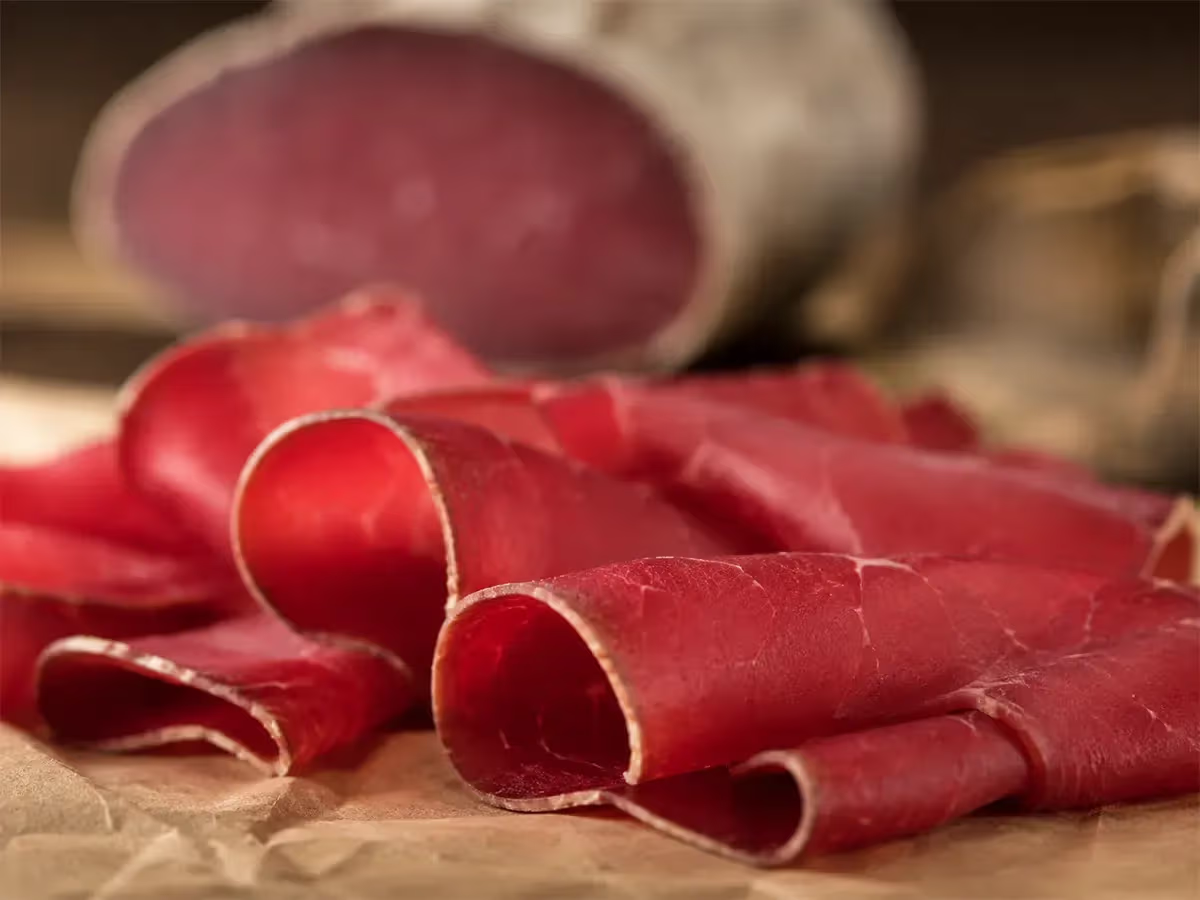
An authentic slice of Bresaola della Valtellina IGP presents itself with a uniform ruby red color, free from gray halos or dark spots that would indicate irregular aging or inferior raw material. The edges may turn slightly toward dark burgundy, while the internal section maintains a vibrant hue. The visible fat is minimal, almost absent in the most prized cuts such as the Punta d'Anca.
On the nose, the authentic product offers clean notes of aged meat with an undertone of sweet spices, without pungent or acidic aromas. On the palate the texture is soft and yielding, neither rubbery nor dry. On packaging compliant with the IGP specification, the identifying logo must appear with the wording "Bresaola della Valtellina" and the European IGP symbol. Products sold as simple "bresaola" without this geographical indication are not subject to the same guarantees of origin and process.
Bresaola della Valtellina IGP is one of the cured meats with the lowest fat content available on the Italian market, with a lipid percentage generally below 3% of total weight. The protein content is high, around 30% of weight, with a complete amino acid profile typical of lean beef. The indicative caloric content is between 150 and 170 kcal per 100 grams. Among micronutrients, good concentrations of bioavailable iron, zinc, and B vitamins are notable, particularly B12. The sodium content, linked to the salting process, is an element to consider for those following diets with reduced salt intake.
Bresaola della Valtellina purchased in sealed vacuum packaging should be stored in the refrigerator between 0 and 4 degrees Celsius, respecting the expiration date indicated on the package. Once opened, it should be consumed within two or three days, wrapped in food film or cured meat paper to preserve its moisture and prevent oxidation of the surface. Sliced bresaola from the counter should be brought to room temperature for about ten minutes before consumption, so as to best express its characteristic aroma and tenderness.
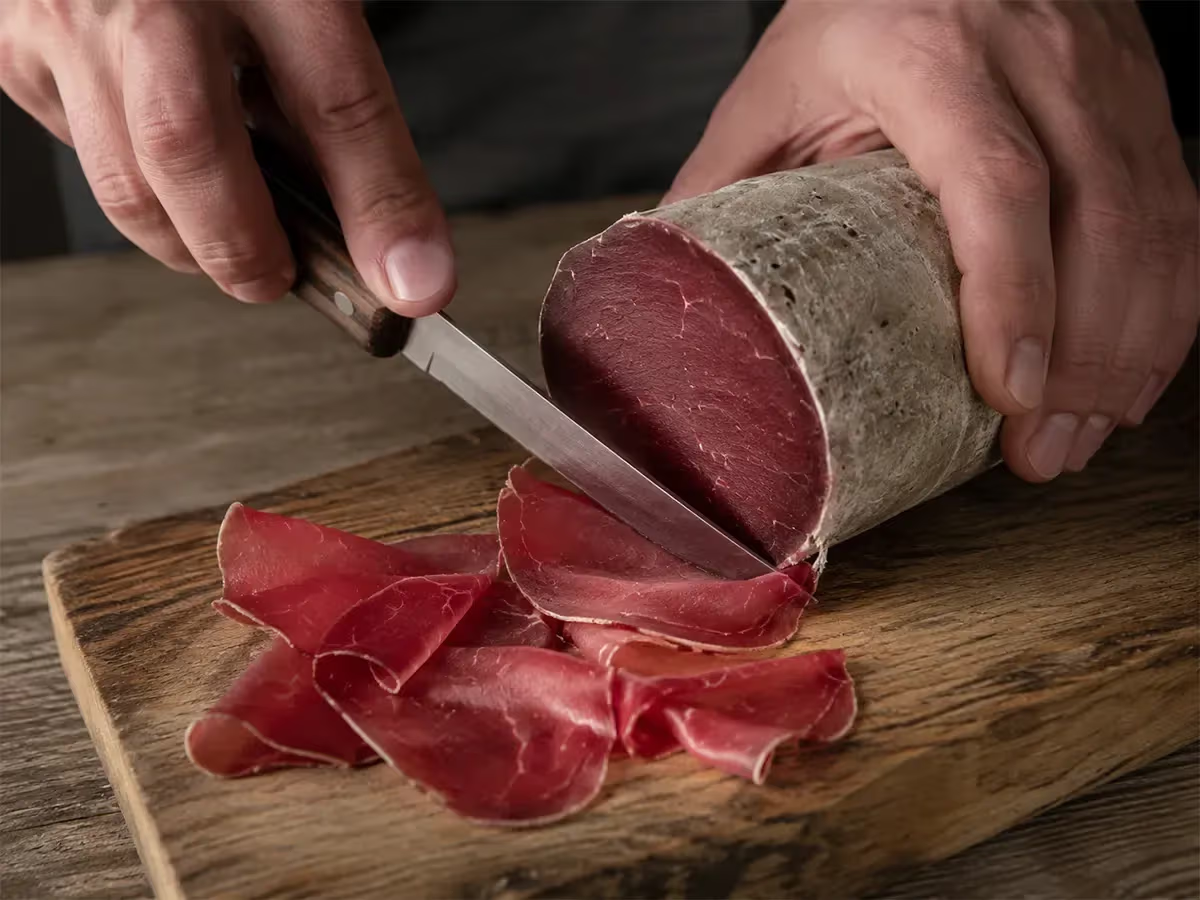
Bresaola della Valtellina is always consumed raw, without any cooking. The slices must be cut thin, preferably with a slicing machine, and served at a temperature slightly below room temperature. The traditional seasoning includes a drizzle of extra virgin olive oil, a few drops of lemon and freshly ground black pepper. It is a product suitable for all seasons, but particularly appreciated in the warm months as a light and nutritious dish. It fits naturally into composed salads, rolls filled with fresh cheese or as a protein element in balanced single-course dishes.
On the beverage front, Bresaola della Valtellina IGP pairs well with light and aromatic red wines from the same geographical production area: Valtellina Superiore DOCG in younger and fruitier styles, or a Sassella and Grumello in versions that are not overly tannic. Those who prefer white wines can opt for a Pinot Grigio from Oltrepò Pavese or a Riesling renano, capable of supporting the salinity of the cured meat without overwhelming its delicacy. A craft Lager beer or a German Kölsch also work well with the pairing.
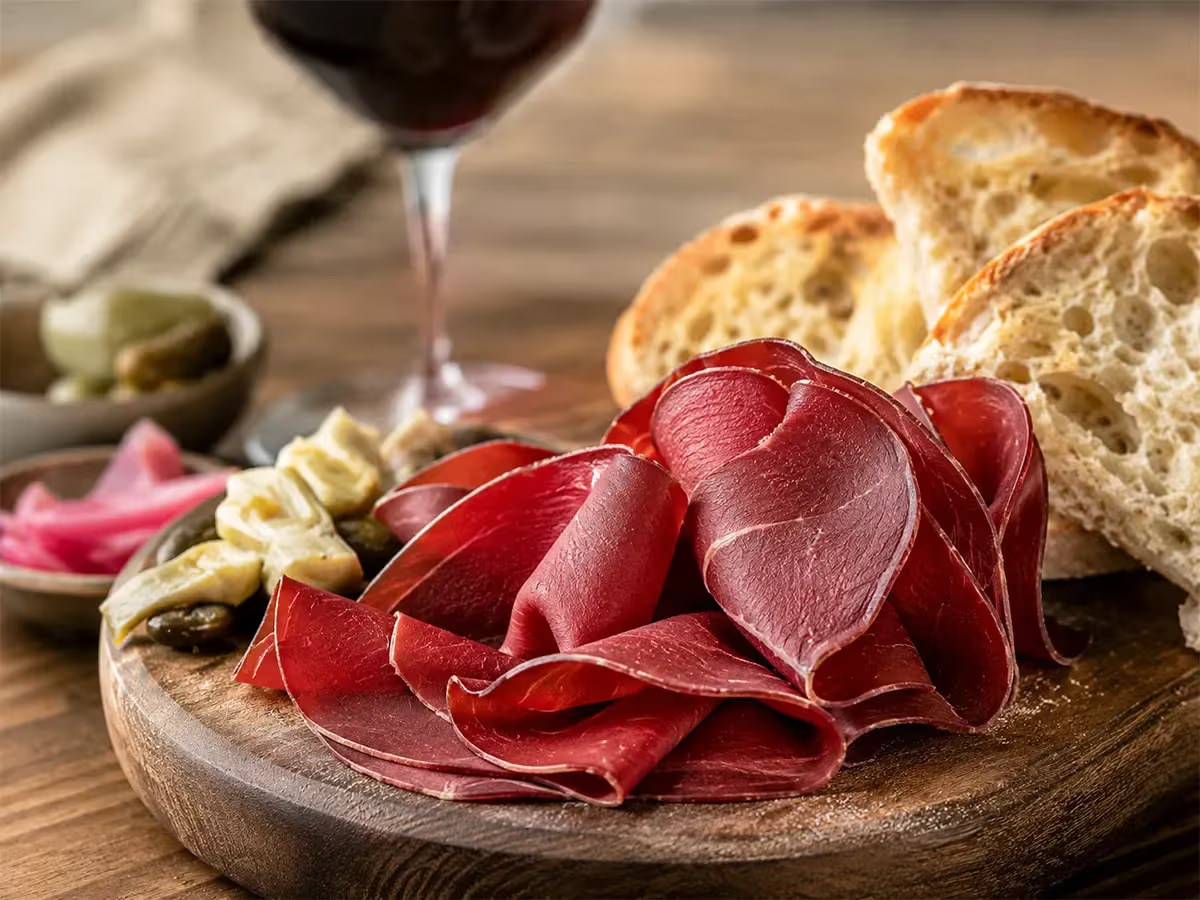
Among cheeses, Grana Padano DOP in flakes is the most classic companion, but a young Bitto DOP or a Valtellina Casera DOP also complete the dish with territorial consistency. Fresh arugula, capers and Taggiasca olives enrich the dish without covering the clean flavor of the cured meat.
The most common and straightforward preparation: slices of bresaola arranged on a flat plate, topped with fresh arugula, shards of Grana Padano DOP, a generous drizzle of extra virgin olive oil and freshly squeezed lemon juice. A grinding of black pepper finishes the dish. Simple in composition, it requires quality ingredients to be well-balanced.
Slices of bresaola laid flat and filled with a teaspoon of robiola or fresh goat cheese mixed with chopped chives and grated lemon zest. Rolled up and served as a cold appetizer, this is a preparation common in Valtellina trattorias as an opening to summer meals.
Pearled farro boiled and cooled, mixed with strips of bresaola, cherry tomatoes, diced cucumber and basil leaves. Dressed with oil, lemon and a pinch of salt, it is a complete dish that combines the proteins of the cured meat with the complex carbohydrates of the grain, rooted in contemporary Lombard home cooking.
In Valtellina, Bresaola della Valtellina is not simply a commercial product: it is part of how the local community tells itself at the table. In the farming families of the valley, the salting of beef was a seasonal gesture linked to the breeding cycle and the management of food resources in the cold months. Each family preserved its own variants of the spice mixture used for salting, jealously guarded and passed down.
Even today, in the restaurants and trattorias of the area, bresaola opens almost every meal as a mandatory appetizer, served with minimal dressing and cheeses from the region. It is a symbol of identity recognition for those who are from the province of Sondrio, and one of the first products that Valtellinese people bring with them when they move elsewhere.
Valtellina hosts various gastronomic events throughout the year in which Bresaola della Valtellina figures among the protagonists, often alongside other symbol products of the valley such as pizzoccheri, Bitto and Valtellina Casera. Among the most established initiatives is the Salone dei Vini e dei Sapori in Sondrio, where local producers present their lines of aged cured meats. In the village festivals of the province, from Lower Valtellina to the towns of the upper valley, Bresaola della Valtellina is a constant presence in the typical menus offered during summer and autumn patron saint festivities.