
Guide·Sagre·Fiere·Mercati·Degustazioni
Aosta Valley is a region that measures time in its own ways: through pasture seasons, livestock fairs, festivals linked to the return of herds from mountain pastures. Valdostan festivals are not simple gastronomic events, but moments in which the agricultural and civil calendars still overlap naturally. Those who attend them find products that are difficult to find elsewhere, like fontina d'alpeggio in forms aged on hay, or mocetta di camoscio prepared according to family traditions passed down by word of mouth. This guide accompanies the reader through the festive year of the Valley, month by month, with practical guidance to not miss the best opportunities.
The Valle d'Aosta is home to fewer than one hundred and thirty thousand inhabitants spread across an Alpine basin that reaches an average altitude of around two thousand meters. Yet the calendar of local festivals and fairs is among the densest in northern Italy relative to its surface area and population. The reason is historical: mountain communities built their identity around livestock cycles, cheese production, regulated hunting, and valley floor cultivation. The festivals grew from these roots, not as a tourist reinvention but as a continuation of ancient fairs, some attested as far back as the Middle Ages.
The gastronomic heritage that circulates through Aosta Valley festivals revolves around a few cardinal products. Fontina DOP dominates the cheese scene, but alongside it appear the fromadzo (a semi-hard cheese in various local versions), cured meats such as mocetta and Lardo d'Arnad DOP, boudin (a blood sausage with potatoes and spices), teteun (salted and cooked cow's udder), and wines from the small regional DOC appellations such as Chambave Muscat and Torrette. Understanding how these ingredients are organized throughout the year is the first step toward attending Aosta Valley festivals with awareness.
January and February The months of great cold are months of reflection and cellar activities. Winter festivals are rare but intense: small fairs dedicated to preserved products, rye soups, and tastings of local wines in heated venues. The Foire de Saint-Ours, held in Aosta on January 30 and 31, is not a gastronomic festival in the strict sense but always features stalls of typical products and convivial moments linked to dark bread and aged cheeses.
March and April The beginning of spring marks the awakening of valley-bottom markets. The first wild herbs begin to appear, such as silene and mountain sorrel, used in traditional fillings. Some local festivals celebrate rye bread and dried legumes from the previous autumn.
May May is the month of upward transhumance: livestock begins to move toward intermediate pastures. The fairs of this period often have the character of agricultural markets, with direct sales of breeding animals and fresh dairy products. The Fontina of this period is still young and has a pronounced milky character.
June With summer pasturing in full swing, dairy cooperatives and private producers offer the first forms of summer Fontina. Some communities in the lateral valleys, such as Valpelline and Valle del Gran San Bernardo, organize opening celebrations for mountain huts that include tastings of local cheeses.
July and August These are the months richest in events, coinciding with the high tourist season. The summer Fiera di Sant'Orso and numerous village festivals enliven mountain villages. You find grilled beef of valdostana breed, polenta concia, seupa à la vapelenentse (the bread and Fontina soup typical of Valpelline). Evenings often offer tastings of DOC valdostana wines paired with cheeses.
September September is the heart of the valdostana festival calendar. The Désalpe, the return of herds from summer pastures, is celebrated in many valleys with festivals that hold strong symbolic value beyond gastronomic significance. In Aosta and various municipalities, livestock fairs are organized where the queens of the batailles de reines (ritual combat between valdostana breed cows) are displayed and celebrated. Summer products, including Fontina and mocetta, are available in great variety.
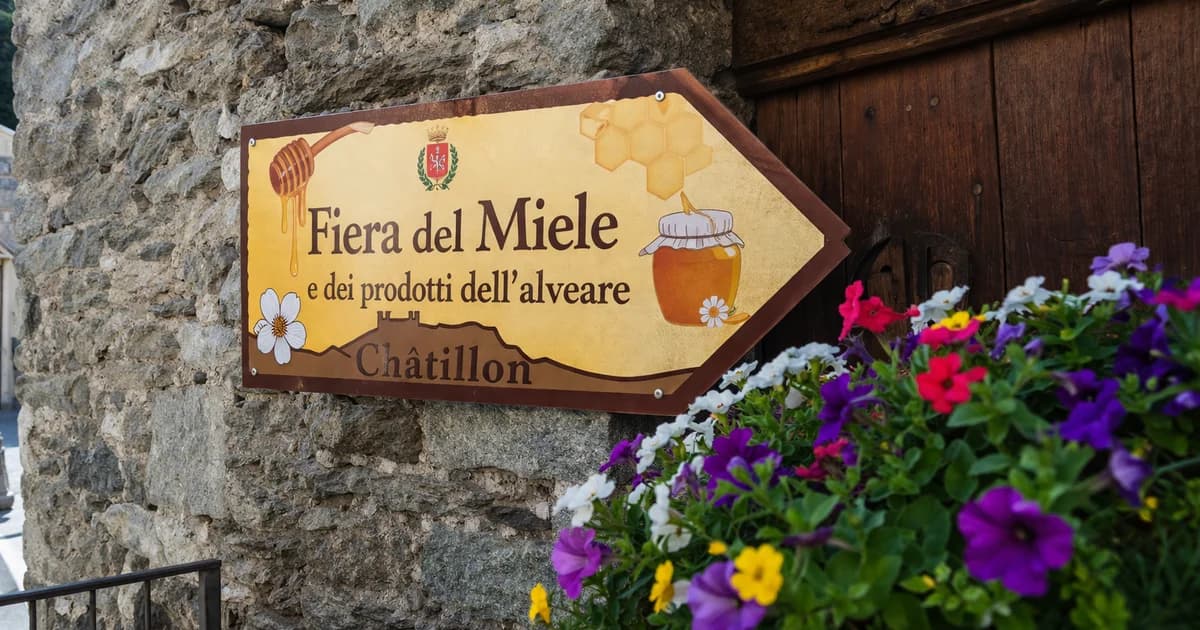
October and November October brings the Châtillon fair and other events dedicated to autumn products: walnuts, chestnuts, mountain honey, wines from the recently concluded harvest. Lardo d'Arnad begins its aging cycle. November is the month of traditional slaughter and preparation of winter cured meats.
December The Christmas markets in Aosta and major towns offer a synthesis of the entire year's gastronomy: aged cheeses, cured meats, honey, alpine fruit preserves, dessert wines. They are not festivals in the traditional sense, but represent a convenient access point for those who wish to discover the valdostana pantry in a single visit.
Attending Valle d'Aosta festivals means giving up the convenience of packaged products and accepting the logic of a calendar that waits for no one. The Fontina of September exists because the cows have grazed at two thousand meters throughout the summer, and the Désalpe is celebrated because that pasture is about to end. Entering this rhythm, even just for a weekend, changes the way you look at a piece of cheese on the board. Valle d'Aosta is not large, but it is dense with opportunities for those who know where to look and, above all, when to arrive.