
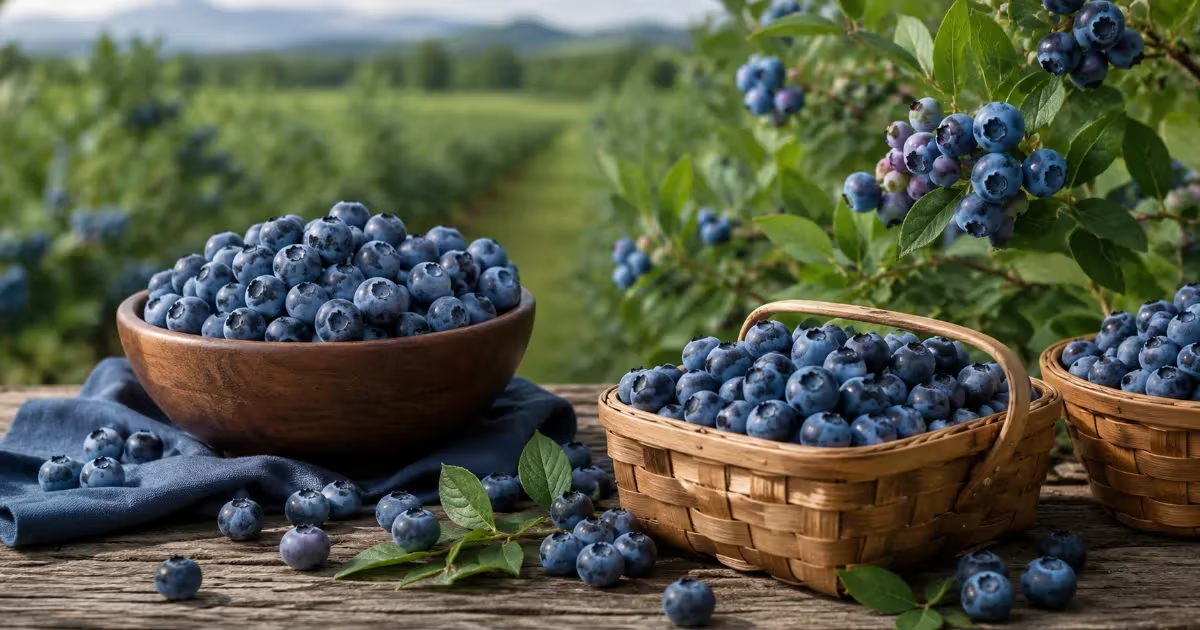

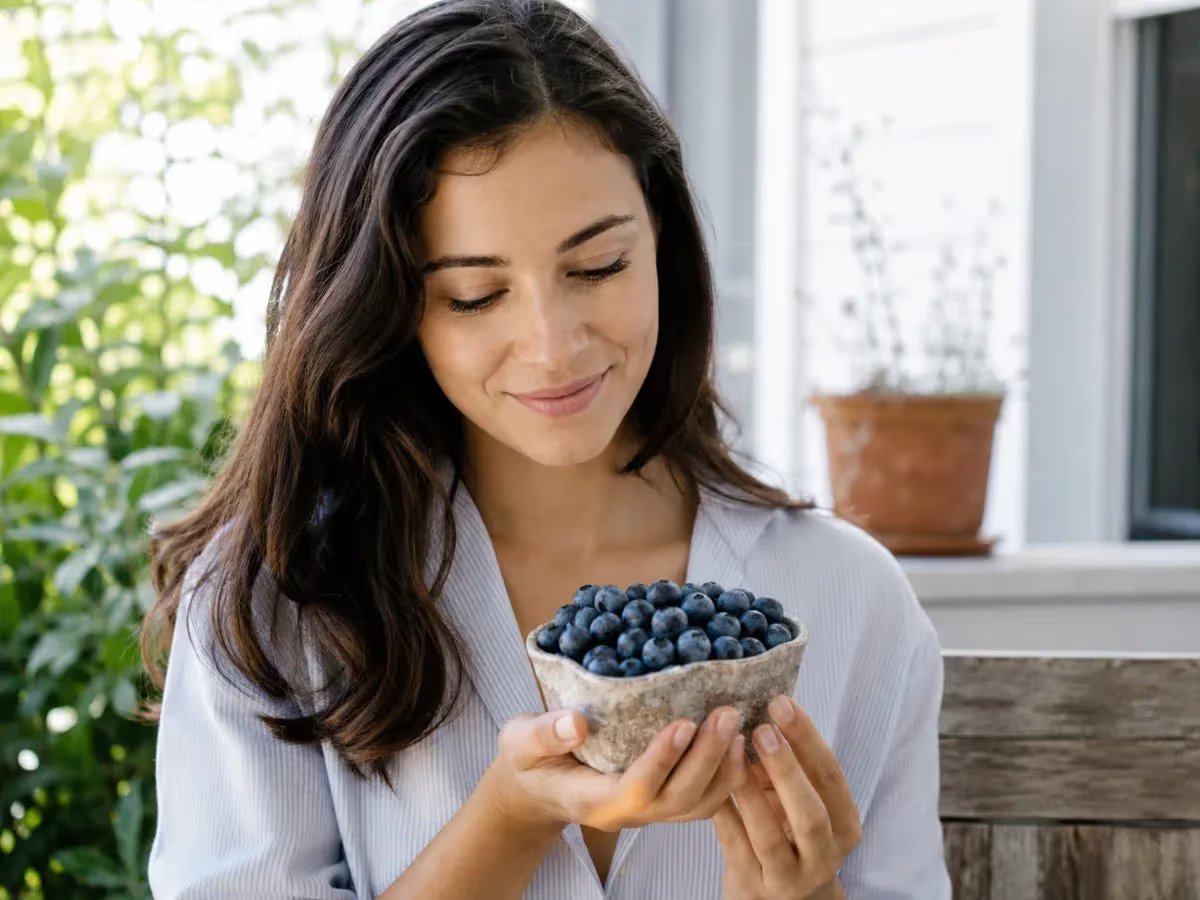
Blueberry is a small wild berry that grows spontaneously in mountain undergrowth and heathlands throughout Italy, from Trentino-Alto Adige to the Piedmont Alps, from the northern Apennines to the Calabrian highlands. The most widespread varieties belong to two distinct species: the bilberry (Vaccinium myrtillus), more common and with an intense flavor, and the lingonberry (Vaccinium vitis-idaea), with a more tart and tannic taste. The flesh is juicy, the aroma delicate with earthy and wild notes, the color ranging from deep blue-violet to vivid red.
In the kitchen, blueberry expresses itself both naturally, consumed fresh, and transformed into jams, syrups, juices and artisanal liqueurs. It accompanies fresh and aged cheeses, enters baked goods such as tarts, muffins and cheesecake, and lends itself to sauces for accompanying game and red meats. In areas of traditional production, seasonal harvesting is still today a gesture that marks the summer calendar of mountain families.
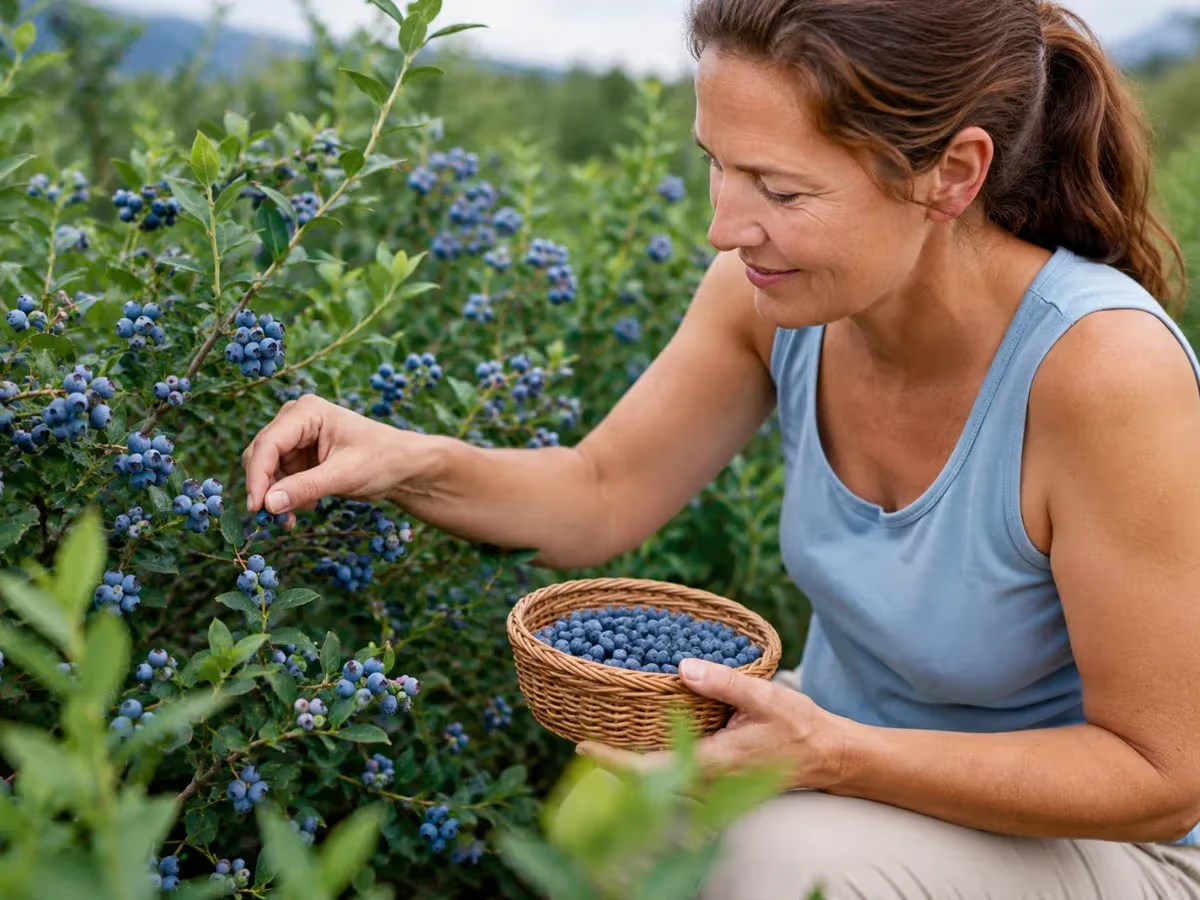
In the forests of the Alpine and Apennine arc, bilberry harvesting has very ancient roots, linked to the subsistence of mountain communities long before forest fruits became a market category. For centuries, wild bilberry was hand-picked during the summer months, preserved as jams or dried for winter, and used both in cooking and in folk medicine, which exploited its astringent and anti-inflammatory properties.
Its inclusion in the list of Traditional Agri-Food Products (PAT), curated by the Ministry of Agriculture, officially recognizes the link between this fruit and rural practices in specific geographical areas of the country. In some regions, such as Trentino-Alto Adige and the Aosta Valley, semi-wild cultivation and controlled harvesting have been combined with spontaneous harvesting, allowing the development of a local supply chain capable of supplying local markets and artisanal workshops.
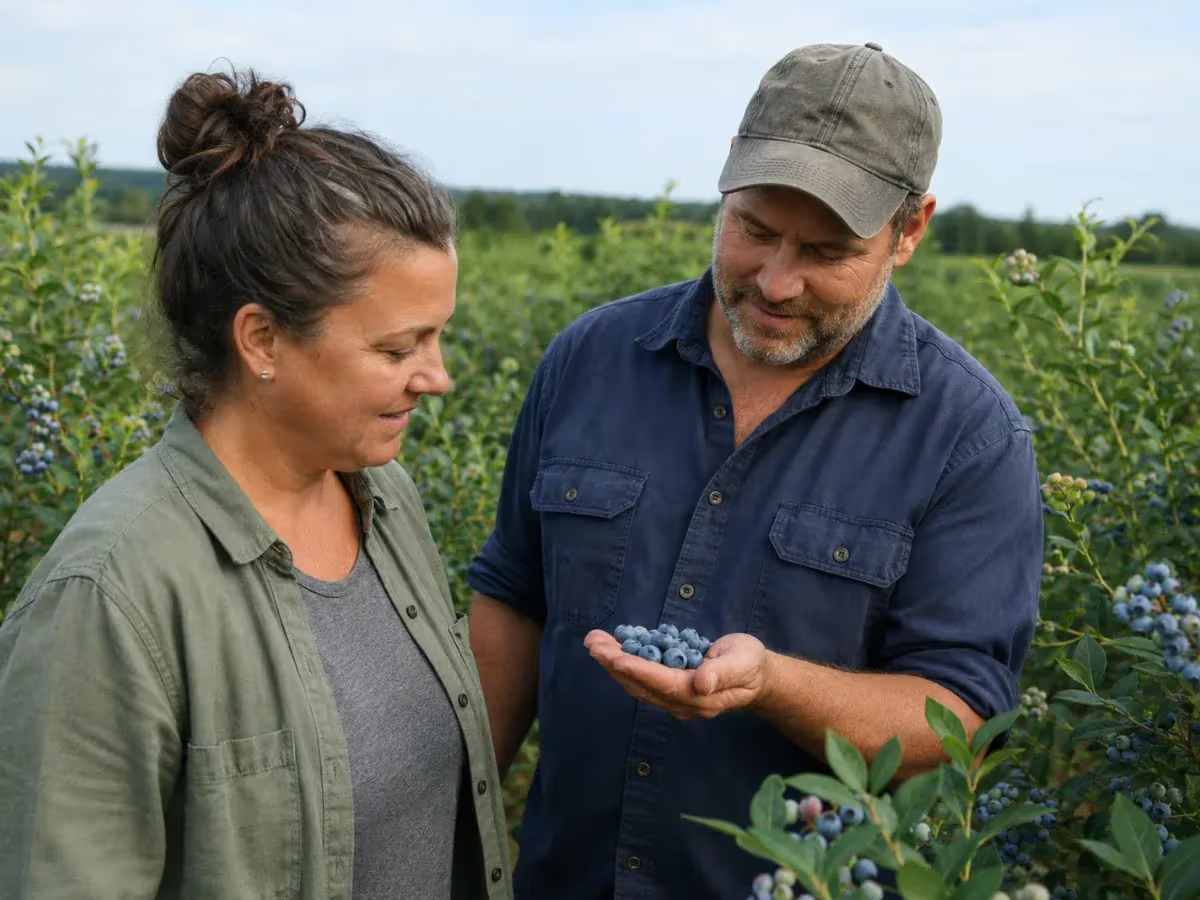
The rise of cultivated bilberry, in particular American giant bilberry (Vaccinium corymbosum), modified the production landscape from the second half of the twentieth century, complementing without replacing native varieties. The distinction between wild forest fruit and cultivated fruit remains, for more discerning consumers, a substantial difference in terms of flavor and territorial connection.
Wild bilberry is distinguished by its small size, generally between six and ten millimeters in diameter, its blue-violet skin covered with a natural waxy bloom, and its flesh colored deep violet through to the seed. This element, the pigmented flesh, is one of the traits that clearly differentiates it from the giant bilberry of American origin, whose internal flesh is white or pale green.
Red bilberry is instead smaller and firmer, with skin ranging from bright red to dark red and tart flesh. In both cases, the authentic aroma is subtle but recognizable, with vegetable and earthy notes. Ripe fruits yield slightly to pressure without being soft. Transformed products that carry PAT indication or that specify origin from wild harvest or certified mountain cultivation offer greater guarantees of authenticity compared to industrial products or of extra-European origin.
Blueberry is low in calories, with an indicative intake of around 35-50 kcal per 100 grams depending on the variety, and contains a discrete amount of dietary fiber. It is known for the concentration of anthocyanins, the pigments responsible for the purple-red color, which belong to the family of polyphenols and are the subject of numerous studies for their antioxidant properties. It provides vitamin C in moderate quantities, manganese and vitamin K. The sugar content is relatively low compared to other fruits, which makes it interesting also in diets with reduced carbohydrate intake.
Fresh blueberries are best stored in the refrigerator, preferably in a perforated container or on paper towels to limit moisture, for three or four days from purchase. They should not be washed before storage, but only at the moment of consumption. For longer storage, they freeze well: arranged in a single layer on a tray and then transferred to airtight bags, they maintain their flavor and nutritional properties for several months.
They are consumed fresh, at room temperature or slightly chilled from the refrigerator, plain or with yogurt, cream or ice cream. They are easily incorporated into sweet baked preparations and breakfast compotes. Briefly cooked with a little sugar, they become sauces to accompany game, duck or pork dishes. In summer, the natural harvest season runs from July to September at higher altitudes: it is when the fruit expresses maximum aromatic intensity. Freezing does not significantly alter their characteristics, making them available year-round.
On the wine front, fresh bilberries pair naturally with classical-method sparkling wines from mountain regions, such as Trento DOC, or with aromatic white wines from the Alpine arc. Bilberry jams, on the other hand, find an ideal match in passito wines and locally produced cooked musts. In convivial settings, a fine fruit brandy from the forest, such as a bilberry distillate from Trentino or Alto Adige, closes the meal with territorial coherence.
On the table, bilberries pair well with fresh cheeses made with cow's milk, such as ricotta di malga, or with blue cheeses that are not too assertive. They accompany aged goat cheeses convincingly, where the acidity of the fruit balances the savouriness. In savory dishes, its sauce is a classic pairing with venison and wild boar, two meats present in the gastronomic tradition of the Alpine and Apennine regions.
A dessert widespread throughout the Italian Alpine and pre-Alpine region, the blueberry tart features a base of rustic shortcrust pastry, often enriched with whole wheat flour or rye flour in mountain versions, filled with fresh blueberries or artisanal jam. In some Trentino and South Tyrolean versions, a dusting of cinnamon and lemon zest is added, and the surface can be gratineed with a pastry lattice or with a streusel of butter and flour.
A consolidated tradition in the mountain kitchens of Northern Italy, this sauce is prepared by briefly cooking lingonberries with little sugar, red wine and sometimes juniper. The result is a sweet-and-sour reduction that accompanies roasts of venison, roe deer or wild boar. The recipe varies from valley to valley, but the principle of balance between the acidity of the fruit and the richness of the meat remains constant.
An artisanal product widespread in mountain homes throughout the Alpine arc, it is obtained by steeping fresh blueberries in pure alcohol with sugar and, sometimes, a bay leaf or a cinnamon stick. After several weeks of maceration and subsequent filtering, the liqueur takes on an intense violet color and a flavor in which sweetness is balanced by the wild note of the fruit. It is served cold as a digestif.
In Alpine mountain communities, bilberry picking is historically a collective activity involving entire families during the months of July and August. Manual combs, simple tools with wide teeth used to gather the fruits without damaging the shrub, are part of household equipment passed down from generation to generation. The harvested fruit was transformed into jams to be consumed during winter, a gesture of foresight that belonged to the cyclical rhythm of Alpine life.
In some Apennine areas, wild bilberry picking has remained a practice linked to self-consumption and local exchange, with a significance of belonging to the territory that goes beyond the simple economic value of the product.
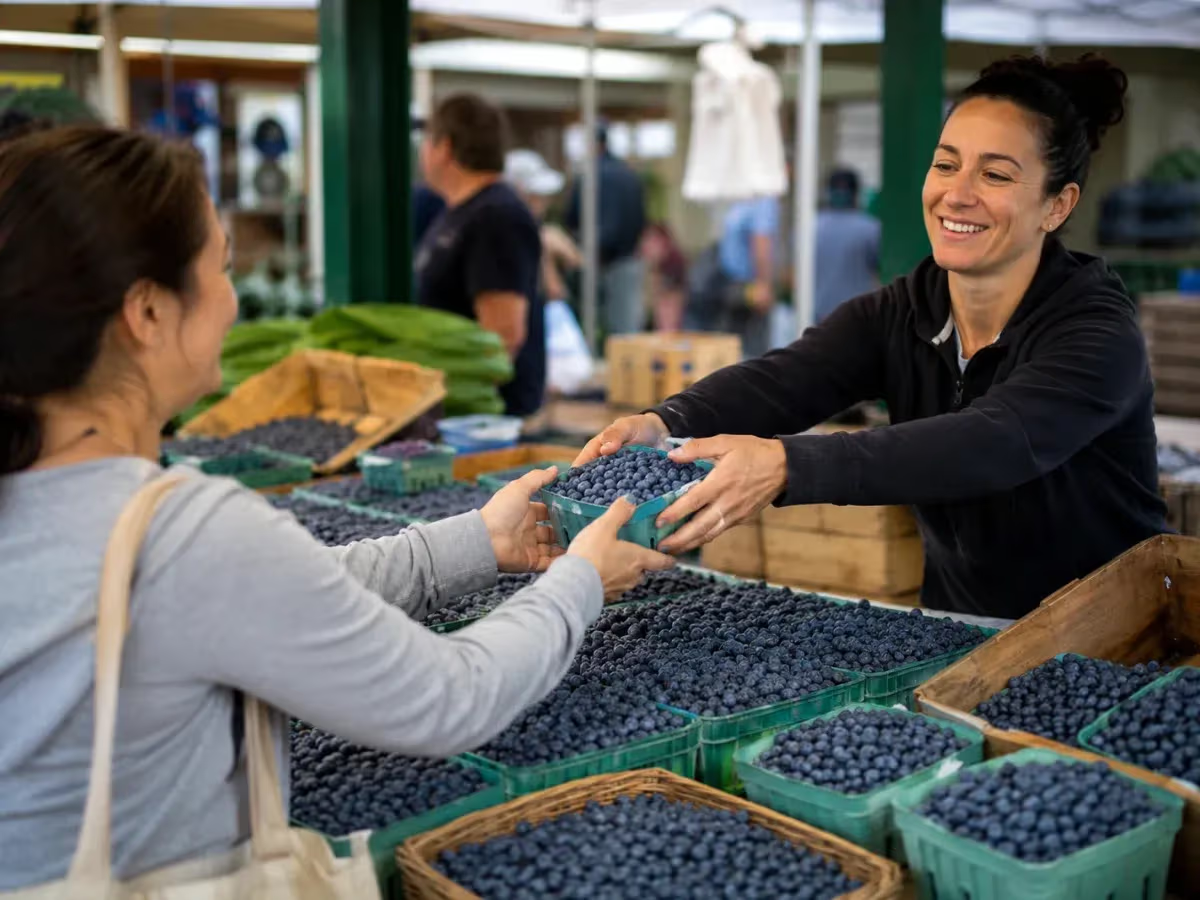
Among the events linked to wild berries, the blueberry holds a recurring place in the summer fairs of mountain municipalities in Trentino-Alto Adige, Valle d'Aosta, alpine Piedmont and Apennine areas. Village festivals organized between July and September celebrate the seasonal harvest with markets of processed products, tastings and educational workshops on sustainable harvesting. In some areas, such as the Asiago plateau and the Bergamo valleys, events dedicated to malga products regularly include the blueberry among the protagonists of gastronomic exhibitions.