
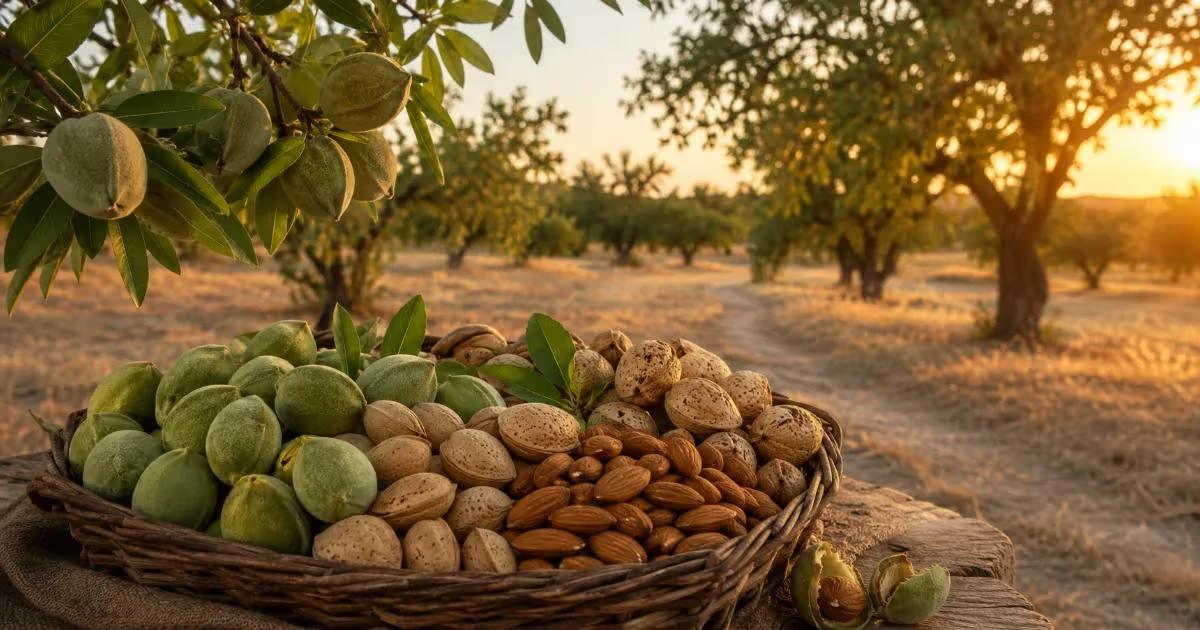
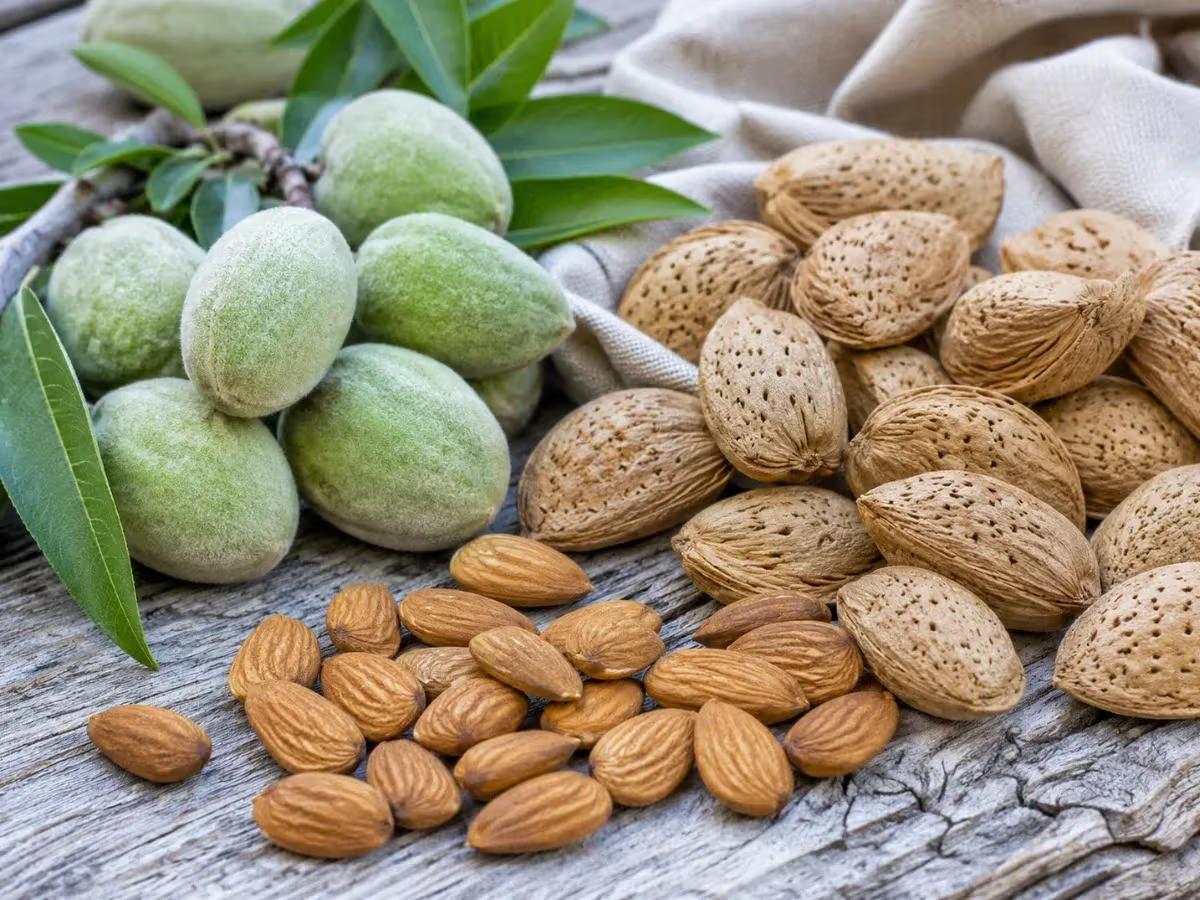
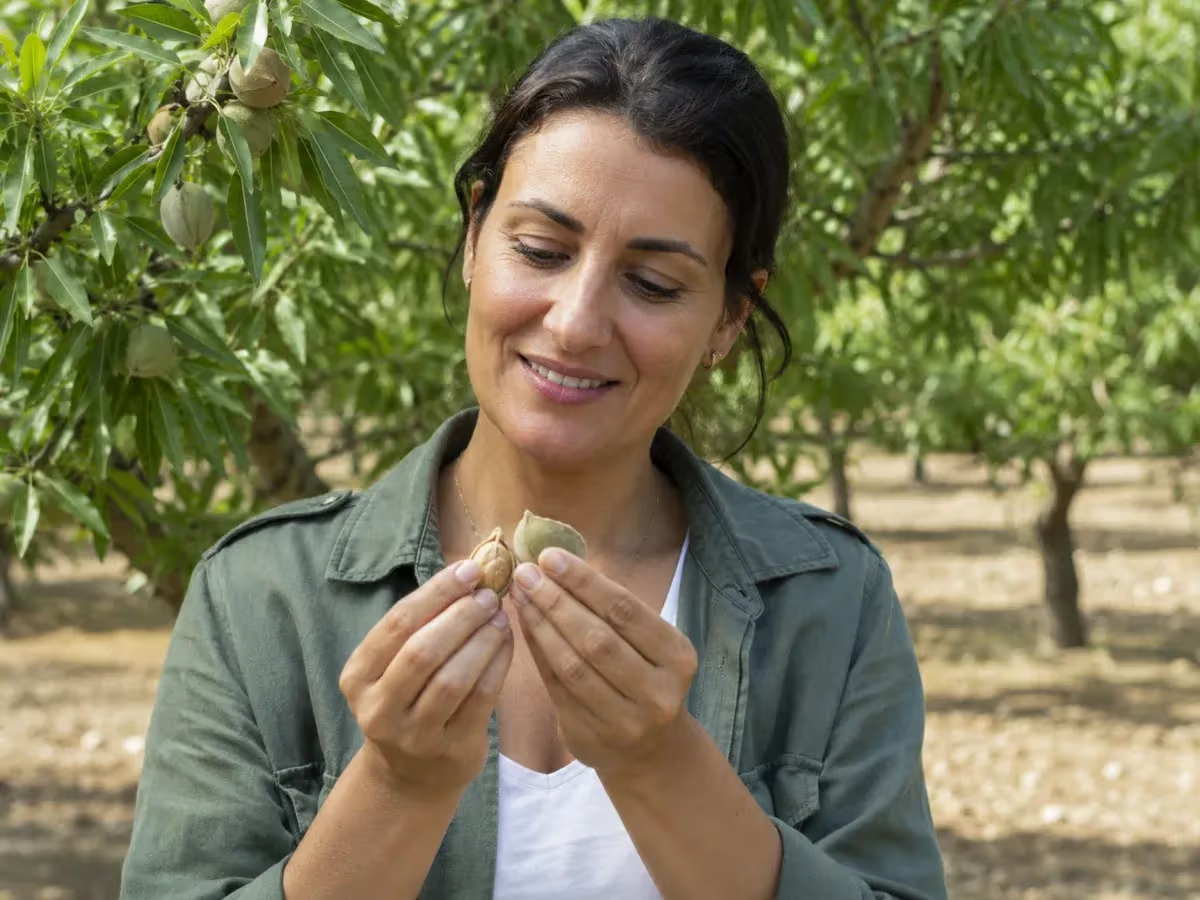

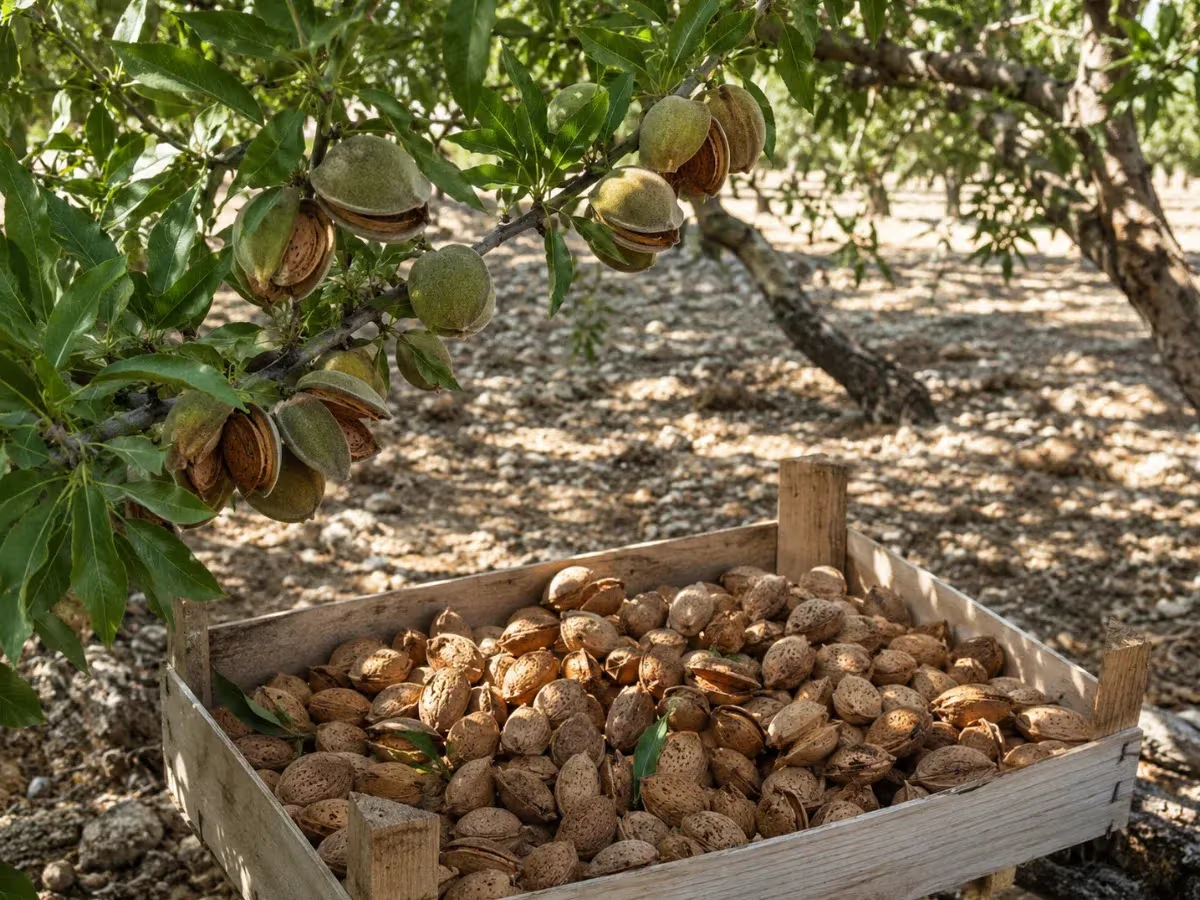
The Mandorla di Toritto is a tree nut cultivated in the homonymous municipality in the inland Puglia region, in the province of Bari, on clay and calcareous soils that confer entirely particular characteristics to the product. It is an autochthonous variety, selected over the centuries by local farmers, which is distinguished by its generous size, elongated oval shape and relatively thin shell compared to other southern varieties.
The flavor is sweet and pronounced, with a persistent buttery note and a delicate aftertaste that clearly differentiates it from almonds from foreign sources. The texture is firm but not hard, the pulp light and oily. In the kitchen it finds wide use in traditional Puglian pastry-making: from almond paste to holiday sweets, to the cold almond milk typical of summers in Bari. It is also used whole, toasted, as an accompaniment to aged cheeses or as an ingredient in savory preparations.
Toritto, a small centre in the Alta Murgia area of the Bari province, has built a large part of its agricultural identity around the almond. The almond groves still shape today the hilly landscape of the territory, testimony to a cultivation vocation that has deep roots in medieval times, when inland Puglia was intensely crossed by trade routes between the Eastern Mediterranean and Central Europe.
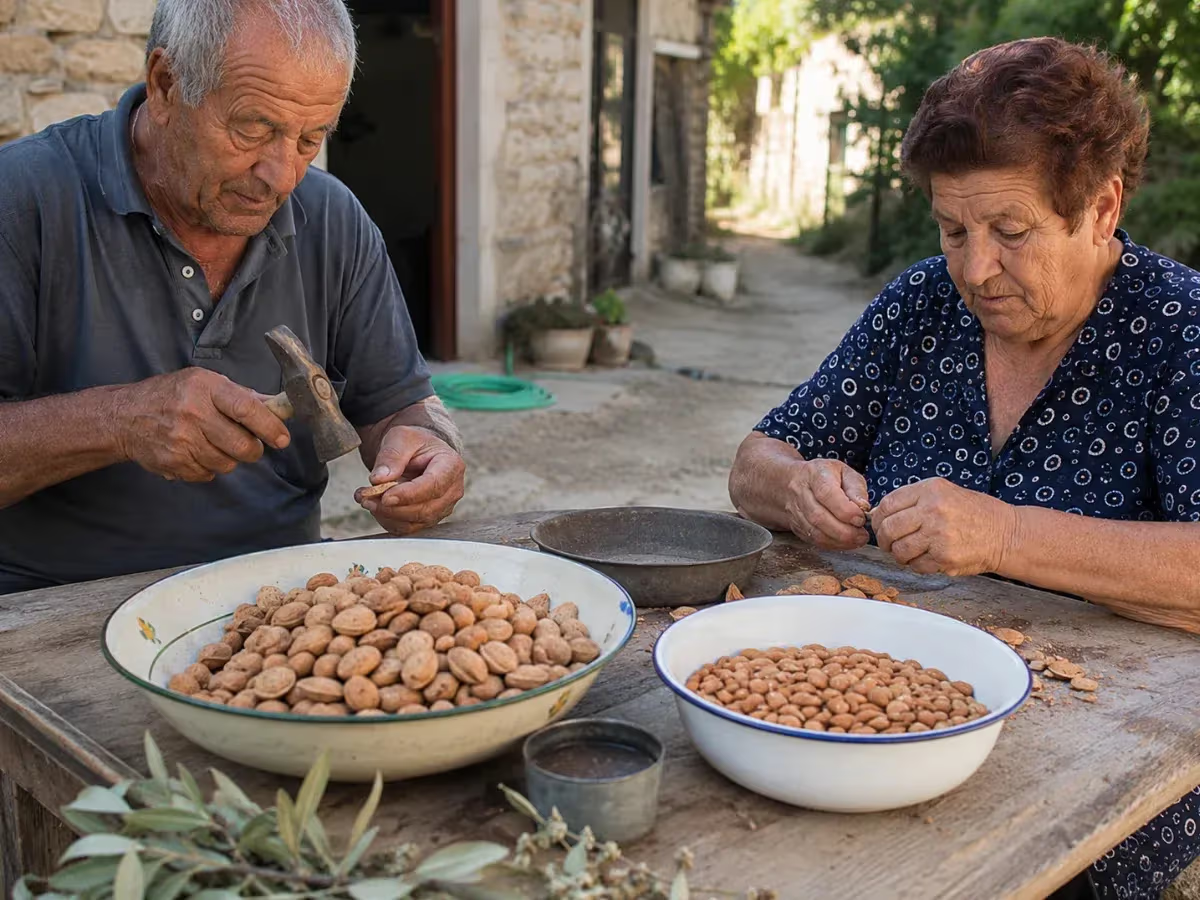
Toritto's native variety developed through natural and peasant selection on poor and sunny soils, where the plant produces few fruits per tree but of high quality. For centuries the almond represented a fundamental economic resource for the rural families of the country, sold in the markets of Bari and worked artisanally in homes. Production underwent a downsizing in the twentieth century with the advancement of mechanisable crops, but never disappeared.
Recognition as a Traditional Agrifood Product (PAT) has helped protect the local variety and support producers who continue to maintain it in cultivation, often with low-impact techniques. Today some producer associations and local administrations work to enhance the almond as an identity symbol of the territory and attraction for Puglian food and wine tourism.
The Mandorla di Toritto is recognized first of all for its size, superior to the average of common almonds, and for its oval shape with a slightly pointed apex. The shell is light beige in color, smooth or with light striations, and breaks with relative ease compared to more resistant varieties.
The skin that covers the seed is light brown in color and comes off easily after a brief soaking. The flesh is white, oily, compact. The aroma, already upon opening the shell, is distinct and sweet, without the bitter or artificial notes that may characterize products from other origins.
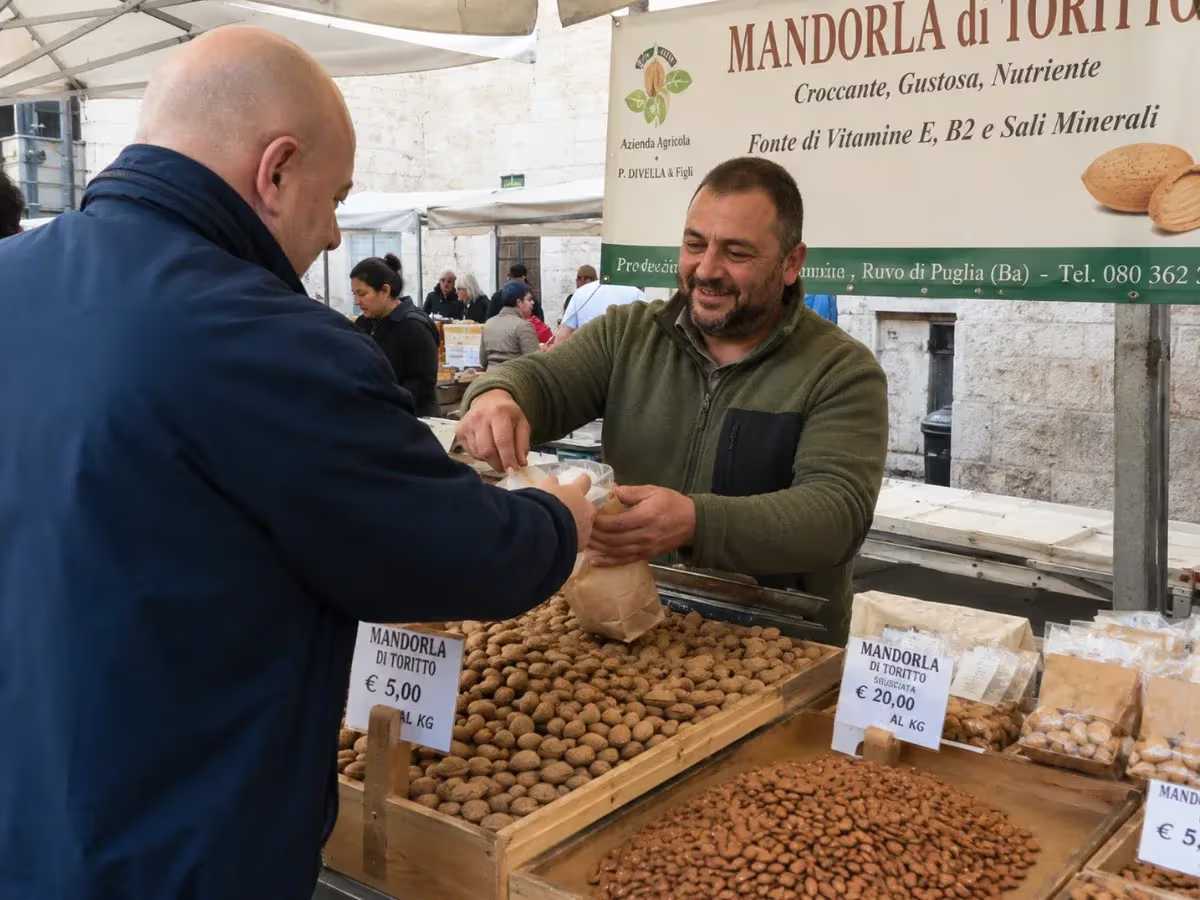
To recognize the authentic product it is advisable to purchase it directly from local producers or in markets in the Bari area, preferably with explicit indication of origin from Toritto. The absence of post-harvest treatments and the autumn seasonality are further indicators of genuineness.
The Mandorla di Toritto is a food with high nutritional density. It provides unsaturated fats in significant amounts, particularly oleic acid and linoleic acid, associated with a favorable lipid profile. It is a relevant source of plant-based proteins and dietary fiber. Among the micronutrients, vitamin E, magnesium, calcium, and manganese are noteworthy. The caloric intake is approximately 570-600 kcal per 100 grams of dry product. Thanks to the high content of fiber and good fats, the sense of satiety is long-lasting despite the small quantities consumed.
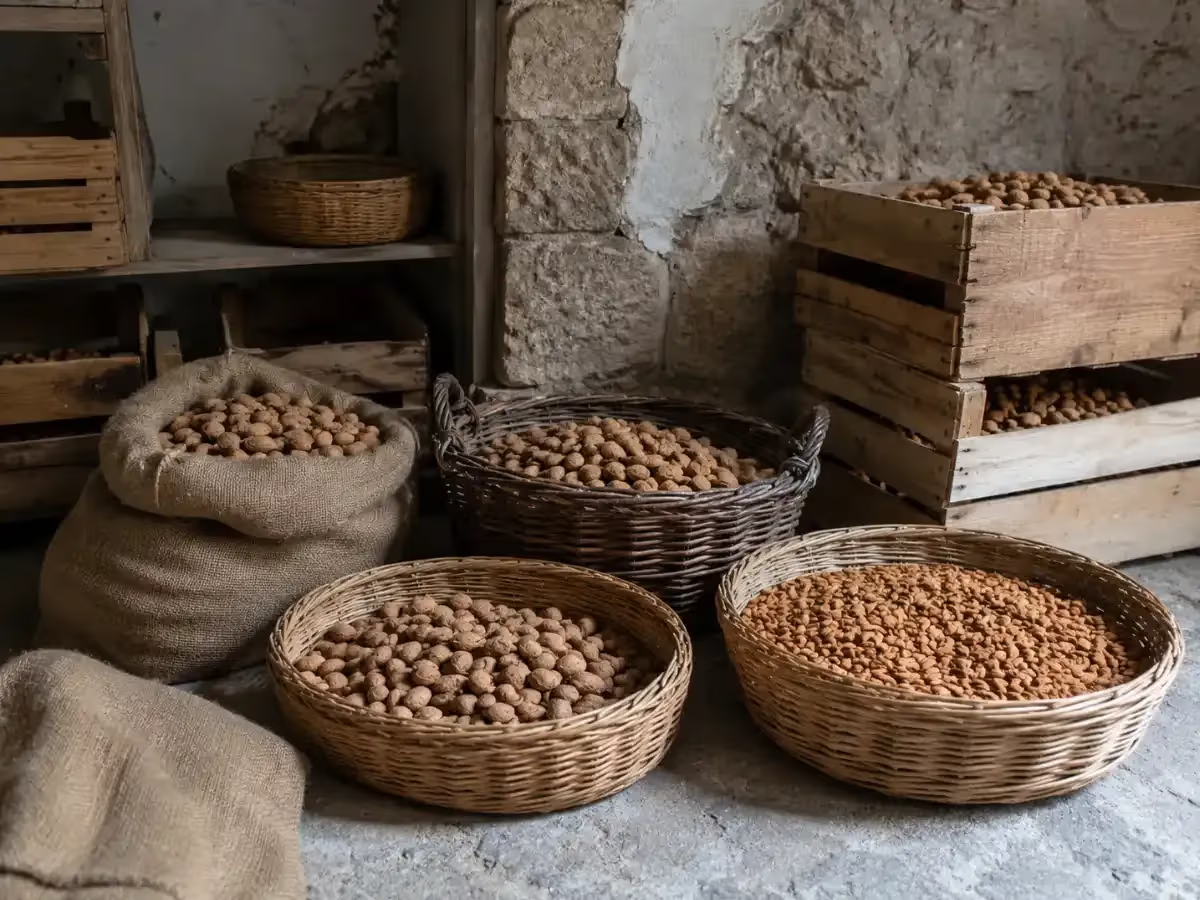
Almonds in their shells should be stored in a cool, dry place away from direct light, even for several months. Once shelled, it is preferable to keep them in an airtight container in the refrigerator, where they will stay in good condition for four to six weeks. For longer periods, freezing can be used. Humidity is the main enemy: it promotes rancidity of the fats and the appearance of mould.
The Mandorla di Toritto is consumed primarily at room temperature, both raw and roasted. Light roasting in a pan or oven enhances the aroma and buttery note without altering its nutritional qualities. In summer it is used in the preparation of cold almond milk, a refreshing drink typical of Bari tradition, obtained through maceration and pressing. In pastry-making it is used whole, chopped or ground into paste for traditional sweets. As a snack it pairs well with mixed dried fruit or is served plain as an informal appetizer.
On the wine front, Mandorla di Toritto finds a natural pairing with the structured white wines of Puglia, such as Locorotondo or dry Gravina, which balance the oily sweetness of the fruit without overpowering it. With sweet wines, such as Moscato di Trani or a Salento passito, the pairing becomes more indulgent, suitable for the end of the meal.
Among food pairings, the almond pairs well with aged hard-paste cheeses, in particular Canestrato pugliese, where the savory notes of the cheese create a pleasant contrast with the sweetness of the fruit. It also pairs effectively with orange blossom or sulla honey, artisanal dark chocolate and dried figs, with which it shares a long history in the traditional confectionery of the Bari hinterland.
A typical preparation of Puglian summer, latte di mandorla is obtained by finely grinding peeled almonds, soaking them in fresh water for several hours and then filtering the liquid. Sweetened to taste and served chilled, it is a refreshing beverage rooted in the domestic tradition of Bari and the inland towns, where it was prepared in homes on feast days or during fieldwork.
A fundamental base of Puglian pastry-making, the pasta di mandorle from Toritto is obtained by grinding the fruit with sugar and a little orange blossom water until a workable paste is achieved. It is shaped into forms that reproduce fruits, animals or traditional objects, a typical production of convents and artisanal pastry shops in the Bari area, especially on the occasion of patron saint festivals and Christmas.
A simple and ancient sweet from Puglian rural tradition: the almonds are toasted in a pan with sugar and water until they caramelize on the surface, forming a white and crispy coating. They are consumed cold as a rustic confection, present at fairs and festivals in the Bari area since the nineteenth century.
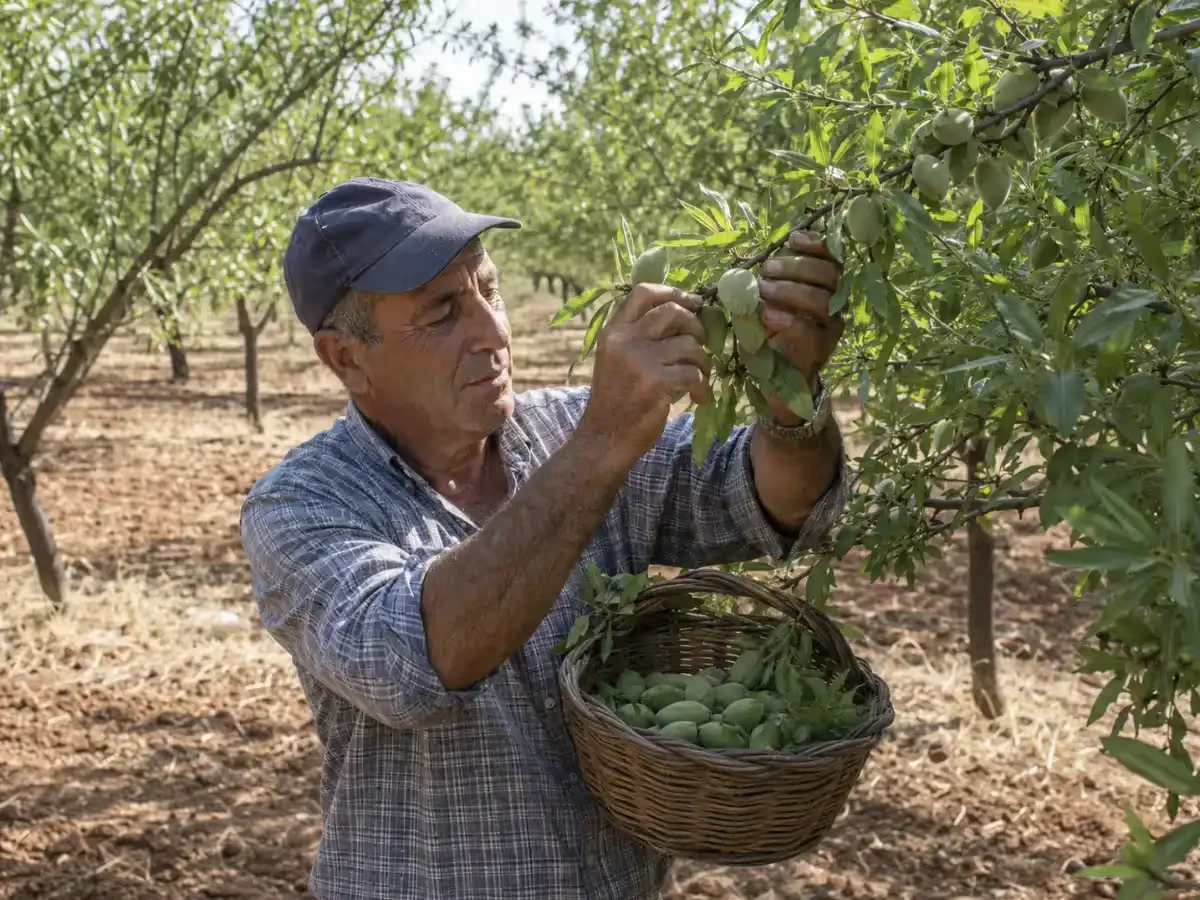
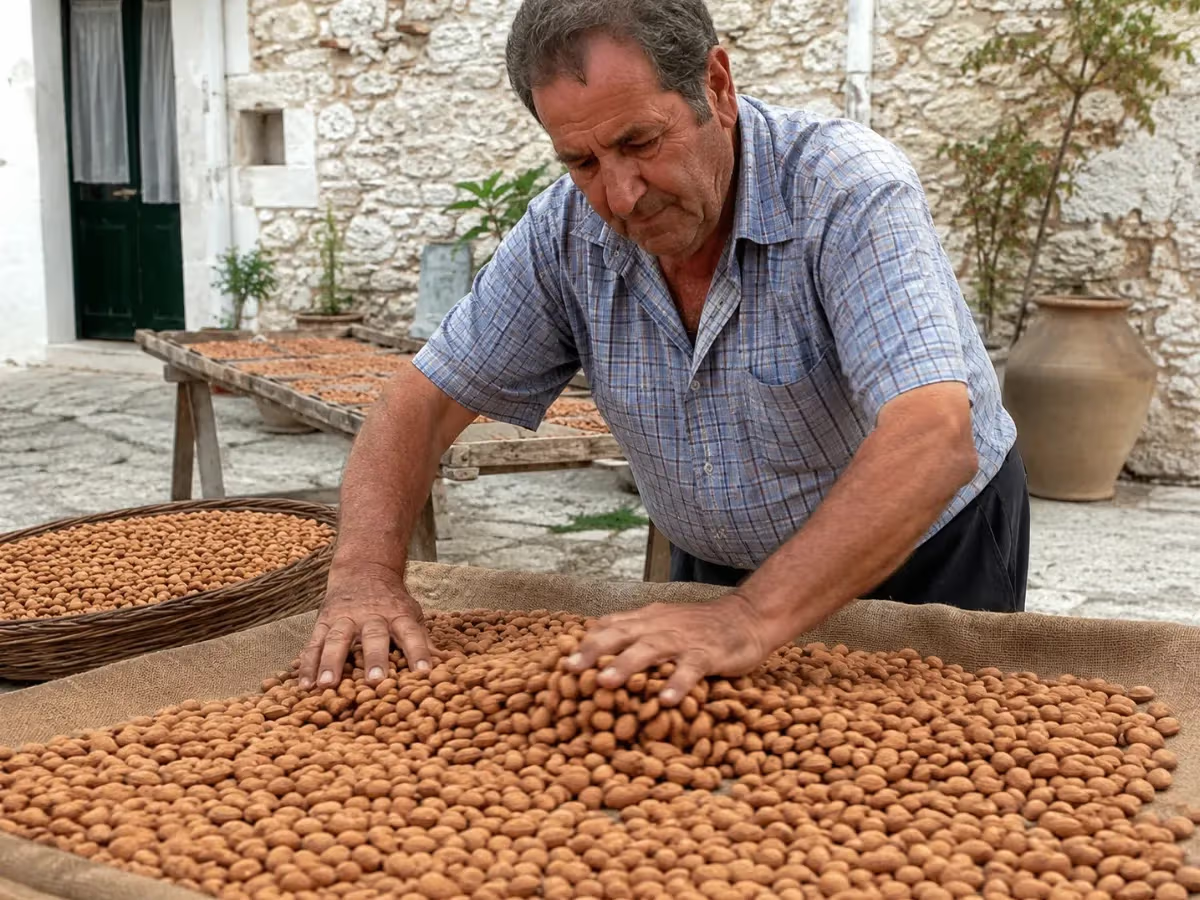
In Toritto the almond is not simply a crop: it is an element that has structured the agricultural calendar and family life for generations. The harvest, traditionally done by hand with poles and cloths spread under the trees, was a collective moment that involved the entire community, marking the end of summer and the beginning of the autumn cycle.
In the homes of the town the almond entered the sweets of religious festivals and wedding trousseaus, in the form of confetti or almond paste modeled by hand. Even today the presence of the almond in convivial and celebratory moments is an identifying trait that local producers carefully preserve, aware that the fruit carries with it a memory of territory difficult to replicate elsewhere.
Toritto dedicates an annual festival to its almonds, traditionally held in summer, in the period preceding or coinciding with the harvest. The event attracts local producers, confectionery artisans and visitors drawn by the opportunity to taste the fresh fruit and traditional derivatives. Among the major events, the Toritto almond is also present in the agri-food fairs of the Bari metropolitan area and in the showcases of typical Apulian products organized in various cities of the region during autumn.