
For calf's liver Venetian style
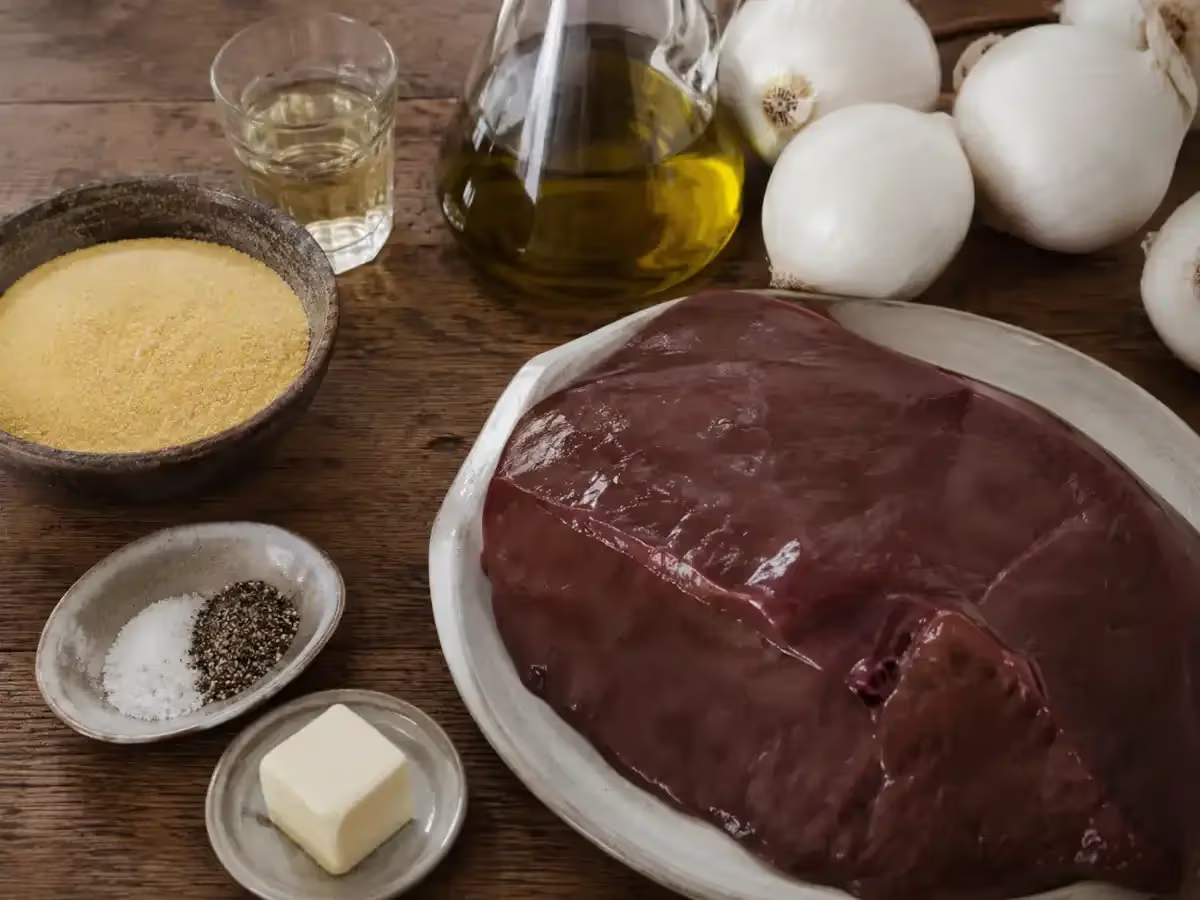
Calf's liver: 600 g,
White onions: 500 g,
Butter: 40 g.
Extra virgin olive oil: 2 tablespoons
Dry white wine: 50 ml
Fresh chopped parsley: 1 tablespoon
Salt: to taste
Freshly ground black pepper: to taste
For the polenta
Cornmeal flour: 200 g
Water: 800 ml
Salt: to taste
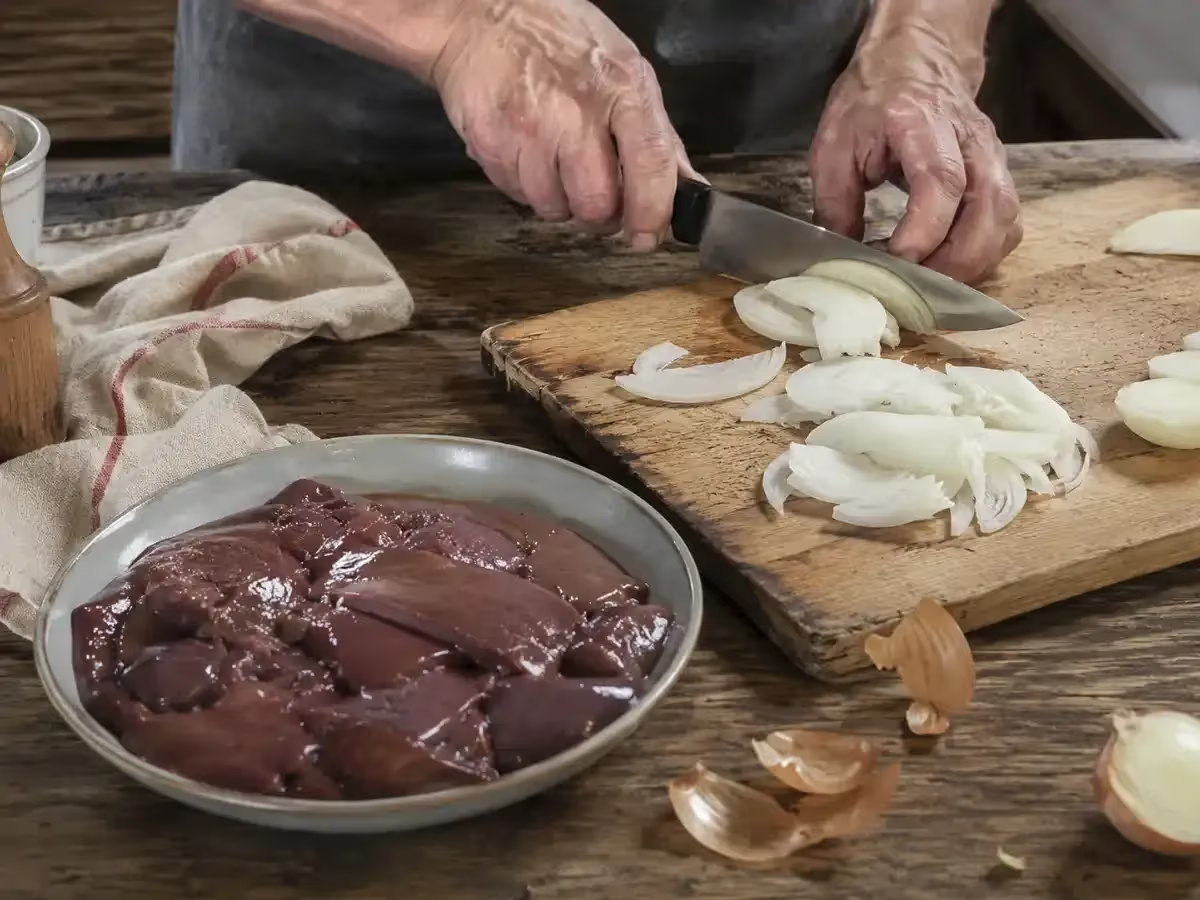
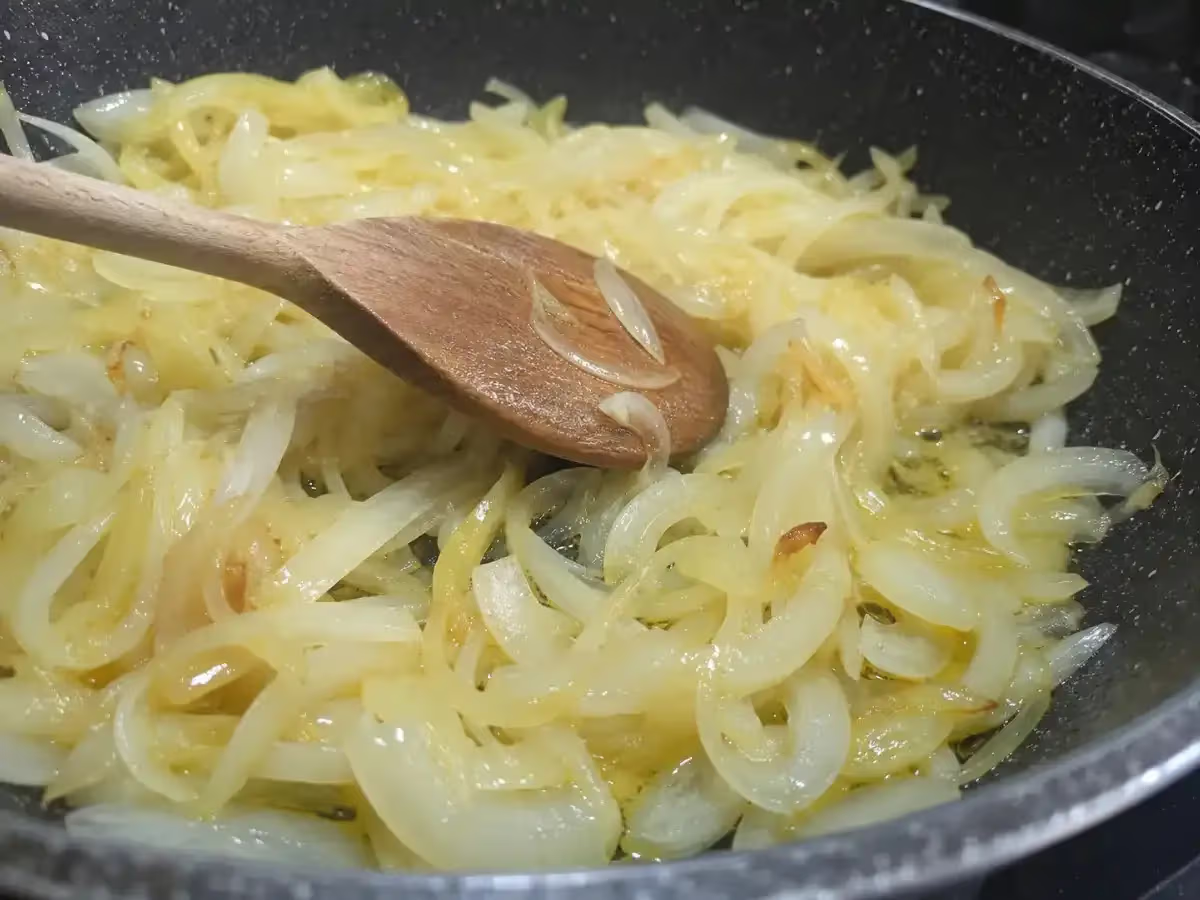
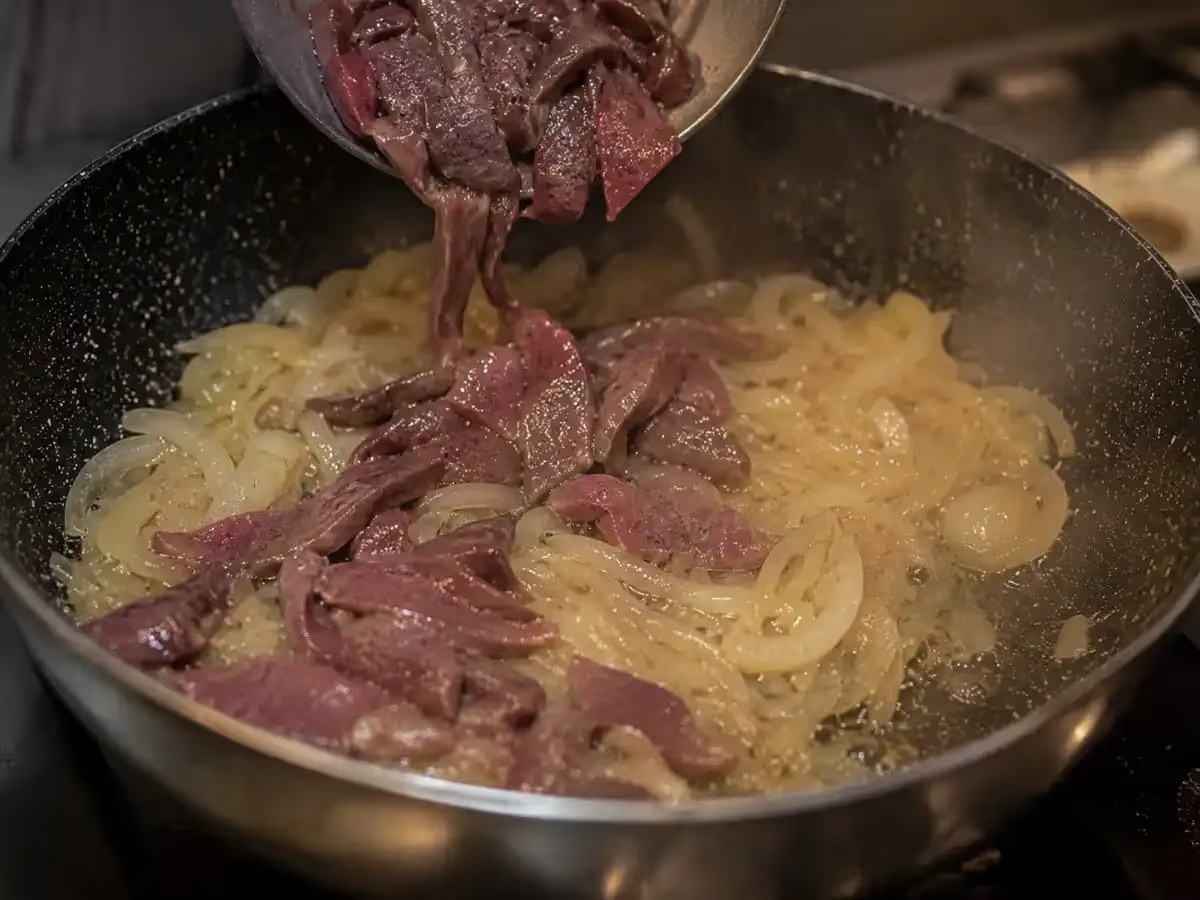
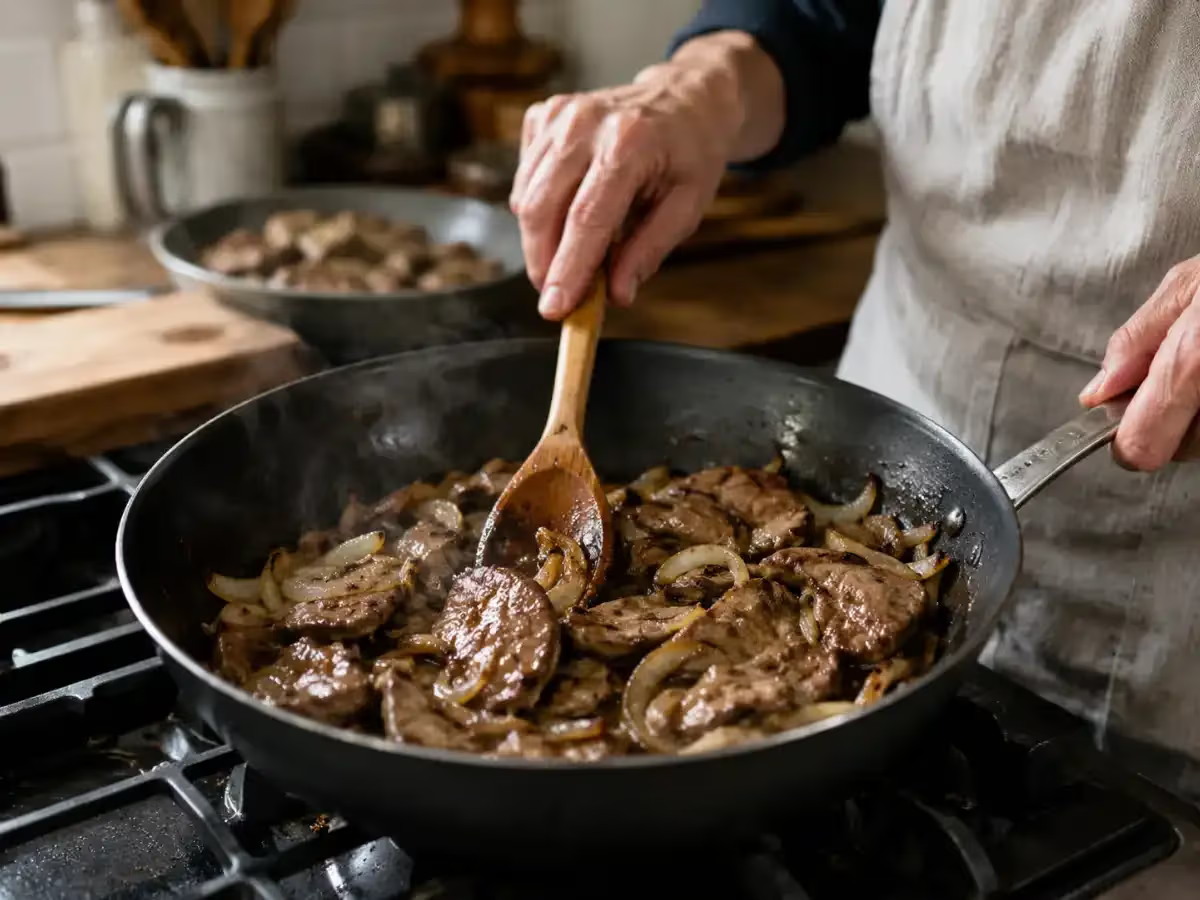
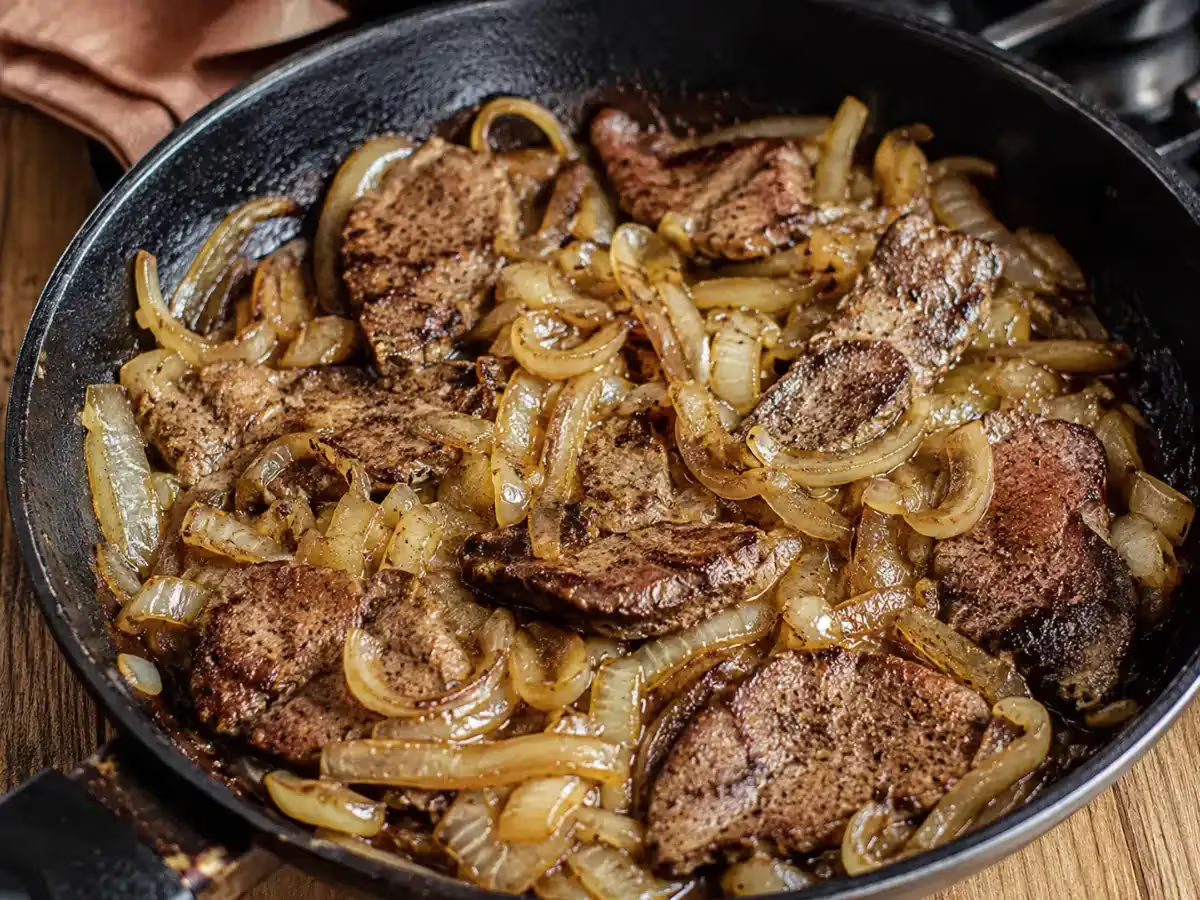
The success of the dish depends almost entirely on two variables: the quality of the liver and patience in cooking the onions. The veal liver must be extremely fresh, recognizable by its intense pink-violet color and clean smell, and cut into uniform strips to ensure even cooking. Before adding it to the onions, dry it carefully with paper towels: residual moisture would lower the pan temperature and prevent the Maillard reaction necessary to seal in the juices. The onions require low, constant heat for at least 25 minutes: they should braise, not sauté. A cast iron or thick-bottomed steel pan guarantees uniform heat distribution. When the liver is added, the pan must be very hot: high-heat cooking for just a few minutes is the only way to maintain a tender consistency. Beyond 5 minutes the liver tends to become rubbery and bitter. In a professional kitchen, the dish must be prepared à la minute and served without delay.
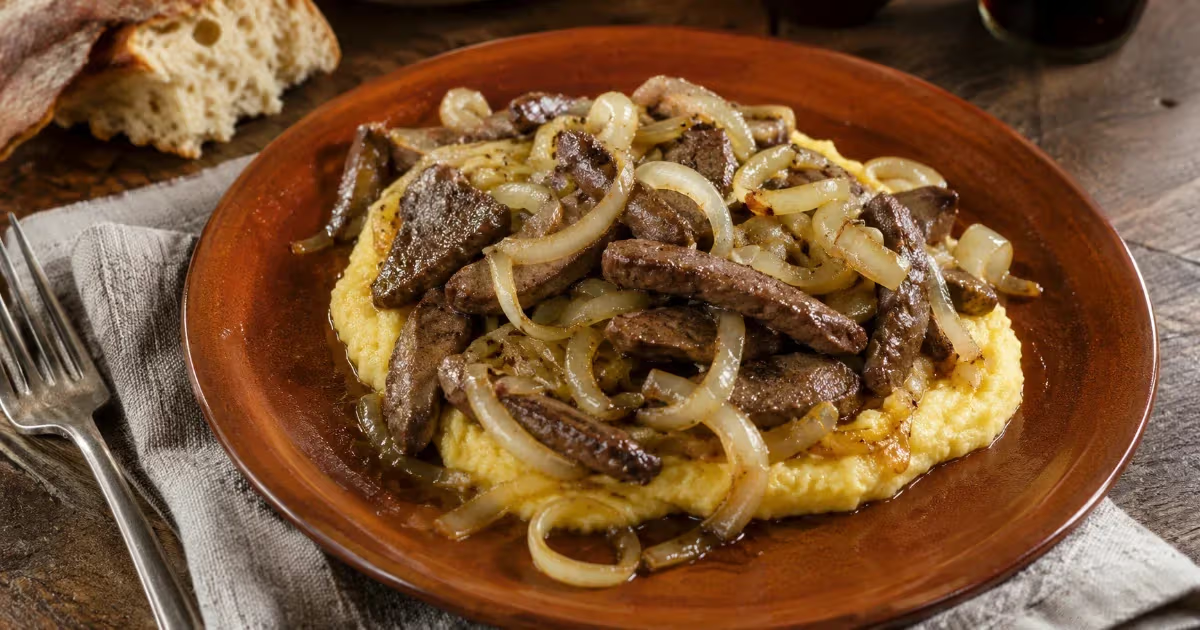
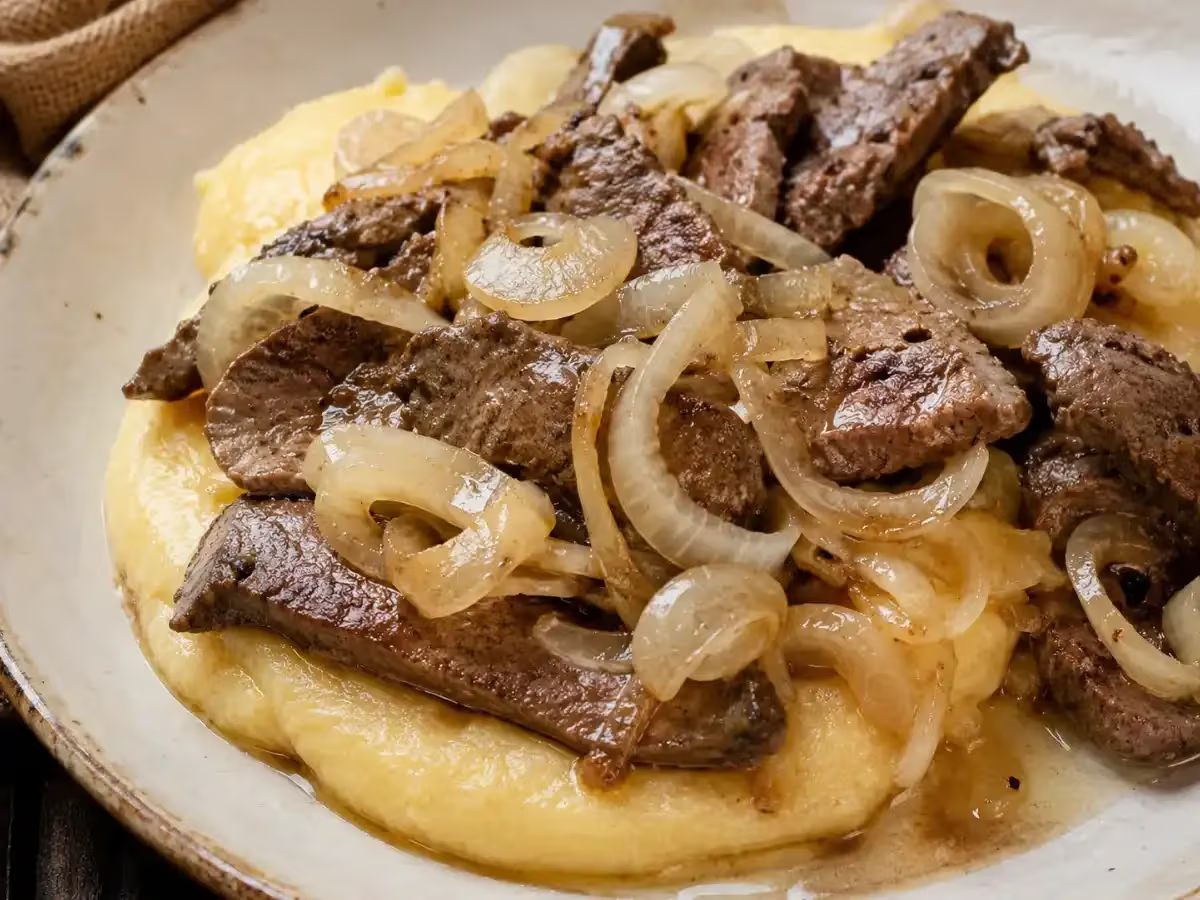
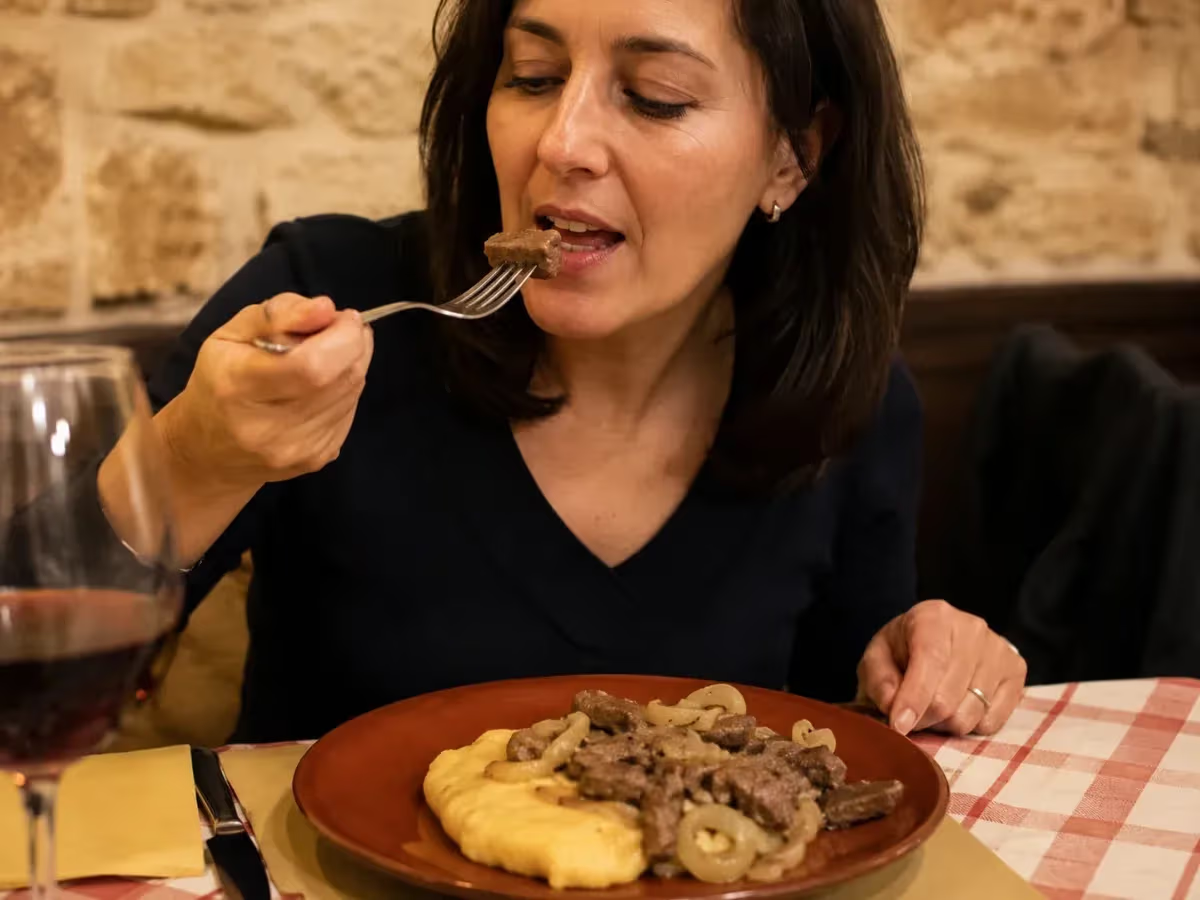
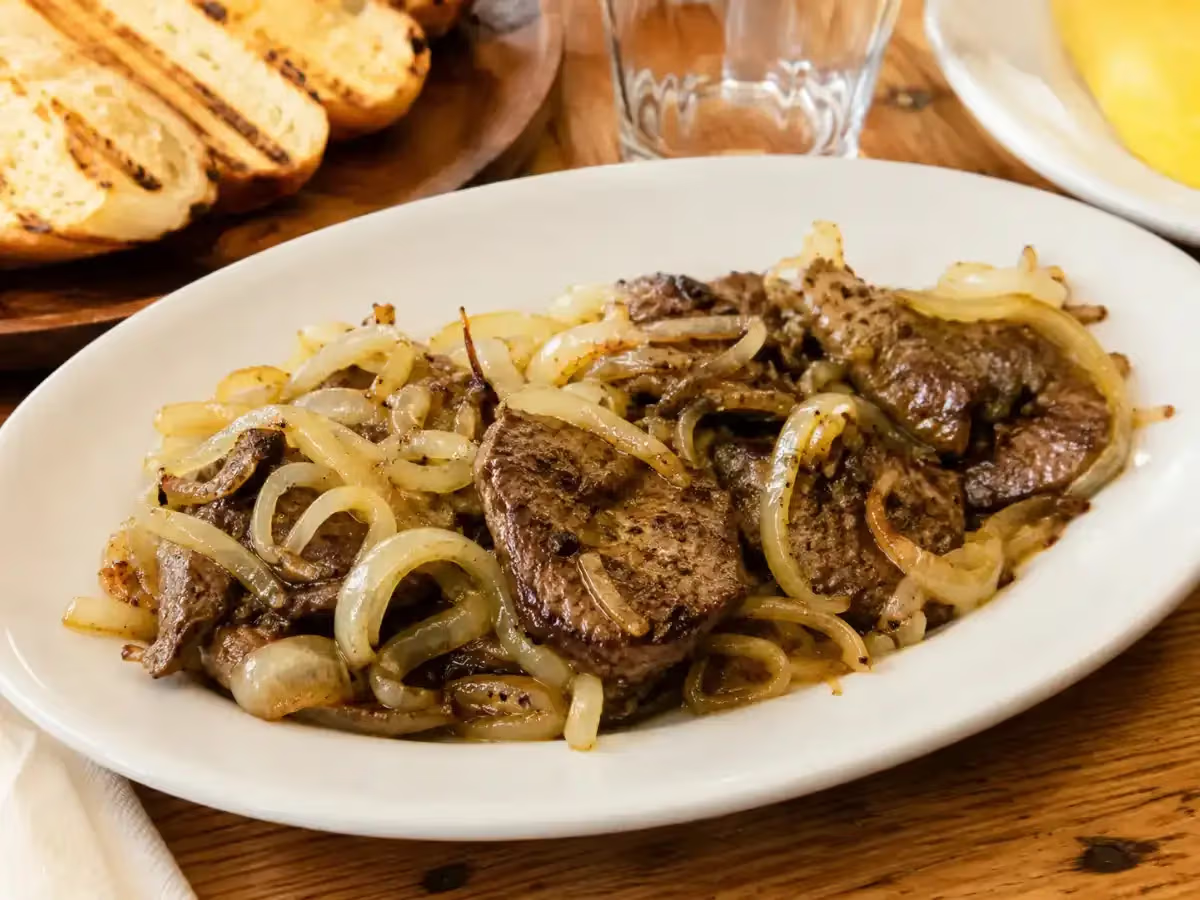
Fegato alla veneziana is one of the most representative dishes of lagoon cuisine, deeply rooted in the gastronomic tradition of Venice and the entire Veneto area. It consists of thin slices of calf liver cooked together with white onions stewed for a long time, until they reach a soft and almost melting consistency. The balance between the natural sweetness of the onion and the savory quality of the liver is the heart of this dish: a contrast that resolves into harmony, not contradiction. Traditionally served on a bed of soft or toasted polenta, depending on the area and season, fegato alla veneziana belongs to the repertoire of Venetian peasant cuisine, that of neighborhood osterie and houses along the canals. It was an everyday dish, accessible, that transformed an economical cut into something pleasant and substantial. Today it is considered a classic of Venetian trattorias, consumed especially in the colder months. The flavor profile is delicate, with iron notes typical of liver that are balanced by the caramelized sweetness of the onion. The addition of fresh parsley at the end of cooking contributes an herbaceous note that lightens the dish.
Liver Venetian-style, despite its simplicity, knows some variations passed down through the different provinces of Veneto and family kitchens.
per serving
| Nutrient | Value | |---------------|----------------| | Calories | ~320 kcal | | Protein | ~28 g | | Carbohydrates | ~22 g | | Fat | ~13 g | | Fiber | ~2 g | | Sodium | ~380 mg |
Indicative values per serving (with polenta). May vary depending on the ingredients used.
The origins of fegato alla veneziana are lost in the commercial history of the Serenissima. The combination of liver and onions was already documented in antiquity: it is said that the Romans ground figs, in Latin "ficus", with pork liver to sweeten its flavor, and that over time figs were progressively replaced by onion, far more available and less expensive. In Venice, a city at the crossroads of spices and merchandise, the recipe found its definitive form with the white onions of Chioggia, cultivated in the lagoon and along the Adriatic coast since the Middle Ages. Over the centuries the dish became a pillar of Venetian osterie, frequented by gondoliers, fishermen and port workers. Its popularity was linked both to the low cost of offal and to the availability of local onions. Even today, in the bacari of the sestieri of Castello and Cannaregio, fegato alla veneziana appears as a cicchetto or as a main course, a living testimony to a cuisine that has never ceased to belong to the city.