
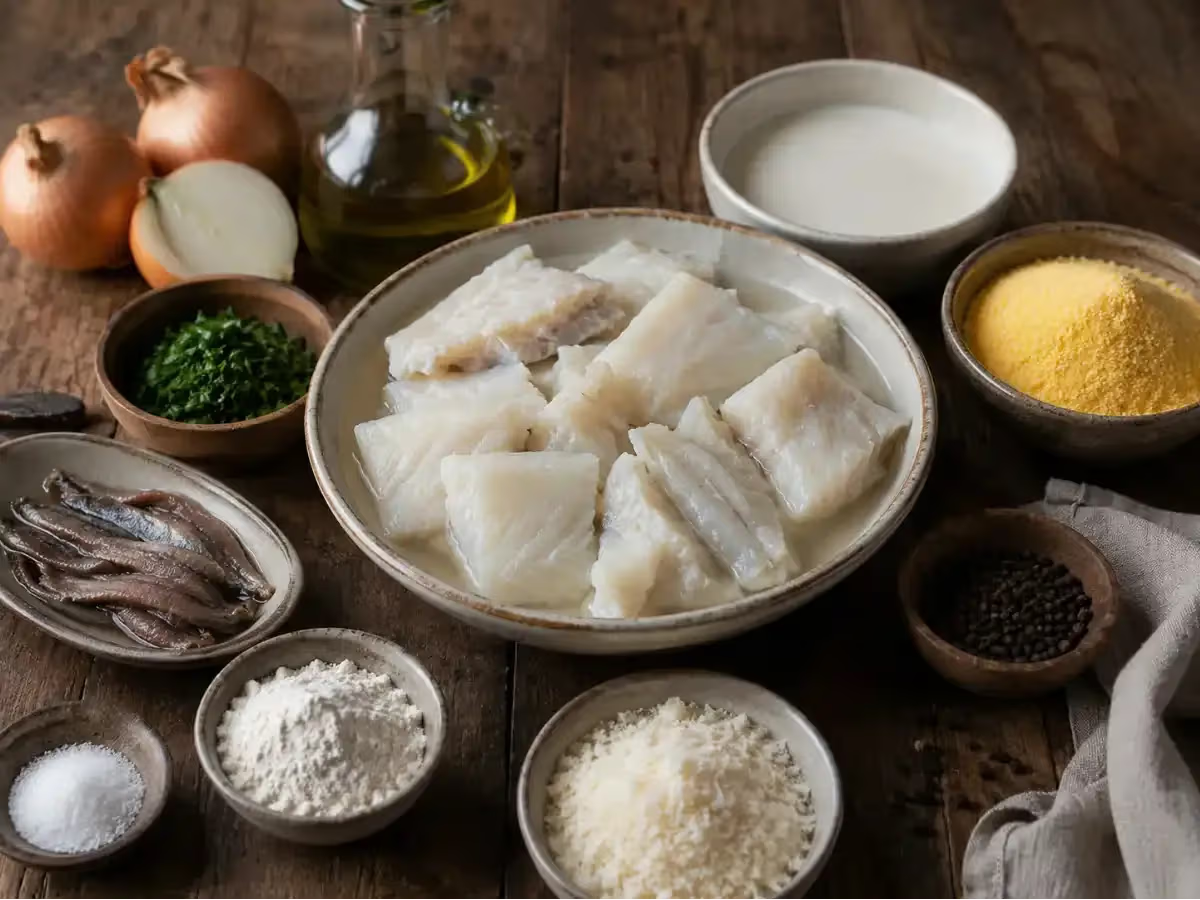
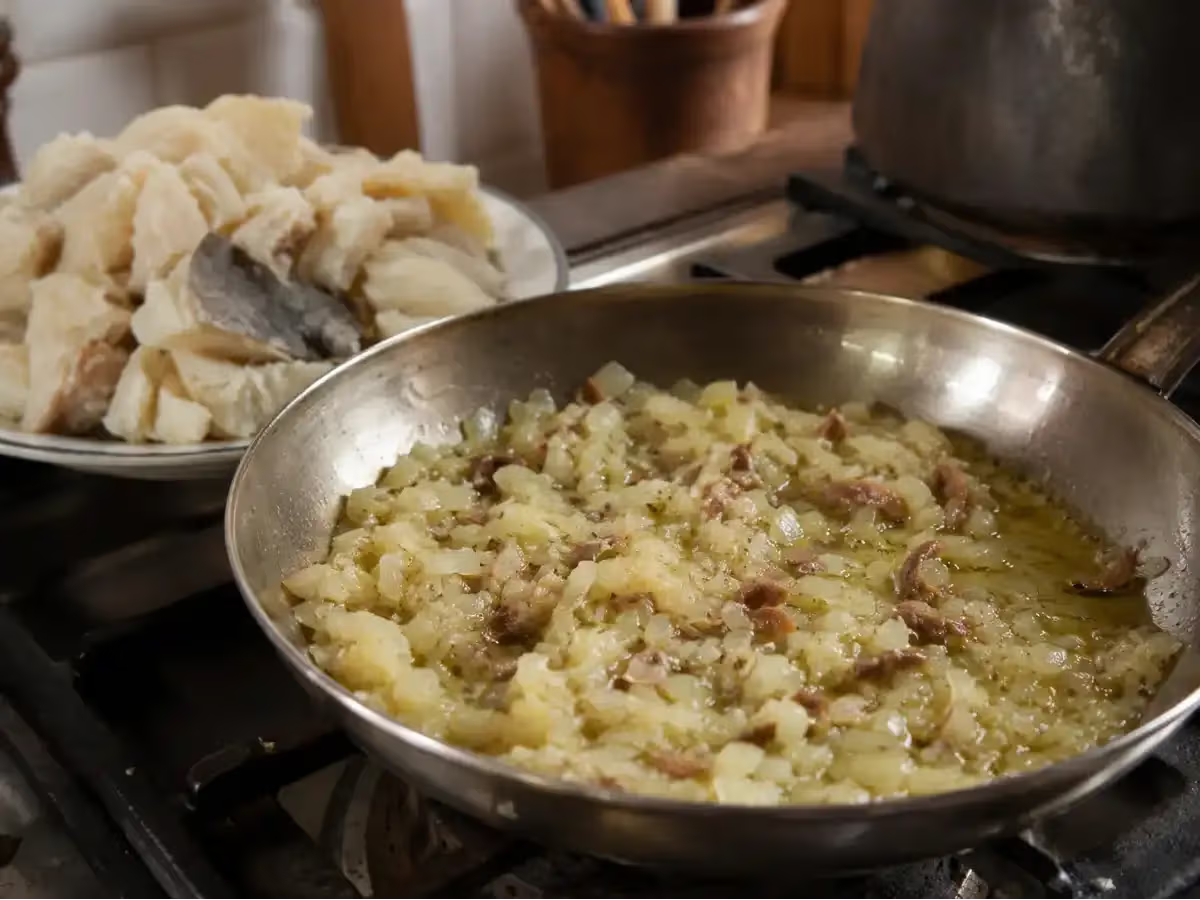
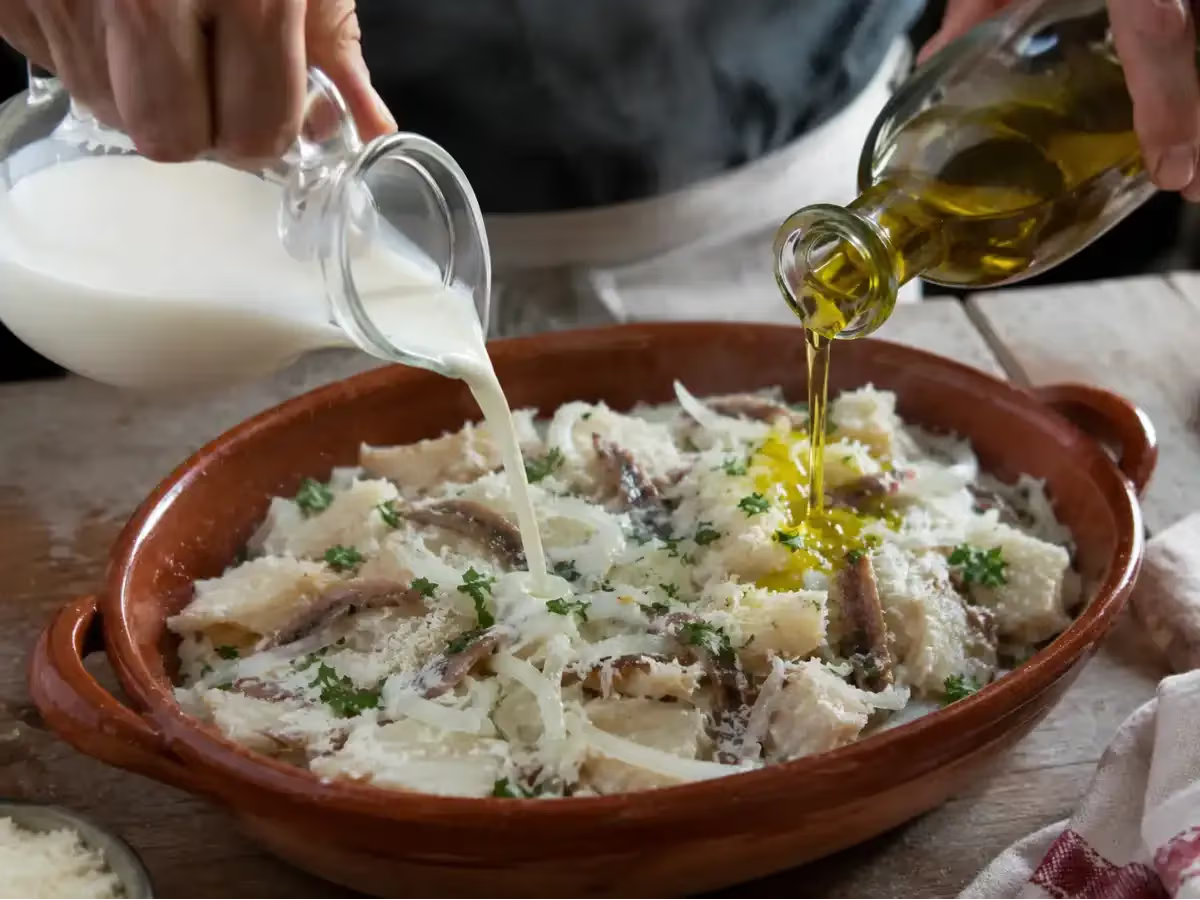
For the baccalà
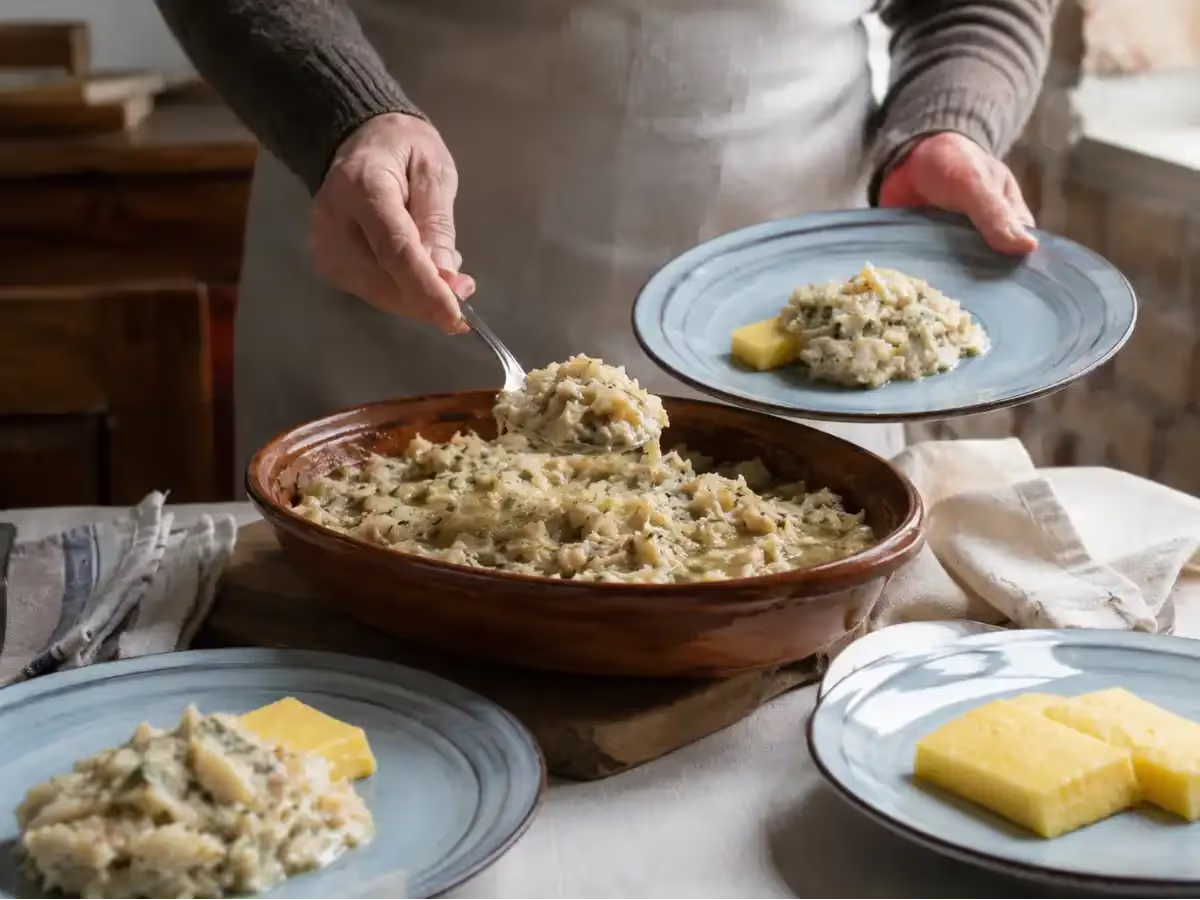
For the polenta
The quality of the stockfish is decisive. Choose ragno or testone, the varieties with thicker and more compact flesh that better withstand prolonged cooking without falling apart. The soaking must be carried out in cold running water or with frequent changes, at a temperature not exceeding 10-12 degrees Celsius, to avoid unwanted fermentations.
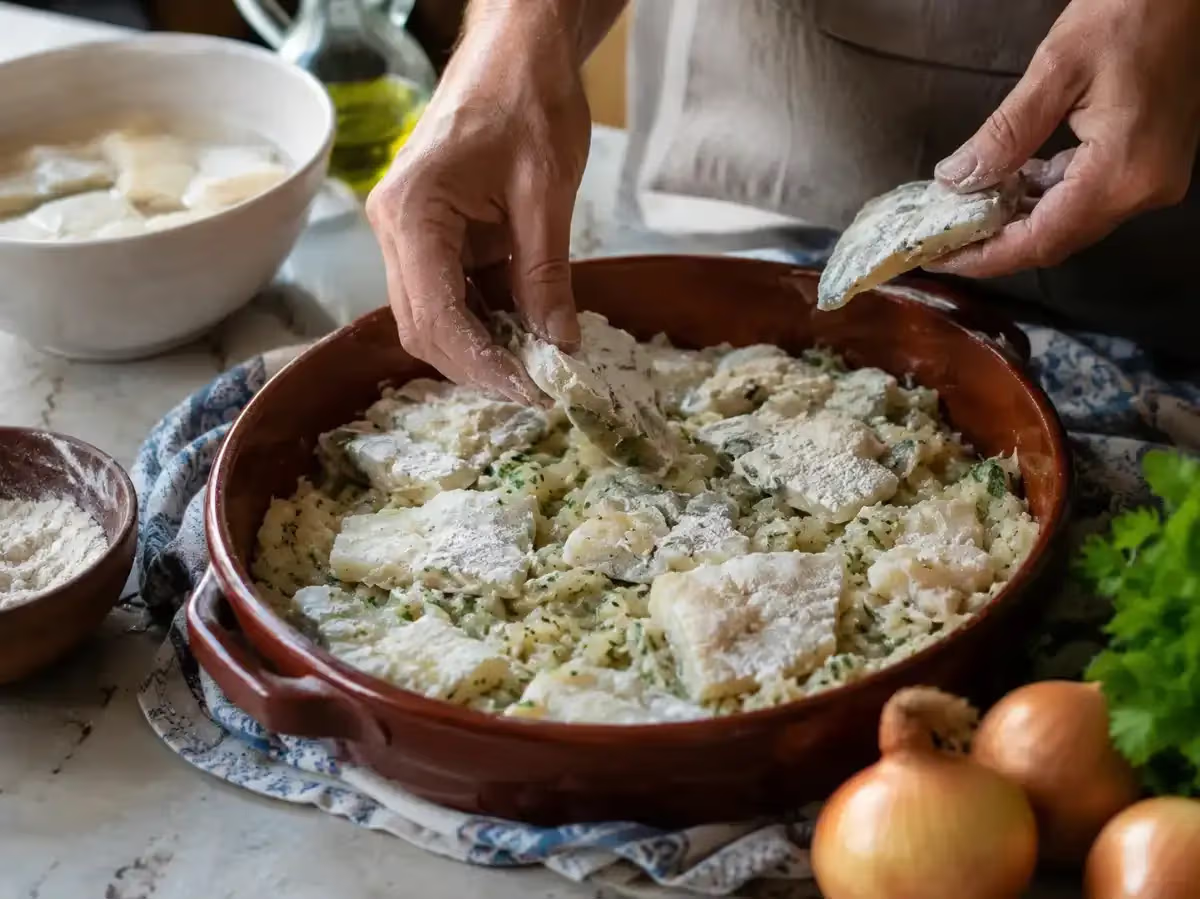
Cooking occurs over the lowest heat: the casserole must never simmer actively, but only tremble. This is the critical point of the recipe. Using an earthenware or enameled cast iron casserole ensures homogeneous heat diffusion and reduces the risk of sticking to the bottom. Never stir during cooking: movement should only happen by shaking the pan, to keep the pieces intact. The extra virgin olive oil must not be light or neutral; one with medium fruity character supports the structure of the dish. For restaurant service, regeneration occurs in the oven at 160 degrees Celsius with a spoonful of milk added, never over direct heat.
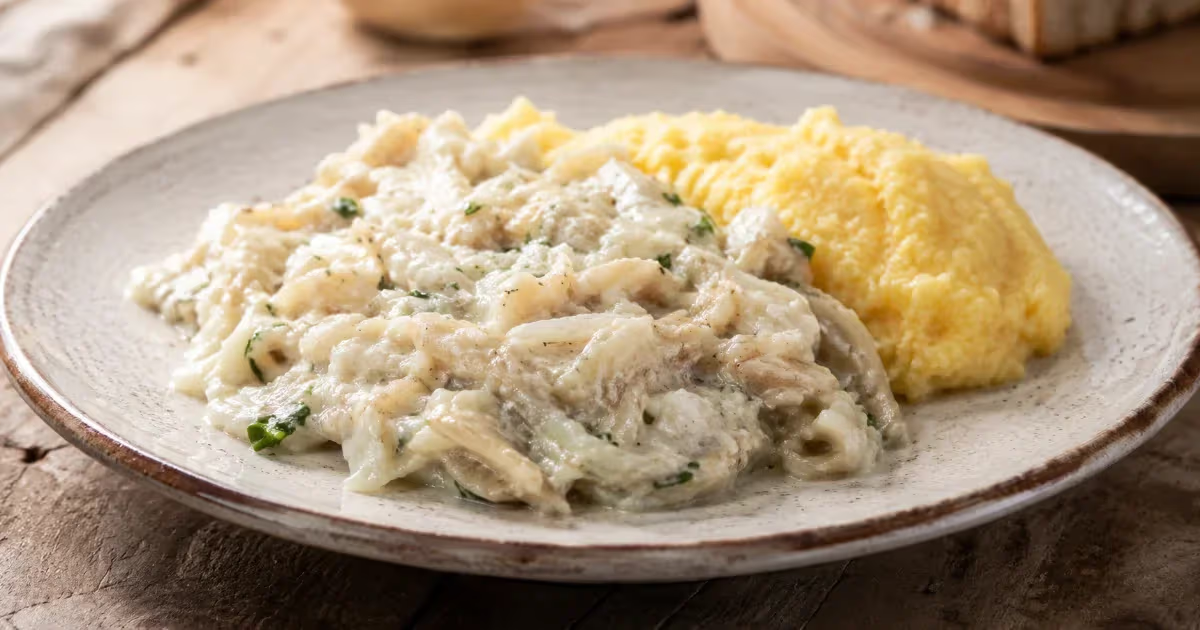
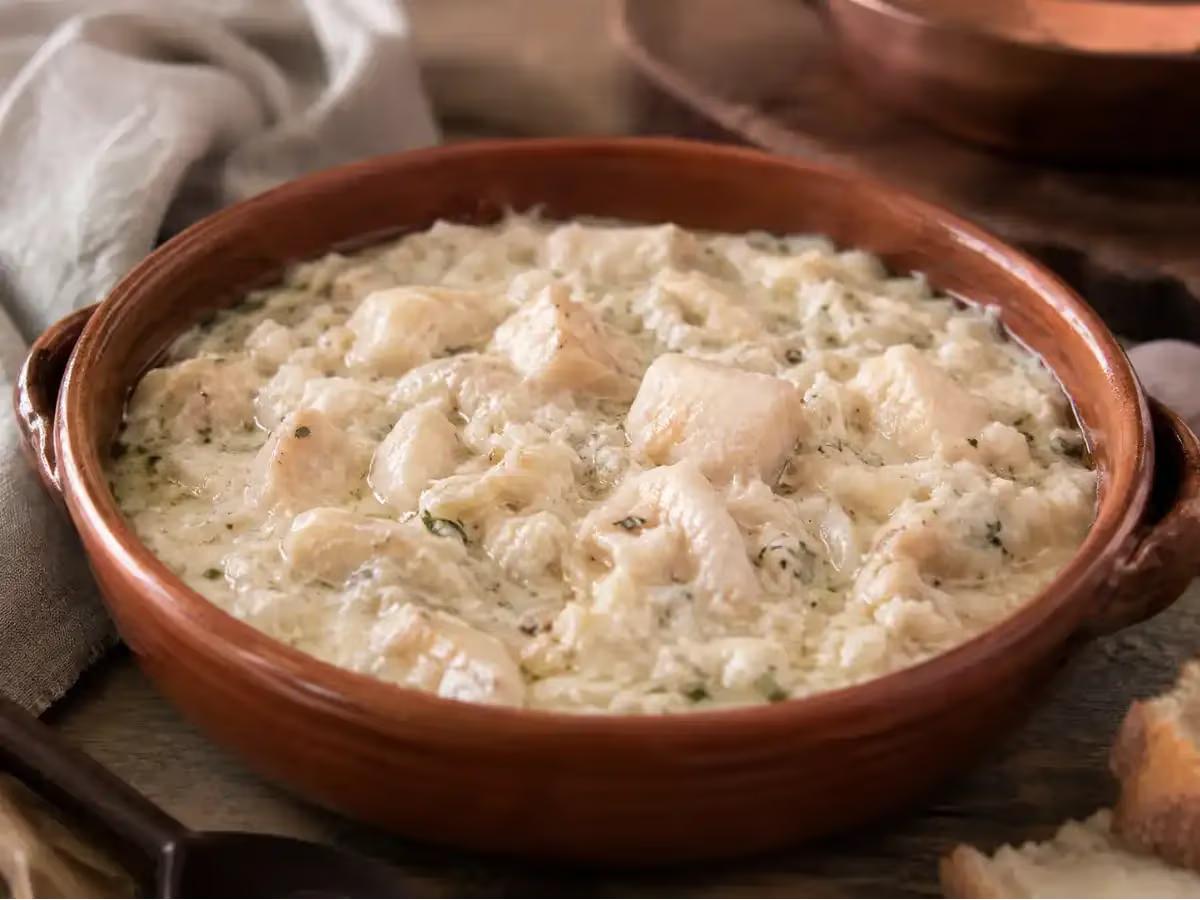
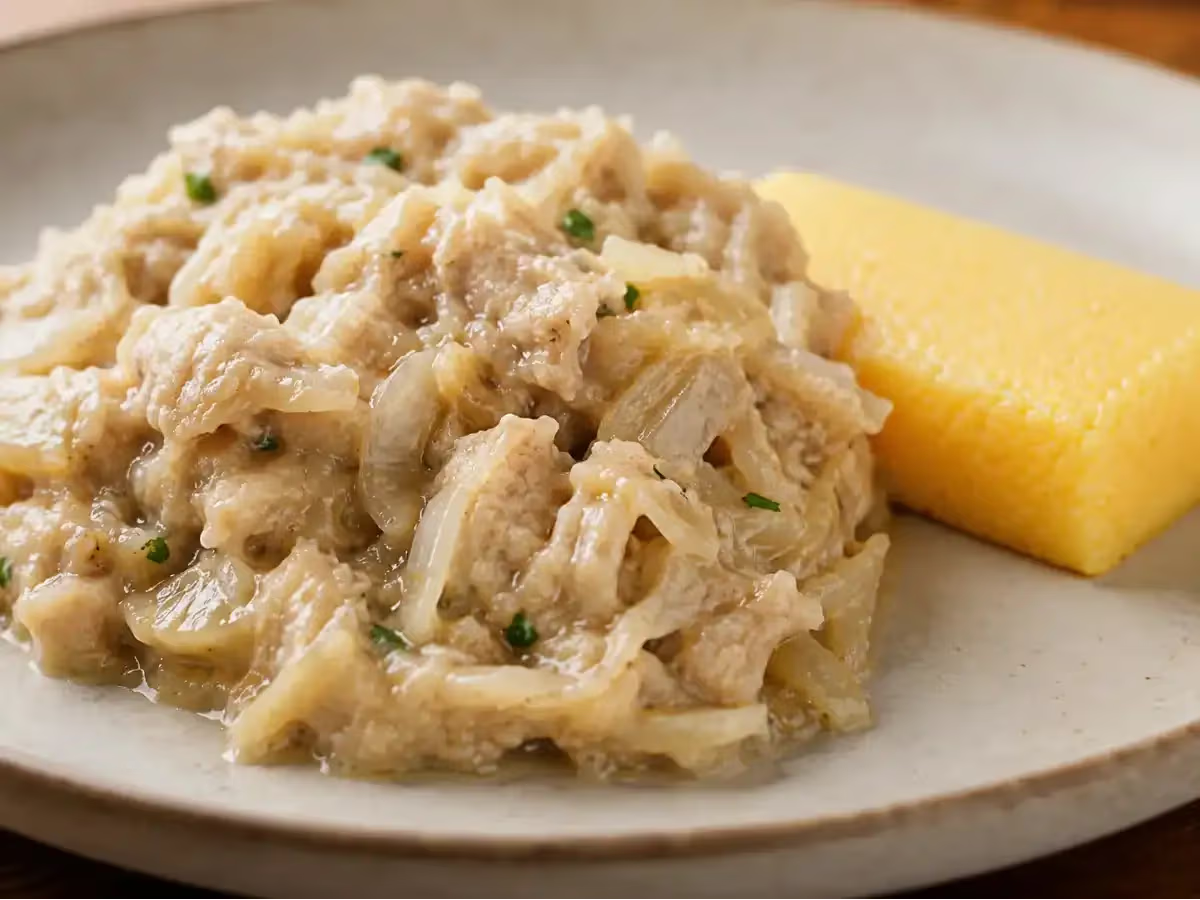
Stockfish alla vicentina is one of the most iconic dishes of Venetian cuisine, rooted in the territory of the province of Vicenza with an almost proud precision. The name can be misleading: the authentic recipe does not use salted cod, but stockfish, the stockfish air-dried from the Norwegian Lofoten islands. It is a distinction that the people of Vicenza have held firm for centuries, and which the Venerabile Confraternita del Bacalà alla Vicentina, founded in Sandrigo in 1987, safeguards and promotes with an official codified recipe.
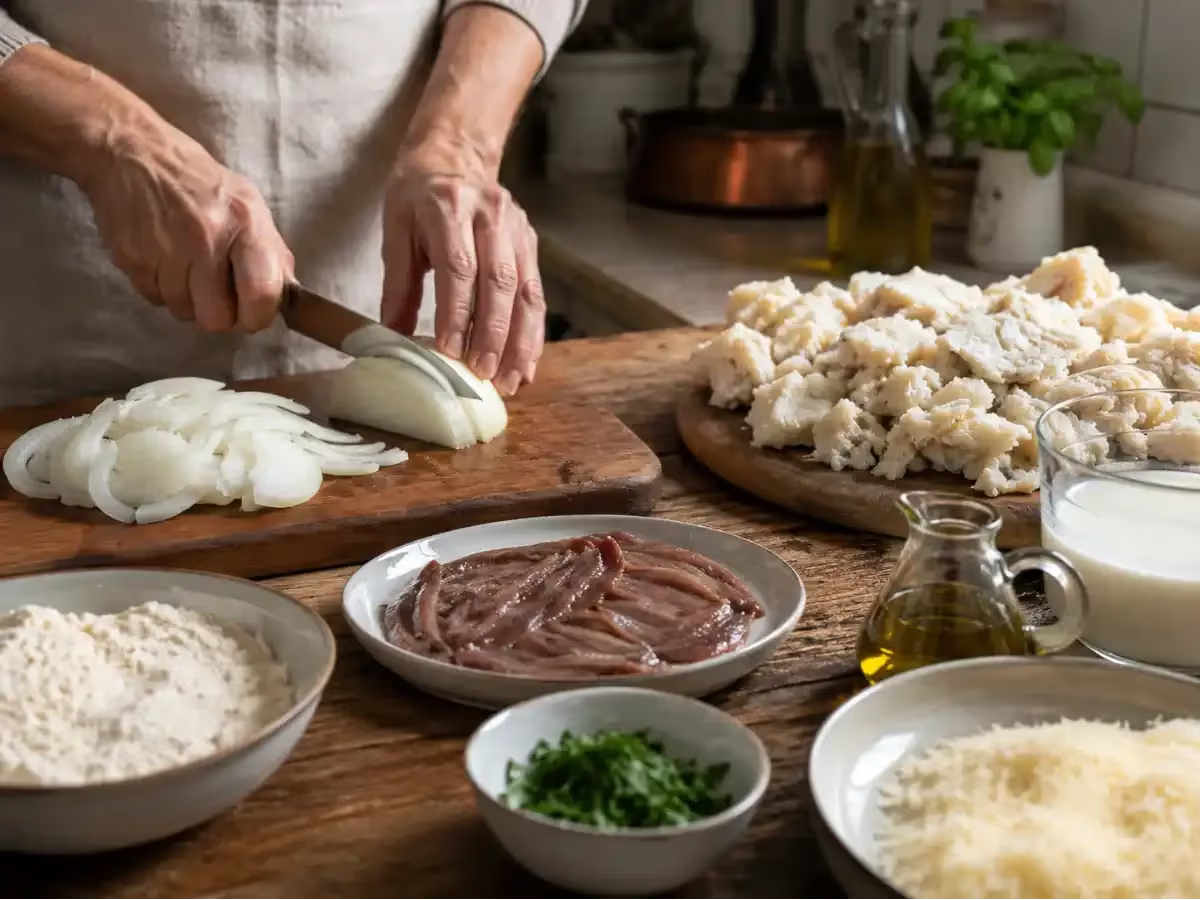
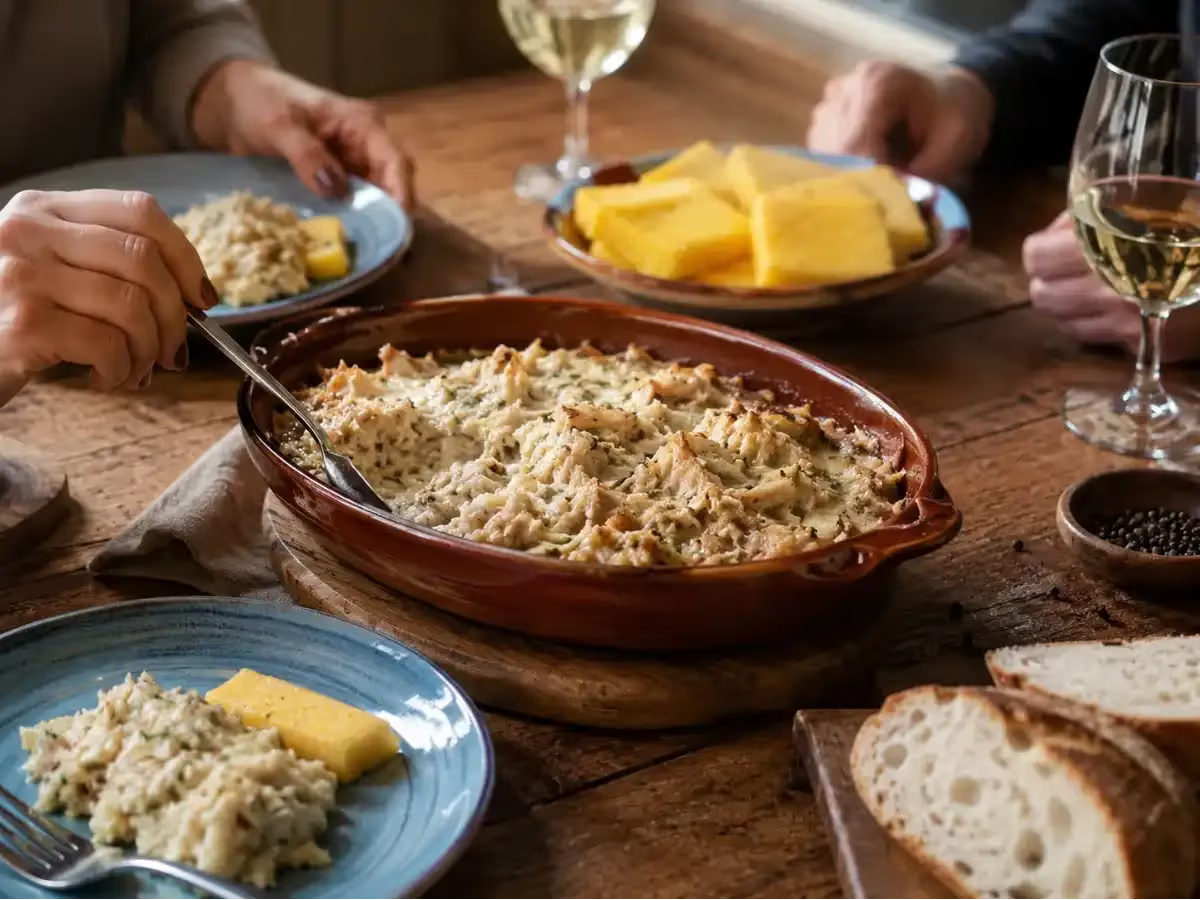
The dish originates as poor land cuisine, yet it reveals a complexity built through slow time: the stockfish soaked for days, then cooked in a prolonged braise with onion, anchovies, milk and olive oil until reaching a creamy and almost melting consistency. The flavor profile is intense but rounded, with the saltiness of the anchovies that dialogues with the sweetness of the milk and the richness of the oil. Tradition dictates that it is served on white or yellow polenta, an accompaniment that absorbs the dense sauce and completes the dish in an essential way. It is a preparation for a festive day or for Sunday with family, but also a protagonist of the village festivals of the Vicenza plain every autumn.
Baccalà alla vicentina admits few structural variations, given the recipe codified by the Confraternity, but in the territory circulate some local interpretations.
per serving
Vicenza does not overlook the sea, yet the dried fish from the Norwegian Lofoten Islands has entered its cuisine through a medieval commercial route that passed through Venice. It was the merchants of the Serenissima who brought stockfish to the mainland, durable and nutritious merchandise, suitable for long journeys and conservation that did not require salt. The Vicenza plain adopted it and reinterpreted it with ingredients from its own territory: the olive oil from Colli Berici, milk from countryside farms, white onions cultivated along the Bacchiglione.
A turning point in the documented history of the dish is owed to the Venetian nobleman Pietro Querini, who in 1432, after a shipwreck on the Norwegian coast, stayed among the fishermen of the Lofoten Islands and upon his return brought stockfish back with him as travel provisions. The account from his diary is considered the first Italian document that describes this fish. In the centuries that followed, the dish became established as lean cuisine for days of abstinence, then as a festive tradition. The Confraternity founded in Sandrigo in 1987 has set the recipe and organizes a festival every year that brings together enthusiasts from throughout the region.