
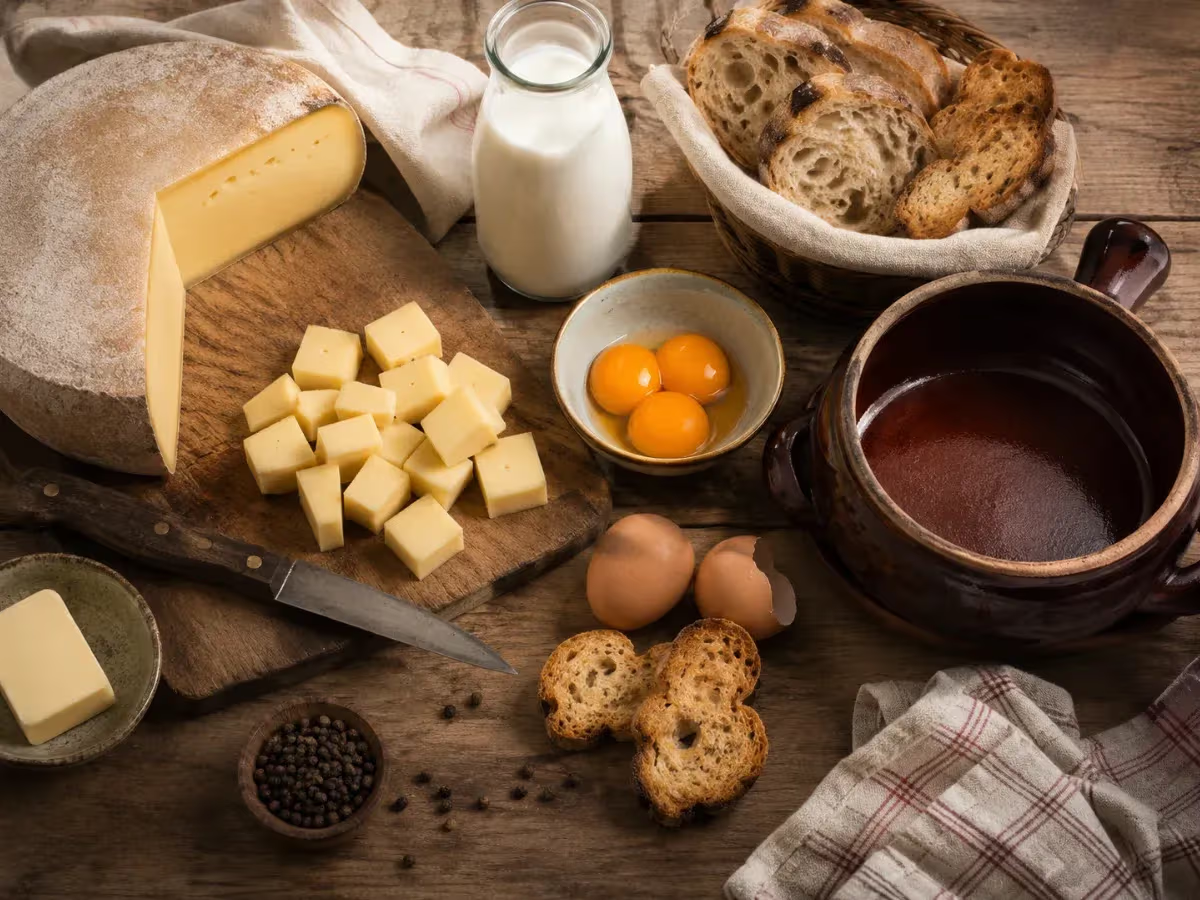
For the fondue
To serve with
The critical variable of fondue valdostana is temperature. The cheese must melt between 60 and 70 degrees Celsius: exceeding this threshold, even for just a few minutes, leads to the separation of proteins and fats, resulting in a stringy, watery mass that cannot be recovered. Using a bain-marie is not an optional choice in professional kitchens, but the correct one.
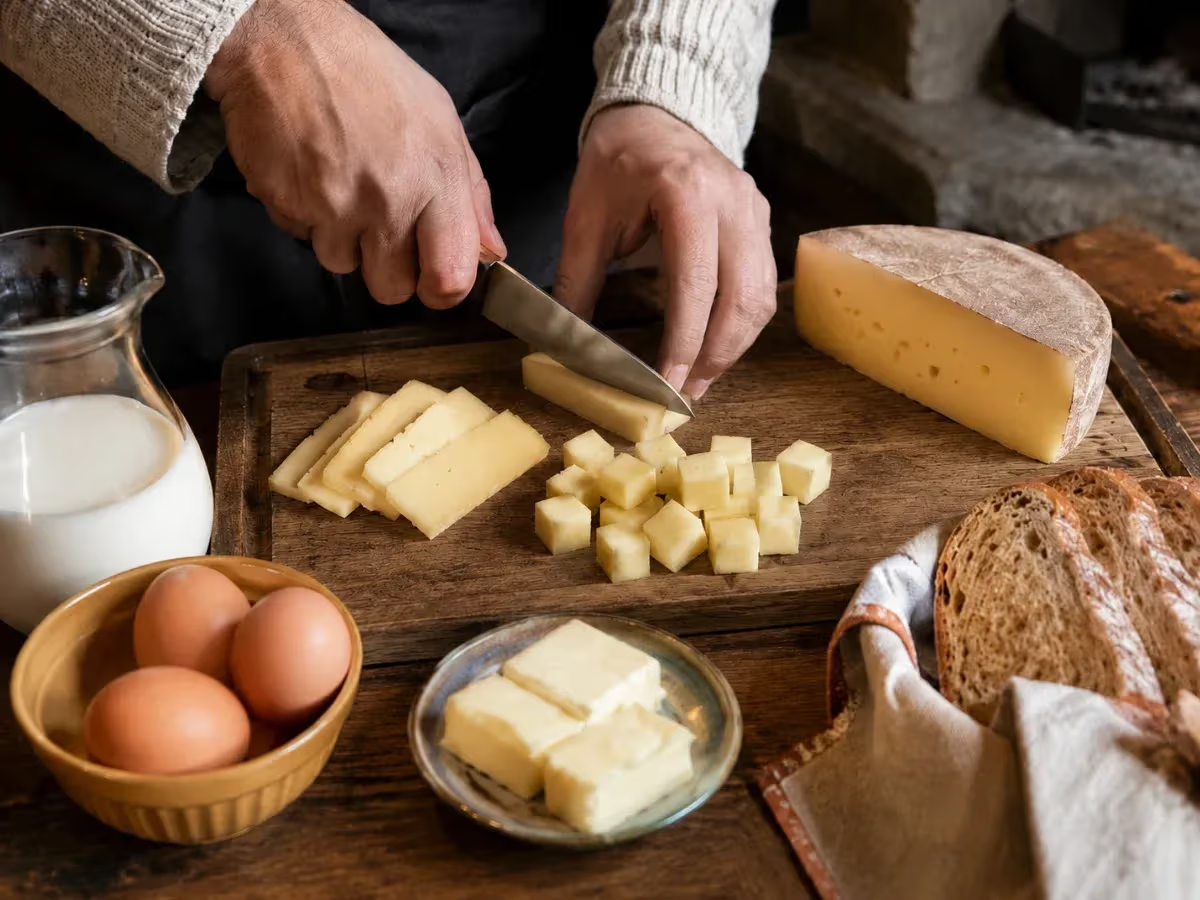
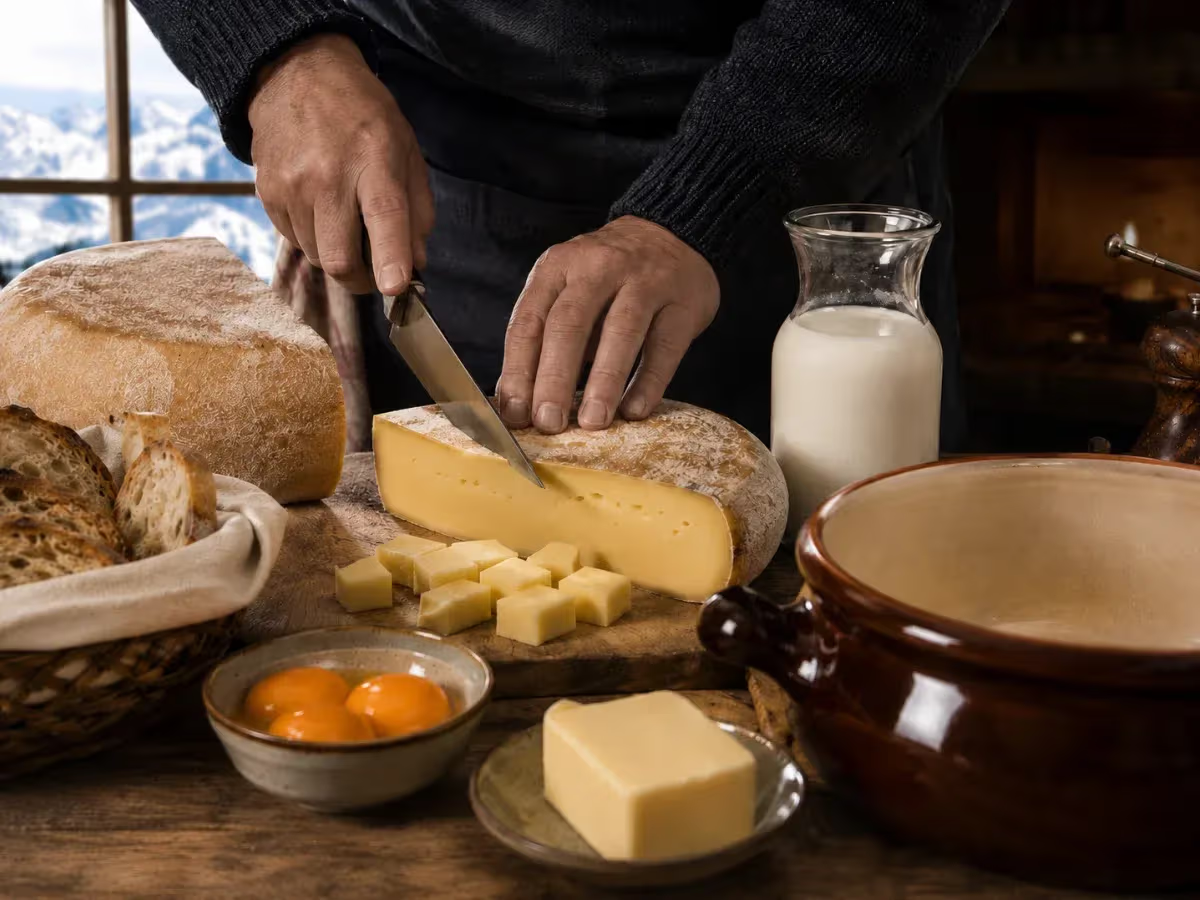
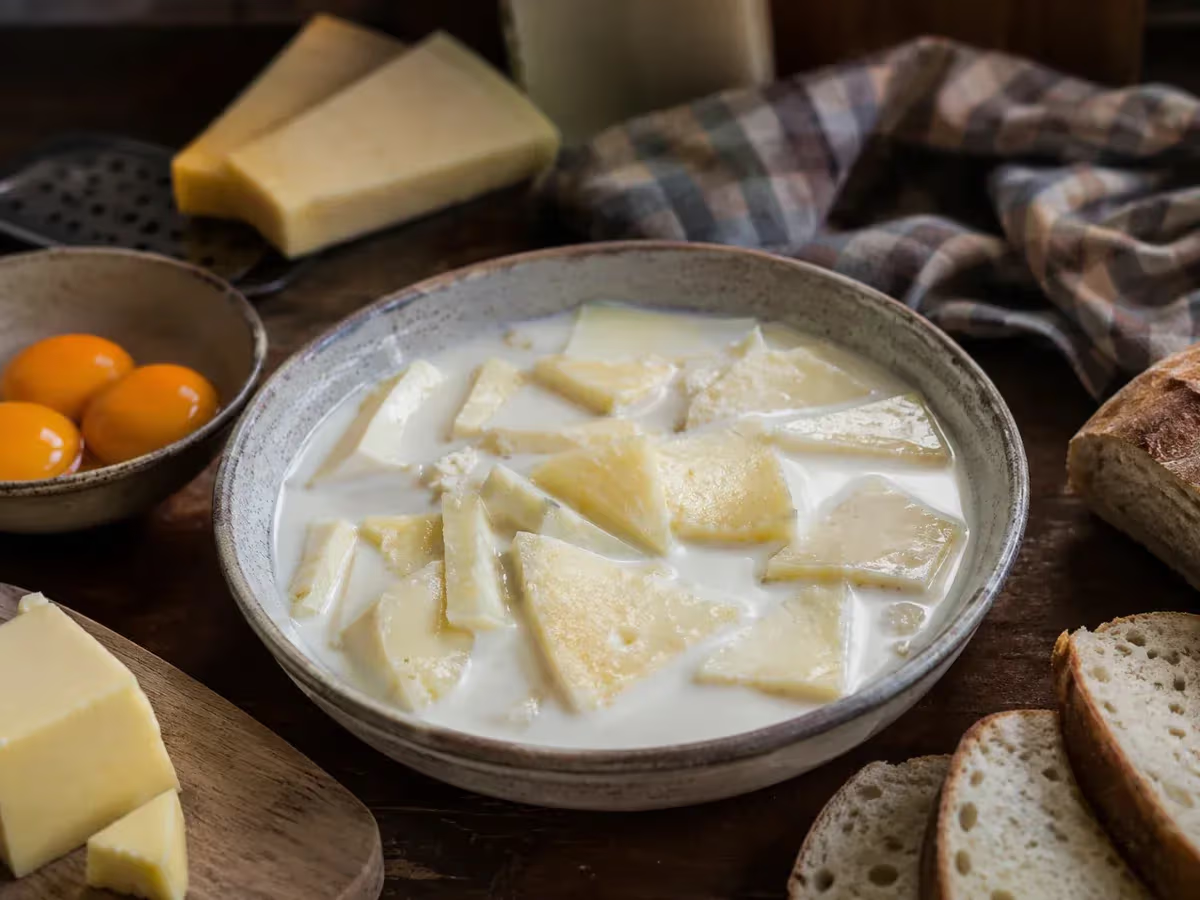
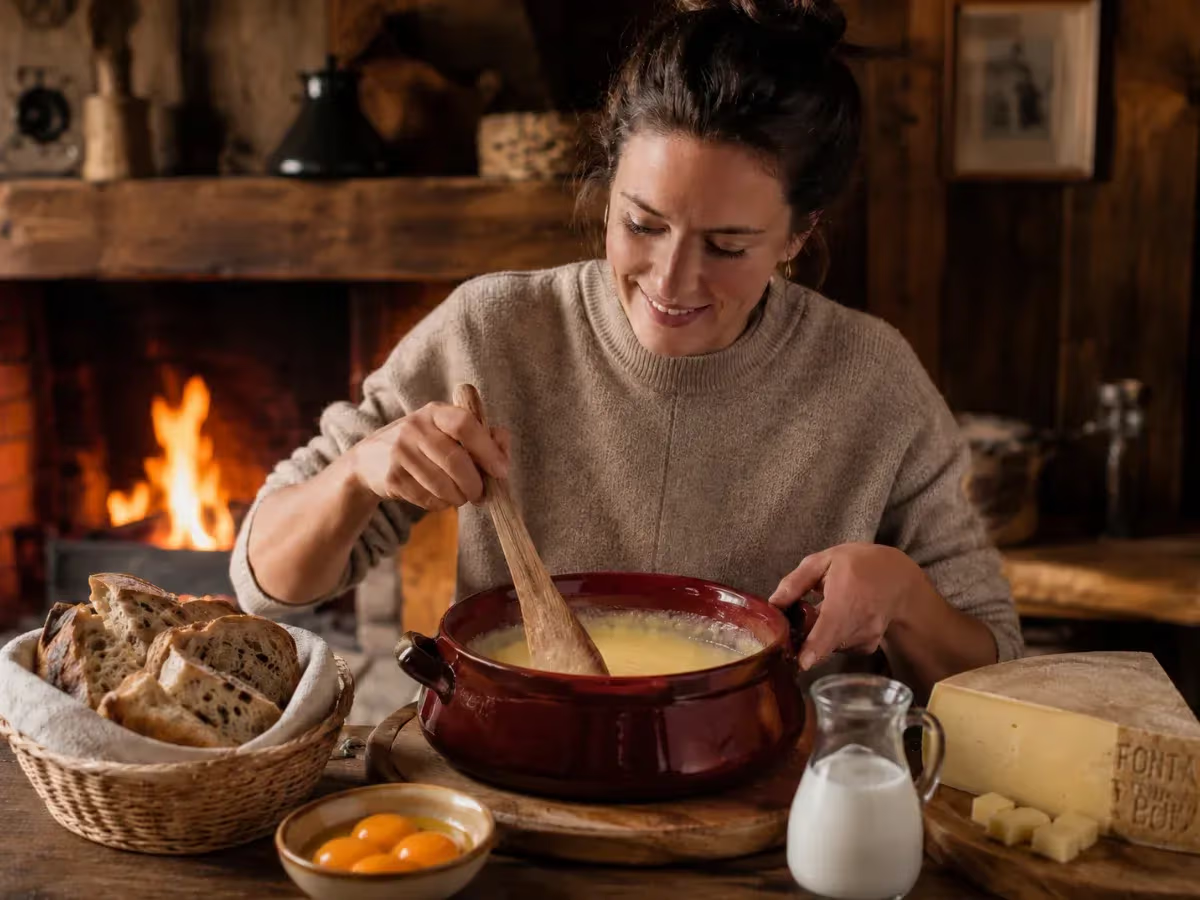
The quality of Fontina is everything. Prioritize wheels aged between 3 and 5 months, with a crust that is not too hard and a straw-yellow colored paste: a summer Fontina from alpine pastures guarantees more complex aromas. Cutting into small cubes, never thick slices, and soaking for at least 2 hours in cold milk are two steps that many skip but which make a difference in the final texture.
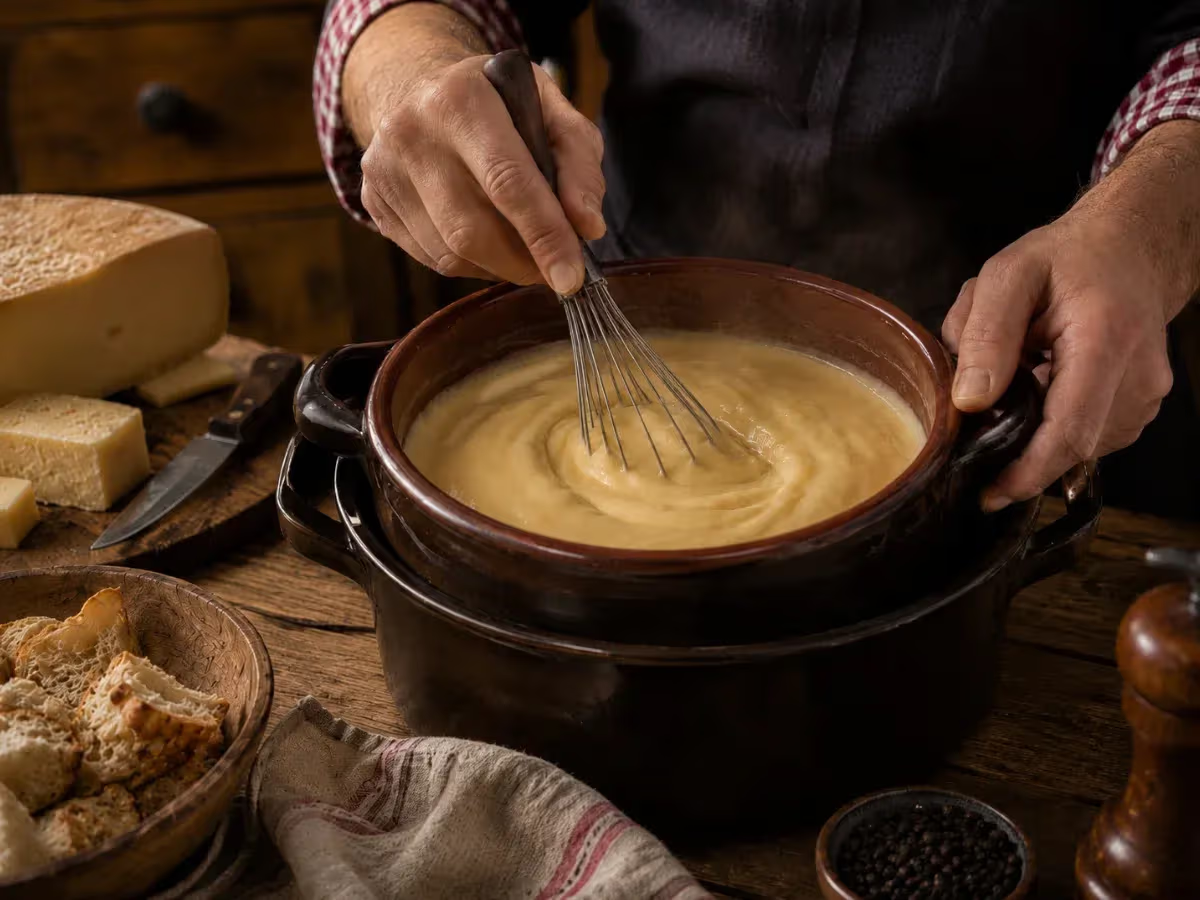
The egg yolks must be added away from direct heat, working them one at a time with a light whisk. Using eggs at room temperature accelerates incorporation. For restaurant service, maintain the fondue in a container on a réchaud at minimal flame, verifying that the surface does not form a film: a drizzle of hot milk and a quick stir are enough to restore creaminess.
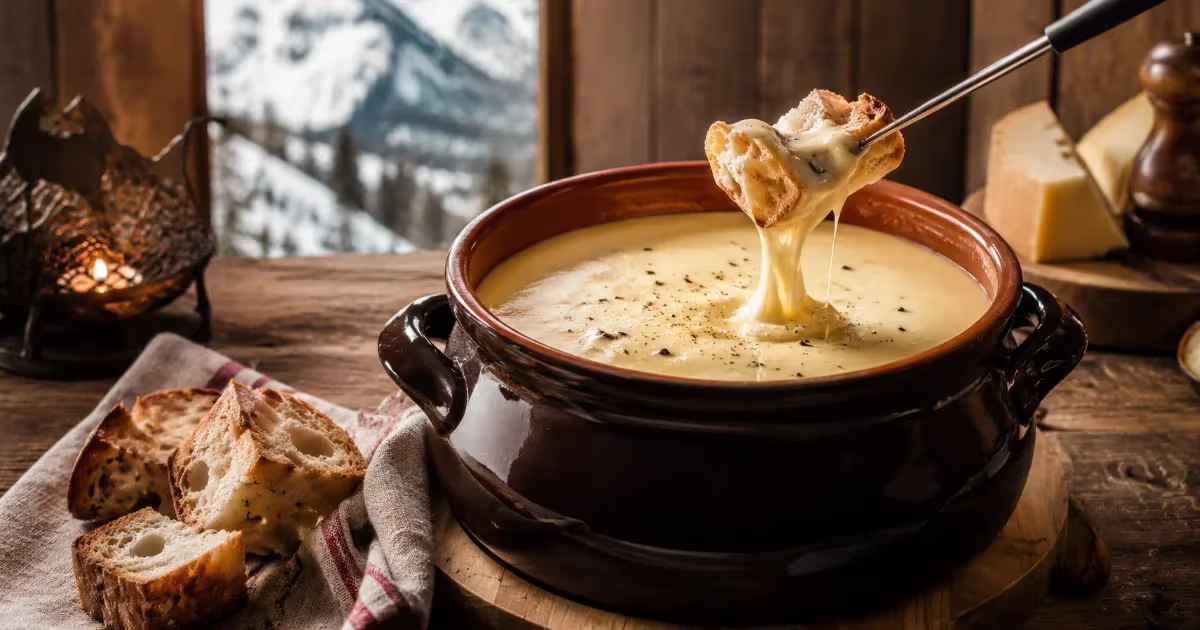
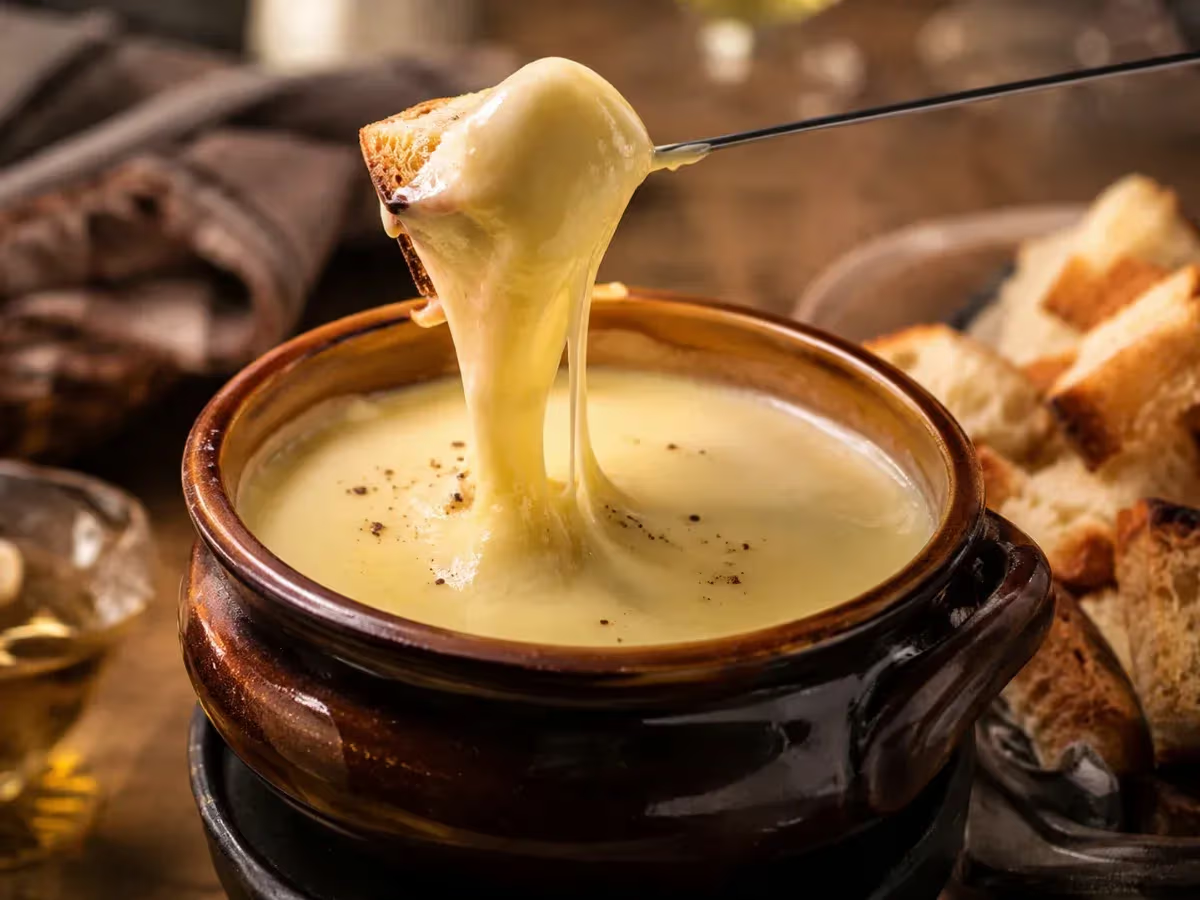
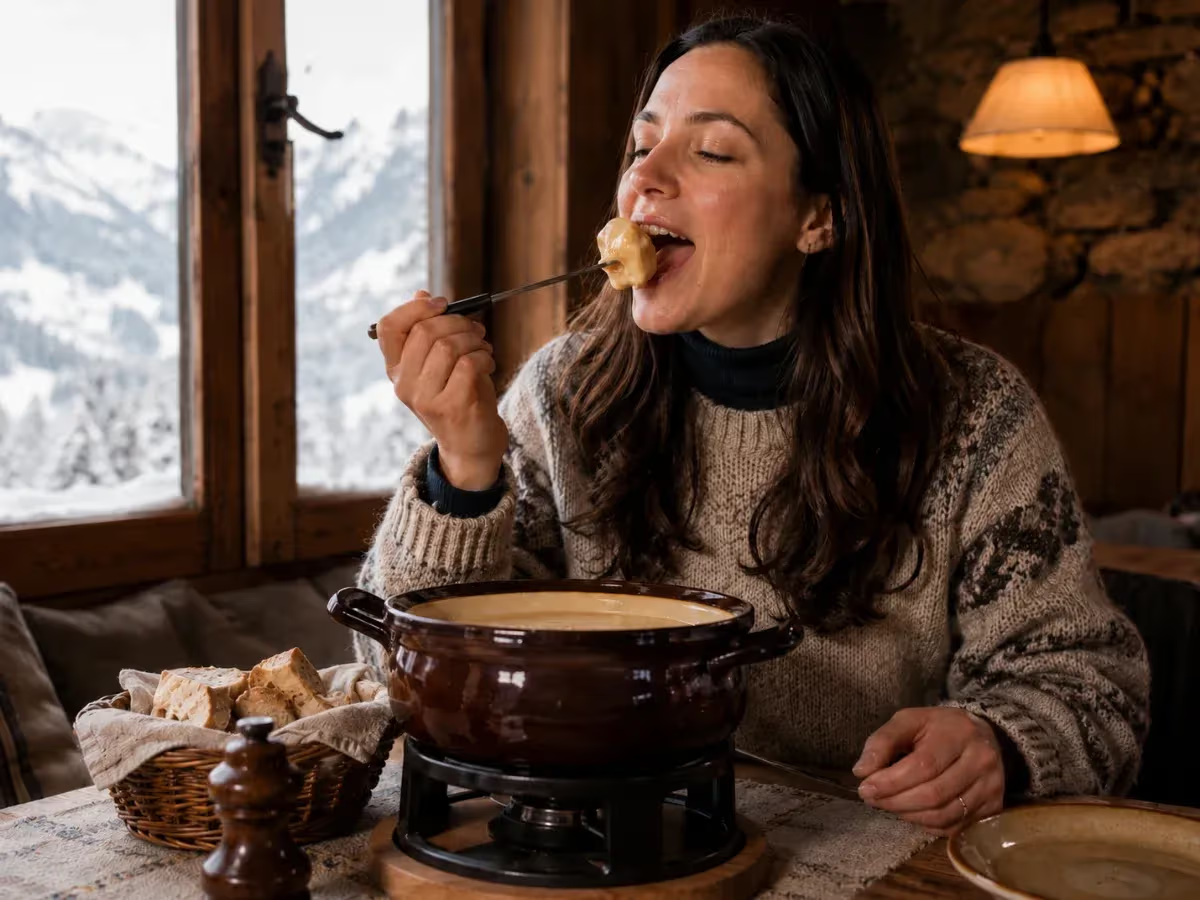
Valdostana fondue is one of the most representative dishes of Alpine mountain cuisine, rooted in the cheesemaking tradition of the Aosta Valley. At the center of everything is Fontina DOP, the semi-hard cheese produced on the alpine pastures of the region since the Middle Ages, capable of melting with a dense and enveloping creaminess that no other Italian cheese can replicate. Fondue is not a simple cheese sauce: it is a convivial ritual, linked to the cold months and gatherings around the fire, when families shared the same steaming dish at the center of the table.
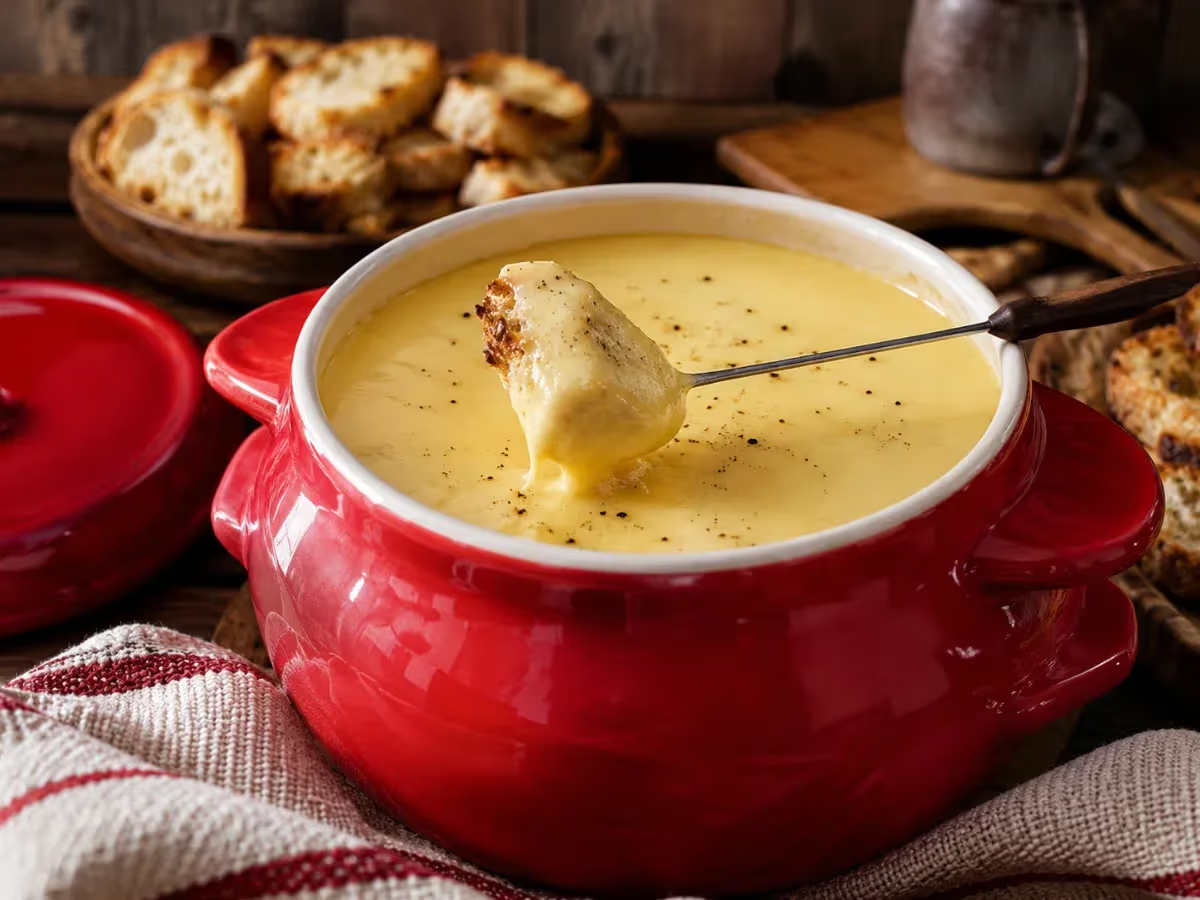
The flavor profile is rich and enveloping, with the herbal and slightly musky notes of Fontina balanced by the softness of milk and the roundness of butter. In the Aosta Valley it is traditionally served as a main course, accompanied by croutons of stale bread or polenta, and sometimes completed by a poached egg resting on the hot surface. It is also the base of numerous local preparations, such as fontina soup or polenta concia. Uses range from winter lunches in mountain huts to holiday dinners at home, particularly during the Christmas period and in the months of January and February.
Valdostan fondue has some consolidated variations, both across the territory and in reinterpretations of mountain cuisine.
per serving
On the alpine pastures of the Aosta Valley, at altitudes where bread was scarce and cheese was a currency of survival, melting Fontina in milk was a way to make even the most aged and hard parts of the wheel nutritious and edible. The first written attestation of the term 'fonduta' in relation to Aosta Valley Fontina appears in Zalli's dictionary of 1814, but the domestic practice is certainly centuries older, linked to the rhythms of the mountain dairies and the return of animals from summer pasturing.
Fontina itself is documented in the Aosta Valley from 1270, when it appears in a fresco of Issogne castle depicting recognizable cheese wheels. For centuries fonduta was the food of shepherds and mountain families, certainly not a formal dish. Its transformation into an emblematic and convivial dish occurred in the twentieth century, when the valorization of Alpine regional cuisine brought fonduta to the tables of mountain hotels and restaurants in the Valley. Today the connection with the territory is also guaranteed by the DOP of Fontina, which protects both the raw material and the production method.