
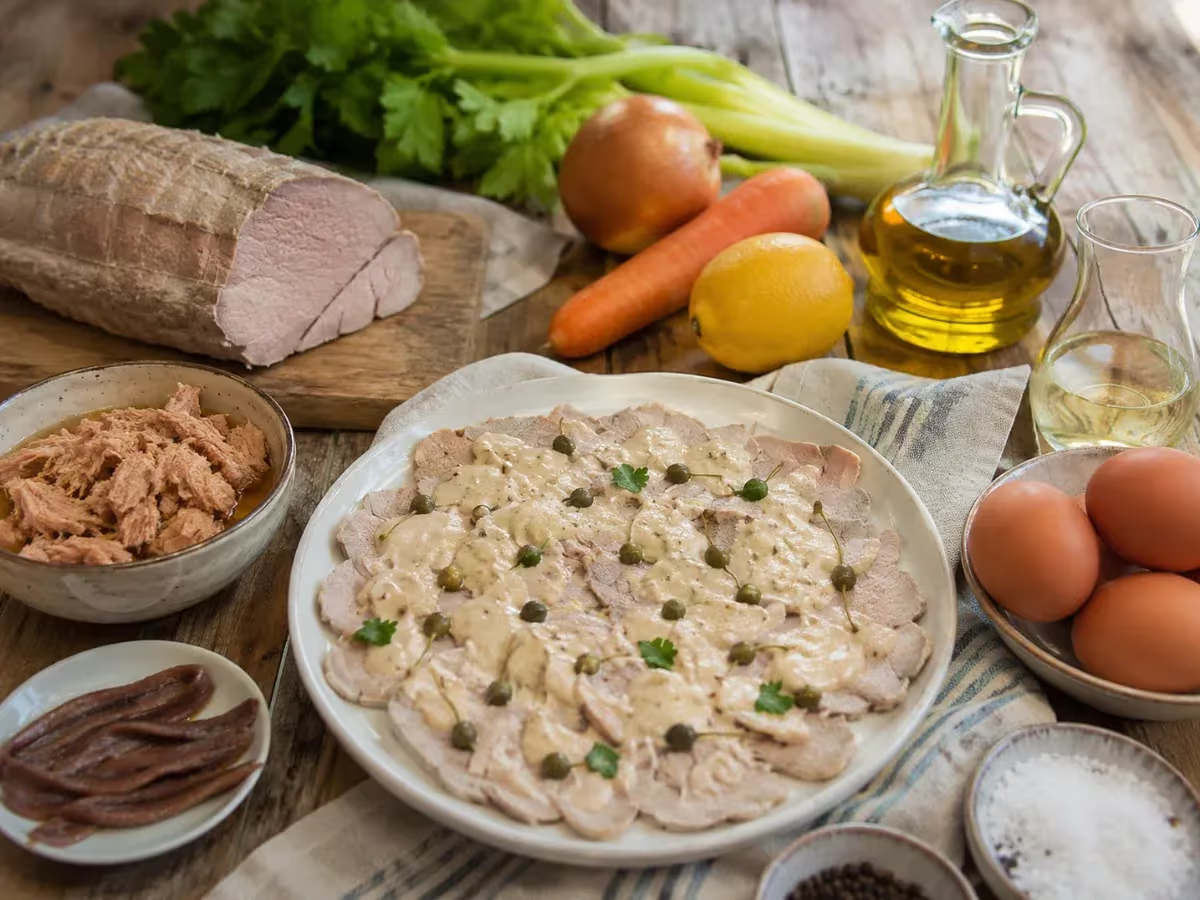
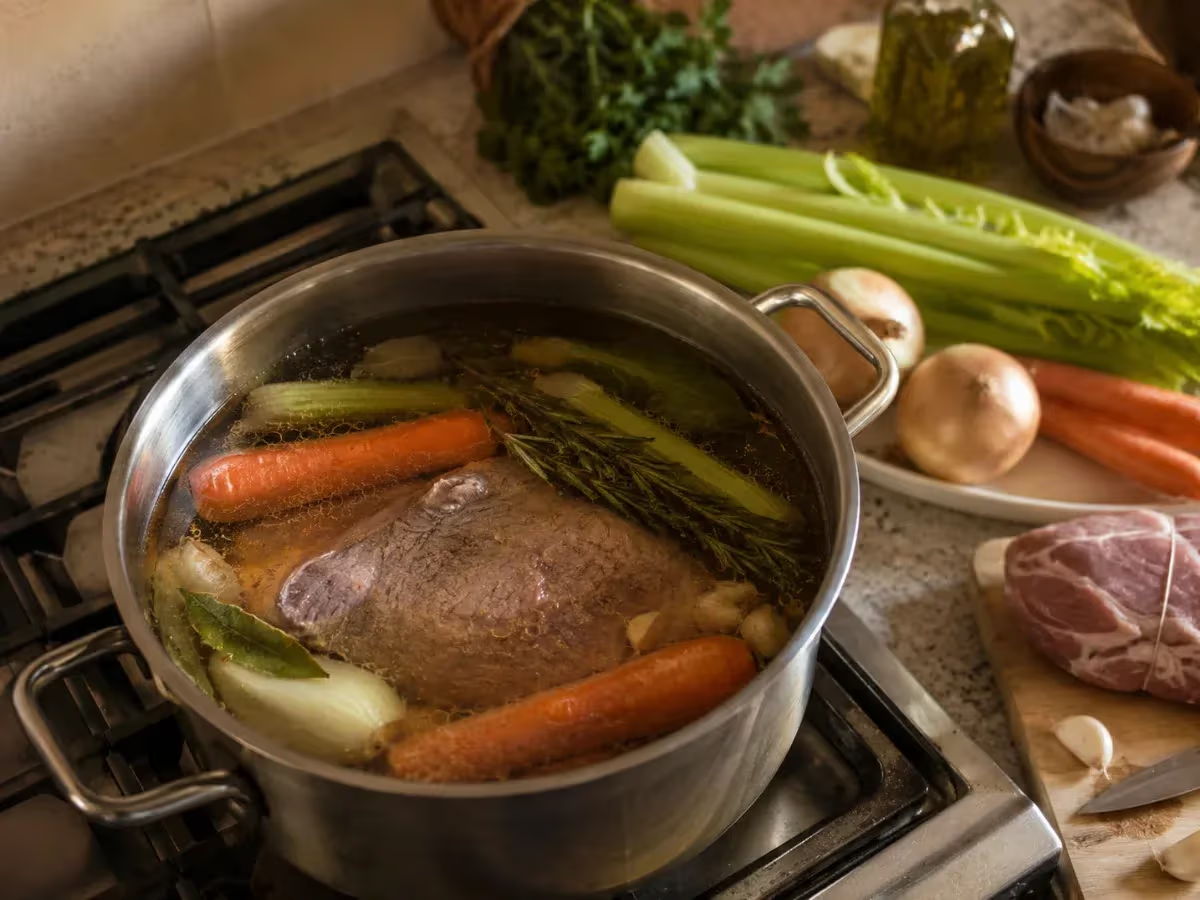
For the veal roast and aromatic broth
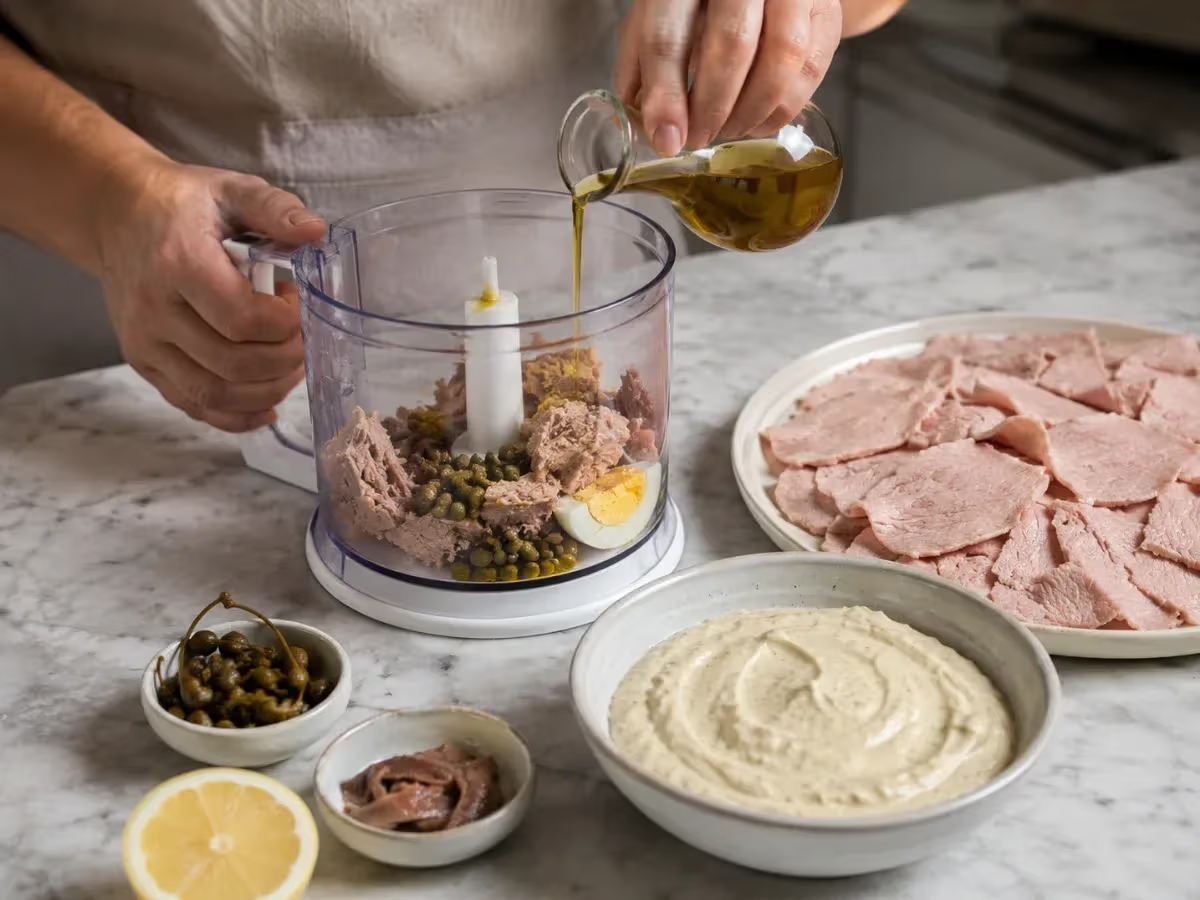
For the traditional tonnato sauce (without mayonnaise)
The quality of the broth determines the success of the entire sauce: do not add excess water during cooking, so the liquid concentrates and transmits to the cream a depth that no commercial mayonnaise can replicate. Before blending, make sure the broth is completely cold: if still lukewarm it tends to break the cream and make it grainy.
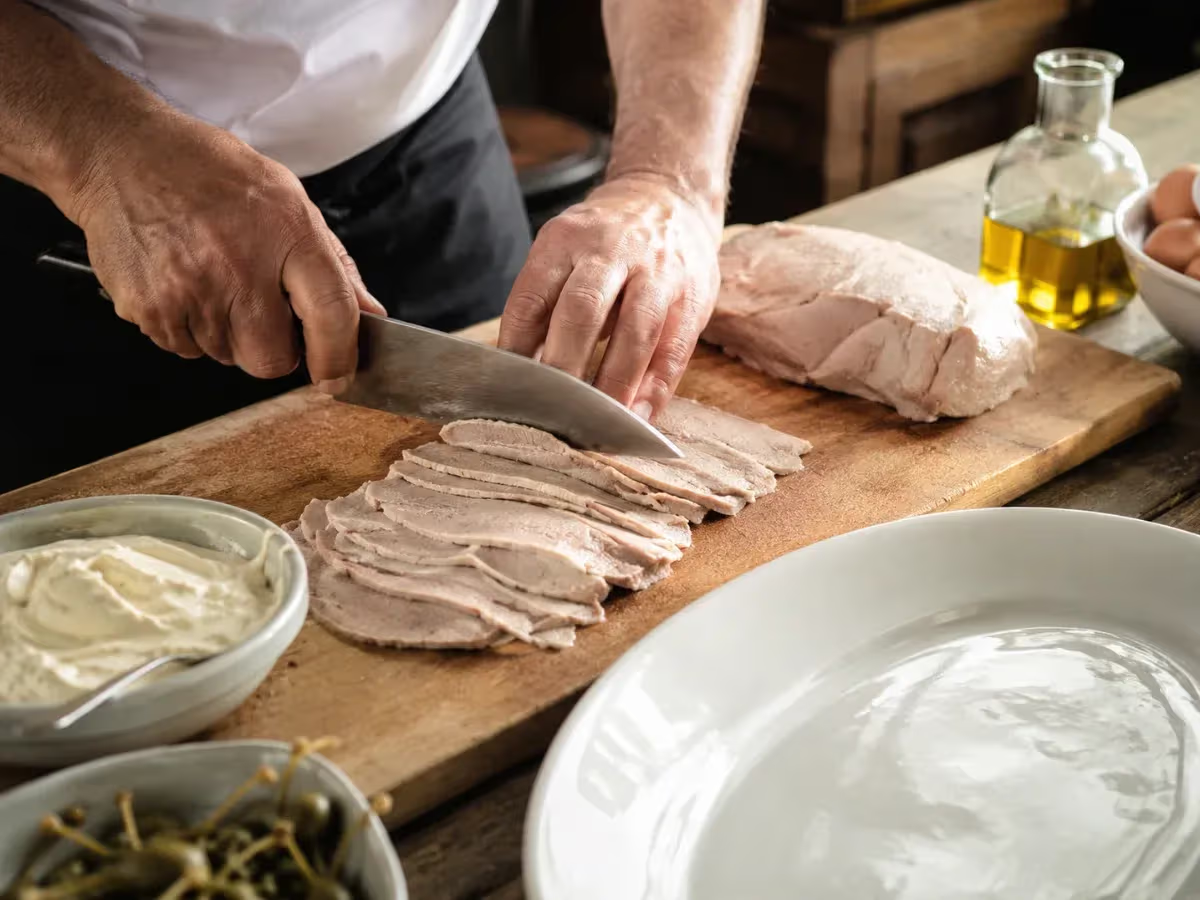
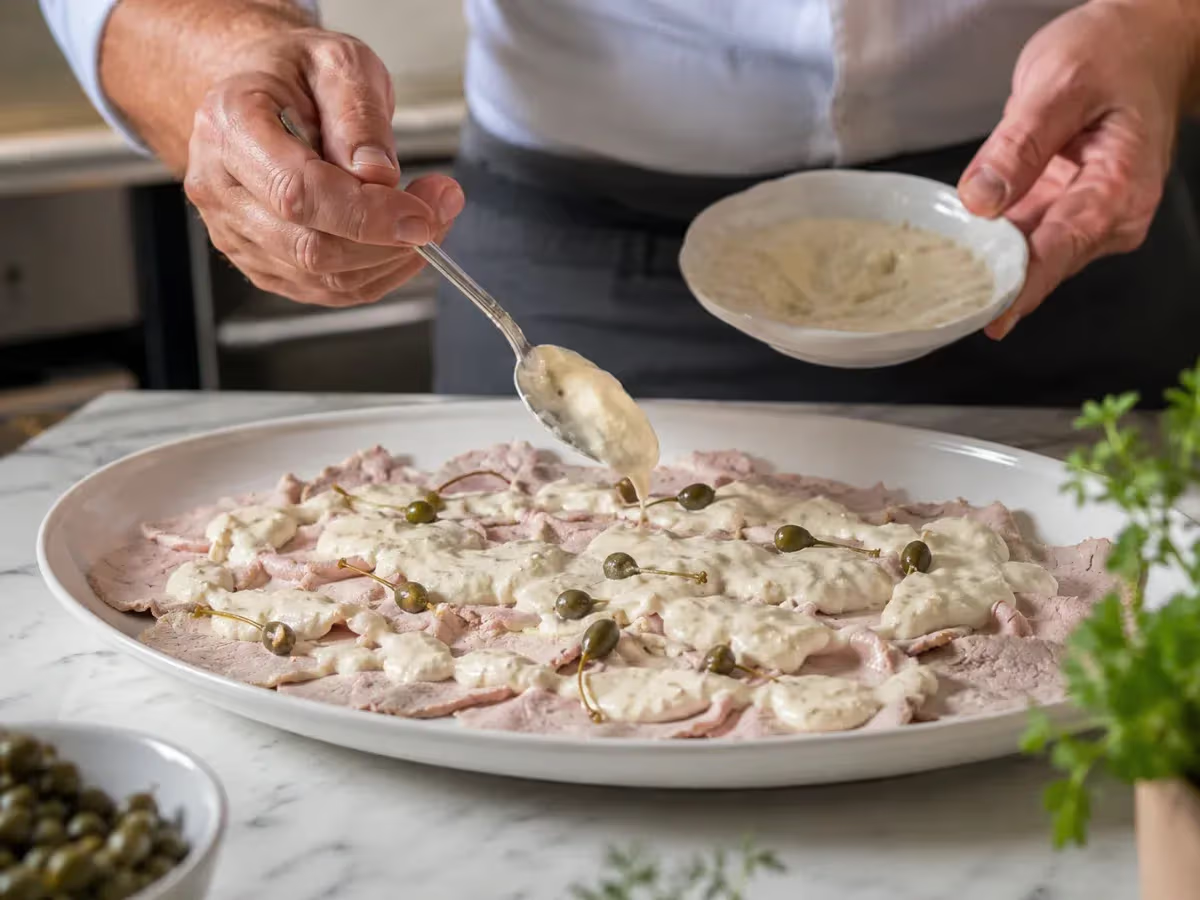
The cut of meat is as critical as the cooking. The girello must be removed from the broth only when it has cooled to room temperature, then further chilled in the refrigerator before being sliced. With the meat still warm, the fibers give way under the blade and the result is a crumpled slice, not glossy. The meat slicer is the correct tool: aim for a thickness of 2-3 mm, sufficient to support the weight of the sauce without breaking.
For salted anchovies, desalting requires soaking in cold water for at least 20 minutes with an intermediate change. Pantelleria capers must be rinsed with similar care. An excess of residual salt in these two ingredients is the most frequent mistake that makes the sauce aggressive and unbalanced. When serving, the dish should be removed from the refrigerator at least 15 minutes before: at too low a temperature the sauce loses fluidity and the aromatic profile becomes flat.
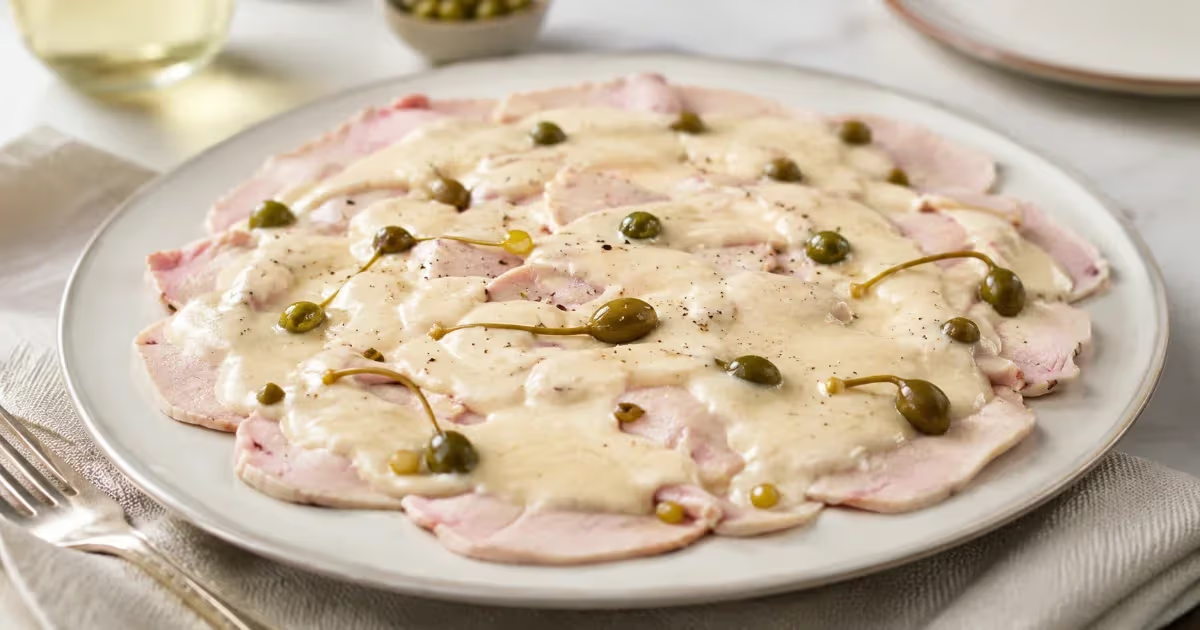
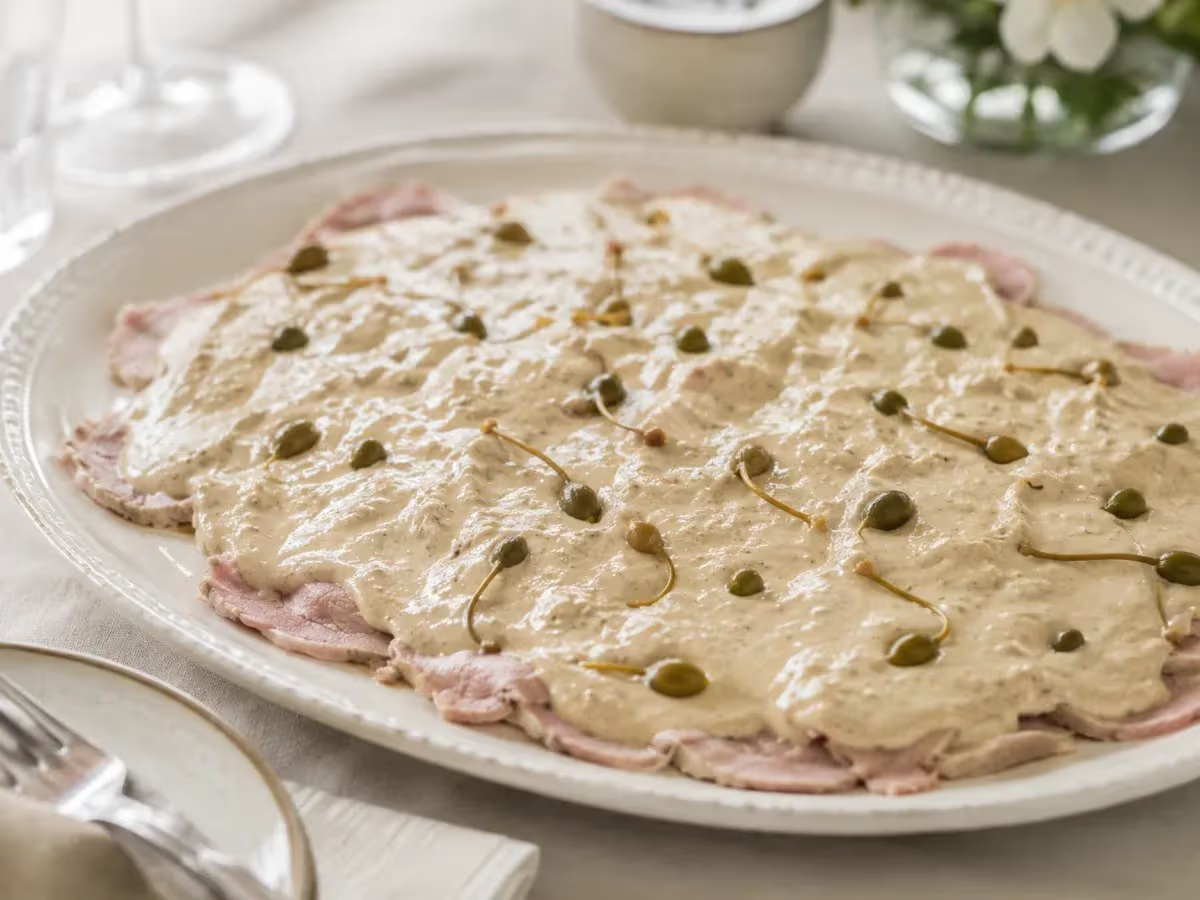
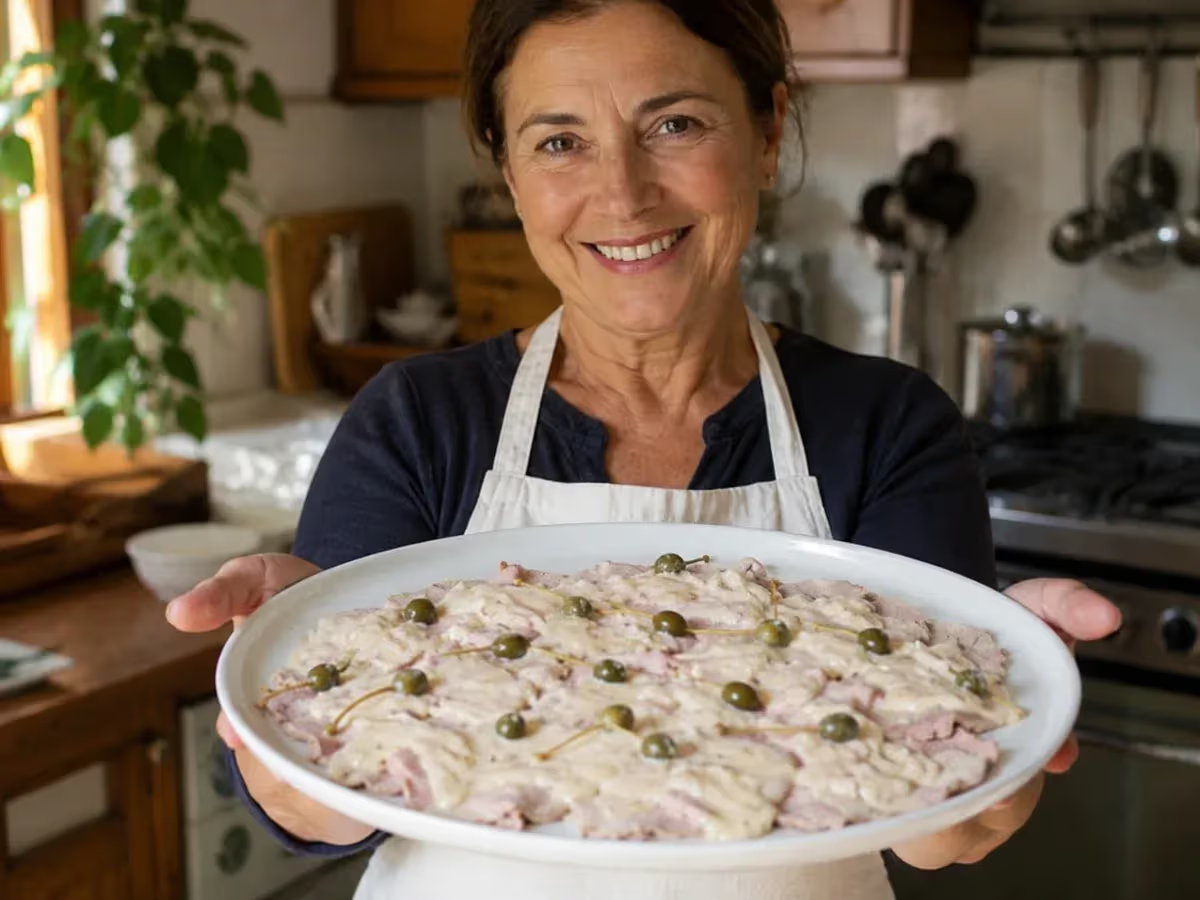
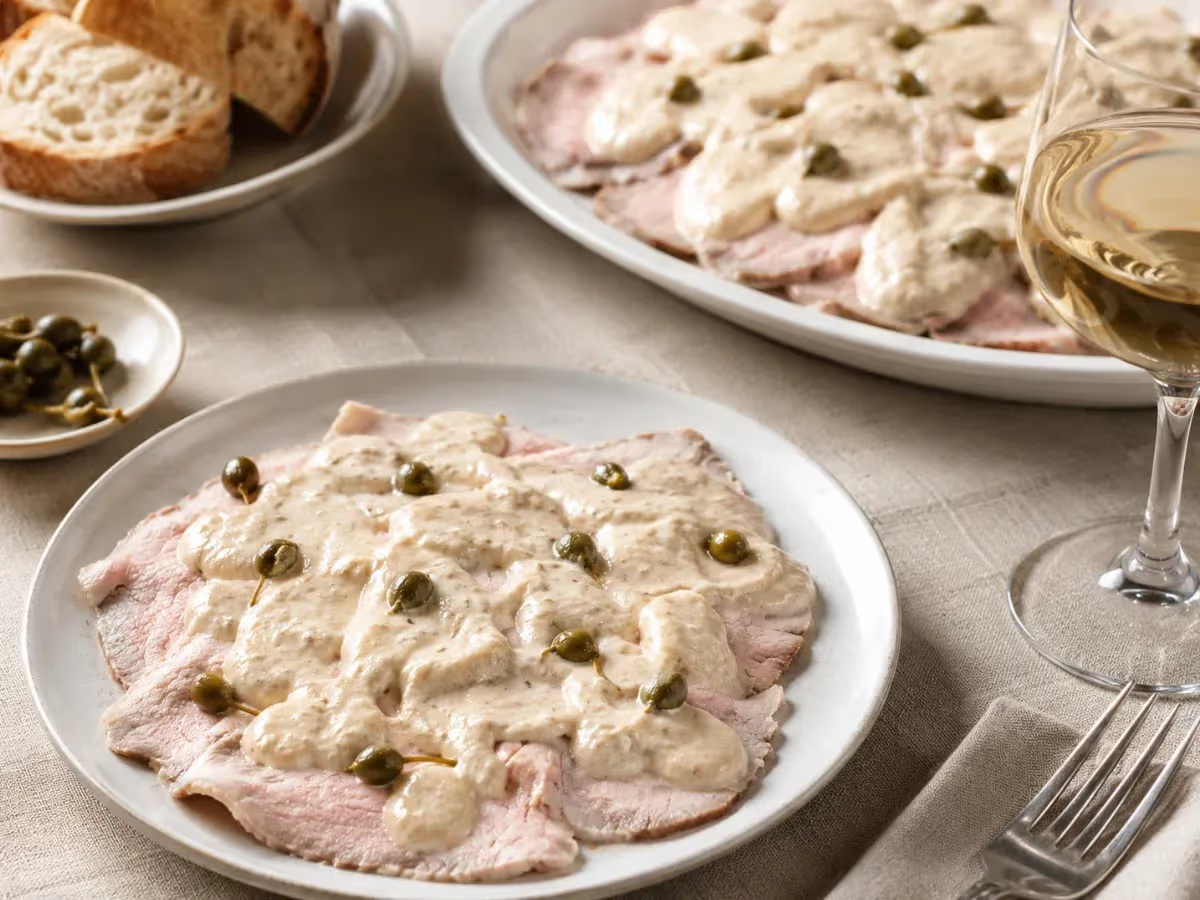
Vitello tonnato, in Piedmontese Vitel Tonnè, is one of the most representative dishes of Savoyard cuisine: a cold appetizer that combines boiled veal with a dense sauce made from tuna, anchovies and capers, creating a gustatory balance that still divides and fascinates equally today. Its strength lies precisely in this: uniting the delicacy of the eye of round cooked slowly in aromatic broth with the savory quality of sea ingredients, without either of the two elements prevailing over the other.
Born in the rural kitchens of Piedmont as a cold dish for summer celebrations, vitello tonnato has crossed the centuries finding a place both on peasant tables and at the banquets of Turin's bourgeoisie. It is typically served as an appetizer on grand occasions, from patron saint festivals to Sunday lunches, but it is also a permanent protagonist of summer buffets. The flavor profile is complex: the meat, sliced thin and kept rosy at the center, absorbs during its rest in the refrigerator the umami notes of the sauce, which balances fat and acidity thanks to the intervention of lemon juice. The natural pairing is with a dry and fragrant Piedmontese white wine, capable of handling the savory quality without covering the delicate structure of the meat.
Vitello tonnato has different interpretations depending on the region and era.
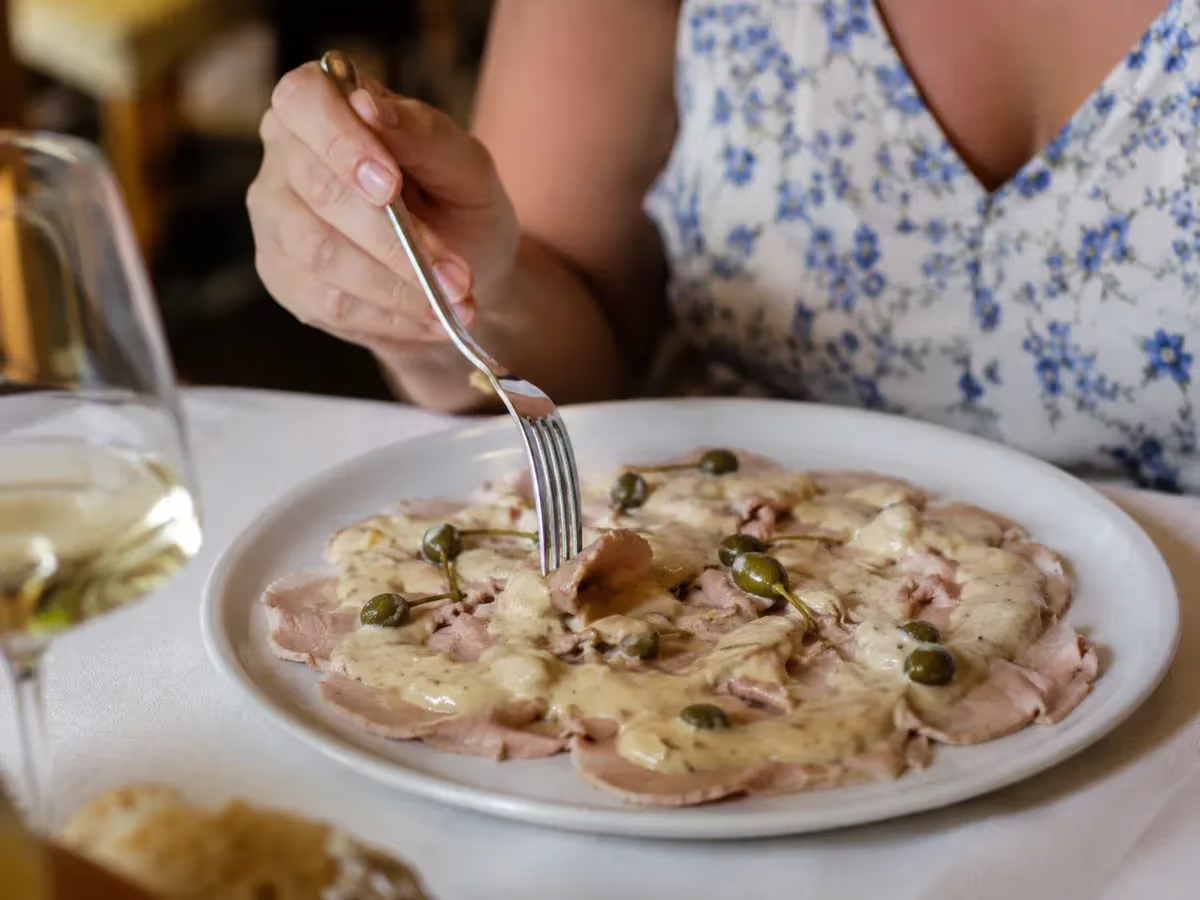
Tonnata sauce, rich and savory, requires white wines with good acidity and medium body, capable of cleansing the palate without overwhelming the delicacy of vitello tonnato.
per serving
The salt routes that descended from Liguria towards the Langhe and Monferrato left deep traces in Piedmontese cuisine, and vitello tonnato is perhaps the most eloquent. The term tonnato does not have direct marine origins: it indicates a technique of preserving and cooking meat that imitated the treatment of tuna, boiled and kept immersed in its own liquid. Only later, thanks to commercial trade that brought canned tuna and salt-preserved anchovies into inland kitchens, did the fish physically enter the recipe.
In nineteenth-century countryside households, the dish often arose from the recovery of veal left over from Sunday's boiled meat, dressed with a cream that masked its drying out and ennobled it. The shift towards a bourgeois appetizer occurred in the inns of Turin and Cuneo, where then-expensive ingredients like canned ventresca and Pantelleria capers became the mark of a wealthy table. Pellegrino Artusi reported a version of it in his work of 1891, contributing to fixing its profile. Today Vitel Tonnè is recognized as one of the symbols of Piedmontese gastronomic identity, present in the Register of Italian Traditional Recipes.