
Preparation time: 1 hour and 30 minutes
Cooking time: 2–3 minutes
Difficulty: medium
Servings: 6 people
Ingredients (for 6 people)
Fresh tajarin pasta
400 g of tipo 00 flour
8 egg yolks
2 whole eggs
1 pinch of salt
Classic Piedmontese dressing
80 g of butter
fresh sage leaves
grated Parmigiano Reggiano to taste
Traditional ragù variation (optional)
300 g of ground beef
200 g of ground pork
1 carrot
1 celery stalk
1 onion
1 glass of red wine
extra virgin olive oil to taste
salt and pepper to taste
How to make homemade Piedmontese
tajarinsDough
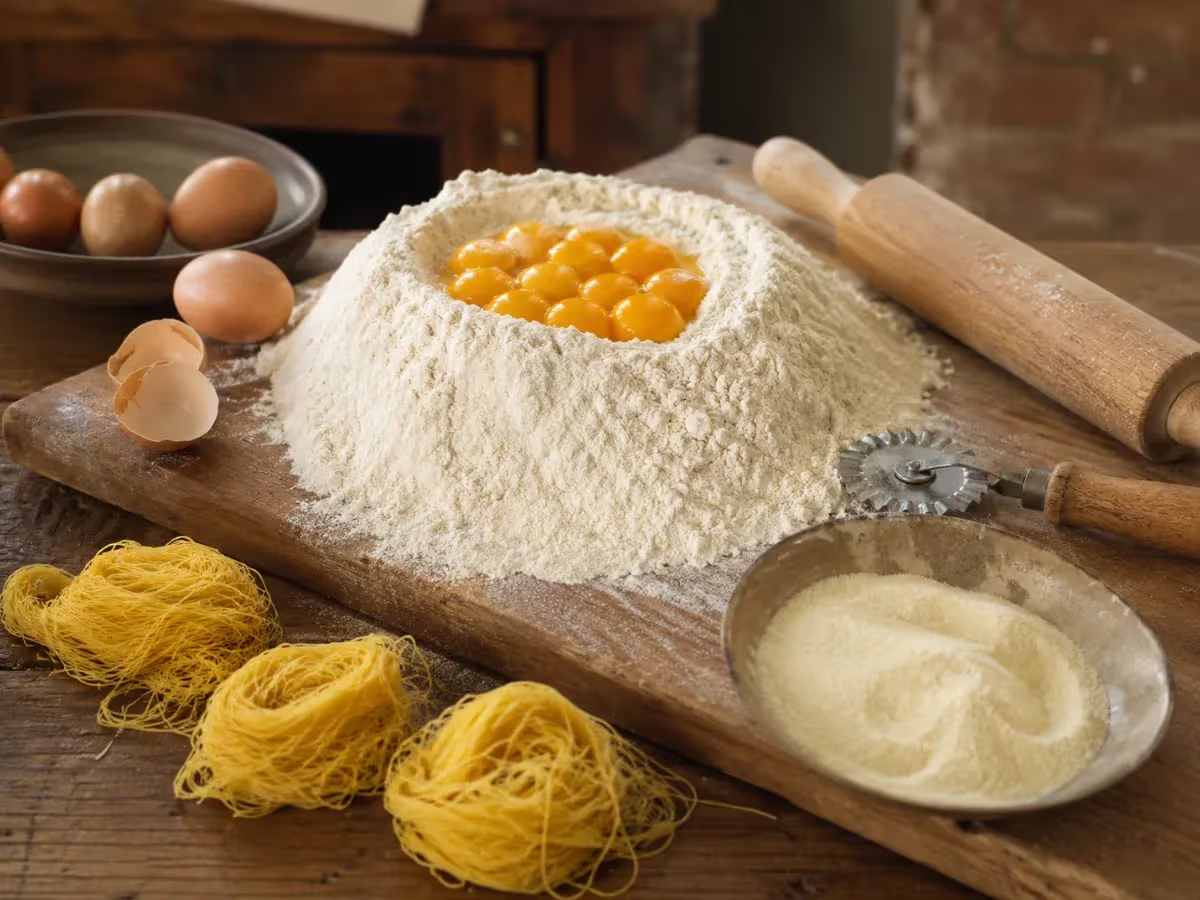
Place the flour in the fountain on a flatbed.
Add yolks, whole eggs and a pinch of salt.
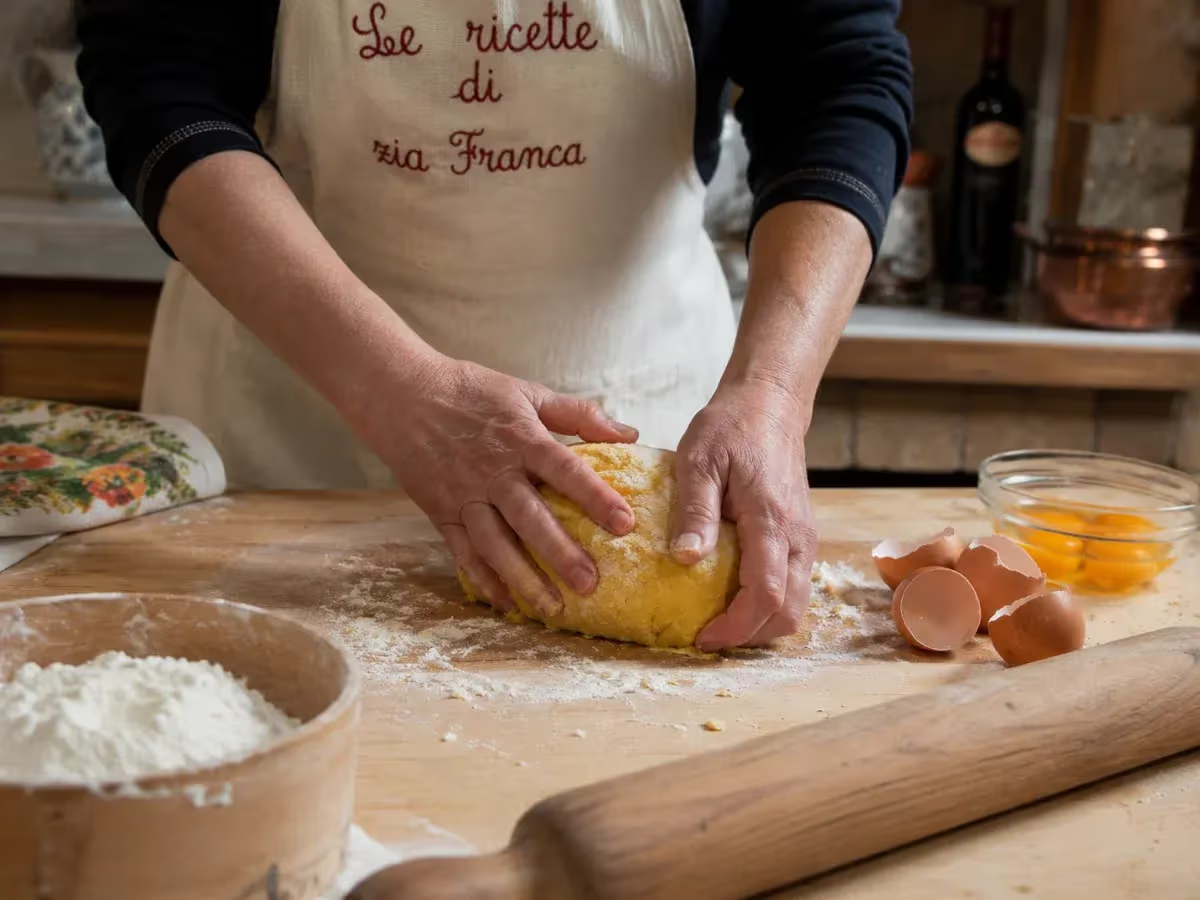
Knead vigorously until you get a smooth, elastic and homogeneous.
Wrap and let rest for 30–40 minutes.
Drafting the puff pastry
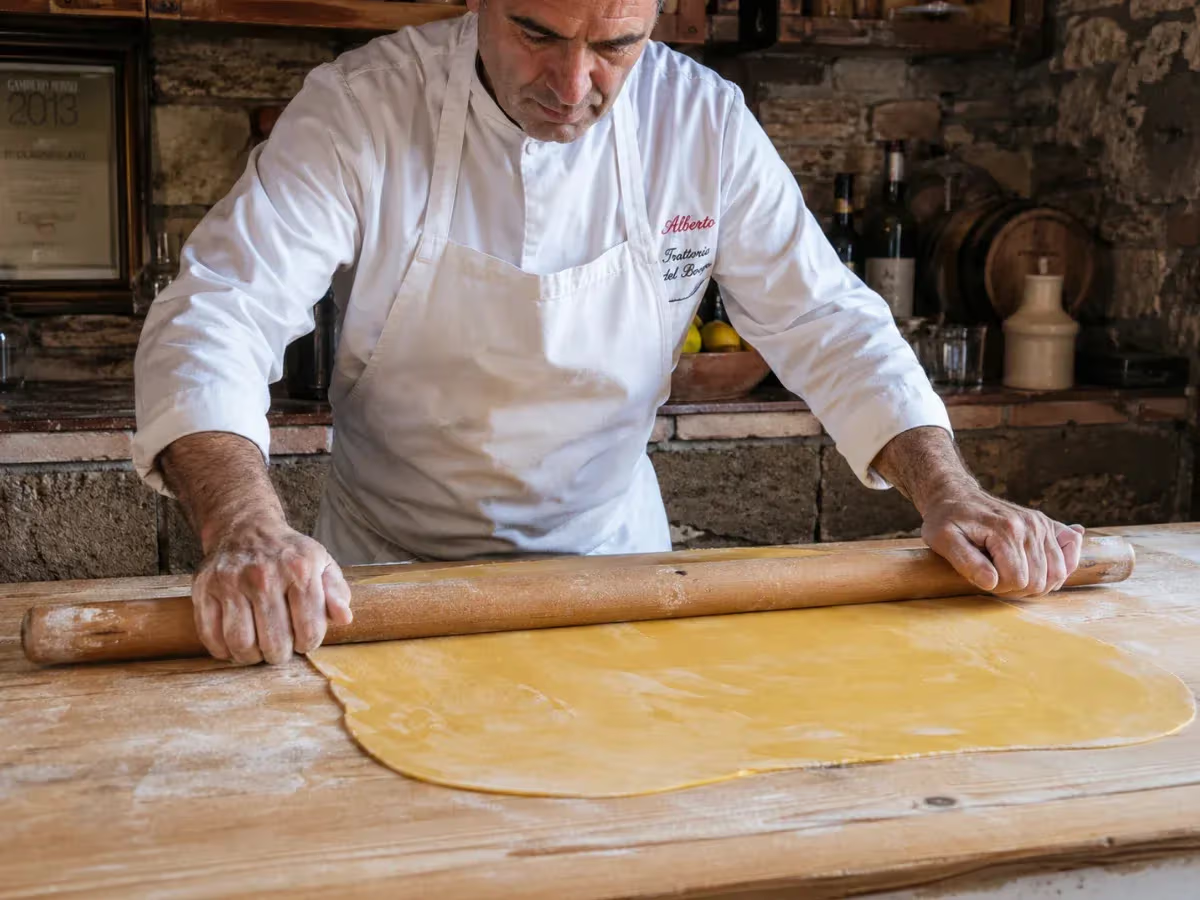
Roll out the dough very thin, almost transparent.
The dough must be elastic but not dry: this is the key point of and perfect tajarins.
Cutting
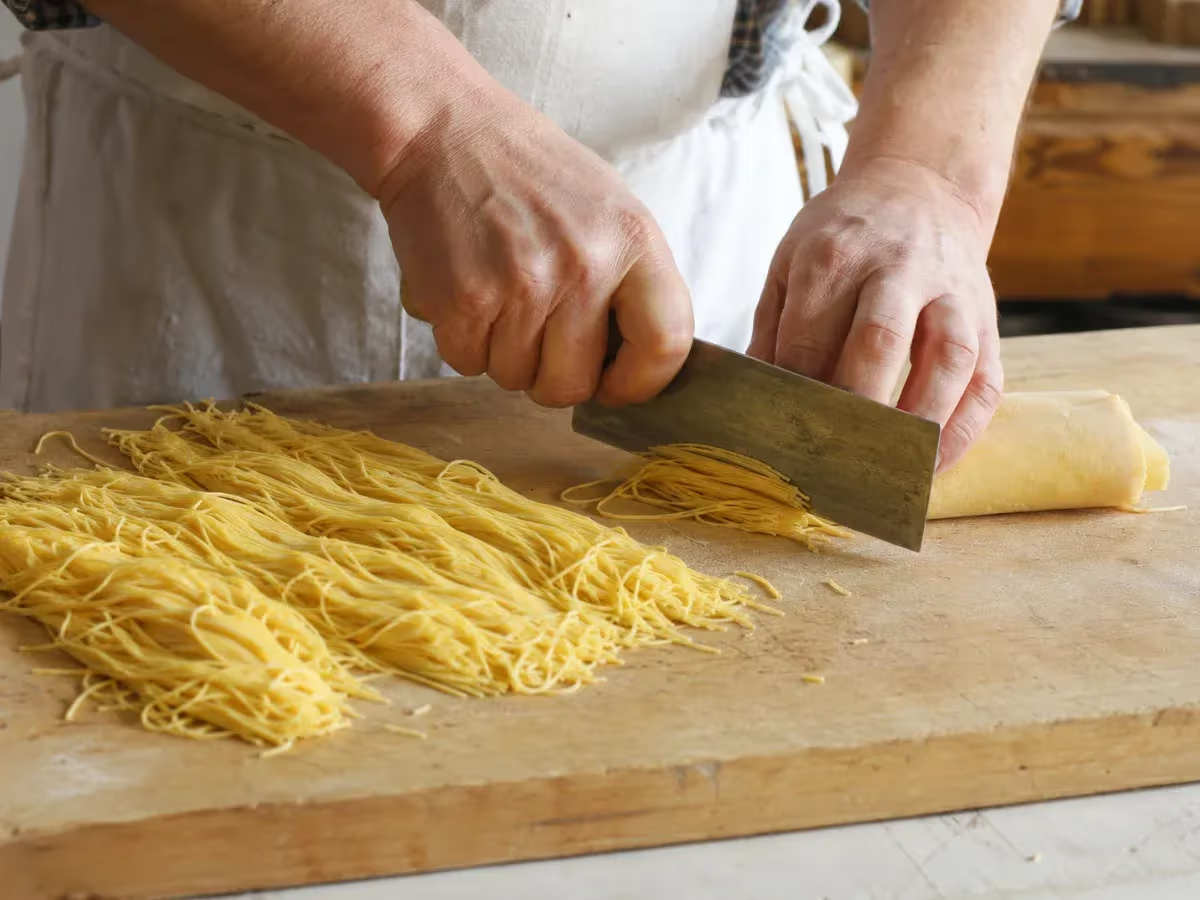
Roll the dough gently.
Cut very thin strips with a sharp knife.
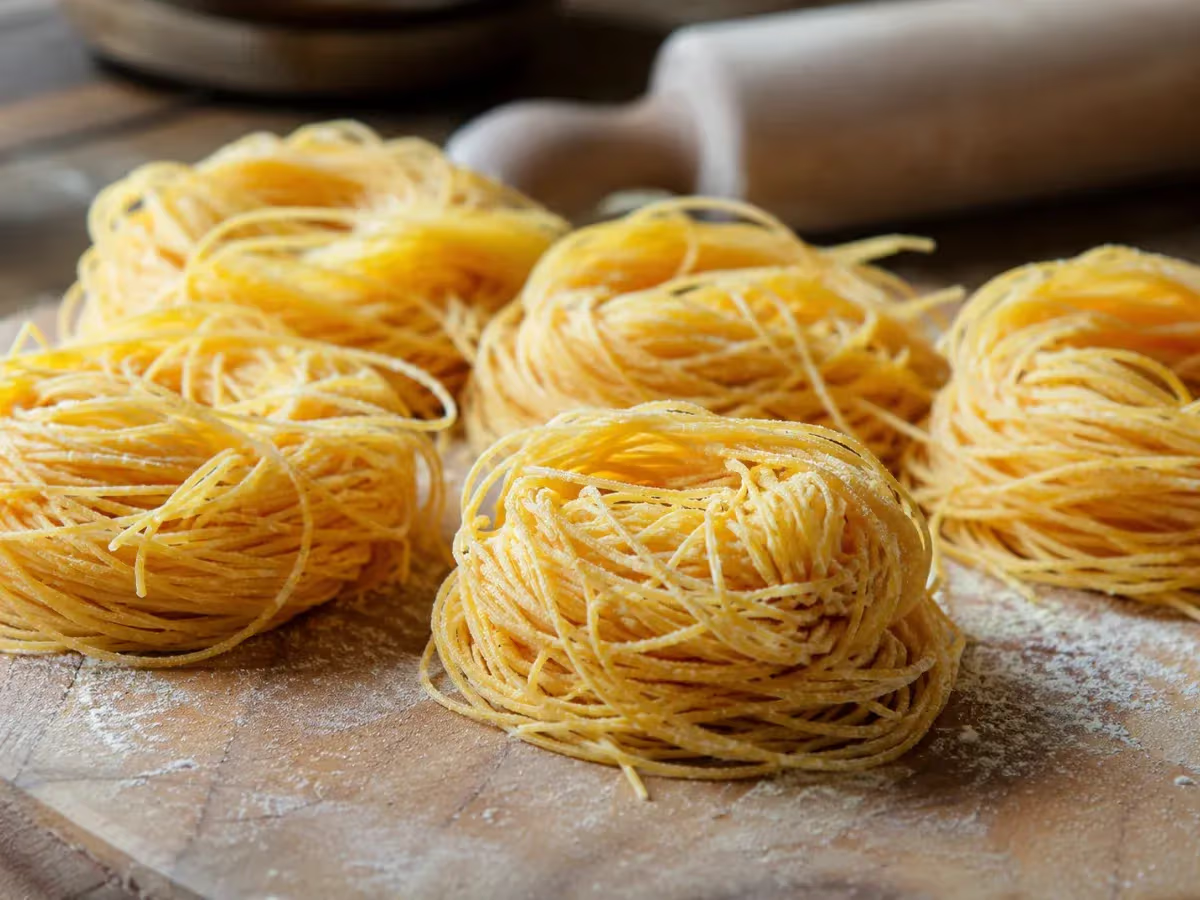
Unroll the tajarins and let them dry slightly.
Cooking
Cook in plenty of salt water for 2–3 minutes.
Gently drain without breaking them.
Seasoning
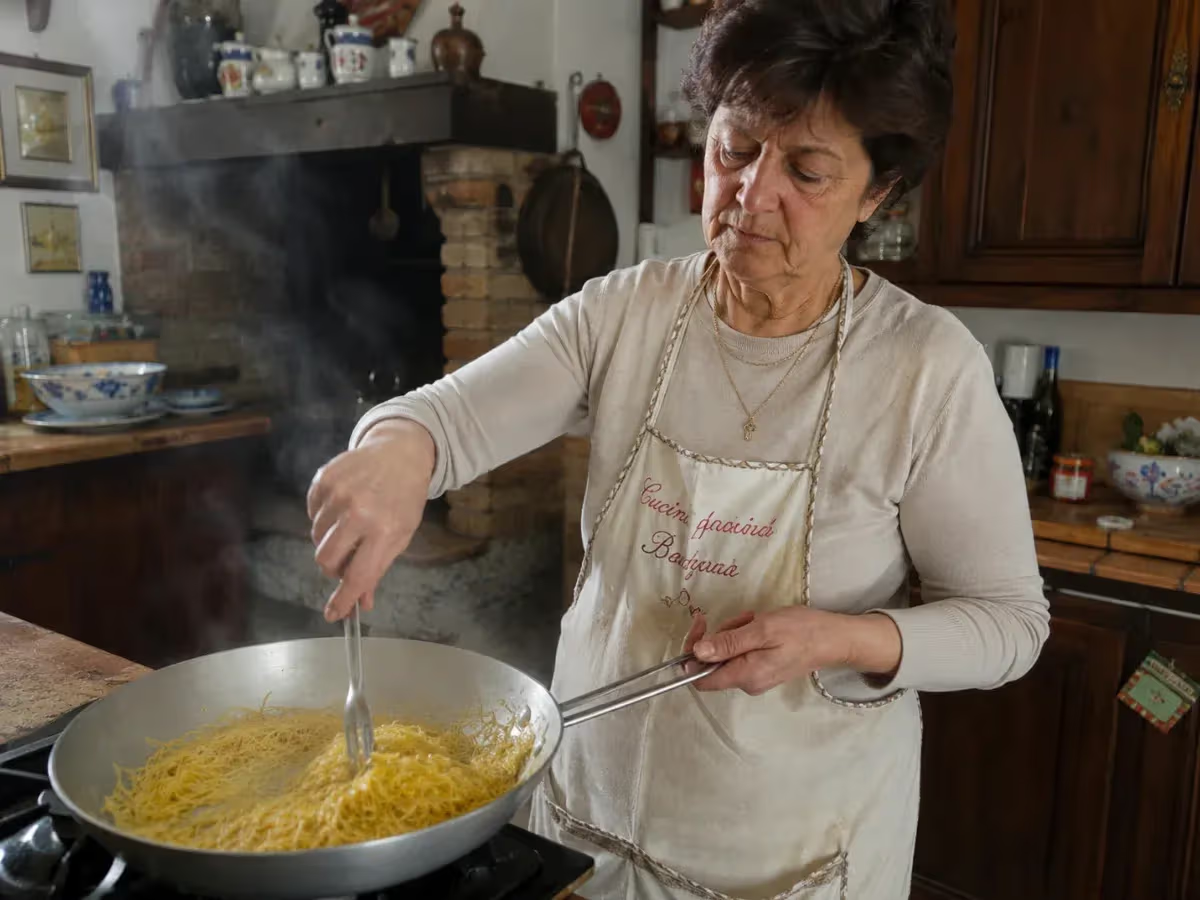
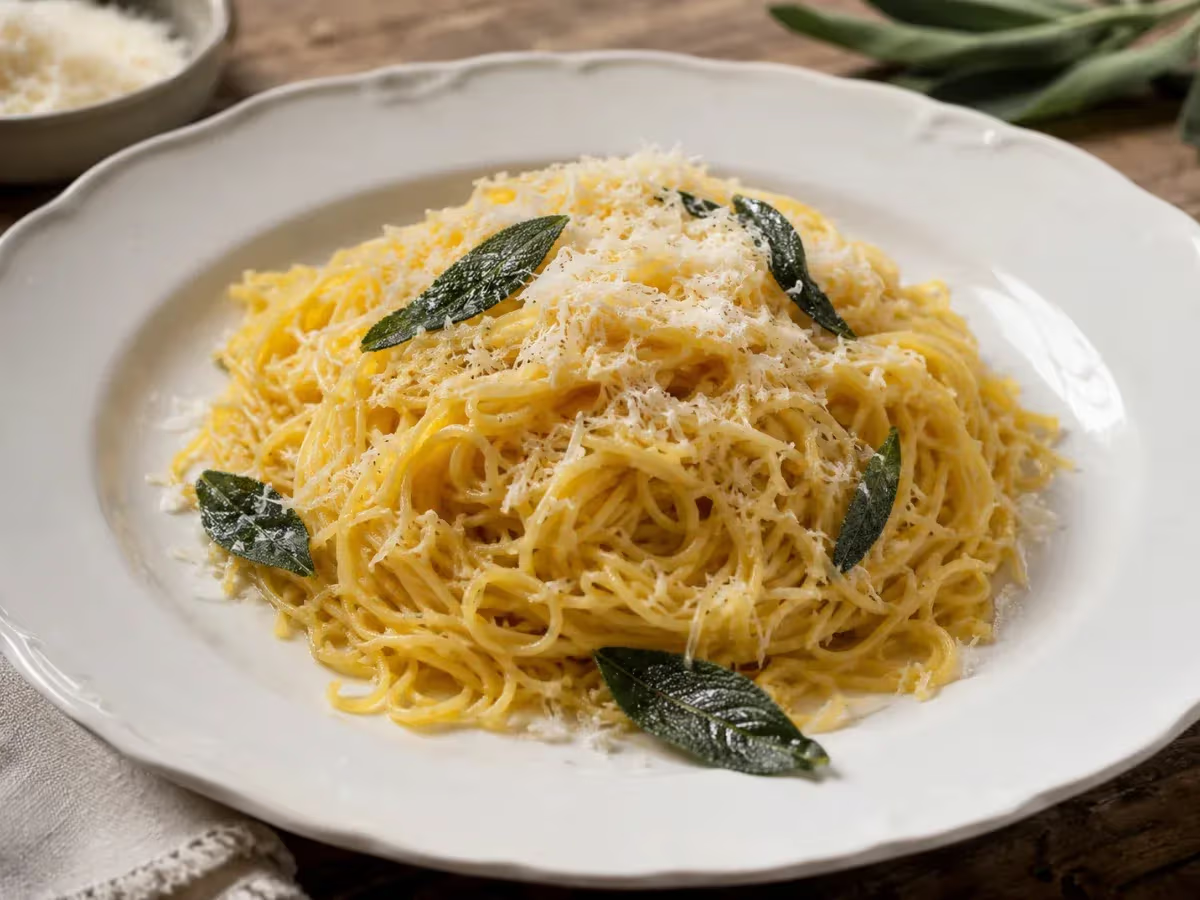
Sauté with melted butter and sage or with Piedmontese sauce.
Serve immediately with Parmigiano Reggiano.
Tajarin piemontesi: original recipe from the Langhe (ultra-thin egg pasta)
Introduction
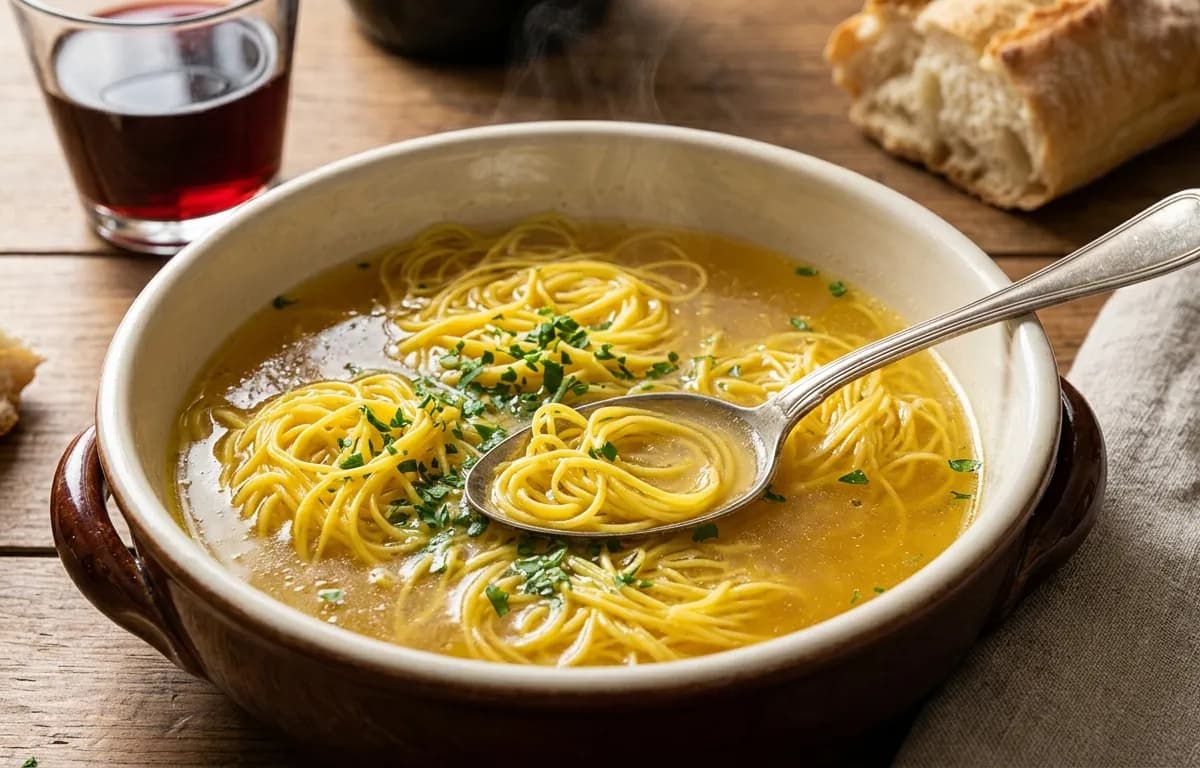
The tajarin piemontesi are one of the highest expressions of the cuisine of the Langhe: an ultra-thin egg pasta, with an intense color and silky consistency, obtained thanks to a dough rich in egg yolks.
More than a simple fresh pasta, tajarin represent a Piedmontese domestic ritual, linked to Sundays, celebrations and important meals. Each sheet of pasta tells an ancient tradition, in which few ingredients become an elegant and deeply identity-driven dish.
They are today among the most searched Piedmontese recipes online, especially in the versions with ragù or white truffle from Alba.
What are tajarin and why are they different from other formats
Tajarin (also called tagliolini piemontesi) are a long and ultra-thin pasta typical of the Langhe and Monferrato regions.
The name derives from the Piedmontese dialect "tajarin" or "tagliarini", which indicates pasta cut fine by hand.
Their distinctive characteristic is the high number of eggs in relation to flour, which makes them:
more yellow than regular tagliolini
richer and more flavorful
extremely delicate during cooking
Difference between tajarin, tagliolini and fettuccine
Tajarin piemontesi: ultra-thin, very rich in egg yolks, typical of Piedmont
Tagliolini: more standard, widespread throughout Italy, fewer eggs
Fettuccine/tagliatelle: wider and more structured, typical of Emilia-Romagna
Tajarin are therefore a "peasant luxury" pasta, born when eggs were a precious ingredient.
Origin of tajarin: history of Piedmontese cuisine
Tajarin originate in the countryside of southern Piedmont, between the Langhe and Monferrato, as a dish for special occasions.
In the past they were prepared especially:
on family Sundays
at weddings and peasant celebrations
during white truffle season
The abundant use of egg yolks reflected a rich but domestic cuisine, linked to the availability of eggs in the farmhouses.
Today they are one of the symbols of traditional Piedmontese fresh pasta, served both in historic trattorias and in gourmet dining.
Recipe variations
Tajarin al burro e salvia: most traditional version from the Langhe
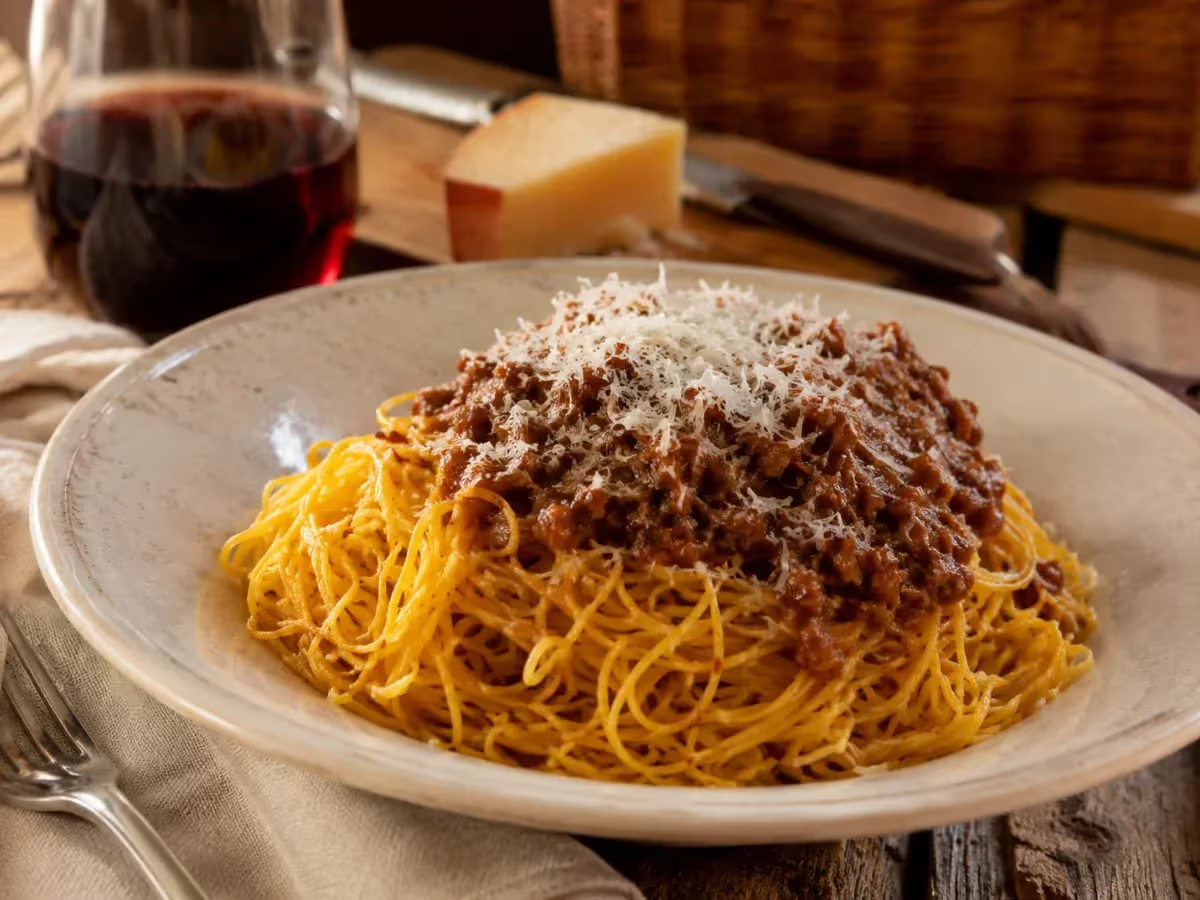
Tajarin al ragù piemontese: mixed meat cooked slowly
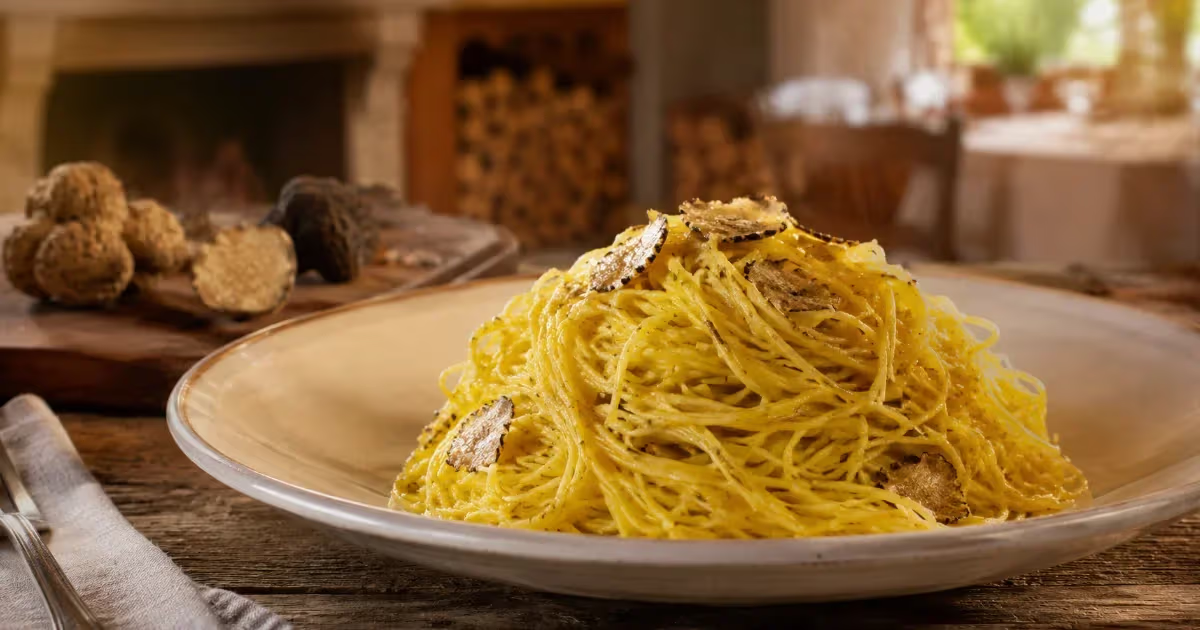
Tajarin al tartufo bianco d'Alba: the most prized and iconic version
Rustic peasant version: with game sauce
Modern light version: fewer egg yolks and simpler condiments
Recommended pairings
Tajarin require structured but balanced Piedmontese wines:
Barolo DOCG
Barbera d'Alba Superiore
Nebbiolo delle Langhe
For delicate versions:
Roero Arneis
Ideal side dishes:
grilled vegetables
simple seasonal salads
light Piedmontese appetizers
Storage
In the refrigerator: 1 day, well covered
In the freezer: raw, separated on a tray and then in bags
Do not store after cooking
Freshness is essential to preserve the quality of the pasta.
Indicative nutritional values (per serving)
Calories: 480–650 kcal
Protein: 18–25 g
Fat: 18–28 g
Carbohydrates: 55–70 g
Values vary depending on the chosen condiment.
History and curiosities of tajarin
Tajarin were born as festive pasta in the Piedmontese countryside, when eggs represented a precious and non-daily ingredient.
For this reason they were prepared only for important occasions, becoming a symbol of abundance and conviviality.
In the Langhe they are historically linked also to the white truffle season from Alba, with which they create one of the most iconic pairings in Italian gastronomy.
Even today they represent one of the most authentic expressions of traditional Piedmontese cuisine.