
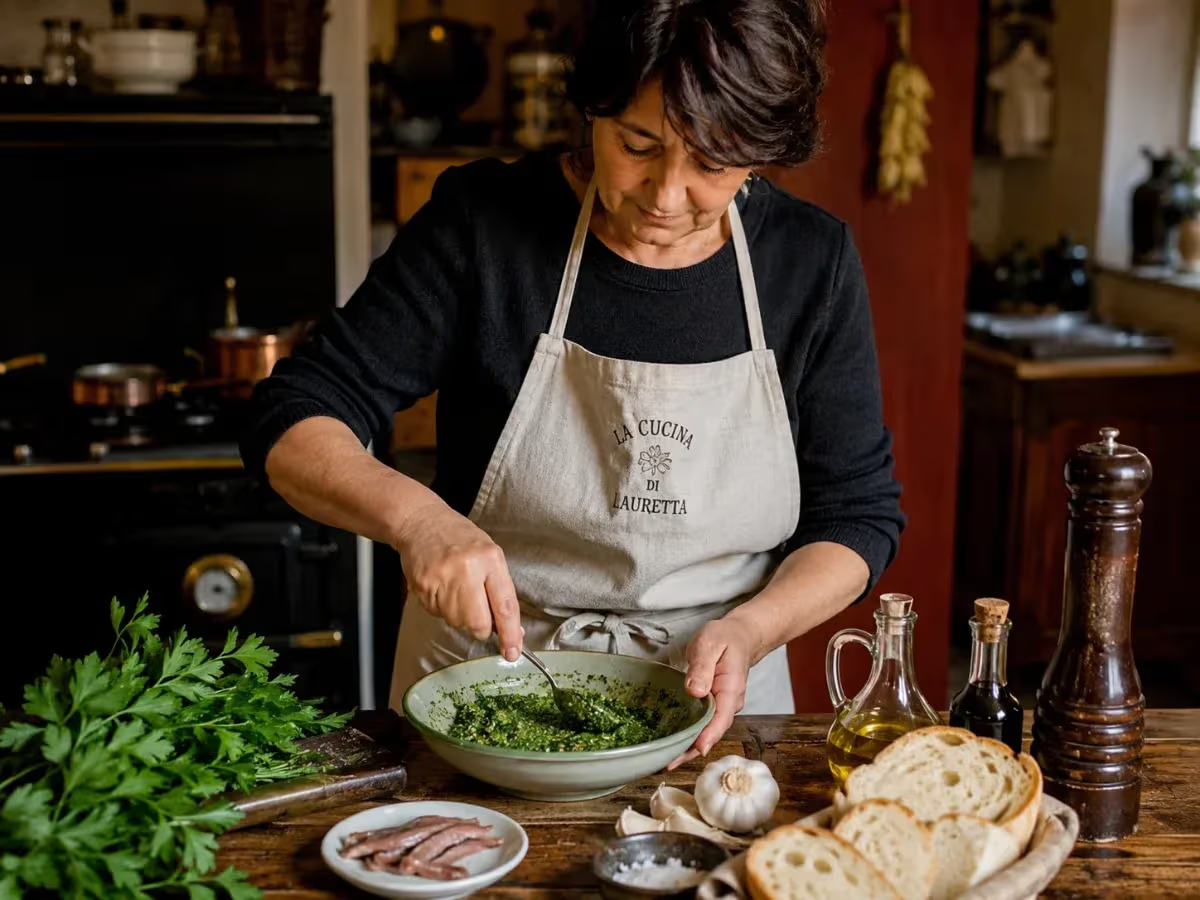
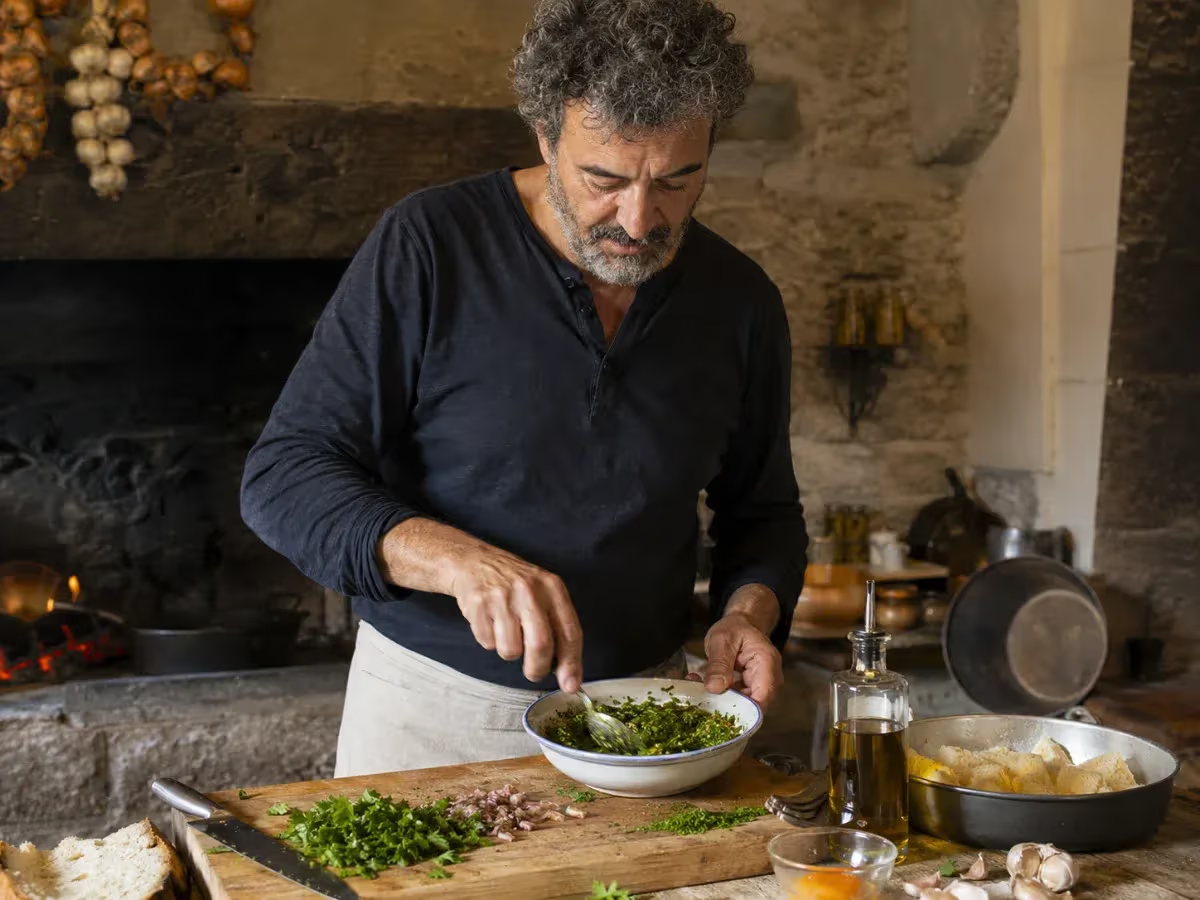
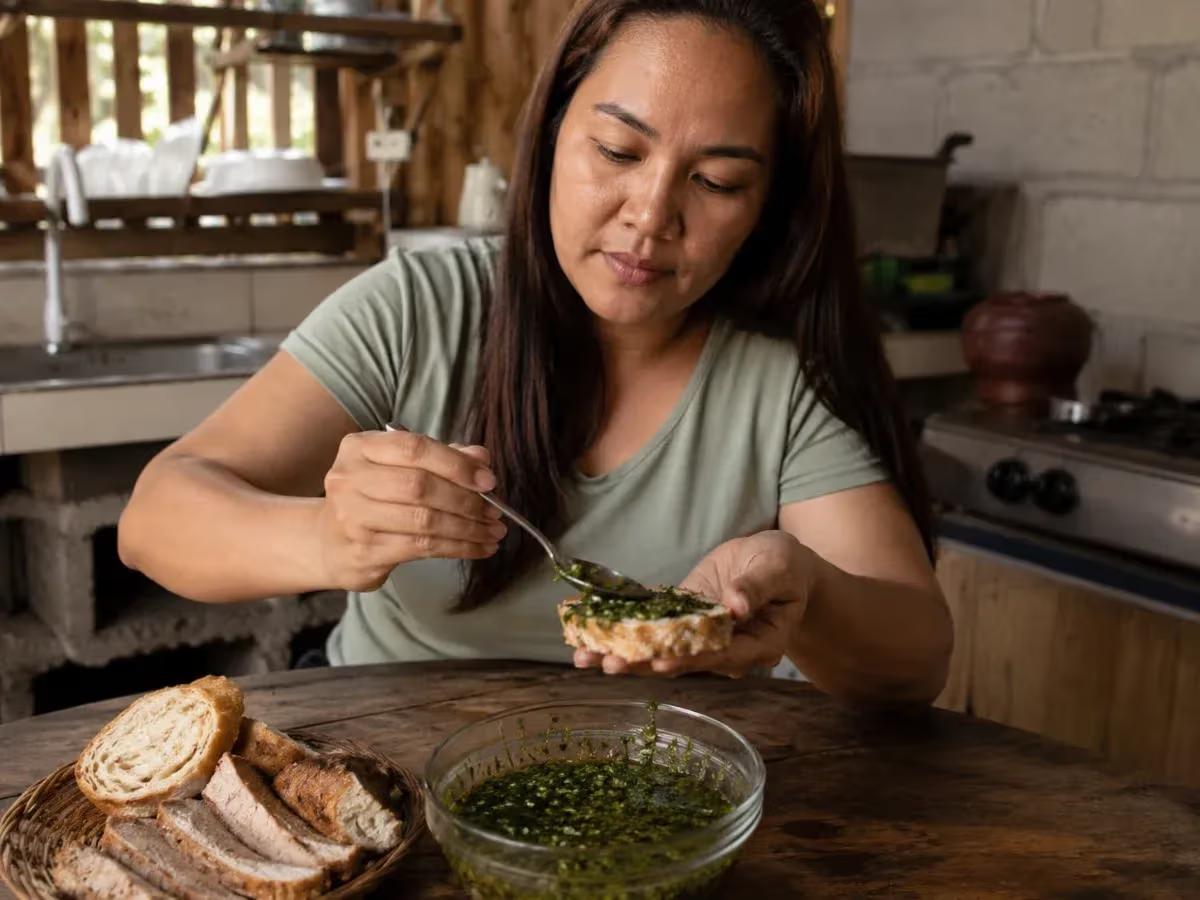
For the sauce (4 servings)
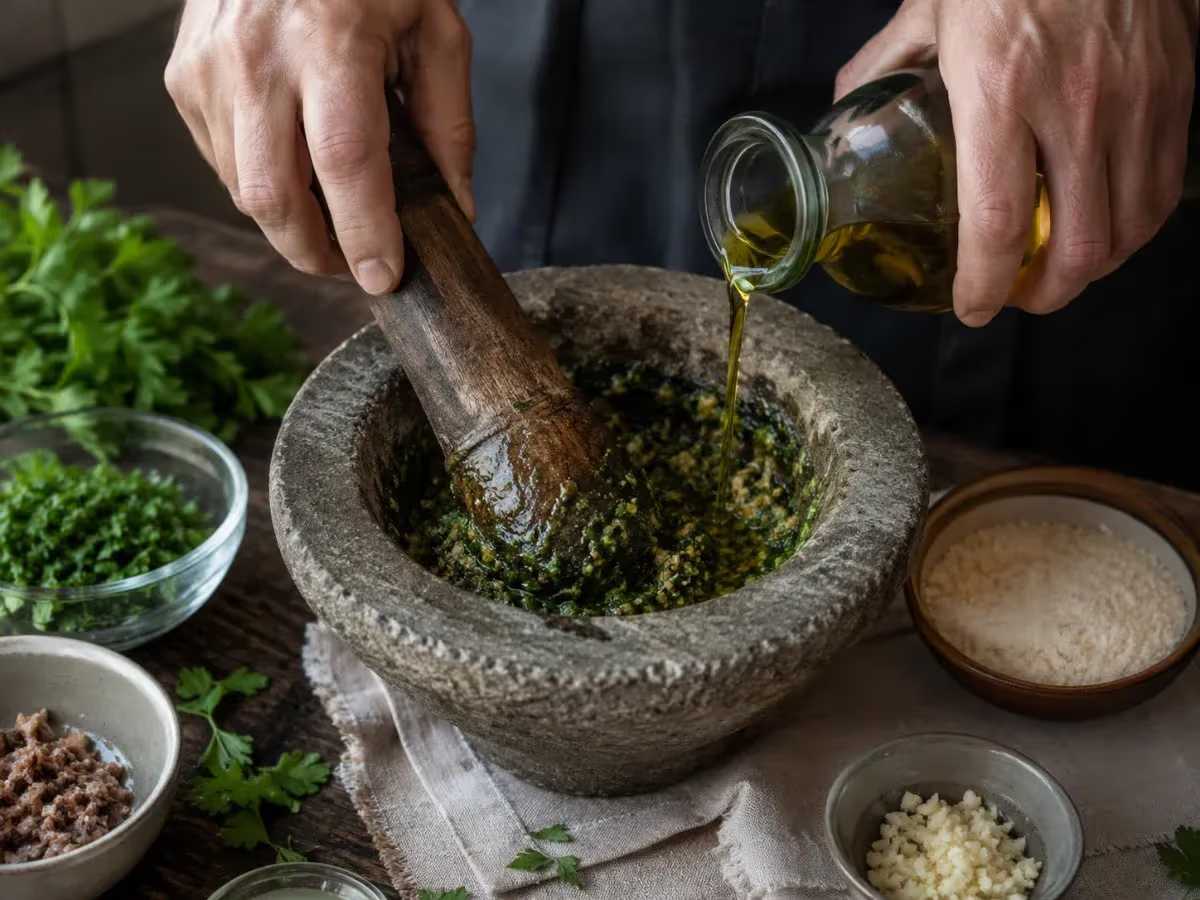
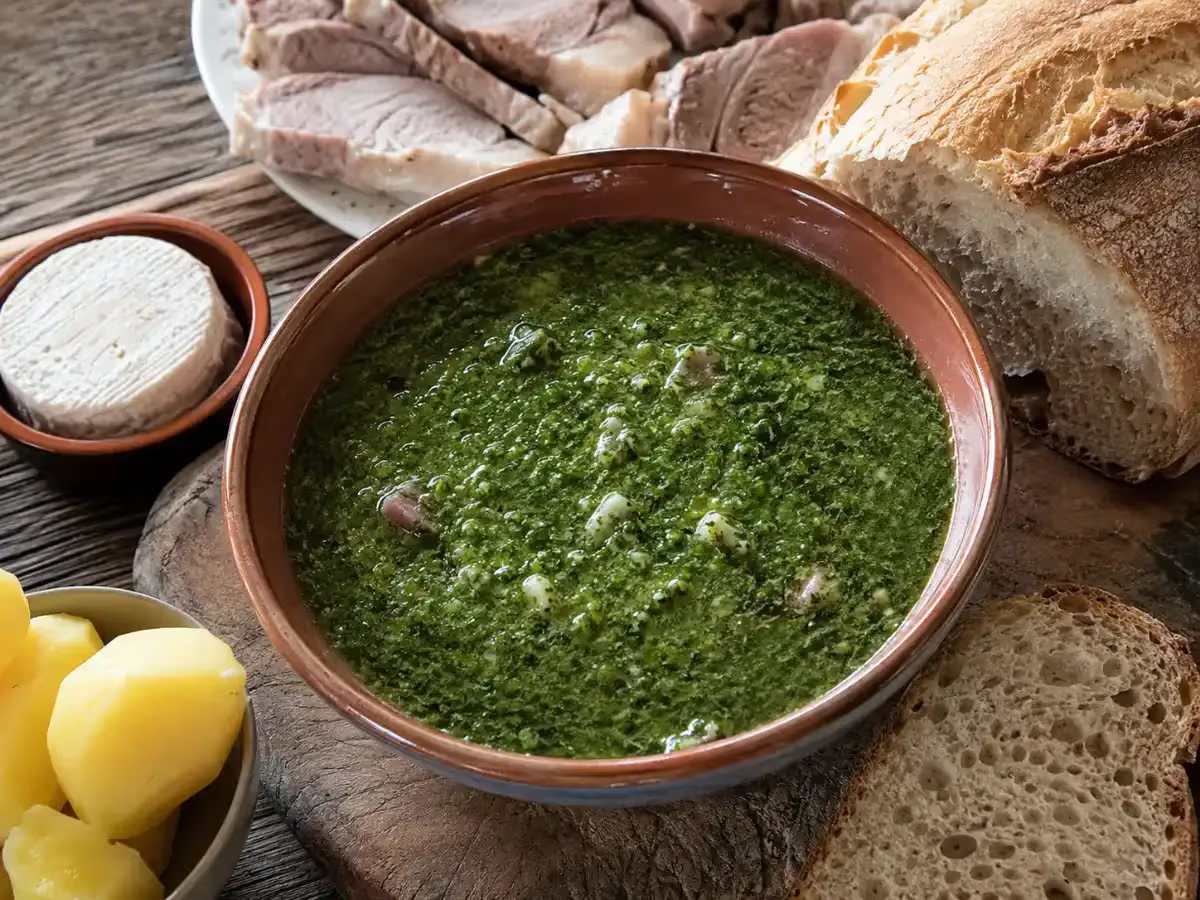
The critical point of bagnet verd is the consistency: the sauce must be dense, almost spreadable, not liquid. To achieve this, it is essential to squeeze the breadcrumb well without drying it completely, and to pour the oil gradually, almost like for mayonnaise, controlling the absorption.
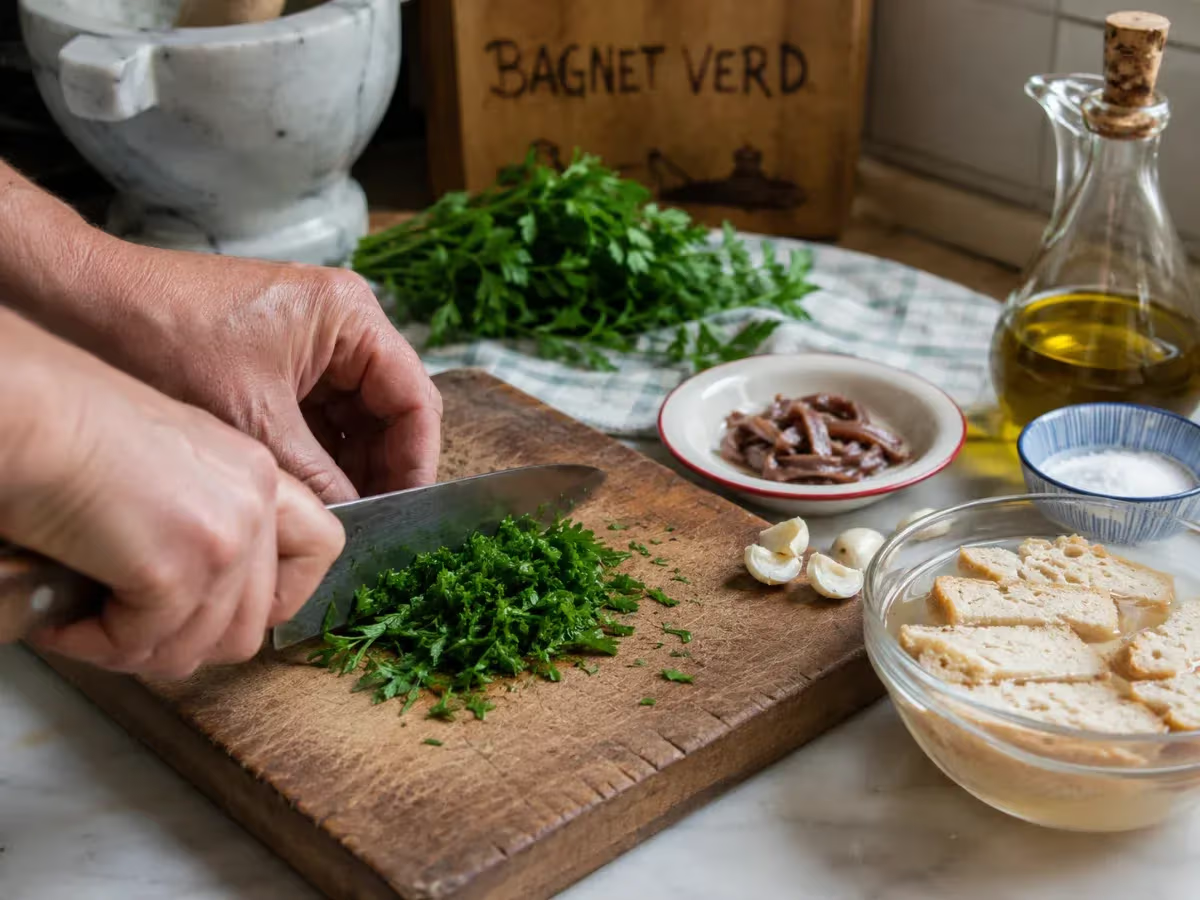
Working everything with a knife on the cutting board, as traditional technique requires, allows you to control the texture of the sauce better than with a blender, which risks heating it and oxidizing the parsley, making it dark. If you prefer to use an immersion blender, do it in short bursts and at low speed, with the ingredients well chilled.
The quality of the anchovies is decisive. Those preserved in salt, desalted at the moment, impart a rounder saltiness compared to those in oil. Before adjusting the salt, always taste the complete sauce because the anchovy already provides an important amount of sodium. Resting for at least 30 minutes in the refrigerator, covered with plastic wrap in direct contact, allows the flavors to integrate and noticeably improves the final result.
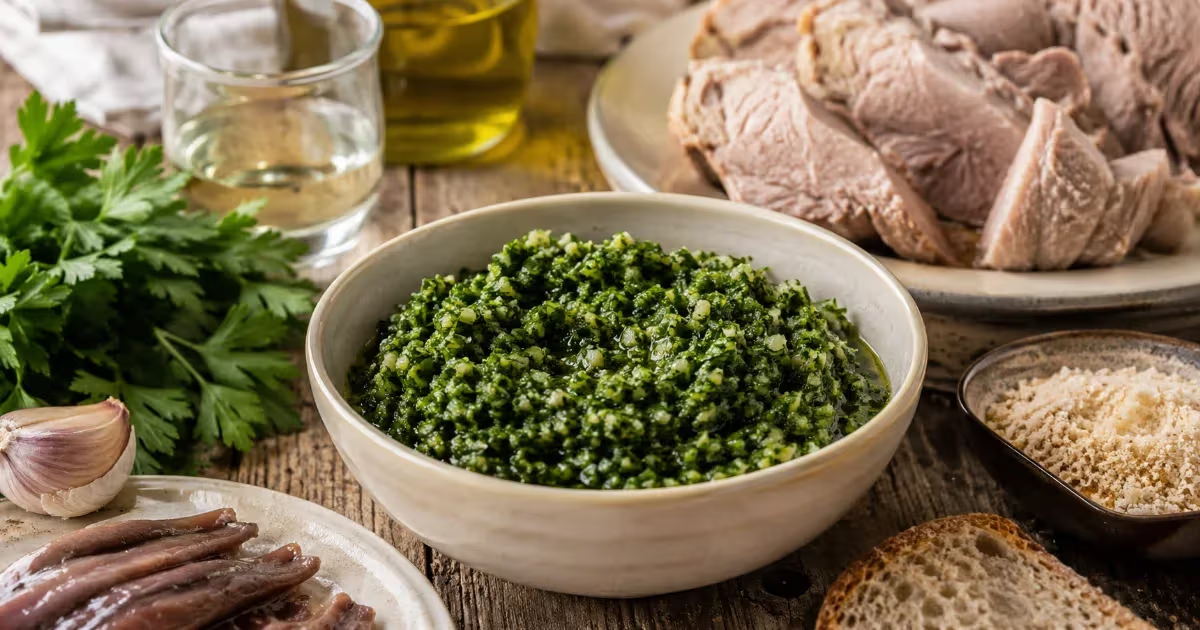
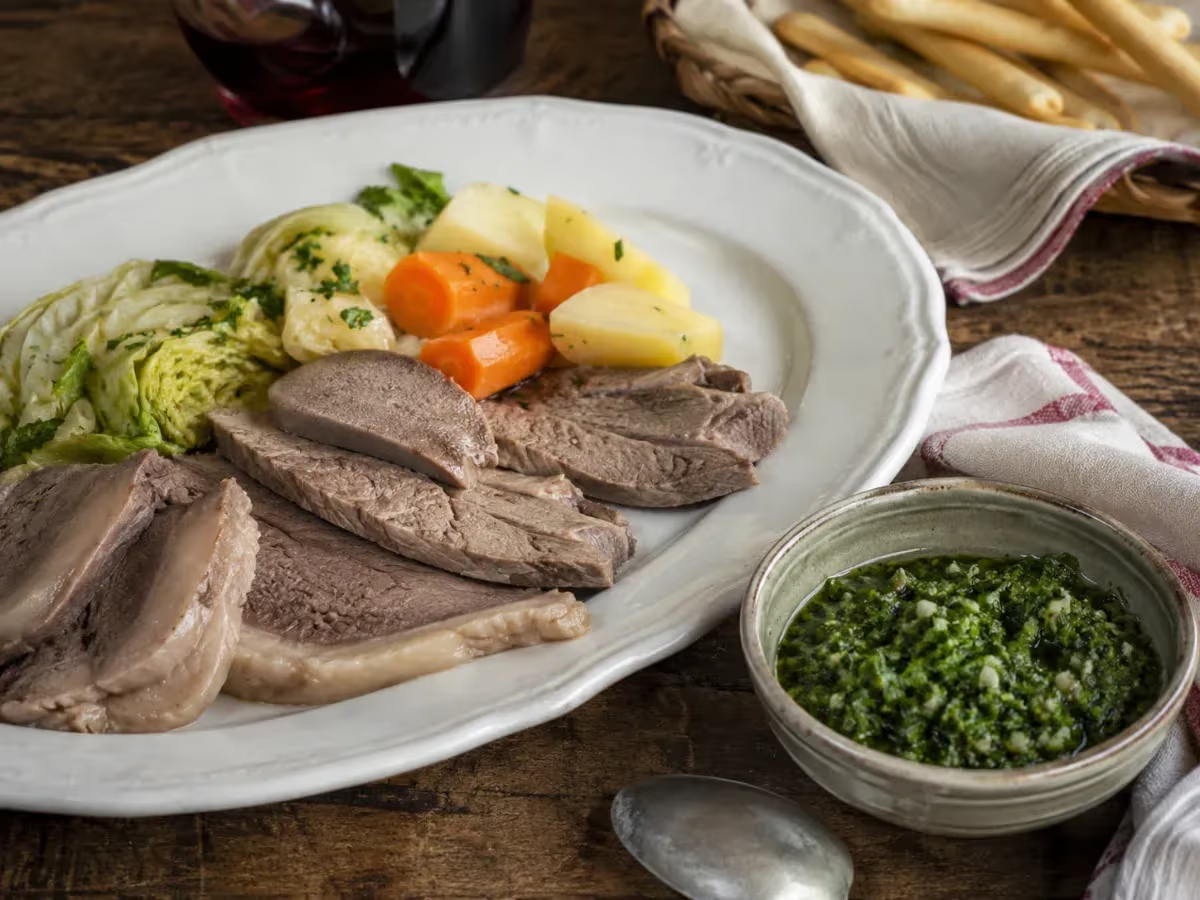
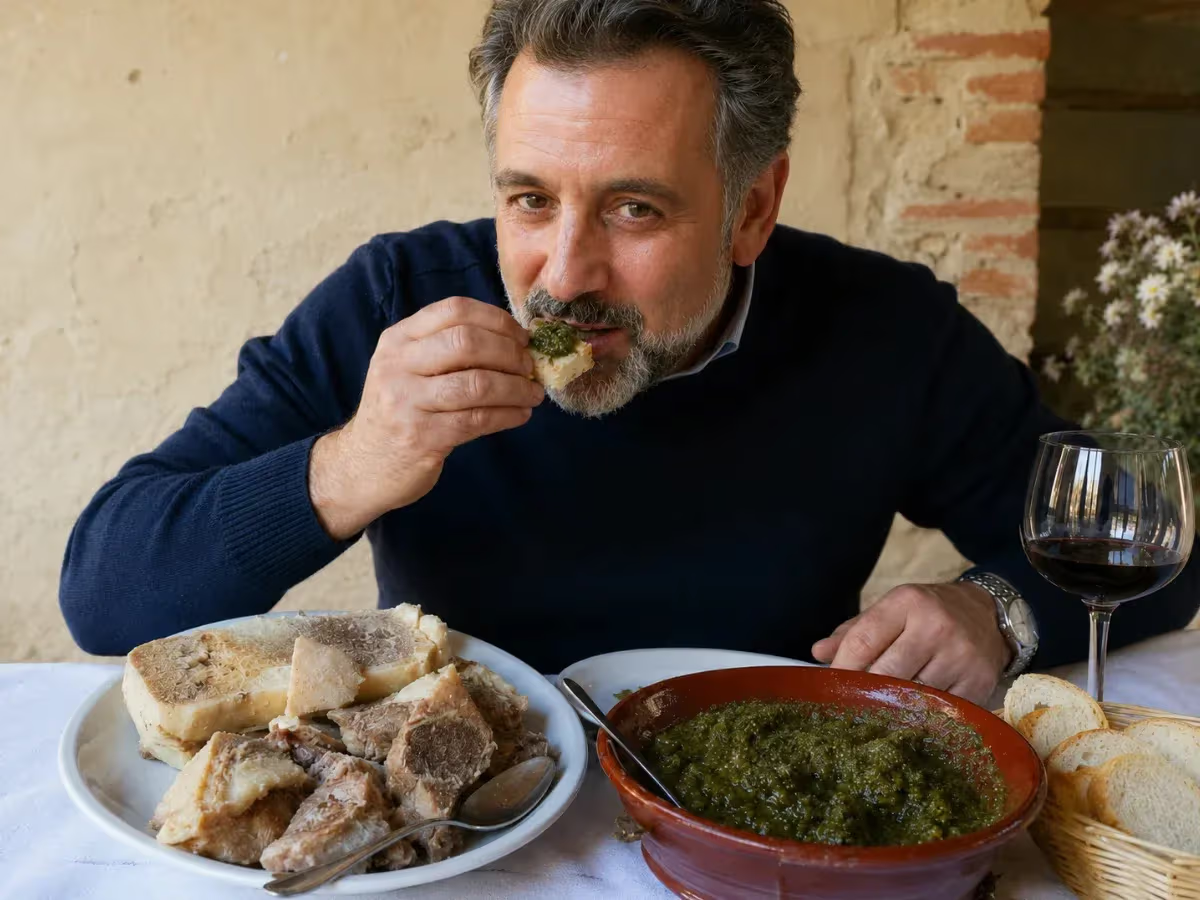
Bagnet verd is one of the most deeply rooted preparations in Piedmontese cuisine. A cold sauce with an intense color and decisive flavor, it traditionally accompanies bollito misto, vitello tonnato and boiled vegetables, appearing regularly on the tables of celebrations and family Sunday lunches. It is not just any accompaniment sauce: in rural and bourgeois Piedmont it represented the aromatic counterweight to fatty meats, the element that lightened and balanced the main course.
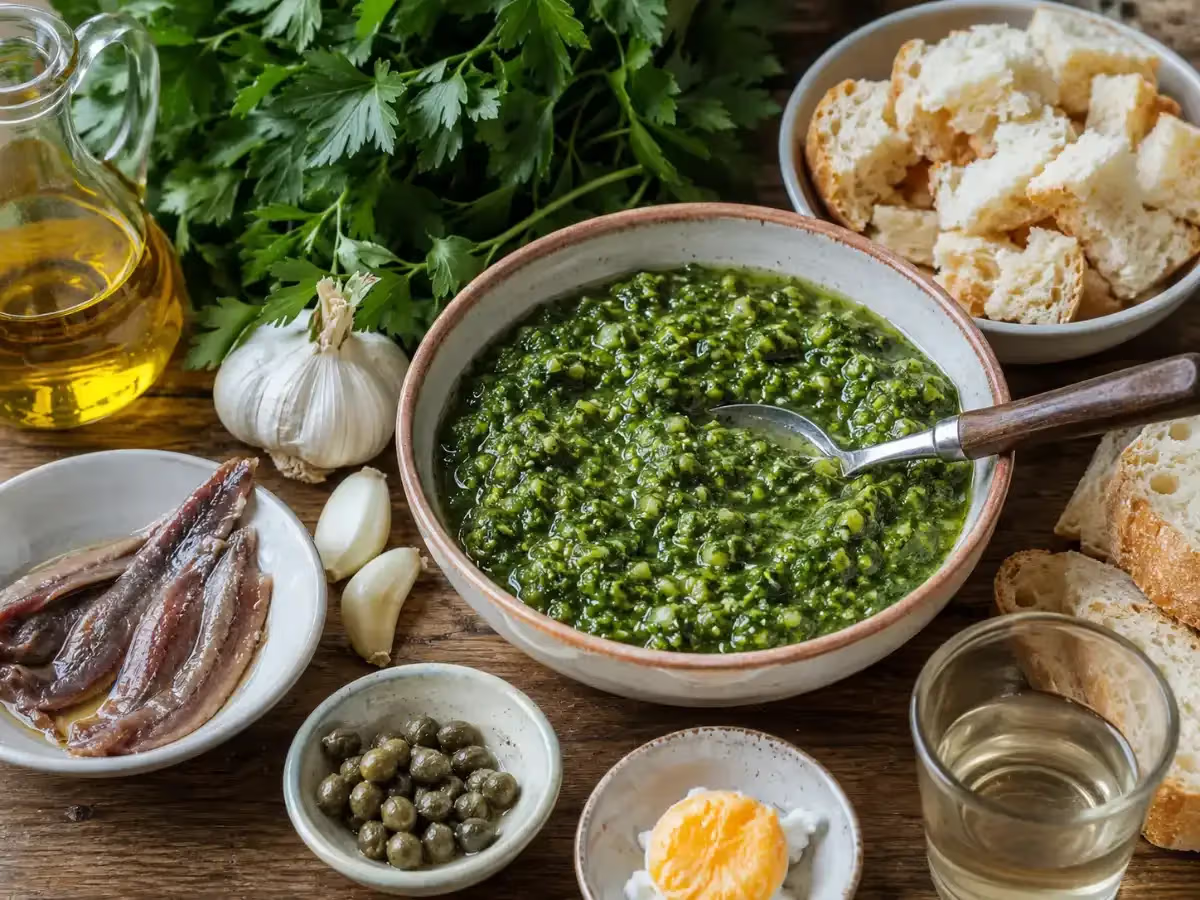
The flavor profile is complex despite the simplicity of the ingredients. Fresh parsley provides the vegetable base and vibrant color, salt-cured anchovies contribute saltiness and umami without being recognizable as such, garlic gives structure, desalted capers add a pungent note, and breadcrumbs soaked in vinegar bind everything together, giving the sauce body. Red wine vinegar is the traditional acidulating element, the one that defines the Piedmontese character of this preparation compared to other green sauces found throughout the peninsula. The result is a dense, flavorful sauce, never monotonous, in which each ingredient maintains its own recognizability while blending into a coherent whole.
Bagnet verd experiences small but significant variations from zone to zone in Piedmont and from family to family.
per serving
On the Piedmontese table, bollito misto is never served without its sauces. Bagnet verd is the first, the one with the color of fresh grass, and probably the oldest. Documented traces go back at least to the eighteenth century, when in the kitchens of the nobility and bourgeoisie of Turin, sauces to accompany boiled meats were already codified and considered a distinct element in Piedmontese culinary art.
The presence of anchovies, apparently surprising in a sauce from inland regions, is explained by Piedmont's commercial history. The carlin d'anchovis, the peddlers of salted anchovies, traveled through the Alpine valleys from the High Middle Ages onward, connecting the Mediterranean with mountain communities and the Po Valley. The anchovy thus became a structural ingredient in Piedmontese cuisine, both humble and refined, present in both hot and cold preparations. In bagnet verd it serves not as recognizable fish but as a foundation of savory depth, a principle that anticipated by centuries what contemporary cuisine calls umami. The recipe was handed down mostly orally, with minimal variations that reflect Piedmont's attachment to its own gastronomic roots.