
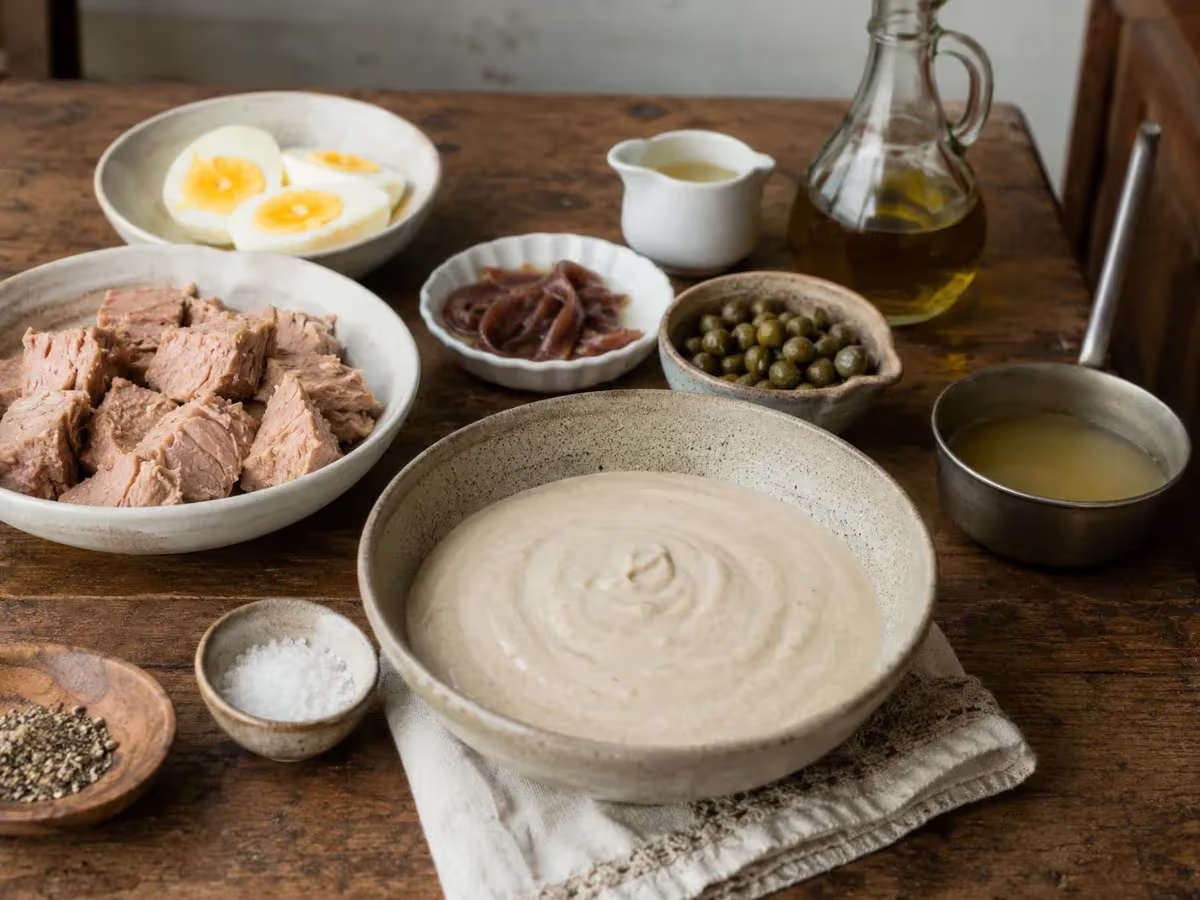
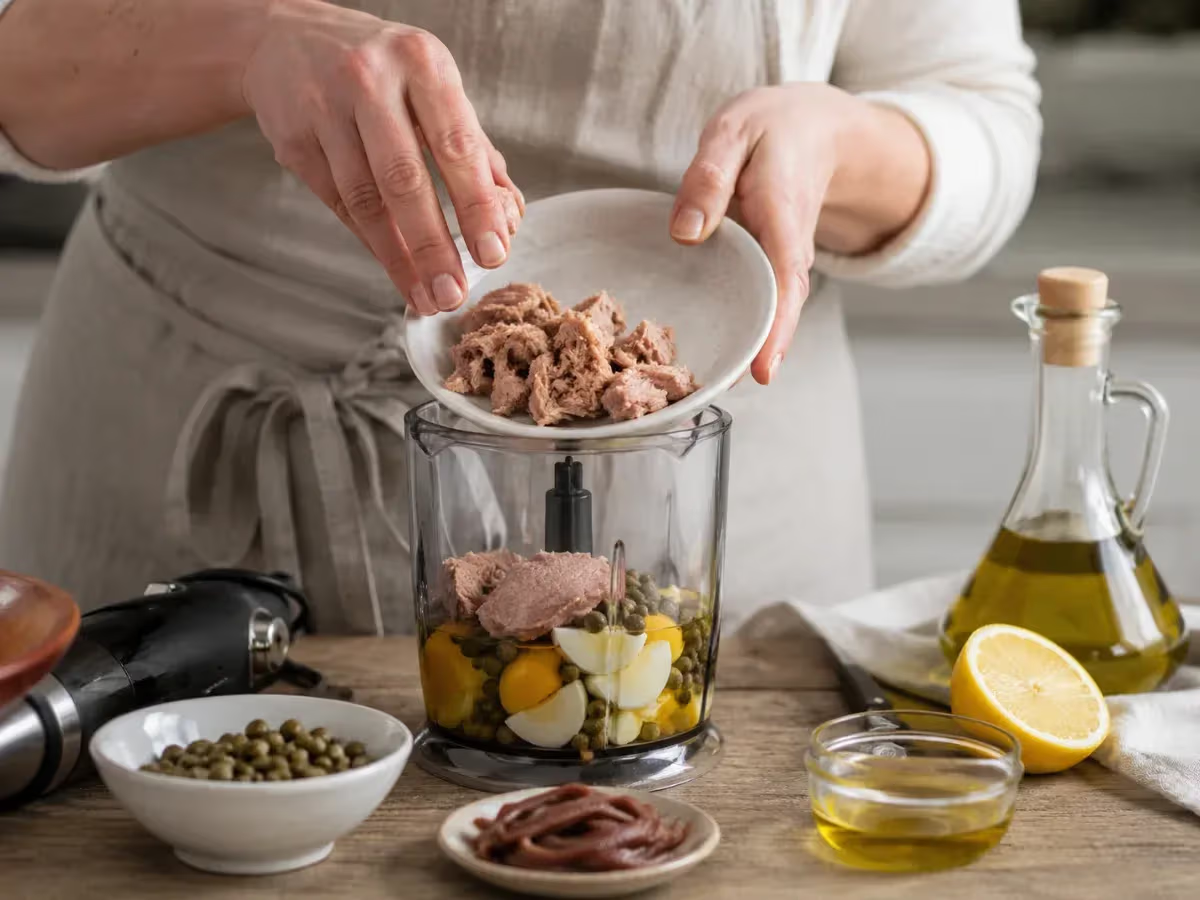
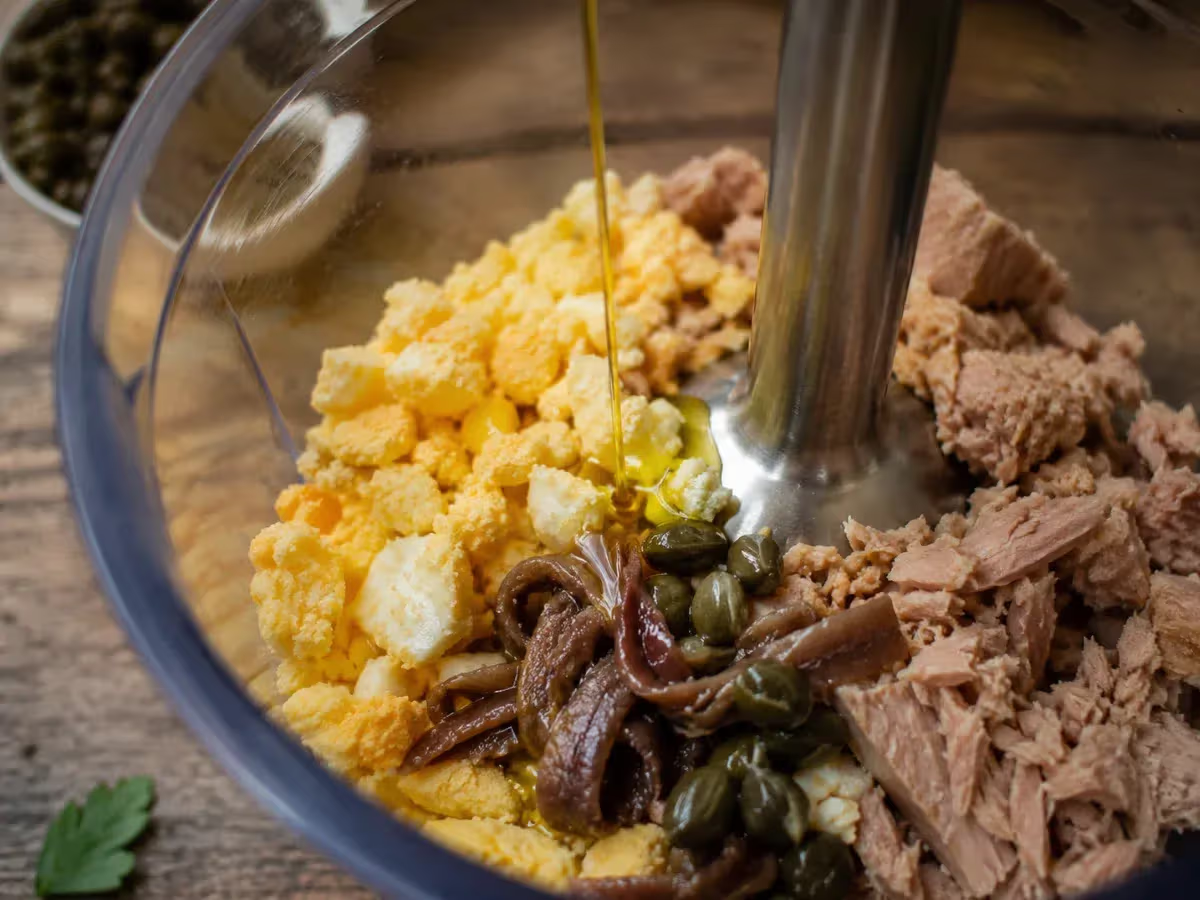
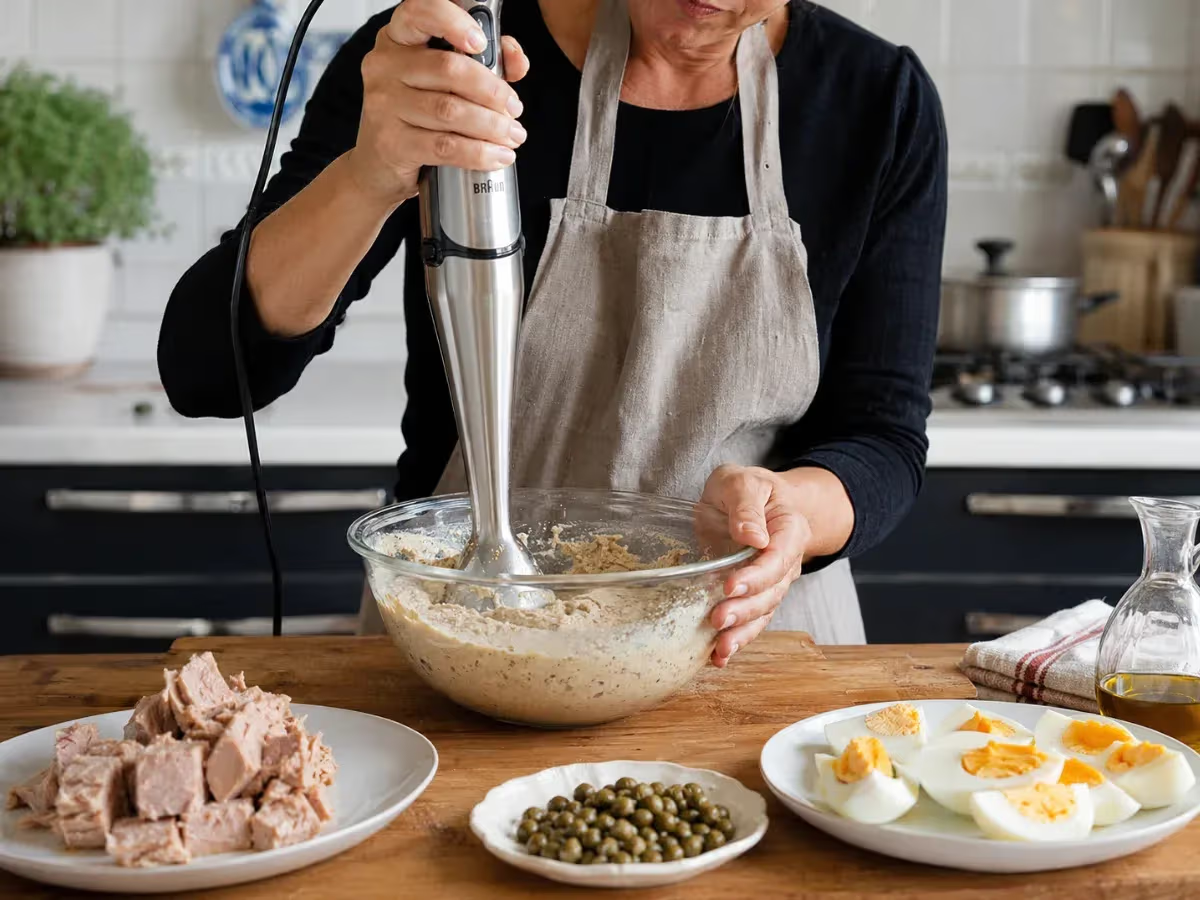
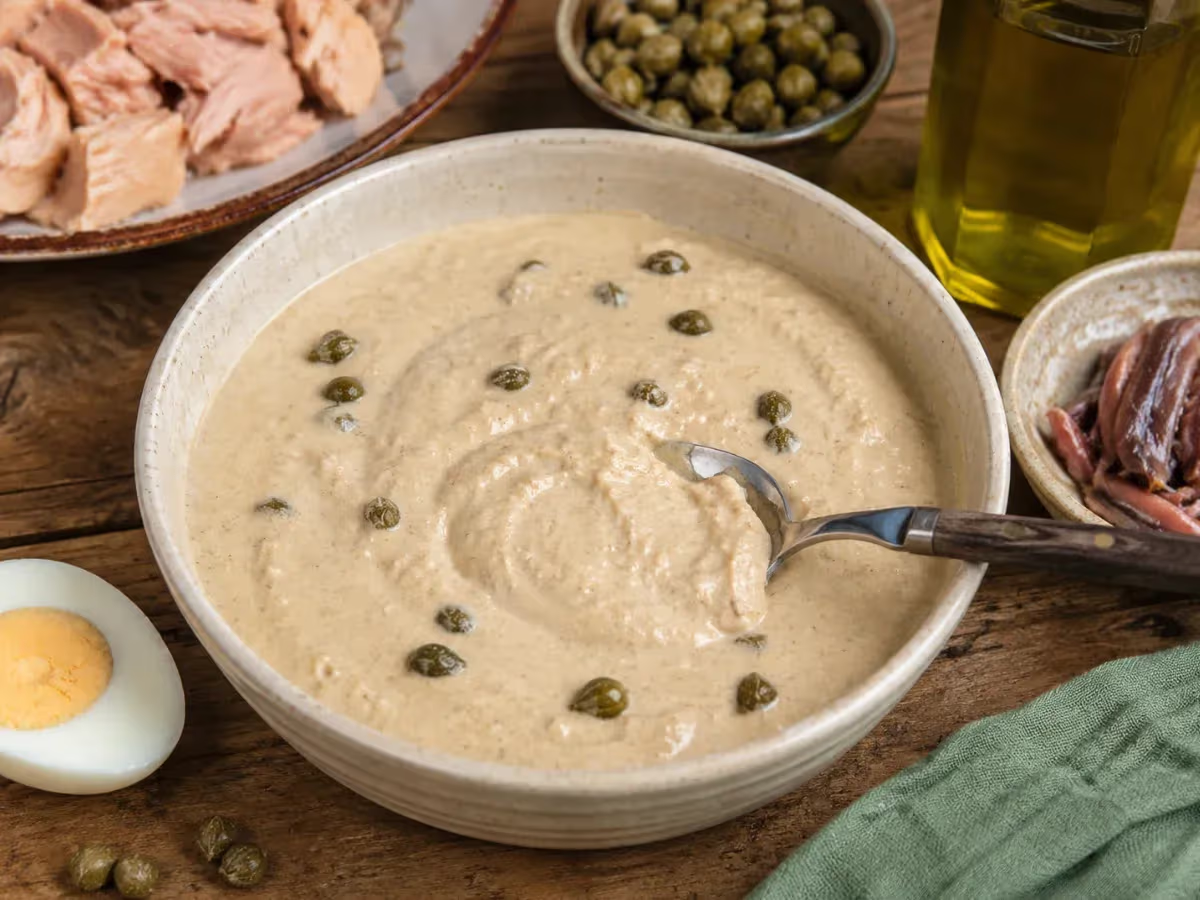
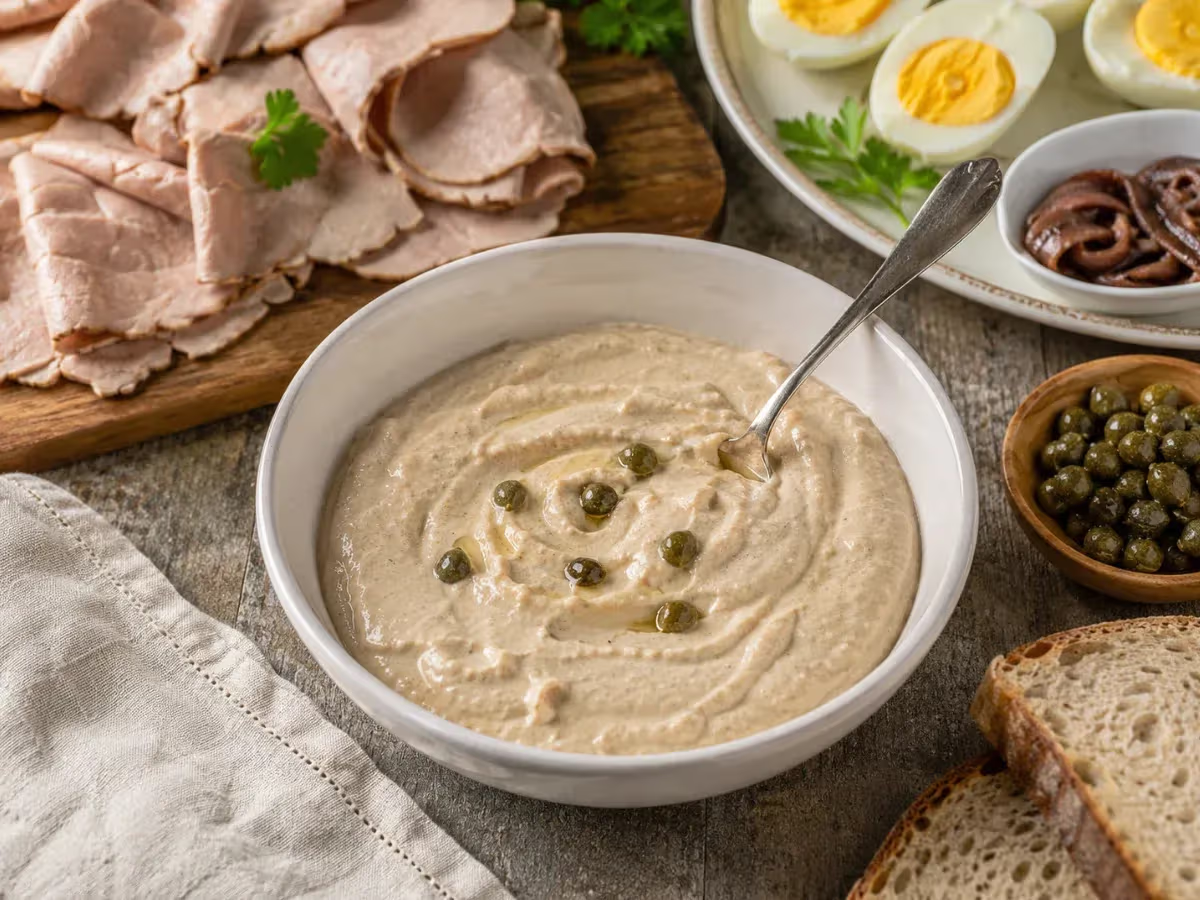
**For the traditional vitello tonnato sauce (for 4 people)** - Canned tuna in oil (well drained) 200 g - Anchovy fillets in salt (desalted and cleaned) 6 pieces - Capers in salt (desalted) 30 g - Hard-boiled egg yolks 3 - Extra virgin olive oil 80 ml - Lemon juice 1 tablespoon - Cold meat broth (or cooking water from the veal) 2-3 tablespoons - Ground white pepper to taste
The quality of the tuna is decisive: choose tuna in extra virgin olive oil, preferably in a glass jar, with a low waste percentage and compact consistency. Tuna in brine or seed oil produces a flatter, less rounded sauce.
The hard-boiled yolks must be completely cold before being incorporated: if still warm, they tend to form lumps that are difficult to disperse even with a blender. Passing them through a fine-mesh strainer before adding them to the other ingredients ensures a silkier and more uniform texture.
The capers must be under salt, not in vinegar: those in vinegar impart an aggressive acidity to the sauce that overpowers the other notes. After desalting, they should be squeezed and dried carefully.
The temperature of the ingredients affects the success of the emulsion: everything must be at room temperature when blending, including the broth. In a professional setting, the sauce is prepared in advance and stored covered in contact with plastic wrap to prevent surface oxidation, which alters both the color and taste. For a finer result, after the immersion blender, the sauce can be passed through a medium-mesh strainer, obtaining a silkier consistency suitable for restaurant plating.
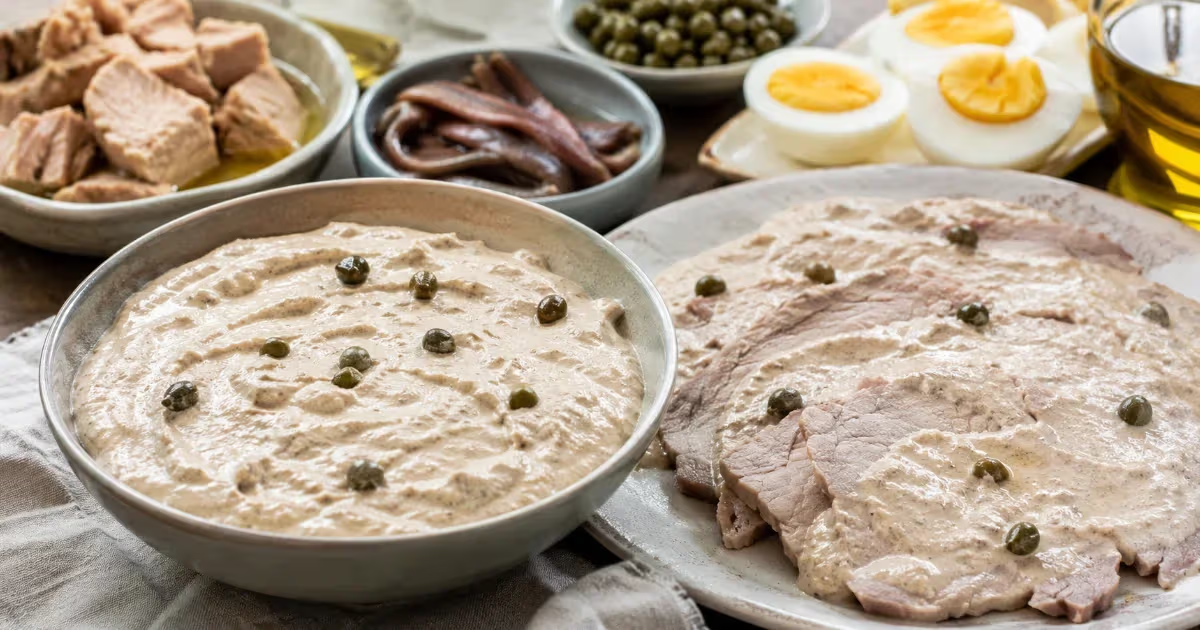
The ancient-style tonnata sauce is a Piedmontese preparation with deep roots, connected to the peasant and bourgeois tradition of pre-industrial Piedmont. In its original version, the one that precedes the spread of mayonnaise on Italian tables, the creaminess does not come from the emulsion of raw eggs with oil, but from the combination of tuna in oil, salt-cured anchovies, capers, hard-boiled egg yolks and extra virgin olive oil, worked together until obtaining a homogeneous and dense paste. The hard-boiled yolks serve a structuring function: they amalgamate the ingredients, give body to the sauce and make it compact without resorting to mayonnaise. It is the version that even today can be found in the most conservative home kitchens of Monferrato and the Langhe, preserved by those who have never stopped preparing it this way.
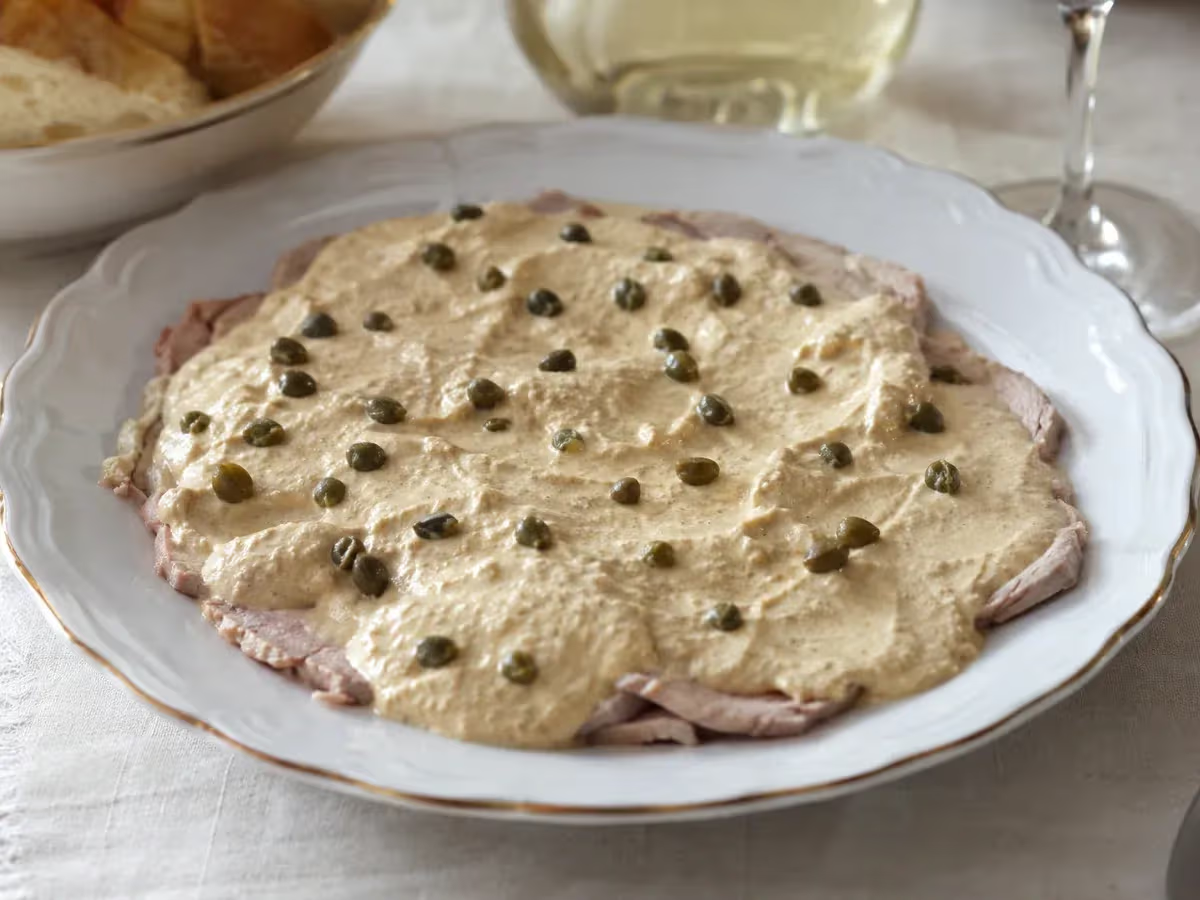
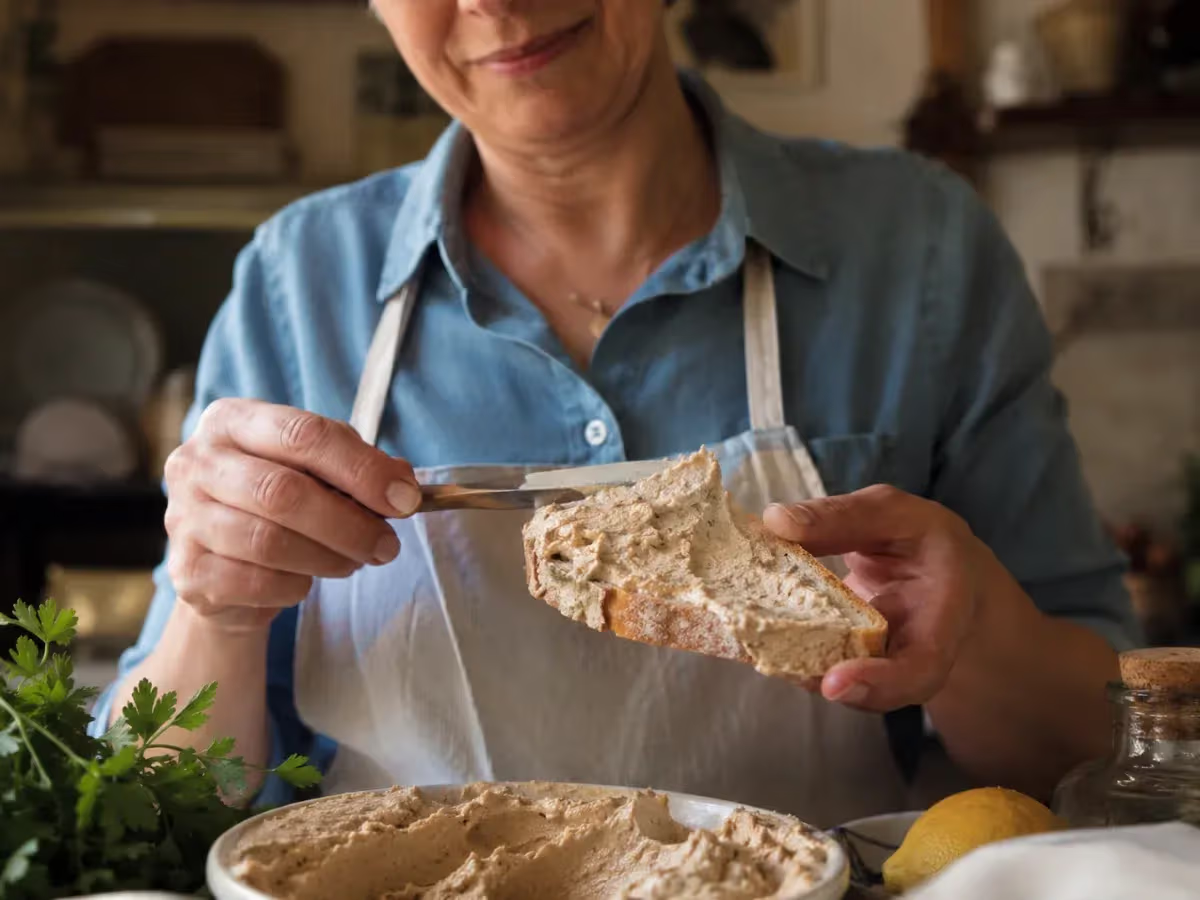
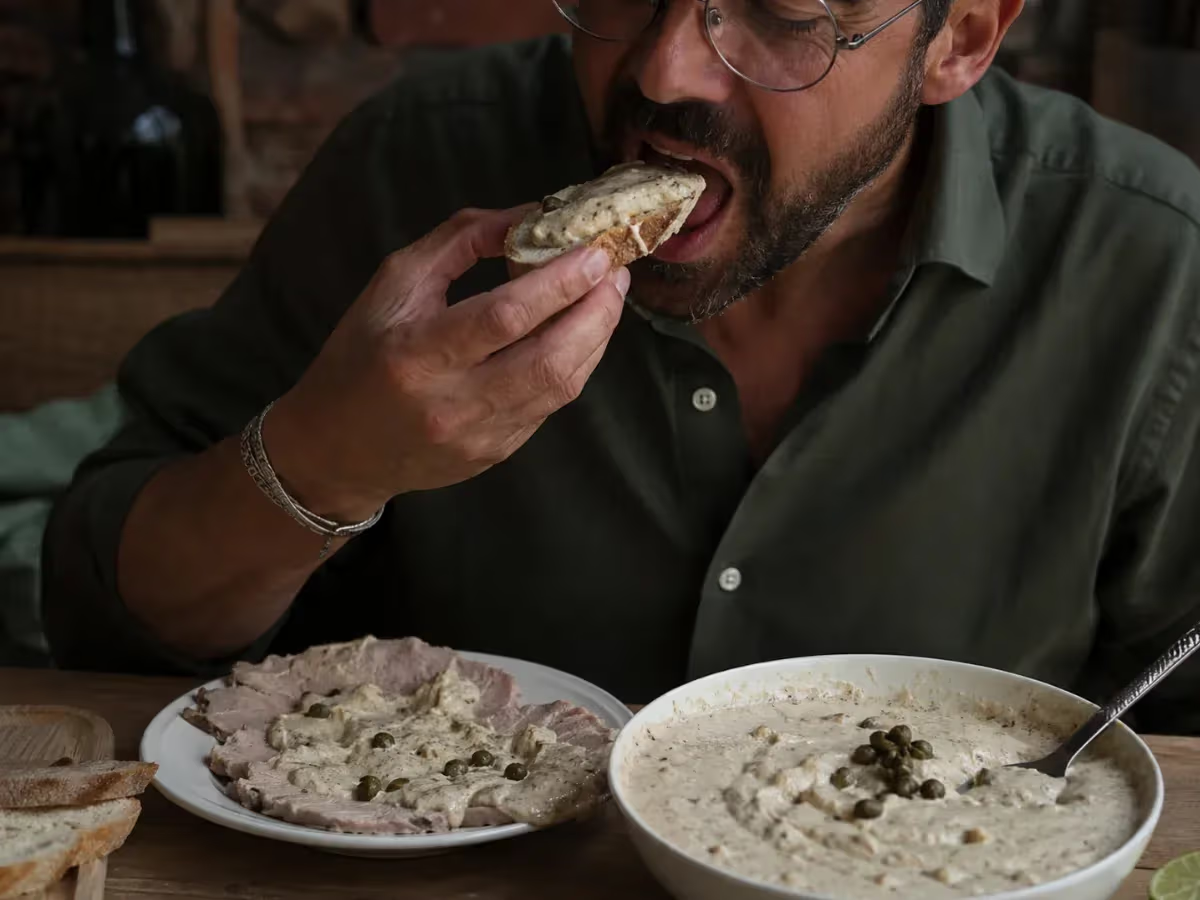
Its most classic use is as a condiment for vitello tonnato, the celebrated cold dish of summer Sundays and festive lunches in Piedmont. But the ancient-style tonnata sauce also lends itself naturally to accompanying hard-boiled eggs, boiled vegetables such as carrots and green beans, or to enhance crostini as an appetizer. The flavor profile is decisive and savory, with the marine note of tuna and anchovies in the foreground, balanced by the acidity of the capers, the roundness of the oil and the pasty consistency that only hard-boiled yolks can provide. A sauce that does not seek lightness, but substance.
Tuna sauce exists in different interpretations, some rooted in tradition, others the result of contemporary revisions.
per serving
In the pantries of Piedmontese farm houses of the nineteenth century, canned tuna in oil was one of the few marine provisions that arrived inland in preserved form, merchandise to be used sparingly and paired with salt-cured anchovies, equally rooted in Piedmontese food tradition through the salt trade route that connected the Langhe to Liguria.
The tonnata sauce in its original form, the one without mayonnaise, is probably the condiment that accompanied vitello tonnato already documented in Piedmontese recipe books from the late eighteenth century. Hard-boiled egg yolks, passed through a sieve and incorporated into the tuna paste before the oil, served the function of binding and giving body to the sauce in a completely natural way, without resorting to the emulsion with raw eggs that characterizes mayonnaise. Ada Boni, in her "Il talismano della felicità" of 1929, describes a preparation based on tuna, anchovies and capers worked with oil, consistent with this pre-industrial tradition.
Mayonnaise entered common use only during the twentieth century, simplifying the preparation at the expense of the original complexity. The old-fashioned version is therefore not an archaic variant, but the starting point from which the recipe was transformed: its persistence in Piedmontese home kitchens tells the story of the resistance of a way of cooking that privileges the intensity of ingredients over the softness of modern emulsifiers.