
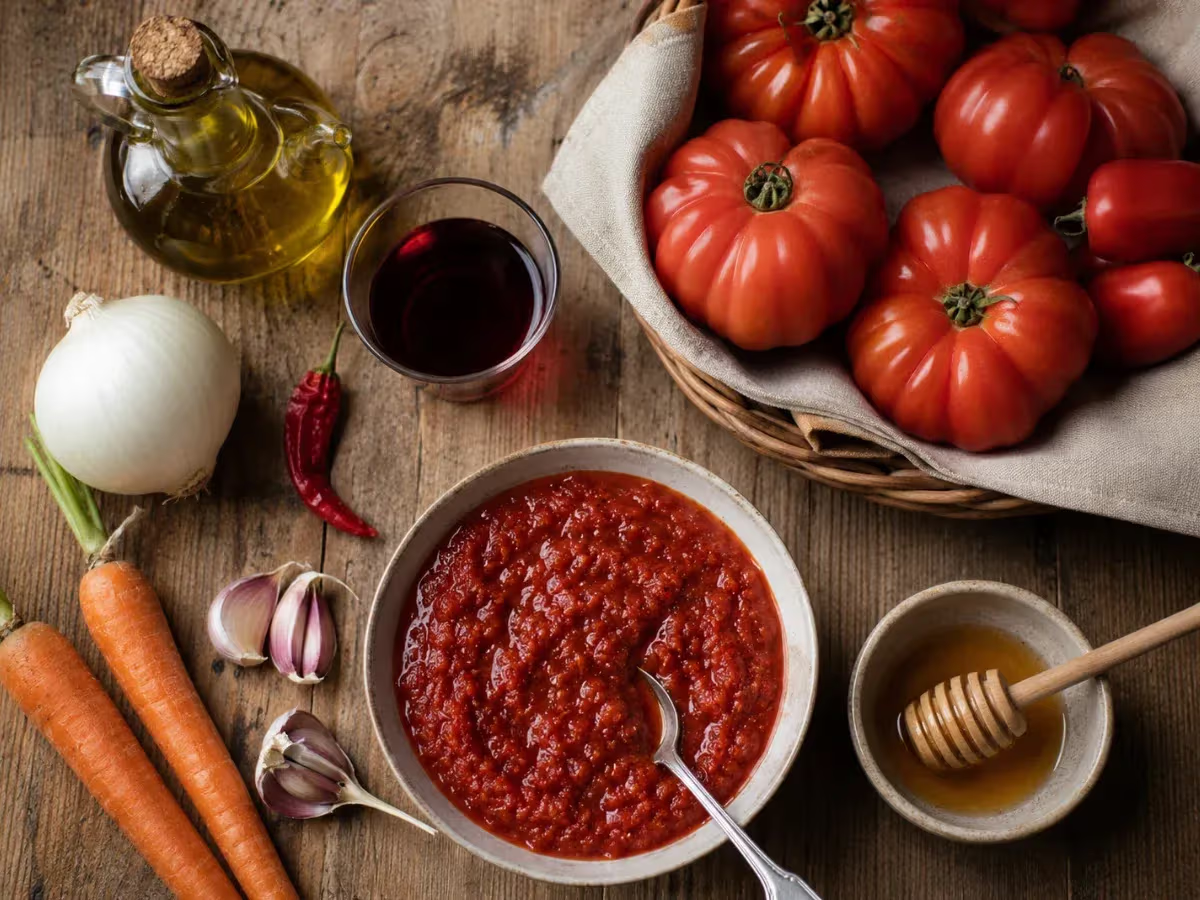
For the sauce
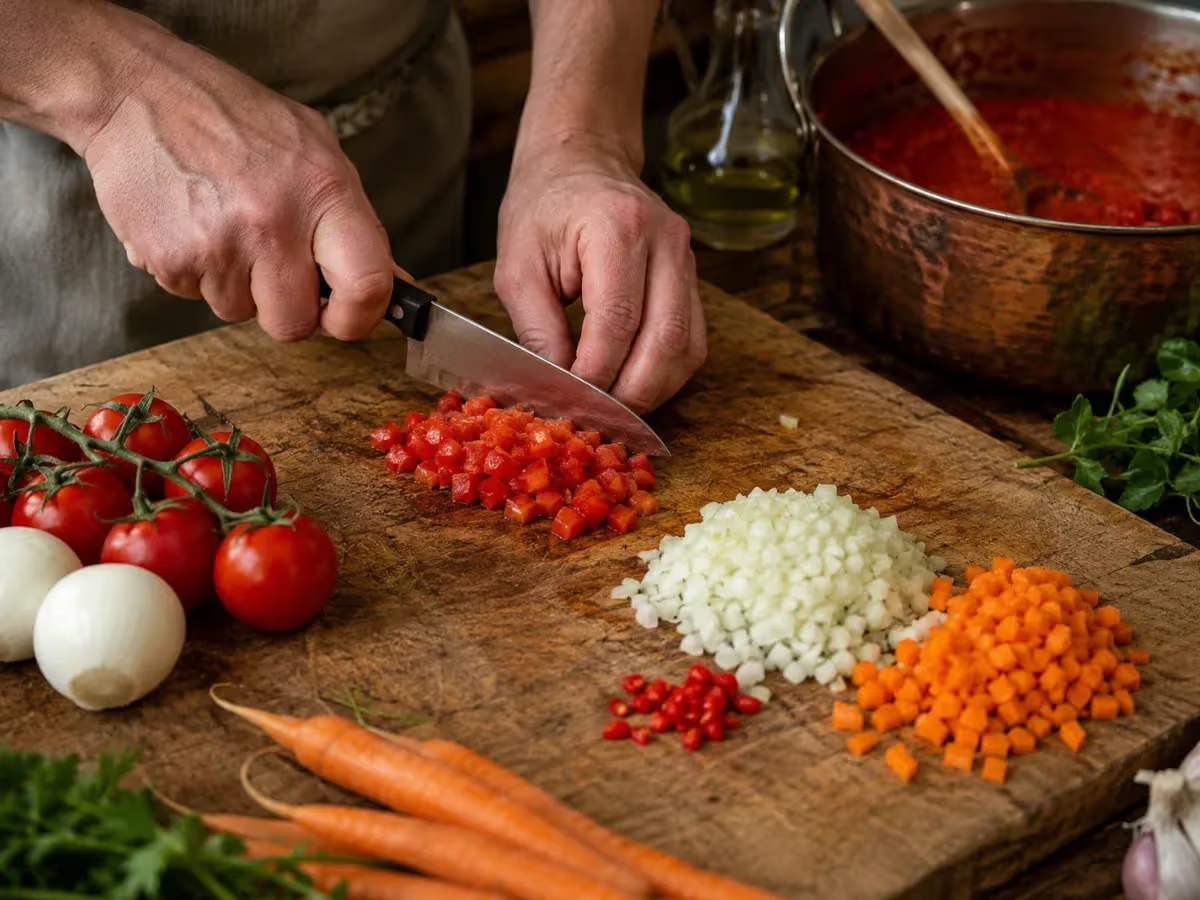
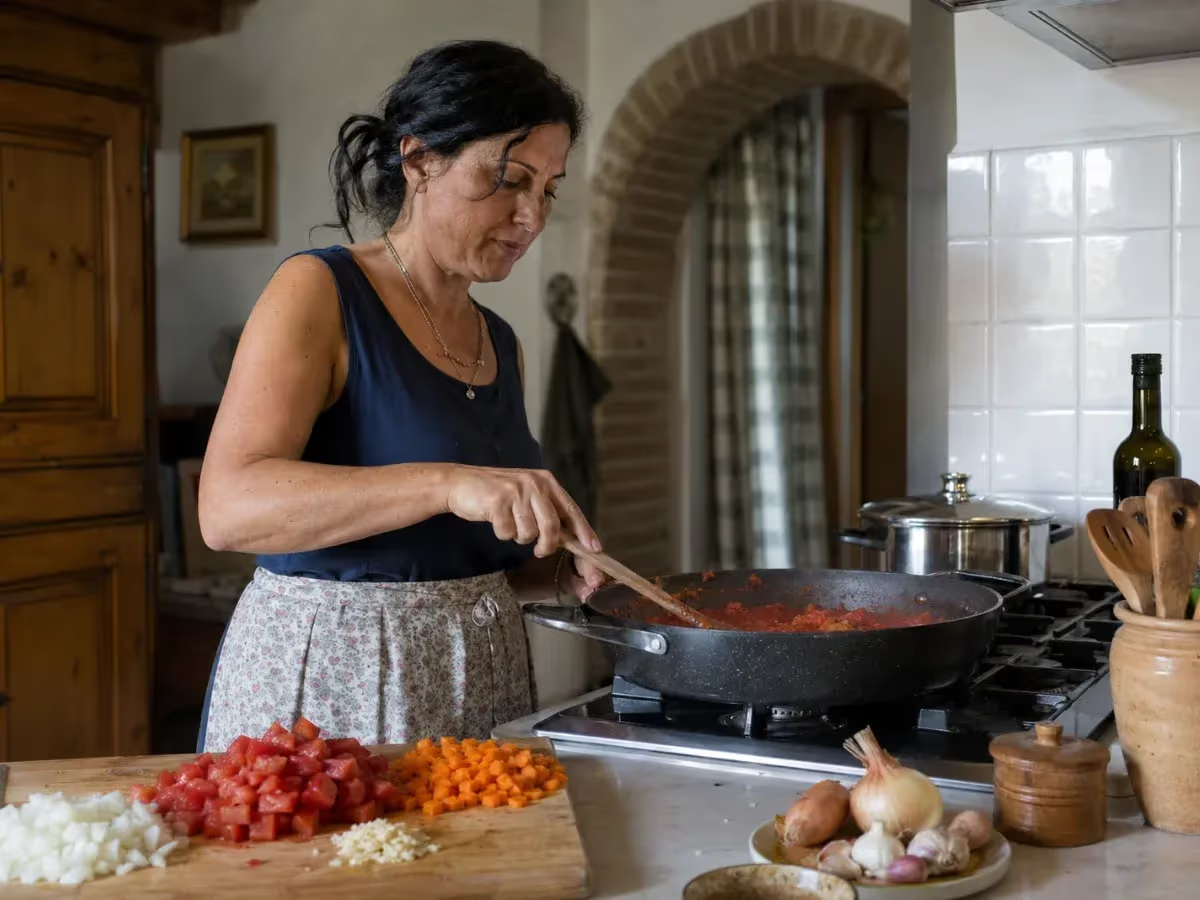
The choice of peppers is determining: using fleshy varieties like the peperone di Carmagnola, typical of the Piedmont region, guarantees better results in terms of consistency and natural sweetness. Before adding them to the casserole, some cooks prefer to roast them briefly in the oven or over an open flame to peel them, obtaining a sauce with a deeper flavor and slightly smoky notes.
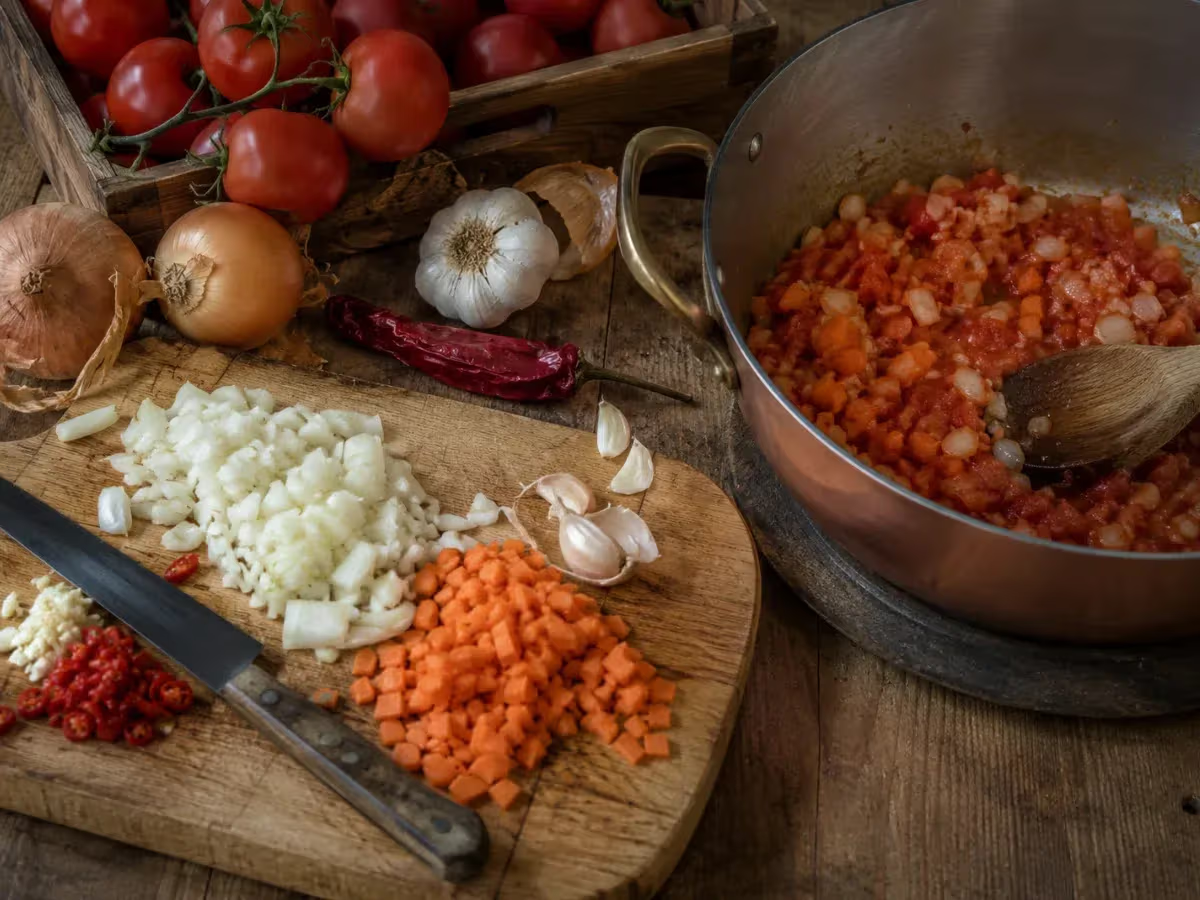
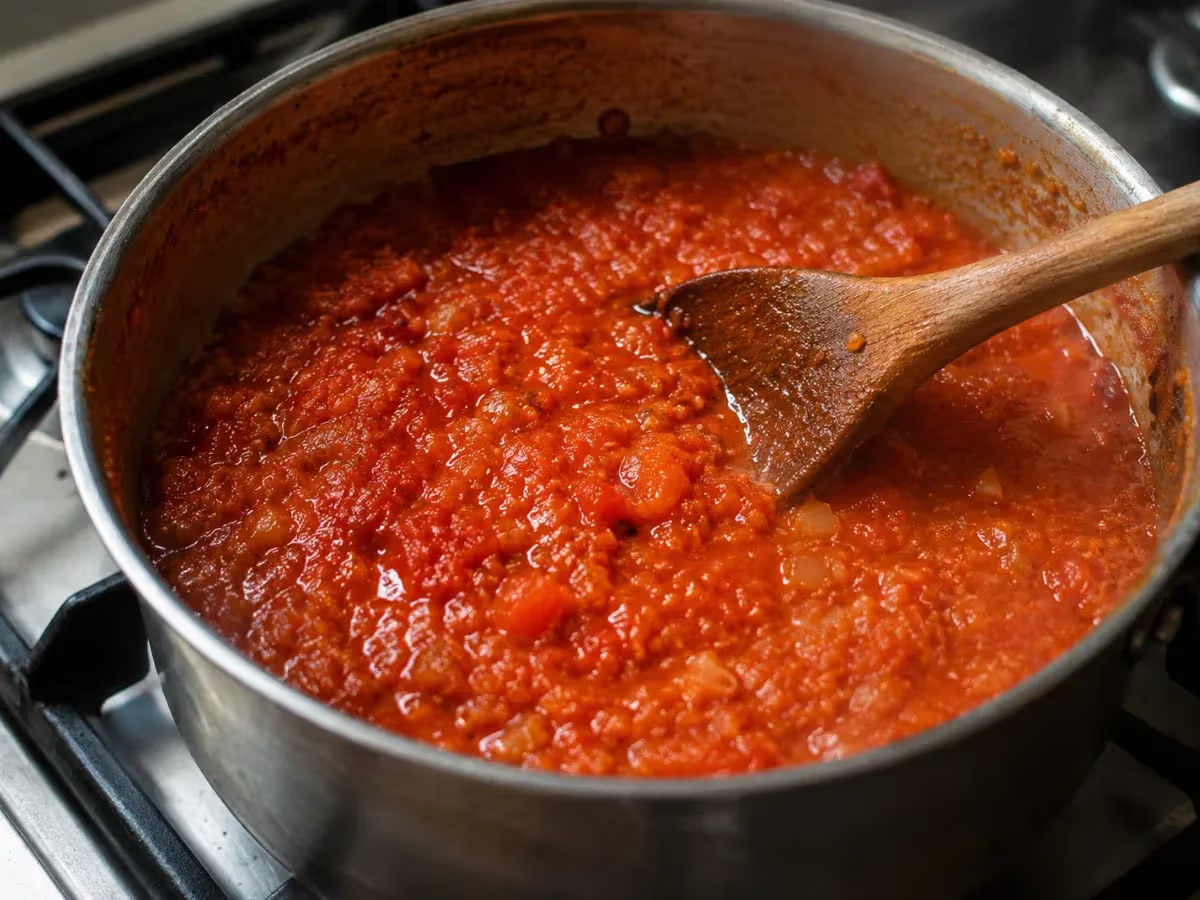
The casserole must have a thick bottom, preferably cast iron or tinned copper, to distribute heat evenly and prevent the sauce from sticking during the long cooking. The vinegar should be added when the peppers and tomato are already partially cooked: adding it too early tends to toughen the vegetable fibers, lengthening the cooking times. The sauce should be blended while still hot but not boiling, to better control the final texture. Store it in the refrigerator for at least 12 hours before serving: the resting period consolidates the balance between acidity, sweetness and salinity.
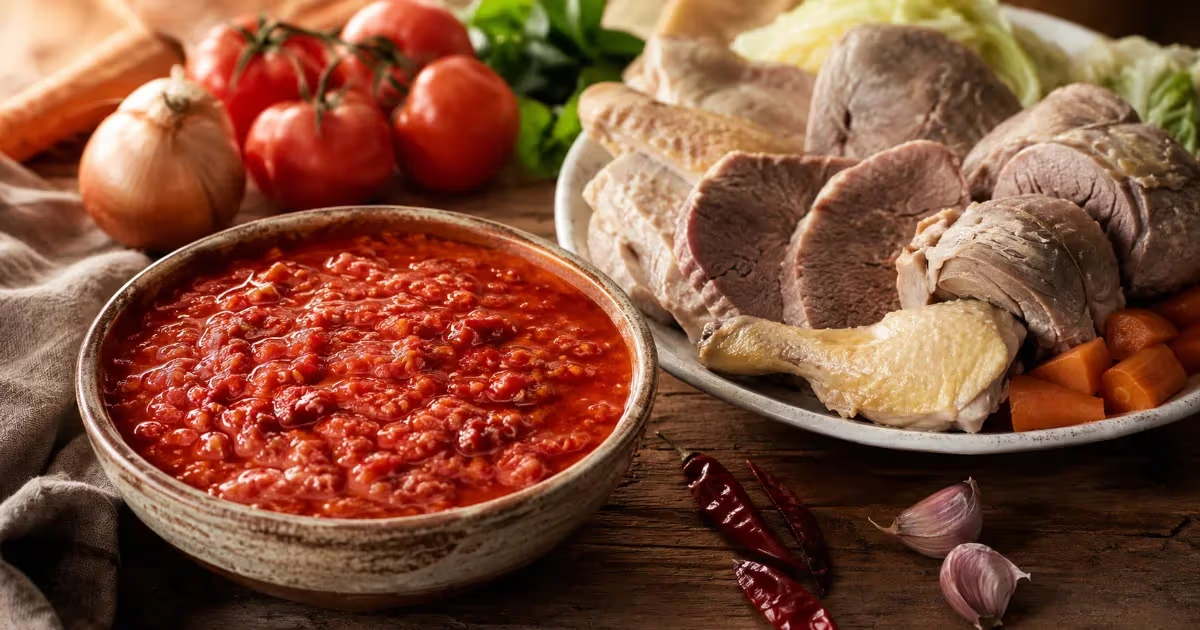
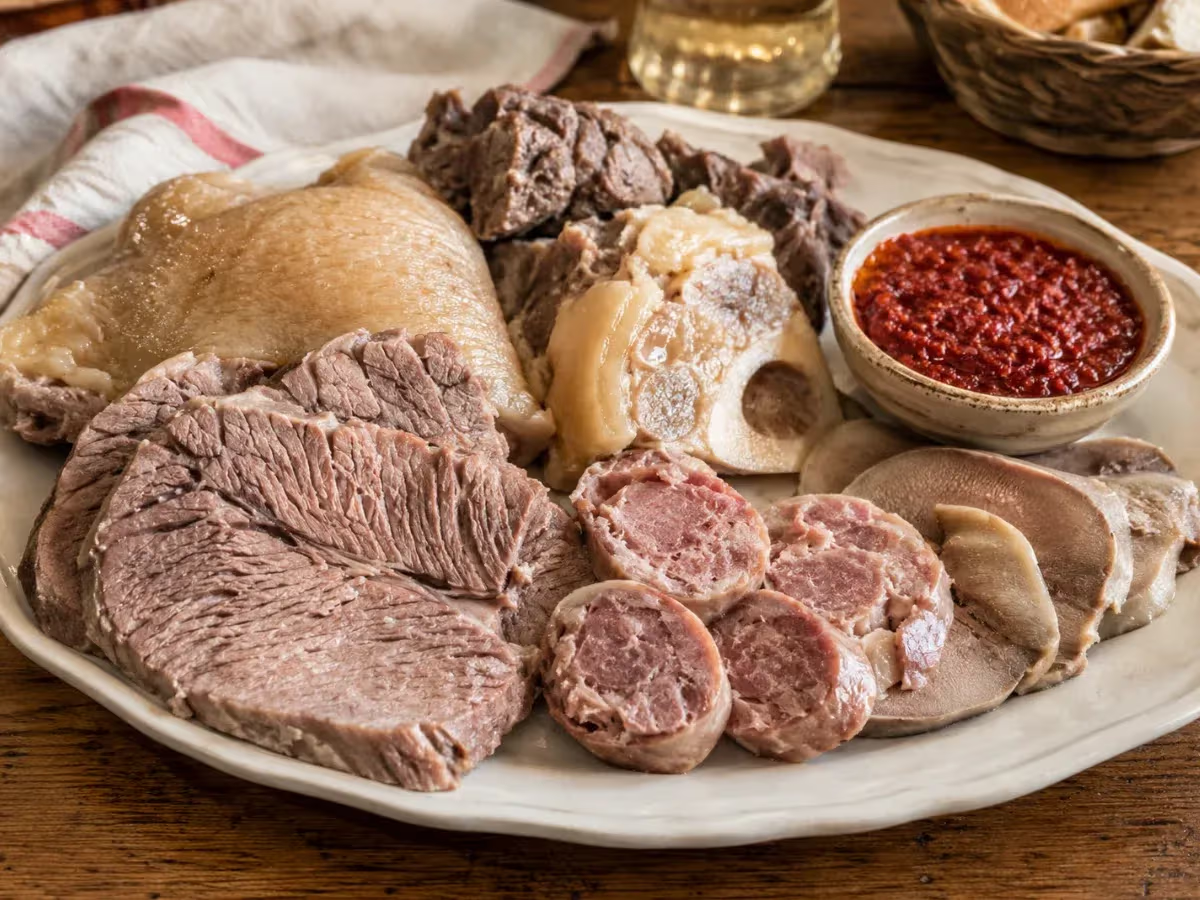
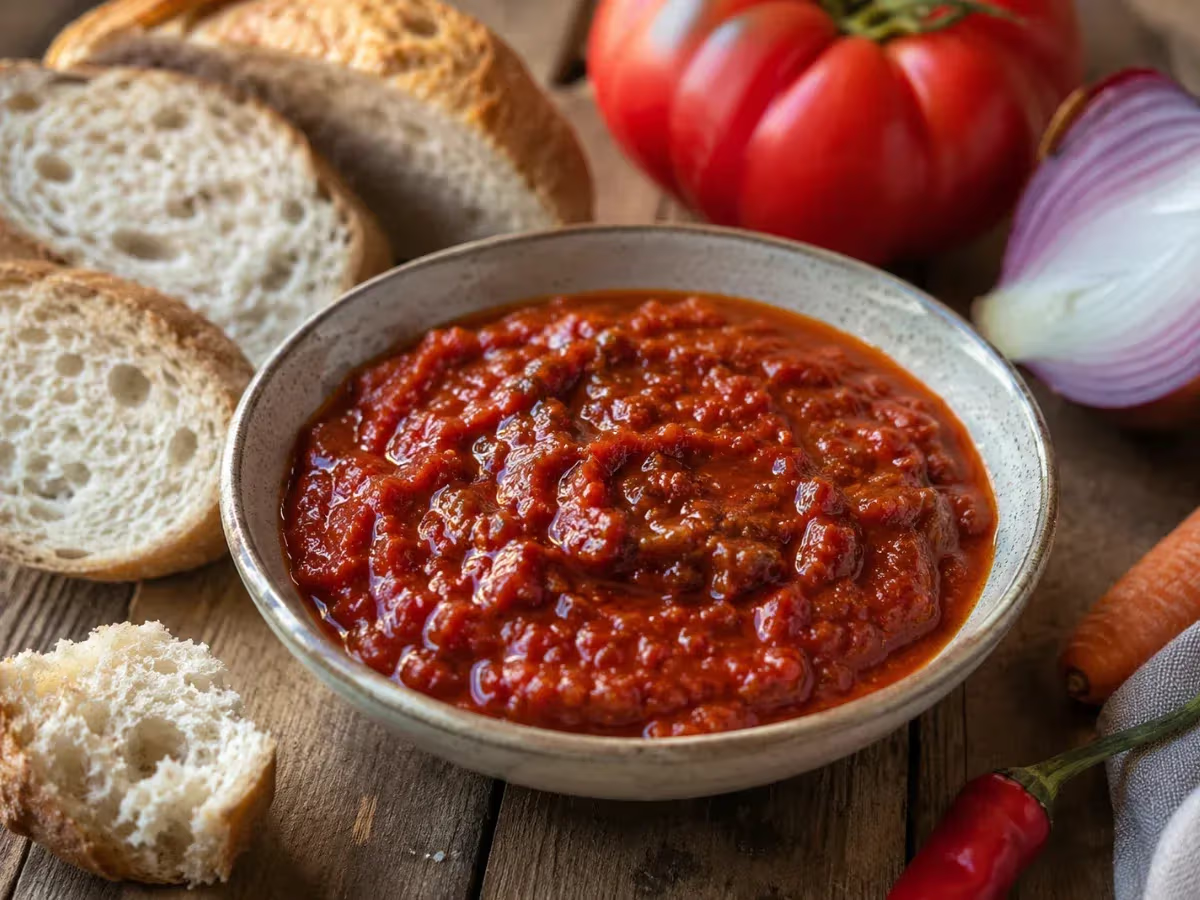
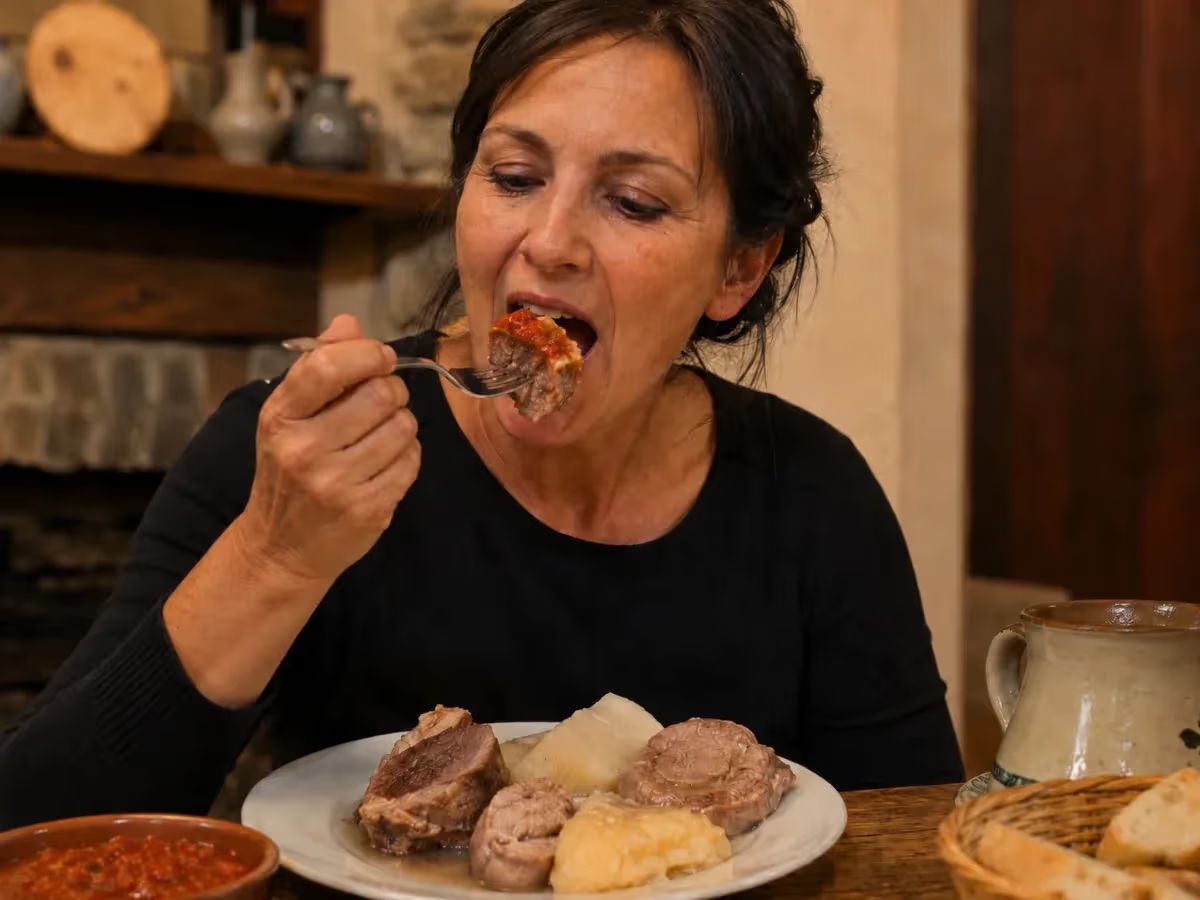
Piemontese red sauce is one of the most deeply rooted preparations in Piedmont's sauce-making cuisine. It is a cooked sauce based on tomato, peppers and vinegar, with a dense consistency and a sweet-and-sour flavour, which traditionally accompanies bollito misto piemontese together with other classic condiments such as salsa verde and mostarda. Its presence at festive tables, particularly during winter occasions and Sunday family lunches in the Monferrato and Cuneese areas, makes it an identity element of regional gastronomic culture.
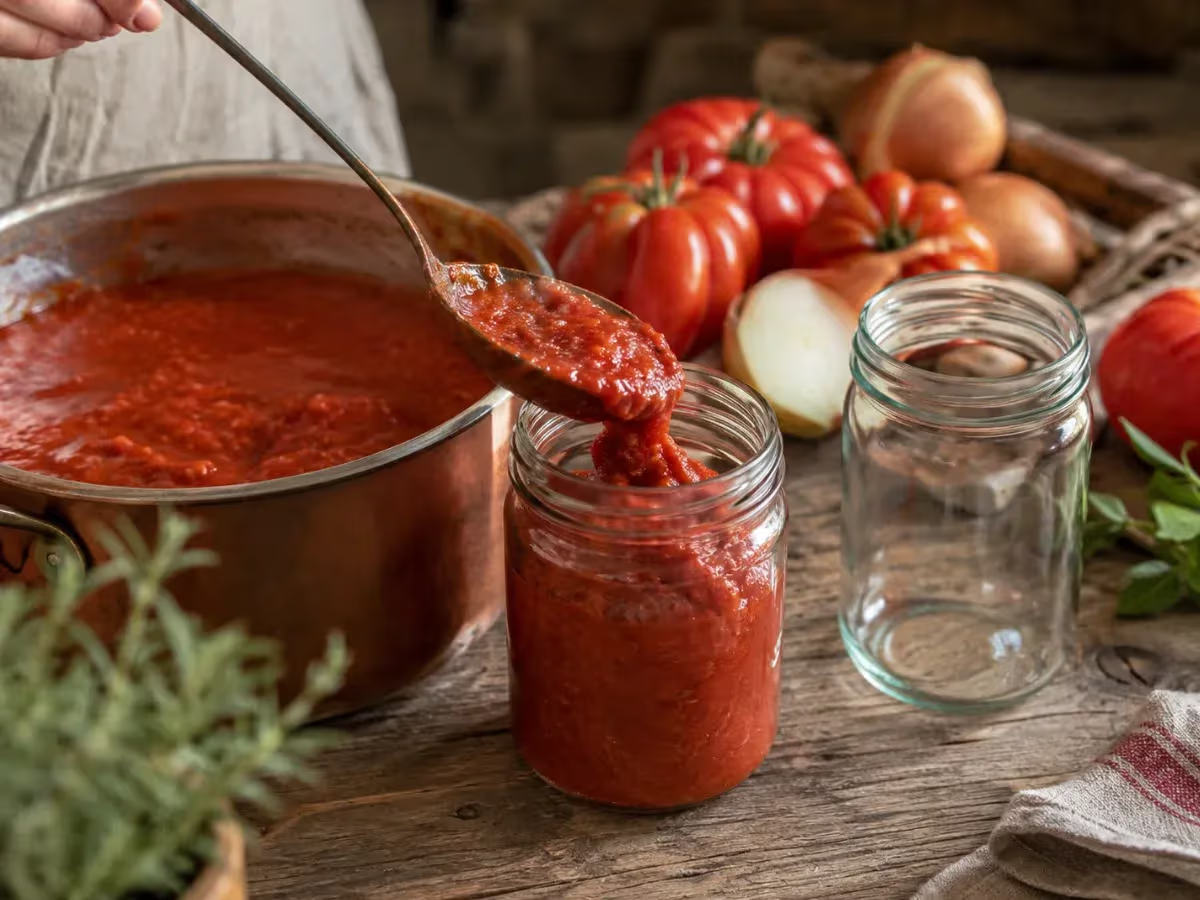
The flavour profile is defined by the balance between the sweetness of red peppers, the slight acidity of wine vinegar and the roundness of long-cooked tomato. The addition of onion and sugar helps to balance the more pungent components, creating a complex but not aggressive sauce. Served cold or at room temperature, it pairs naturally not only with boiled meats but also with roasted meats, hard-boiled eggs, boiled vegetables and aged cheeses. In the oldest tradition it was prepared in large quantities at the end of summer, when peppers were at their peak season, and preserved in jars for winter use.
The Piedmontese red sauce knows some significant variations depending on the area and family.
per serving
On the Piedmontese table for great occasions, alongside the bollito misto, small bowls of sauces have appeared for centuries that multiply its flavor without covering it. Red sauce is one of these silent and tenacious presences, documented in written form already in the nineteenth-century domestic recipe books of families from Monferrato and Astigiano, where it was prepared at the end of summer taking advantage of the abundance of peppers and tomatoes from the garden.
Born as a preservation technique before it was even a recipe for accompaniment, red sauce fits into a logic of peasant cooking attentive to not wasting anything and to extending the flavors of summer until winter. The marriage between the sweetness of the Carmagnola pepper, cultivated in the area between Turin and Cuneo since the seventeenth century, and the acidity of local red wine vinegar is not casual: it reflects the Piedmontese preference for sweet and sour notes that also characterizes other regional condiments, from bagna cauda to peperonata. Over time, the sauce found its fixed place at festive meals, alongside salsa verde and mostarda, as an essential element of the collective ritual of bollito.