
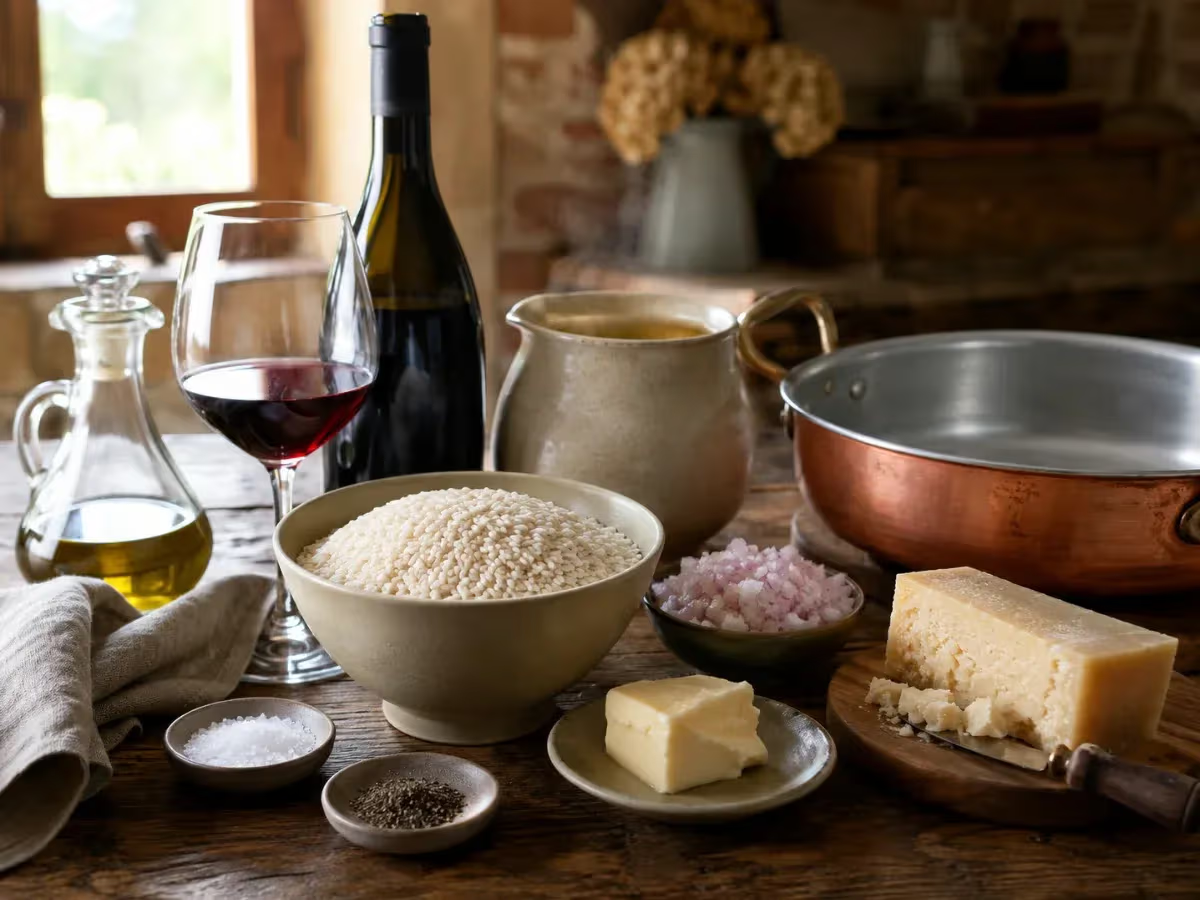
For the risotto
For the finishing
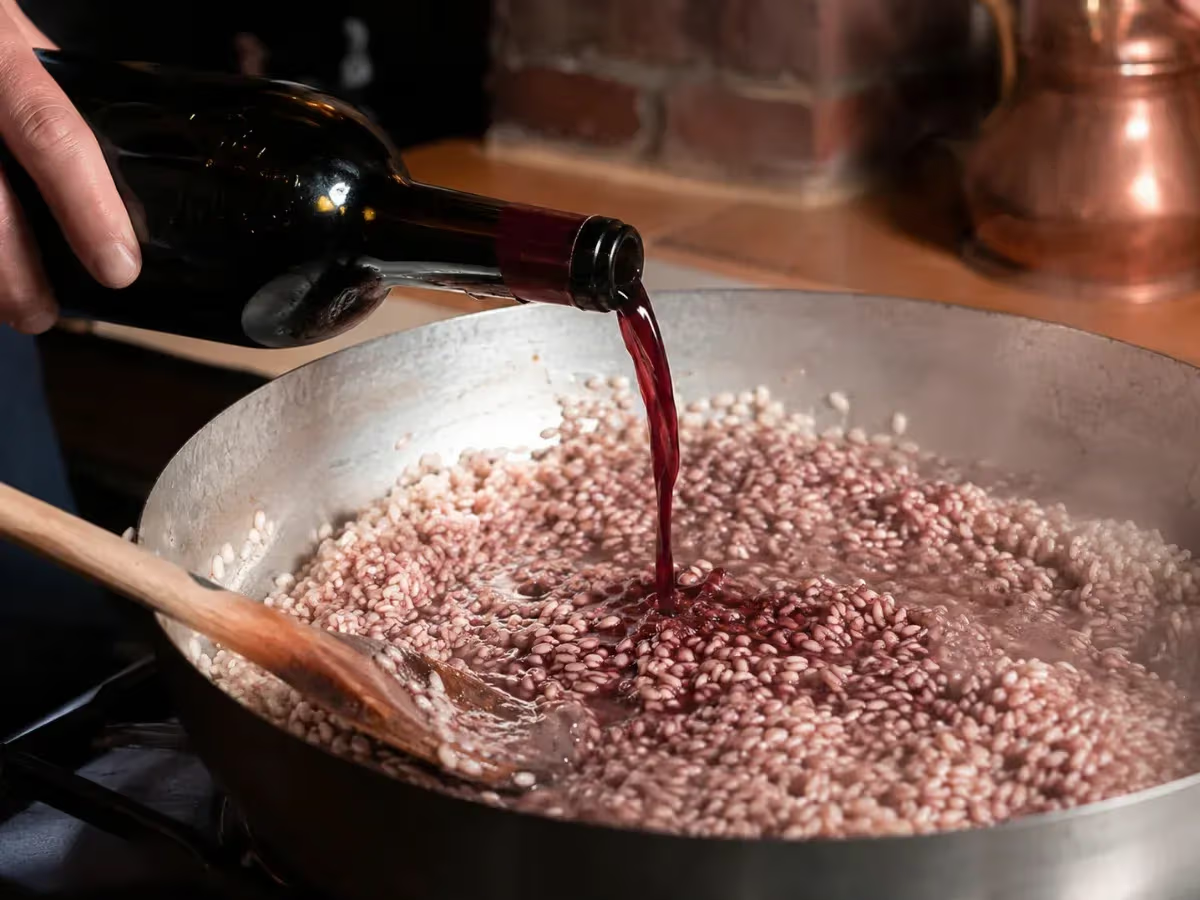
The choice of Barolo for cooking is crucial: you don't need to open a precious bottle, but the wine must still be good quality and aged for at least three years. A young Barolo brings excessive tannicity and astringency that cooking cannot fully smooth out.
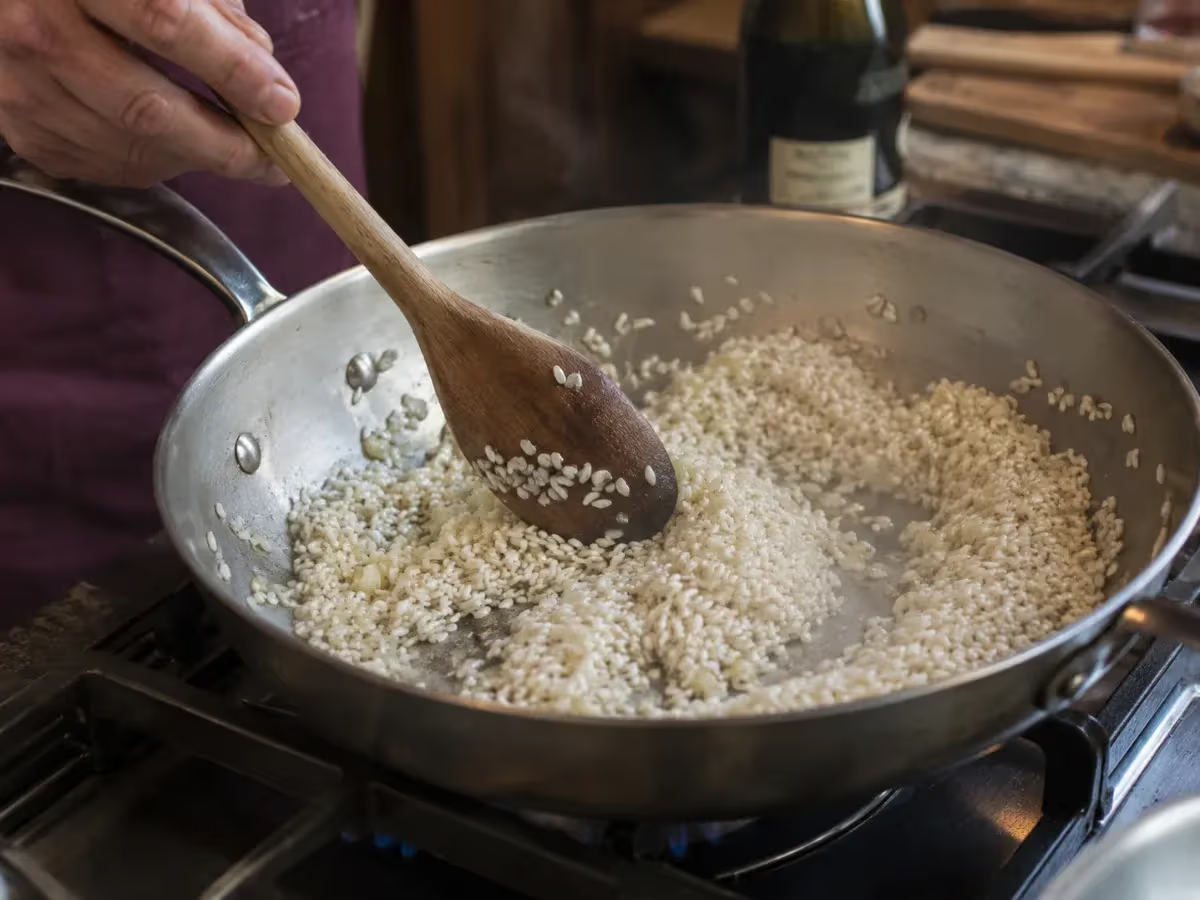
The toasting of the rice is a critical step: it must last at least two minutes over medium-high heat, until the grains resist the heat of your hand brought close to the pan. Insufficient toasting compromises the grain's integrity during cooking.
The broth must be made from real meat, preferably with bones and cartilage that release collagen. A watery broth dilutes the structure of the dish and cannot stand up to the tannicity of Barolo. Keeping it always well heated prevents thermal fluctuations that block the release of starch.
During the mantecatura, the butter must be cold from the refrigerator and added off the heat: this creates a stable emulsion and gives the risotto its characteristic creaminess without making it heavy. Moving the pan with a rotatory gesture helps incorporate air.
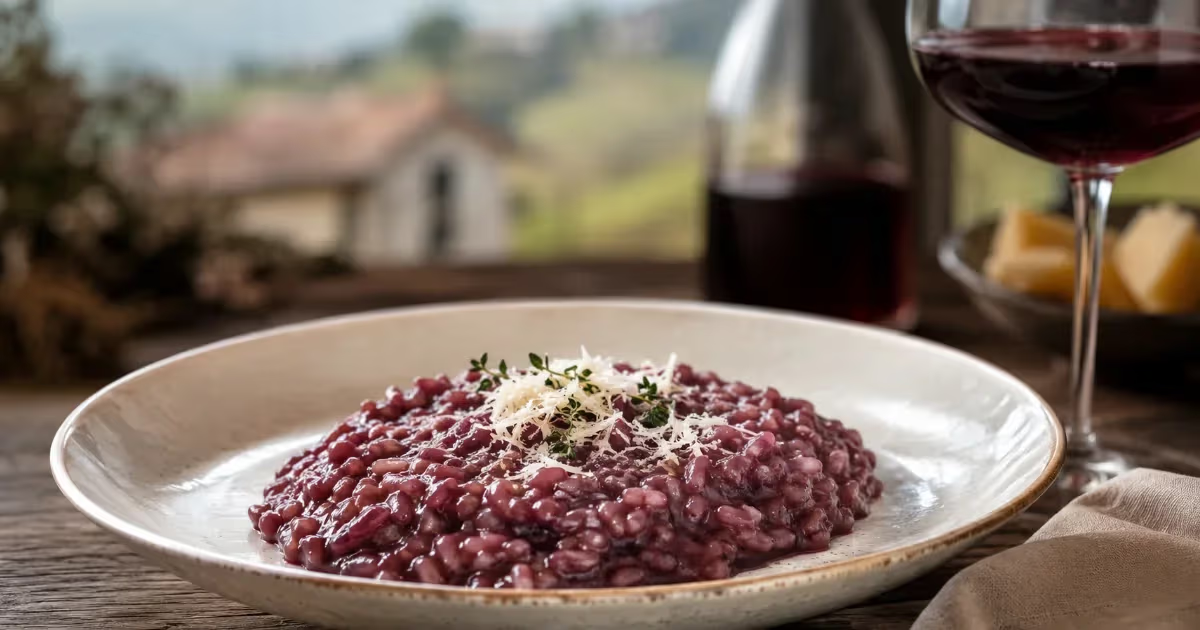
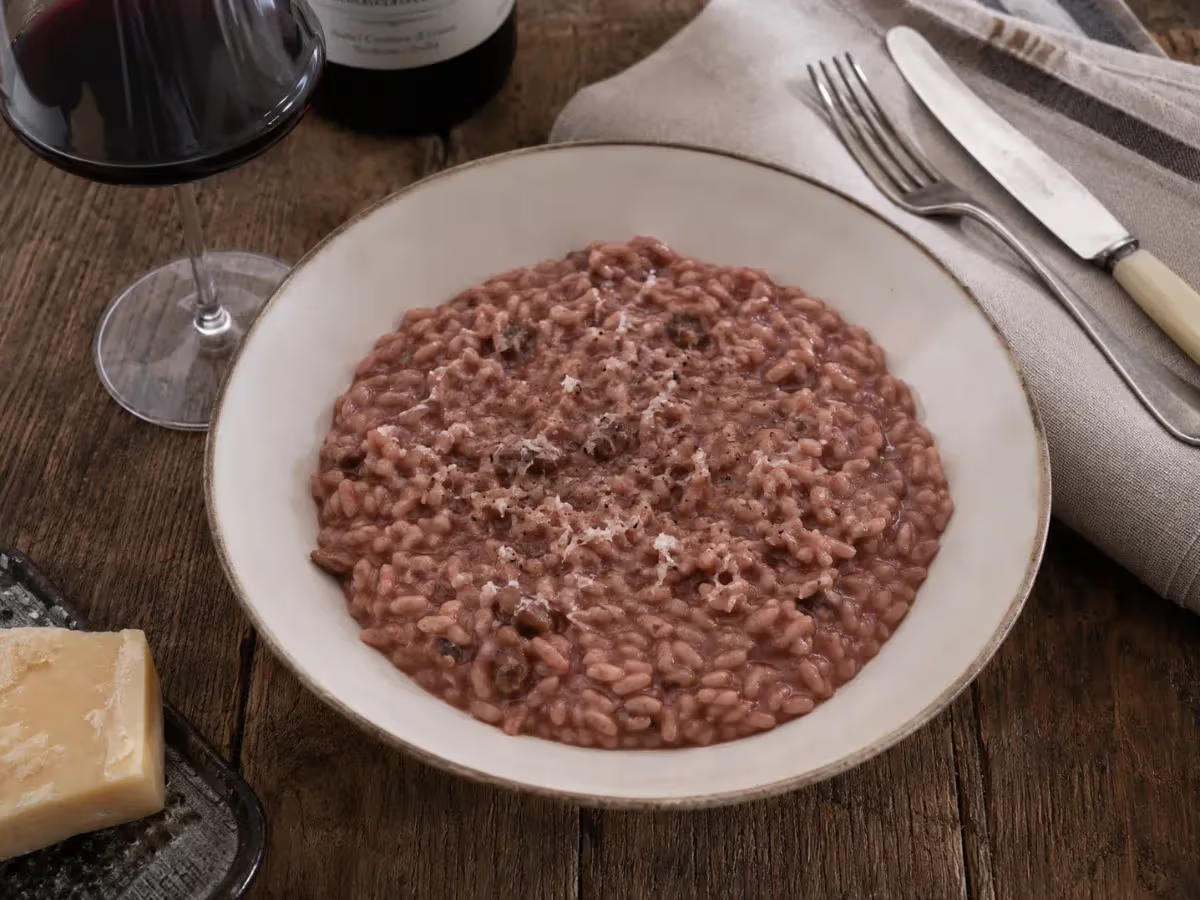
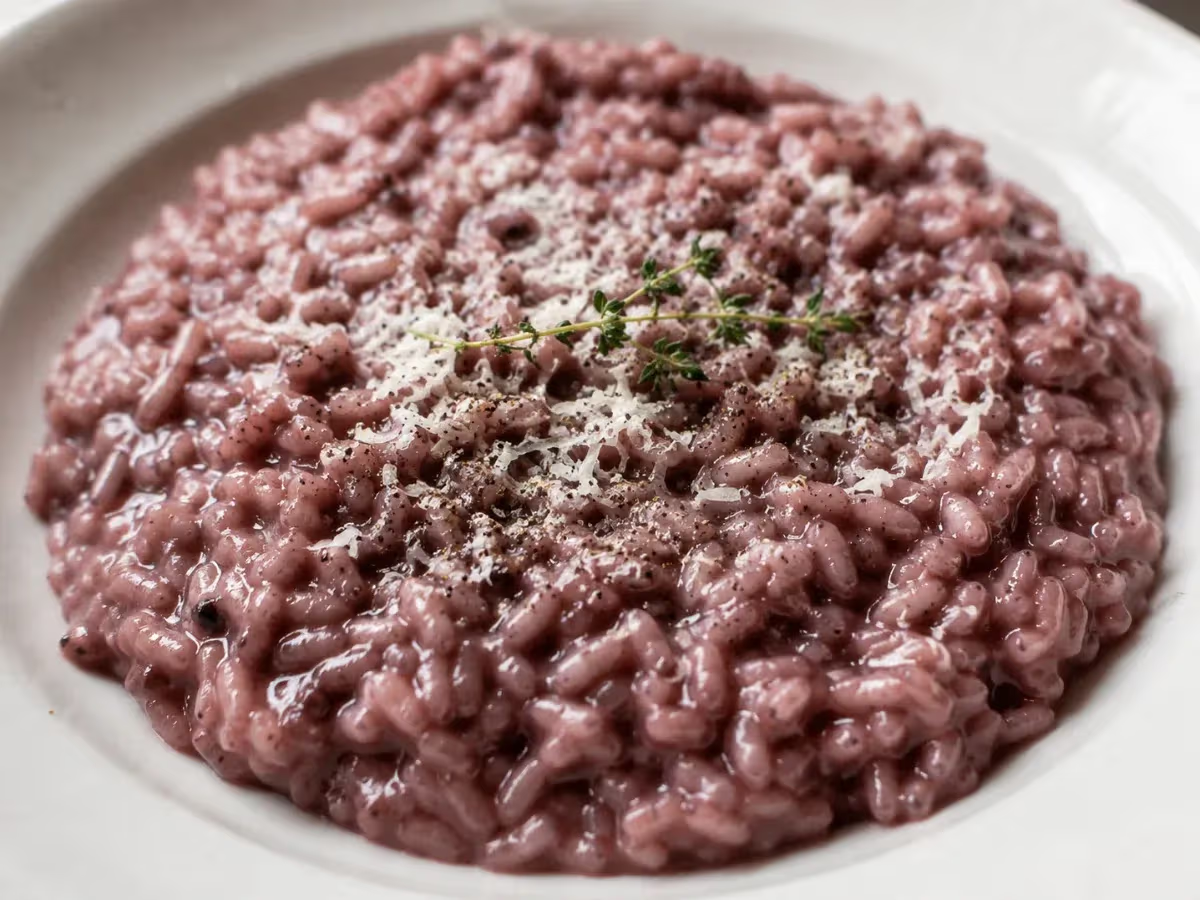
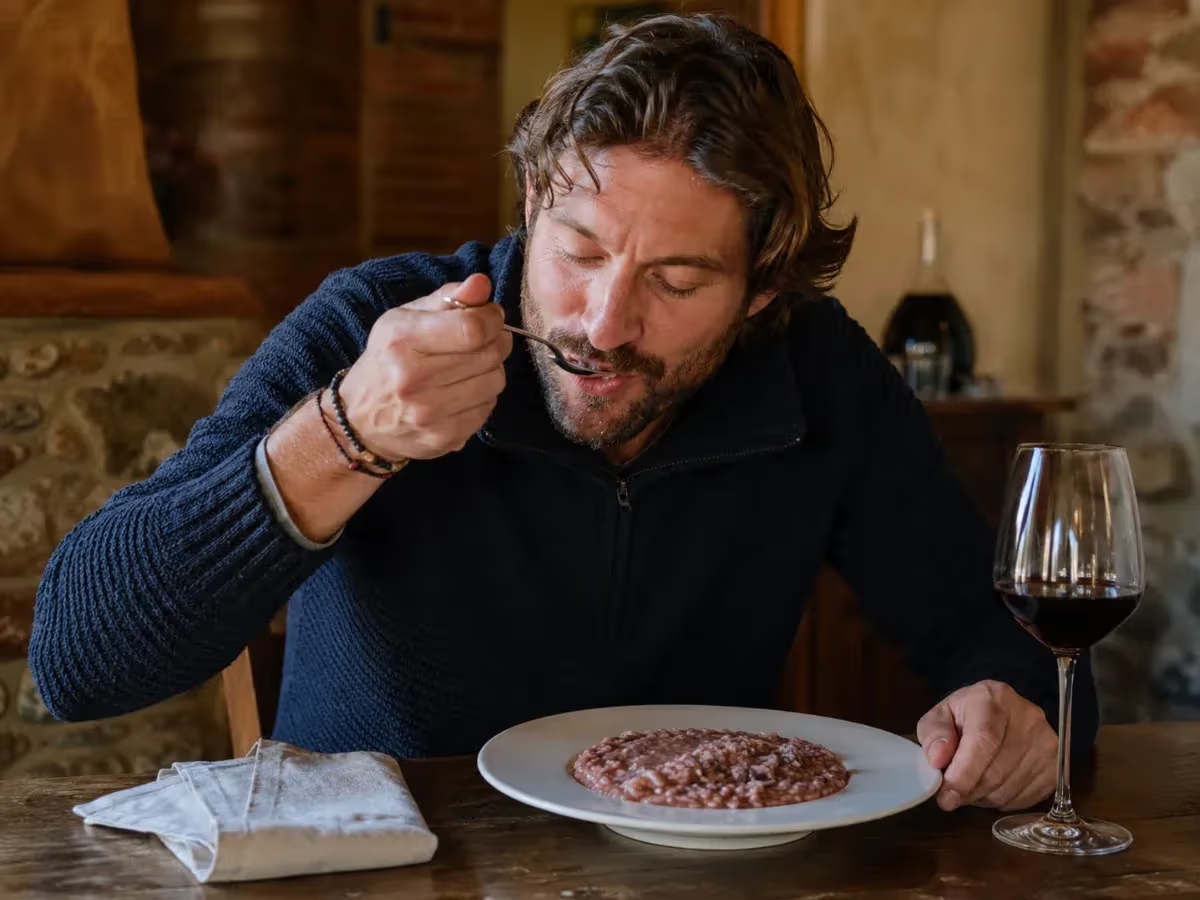
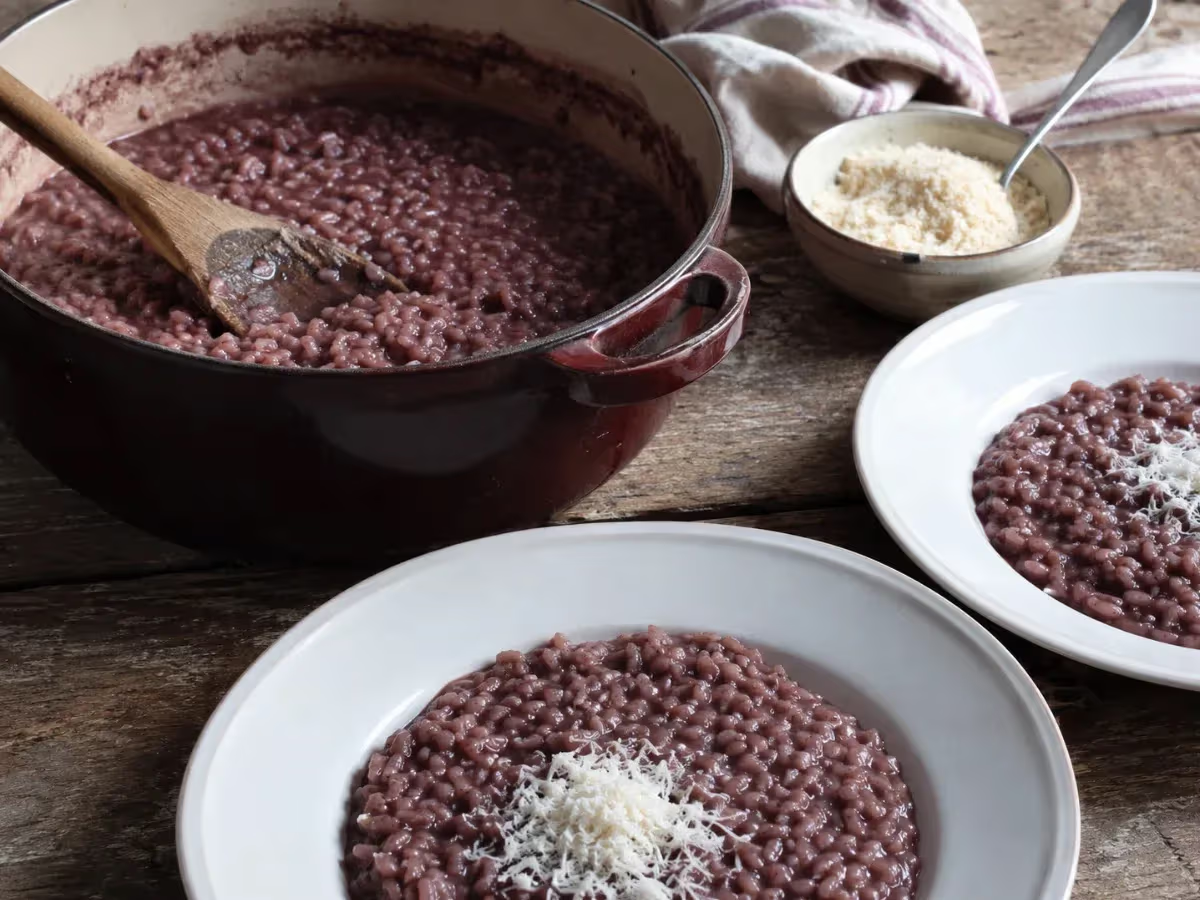
Risotto al Barolo is one of the symbolic dishes of the Langhe, the hilly area in the province of Cuneo where Nebbiolo dominates the vineyards and the cuisine bears the deep marks of a land capable of transforming its enological wealth into food. This is not a matter of pairing in service, that between rice and red wine: Barolo enters the risotto as a structuring ingredient, yielding its tannins, its aromas of rose and spices, its garnet color that tints every grain in an unmistakable way.
The dish belongs to the most deep-rooted Piedmontese culinary tradition, one that never separates the table from the cellar. It is prepared in the osterie of the Langhe during cold seasons, often accompanied by a drizzle of Langa butter and a generous grating of aged Parmigiano Reggiano. The flavor profile is enveloping and persistent: the wine softens its tannicity with cooking, leaving a round note and slightly austere that the whipped butter balances with its richness. It is a first course for important occasions, for celebrated harvest, for November Sundays in front of the hills wrapped in fog.
Barolo risotto has some significant variations within Piedmont itself and some modern reinterpretations.
per serving
In the Langhe, the boundary between the wine cellar and the kitchen has never been clear-cut. The tradition of cooking with wine, and in particular with Nebbiolo, has its roots in the peasant culture of these hills where the vine and rice, cultivated in the rice paddies of the Vercelli and Novara areas, were both precious resources that traveled along the same commercial routes.
Risotto al Barolo does not appear in nineteenth-century Piedmontese recipe books as a codified dish, but belongs to the oral tradition of winemaking families: a way to make use of barrel dregs or bottles opened during the long harvest evenings. Over time, from a recovery dish it has transformed into a gastronomic emblem of the Alba area, establishing itself in local taverns over the course of the twentieth century as an expression of the Piedmontese philosophy that never separates the territory from what it produces.
Today, risotto al Barolo is one of the most recognizable dishes of Langhe cuisine, closely linked to the autumn season, to the Alba truffle fairs, and to a food and wine culture that considers wine not only a beverage, but an ingredient with full culinary dignity.