



For the sauce
The success of this sauce depends almost entirely on the quality of the mustard powder: it must be fresh, with a pungent and penetrating aroma. Old or poorly stored mustard yields a flat sauce, lacking bite. The emulsion with oil must be built slowly, in a thin stream, to prevent the structure from separating: if this happens, it is sufficient to add a few drops of vinegar and resume mixing with vigor.
Quality mosto cotto makes the difference compared to simple honey: it imparts to the sauce an aromatic complexity with fruity and slightly caramelized notes that honey cannot replicate. If working in a professional setting, it is best to prepare the sauce the day before and store it in the refrigerator covered, taking it out at least an hour before service: room temperature enhances the pungency of the mustard and allows the sauce to reach the right consistency. Avoid heating it: heat disperses the volatile aromatic compounds of the mustard, nullifying the character of the preparation.
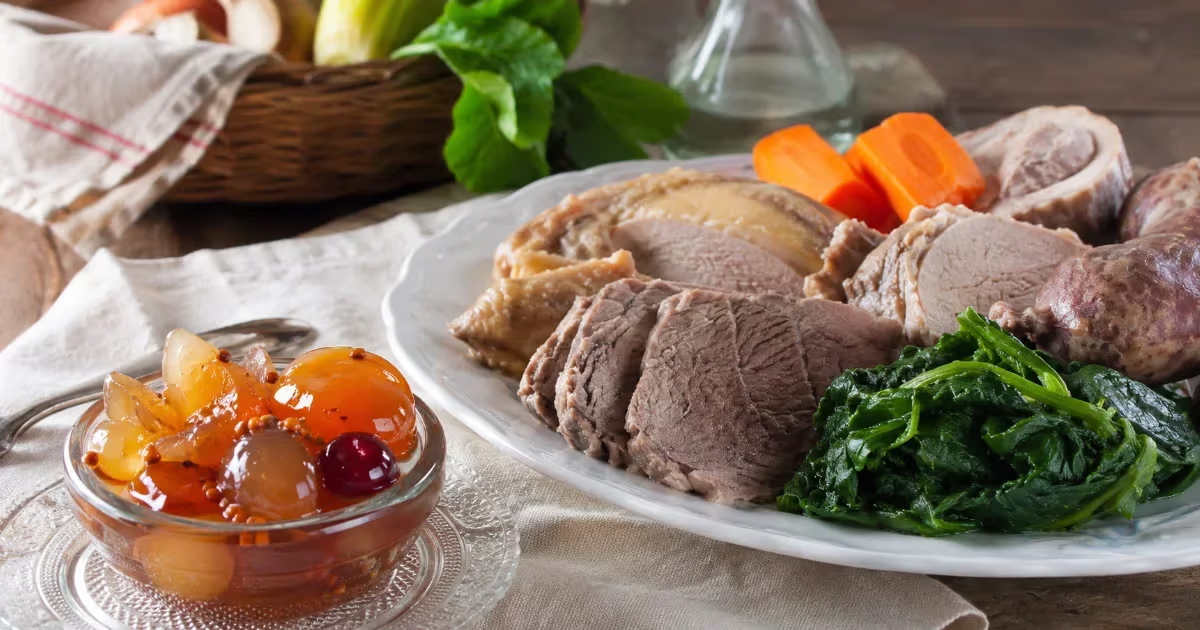
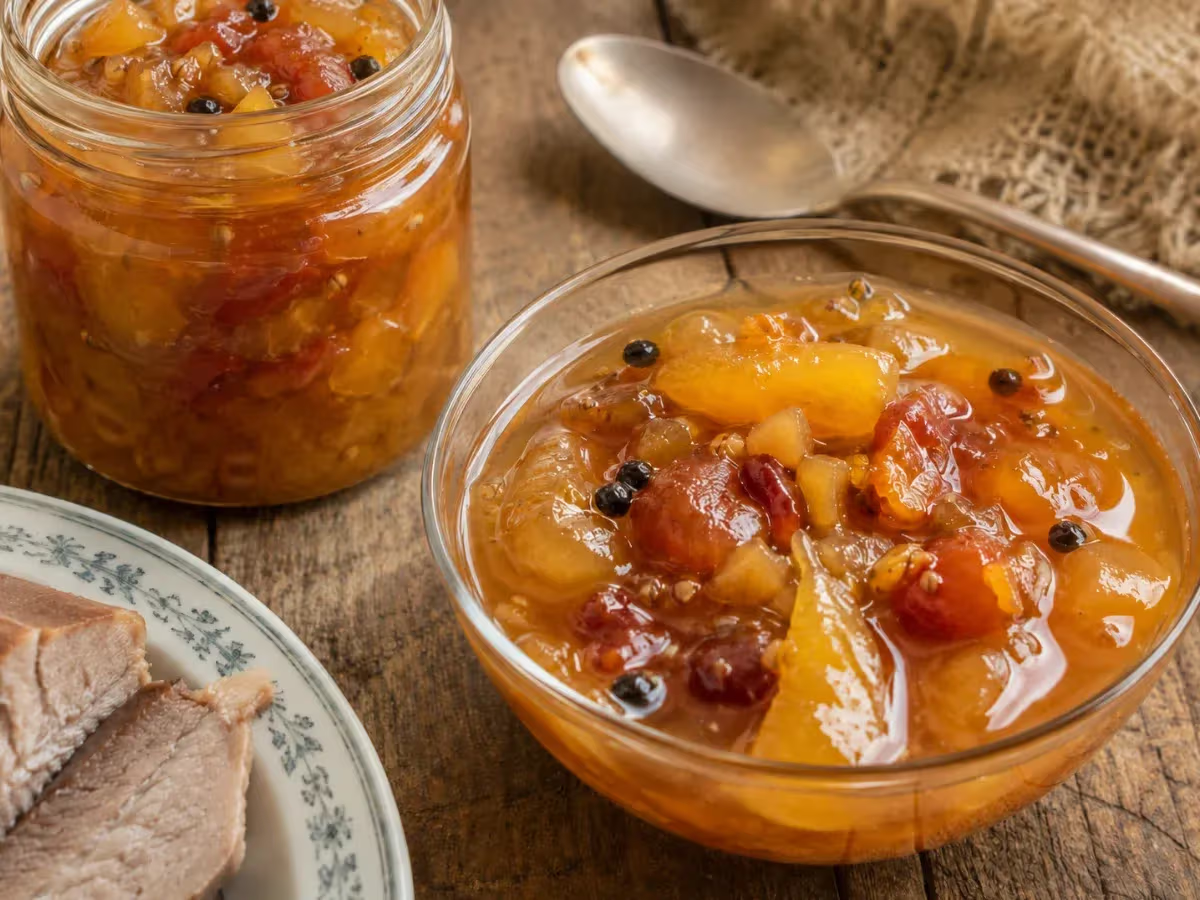
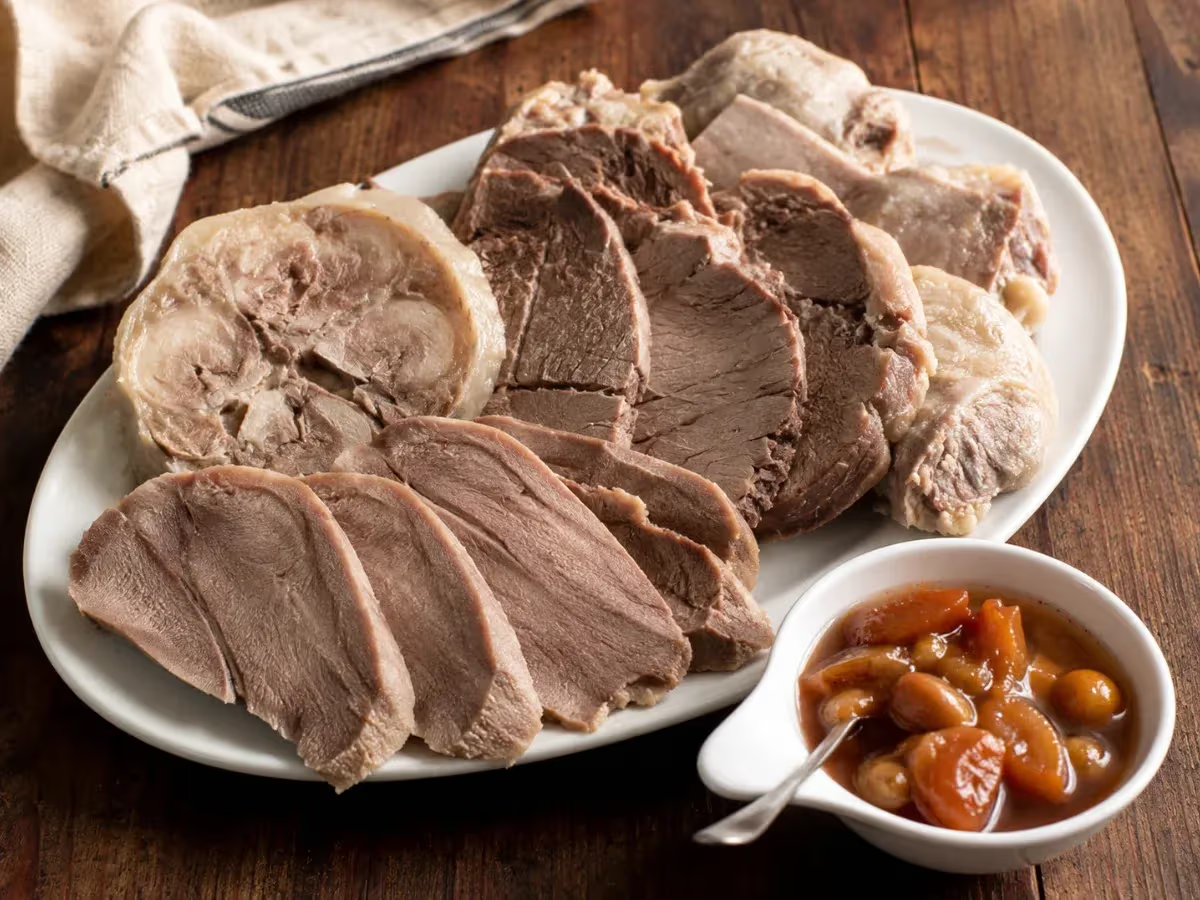
The traditional Piedmontese mostarda sauce is one of the great sauces of Northern Italian cuisine, designed to accompany bollito misto, that monument of the winter table that brings together around the same plate boiled meats of different nature and consistency. It should not be confused with Cremona mustard, which is a preserve of candied fruit in mustard syrup: the Piedmontese version is a dense sauce, golden ocher in color, with a pungent and slightly spicy flavor, built on the balance between the sharp note of vinegar, the bite of mustard and the sweetness of cooked grape must or honey.
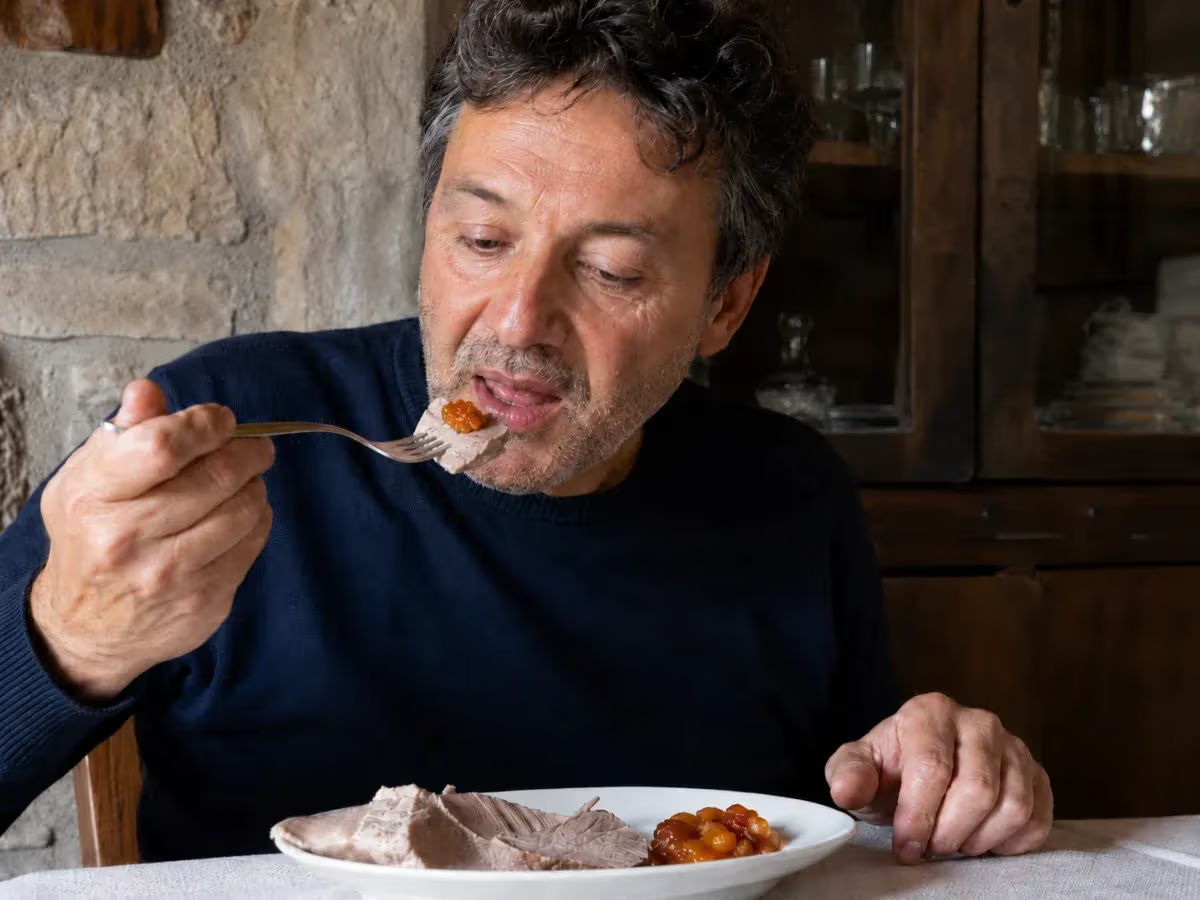
In the tradition of Turin's osterie and farmhouses of the Monferrato and Canavese regions, this sauce appeared on the table of the Gran Bollito, together with other preparations such as bagnet verd, bagnet ross and salsa al cren. Each family guarded their own version, with minimal but distinctive variations: some added a touch of aged wine vinegar, some calibrated the mustard with toasted mustard seeds, some incorporated dried fruit to soften the structure. The gustatory profile is decided and persistent, capable of holding its own against the intense sapidity of the meats. It is served at room temperature, in small quantities beside the bollito, and is also ideal with cotechini and calf's tongues.
The variants of this sauce reflect the diverse local habits of rural and bourgeois Piedmont.
per serving
On the Grand Bollito piemontese, many families in Turin, the Canavese, and the Langhe built their Sunday: a slow, collective ritual that required hours of preparation and a precise sequence of cuts and cooking times. The accompanying sauces were an integral part of this ritual, not mere condiments. Traditional Piedmontese mostarda, in this context, occupied a precise place alongside bagnet verd and bagnet ross, each with a distinct sensory function.
The earliest documented traces of mustard-based sauces in northern Italy date back to the Middle Ages, when cooked must, called agresto, was combined with mustard powder to create preservable condiments. In Piedmont this tradition has been maintained in its simplest and most direct form, without the addition of candied fruit that instead characterizes Lombard mostarda. The modern codification of the recipe owes much to the kitchens of nineteenth-century Turin's osterie, where Gran Bollito was the Sunday dish and every sauce bore witness to the hand of whoever prepared it.