
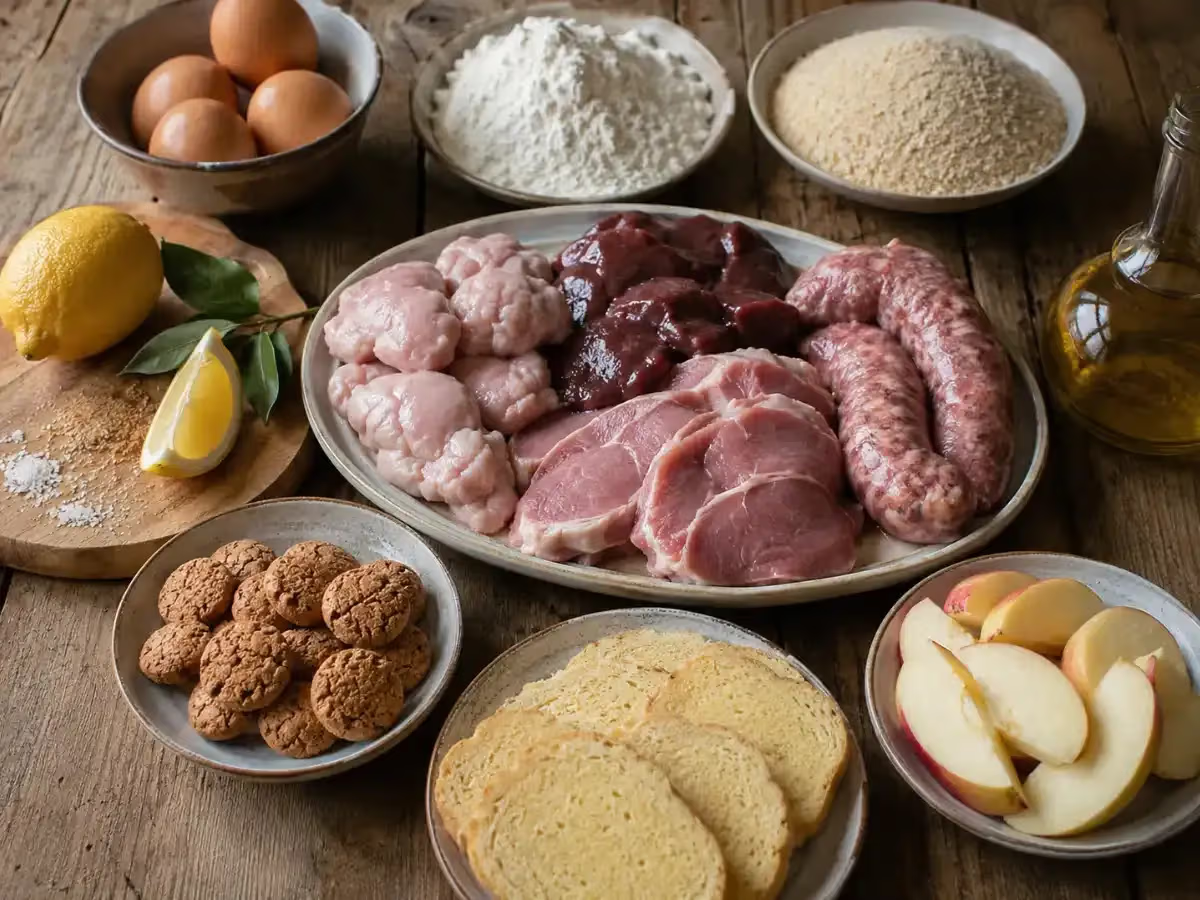
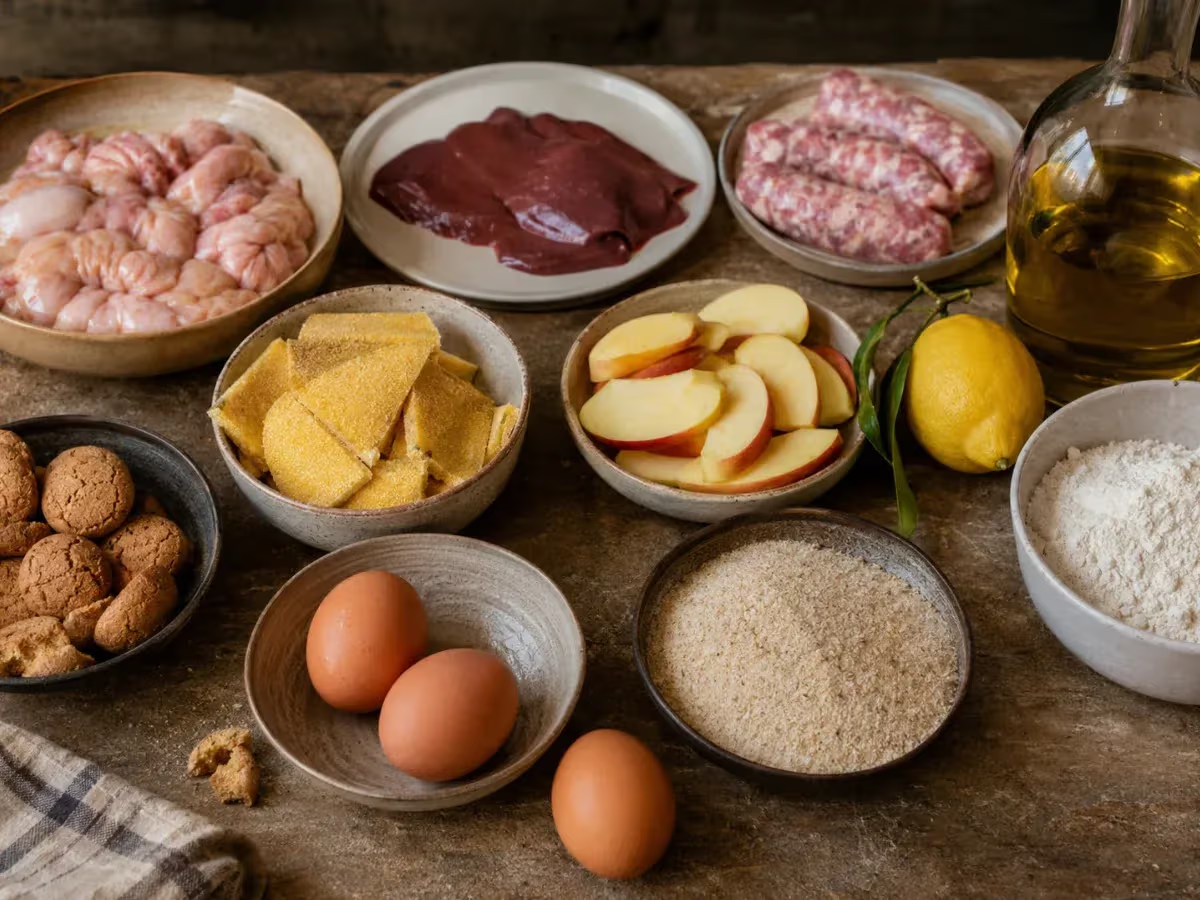
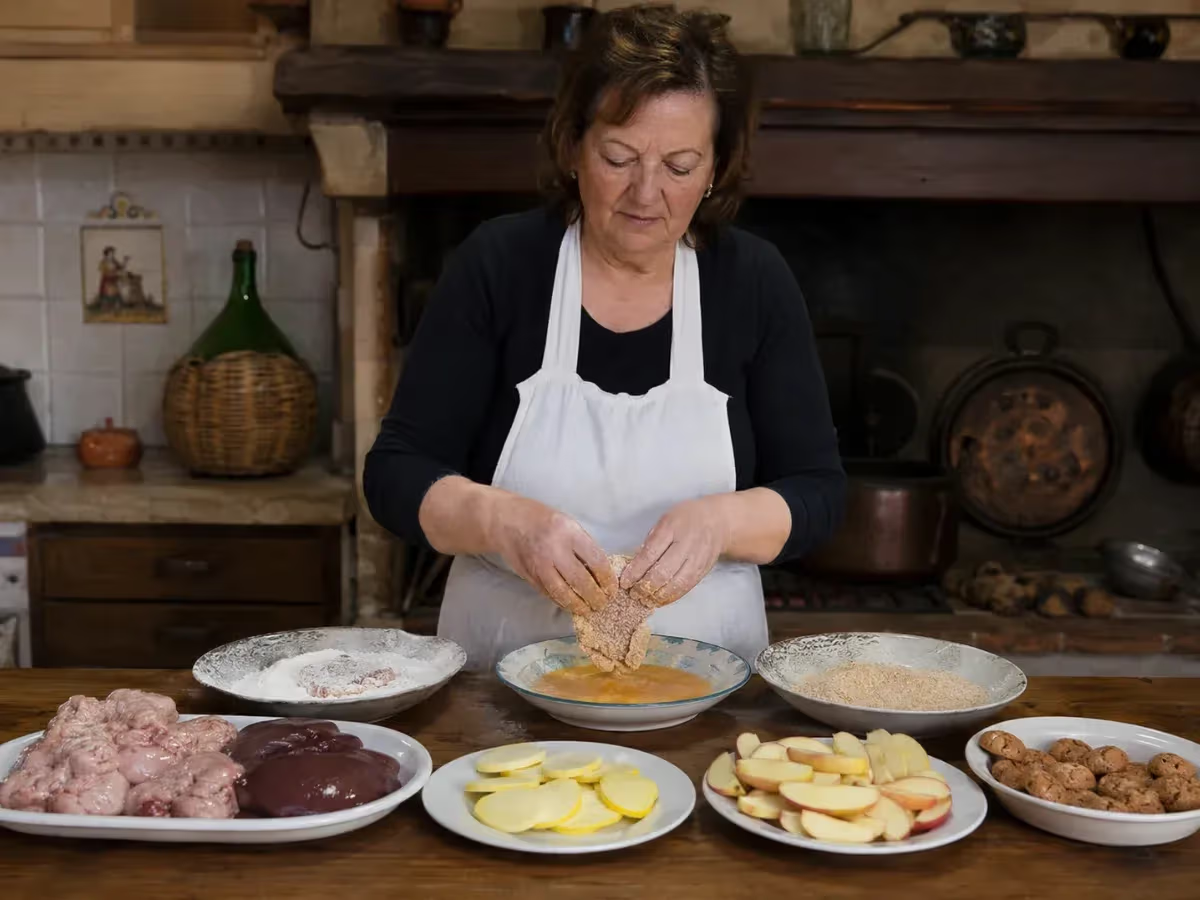
For meats and offal
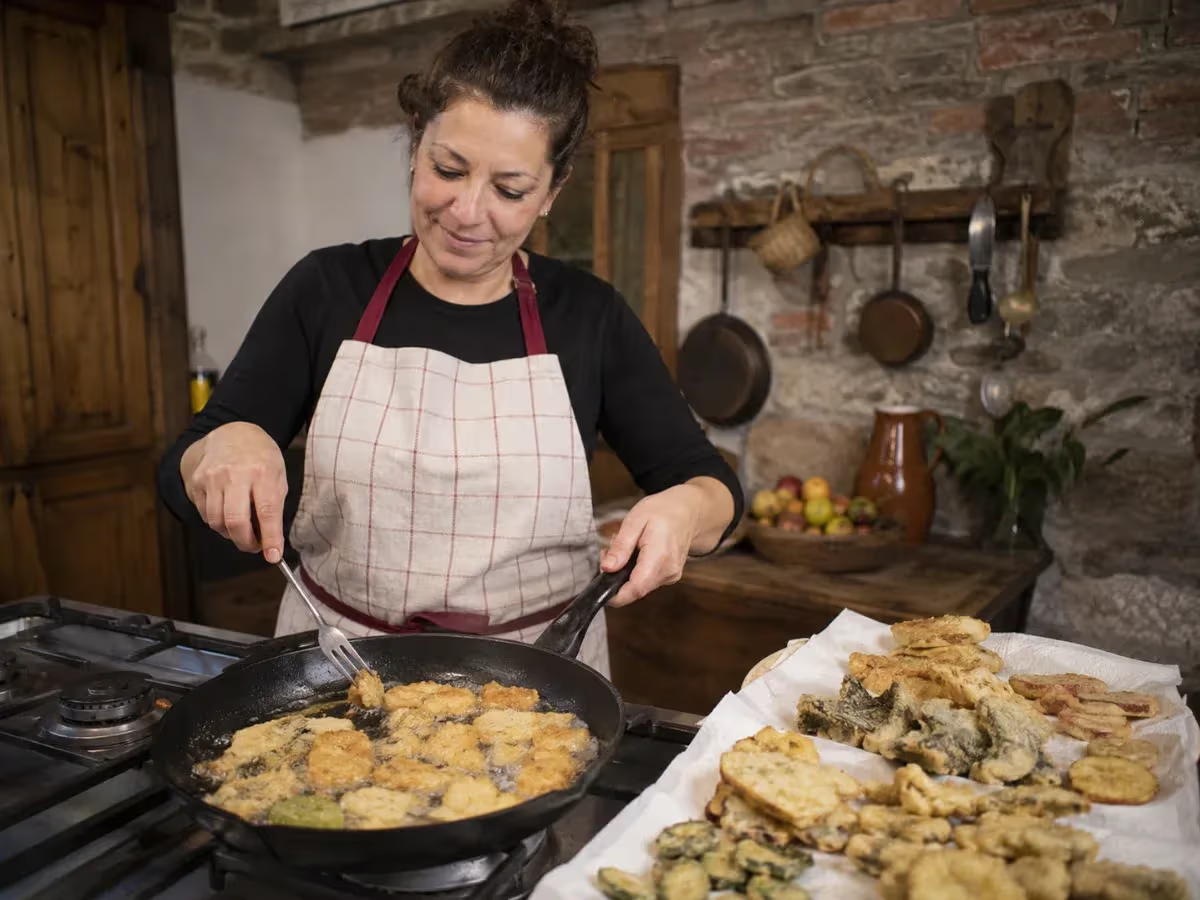
For vegetables and fried sweets
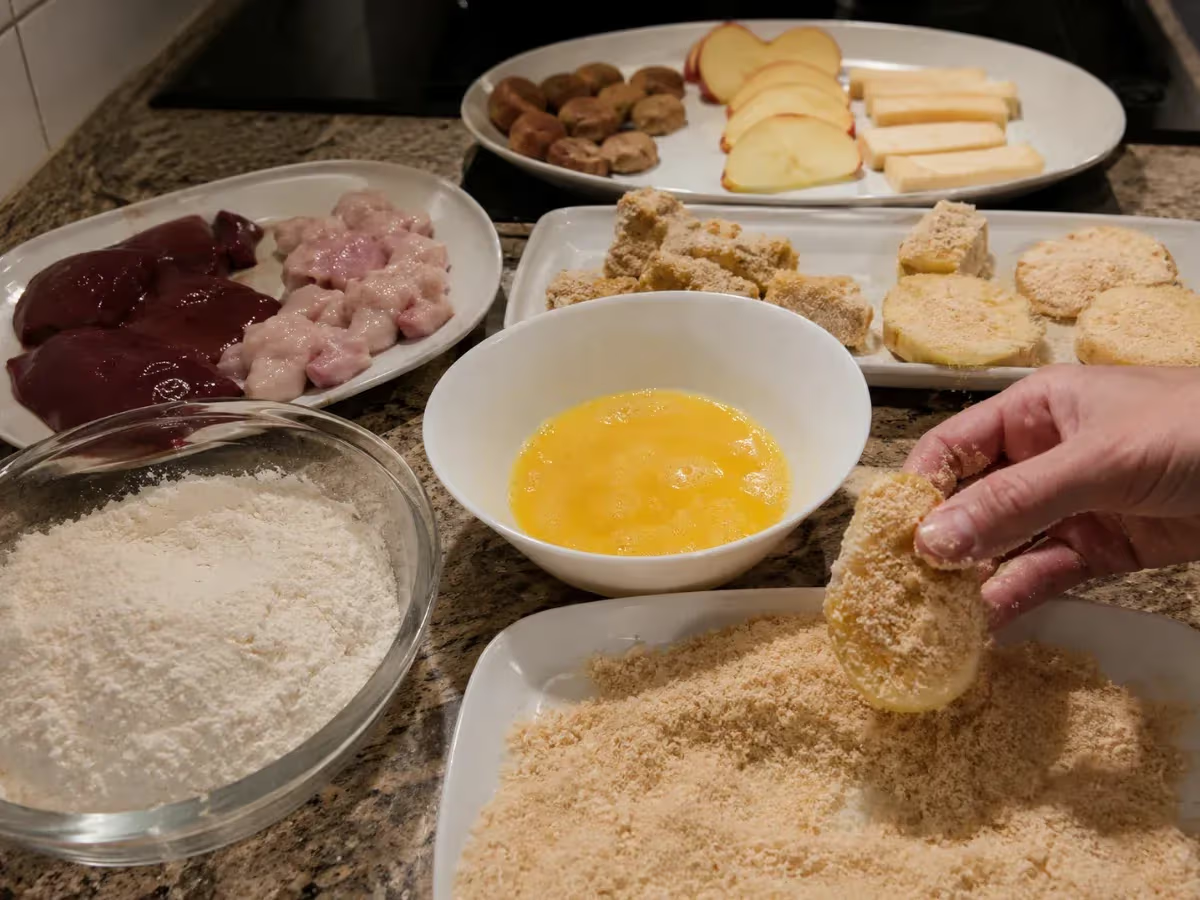
For batter and breading
For frying
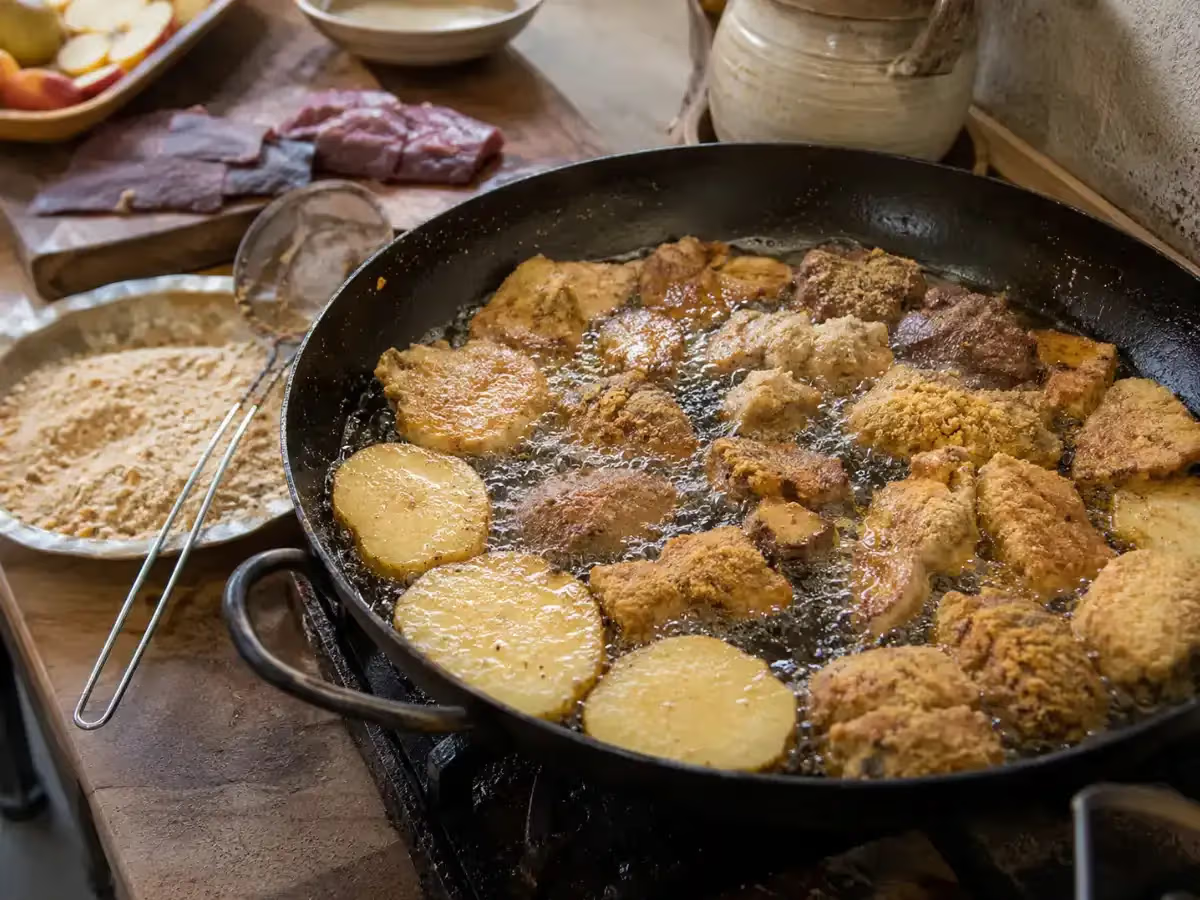
The temperature of the oil is the determining factor. Working at 170-175 °C guarantees a crispy crust without the inside remaining raw: below this threshold the product absorbs excess oil, above it risks burning externally while remaining cold inside. A frying thermometer is indispensable in professional kitchens.
Frying in small quantities at a time, without overloading the pan, is essential to keep the oil temperature stable. Between batches, remove any coating residue with a fine-mesh strainer to prevent it from burning and altering the flavor.
For the service sequence, always start with the savory elements that can be kept warm briefly in the oven at 80 °C, and finish with the fried sweets to be brought to the table immediately. The semolina should be prepared at least two hours in advance to allow optimal solidification: semolina that is not firm enough will fall apart in the oil. High-quality lard imparts a rounder flavor to the fried dish compared to seed oil, bringing it closer to the historical version of the dish.
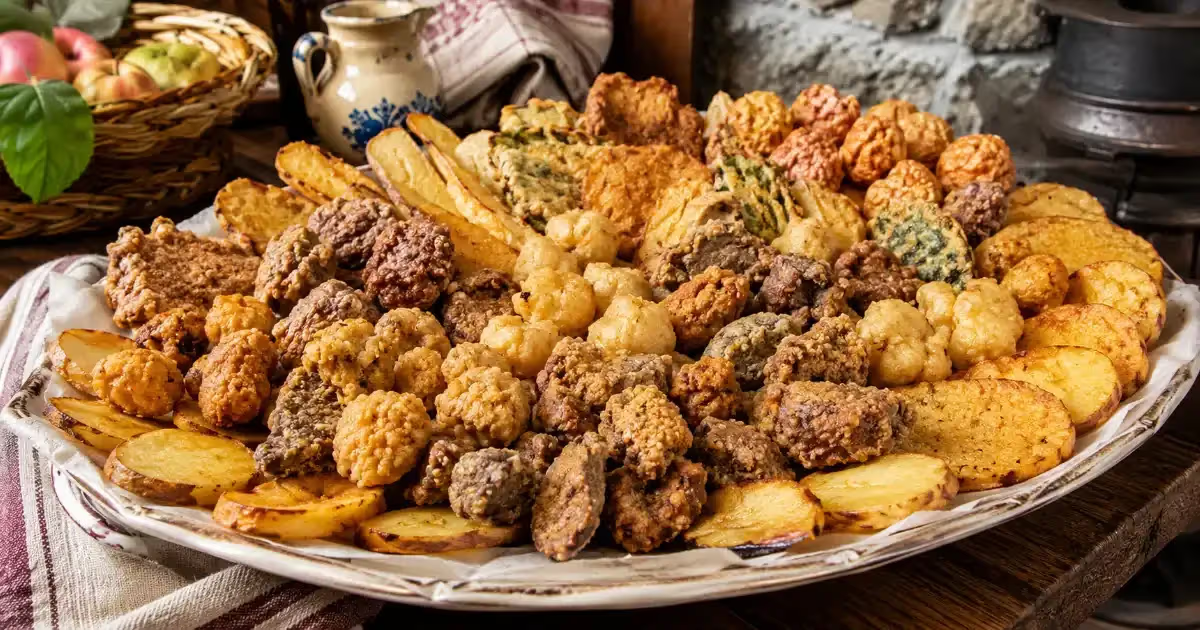
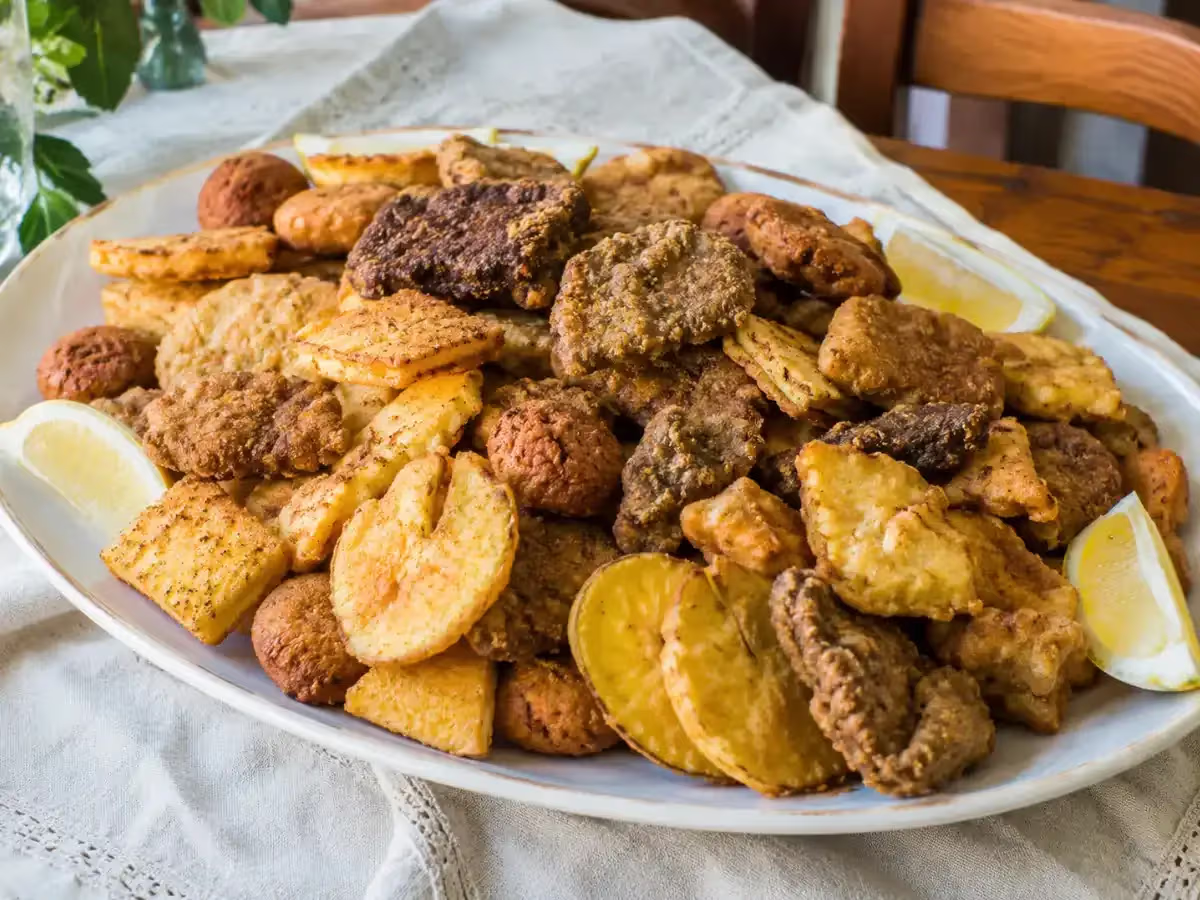
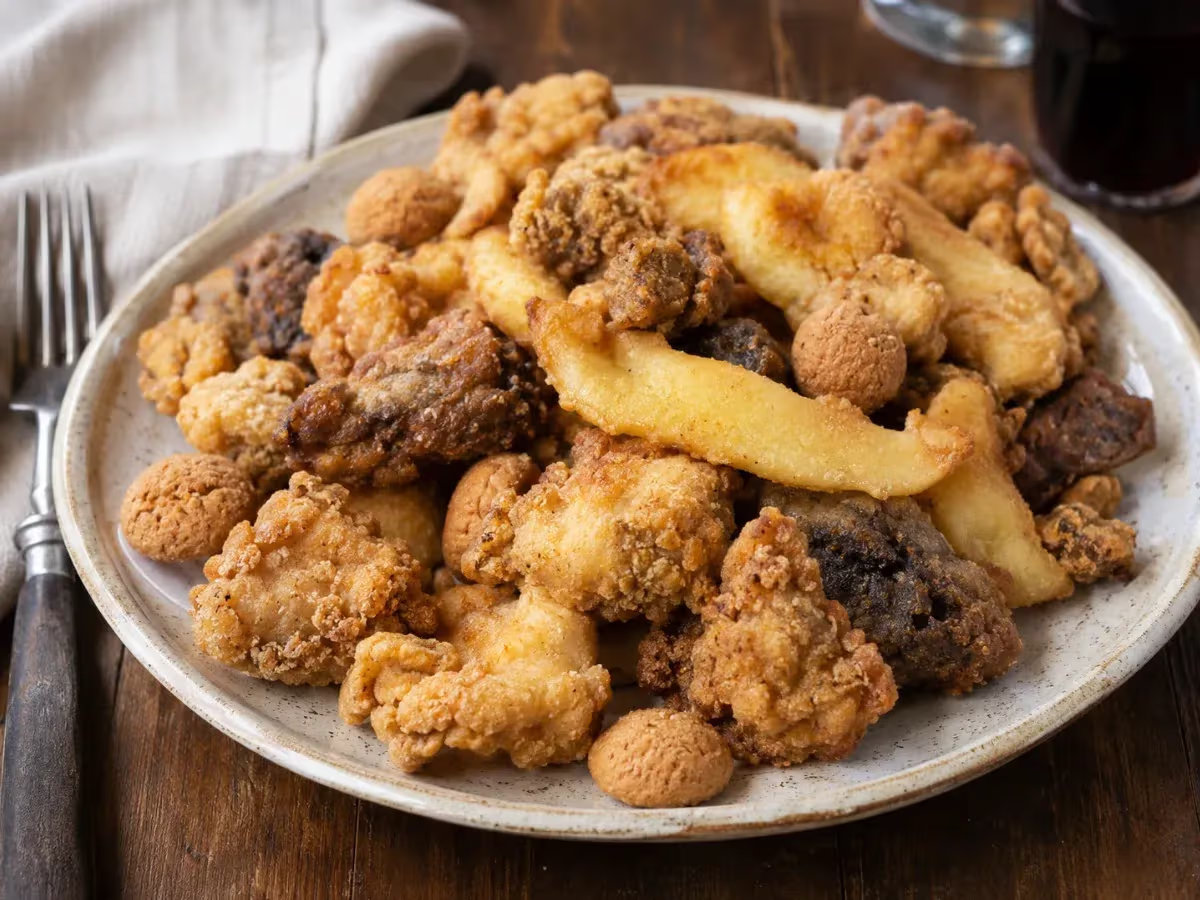
The mixed fried dish Piemontese style is one of the most elaborate and representative plates of Piedmont cuisine, a territory that has managed to transform frying into a gastronomic ritual of extraordinary complexity. It is not a simple fried dish, but a composition of elements so heterogeneous as to astonish with every bite: meats, offal, vegetables, fried sweets and even preparations based on semolina or amaretti coexist on the same plate, creating a gustatory journey that ranges from savory to sweet, from bitter to delicate.
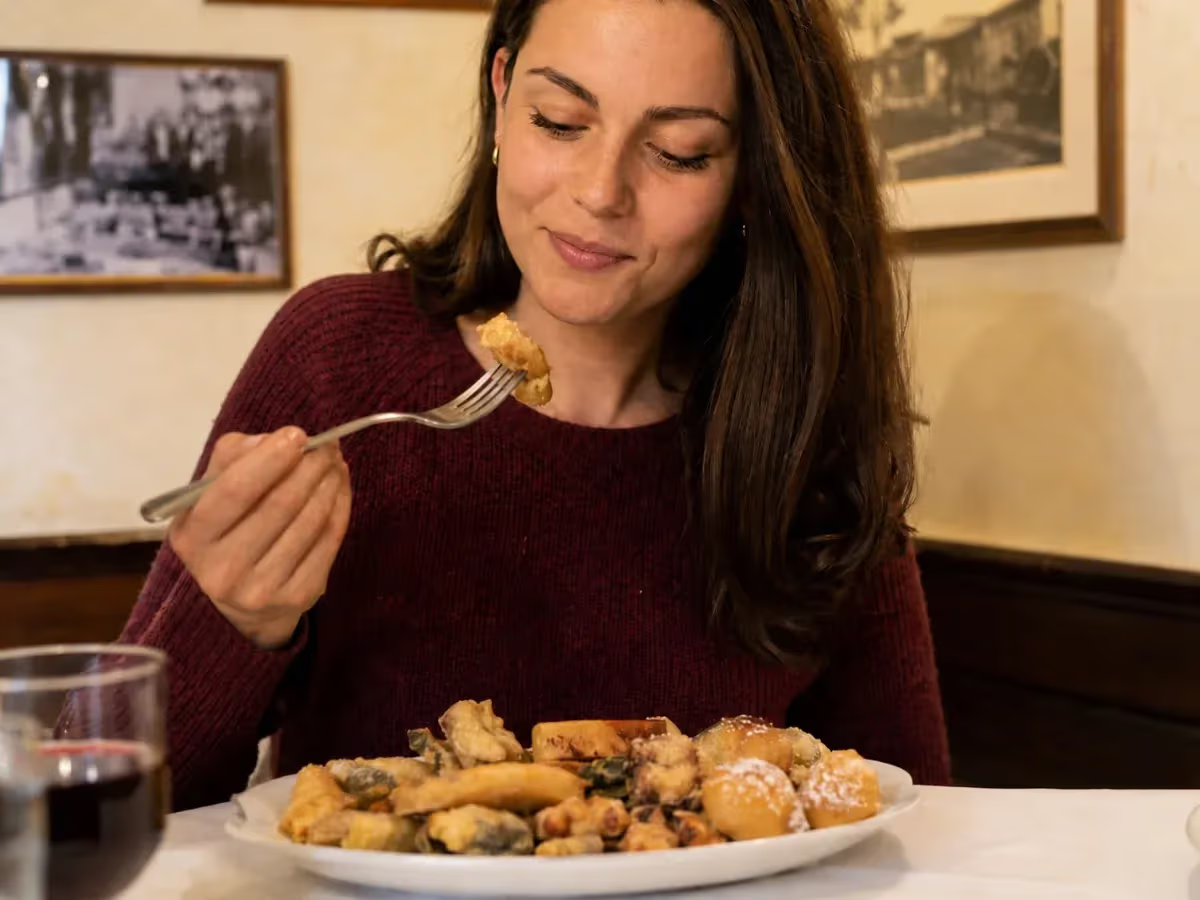
In its most classic version, the dish has its roots in the peasant and bourgeois tradition of the Langhe, Monferrato and Turin areas, where the great family gatherings of winter festivities required abundant dishes capable of satisfying diverse palates. Even today, in the trattorias that keep this tradition alive, the mixed fried dish arrives at the table on large copper or terracotta platters, hot and crispy, accompanied by lemon wedges. Traditional pairings call for sparkling wines like Grignolino or young Barbera, whose acidity cuts through the richness of the fried dish without overwhelming its complexity.
Piedmontese fried mixed platter does not have a single recipe: each area and each traditional family boasts its own composition, with additions and substitutions consolidated over time.
per serving
In the kitchens of Piedmont farmhouses, nothing went to waste. The offal of veal slaughtered in autumn, the vegetables from the end-of-season garden, the scraps of semolina left over from breakfast: everything found its place in the pan of fried food, a dish that told the story of domestic economy before it told the story of taste.
The oldest documentation of this preparation dates back to the late eighteenth century, when Piedmont cuisine was influenced by the French tradition brought by the Savoy dynasty, but reinterpreted Alpine techniques with local ingredients. Fritto misto thus became a dish that crossed social boundaries: present on peasant tables in its simplest versions, and on bourgeois Turin tables in compositions that could count even twenty different elements.
In the twentieth century, with industrialization and the contraction of domestic butchering, the recipe progressively simplified. The rarest offal disappeared from trattoria menus, replaced by more familiar cuts. Some trattorias in the Langhe and Monferrato regions resisted this simplification, maintaining in their menus the complete historical versions, testimony to a cuisine that had no fear of complexity.