

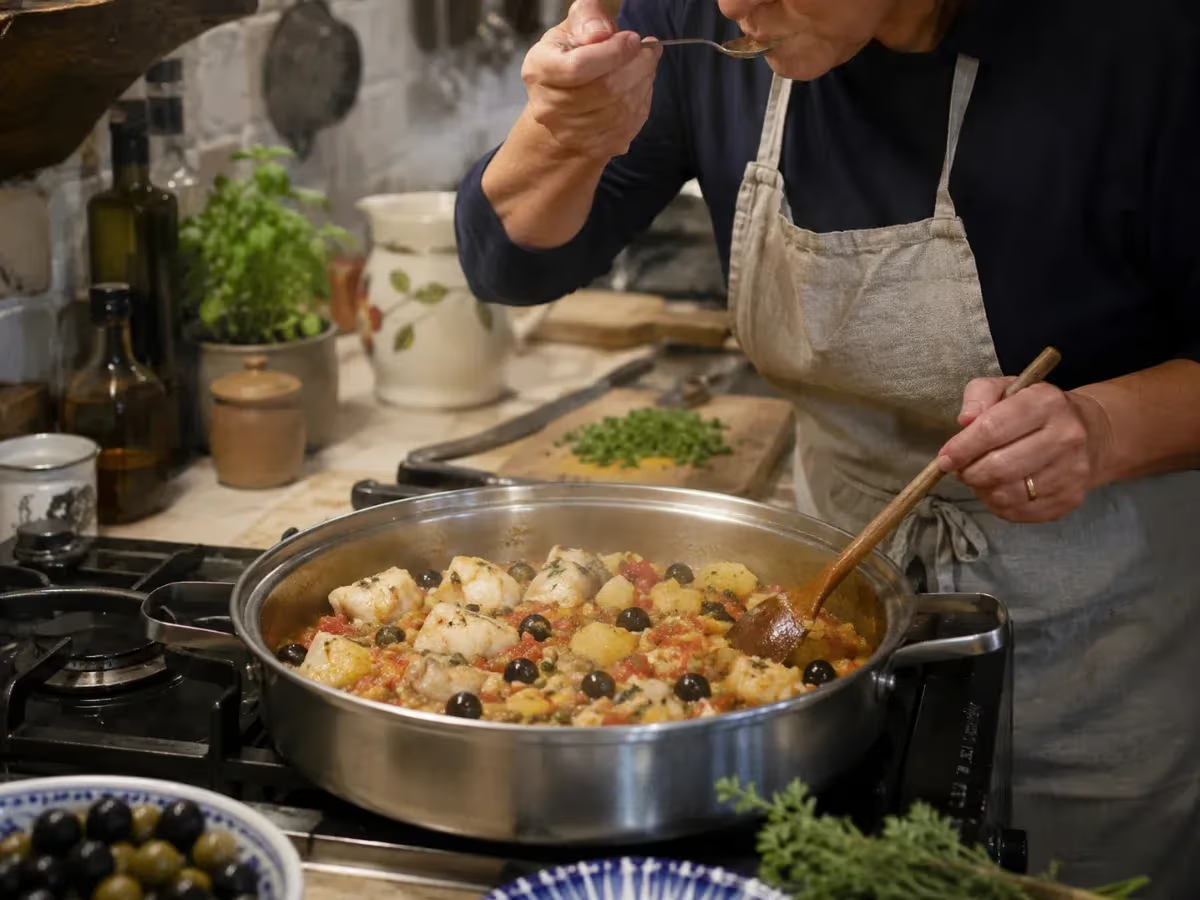
For the dish
The success of the dish depends first and foremost on the soaking: the stockfish must remain in cold water for at least 48 hours, changing the water every 8-10 hours. Insufficient soaking leaves the meat fibrous and the saltiness out of control. In professional kitchens, a terracotta pan or a thick-bottomed casserole in enameled cast iron is used, which ensures uniform heat distribution and prevents the bottom from burning during slow cooking.
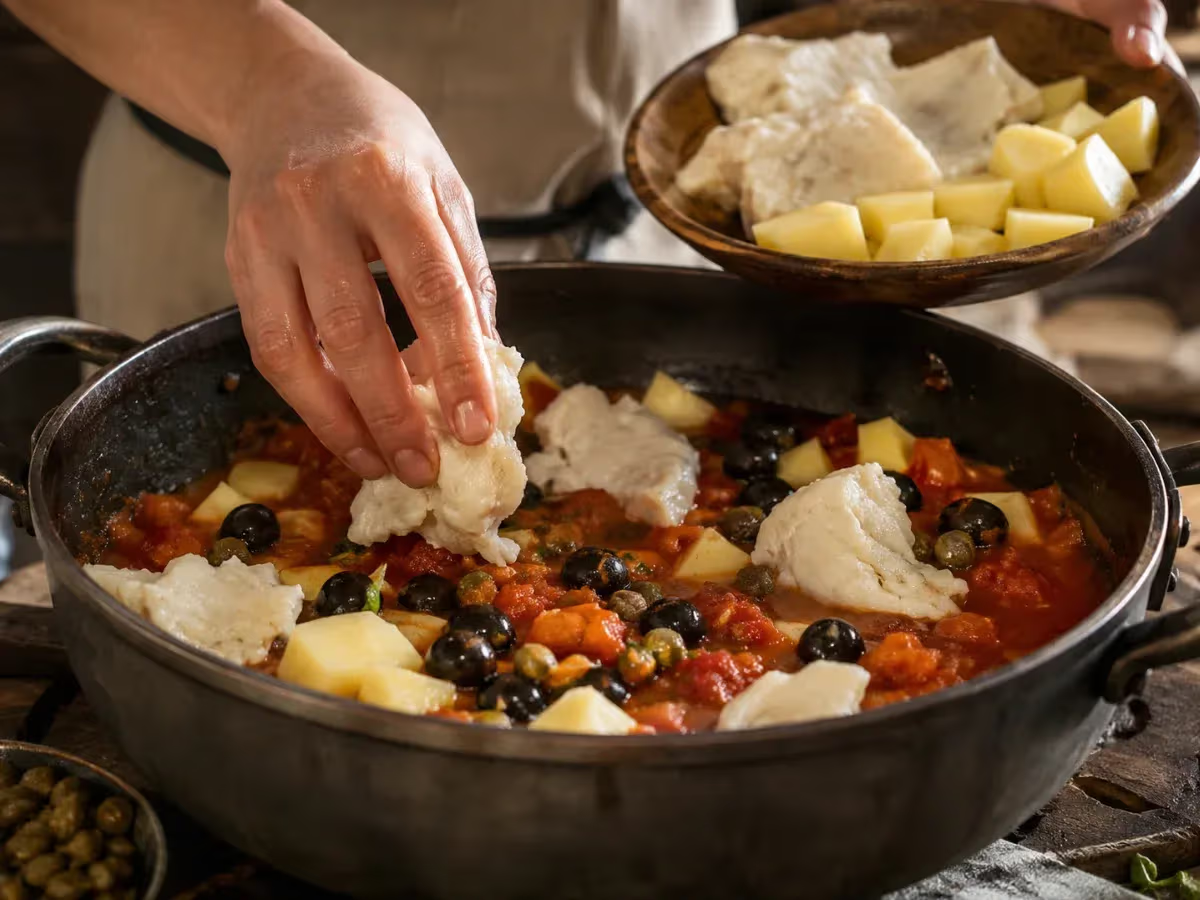
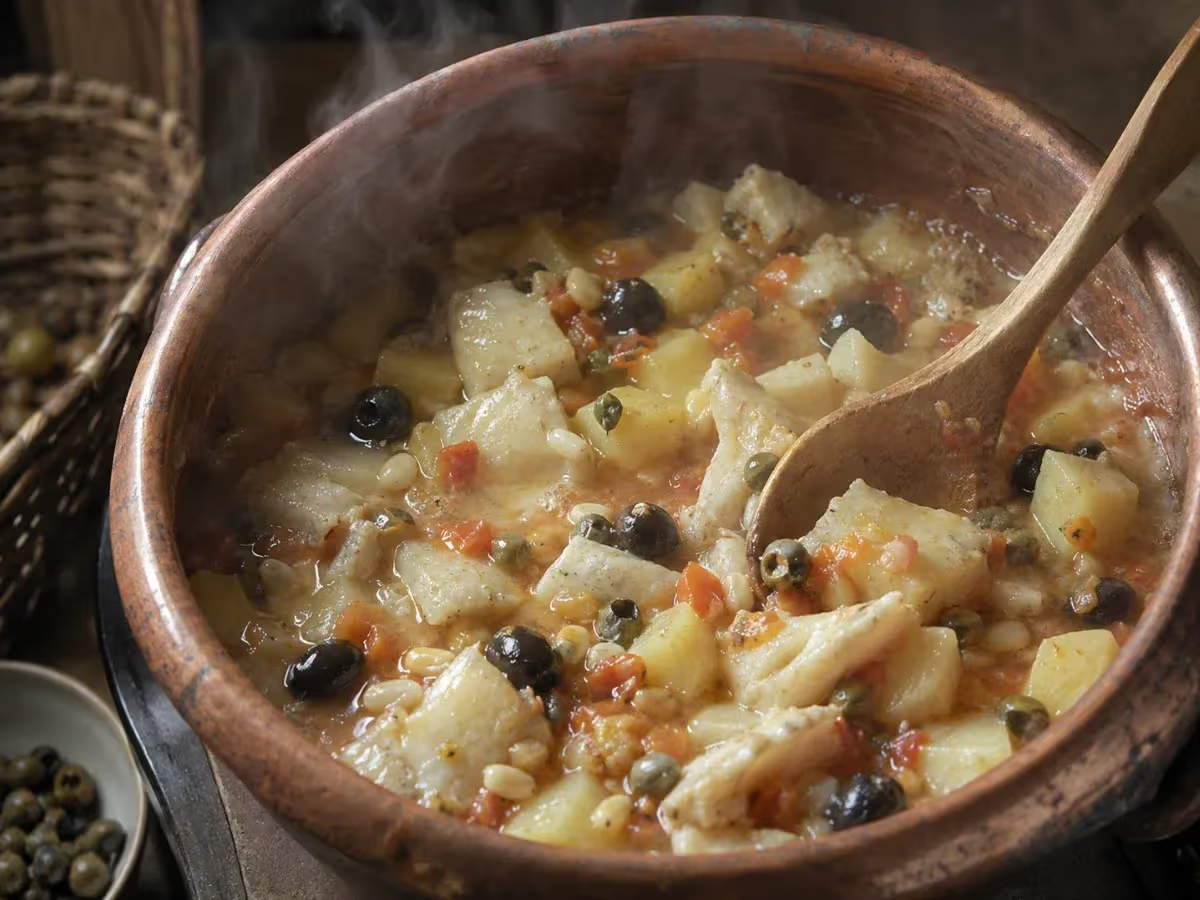
The cooking temperature must remain constantly low, around 90 degrees, avoiding vigorous boiling that would make the fish rubbery. To move the ingredients without breaking the pieces of stockfish, it is preferable to shake the pan holding it by the handles rather than stirring with a utensil. Salt should be added only in the last 10 minutes, after evaluating the overall saltiness. The Taggiasca olives in brine should be rinsed but not completely desalted: they contribute to seasoning the broth. The final resting time away from the heat is not a formality: it is in those minutes that the flavors truly integrate.
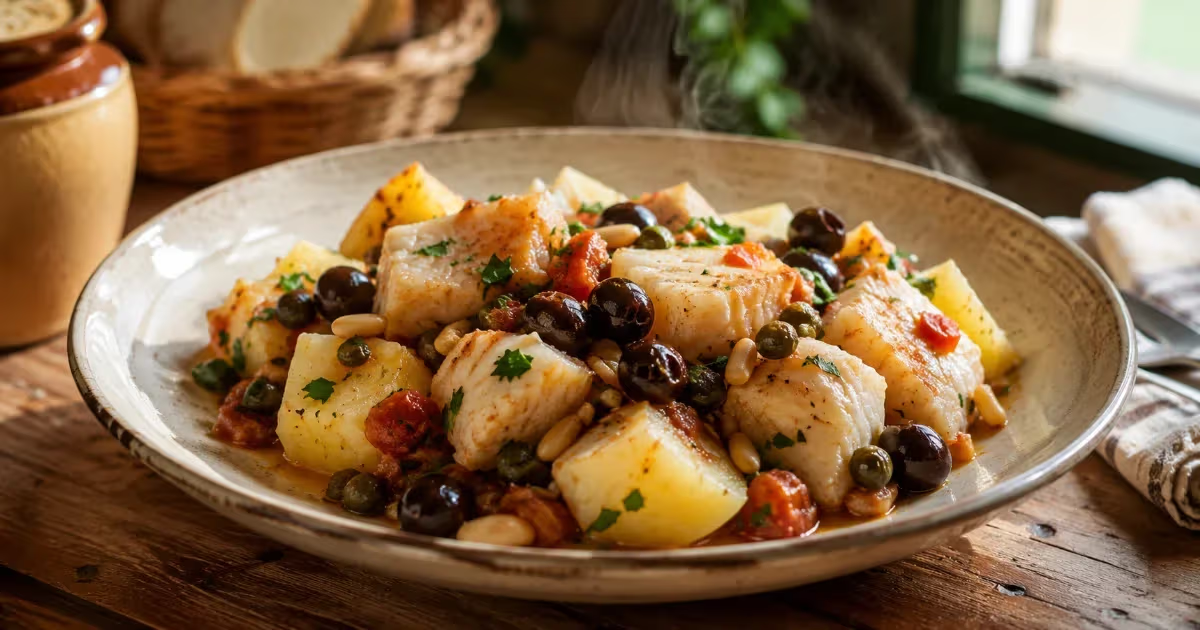
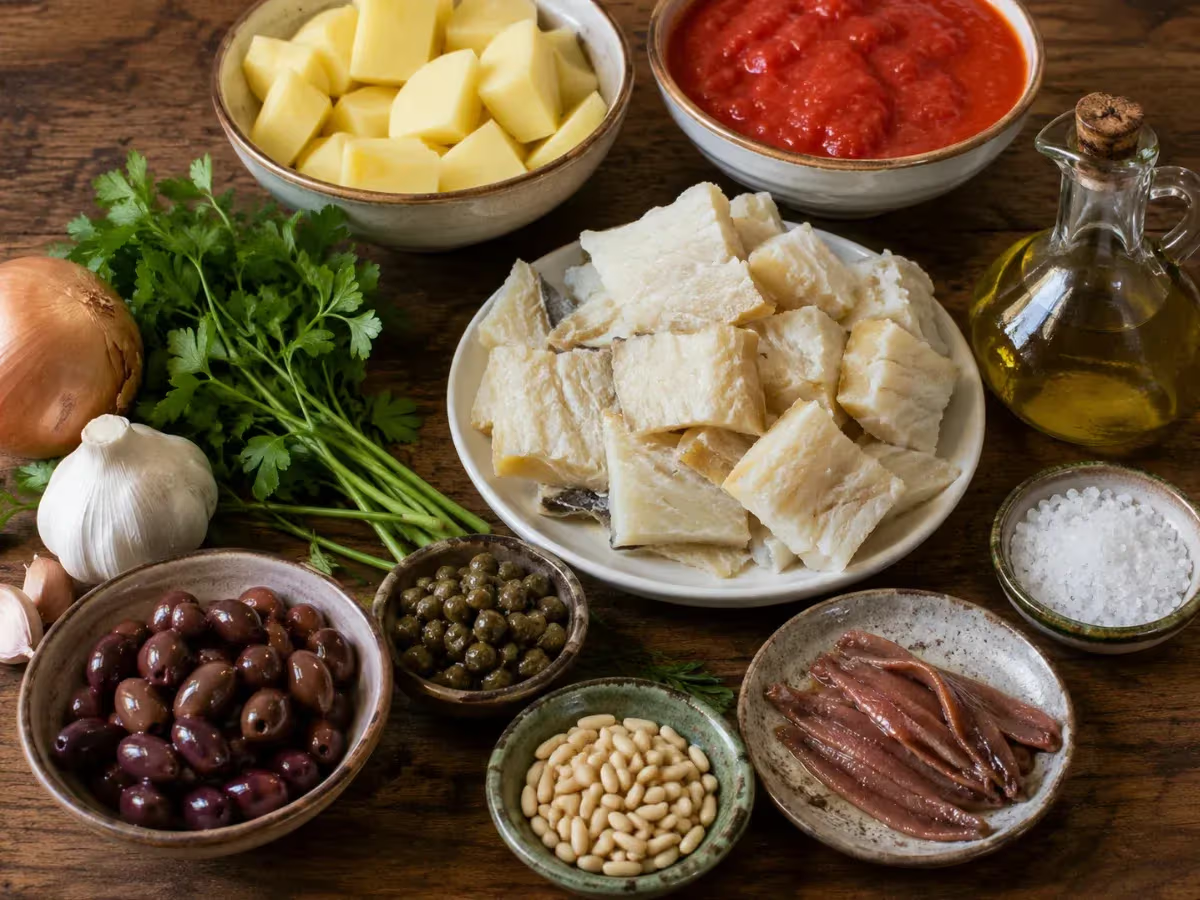
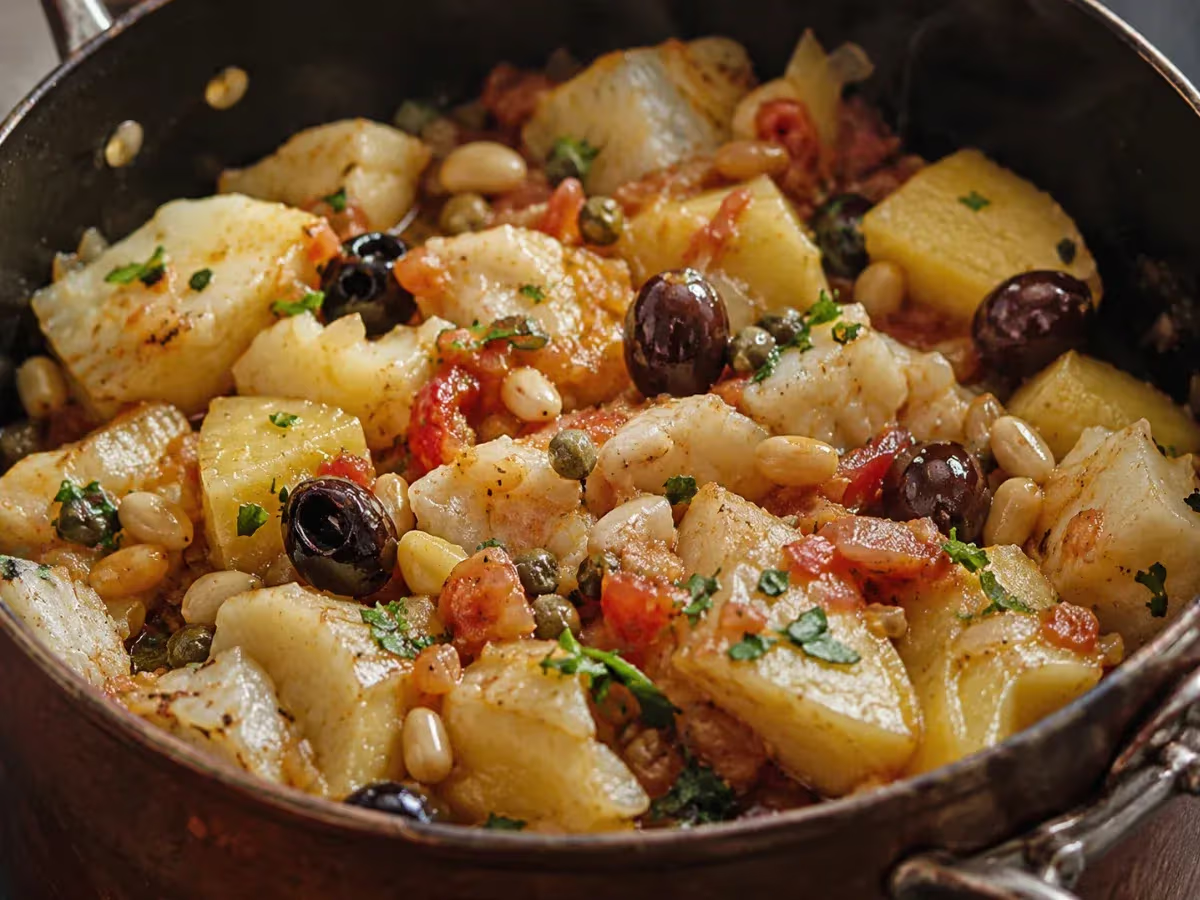
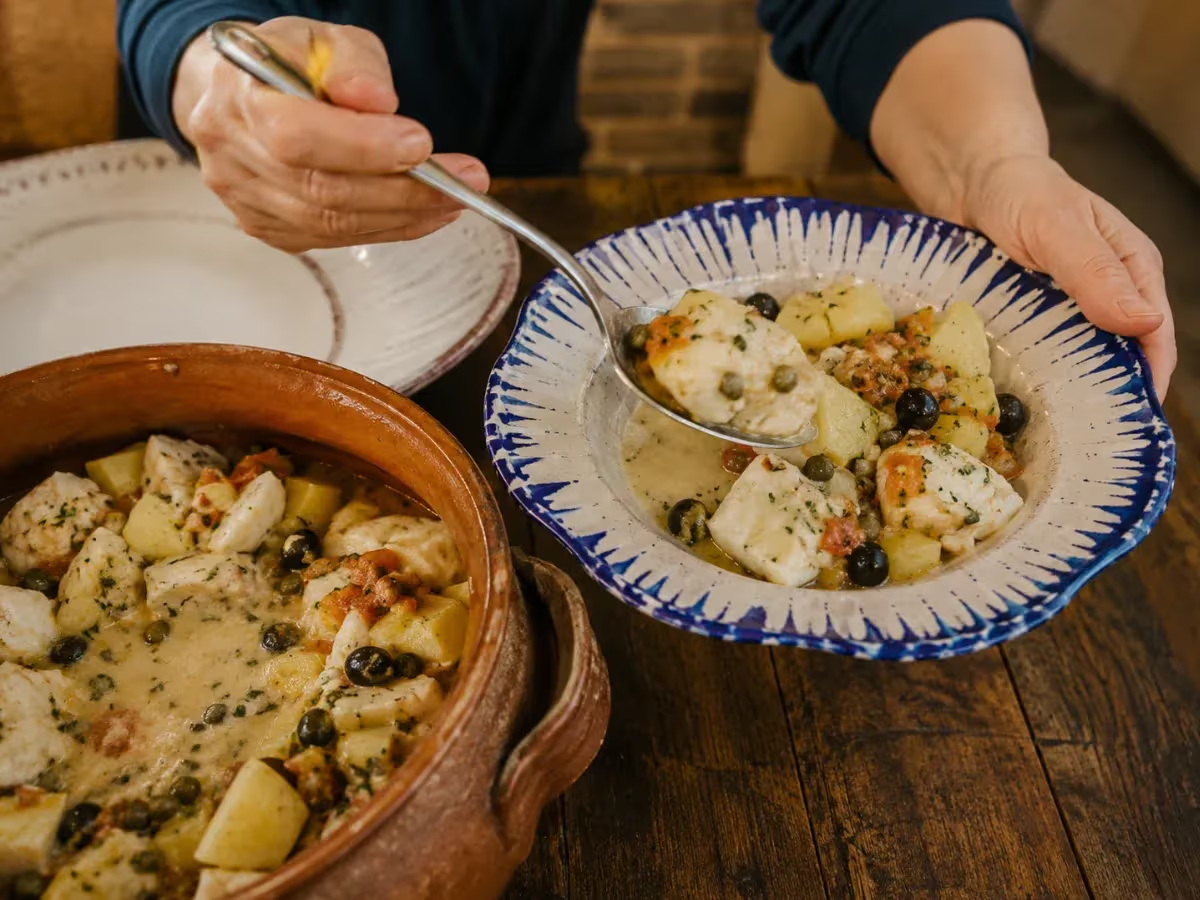
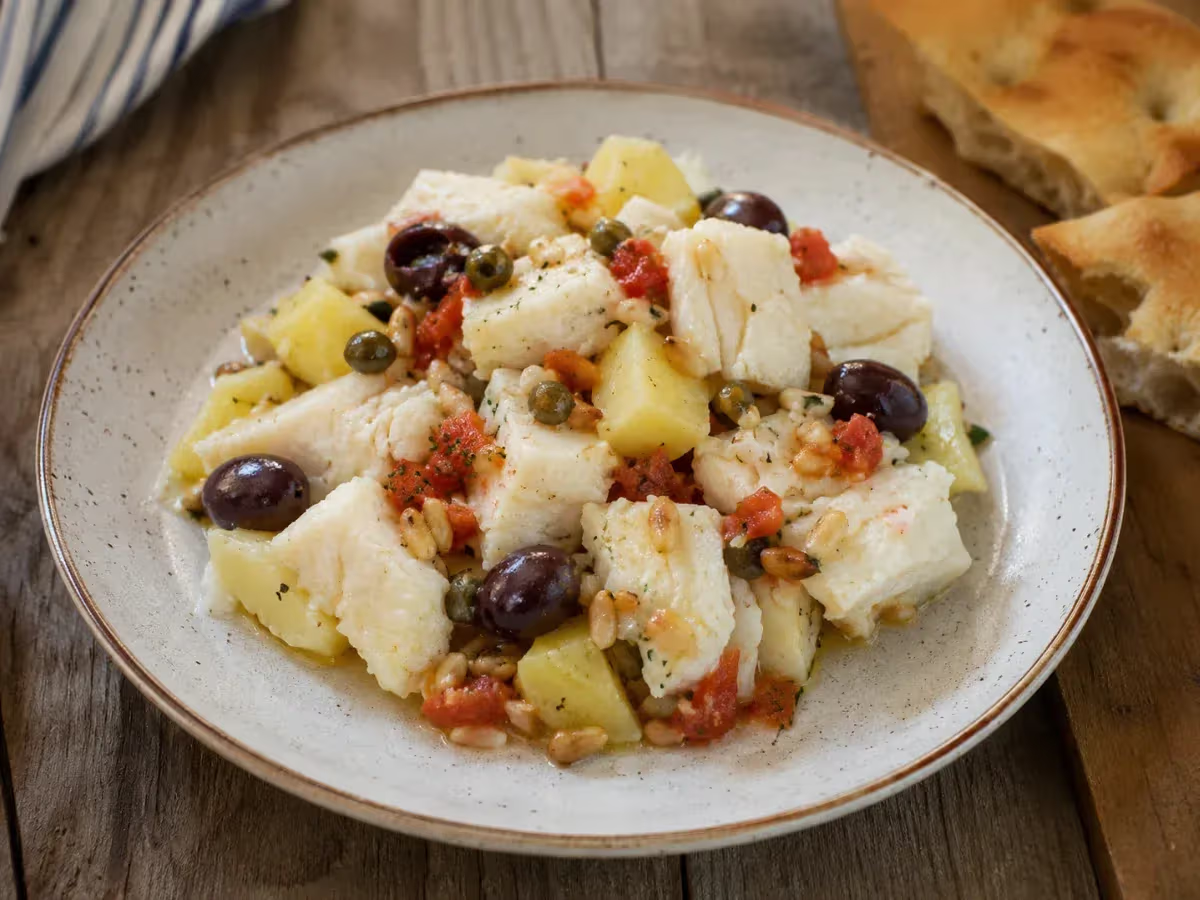
Stoccafisso accomodato is one of the most representative dishes of Genoese cuisine, and more broadly Ligurian. The term "accomodato" is not casual: it indicates a carefully prepared dish, enriched with simple but selected ingredients that transform dried cod into a soft, fragrant stew that is deeply savory. Potatoes in large chunks, Taggiasca olives, pine nuts toasted through slow cooking and tomato paste compose a coherent whole, where each element plays a precise role in balancing the intense saltiness of the fish.
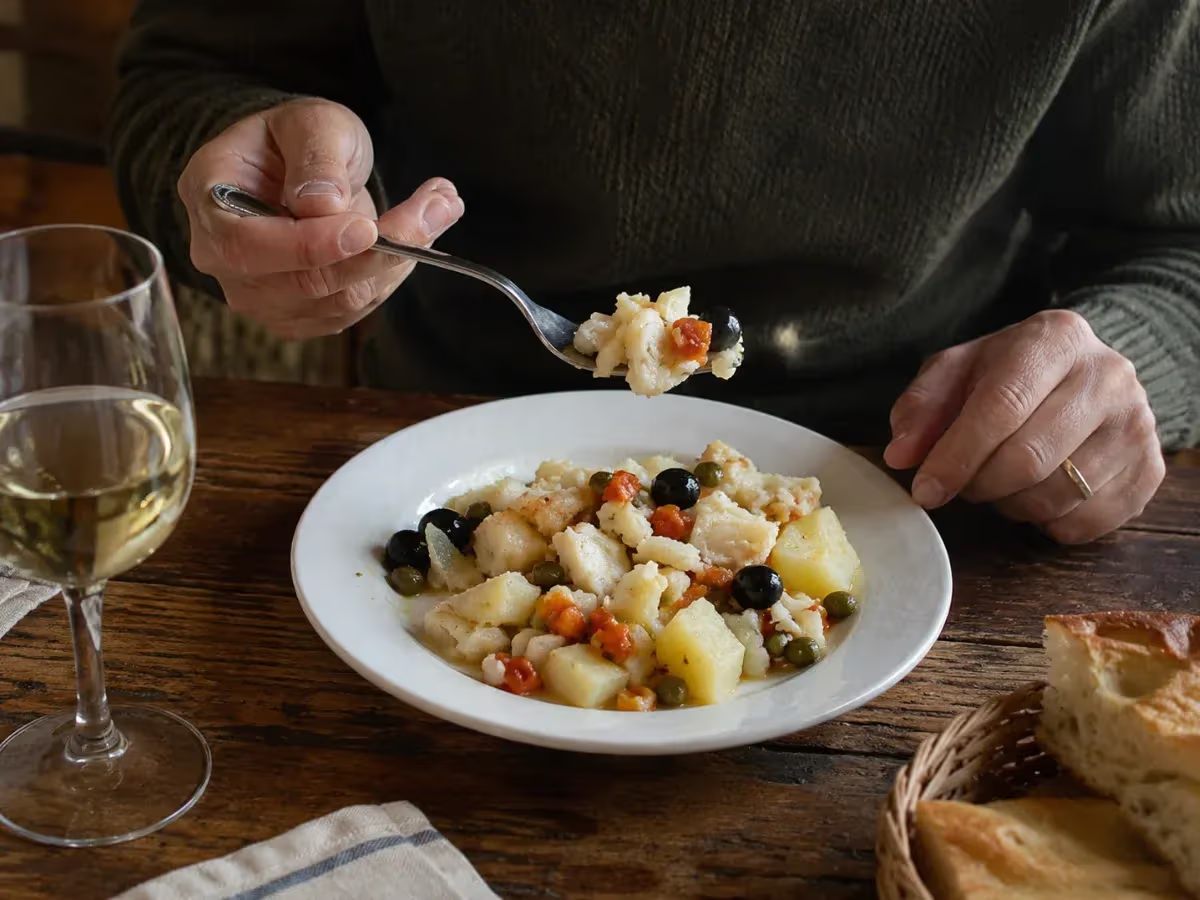
In the Genoese tradition this dish occupied the table on lean days imposed by the liturgical calendar and in the winter months, when the pantries relied on preserves rather than fresh market goods. Today stoccafisso accomodato continues to be prepared in homes and trattorias in the historic center of Genoa, with the same earthenware pot and the same patience as always. The flavor profile is rich and enveloping: the sweetness of potatoes softens the minerality of the fish, the olives add a bitter note and the pine nuts an unexpected texture. It is served with pane casereccio, essential for collecting the cooking juices.
The Ligurian tradition knows some well-rooted variants, linked both to the geographical area and to family tastes passed down from generation to generation.
Stockfish accomodato is a structured dish, with a decided saltiness and richness given by oil and pine nuts: it requires wines with good acidity and sufficient body to match its intensity.
per serving
The commercial routes that Genoese merchants traveled towards Northern Europe in the Late Middle Ages did not bring only spices and fabrics back to their homeland. Among the return goods was the air-dried cod from the Lofoten islands, which Scandinavian navigators had been producing for centuries and which the Ligurians quickly learned to appreciate for its resistance to long sea voyages and its protein density.
Genoa became one of the main distribution ports for stockfish towards the Italian interior and towards the Mediterranean. It is therefore not surprising that Genoese cuisine developed a series of its own preparations around this ingredient, including stoccafisso accomodato, documented in local recipe books already in the eighteenth century. The term "accomodato" reflects a precise culinary philosophy: not a poor and bare recipe, but a fish "arranged" with care, enriched with what the territory offered, Taggiasca olives, pine nuts, good oil. On the days of abstinence prescribed by the Church, this dish represented the response of popular Genoese cooking to the obligation of meat abstinence: nourishing, satisfying, without sacrificing flavor.