
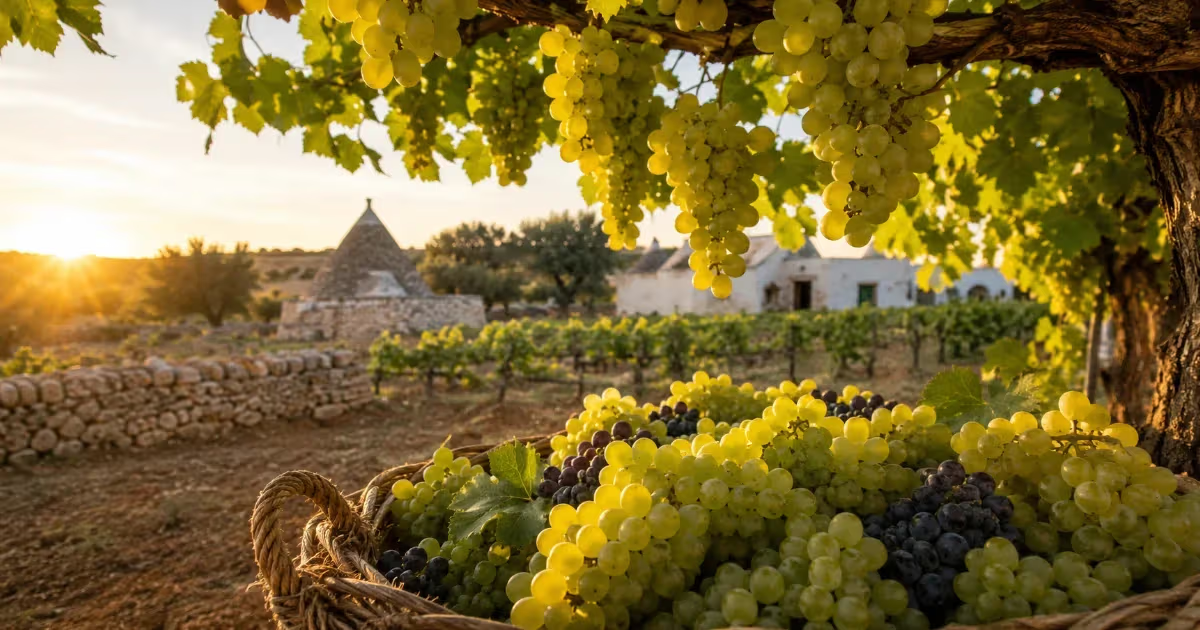
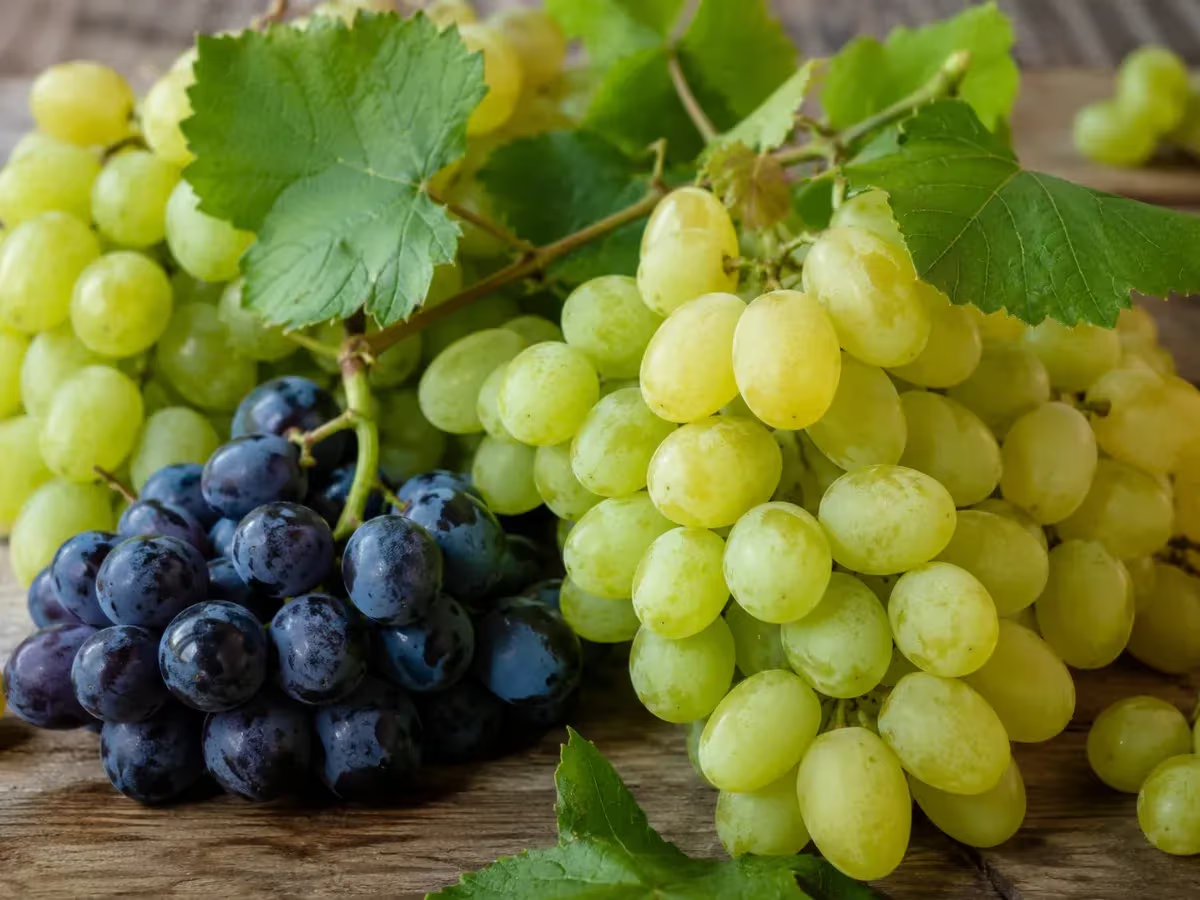
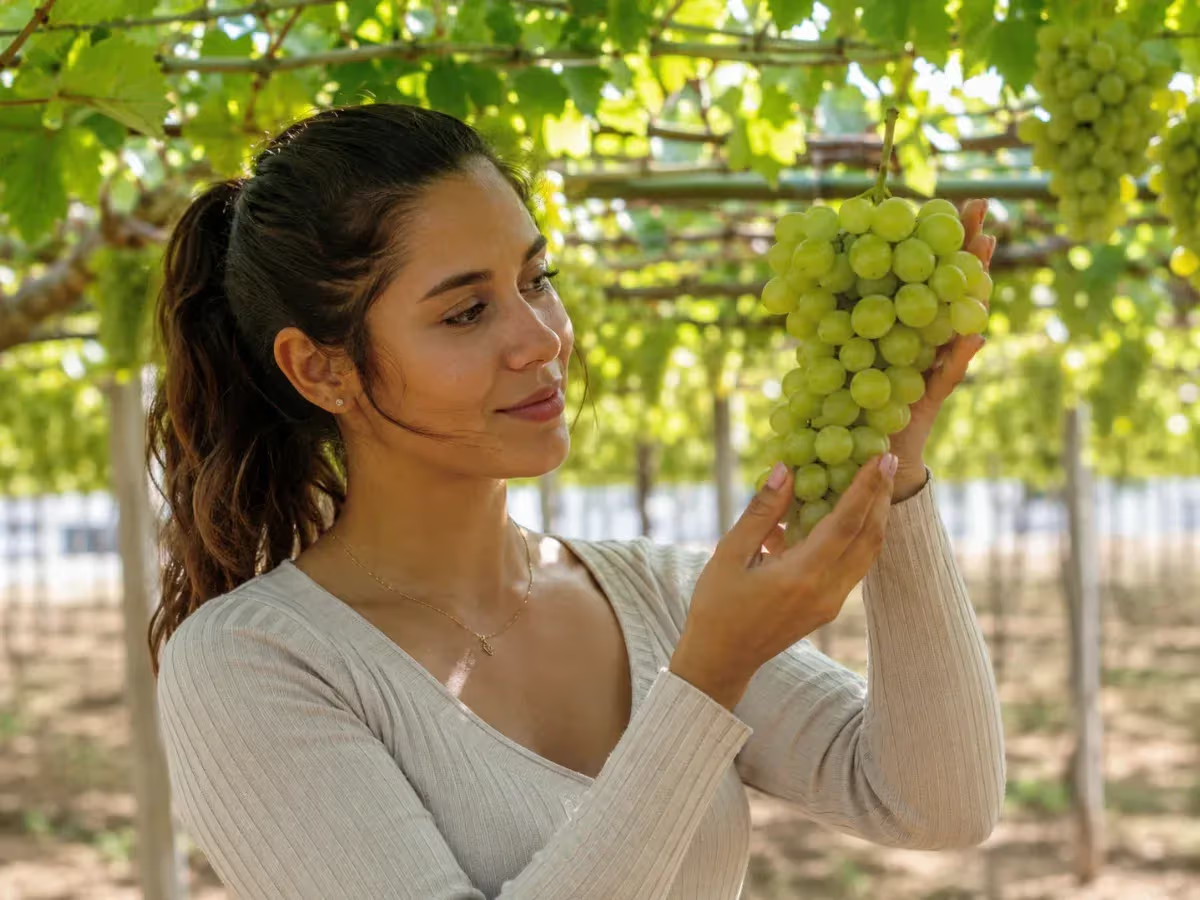
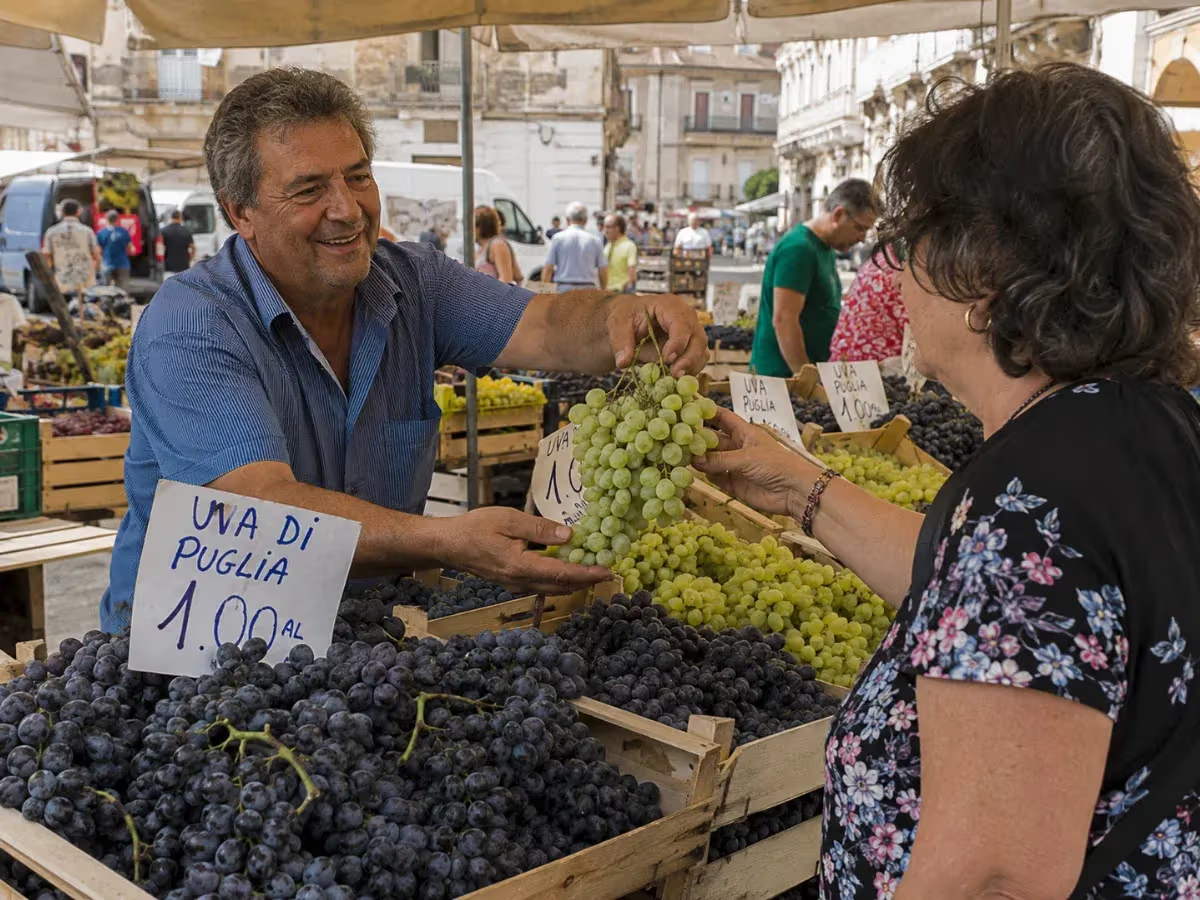
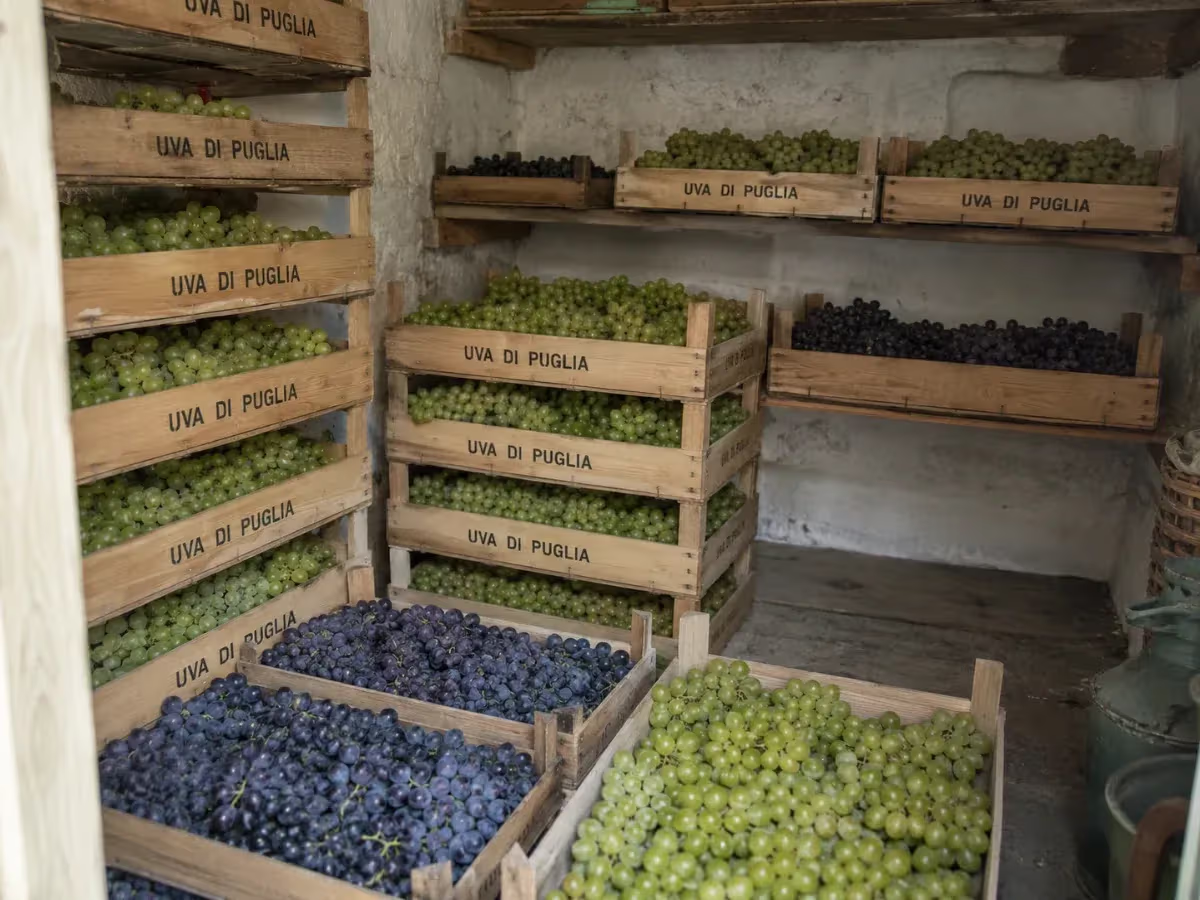
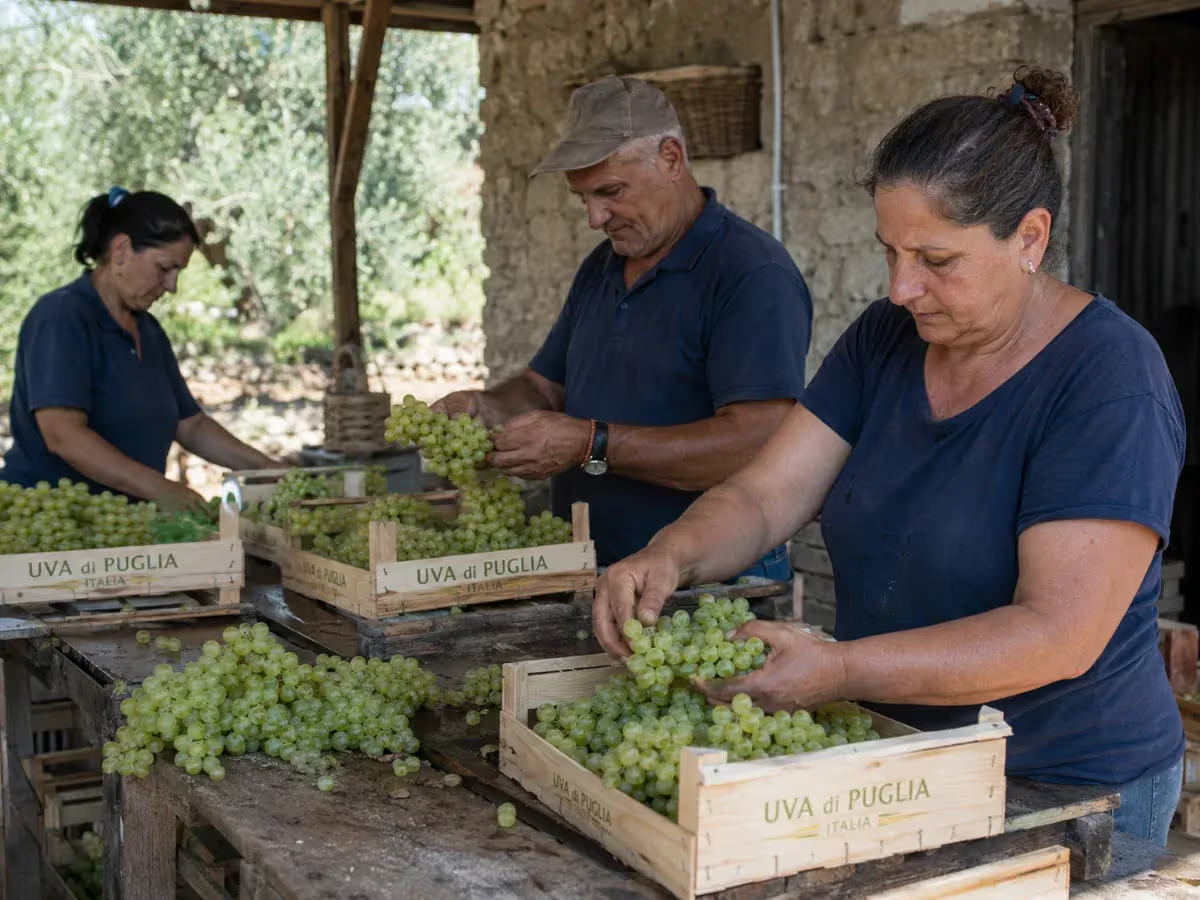
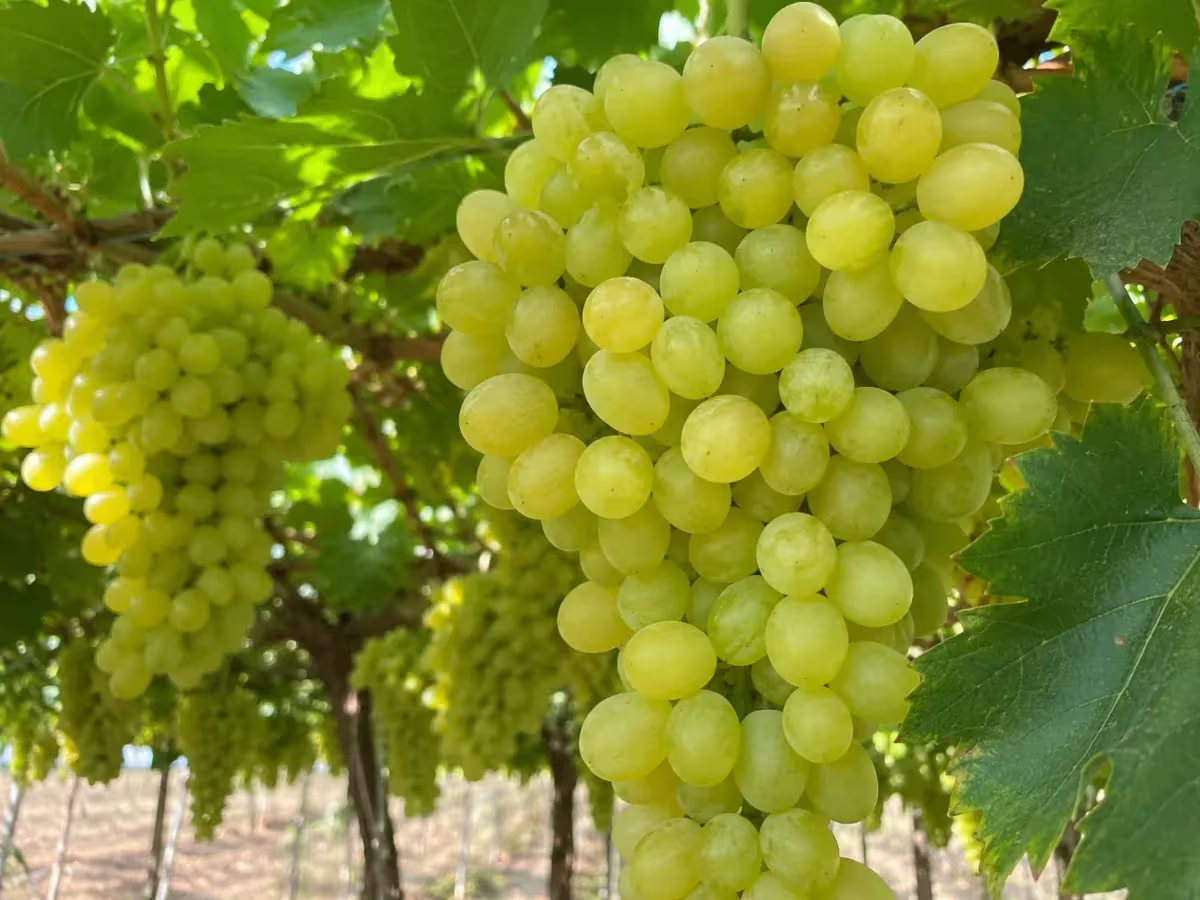
Puglia is Italy's leading wine-growing region by cultivated area, and the table grapes produced on this territory carry with them all the weight of an unparalleled agricultural landscape. Uva di Puglia IGP identifies fresh table grape bunches cultivated in the Puglian provinces, where intense sun, ferruginous red soil and sea wind create a recognizable organoleptic profile: fleshy berries, taut and glossy skin, crunchy flesh with sweet and slightly aromatic juice. The main varieties include Victoria, Red Globe, Italia and Michele Palieri, each with its own chromatic and aromatic characteristics ranging from golden yellow to deep purple red.
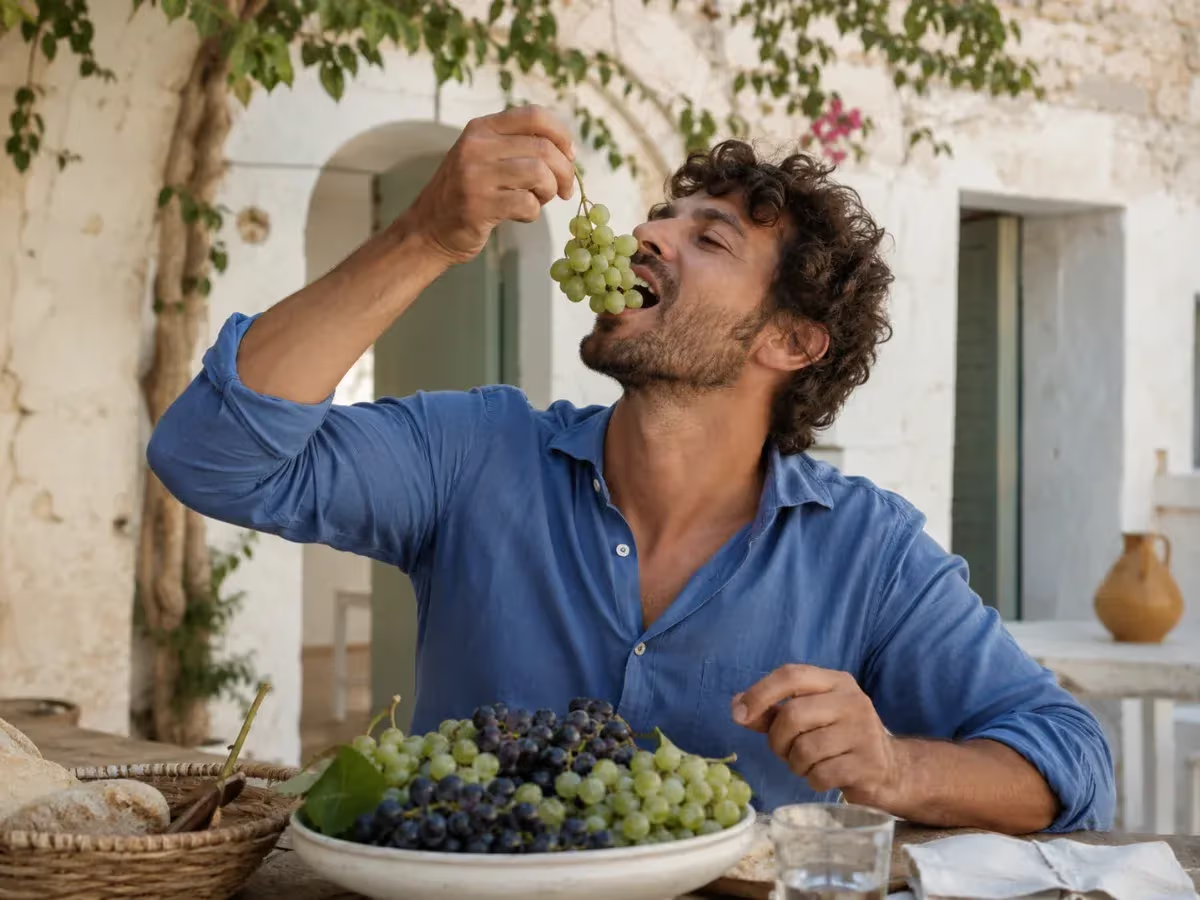
In the kitchen, Puglian grapes are consumed predominantly fresh, as a table fruit or at the end of a meal. They also find a place in savory preparations, paired with aged cheeses, fresh ricotta and cured meats, or in seasonal salads. There are also uses in traditional sweets, in cooked musts and in artisanal jams, where the natural sugar concentration of the berries guarantees substantial results.
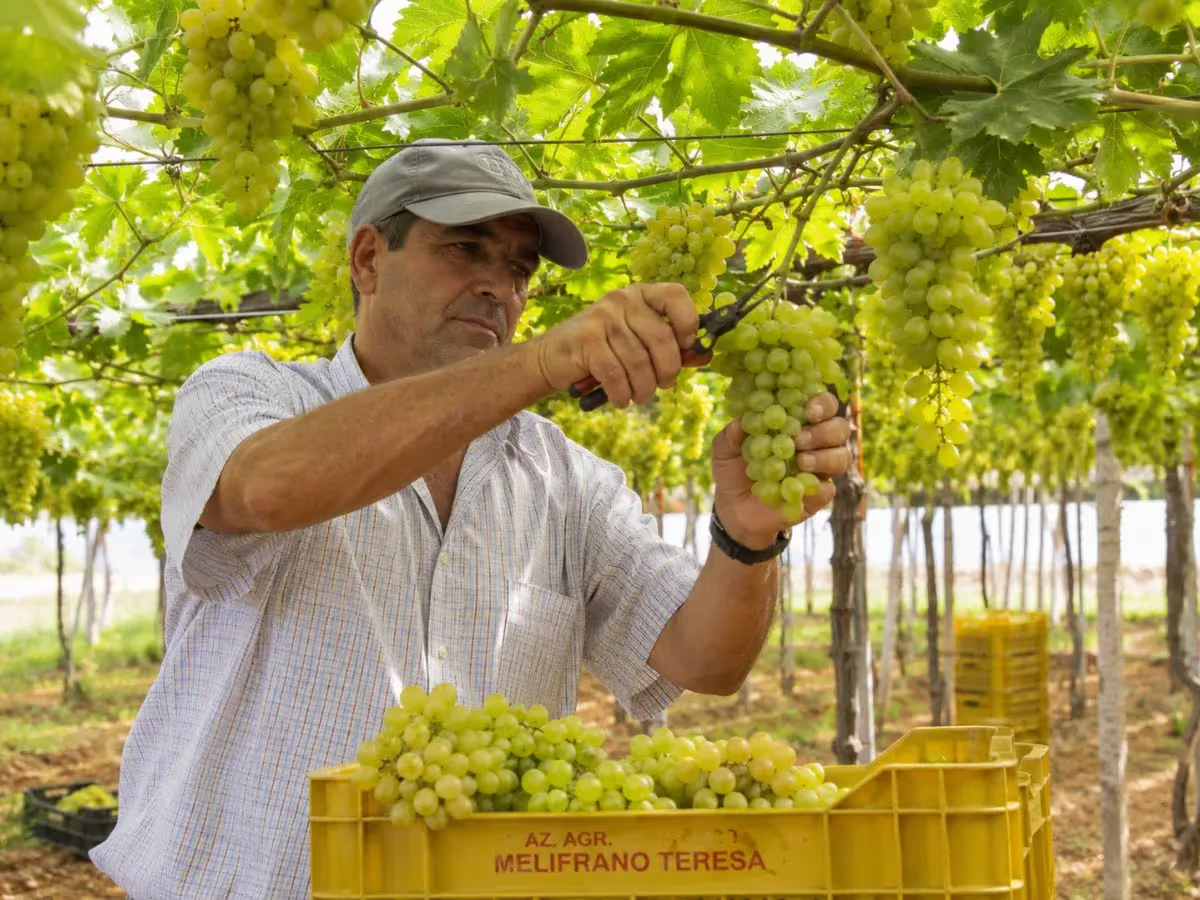
Puglia's viticulture has its roots in the colonies of Magna Graecia, when the Greeks brought the vine to these lands as a sacred plant and fundamental food resource. For centuries wine production and table grape cultivation were intertwined, but it was in the nineteenth century that table grape cultivation assumed an organized economic character, especially in the provinces of Bari, Taranto and Foggia, where pedoclimatic conditions proved particularly favorable. Puglia's peasant tradition has passed down vine training techniques such as alberello and tendone, the latter today dominant for table grape production because it allows gradual and uniform ripening of the berries.
The IGP recognition, obtained at the European level, formally established the link between this product and its territory of origin, defining precise regulations on permitted varieties, cultivation practices and minimum characteristics of the bunches. The mark protects producers from imitations and enhances an agriculture that in Puglia is still largely family-based and rooted in individual rural communities. Commercialization has reached markets throughout Europe, with Germany, Switzerland and the Nordic countries among the main export destinations, making table grapes one of the flagship products of Puglia's agribusiness sector.
The bunches of Uva di Puglia IGP are compact, with berries uniform in size and free from bruising. The stem must be green, flexible and well-adhered to the berries, a sign of recent freshness; a darkened or shriveled stem indicates that the product is not at its best. The skin of the berries varies from bright yellow-green to intense dark red depending on the variety, and must appear intact, turgid and free from spots. The flesh is firm to the touch, with abundant and sweet juice, tending to be low in acidity in the most common varieties.
The product compliant with the IGP disciplinary bears on the packaging the IGP community logo and the collective mark of Uva di Puglia, with indication of the variety, the caliber of the berries and the production area. The absence of these elements on the label does not allow certification of the controlled origin. An authentic and quality bunch must not present withered berries, detached from the stem or with signs of fermentation.
Table grapes are a fruit with a predominantly carbohydrate content, containing simple sugars such as glucose and fructose that determine its sweet taste and energy contribution, roughly around 60-70 kcal per 100 grams. It provides potassium, which is useful for cardiovascular well-being, and a fair amount of B vitamins and vitamin C. The skin of the berries contains resveratrol and other polyphenols with documented antioxidant properties. The high water content makes the fruit naturally refreshing and contributes to hydration.
Fresh grape bunches should be stored in the refrigerator, in the fruit drawer, at a temperature between 0 and 4 degrees Celsius. It is advisable not to wash them before storage, to prevent moisture from accelerating mold formation. If purchased fresh and intact, the bunches will keep in good condition for five to seven days. Before consumption, a simple rinse under running water is sufficient.
The most direct way is to consume it fresh, at room temperature or lightly chilled, as a table fruit or snack. Paired with soft cheeses, light blue cheeses or fresh pecorini, grapes find a more articulated gastronomic dimension. In autumn, it coincides with many traditional preparations that enhance the must and seasonal fruit. In savory uses, the grapes can be added whole or cut to arugula and walnut salads, or used to accompany white meats during cooking. The Italia variety lends itself particularly to fresh consumption for its delicate aromatic profile.
On the wine front, table grapes pair naturally with the sweet and dessert wines of the Puglia region, in a combination that reflects the same raw material declined differently. Also interesting is the pairing with a dry Moscato or a fresh Fiano, which balance the sweetness of the fruit without overpowering it.
Among food pairings, fresh cheeses such as burrata or ricotta pugliese offer a creamy contrast that enhances the crunchiness of the grapes. Aged cured meats, in particular capocollo di Martina Franca or ventricina, find in grapes a sweet and refreshing counterpoint. With tree nuts, toasted walnuts and almonds, autumn boards of great balance are composed.
A typical preparation from Apulian countryside during harvest season, it features whole bunches arranged on a baking tray with a drizzle of cooked must, baked in the oven at moderate temperature until the grapes soften and the liquid thickens slightly. Served warm as a rustic dessert or accompaniment to aged cheeses.
A fresh and simple dish from Apulian home cooking, composed of wild arugula, Italia grape berries cut in half, flakes of aged Pecorino Romano and shelled walnuts, dressed with extra virgin olive oil and a few drops of wine vinegar. It expresses the balance between bitter, sweet and savory typical of regional tradition.
Sweet focaccia prepared with bread dough, whole black grape berries and brown sugar, widespread throughout southern Italy during harvest season. In Puglia it is enriched with wild fennel seeds, which add an intense aromatic note to the autumn sweet.
Harvest time is still today a collective moment in many Puglian families, a ritual that marks the end of summer with shared work across generations. Table grapes, harvested by hand to preserve the integrity of the bunches, enter rural households as fruit for daily consumption and as raw material for domestic preparations such as vincotto, mosto cotto and preserves. In many villages of the Taranto and Bari hinterland, offering a bunch of grapes to a guest is still a spontaneous gesture of welcome. The bond with the land, the ritualistic nature of the harvest and the sharing of fresh fruit remain living elements in the region's agricultural identity.
Festivals linked to the harvest and viticulture are among the most deeply rooted events in the Apulian rural calendar. Numerous municipalities in the Bari, Taranto and Foggia province areas organize fairs every September dedicated to table grapes, with tastings, local producer markets and reenactments of traditional harvesting techniques. Among the broader-reaching initiatives, some regional agribusiness fairs dedicate specific sections to Apulian IGP products, where table grapes are present alongside other certified fresh products. Protection consortia periodically promote promotional events in Italian and European markets.