
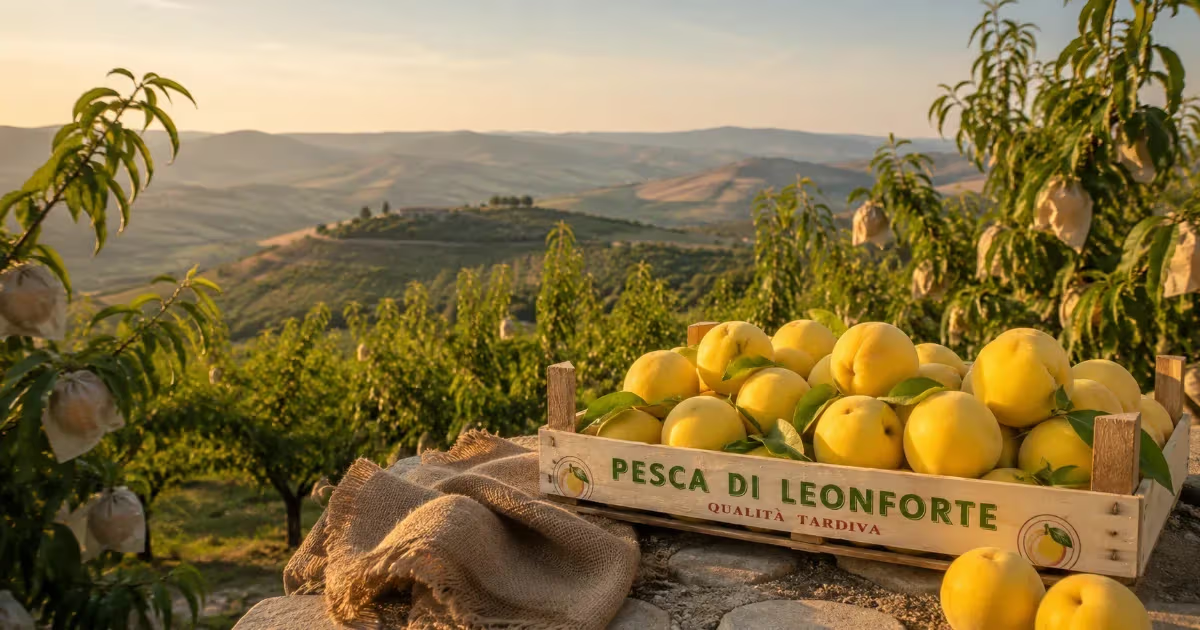
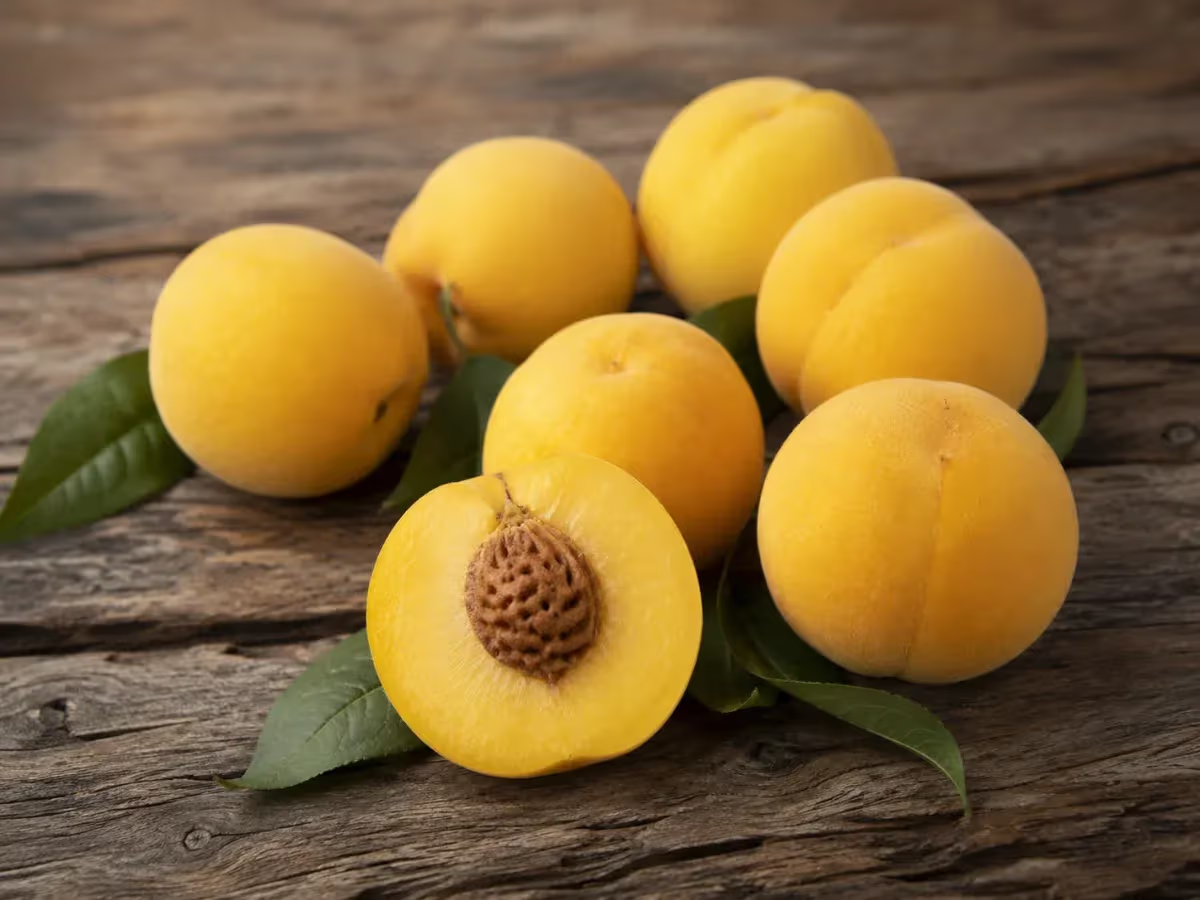
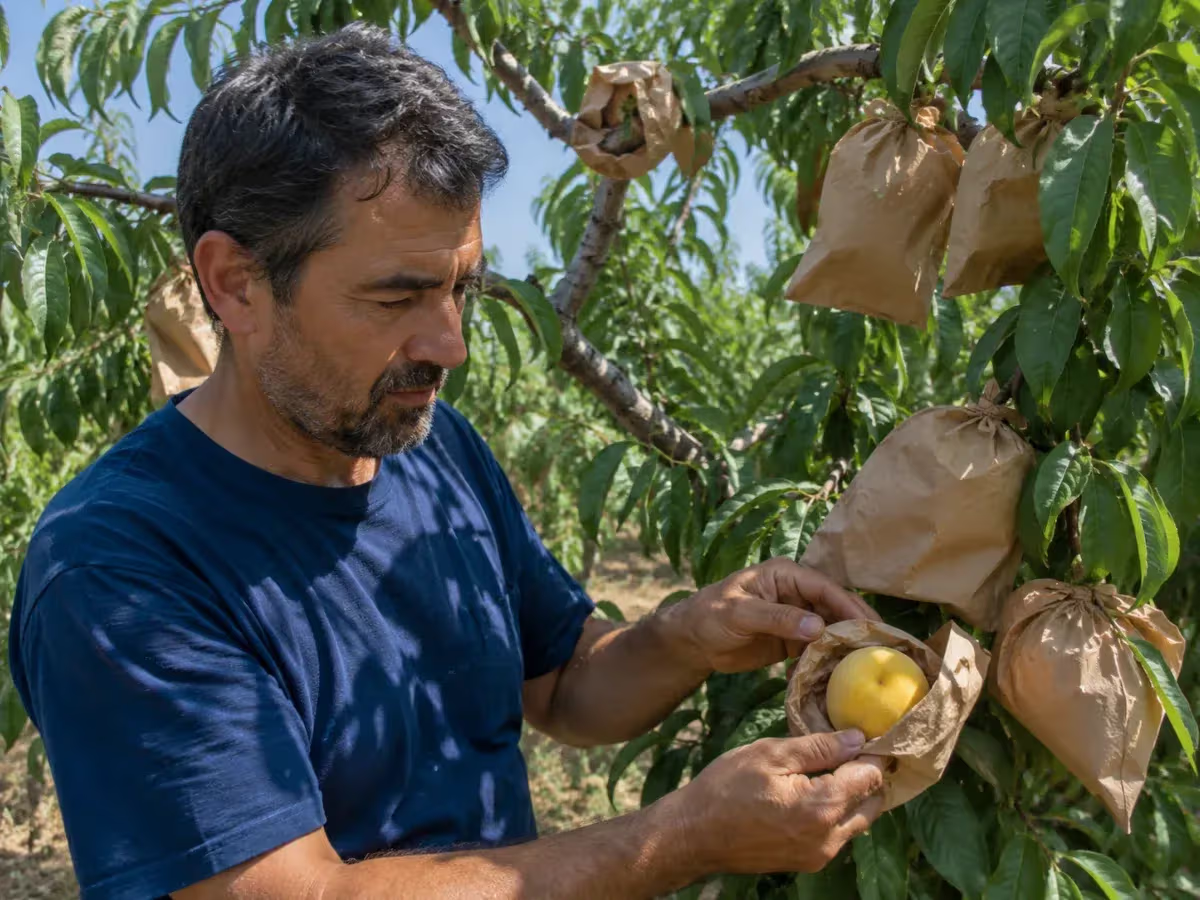
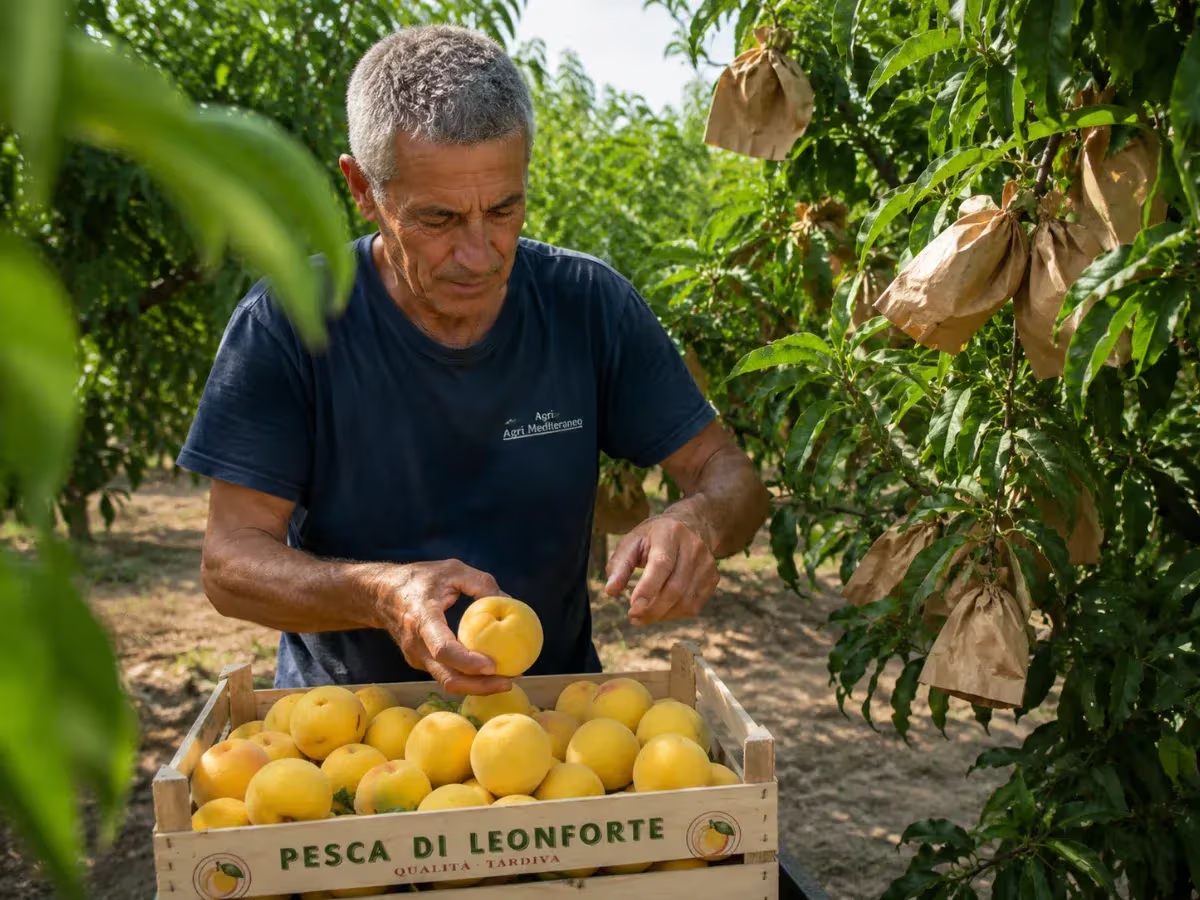
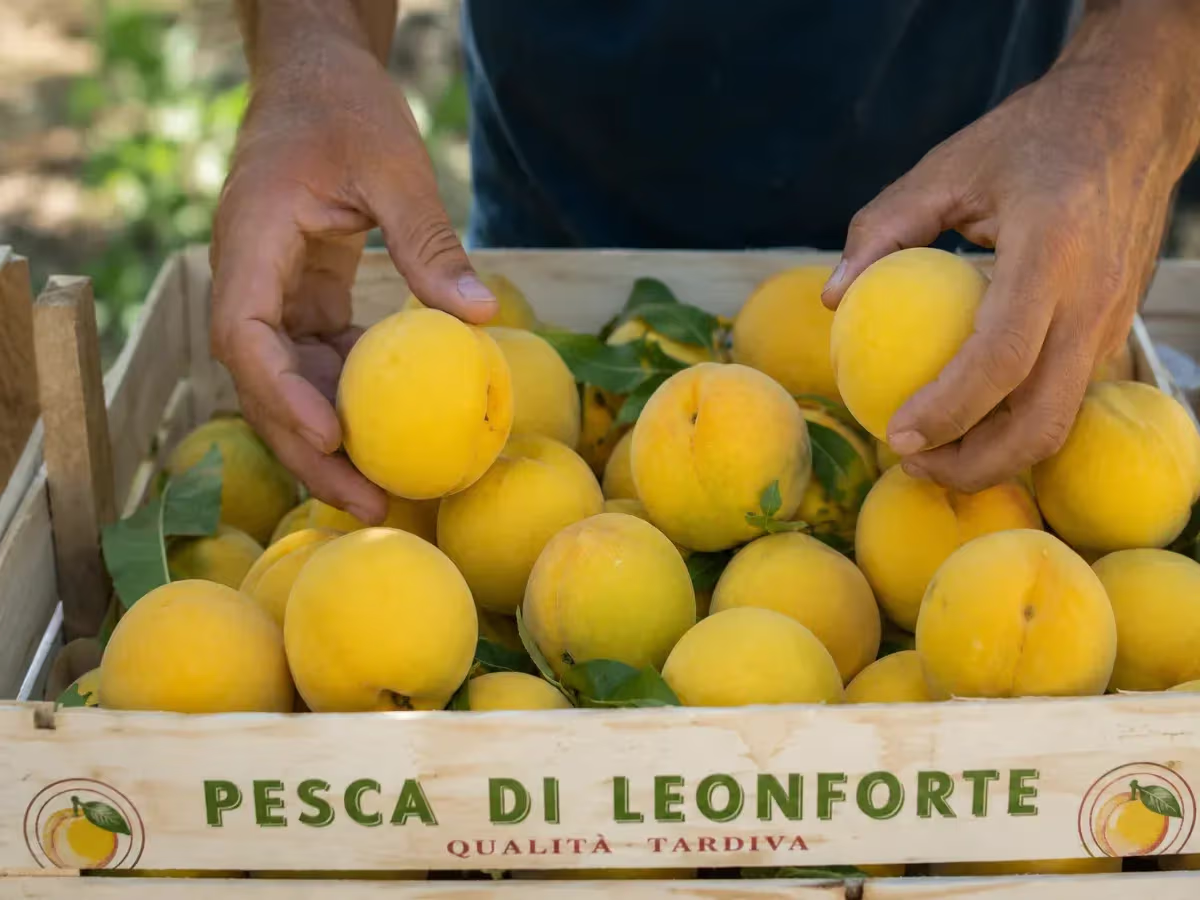
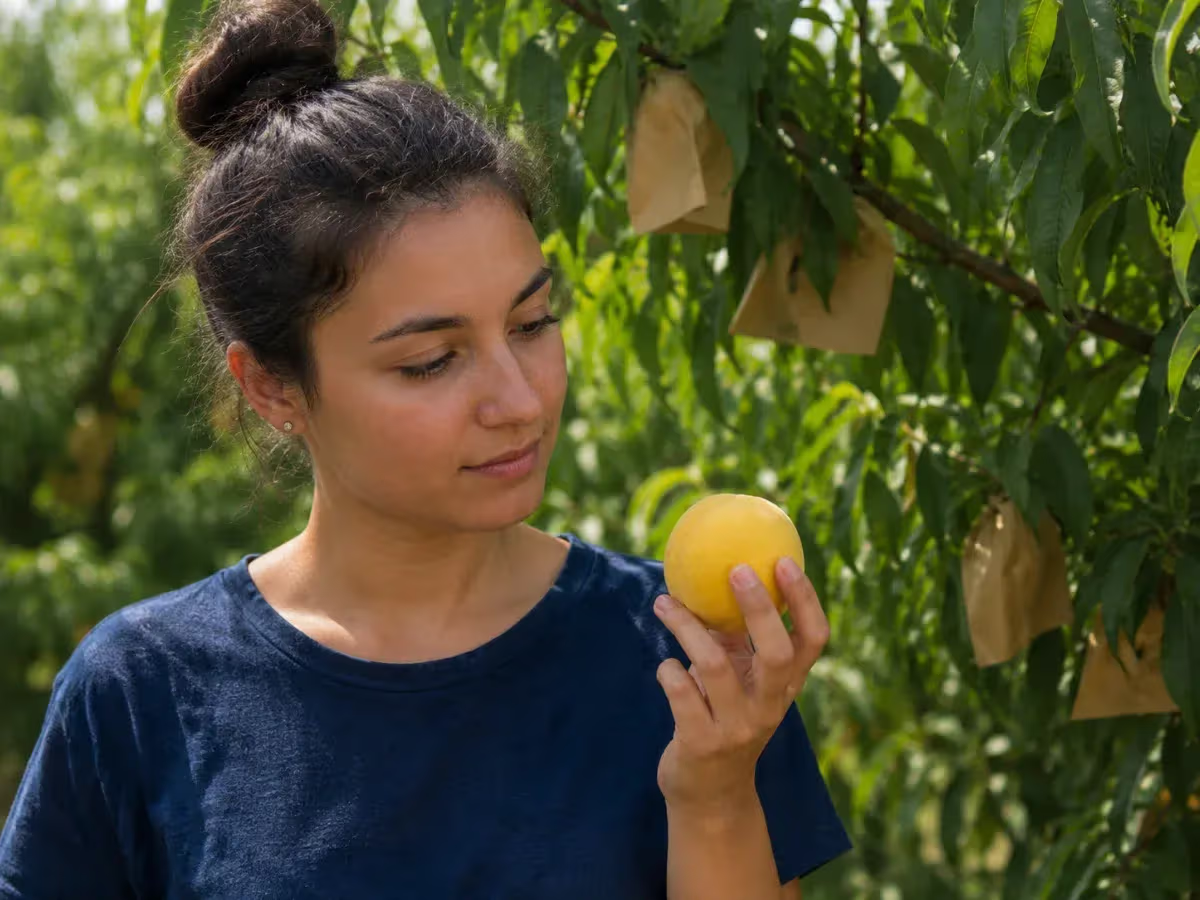
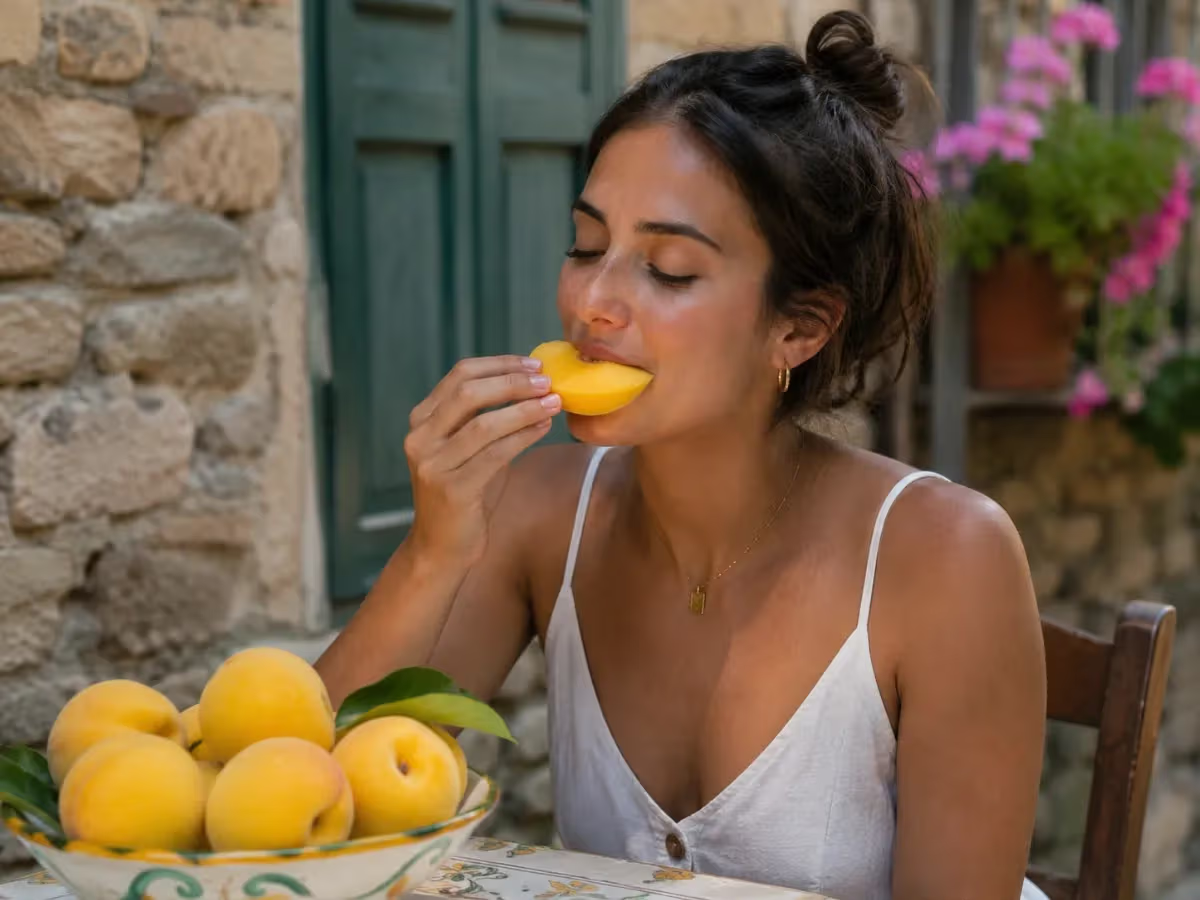
The Pesca di Leonforte is a fruit cultivated in the inland regions of Sicily, in the territory of the municipality of Leonforte, in the province of Enna, at an altitude ranging between 600 and 1000 meters above sea level. This geographical location, combined with the particular composition of clayey soils and the technique of manual bagging of fruits still on the tree, gives it entirely singular characteristics. The flesh is firm, juicy and aromatic, with an intense fragrance and a sweetness balanced by a subtle acidity. The skin, protected by the bag during ripening, is smooth and colorful with hues ranging from yellow to bright red, free from the defects that direct exposure to atmospheric agents could cause. The harvest takes place later than other Sicilian peaches, generally between August and October, making this fruit available at a time when the season has already ended elsewhere. In the kitchen it is consumed predominantly fresh, but it also lends itself to jams, desserts and preparations in syrup.
In Leonforte, on the high hills of Enna, peach cultivation has deep roots intertwined with the agricultural history of Sicilian large estates. The bagging technique, a distinctive practice of this production, has been passed down from generation to generation as a concrete response to a local problem: protecting the fruit from attacks by fruit flies and from the thermal fluctuations typical of a territory that, despite being located in the heart of a Mediterranean island, experiences a continental climate, with hot summers and cool nights.
During the twentieth century, Leonforte peaches consolidated their identity as a recognizable quality product, distinct from lowland peaches for their slow ripening and concentrated flavor. Recognition as a Protected Geographical Indication officially sanctioned this bond between fruit and territory, establishing the bagging technique in the European regulation as a mandatory and identifying practice. Today production involves a significant number of small producers who keep alive a cultivation that has always been family-run, in an inland territory of Sicily that has managed to build around this fruit a significant part of its own agricultural and cultural identity.
The Pesca di Leonforte IGP is recognized first and foremost by its particularly smooth and uniform skin, with a coloration ranging from golden yellow to bright red depending on the variety, free from the surface imperfections that would result from direct sun exposure and insects. The flesh is white or yellow, compact and very juicy, with a distinct and persistent fragrance that recalls peach blossoms and ripe fruits.
The IGP mark and the related conformity stamp affixed to the packaging or to the individual fruit are the main reference for the buyer. Certified peaches are marketed with labeling that reports the protected denomination and the producer's details. A characteristic visual element is the imprint left by the bag on the skin, recognizable at the time of harvest. The late availability on the market, between August and late October, is a useful seasonal indicator to assess the authenticity of the product.
The Pesca di Leonforte provides a moderate caloric content, estimated around 35-40 kilocalories per 100 grams of fresh fruit. It is rich in water, which makes it particularly refreshing and suitable for hot seasons. Among the micronutrients, vitamin C, carotenoids, vitamin A, and some B vitamins stand out. It provides potassium, useful for hydroelectrolytic balance, and small amounts of phosphorus and calcium. The content of dietary fiber, although not high, contributes to intestinal regularity. The slow ripening at high altitude favors a concentration of natural sugars and aromatic compounds superior to lowland peaches.
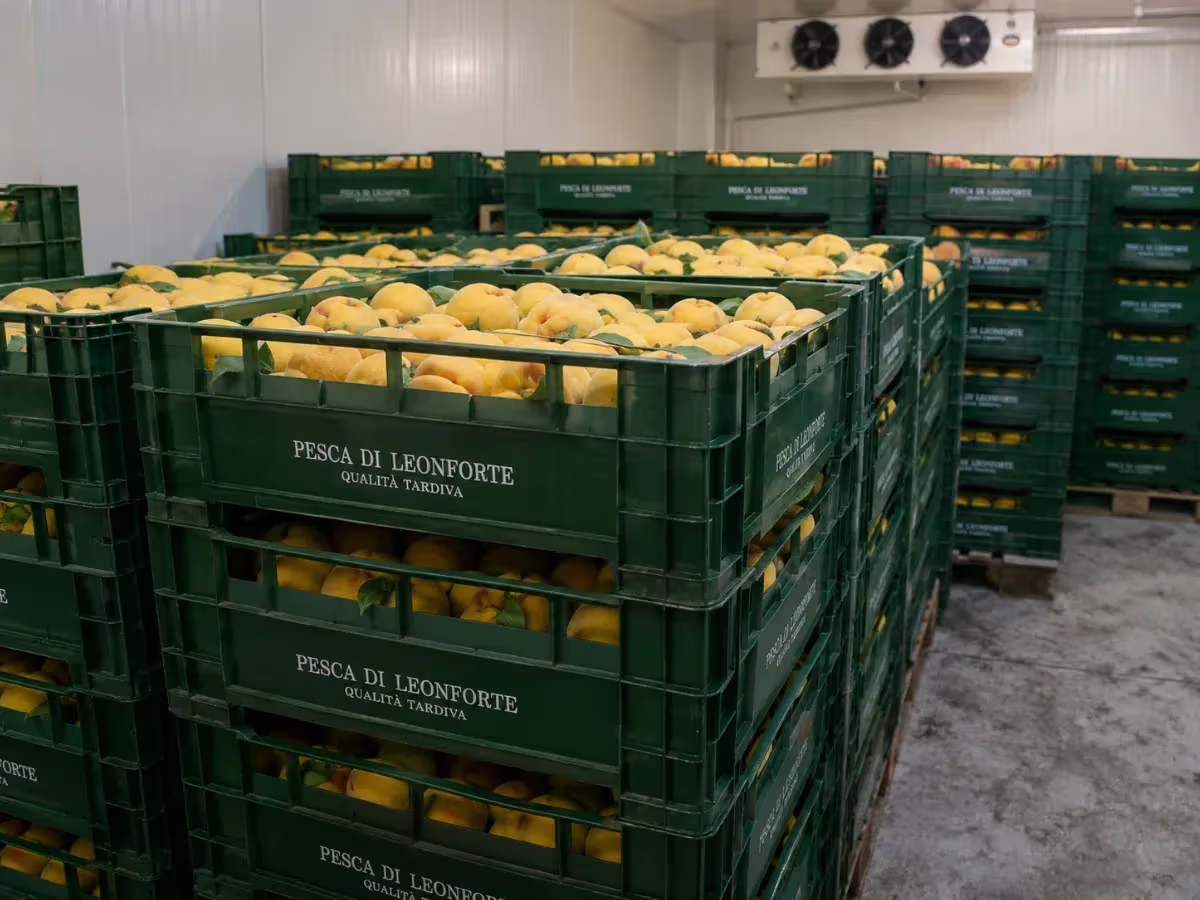
The peaches of Leonforte, like all juicy stone fruits, should be stored at room temperature if not yet fully ripe, allowing them to complete ripening naturally. Once they reach optimal ripeness, store them in the refrigerator, in the fruit drawer, for two or three days at most. It is advisable not to stack them to avoid bruising. Consuming them shortly after purchase ensures you can fully appreciate their aroma and juiciness.
The best way to enjoy Pesca di Leonforte is to consume it fresh, at room temperature or slightly chilled from the refrigerator, thus preserving its fragrance and flesh structure. It peels easily or can be enjoyed with the skin after thorough washing. Its compact flesh makes it suitable for being sliced and used in fruit salads, fruit compotes or uncooked desserts. If you wish to cook it, it lends itself well to artisanal jams, syrup preparations and baked goods such as tarts and rustic cakes. Its late seasonality makes it a protagonist on the Sicilian autumn table.
At the table, the Pesca di Leonforte pairs naturally with fresh soft-paste cheeses, such as ricotta siciliana or mozzarella, in simple combinations that enhance the sweetness of the fruit without overwhelming it. It also pairs well with aged cured ham, following the classic tradition of Italian summer appetizers.
As for beverages, it accompanies pleasantly the aromatic white wines of Sicily, such as Moscato di Noto or a fruity Grillo, which share its floral notes. In a more unusual but interesting pairing, jams made from these peaches pair with hard or semi-aged cheeses, such as Pecorino siciliano, creating a contrast of flavors characteristic of the island's sweet-savory tradition.
Traditional preparation of summer preserve: the fruits are peeled, pitted and immersed in a light syrup of water and sugar, sometimes flavored with a cinnamon stick or lemon zest. The sterilized jars allow you to preserve the flavor of late peaches well beyond the season, ready to accompany spoon desserts or artisanal ice cream during winter.
The jam obtained from local peaches, with a dense consistency and persistent aroma, is the ideal filling for the Sicilian shortcrust tart. The dough, prepared with lard or butter, flour, sugar and eggs, welcomes a generous layer of jam and is covered with the classic lattice or with pastry discs. It is served at room temperature as a dessert for afternoon snack or after meals.
In September and October, when the Leonforte peach is at peak ripeness, it is often the star of autumn fruit salads together with figs, grapes and pomegranate. Local tradition calls for completing the dish with a handful of toasted Avola almonds and a drizzle of orange blossom honey, in a combination that summarizes the flavors of the Sicilian hinterland.
In Leonforte, the bagging of peaches is a gesture that marks the rhythm of summer. Between May and June, when the fruits are still small and unripe, entire families gather in the peach orchards to apply paper bags by hand to each individual fruit. It is slow work, repeated thousands of times per hectare, that requires care and patience and that has always had a communal dimension. The eldest pass it down as an act of protection, almost protective, towards a fruit that deserves to ripen in its own time.
The late-harvest peach of Leonforte has become firmly established in the local domestic kitchen as a symbol of a season that stretches on, a privilege of altitude that gives freshness and fragrances when elsewhere summer has already given way.
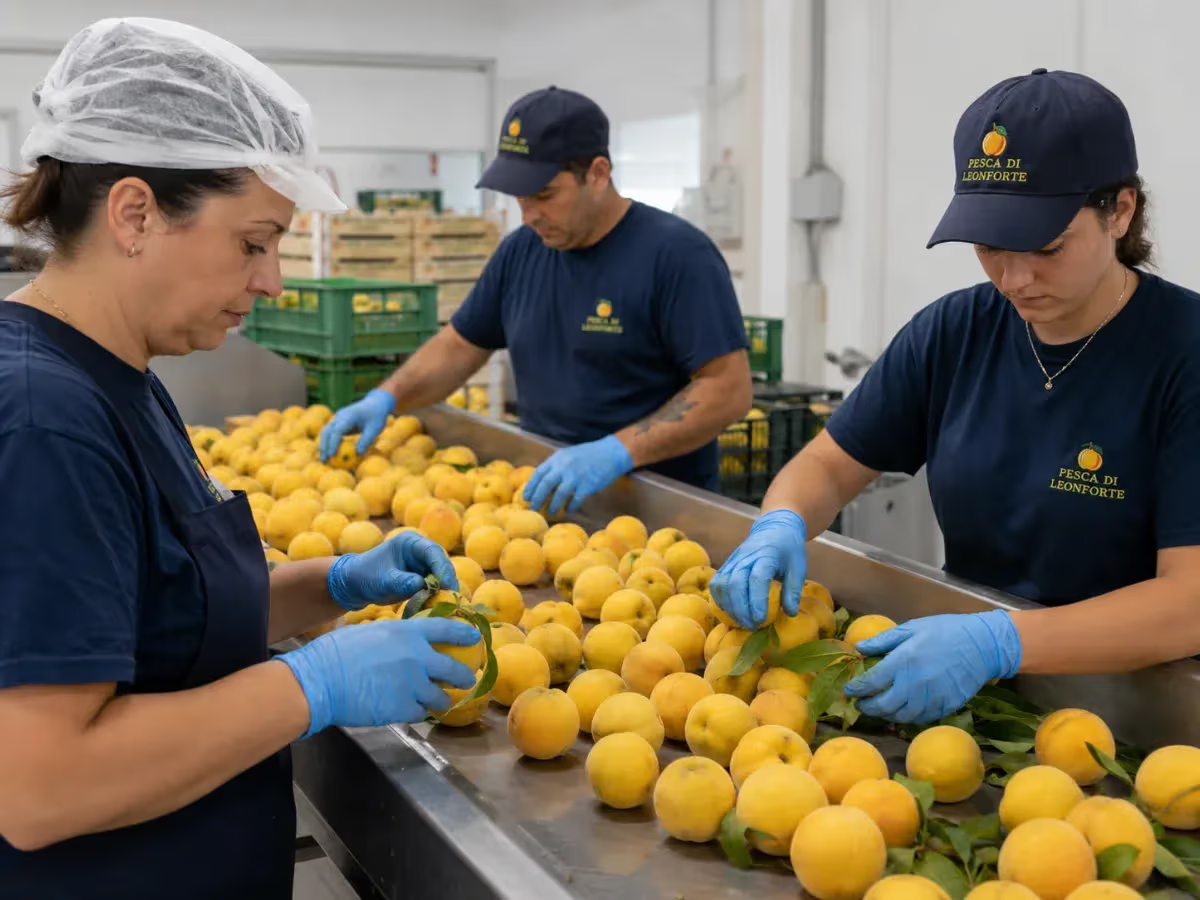
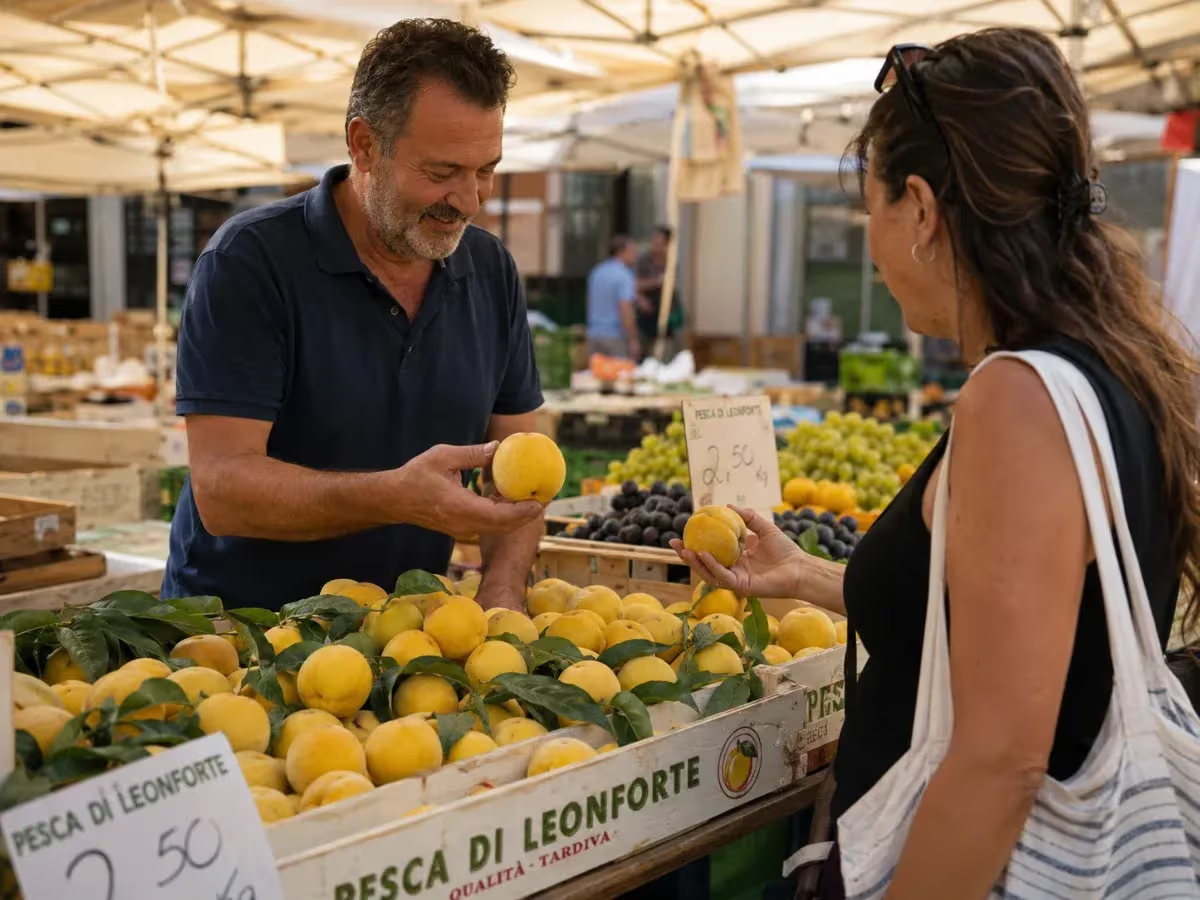
The municipality of Leonforte dedicates an annual festival to its IGP peach, generally held between August and September, coinciding with the fruit's harvest and marketing period. This celebration represents the main opportunity to learn about the varieties grown, watch demonstrations of the bagging technique, and purchase the product directly from local producers. In the Sicilian hinterland, more generally, Leonforte peach is present in agricultural markets and autumn fairs in the province of Enna, where it is part of a broader context of promoting the island's typical products.