
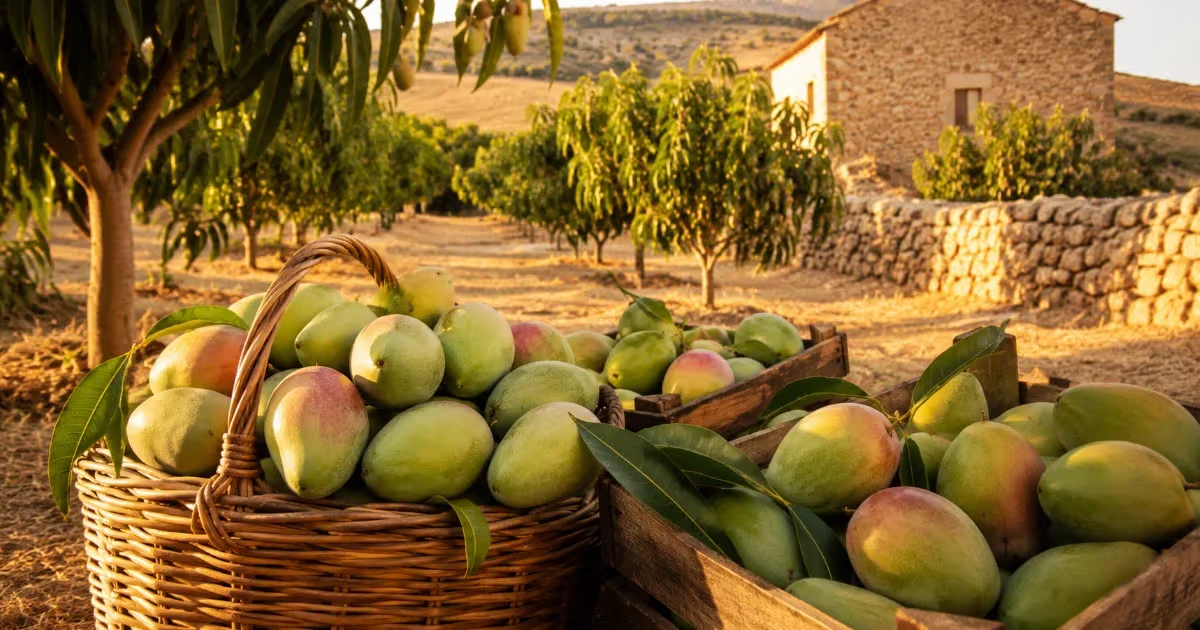
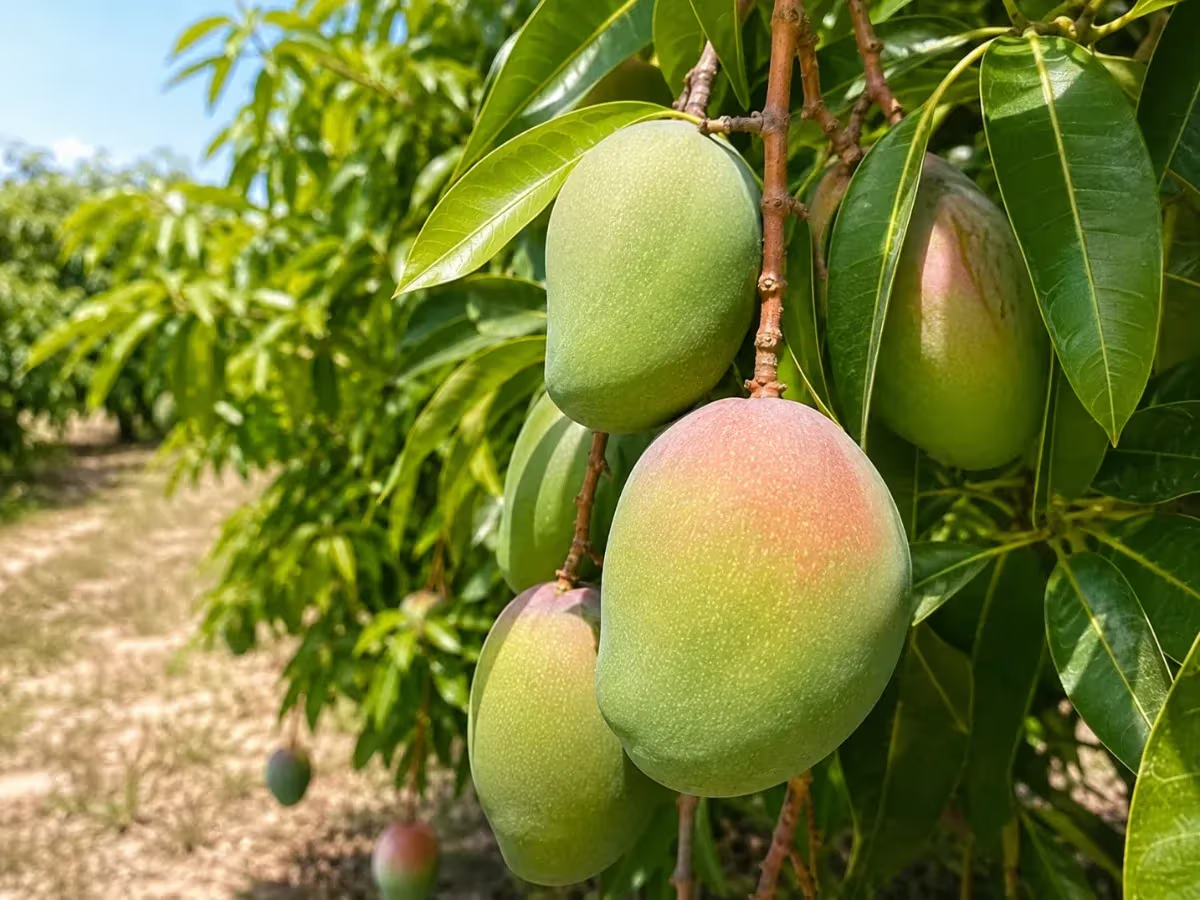
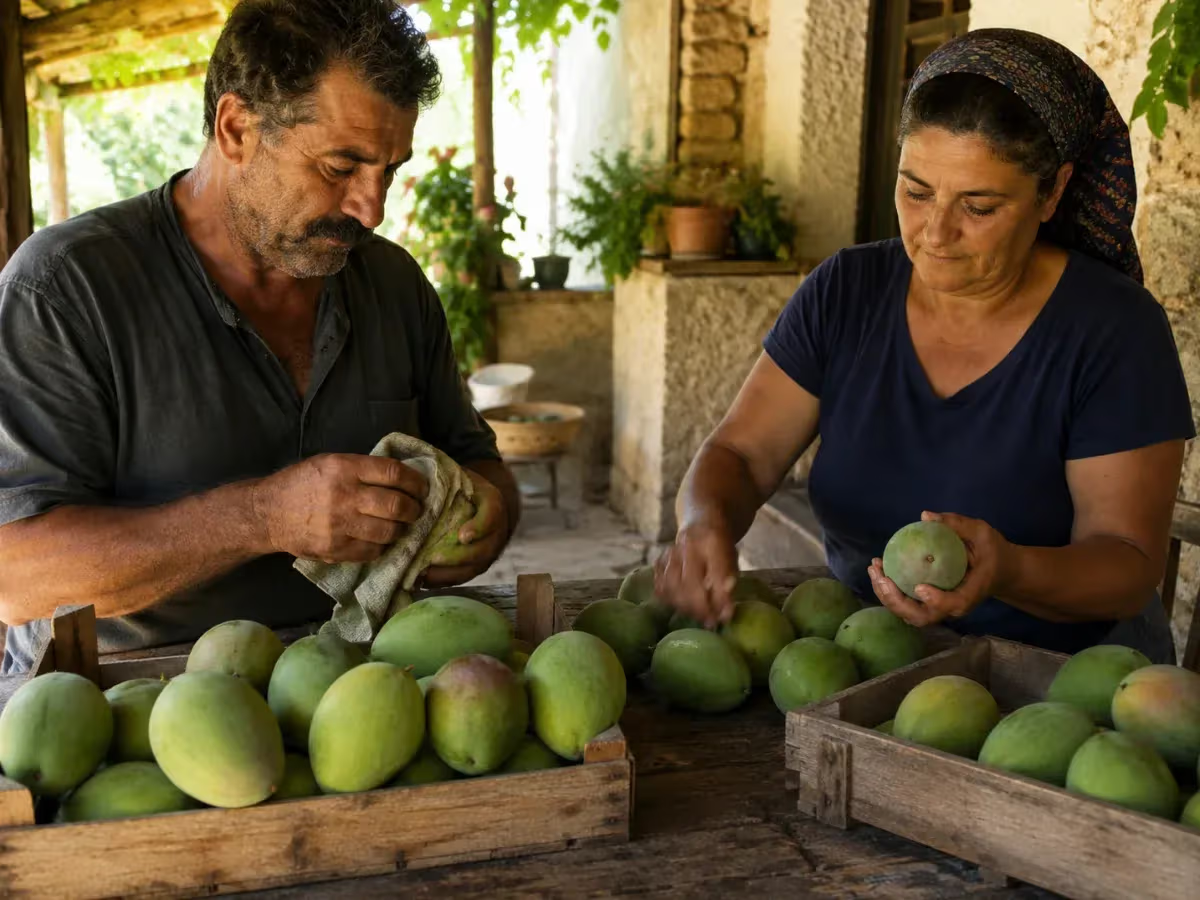
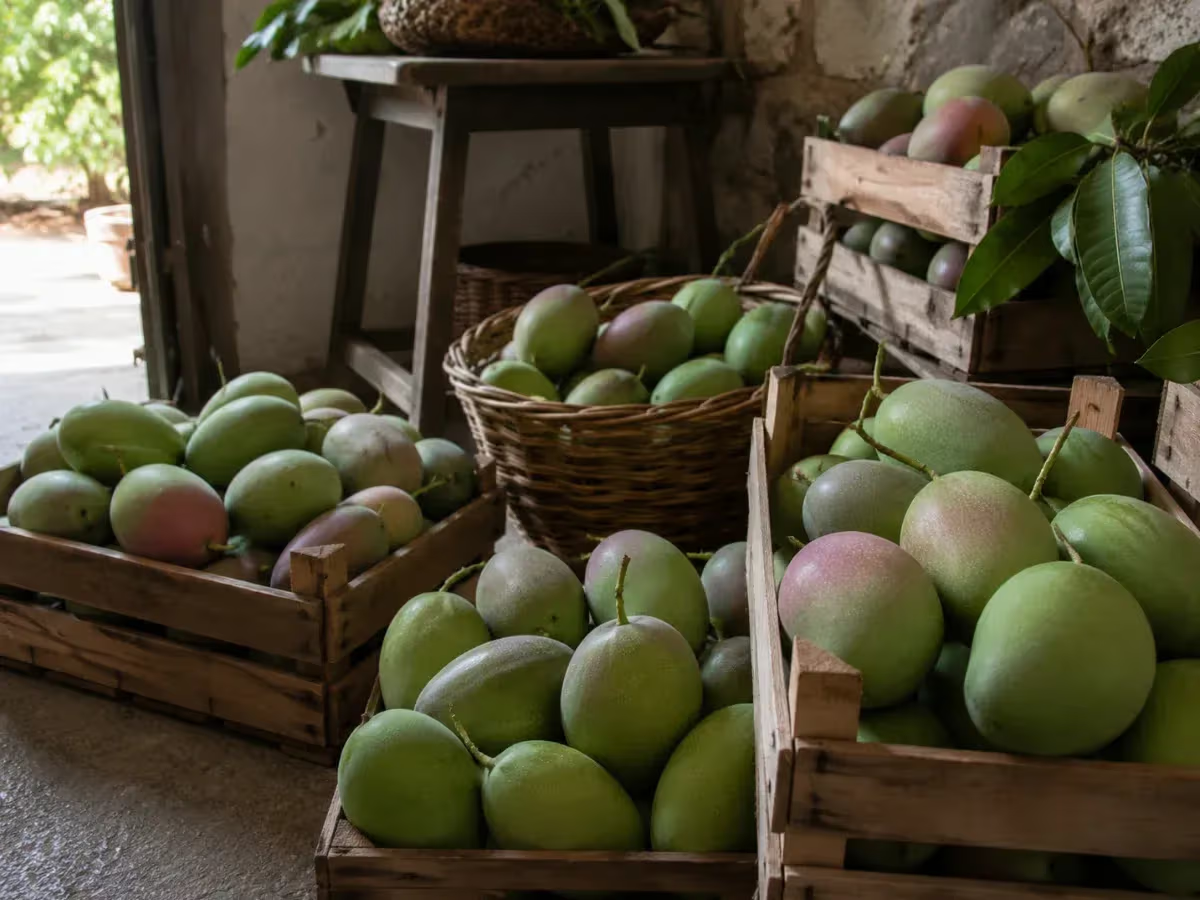
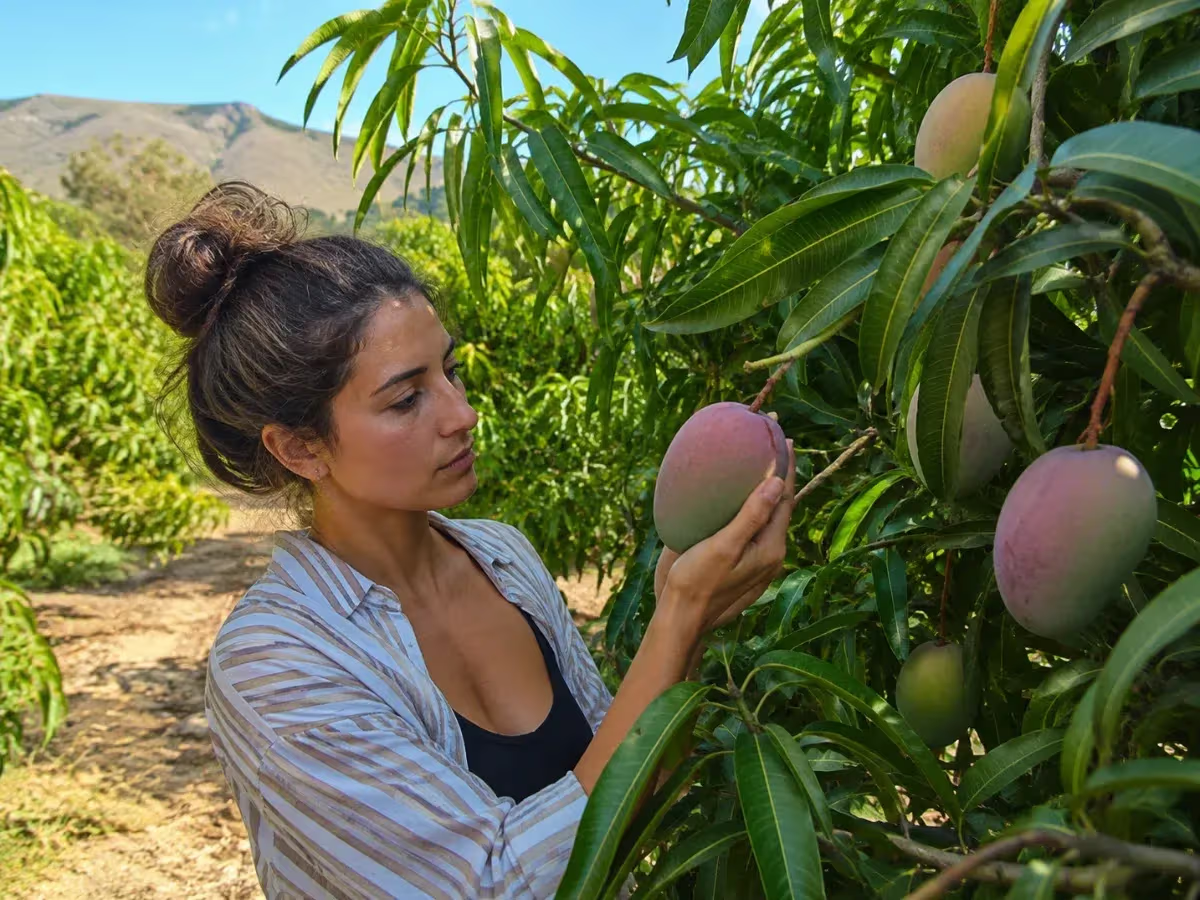
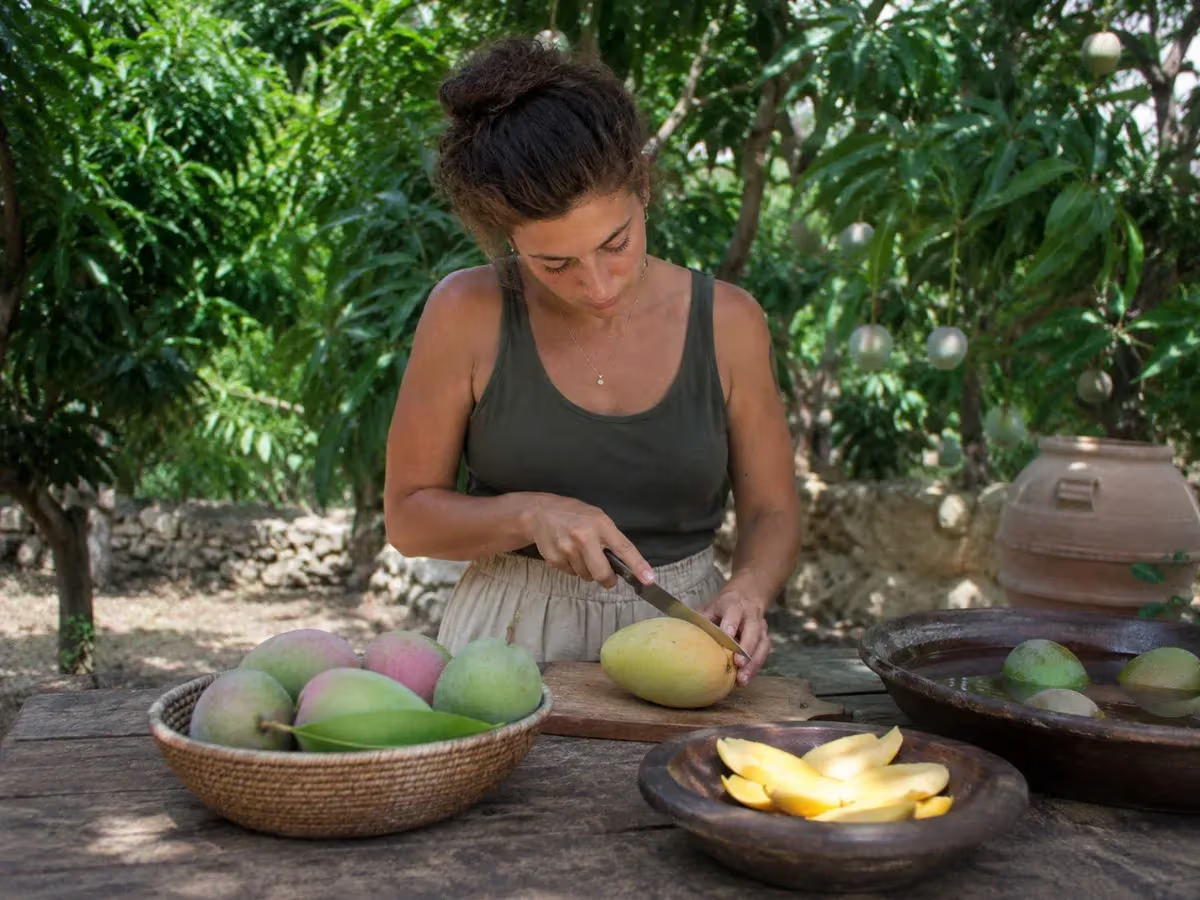
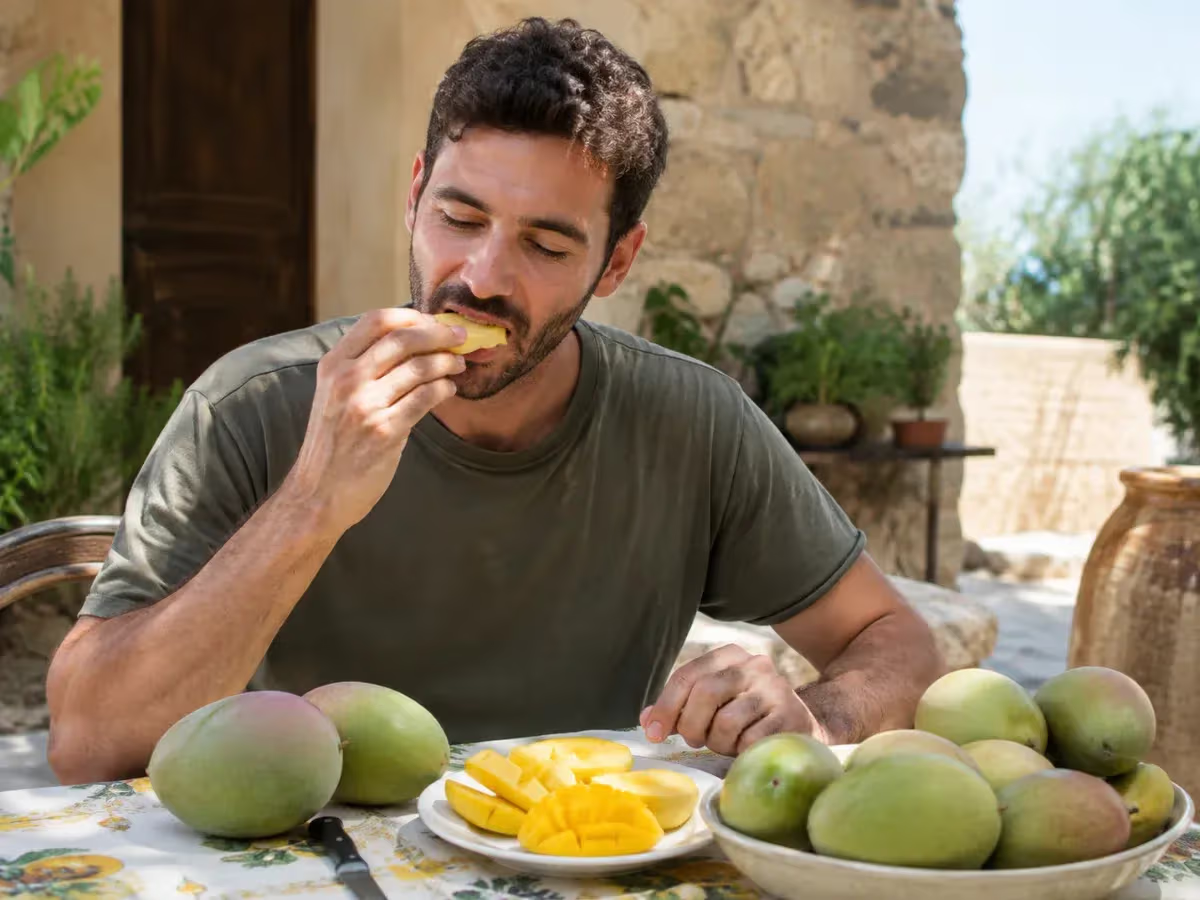
Sicilian mango is a tropical fruit cultivated along the warmest coasts of Sicily, particularly in the coastal strip between Messina and Catania and in the southern areas of the island, where the Mediterranean microclimate allows for slow and aromatic ripening. Unlike varieties produced in Africa or Asia, mango grown in Sicily develops a more intense sugar concentration and reduced fiberiness, with compact, juicy pulp and a bright yellow-orange colour. The aroma is persistent, with fruity notes and slight resinous undertones that vary according to the cultivar.
In the kitchen, Sicilian mango lends itself to both sweet and savoury uses. It is consumed fresh, sliced or diced, but also goes into granitas, sorbets and artisanal ice creams in keeping with the island's pastry-making tradition. It pairs well with fresh cheeses, raw fish, prawns and shellfish, and is used for chutneys, exotic fruit salads and fish carpaccios, where the natural sweetness balances the acidity of citrus fruits.
Mango cultivation in Sicily has deep roots in the island's centuries-old vocation for welcoming botanical species from every corner of the Mediterranean and beyond. The first experiments with Mangifera indica plants in Sicilian territory date back to the decades of the late twentieth century, when some farmers and agronomic researchers began to verify whether the microclimate of the Ionian coast and the more sheltered areas of the Palermo region could support tropical crops.
Over the course of the 1990s and especially the 2000s, cultivation consolidated itself as an interesting economic alternative for agricultural enterprises seeking higher value-added productions compared to traditional citrus fruits. The pressure of the global market on historical crops prompted many producers to experiment with varieties such as Keitt, Osteen, Tommy Atkins, and Nam Doc Mai, finding surprisingly favorable conditions in Sicily's dry summers.
Today Sicilian mango represents a niche segment of regional fruit production, appreciated by local markets, by chefs attentive to seasonality, and by those seeking tropical fruit cultivated in respect of Italian natural cycles. There is not yet a specific DOP or IGP recognition, but some producer associations are working towards the collective valorization of the product as an expression of innovative Sicilian agriculture.
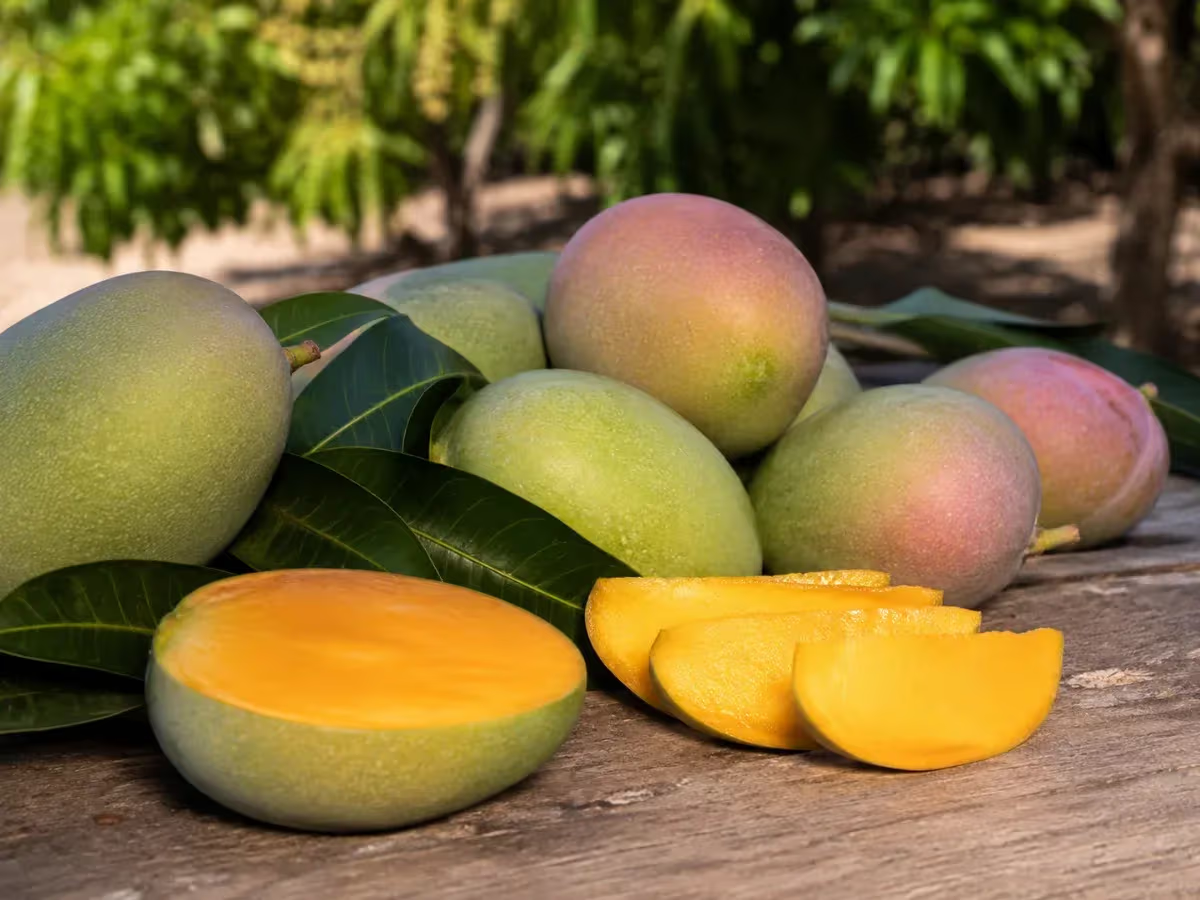
Sicilian mango presents itself with skin color varying according to the cultivar: green with yellow undertones in the Keitt, red-violet in the Osteen, yellow-orange in the Nam Doc Mai at full ripeness. The dimensions are medium-large, with a weight that generally ranges between three hundred and eight hundred grams. The flesh, once opened, appears intensely yellow tending toward orange, firm but yielding under finger pressure when the fruit is ripe.
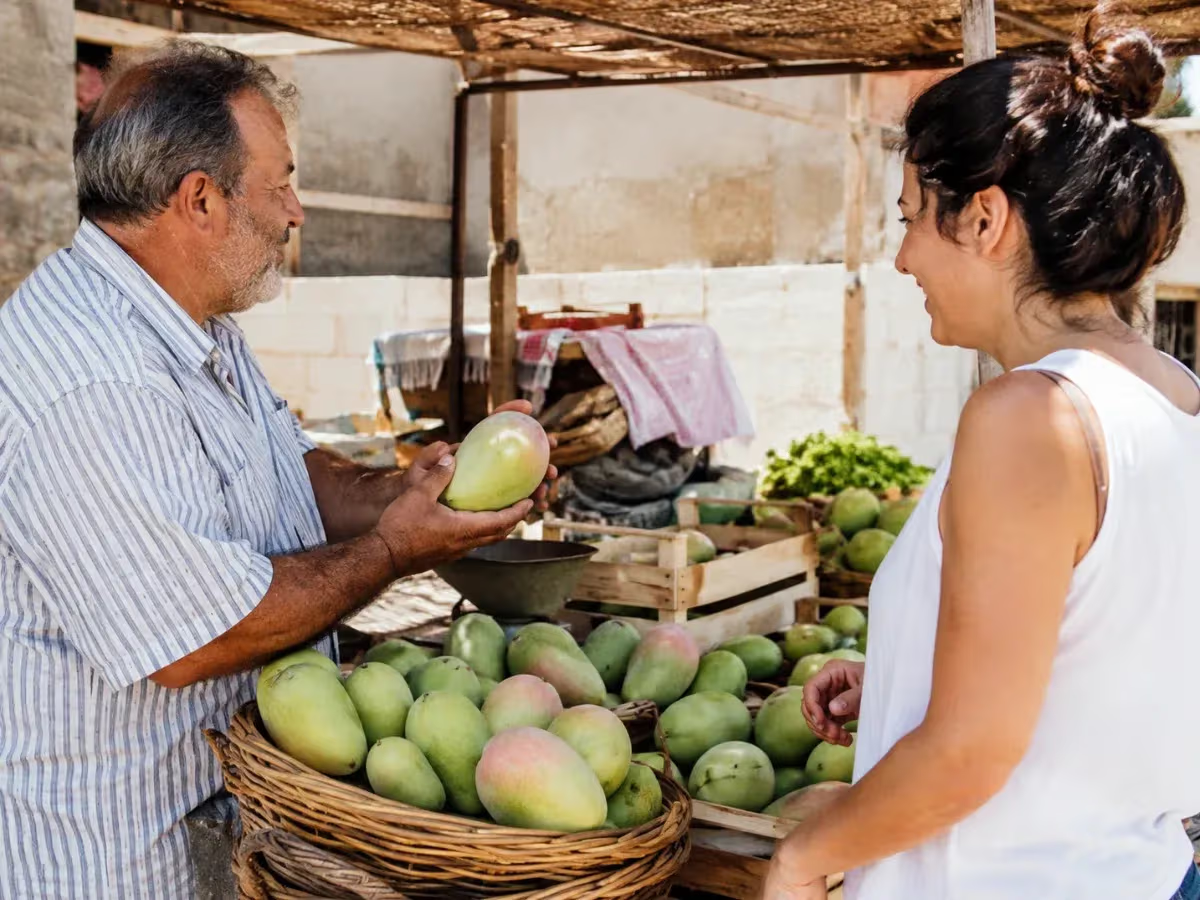
Compared to imported mangoes, Sicilian ones reach the point of sale at a more advanced stage of ripeness, since they do not have to face long refrigerated transports. This translates into a more pronounced aroma already from the outside of the skin. To recognize an authentic product of Sicilian origin, it is advisable to buy directly from local producers, from farmers' markets, or from retailers who clearly indicate the territorial origin and the variety.
Mango is a fruit with a predominant content of simple carbohydrates, with an indicative caloric intake of sixty to seventy kilocalories per one hundred grams of fresh pulp. It is a relevant source of vitamin C and vitamin A in the form of beta-carotene, which gives the pulp its characteristic orange color. It also contains vitamin B6, vitamin E, and folates. Among minerals, potassium, copper, and small amounts of magnesium are present. The fiber content is fair and promotes intestinal transit. The almost total absence of fats and the high percentage of water make it a fruit suitable for a balanced diet.
Unripe Sicilian mango is best stored at room temperature, away from direct heat sources, for a few days until it reaches optimal ripeness. Once ripe, it should be placed in the refrigerator in the fruit drawer and consumed within two or three days. Cut flesh can be kept in an airtight container in the refrigerator for twenty-four to forty-eight hours. Mango can be frozen after peeling, cut into cubes, for later use in smoothies or sorbets.
The most direct way to enjoy Sicilian mango is raw, peeled and sliced or cubed, served at room temperature or slightly chilled. Optimal ripeness is recognized by the tenderness of the flesh under pressure and the intense aroma at the base of the stem. In the kitchen it readily enters cold preparations such as granita and sorbetto, particularly widespread in Sicilian summer pastry tradition. It pairs successfully with raw fish and shellfish, where the sweetness of the fruit dialogues with the savory taste of the sea. The harvest season in Sicily generally runs from September to November, depending on the variety.
On the beverage front, Sicilian mango pairs pleasantly with aromatic white wines such as Gewürztraminer or Viognier, capable of dialogue with the tropical and sugary component of the fruit. Also interesting is the pairing with some Sicilian white wines from Grecanico or Carricante grapes, fresh and with good acidity, which balance the sweetness of the pulp. For those who prefer beer, artisanal versions of blanche style or saison prove to be balanced companions.
At the table, mango finds elective affinities with red shrimp from Mazara, marinated swordfish and Corsican tuna. It pairs well with fresh soft-paste cheeses such as Sicilian ricotta or primo sale, with a few drops of lemon to act as a bridge. Lime, fresh chili pepper and mint leaves often complete the more contemporary compositions in which Sicilian mango appears as the protagonist.
Mango granita is one of the most natural variations of the great Sicilian granita tradition. Fresh pulp is blended with sugar and lemon juice, then frozen and scraped at regular intervals to obtain the grainy and creamy consistency at the same time that distinguishes artisanal granitas. It is served in the typical glass accompanied by brioche col tuppo in breakfast versions.
In this dish widespread in fish restaurants on the Ionian and Palermo coasts, thin slices of raw red shrimp are paired with laminae of ripe mango, seasoned with Sicilian extra virgin olive oil, lime, sea salt and a few grains of pink pepper. The sweetness of the mango balances the sapidity of the raw crustacean in a balance that reflects the double soul, Mediterranean and tropical, of this fruit.
Fresh and seasonal preparation, very widespread in summer and autumn domestic versions, in which cold rice is mixed with cubes of Sicilian mango, diced quality tinned tuna, green olives and raw celery. The dressing based on oil, white wine vinegar and a pinch of turmeric binds the ingredients in a dish with a vibrant aromatic profile.
Sicilian mango does not yet have a centuries-old tradition behind it, but it is building its own cultural identity rooted in the idea of an island capable of reinventing itself agriculturally without renouncing its own roots. For many producers, choosing to cultivate mango in Sicily is a gesture that reflects the island's historical openness to exchange with the Arab, Norman, and Mediterranean worlds, a propensity to make the most distant fruits their own by transforming them into something recognizably local.
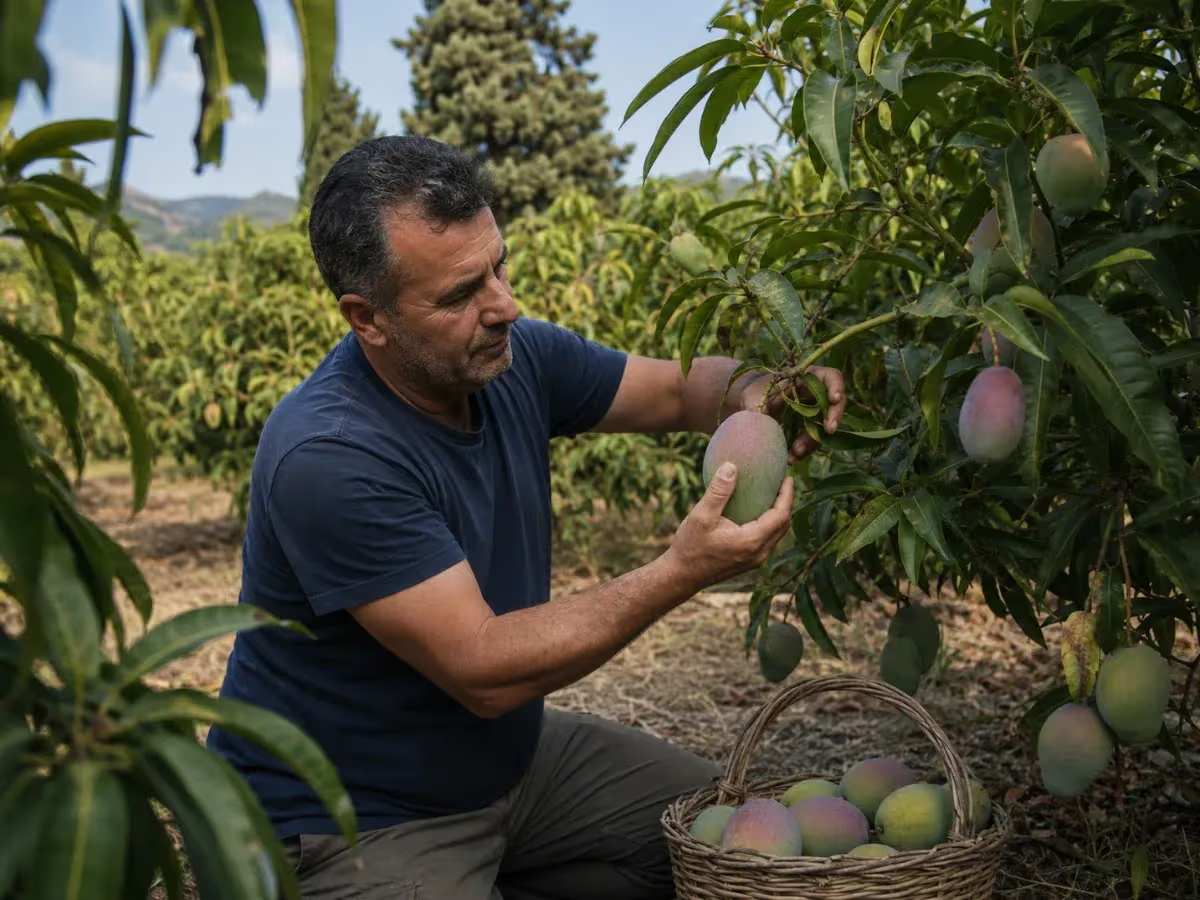
In the farming families of the cultivation areas, the period of autumn harvest has become an appointment for sharing, with fruit distributed among neighbors and relatives. Mango increasingly enters homemade confectionery preparations, standing alongside granita and artisanal gelato as a symbol of a Sicily that looks to the future without ceasing to speak the language of its territory.
Mango production in Sicily is recent enough that it does not yet have behind it a consolidated network of historical festivals dedicated to it. However, among the events that in recent years have begun to include this fruit in their tasting experiences are the zero-kilometer farmers' markets organized in autumn along the Ionian coast and in the provinces of Messina, Catania and Palermo. Some agricultural companies open their farms to the public during harvest, between September and November, offering guided tours and direct tastings. Slow Food agricultural markets and regional fairs of Sicilian agrifood are contexts in which local mango appears with increasing frequency.