
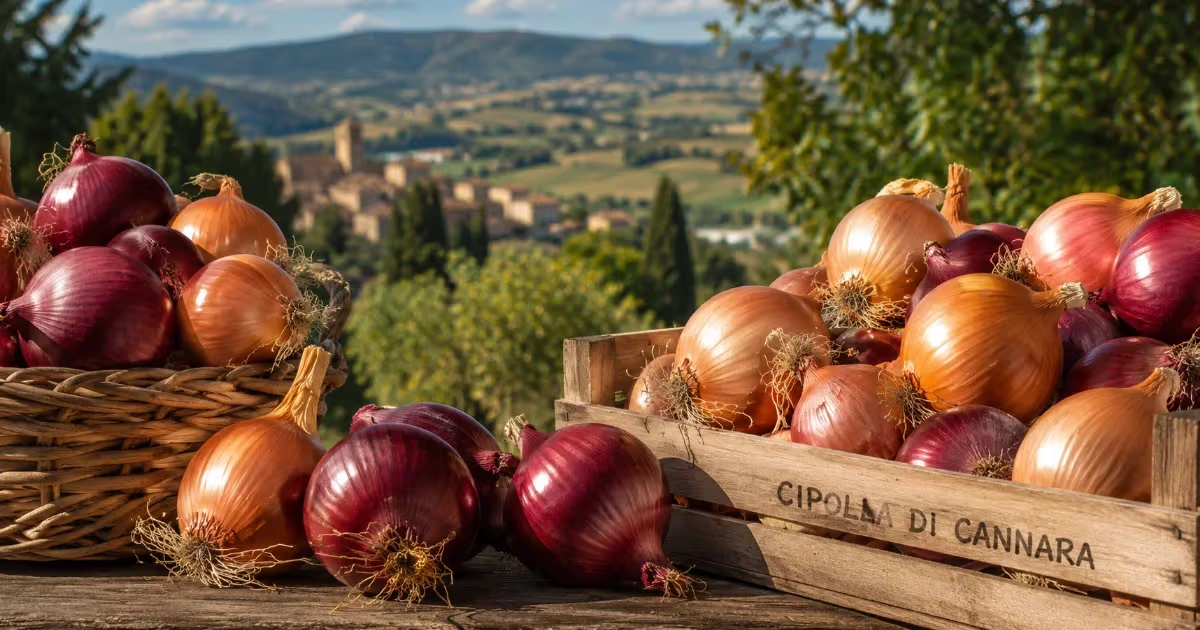
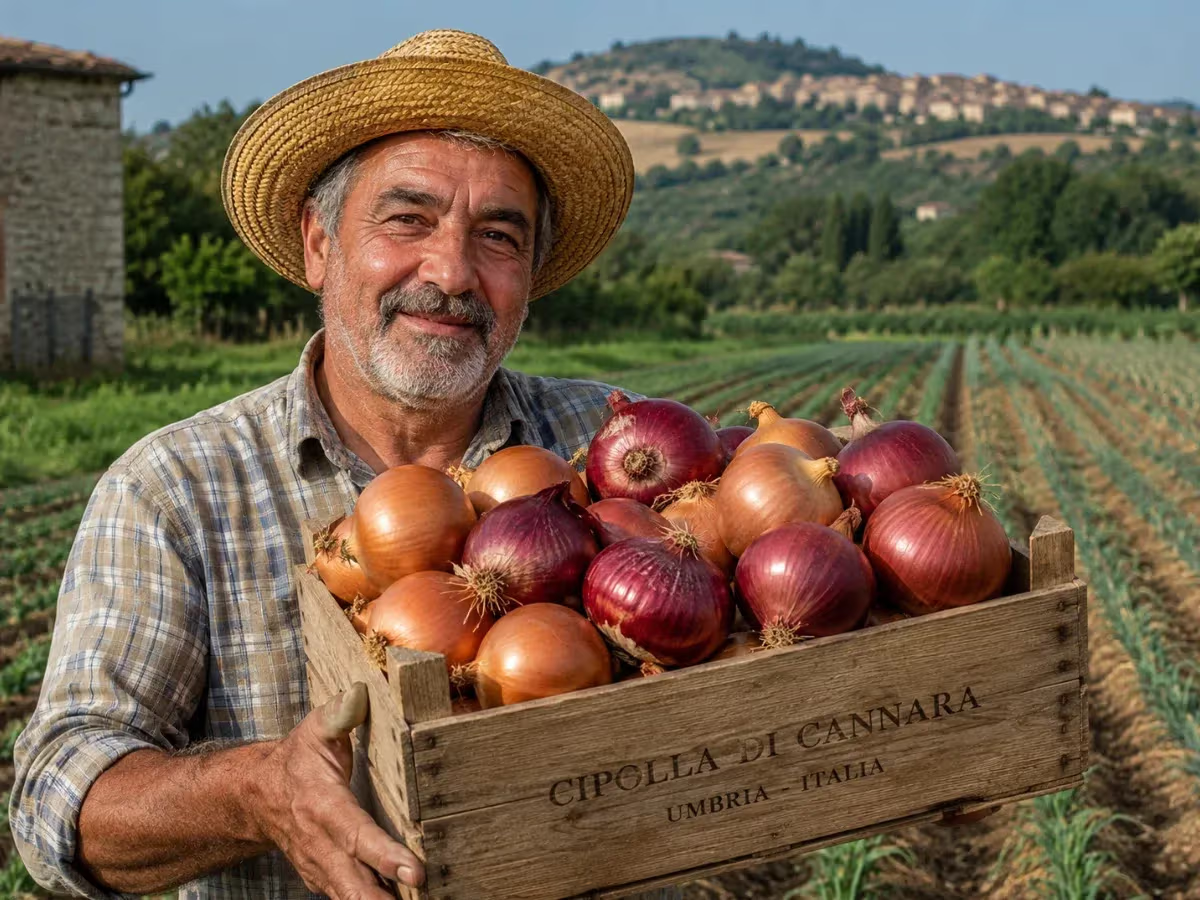
The Cipolla di Cannara grows in a stretch of the Umbrian plain marked by the Topino and Clitunno rivers, two waterways that over the centuries have deposited deep alluvial soils, silty and rich in organic matter. It is precisely this particular soil, combined with the microclimate of the valley, that gives the bulb characteristics difficult to replicate elsewhere: a pronounced sweetness, marked juiciness, and contained acidity that make it pleasant even when eaten raw.
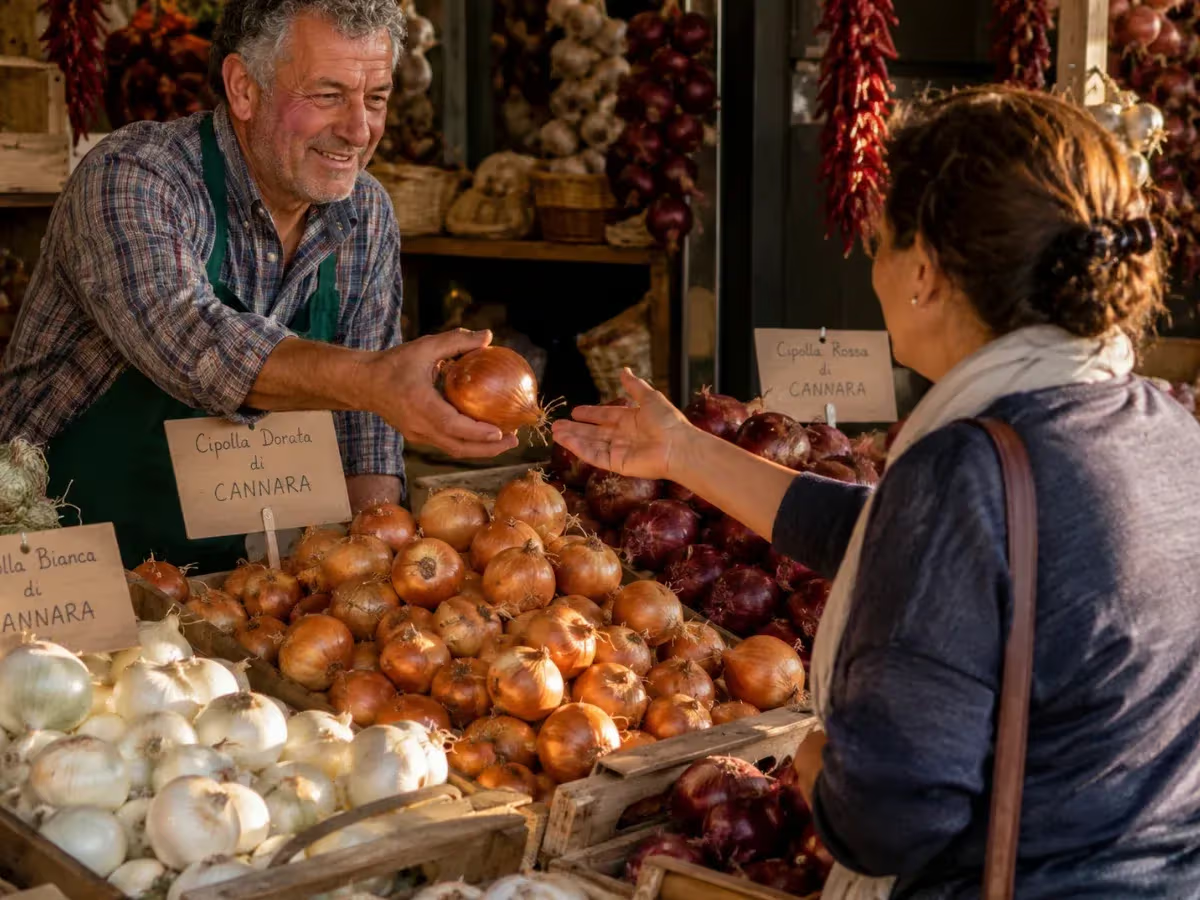
Under the denomination of Cipolla di Cannara fall three distinct local ecotypes: the tondella rossa, with violet skin and crispy flesh, the dorata, more traditional and suitable for prolonged cooking, and the borettana, small and flat, particularly suited for agrodolce preparations. In the kitchen this vegetable lends itself to very different uses: soffritti, soups, roasts, jams and pickled preserves, where the natural sweetness of the bulb effectively balances the acidity of the dressing.
Along the Topino valley, near Cannara, onion cultivation has been documented for centuries as a stable component of the local agricultural economy. The flat, well-irrigated lands around the small municipality in Umbria were already suited to this crop in medieval times, when bulbs were traded in the markets of Foligno and Perugia as valuable merchandise.
During the twentieth century the cultivation experienced a period of crisis, partly linked to the abandonment of traditional agricultural practices and competition from industrial bulbs. It was local farming families who kept the native varieties alive, preserving seeds year after year and passing down the harvesting and soil care techniques. This work of stewardship allowed the product to be recognized among Italy's Traditional Agrifood Products (PAT) of the Ministry of Agriculture, attesting to its rootedness in Umbrian territory. Today Cipolla di Cannara has become an identity reference for the entire local community, so much so that it lends its name to the country's most famous trade fair, and its production involves a significant number of agricultural enterprises in the area that have chosen to preserve the traditional ecotypes.
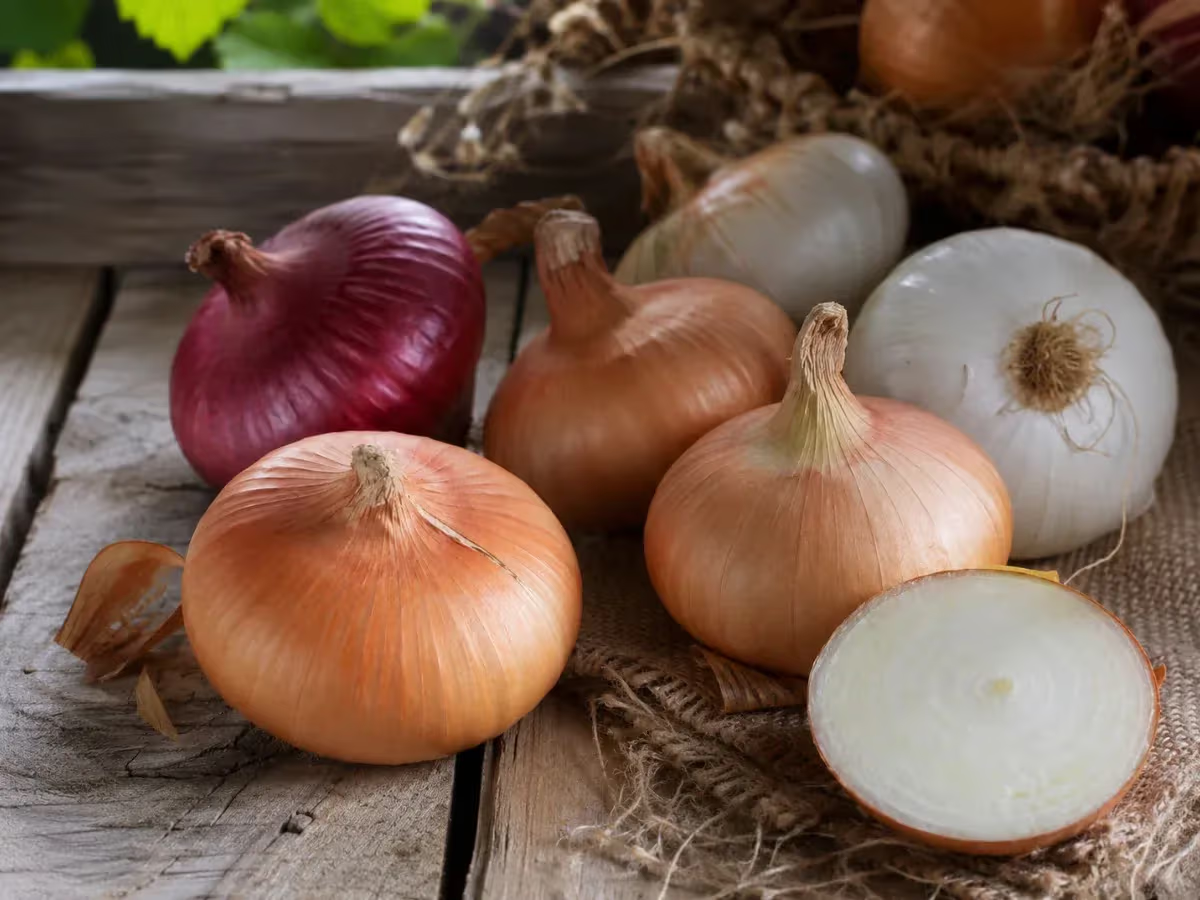
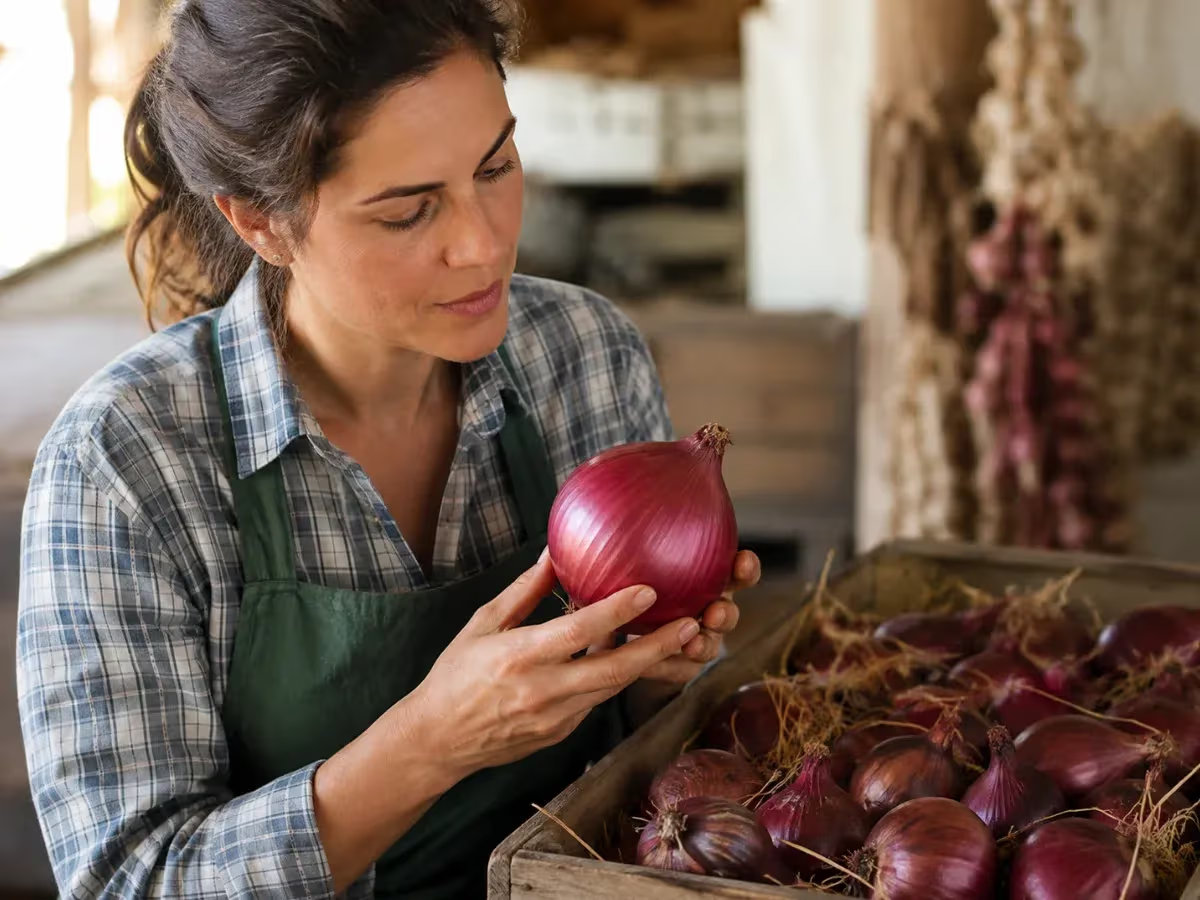
The three ecotypes of Cipolla di Cannara are distinguished at a glance. The tondella rossa has a regular spherical shape and a brilliant red-violet skin, with white flesh streaked with pink. The dorata features amber-colored tunicate layers and a shape more enlarged at the poles. The borettana is instead a small and flattened bulb, almost flat, with light straw-colored skin.
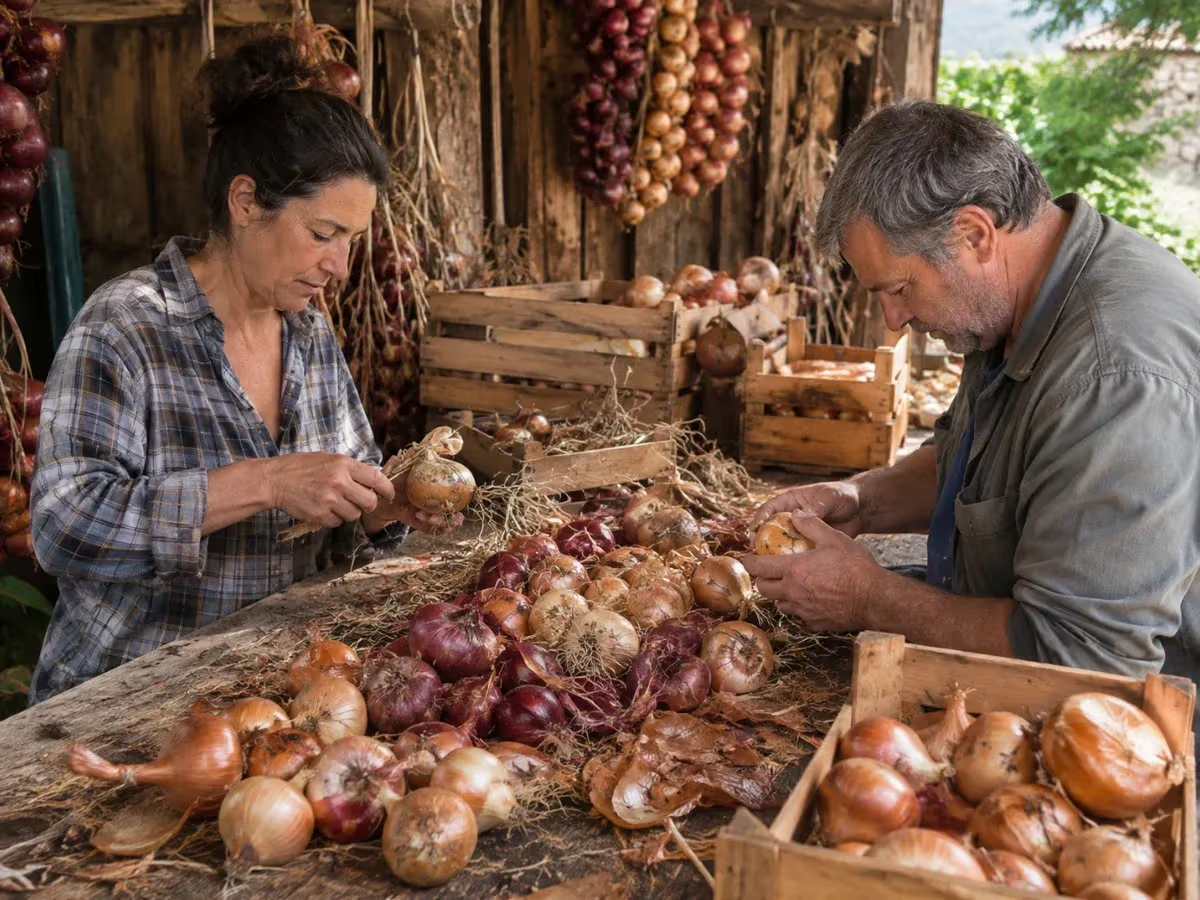
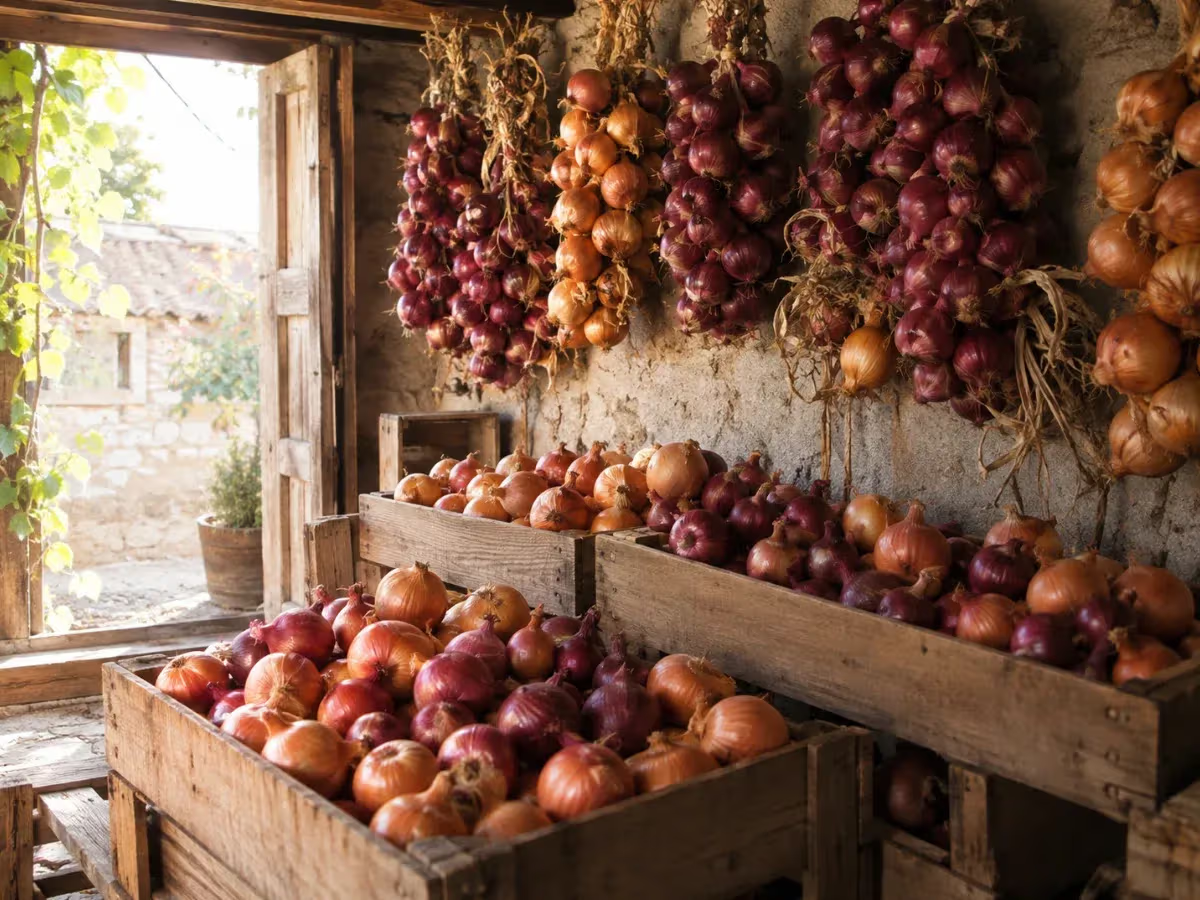
In all three types, the aroma is less pungent compared to industrially produced onions: the smell is sweet and round, without the aggressive notes of standardized varieties. When cut, the flesh is compact and juicy, without excess fibrousness. Those who purchase the authentic product in the area will often find the onions sold braided in plaits or tied in bunches, a practice that facilitates storage and is an integral part of the local agricultural tradition.
The Cipolla di Cannara has a low caloric content, estimated at around 30-40 kcal per 100 grams of fresh product. It provides dietary fiber, vitamin C, vitamin B6 and folates, as well as minerals such as potassium and manganese. It contains quercetin and other flavonoids with antioxidant properties. Its natural sweetness depends on a good content of simple sugars, but its fructooligosaccharide content makes it interesting also from the perspective of intestinal health, promoting a digestion that tends to be easier compared to other varieties.
Cannara onions are best preserved in a cool, dry, and well-ventilated place, away from direct light. Tradition dictates that they be hung braided in a ventilated location, a method that ensures preservation for several months after summer harvest. Once cut, the onion should be wrapped in plastic film and kept in the refrigerator, consuming it within two or three days. Closed plastic bags should be avoided, as well as proximity to potatoes or fruit that accelerate the degradation of the bulb.
Cipolla di Cannara is used with great versatility, both raw and cooked. Raw, thinly sliced, it enriches salads and pinzimoni without masking other flavors thanks to its sweetness. When cooked, it lends itself to slow soffritto, where the flesh dissolves, imparting body and roundness to sauces. The borettana variety is particularly suited for sweet and sour preparations or glazed in the oven. The golden variety is best suited for long cooking times, such as soups and braised dishes. The harvest season runs from June to August, a period when the fresh product best expresses its organoleptic characteristics.
On the beverage front, Cipolla di Cannara pairs naturally with light, low-tannin red wines from Umbrian tradition, such as a young Rosso di Montefalco or Spoleto Trebbiano for preparations made with raw onion. The sweetness of the bulb also finds an interesting counterpoint with amber craft beers or Belgian-style beers, particularly in sweet-and-sour preparations.
In the kitchen it pairs with semi-aged pecorino umbro, where the cheese's savory notes enhance the bulb's sweetness. Sweet-and-sour borettane onions traditionally accompany local cured meats, such as corallina or the cured meats from Norcia. Bruschetta with thinly sliced raw onion, Umbrian extra virgin olive oil and a dusting of salt is one of the simplest and most representative pairings of the region's peasant gastronomy.
The onions are hollowed out from the center, and the removed part is mixed with stale bread soaked in water, egg, grated Pecorino Romano cheese, and a mixture of aromatic herbs. The filling is returned to the hollowed bulbs and the onions are baked in the oven at moderate heat until the outer flesh becomes soft and the filling is golden. It is a dish from Umbrian home cooking, served as a main course or as a substantial appetizer.
The small borettana onions are first blanched, then browned in a pan with oil, white wine vinegar, sugar or local honey, and a few bay leaves. The slow cooking makes them glossy and tender. They are served cold or at room temperature as a side dish or part of a mixed appetizer, often alongside cured meats and bruschetta.
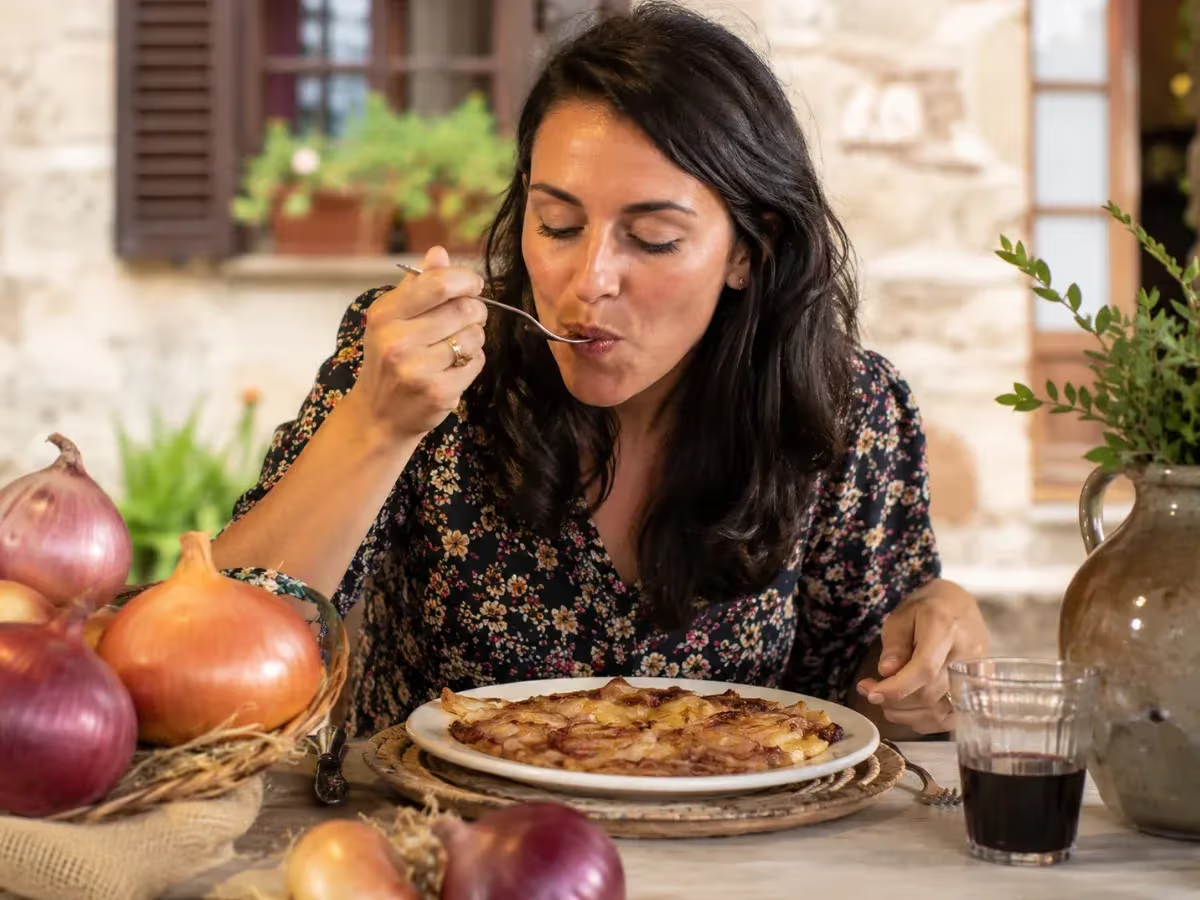
A simple and hearty preparation in which golden onions are sliced and stewed slowly in extra virgin olive oil until naturally caramelized, then covered with meat or vegetable broth and brought to a slow simmer. It is served on slices of toasted unsalted bread, with a sprinkling of aged cheese. The sweetness of Cannara onions gives the soup a depth of flavor that distinguishes it from variations prepared with more common varieties.
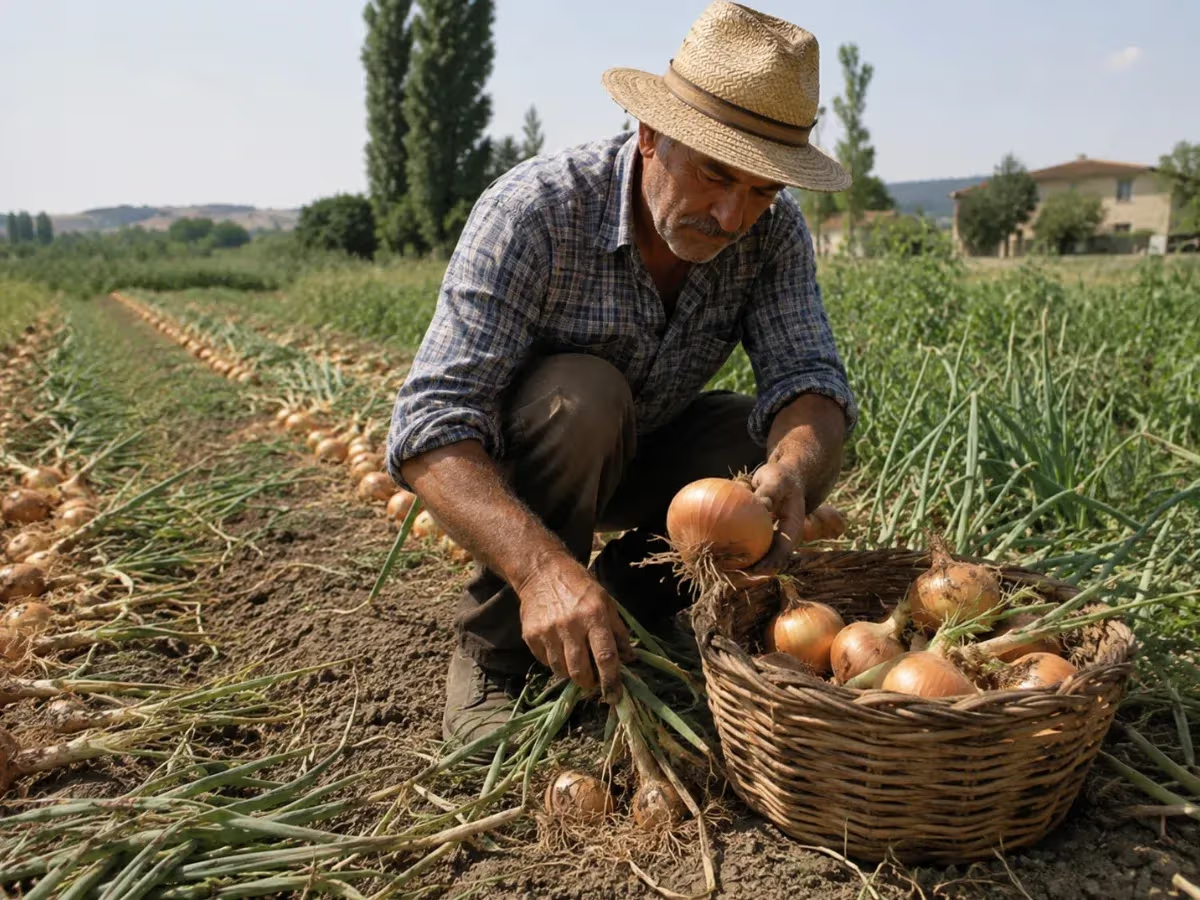
In Cannara, the onion is not merely a crop: it is an identity element that locals proudly claim and that has shaped the seasonal rhythm of the agricultural community. The harvest, which takes place between June and August, is historically a collective moment: families and neighbors would gather in the fields and then in the courtyards to trim, braid, and hang the bulbs. The braiding of onion braids, still practiced by many farmers, is a technique passed down orally from generation to generation. In many houses in the town, the braids hanging in the cellars or under the porticoes are a recognizable sign of the bond with this land and with its ancient rhythms.
Every year, during the central weekends of August, Cannara hosts the Sagra della Cipolla, one of the most deep-rooted gastronomic and wine events on the Umbrian calendar. The sagra attracts visitors from throughout the region and from neighboring provinces, with tasting booths, direct sale of fresh produce and traditional dishes prepared by local associations. The event is also the main opportunity to learn about the different ecotypes cultivated in the territory and to purchase processed products such as jams, cipolle sott'olio and in agrodolce made by local producers.