
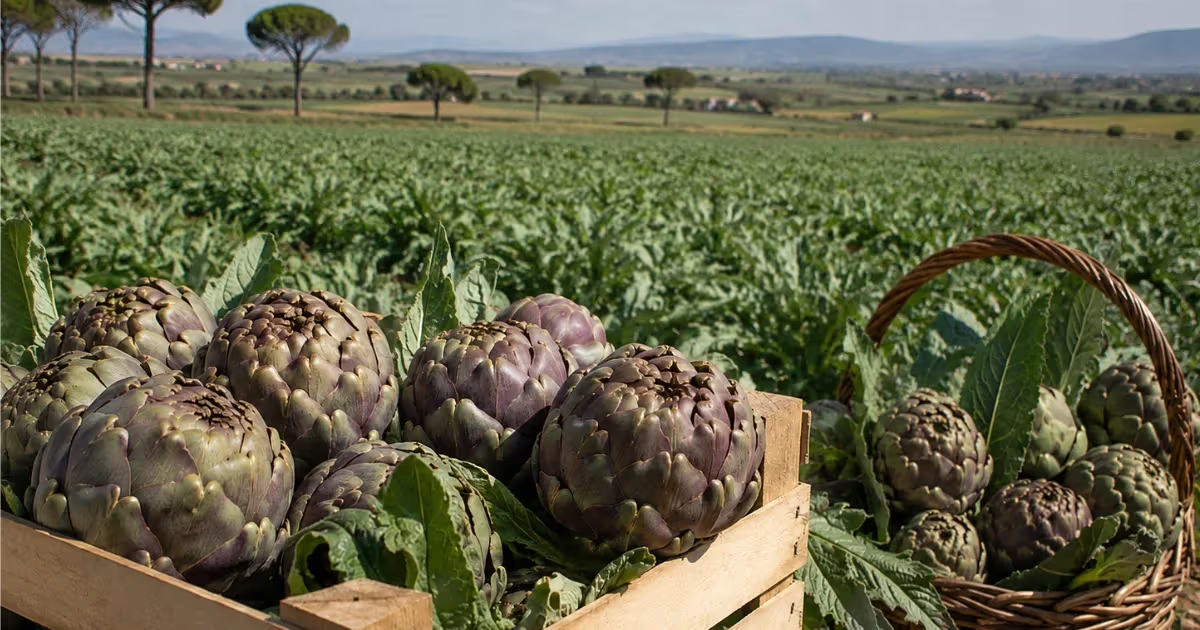
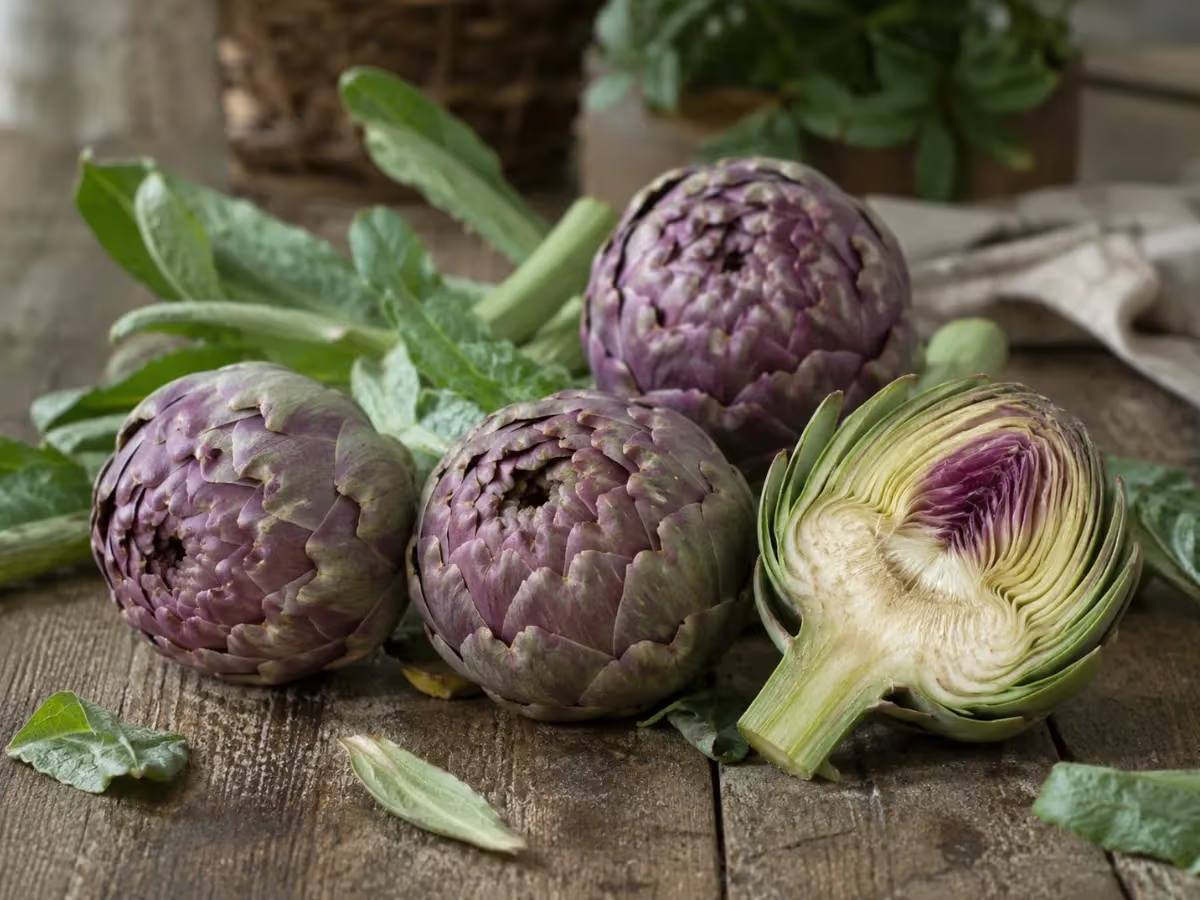
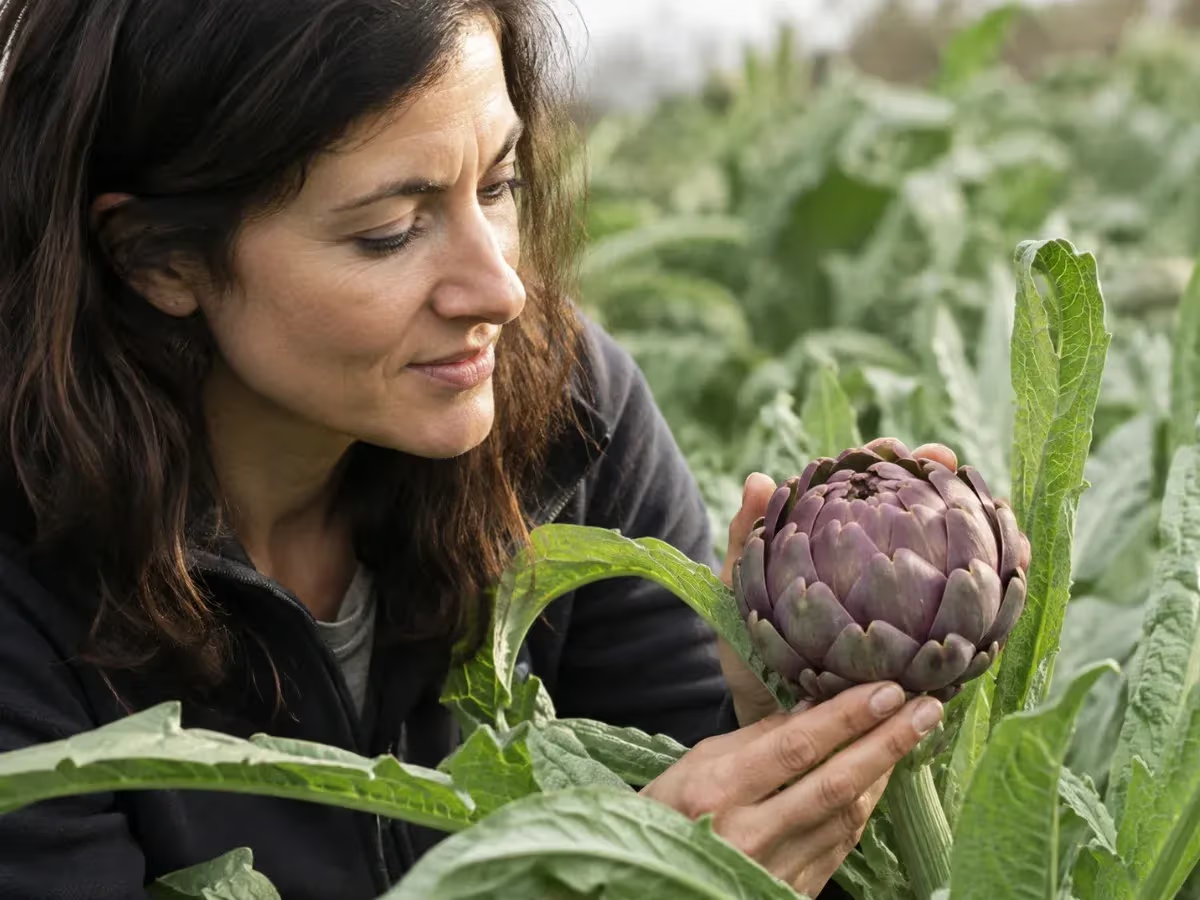
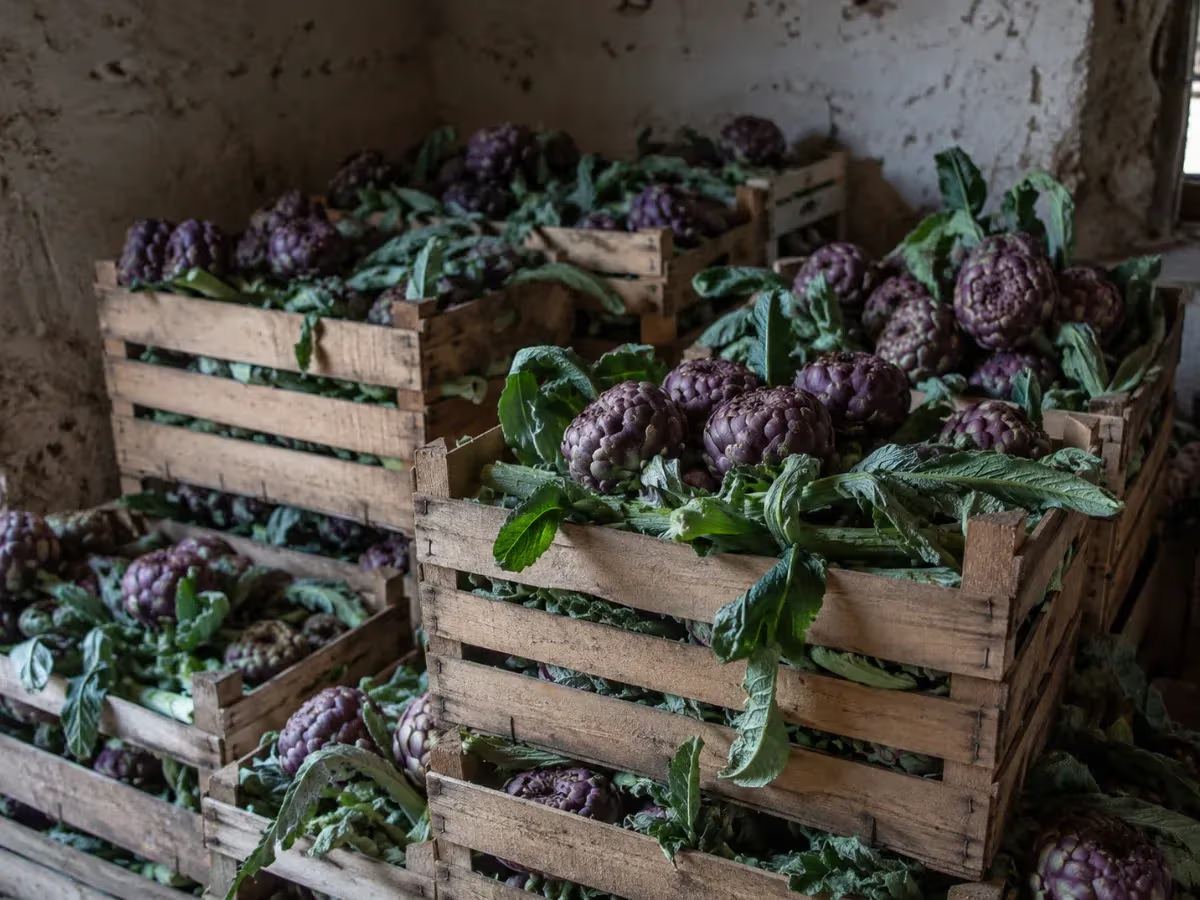
The Carciofo di Paestum IGP grows in the Piana del Sele, in the province of Salerno, where the sandy and deep soil, enriched by the alluvial deposits of the river, offers conditions that are difficult to replicate elsewhere. It is a variety of the "Tondo di Paestum" type, characterized by globose-shaped heads, slightly flattened, with bracts of green color tending to violet in the outermost shades. The consistency is tender even when raw, the flavor delicate but persistent, with a slightly bitter note that pleasantly softens during cooking without ever becoming aggressive. The absence of spines on the bracts makes it easy to handle and appreciated even when processed raw.
In the kitchen, the Carciofo di Paestum lends itself to both simple and elaborate preparations. It is traditionally sautéed with garlic, extra virgin olive oil and parsley, or fried in batter according to Campania tradition. Its tenderness makes it suitable for use raw in salads, sliced thin and dressed with lemon and oil. It is not uncommon to find it as the star of first courses, preserved in oil or as a side dish to white meats.
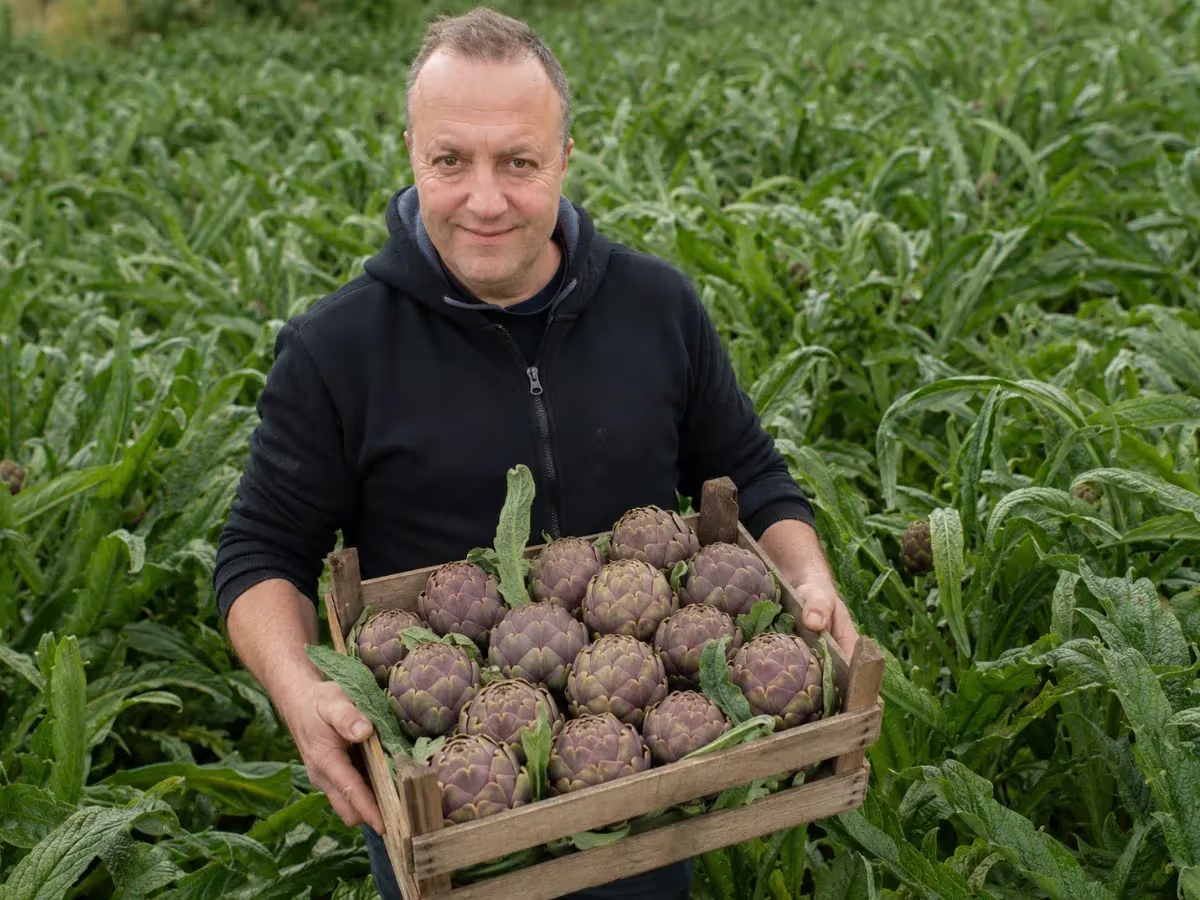
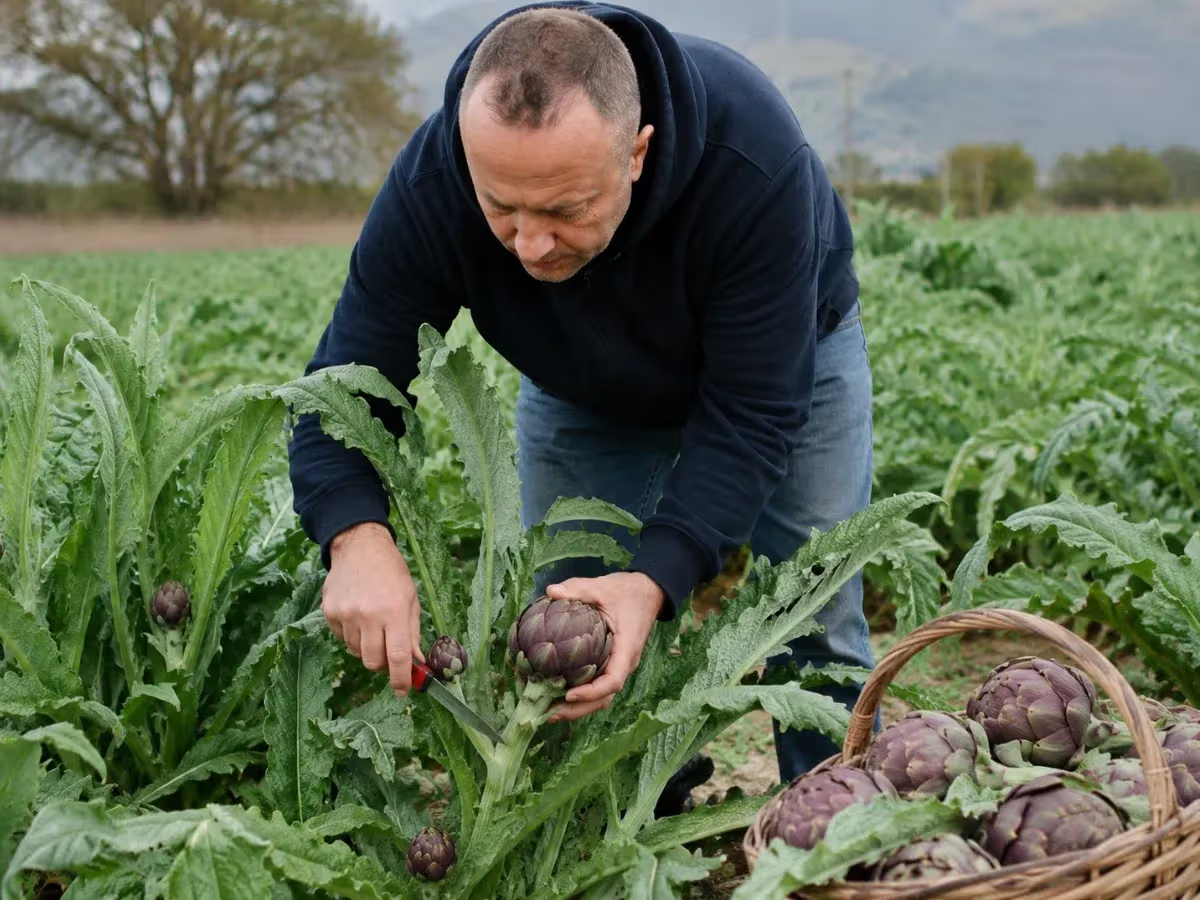
The Piana del Sele has preserved for centuries an agricultural vocation with roots as ancient as the Doric temples of Paestum, still visible on the horizon from the cultivated fields today. The cultivation of artichokes in this area developed with intensity during the twentieth century, when the land reclamation of the territory made available fertile and well-drained soils that local farmers progressively converted to horticultural crops. The choice of the local variety, selected over decades by farmers in the zone, responded to concrete criteria: early production cycle, adaptation to the mild and constant climate of the Tyrrhenian coast, abundant yield and superior organoleptic quality.
The IGP recognition, obtained at the European level, officially sanctioned the link between the product and its territory of origin, imposing a disciplinary regulation that governs the production zone, permitted varieties, cultivation techniques and minimum calibres. This instrument made it possible to enhance the work of local agricultural companies, often family-run, and to protect the name "Paestum" from improper use. Today the artichoke represents one of the most recognizable elements of the agricultural identity of the Sele area, with a production season that extends approximately between autumn and spring, with peaks between March and May.
The authentic capolino is recognized first of all by its shape: globose, compact, with a generous diameter and a slight flattening at the apex. The outer bracts display a brilliant green coloration, with purplish hues that intensify toward the edges. A distinctive characteristic is the absence of spines on the terminal bracts, which differentiates it from other spiny varieties. The stem, if preserved, appears fleshy, light green in color.
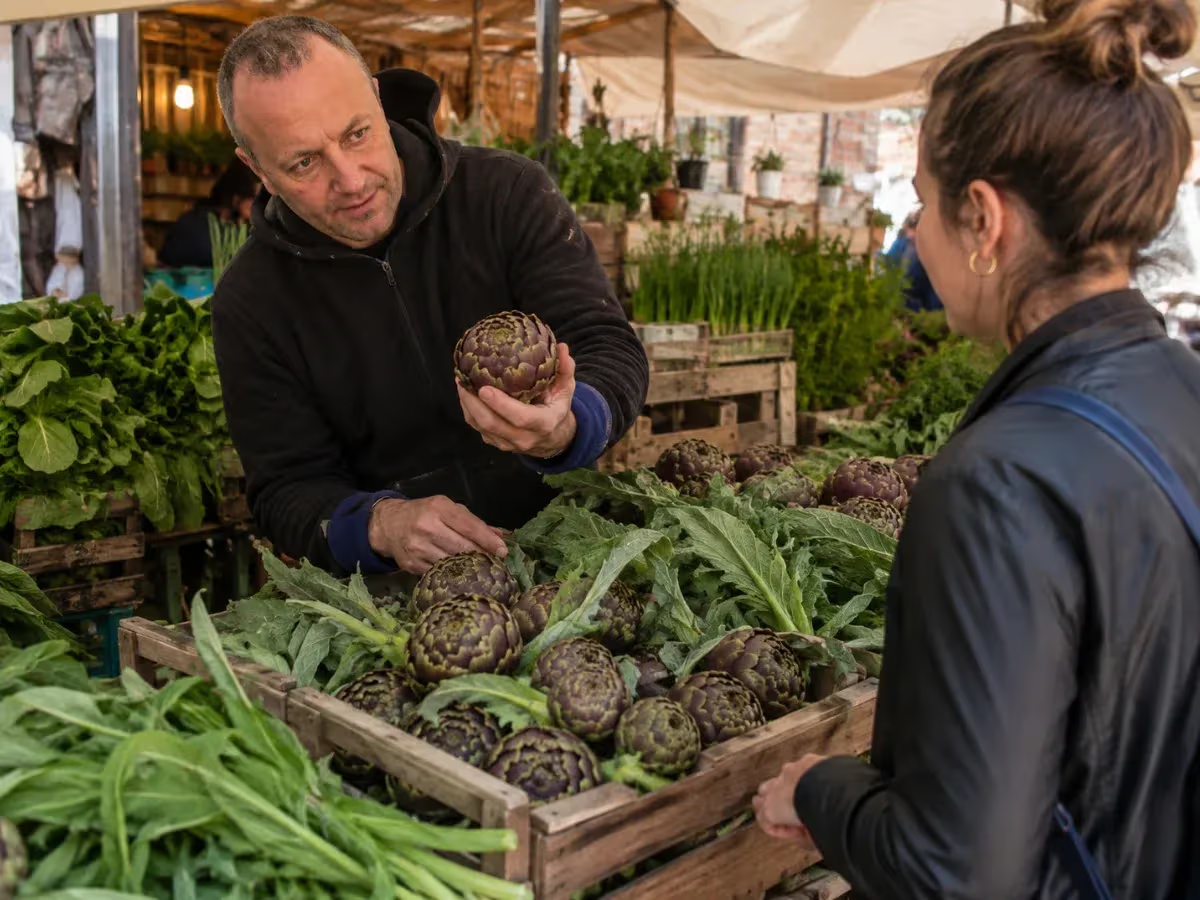
Certified IGP products are accompanied by a label bearing the European certification logo and the trademark of the Consortium for Protection, elements that the buyer can verify at the time of purchase. The origin from the Piana del Sele must be indicated on the label. Beware of artichokes with bracts already open or yellowed, signs of poor freshness, and of products lacking any indication of origin when marketed under the name "Paestum".
The Carciofo di Paestum is a low-calorie vegetable with high water content and a significant presence of dietary fibers, beneficial for intestinal wellness. Among micronutrients, potassium, magnesium, and phosphorus stand out, along with a fair amount of vitamin C and B-group vitamins. It contains cynarin, a phenolic compound traditionally associated with beneficial properties for liver function and digestive health. Thanks to the combination of fibers and bioactive compounds, it is often recommended in diets oriented toward metabolic wellness management.
Fresh Carciofo di Paestum should be stored in the refrigerator, preferably in the vegetable drawer, at a temperature between 4 and 8 degrees. To maintain its freshness longer, it is useful to wrap it in a damp sheet of paper or in a perforated bag. If the stem is intact, it can be stored immersed with the stalk in a container with little water, like a bunch of flowers. Under optimal conditions it keeps intact for four or five days from purchase. Once cut, it should be consumed quickly or kept immersed in water acidulated with lemon juice.
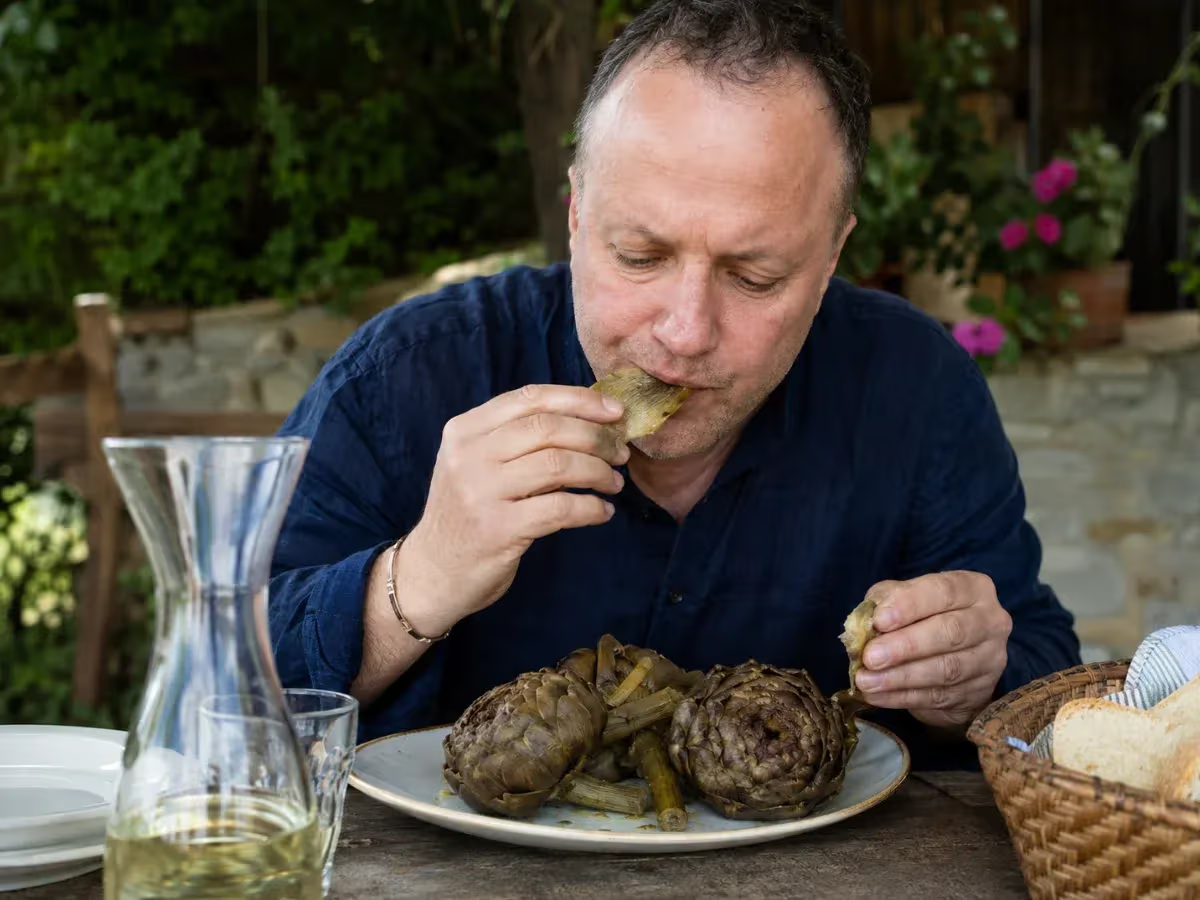
The Carciofo di Paestum can be consumed raw or cooked, depending on the preparation. Raw, it is sliced thinly and dressed with extra virgin olive oil, lemon and salt, possibly enriched with shavings of aged cheese. The most common cooking method involves browning in a pan with garlic and oil, or stewing in a casserole with a splash of water. It also lends itself to deep frying in abundant oil, whole or in wedges. The optimal season for consumption runs from late autumn to spring, with the central months offering the most pronounced size and flavor in the heads.
On the wine front, the artichoke is traditionally considered a vegetable difficult to pair due to cynarin, which can alter the perception of taste. Dry and fresh whites, such as Fiano di Avellino or Greco di Tufo, better withstand the interaction, thanks to an acidic structure that balances the bitter flavor of the vegetable. A saison-style craft beer, with its herbaceous notes, represents a coherent alternative with the character of the product.
In gastronomic pairings, Carciofo di Paestum pairs well with fresh Campania ricotta, with semi-aged grated Pecorino Romano, with anchovies from Cilento and with extra virgin olive oil from Piana del Sele. It naturally accompanies white meats in sauce, cod and eggs in all their variations, and is a recurring ingredient in mixed preserved vegetables.
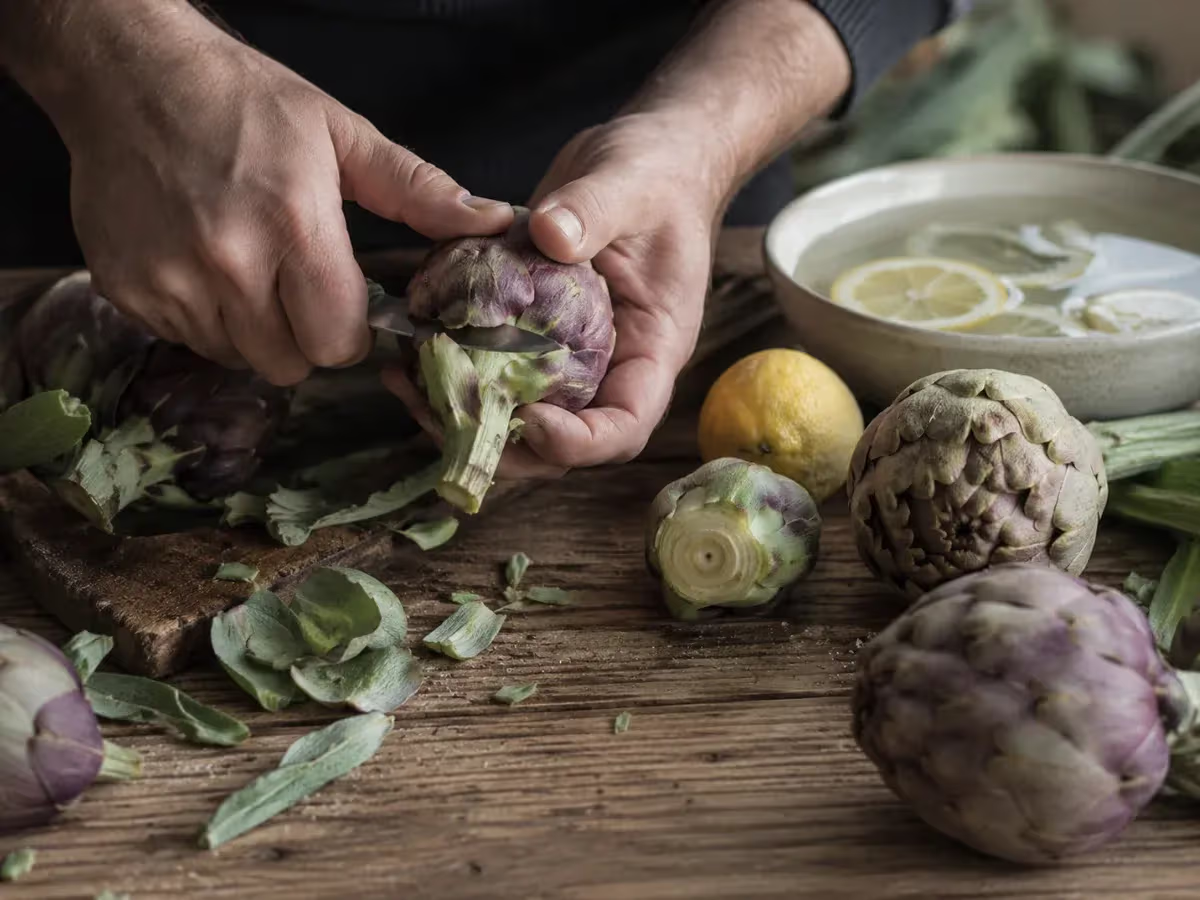
The heads are stripped of the toughest outer leaves and hollowed of the inner choke, then filled with a mixture of garlic, parsley, breadcrumbs and a drizzle of extra virgin olive oil. They are cooked upside down in a casserole with a base of oil and little water, over low heat and covered, until the bracts become tender. It is a preparation widespread in the homes of the Sele area, which enhances the natural tenderness of this variety.
The artichokes are cut into wedges, dipped in a light batter of flour, cold water and a pinch of salt, then fried in abundant oil until golden. The Campania tradition involves serving them hot, with a splash of lemon juice. The crispy texture on the outside and soft on the inside is the signature of a successful cooking.
A sauce prepared with sliced artichokes, garlic, oil and a sprinkle of smoked provola melted in the hot dressing. It is used with short pasta or with broken spaghetti, and it is a typical recovery dish of Cilento and Sele domestic cuisine, where the artichoke of Paestum is an almost daily seasonal ingredient.
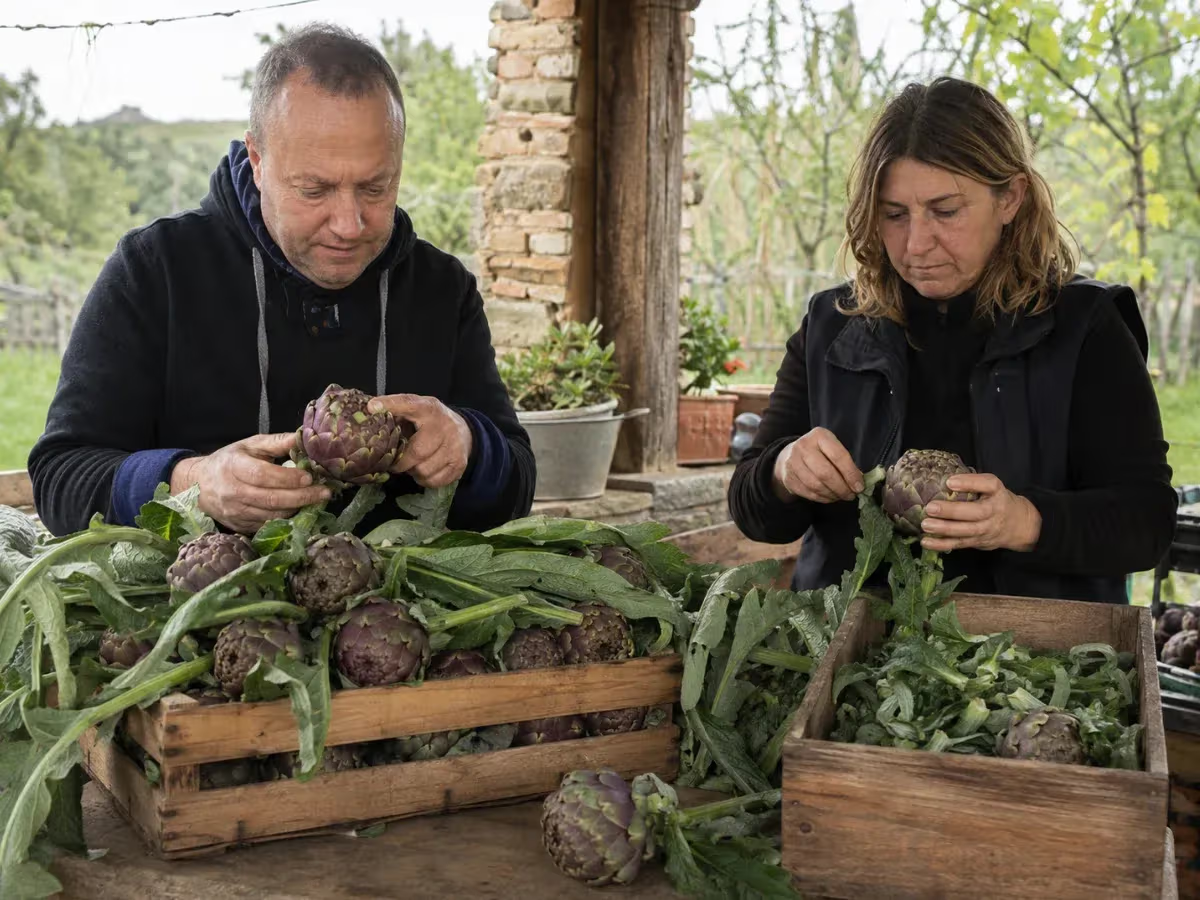
In the peasant culture of the Piana del Sele, the artichoke was never a luxury product: it was everyday food, present on the tables of farming families from late summer through spring. Its harvest marked the seasonal rhythm of work in the fields, and the ability to cook it in many different ways, using every part of the plant including the stems, reflects the frugal logic of Campanian rural cuisine. Even today many families in the area maintain the habit of preparing carciofi sott'olio in autumn, a domestic practice that extends the availability of the product beyond the fresh season and that transmits, from one generation to the next, preservation techniques rooted in the territory.
Among the events linked to Carciofo di Paestum, the most established one traditionally takes place in the Piana del Sele in spring, during the period of maximum production between March and May. Some municipalities in the Salerno area organize local fairs and themed markets where producers display and sell the fresh product directly, often paired with other vegetables and local specialties. The product is also present at the main Campania agrifood fairs dedicated to regional IGP and DOP excellences, which represent an important showcase for local agricultural companies.