
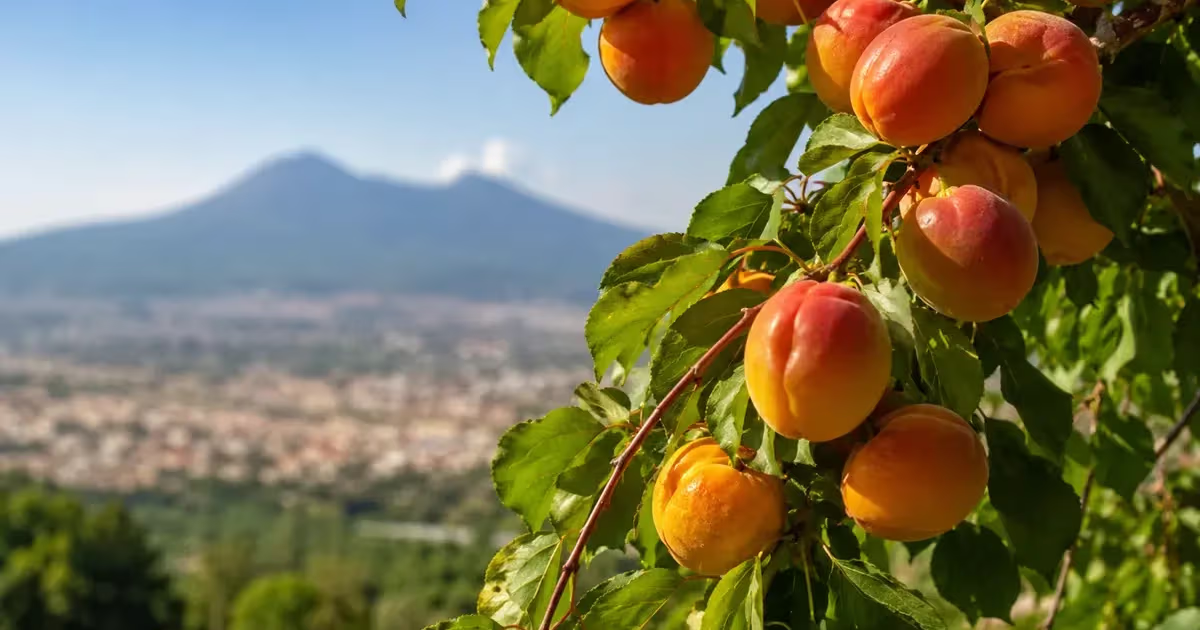
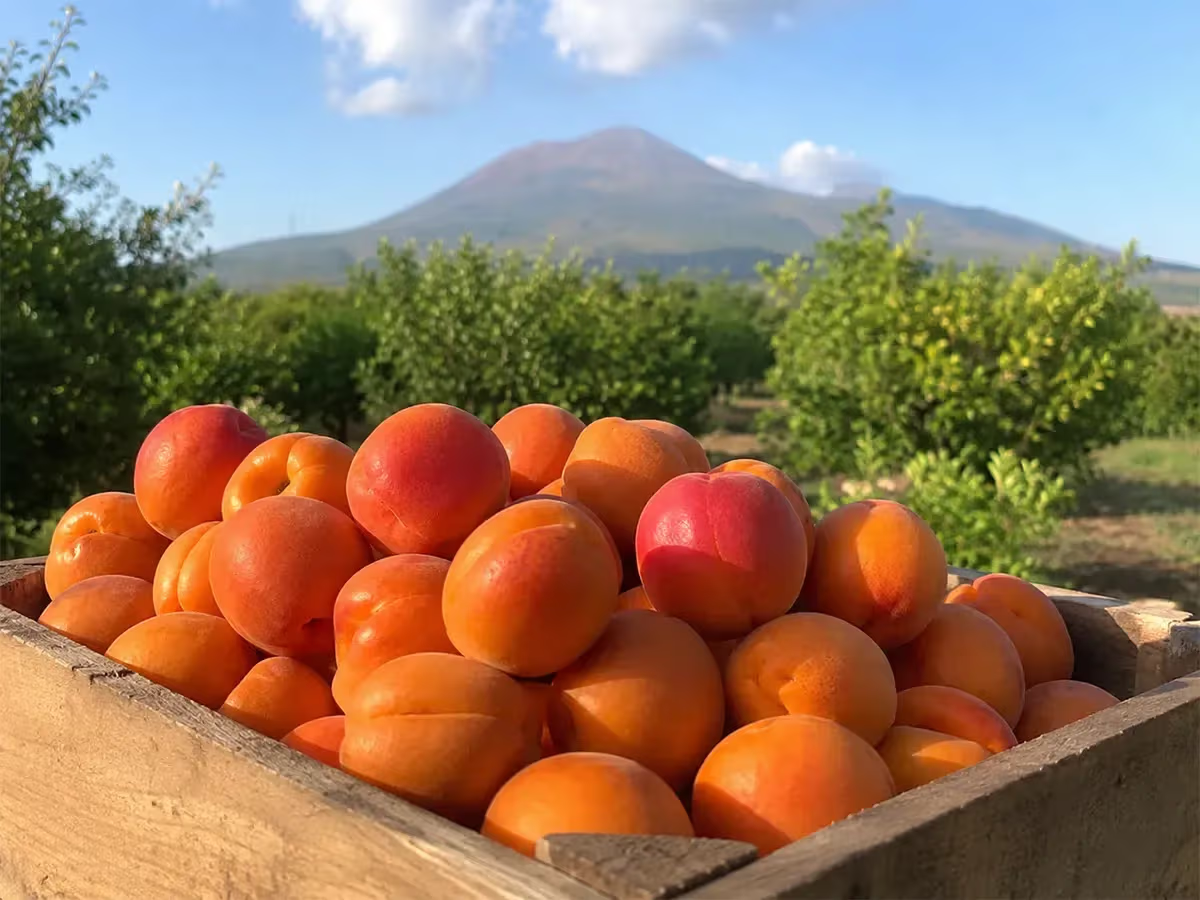
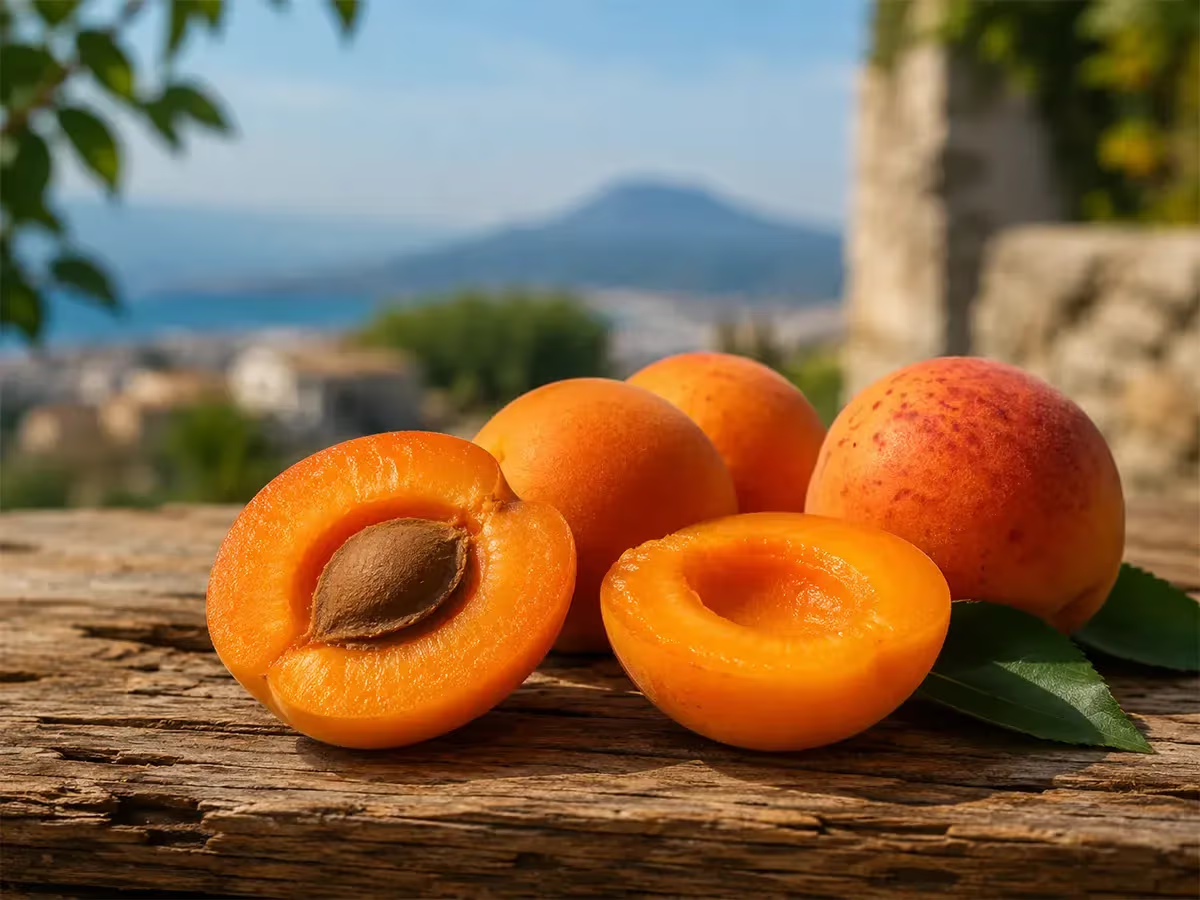
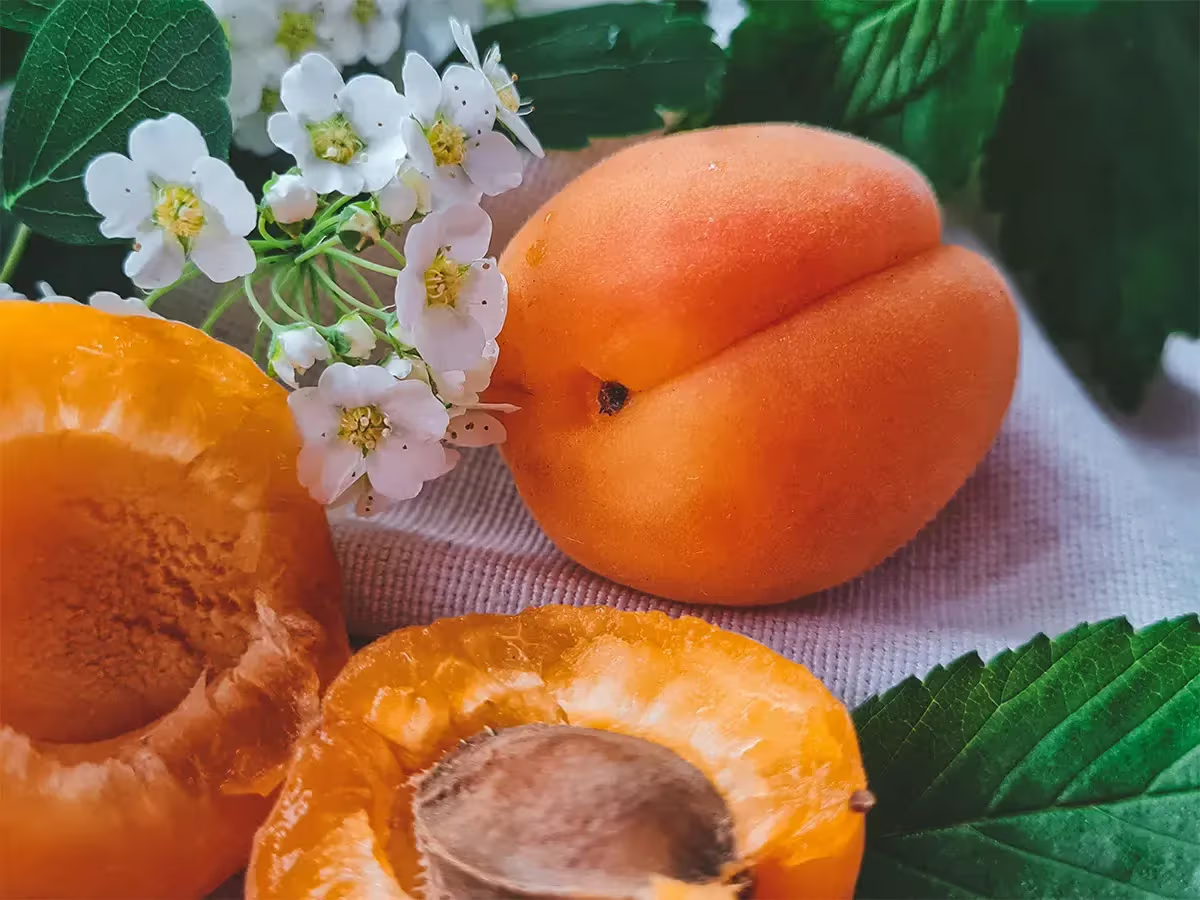
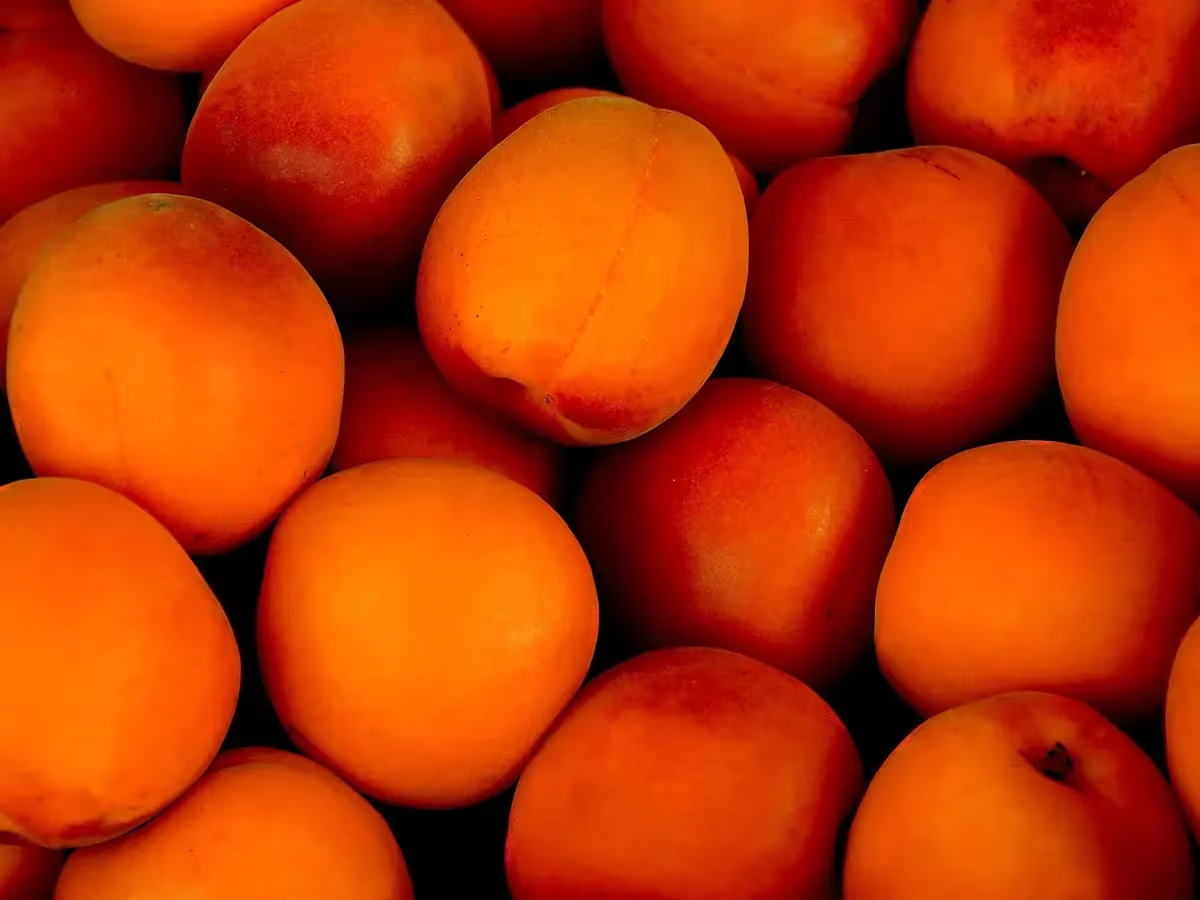
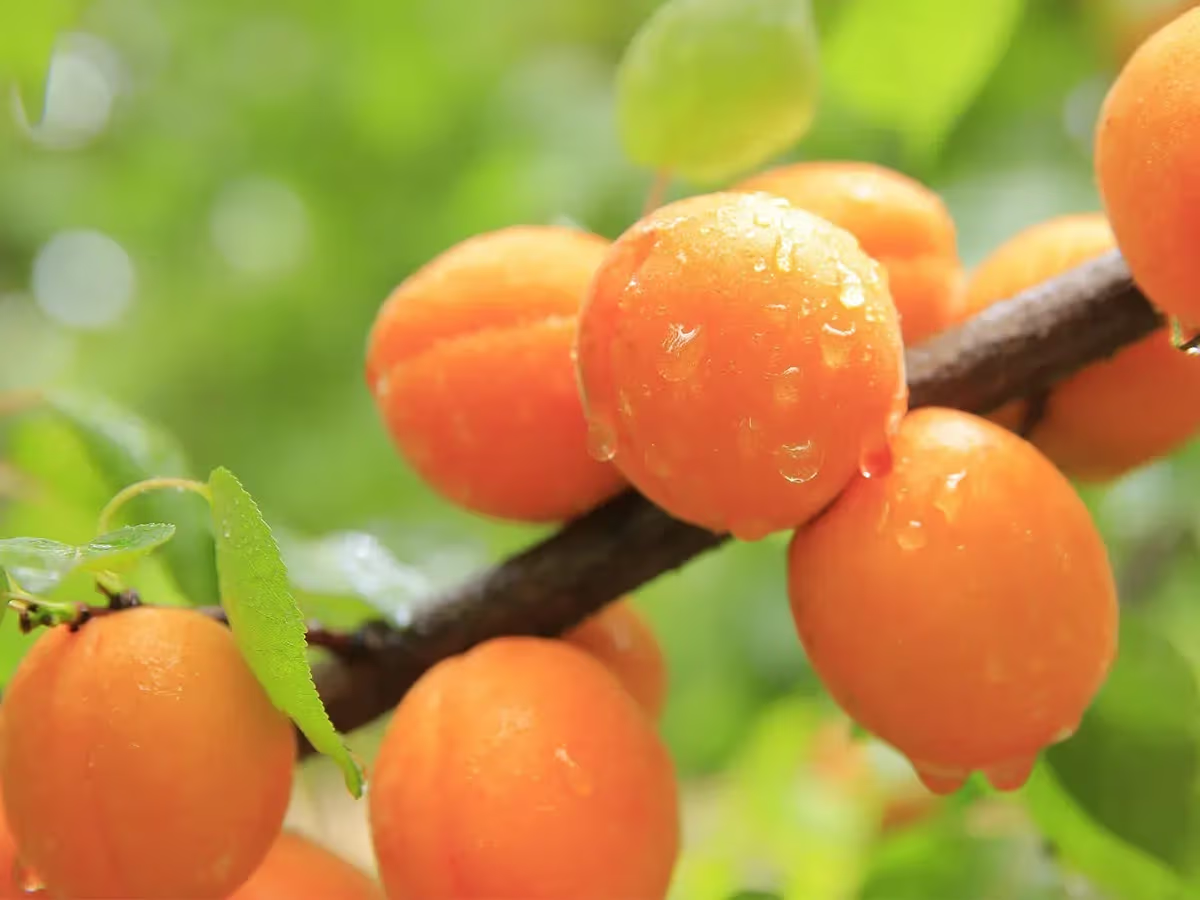
The Vesuvian apricot grows on the slopes of Vesuvius, in a territory where the volcanic soil rich in minerals and the particularly favorable microclimate give the fruits characteristics difficult to replicate elsewhere. The traditional varieties cultivated in this area, including 'Pellecchiella', 'Cafona' and 'Mognoriello', are distinguished by their firm yet juicy flesh, intense orange color often streaked with red, and a balance between sweetness and acidity that makes them recognizable at first taste. The aroma is fragrant and persistent, with floral notes reminiscent of ripe peach.
In the kitchen, the Vesuvian apricot lends itself both to fresh consumption and to processing. It is the basis of jams with vivid color and full flavor, artisanal liqueurs, traditional Campanian sweets and compotes to pair with aged cheeses. Its consistent flesh also makes it suitable for drying, a practice still widespread in the Vesuvian area, which further concentrates the sugars and organoleptic properties of the fruit.
The slopes of Mount Vesuvius have been home to apricot trees for centuries, in an agricultural landscape that has been able to enhance the exceptional fertility of lava soils. Cultivation has been consolidated over time in the municipalities of the Vesuvian area, with Somma Vesuviana among the most suited centers, where entire families have passed down from generation to generation the care of traditional orchards and the selection of local varieties.
The native varieties of the area, distinguished from industrial ones widespread in the rest of Italy, have long resisted the pressure of markets that favor more uniform and preservable fruits. This resistance comes at an economic cost, since Vesuvian apricots ripen rapidly and are poorly suited to large-scale distribution, but it has preserved a genetic and gustatory heritage of considerable value. The recognition as a Traditional Agri-food Product (PAT) by the Ministry of Agricultural Policies has officially established the identity of these fruits, confirming their belonging to the agricultural history of Campania. Today cultivation is also supported by local initiatives aimed at enhancing ancient varieties in the face of the advancement of standardized cultivars.
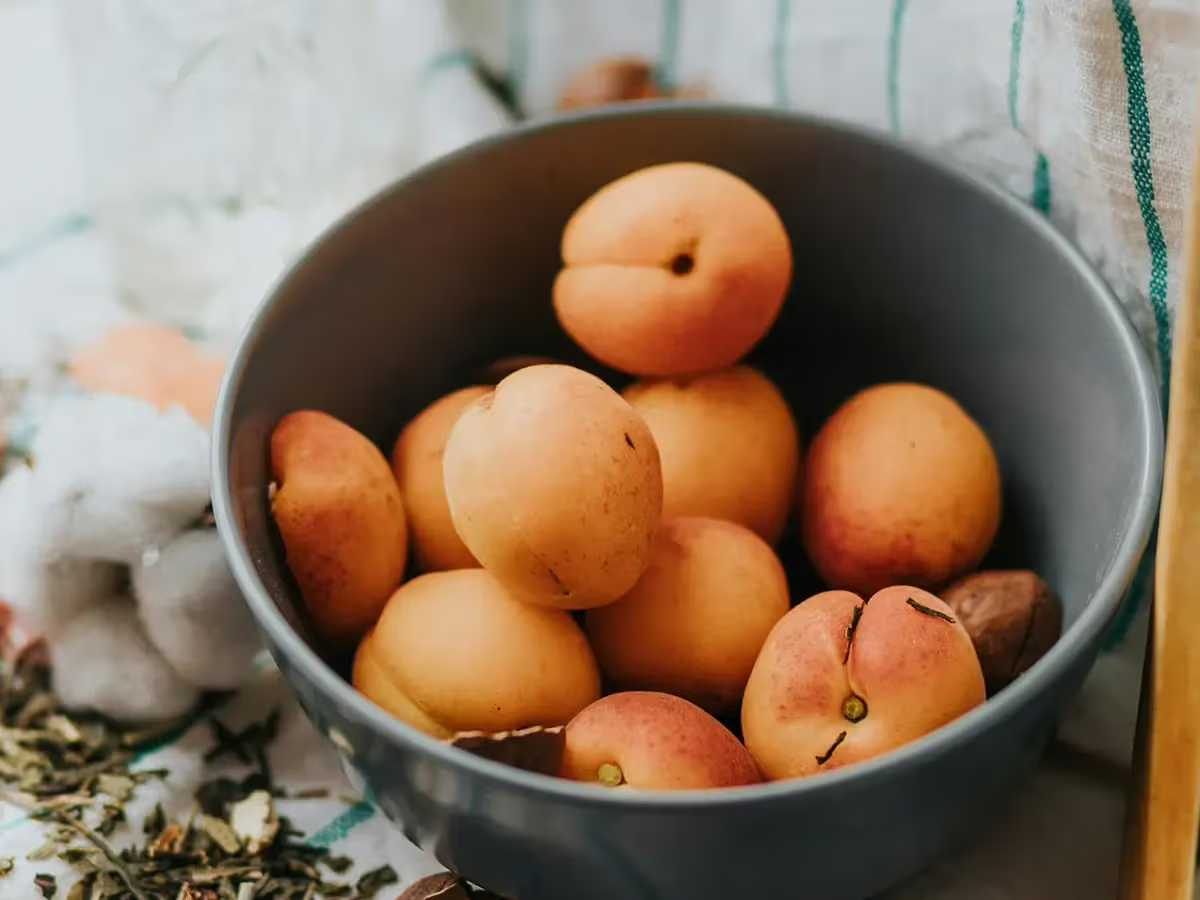
The authentic Vesuvian apricot is first recognized by its skin, which has a deep orange coloration with red or reddish hues on the part exposed to the sun, almost never uniform like fruits from intensive cultivation. The shape is tending towards round or slightly oval, of medium size, with a well-defined dimple. The flesh is compact, bright orange, and does not yield easily to pressure.
The aroma is one of the most reliable indicators: intense, sweet-acidic, with a distinct floral component that distinguishes these varieties from imported products or less typical cultivars. On the palate, the flavor stands out for the liveliness of the acidity that balances the sweetness. Purchasing directly from local producers in the Vesuvian area or at farmers' markets in the zone guarantees authentic provenance. The product is also recognizable by its short seasonality, concentrated mainly between June and July.
The Vesuvian apricot is a relevant source of beta-carotene, the precursor of vitamin A, responsible for the intense orange color of the flesh, with a favorable contribution to eye health and immune defenses. It also contains vitamin C, potassium and small amounts of iron. The caloric intake is modest, estimated at around 40-48 kilocalories per 100 grams of fresh fruit. The good concentration of soluble fibers promotes its digestibility and contributes to intestinal well-being. The sugar content, balanced by natural acidity, is mainly composed of fructose.
Vesuvian apricots are fruits with rapid ripening and should be consumed within a few days of purchase. At room temperature they keep for two or three days if still slightly firm; once fully ripe it is preferable to store them in the refrigerator in the fruit drawer, where they can last up to five days. Avoid placing them in closed bags that promote moisture buildup. For prolonged storage, transformation into jam or drying is recommended.
The most direct way to appreciate the albicocca vesuviana is fresh consumption, picked at the right ripeness and eaten without processing. The season is concentrated between June and July, the period in which the fruit expresses its aromatic characteristics at their best. For desserts it is used both fresh, in tarts and rustic cakes, and transformed into jam to be used as a filling. Excellent also halved and paired with fresh or aged cheeses, or used to prepare sweet and sour sauces to accompany white meat dishes.
On the beverage front, albicocca vesuviana pairs well with fragrant Campanian white wines with good acidity, such as Fiano di Avellino or Falanghina del Sannio, which enhance its floral notes without overpowering them. For desserts based on apricot jam, a passito or a light dessert wine offers a pleasant counterpoint. Dried apricot pairs with local distillates such as limoncello or hazelnut-based liqueurs.
Among food pairings, confettura di albicocca vesuviana finds its natural place alongside hard-paste cheeses such as Pecorino di Carmasciano or a seasoned caciocavallo from the Sannio region. Fresh, the fruit pairs elegantly with Campanian ricotta and fresh cow's milk cheeses, while in the kitchen it blends well with pork, giving rise to sweet and sour preparations rooted in rural tradition.
Jam is the most deeply rooted preparation in Vesuvian tradition. The apricots are pitted and slowly cooked with sugar in proportions varying according to family recipes, until a dense and fragrant compote is obtained. Some versions include the addition of a few almonds extracted from the pit, which imparts a subtle bitter note. Jarred while still hot, the jam keeps for months and is used to fill tarts, shortbread pastries and biscuits.
Traditional drying involves cutting the apricots in half, removing the pit and spreading them on wooden racks or gratings exposed to the summer sun for several days, turning them periodically. The result is a concentrated fruit with intense flavour and sticky consistency, consumed as a snack or used in the preparation of sweets and in the fillings of royal icing pastries. The practice is still widespread among family producers in Somma Vesuviana and in neighbouring municipalities.
The tart is one of the most common baked sweets in homes throughout the Vesuvian area during apricot season. A shortbread pastry base, prepared with lard or butter according to family tradition, is filled with apricot jam or with slices of fresh fruit and sugar. The version with fresh fruit, more delicate, requires careful baking to preserve the juiciness of the pulp without excessively softening the base.
In the peasant culture of the Vesuvian area, the harvest of apricots marked the rhythm of summer for generations, involving entire families during the hectic days of ripening, brief and intense. The domestic transformation into jam and the preparation of dried apricots were practices passed down from grandmothers to daughters, with recipes often unwritten but preserved in gestural memory.
The Vesuvian apricot is also a symbol of the agricultural identity of the territory: its fragility, brief seasonality, and resistance to industrial standardization make it an emblem of a tradition that favors authentic flavor over commercial convenience. For many families in Somma Vesuviana, having an apricot tree in the garden or in family fields still represents today a concrete link with the history of the place.
The Vesuvian area traditionally dedicates the summer to the celebration of its agricultural products, and the apricot holds a central place in this calendar. Among the events linked to this fruit, some take place in Somma Vesuviana and in neighboring municipalities such as San Giuseppe Vesuviano and Ottaviano during the month of June, coinciding with full ripeness. These festivals represent an opportunity to meet local producers, purchase fresh or processed fruit, and witness demonstrations of artisanal processing. The admin is invited to verify the names and updated dates of the specific events.
