
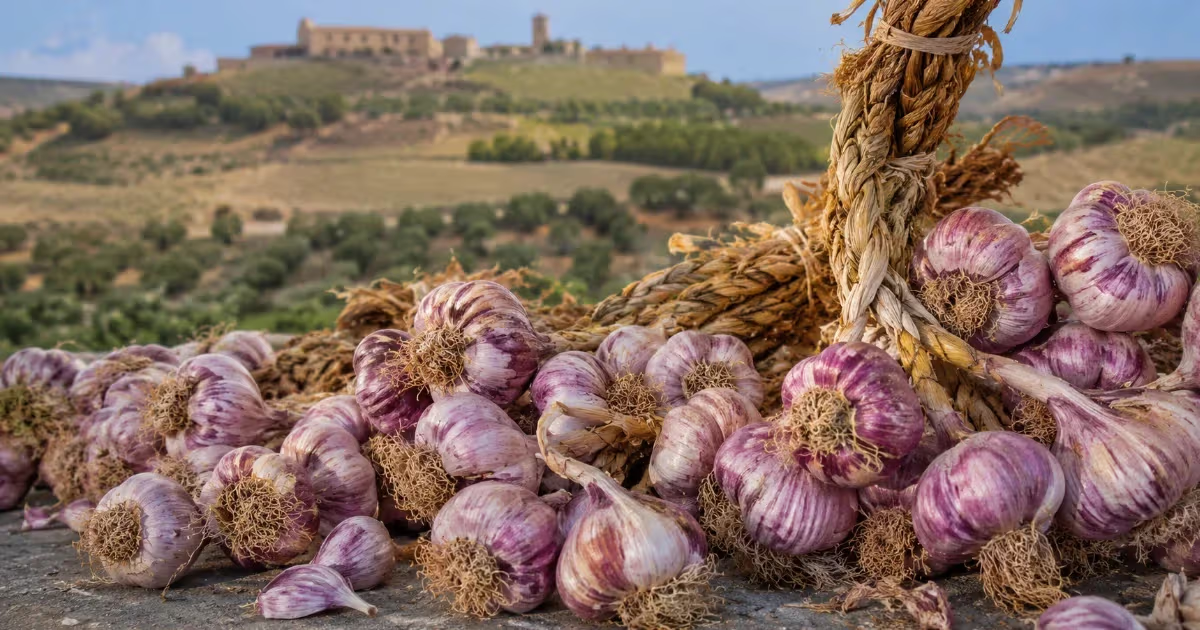
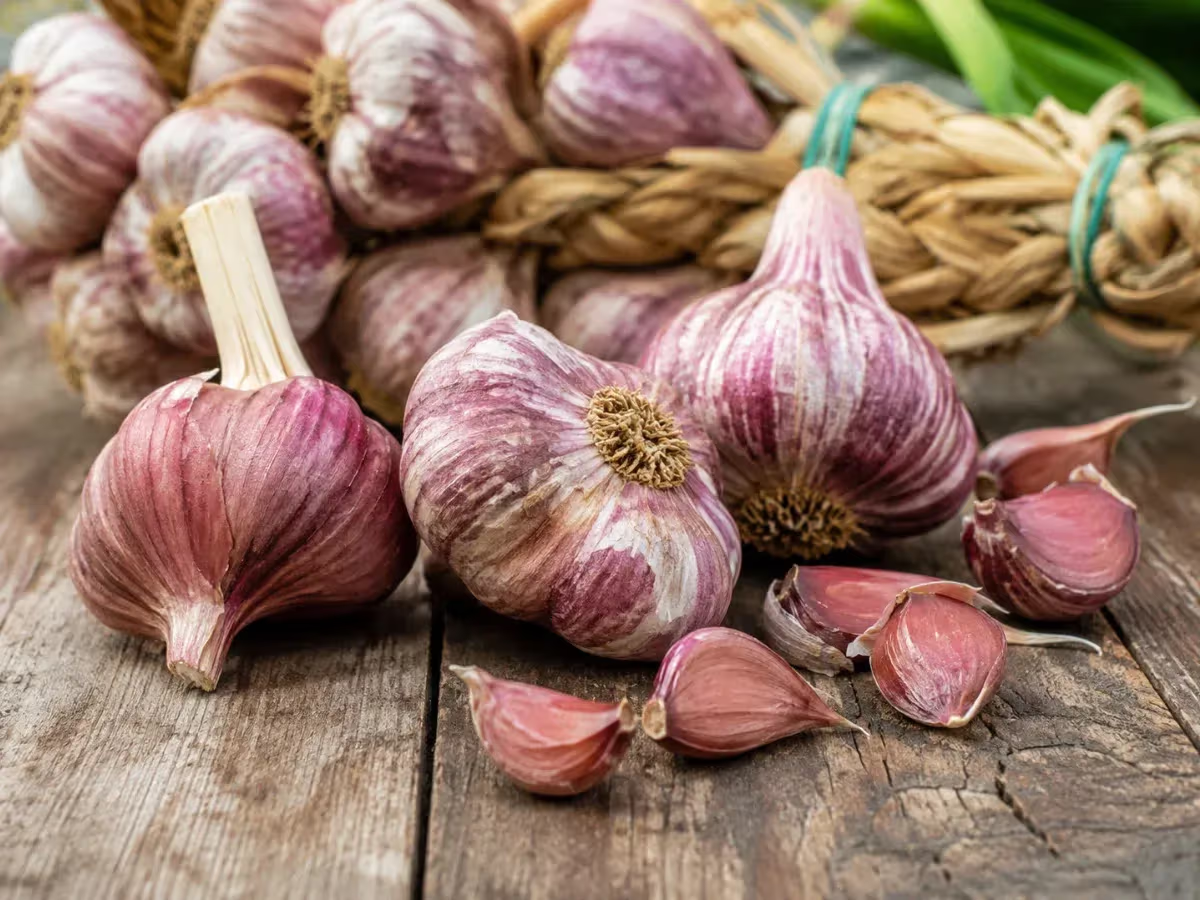
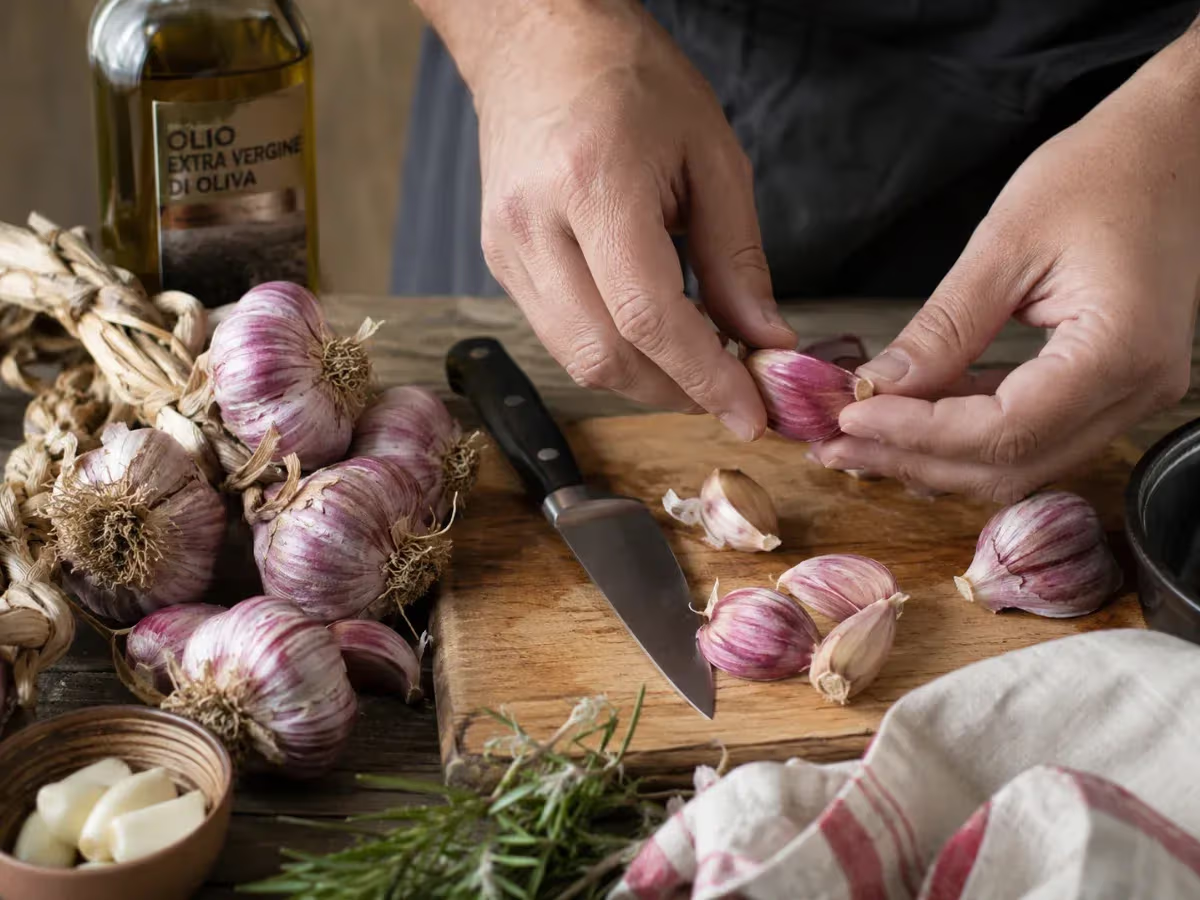
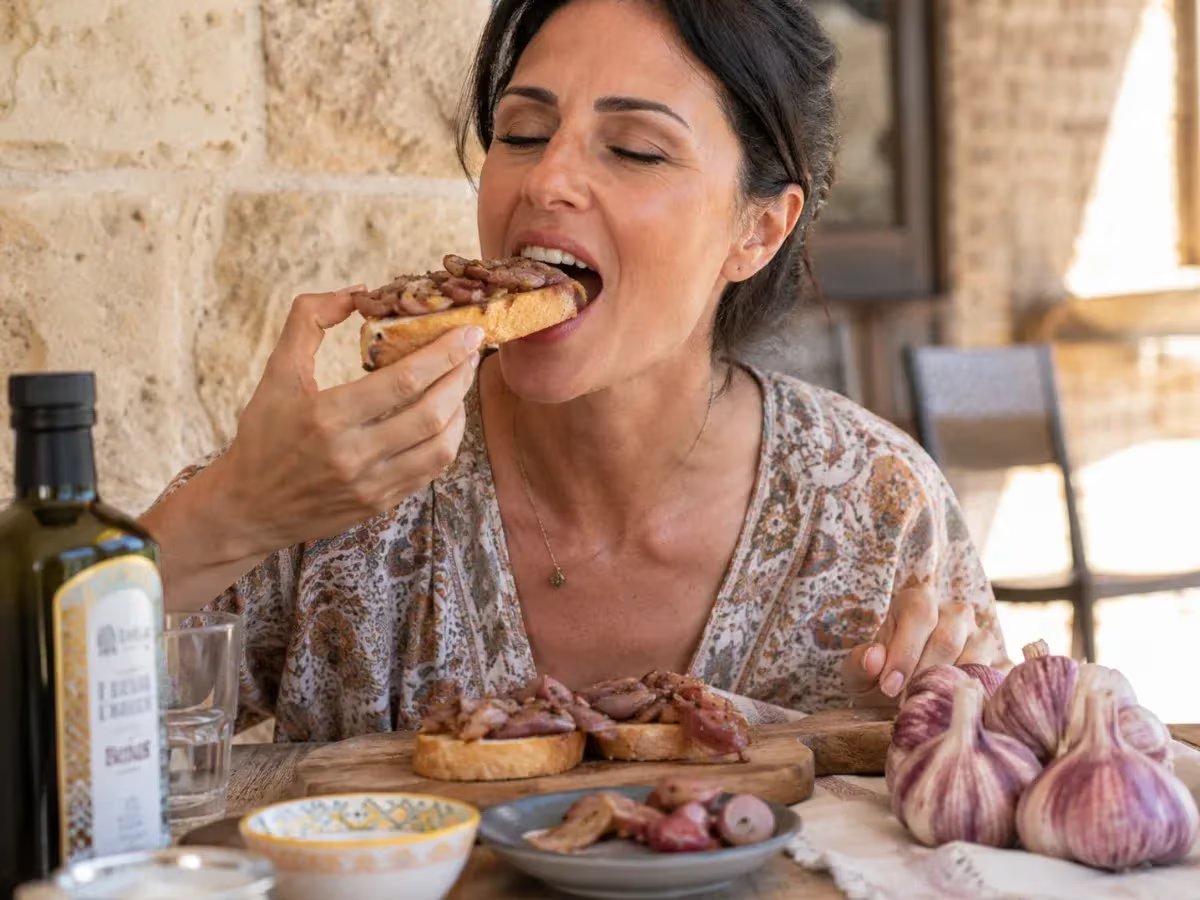
Between the salt pans of Trapani and the village of Nubia, in the western tip of Sicily, grows one of the most recognizable garlics of southern Italy. The Aglio Rosso di Nubia is distinguished by its outer tunics of intense red-violet color, which envelop bulbs of contained dimensions but compact, with numerous and tight cloves. The aroma is pungent and persistent, rich in earthy and sulfurous notes, while the flavor is decisive, spicy to just the right degree, with an aromatic complexity that mellows sweetly when cooked. The consistency is firm, and its good keeping quality makes it suitable for both fresh use and preservation when hung.
In the kitchen it is a leading ingredient in the Sicilian tradition of the Trapani area. It is the indispensable base of pesto alla trapanese, where it is pounded raw with almonds, tomatoes and basil. It finds its place in fish sauces, in preparations with bottarga, in soffritti of wild vegetables and in legume dishes. Even when consumed whole, roasted or in sweet and sour sauce, it maintains a defined personality.
The coastal territory between Trapani and Marsala, marked by salt marshes and a dry, windy microclimate, has created ideal conditions for the cultivation of this garlic for centuries. The roots of its presence in this area probably date back to the Middle Ages, when Mediterranean trade routes brought seeds and agricultural practices from one end of the sea to the other. The village of Nubia, a small hamlet in the municipality of Paceco, has remained over time the beating heart of this production, so much so as to give its name to the variety.
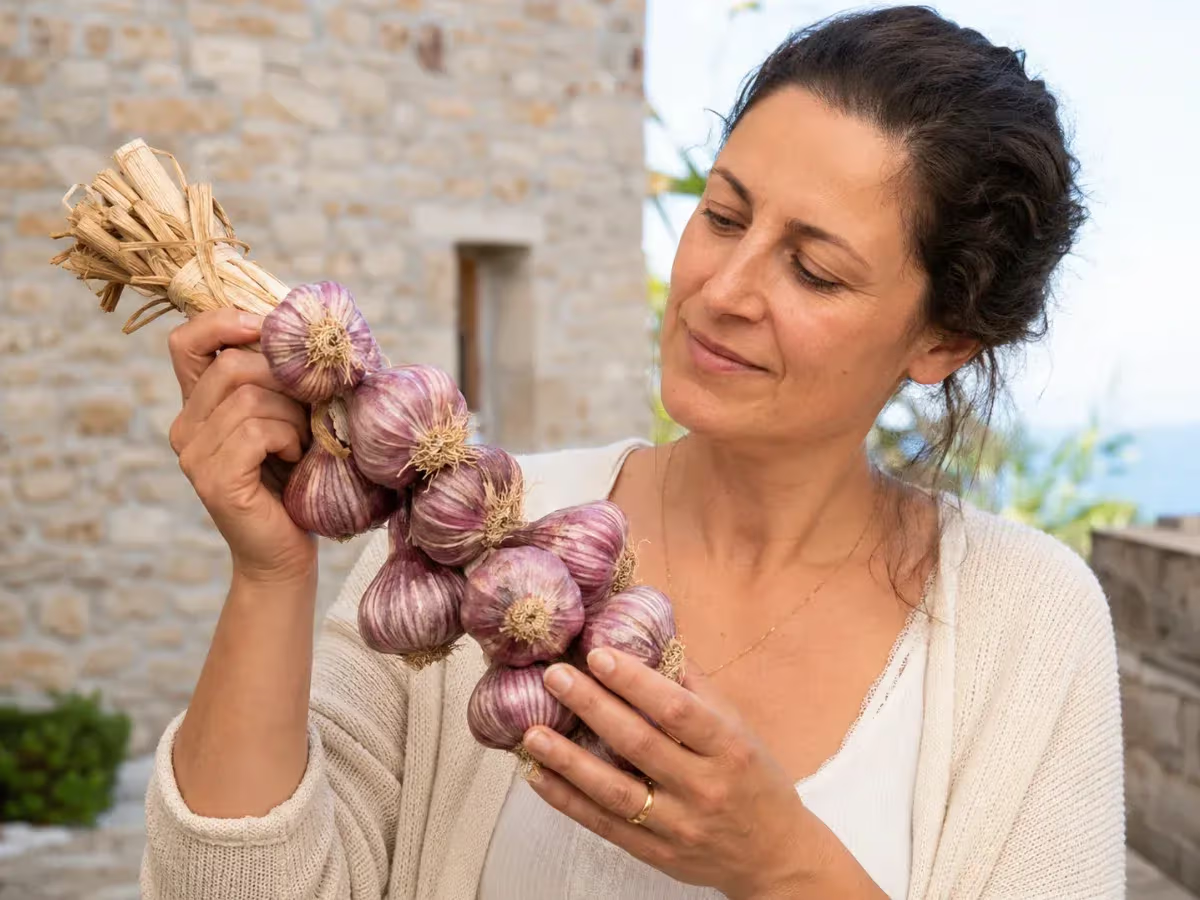
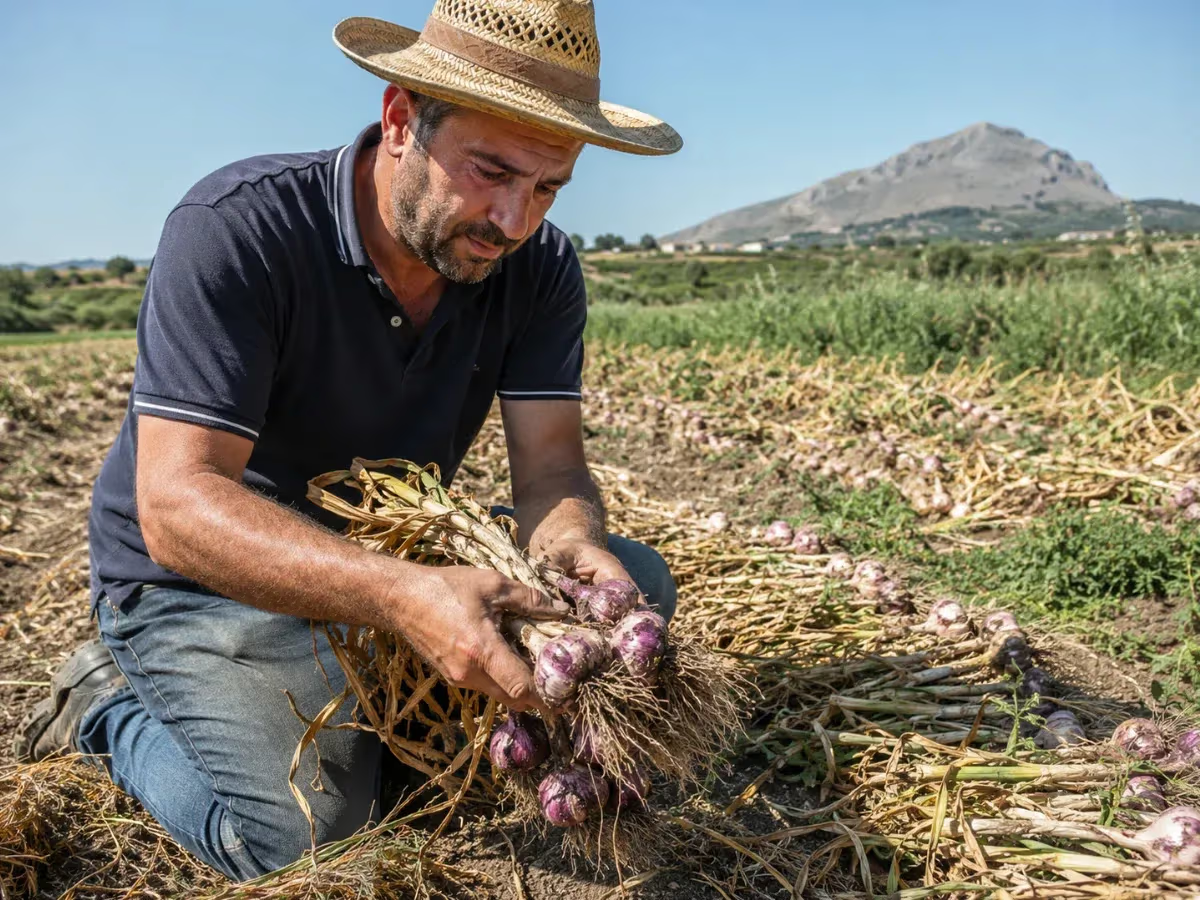
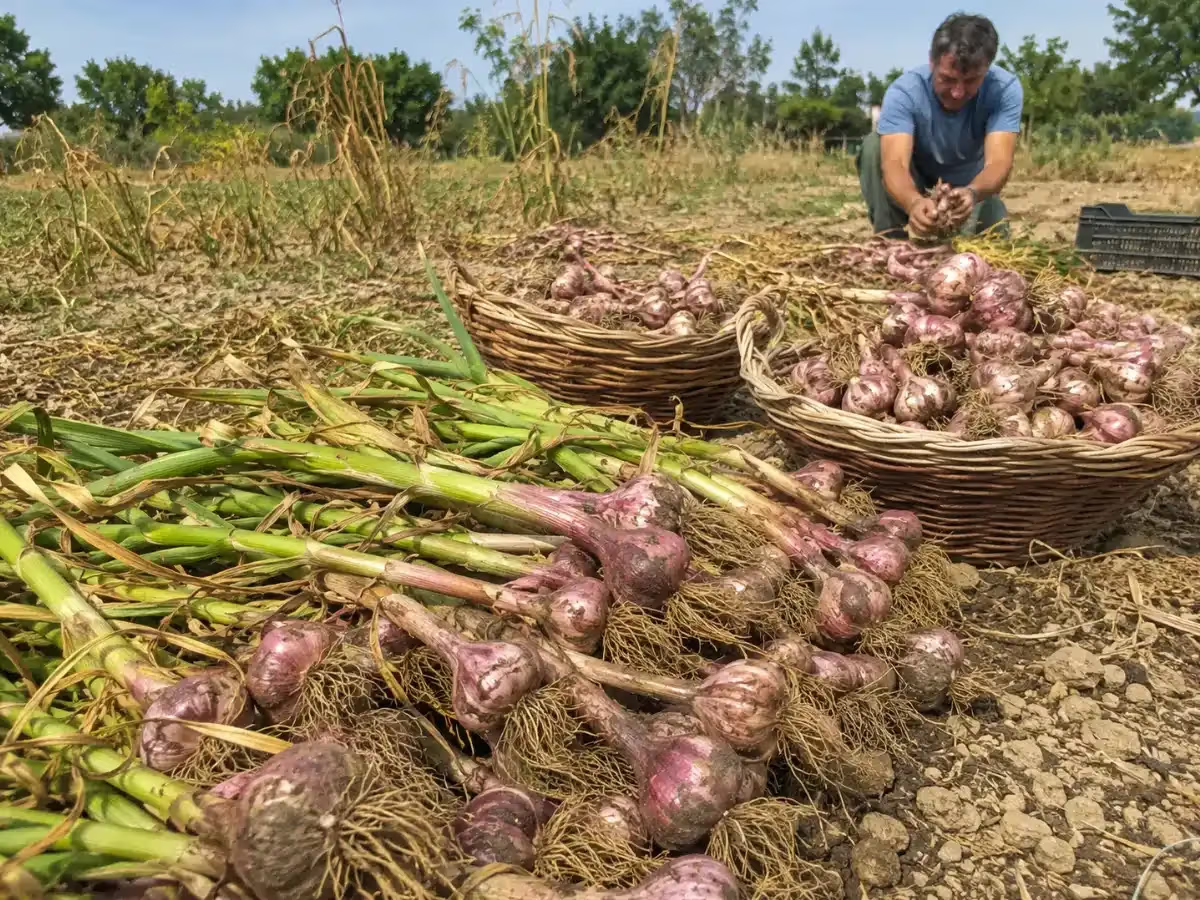
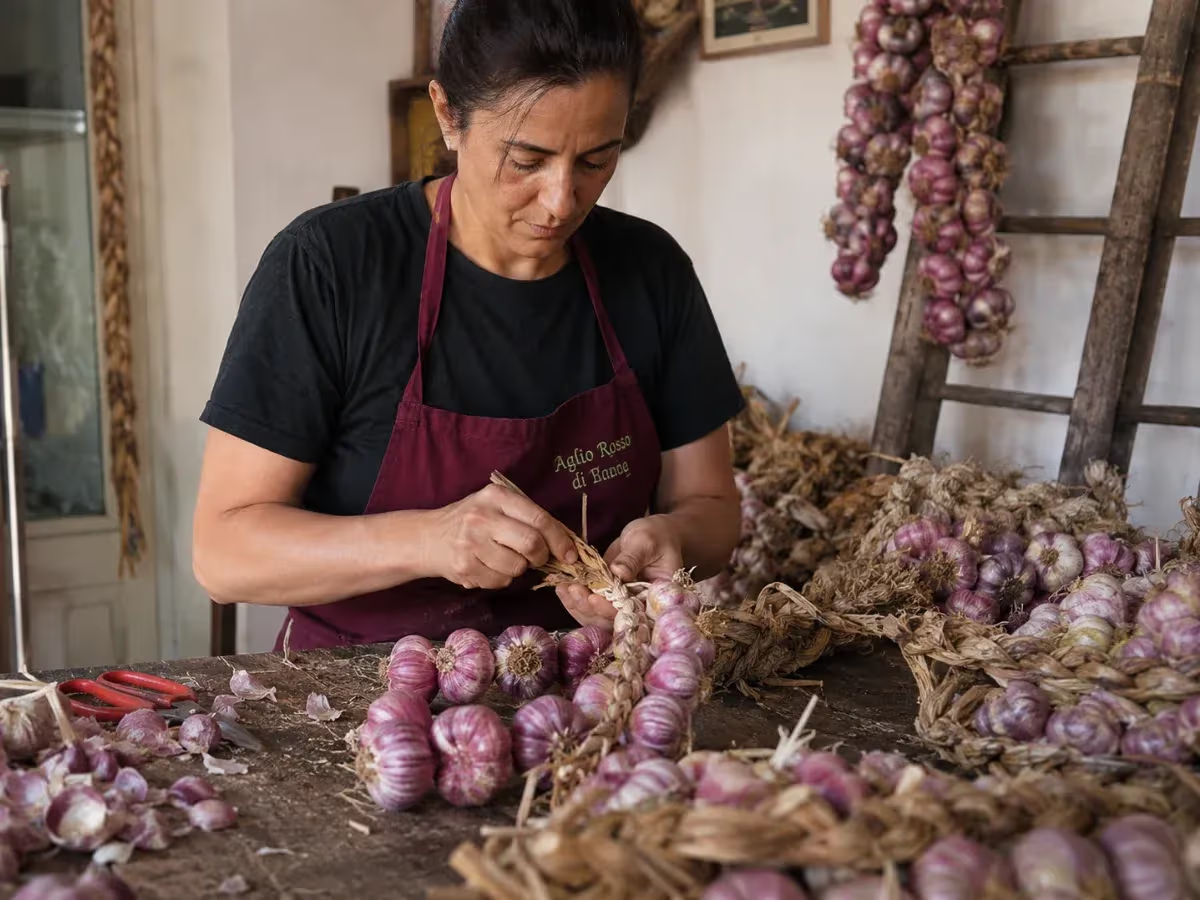
For decades cultivation risked disappearing under the pressure of more productive and less demanding commercial varieties. The Slow Food Presidium, activated in the early 2000s, played a determining role in bringing attention back to this resource, supporting the few farmers who remained faithful to the autochthonous variety and traditional manual cultivation techniques. The product is also included in the list of Italian Traditional Agri-food Products (PAT) of the Ministry of Agriculture. Harvesting takes place between June and July, and the braids woven by hand, the classic "reste", remain the most recognizable visual symbol of this agricultural tradition.
The first distinctive sign is the color: the outer tunics display a characteristic reddish-purple hue, quite different from the white or pale pink of other common garlics. The bulb is medium or small in size, with tight and compact cloves, individually wrapped in rosy films. To the touch it is firm and free of soft parts or internal voids.
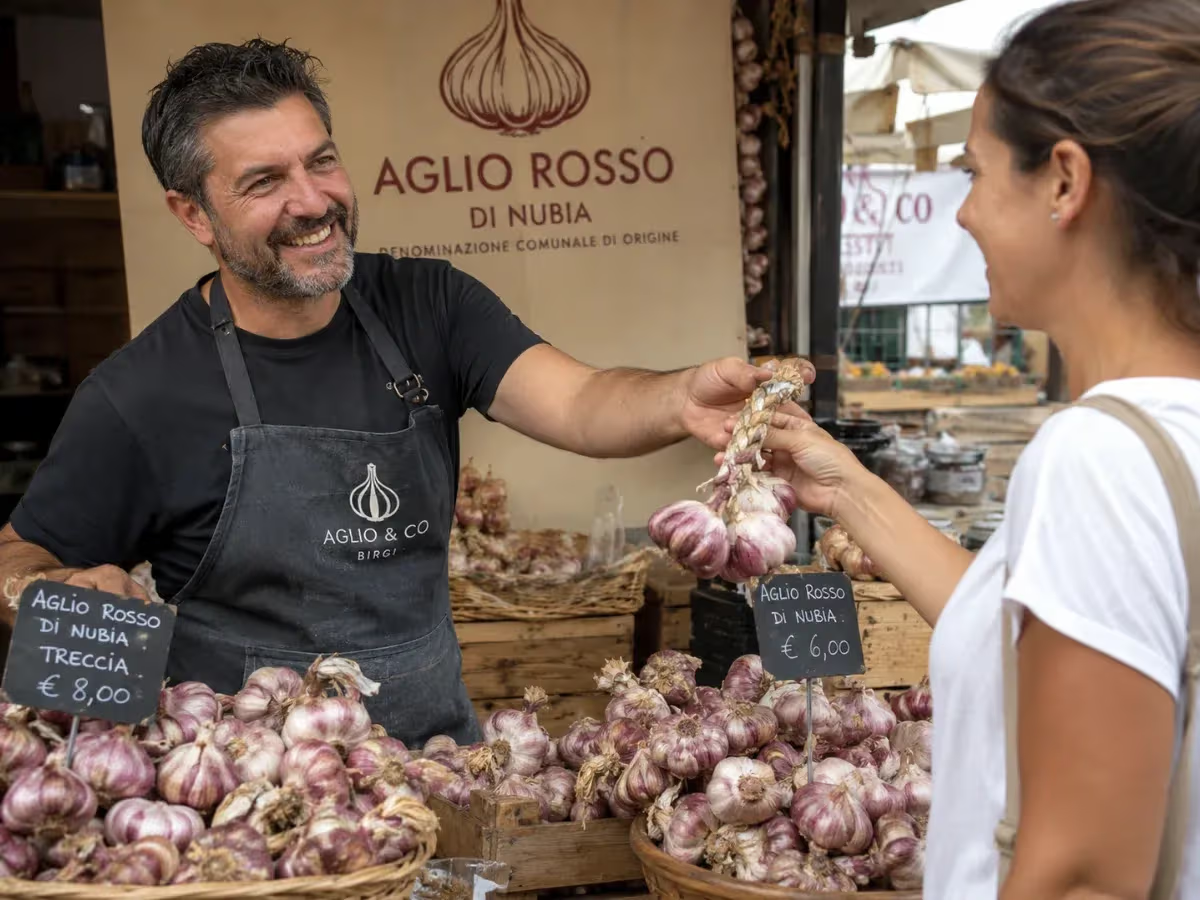
To the nose, even before opening it, the aroma is intense and earthy. Once broken, it releases powerful sulfurous notes that are not unpleasant, with a persistence superior to industrial varieties. Slow Food Presidium products are often sold in braids woven by hand, accompanied by the Presidium logo and an indication of origin. It is advisable to verify the provenance from the Nubia and Trapani area, and avoid loose products lacking traceability, which could be red garlic from other sources passed off as the local variety.
The Aglio Rosso di Nubia shares with alliaceous varieties in general an interesting nutritional profile. It is low in calories and rich in sulfur compounds, particularly allicin, to which antioxidant and antimicrobial properties are attributed. It contains vitamin C, vitamin B6, manganese and selenium in appreciable quantities. Its regular consumption, according to consolidated studies, is associated with supporting immune defenses and cardiovascular health. The local variety, due to the pedoclimatic conditions of the Trapani area, tends to express a higher aromatic and phytochemical concentration compared to lowland varieties.
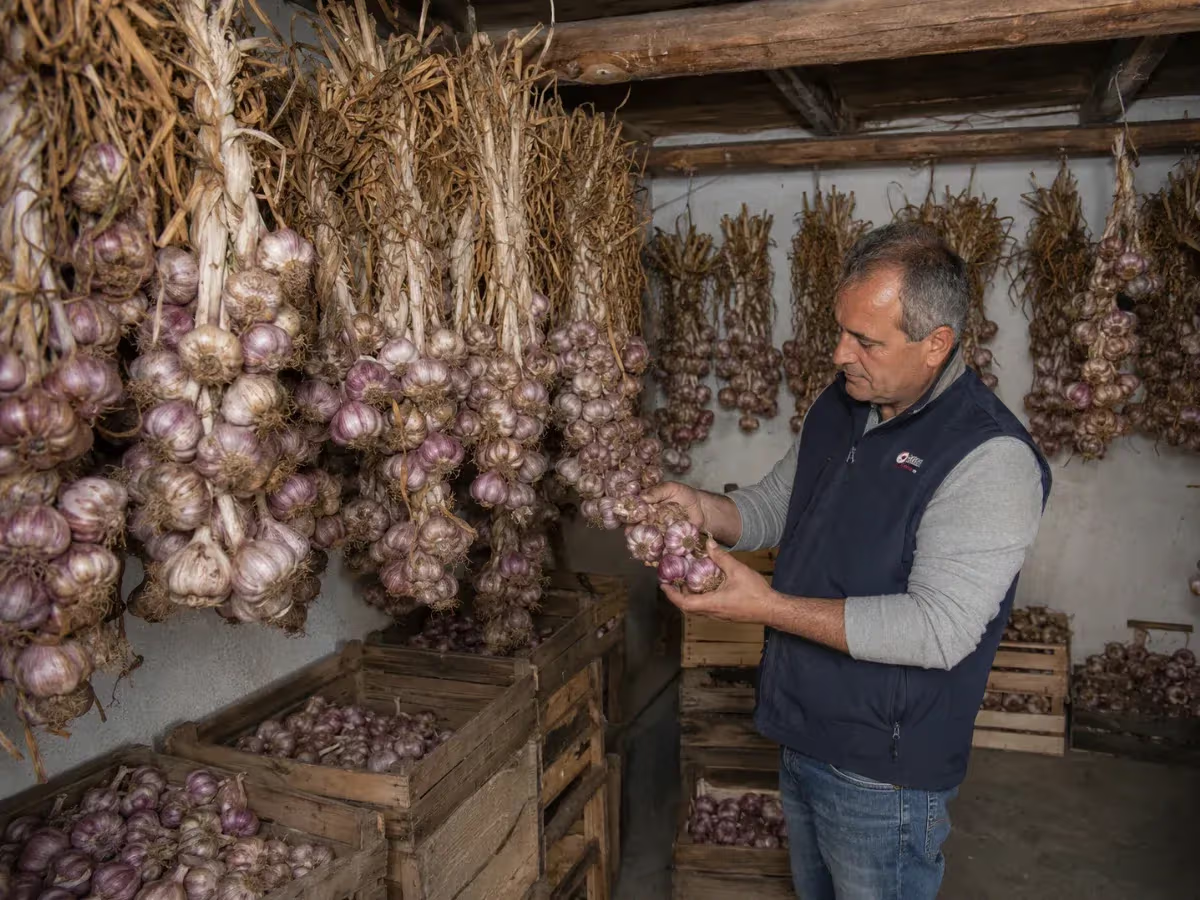
Red Garlic from Nubia is best preserved in a cool, dry, and well-ventilated place, away from sources of moisture and direct light. The traditional form of preservation is the hanging braid, which ensures air circulation around the bulbs and extends their shelf life for several months. Once separated from the braid and opened, the bulb should be consumed within a few days. It is not recommended to store it in the refrigerator, as moisture accelerates germination.
It can be used both raw and cooked. Raw, finely chopped or crushed in a mortar, it expresses all its aromatic intensity and is the star ingredient in pesto alla trapanese. In cooking, over gentle heat in oil, it loses its most aggressive pungency and develops sweet and toasted notes. It is suitable in every season, but fresh use, just picked in summer, offers particularly lively aromas. It can also be roasted whole in the oven, used in oil infusion, or prepared agrodolce as a side dish. The clove should always have its inner core, the green sprout, removed before raw use to limit bitterness.
It is a natural partnership with fish in Trapani cuisine: it pairs effortlessly with fresh tuna, sardines, anchovies and bottarga di Marsala. In land-based dishes it finds correspondence with wild vegetables, dried legumes and braised white meats. On the cheese front, it works well with young or semi-aged Pecorino cheeses with not overly fatty paste.
For wines, local tradition suggests a Grillo or a Sicilian Catarratto, whites with good acidity that cleanse the palate after round and persistent flavors. A young Nero d'Avola, with not excessive tannins, also performs well in dishes where garlic is cooked for a long time and has lost its sharpest edge.
Raw sauce pounded in a mortar with blanched almonds, ripe tomatoes, fresh basil, Sicilian extra virgin olive oil and cloves of Aglio Rosso di Nubia. It is the traditional condiment for busiate, the pasta typical of the Trapani area, and represents the most direct expression of local flavor.
Signature dish of Palermo and Trapani cuisine, in which garlic softened in oil forms the aromatic base for fresh sardines, wild fennel, raisins and pine nuts. Aglio Rosso di Nubia imparts depth to the soffritto without overpowering the other ingredients.
Country preparation from western Sicily: whole cloves cooked slowly in vinegar and sugar until caramelized. It is served as a side dish or appetizer alongside cheeses and cured meats, and is one of the oldest ways of preserving and enhancing the product.
Braiding the garlic braids is a gesture that in Nubia has always involved the entire family, men and women, in the days following the harvest. The braids were hung under the porches of houses or in cool cellars, visually marking the passage from summer to autumn. Garlic was also an element of daily domestic use with an almost protective value: in some houses it was kept hanging near the doors as a folk remedy against disease. In local kitchens its presence is so deeply rooted as to be taken for granted, an invisible but structural ingredient in dozens of preparations that define the gastronomic identity of the Trapani area.
The event most directly linked to this product is the Sagra dell'Aglio Rosso di Nubia, which traditionally takes place in June in Nubia, a hamlet of Paceco, coinciding with the harvesting period. During the event it is possible to purchase the braids directly from the producers of the Slow Food Presidium, attend demonstrations of traditional braiding and taste local preparations based on garlic. The product is also present at the editions of Slow Food Presidia Expo and at other Sicilian agrifood fairs, where local producers bring their production outside their territory of origin.