
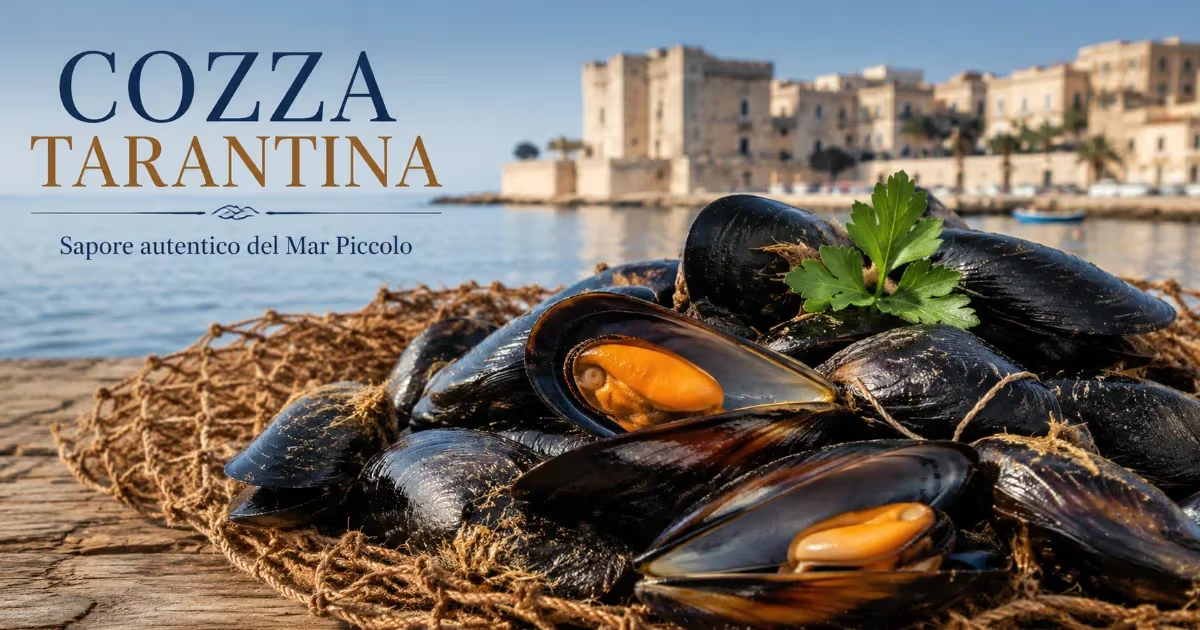
The Mar Grande and Mar Piccolo of Taranto offer environmental conditions that are difficult to replicate elsewhere: waters rich in submarine springs, known as "citri," that maintain stable temperatures and nourish plankton with extraordinary abundance. From this ecosystem comes the Taranto mussel, a mytilus with a robust and elongated shell, black-violet in color with mother-of-pearl reflections inside, and with fleshy flesh of an intense orange, particularly developed compared to other mussels.
In the kitchen, the Taranto mussel lends itself to both simple and elaborate preparations. The flavor is savory but not aggressive, with a sweet and iodine note that expresses itself best raw, just opened and dressed with lemon, or in brief cooking methods such as the classic pepata di cozze. It is the undisputed protagonist of the tiella di riso, patate e cozze, a dish that symbolizes Taranto's gastronomic tradition, where its flesh releases a natural broth during cooking that impregnates the rice with a deep marine aroma.
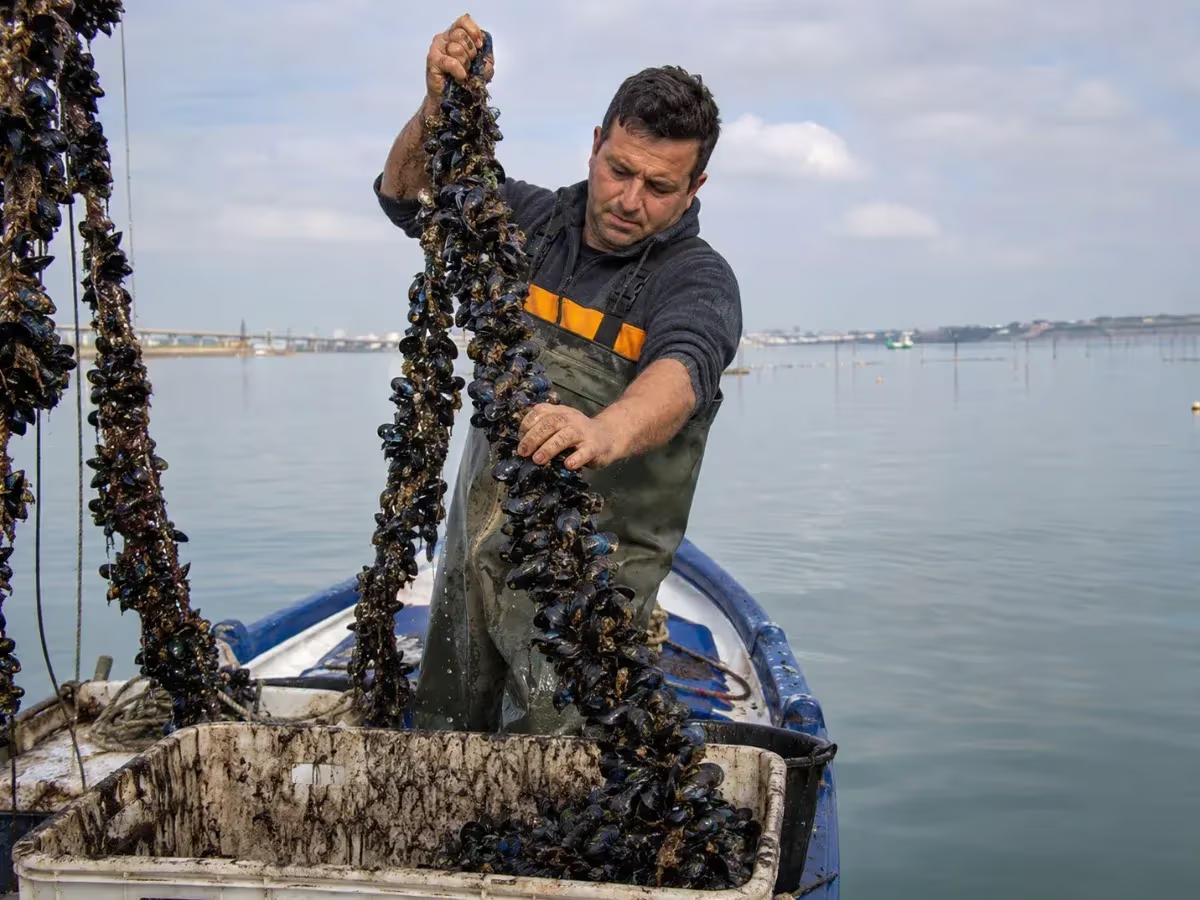
The enclosed waters of the Mar Piccolo in Taranto are an ancient body of water, used for mussel farming as early as the Greek and Roman periods. Mussel farming in this internal lagoon has never been interrupted over the centuries: generations of mussel farmers, the so-called "cozzari," have passed down techniques and knowledge, adapting them to the specific conditions of a basin that has no equivalent in the Mediterranean. The submarine freshwater springs, which locally take the name of "citri," mixing with the salt water of the gulf, create a salinity and a richness of phytoplankton that directly determine the quality of the farmed mussel.
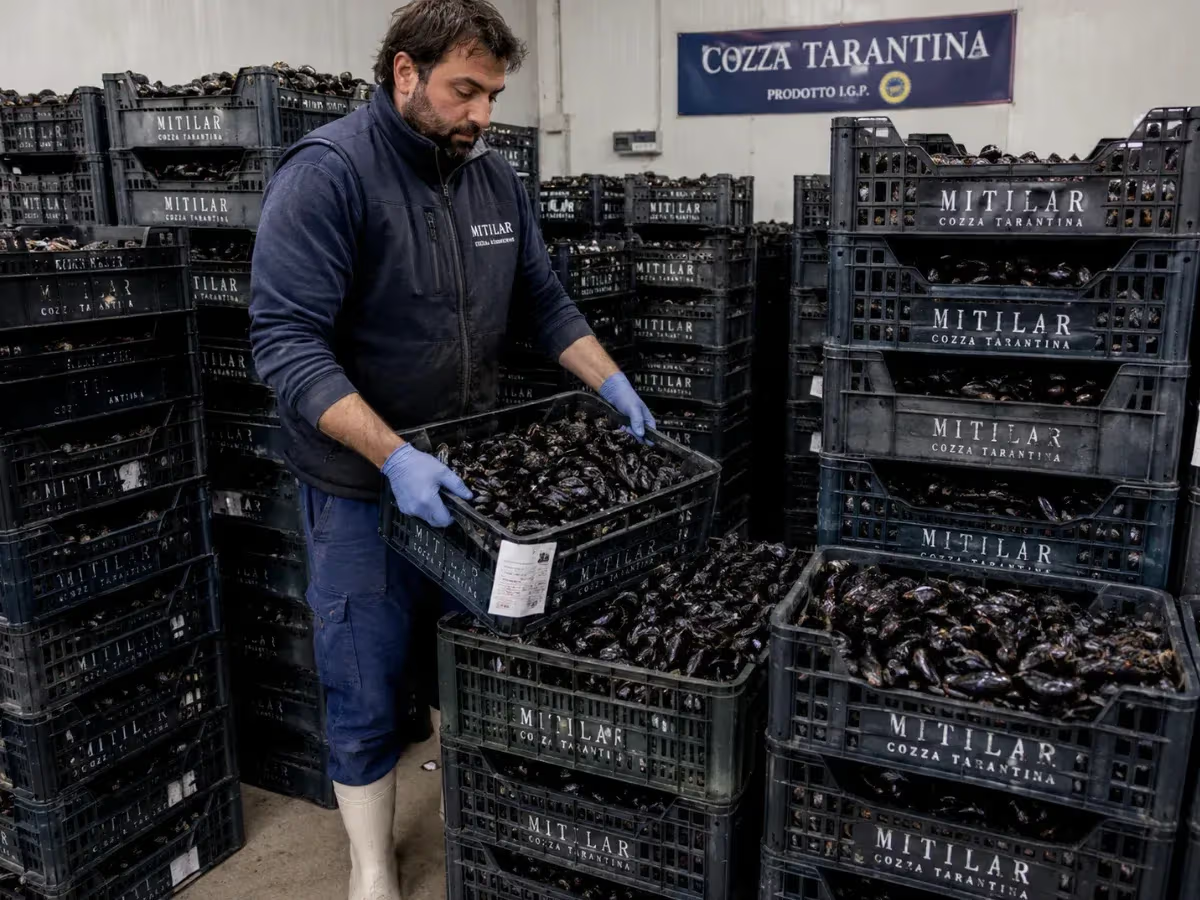
In the course of the twentieth century, Taranto's mussel farming became increasingly organized, becoming a significant economic sector for the entire province. The Taranto mussel is recognized as a Traditional Agrifood Product (PAT) by the Ministry of Agriculture, a recognition that attests to the continuity of production methods rooted in the territory and passed down over time. This bond between the product and the aquatic environment of the Mar Piccolo is so tight that the flavor of the mussel changes noticeably depending on the inlet in which it is farmed, reflecting minimal but perceptible variations in the waters. A specificity that local cozzari have known and respected for centuries.
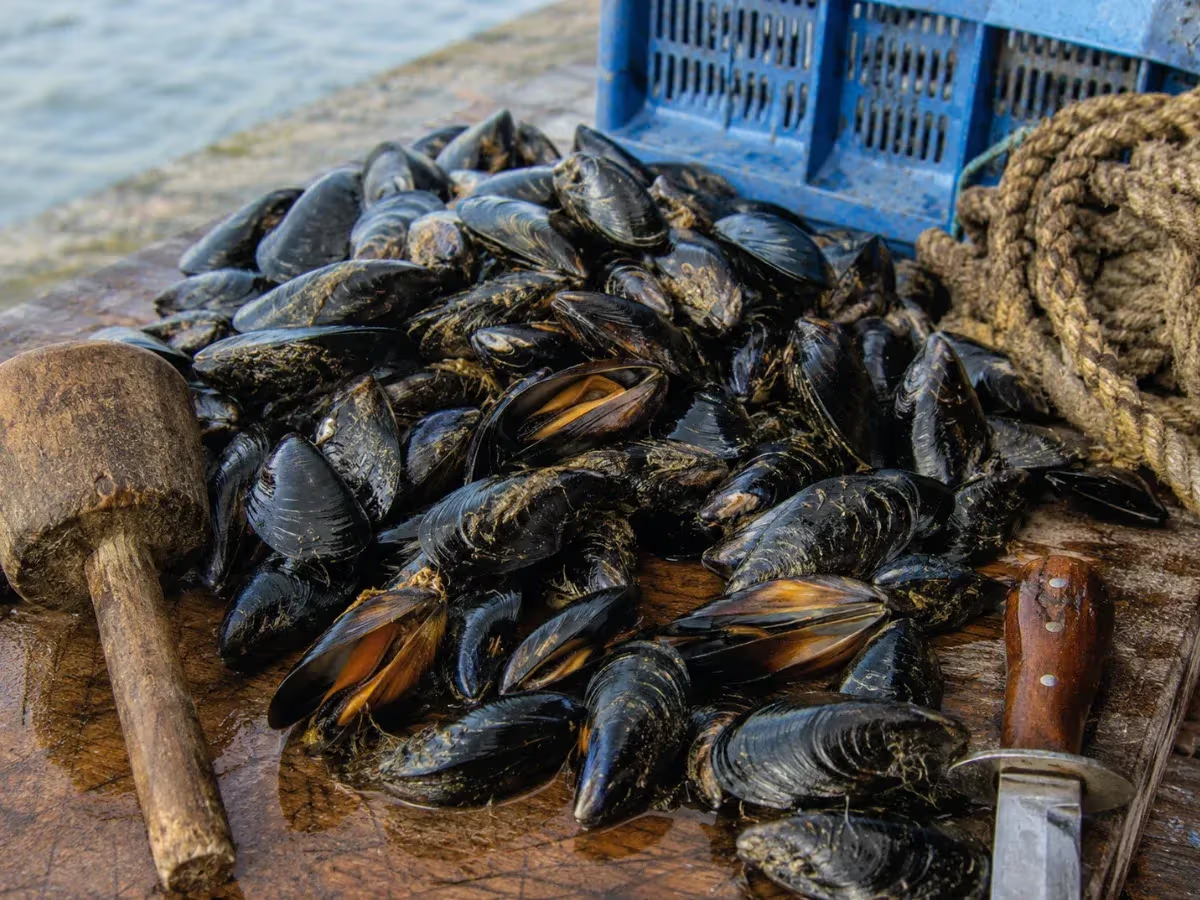
The Taranto mussel is distinguished by its shell with an intense black color with violet hues, smooth and regular, of elongated shape and slightly asymmetrical. The dimensions are generally remarkable, with specimens often reaching six or seven centimeters in length. Inside, the shell presents a nacre-like surface, while the flesh is meaty, compact and of a bright orange that in more mature subjects tends toward coppery red.
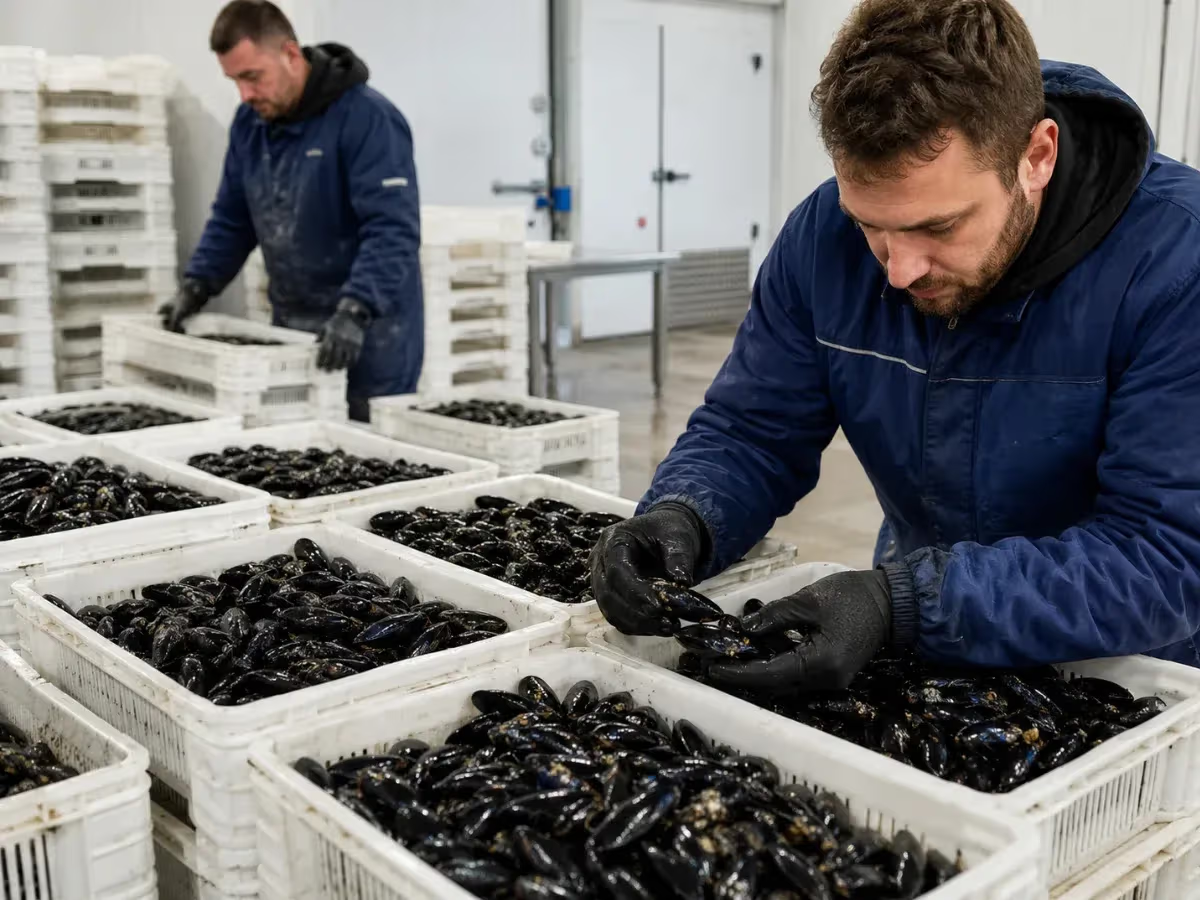
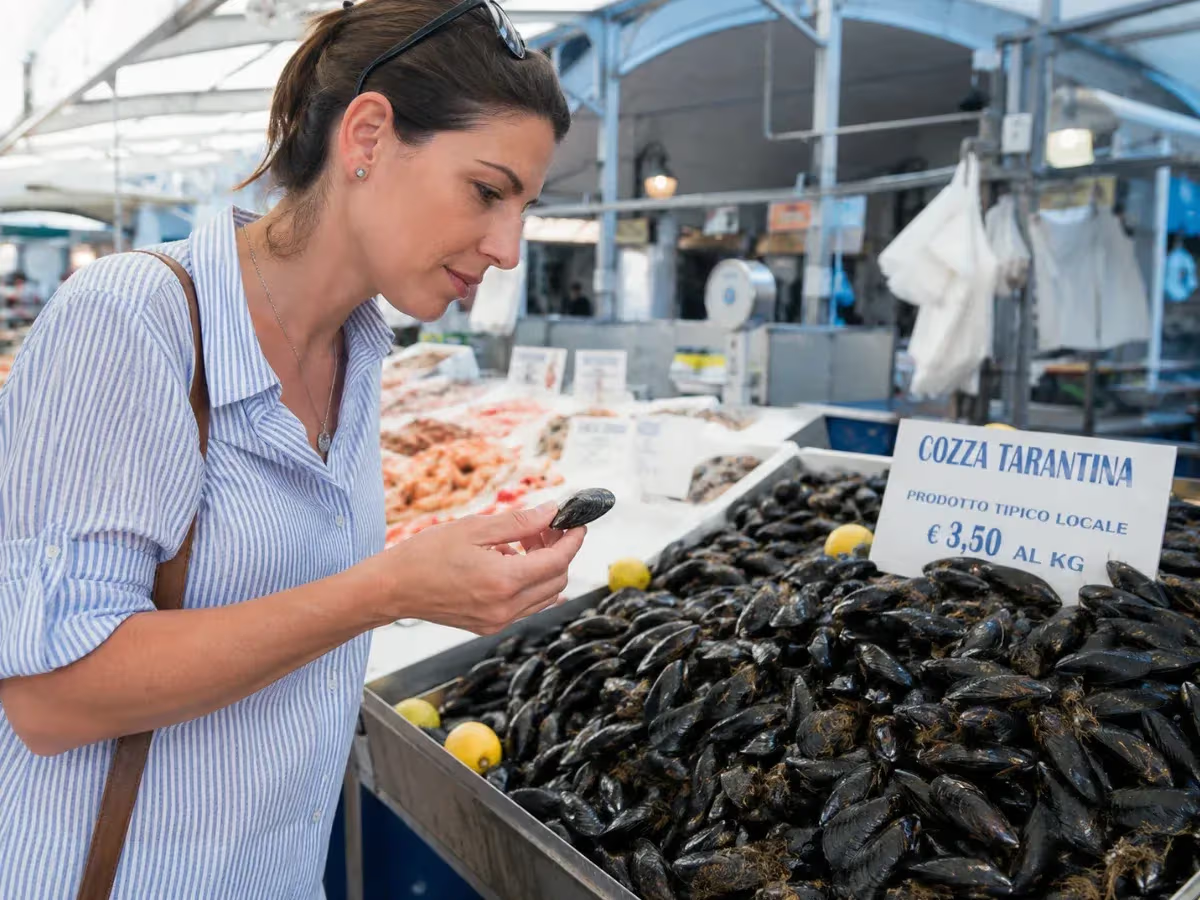
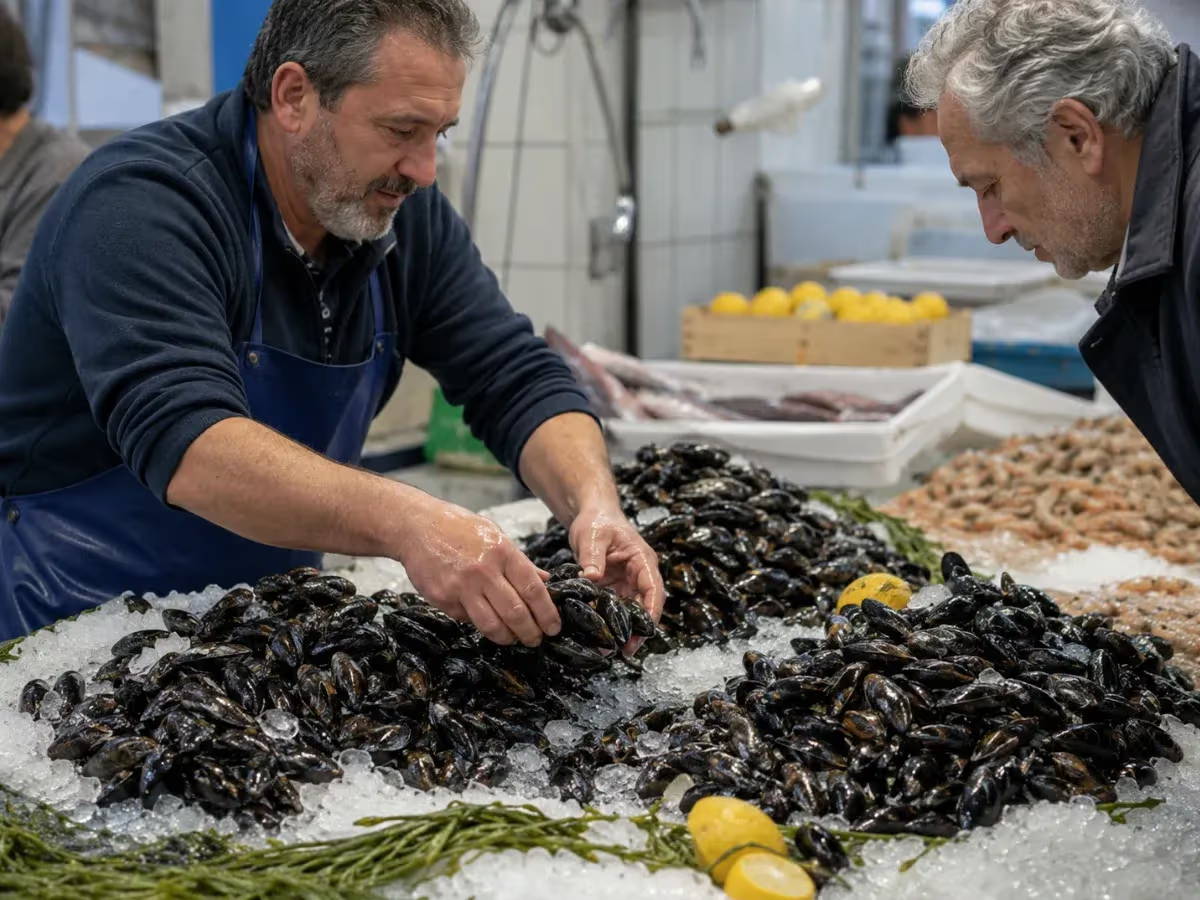
The aroma is marine and clean, free from ammonia odors or unpleasant smells, with a sweet note reminiscent of plankton. On the palate one perceives a balanced salinity and a firm texture but not rubbery. When purchasing fresh mussels, it is important to verify that the shells are well closed or that they reclose to the touch, a sign of vitality. Beware of specimens with open shells that do not react to stimulation, or with pungent odors. The authentic product is sold with indication of Taranto origin and often with sanitary documentation required by the current regulations for bivalve mollusks.
The Taranto mussel is a high-quality protein food, with a protein content of high biological value and a moderate caloric intake, roughly between 70 and 90 kcal per 100 grams of meat. It is rich in iron, zinc and selenium, minerals important for immune functions and antioxidants. It provides vitamin B12 in significant quantities, useful for the nervous system, and polyunsaturated omega-3 fatty acids, favorable to the lipid profile. Thanks to the high digestibility of proteins, it is also suitable for dietary regimens that provide for a moderate protein intake.
Fresh Taranto mussels should be stored in the refrigerator at a temperature between 2 and 6 degrees Celsius, preferably in a perforated container or wrapped in damp cloth that allows the organisms to breathe. They should never be sealed hermetically in plastic bags. Consumption is recommended within two or three days of purchase. It is essential not to immerse them in fresh water, as this accelerates mortality and compromises the quality of the meat.
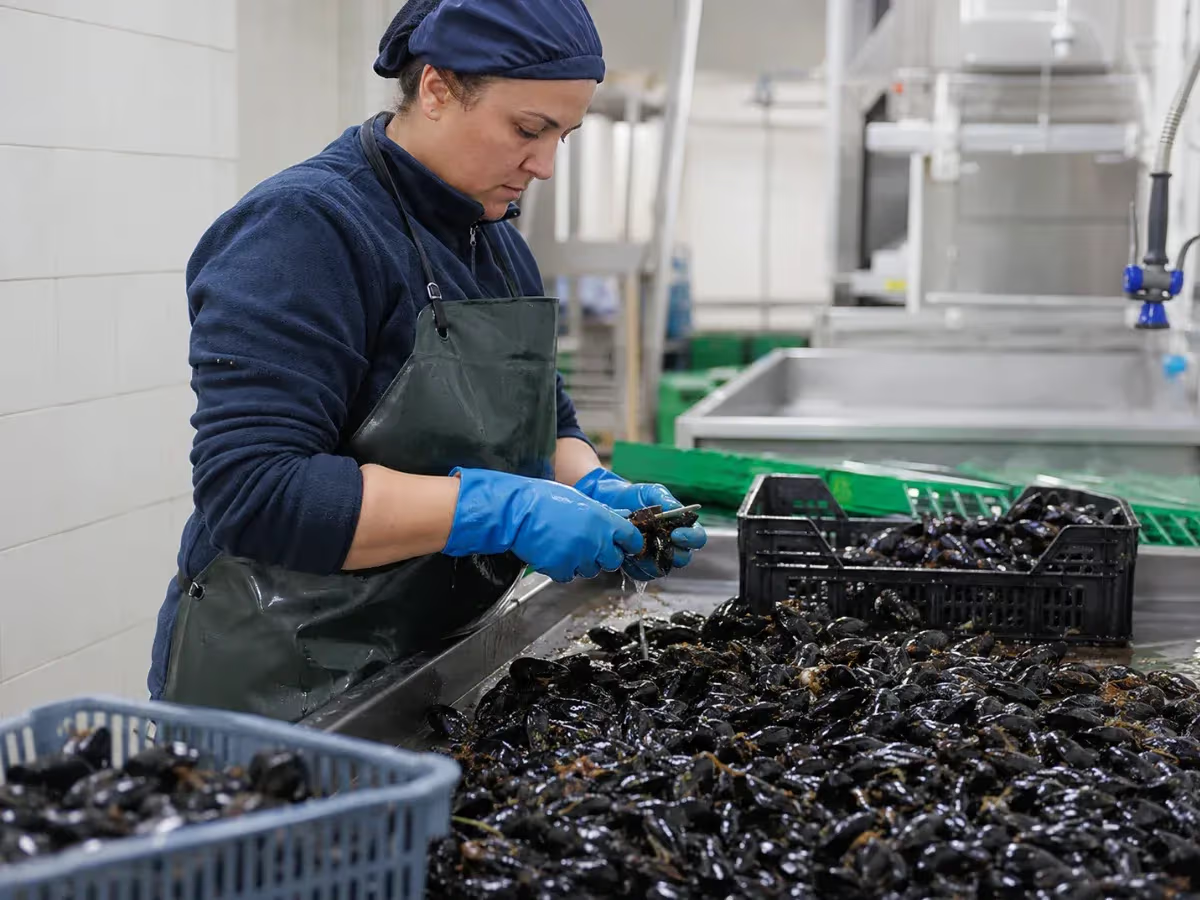
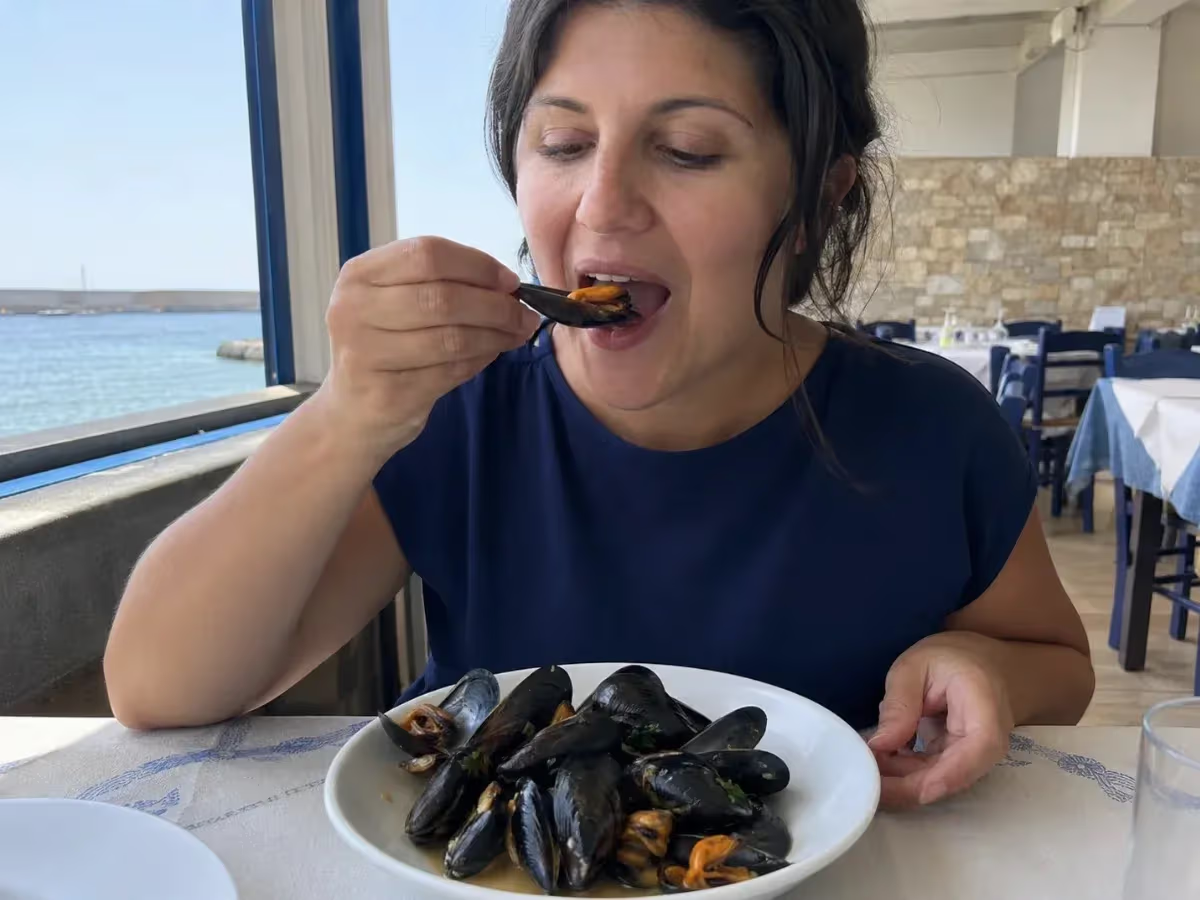
Taranto mussels are consumed both raw and cooked. Raw, freshly opened and served on ice with a few drops of lemon, they express the most direct and authentic aromatic profile. Before consumption it is essential to clean them carefully: scrape the shells from encrustation, pull off the byssus and rinse them abundantly under cold running water. When cooked, they open quickly over high heat in a pan or casserole with a lid, even without adding liquids since they release their own water in abundance, an excellent base for sauces and risottos.
With Taranto mussels, the dry and savory white wines from Southern Italy find a great affinity. A Puglian Verdeca or a Fiano di Avellino handle the iodized salinity of the flesh well without overpowering it; a Greco di Tufo, with its minerality, pairs with coherence as well. Those who prefer beer can opt for a light lager or a light-bodied saison, which does not interfere with the marine notes.
On the gastronomic level, mussels naturally pair with fresh tomato, parsley, garlic and chili pepper in stewed preparations. Puglian homemade bread, toasted and rubbed with garlic, is the ideal complement for soaking up the cooking liquid. In tiella, the combination with potatoes and Arborio rice creates a balance of textures that is now an integral part of Taranto's culinary identity.
The most representative dish of Taranto cuisine. Raw mussels, opened by hand, are arranged in alternating layers with slices of raw potato, rice, cherry tomatoes, onion and grated Pecorino Romano, then baked with a drizzle of extra virgin olive oil and water until completely absorbed. The natural liquid from the mussels flavors all the rice during oven cooking, creating a compact and fragrant preparation that is served directly in the terracotta baking dish.
Simple and straightforward preparation: the mussels are opened in a large pan over high heat with abundant freshly ground black pepper and a splash of dry white wine. No other seasoning, just fresh parsley added raw at the end. The liquid that forms during cooking is the true soul of the dish, to be collected with bread. A preparation that requires quality ingredients because it hides nothing.
The mussels are opened, one valve removed and arranged on a baking tray with the shell facing down. They are covered with a mixture of breadcrumbs, minced garlic, parsley, oil and a drizzle of lemon, then baked or placed under the grill until golden. The coating absorbs the mussel juices and forms into a flavorful crust that pleasantly contrasts with the soft flesh.
In Taranto, the mussel is not simply an ingredient: it is an identity reference that runs through the daily life of the city. The tiella of rice, potatoes and mussels is the Sunday dish par excellence, the one that families prepare together and that grandmothers pass down with minimal variations but jealously guarded, such as the choice between fresh or dried tomato, or the proportion between rice and potatoes.
The gesture of opening mussels by hand, a practice that requires skill and a special knife, is a family ritual that many Tarantines learn as children by watching parents and grandparents at work in the kitchen. Consuming them raw, directly on the port or at the market counters, is a deeply rooted habit that expresses a direct and unmediated relationship with the sea that surrounds the city.
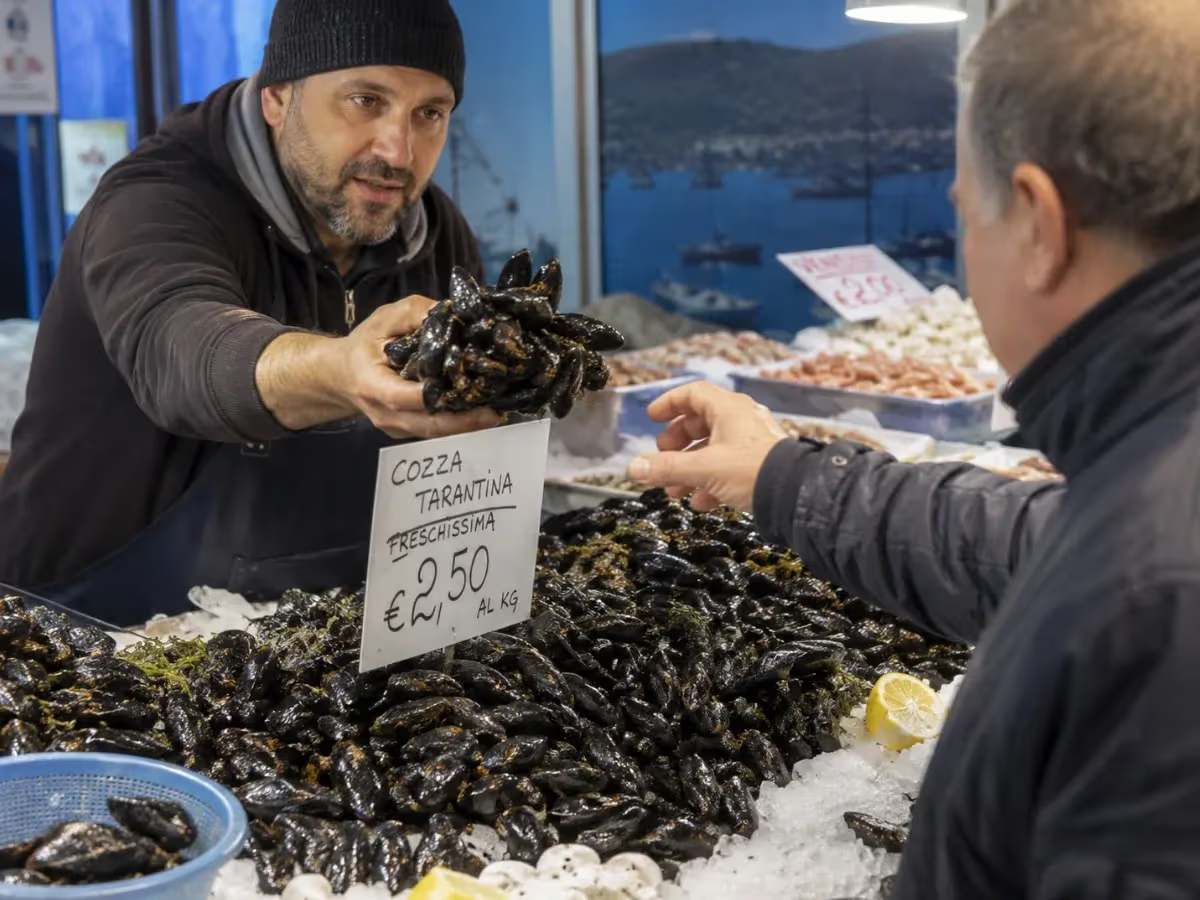
Taranto dedicates moments of celebration to its mussels that fit into the calendar of Apulian gastronomic tradition. Among the events most closely linked to this product is the Festa della Cozza, which traditionally takes place in summer in the Ionian city, with tastings, demonstrations of cleaning and preparation and the presence of local producers. The Slow Food Salone del Gusto has also included in the past the mussel farming of Mar Piccolo among the realities of interest. The fish markets of Taranto, active every morning, represent in themselves a ritual moment of direct access to fresh product.