
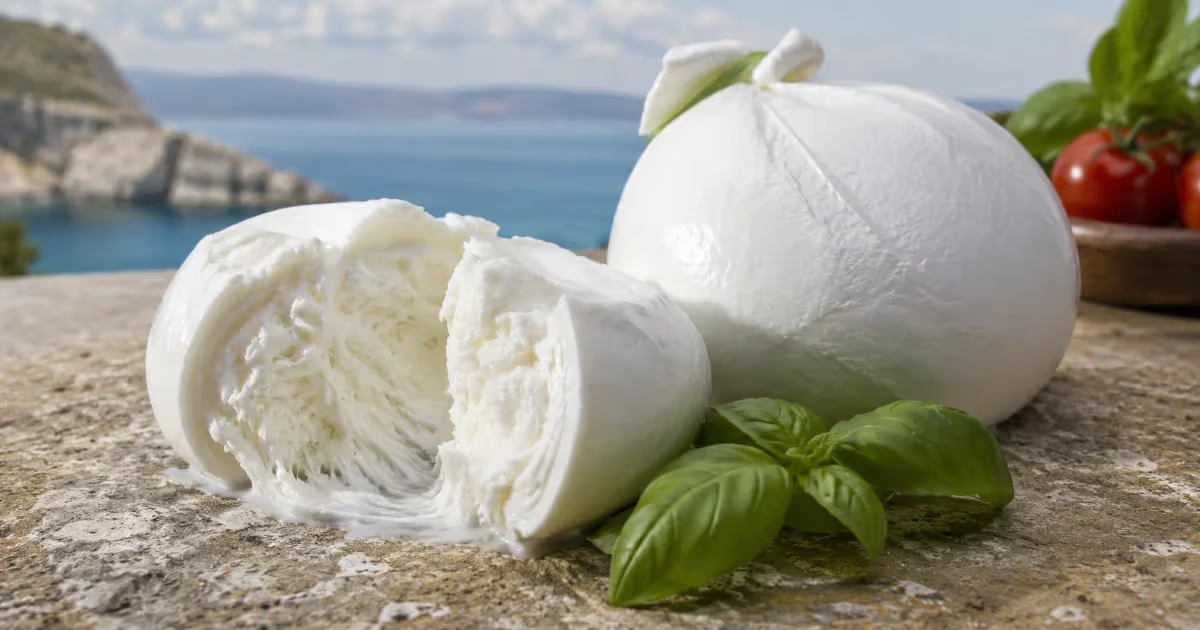
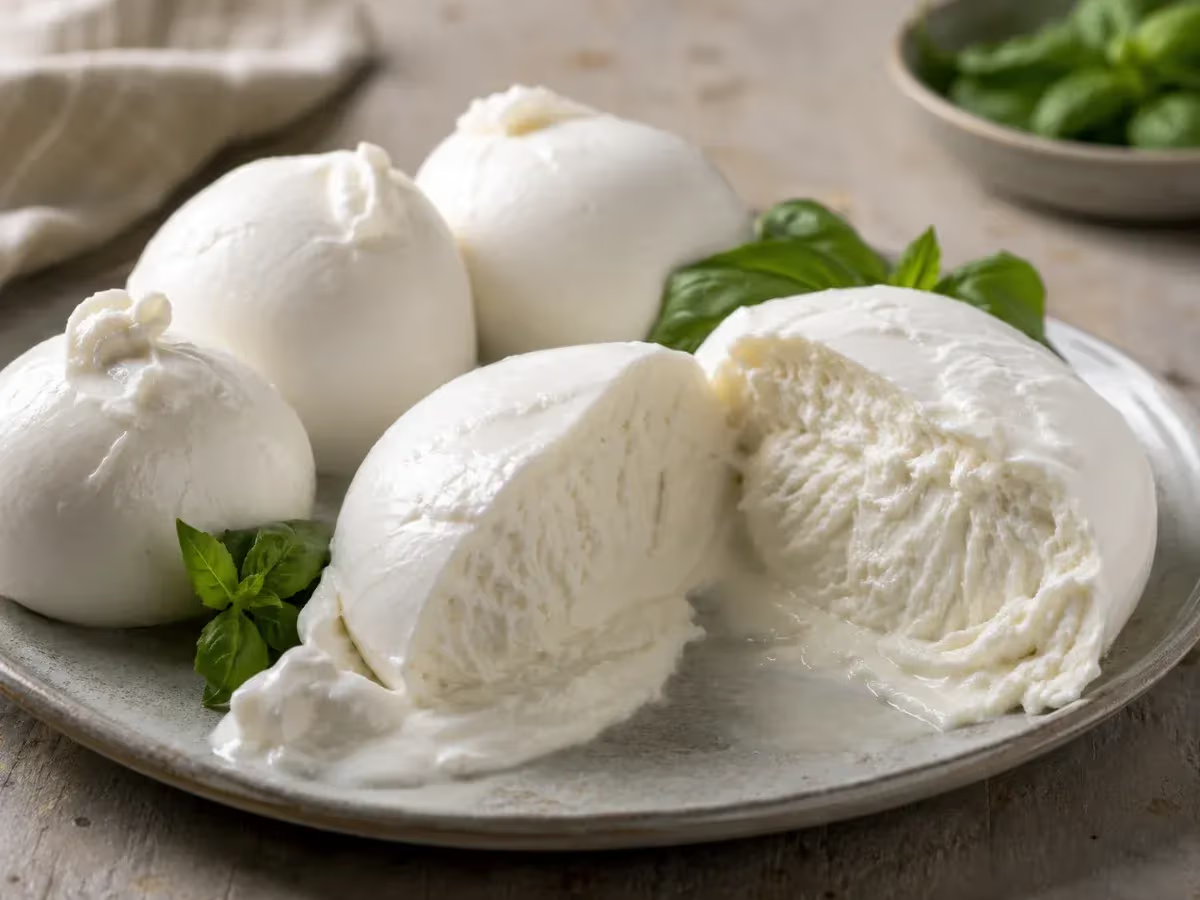
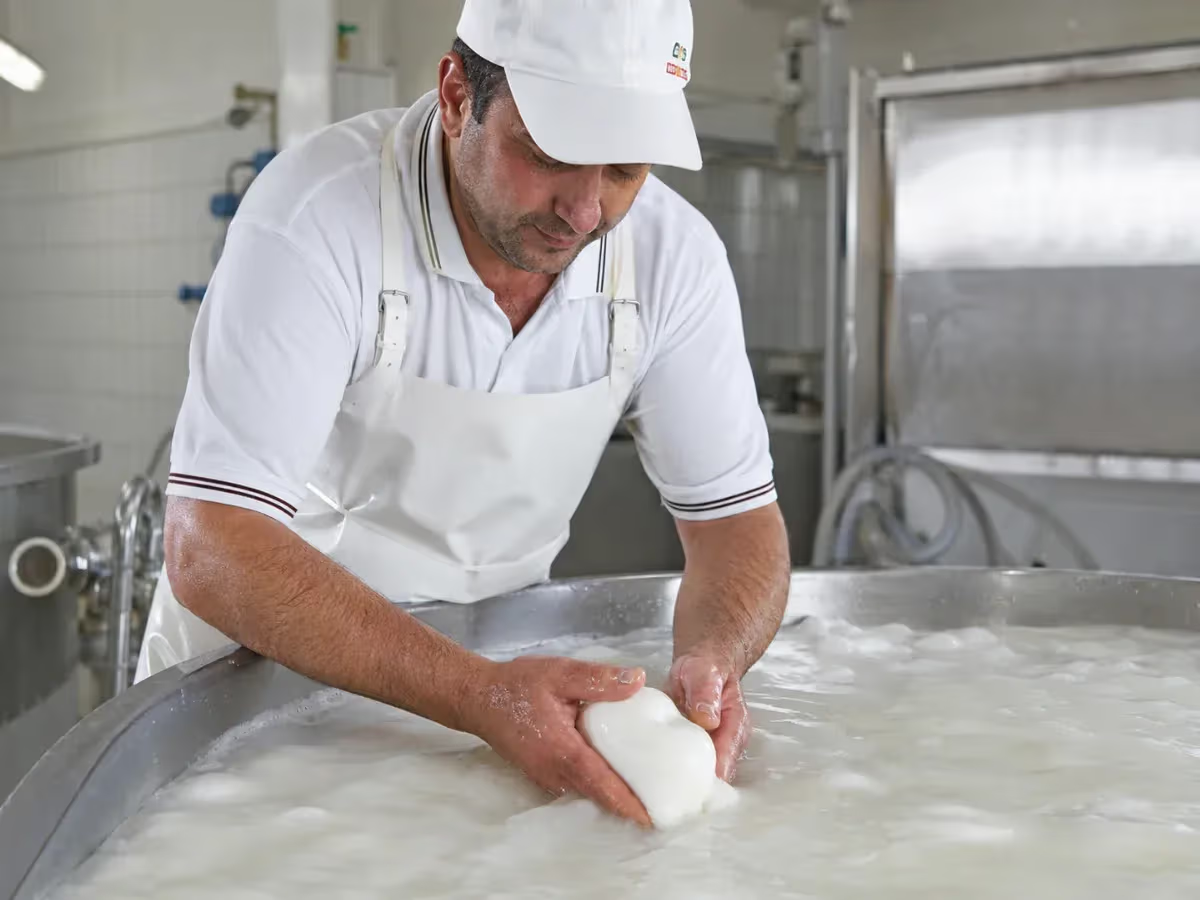
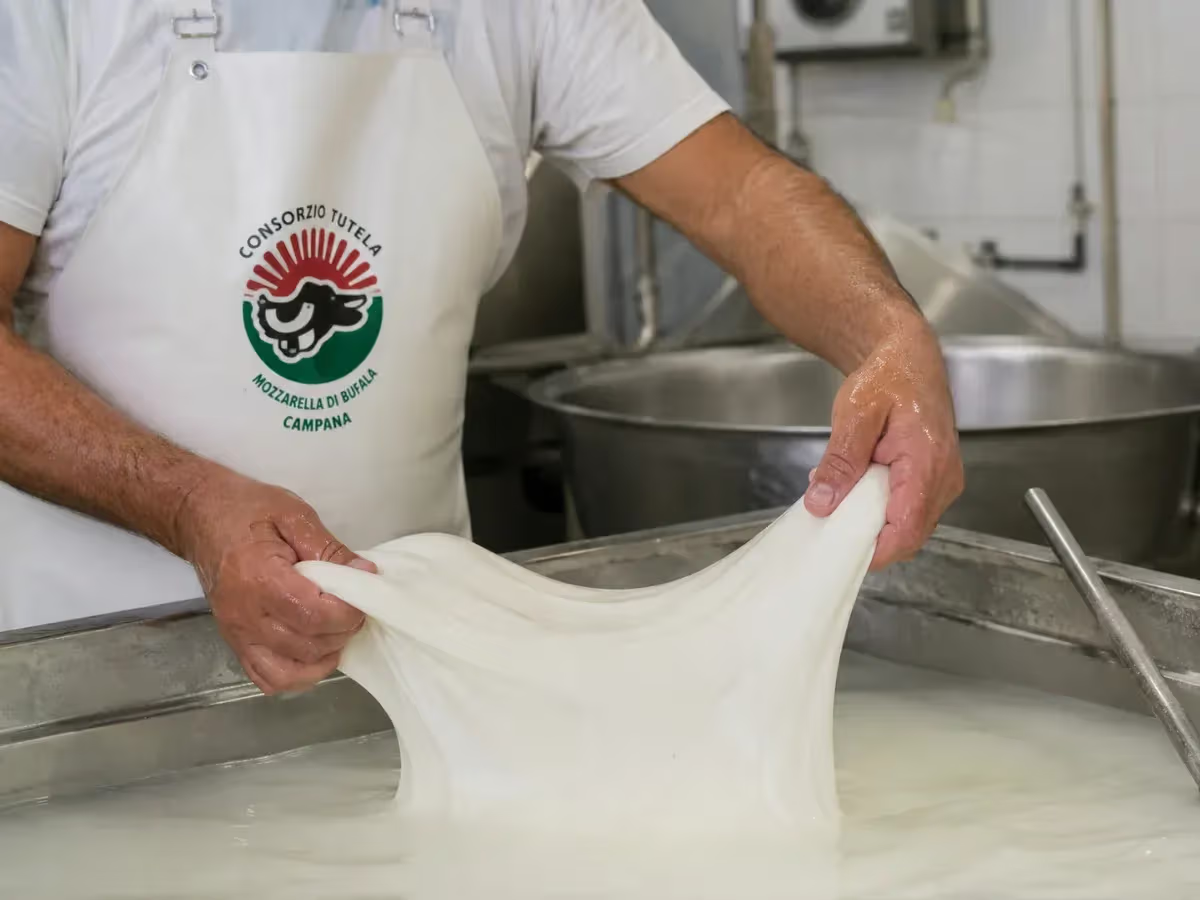
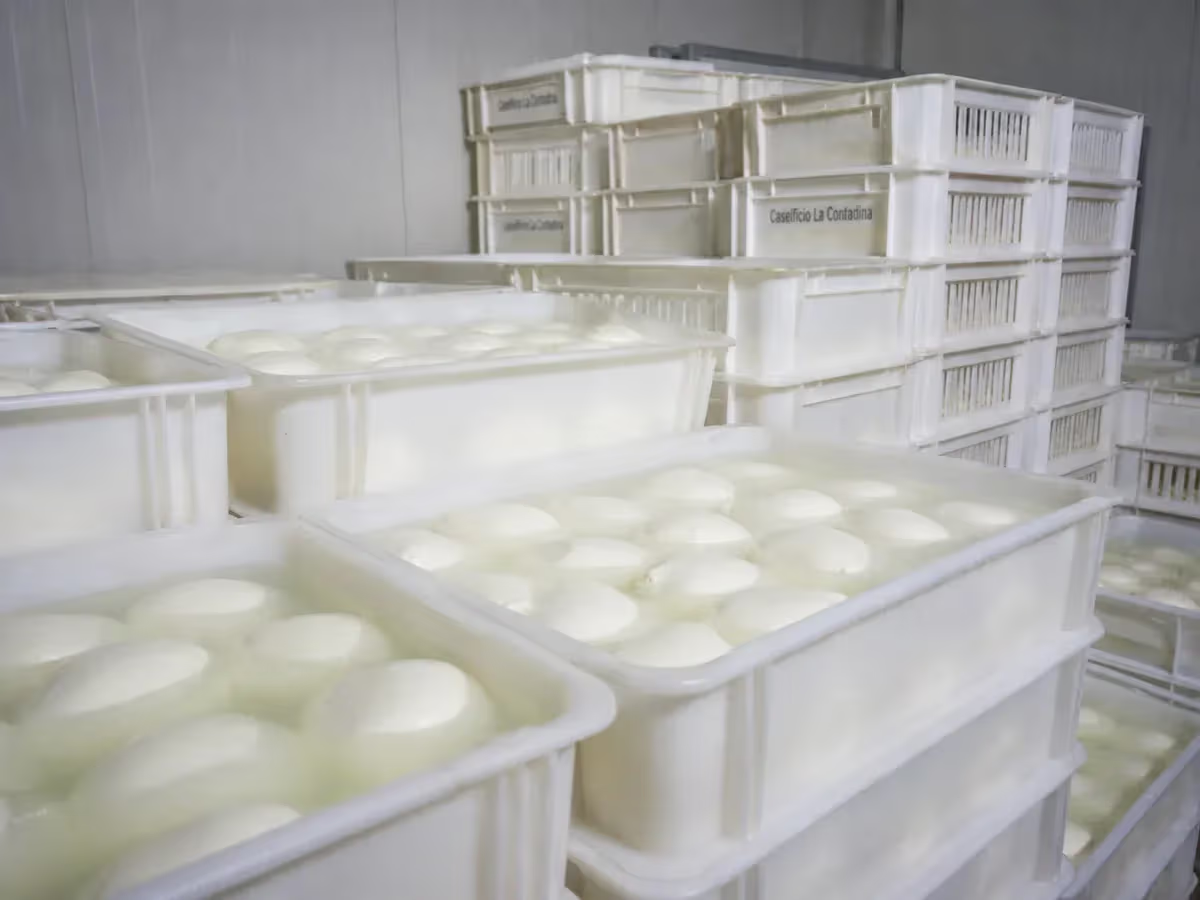
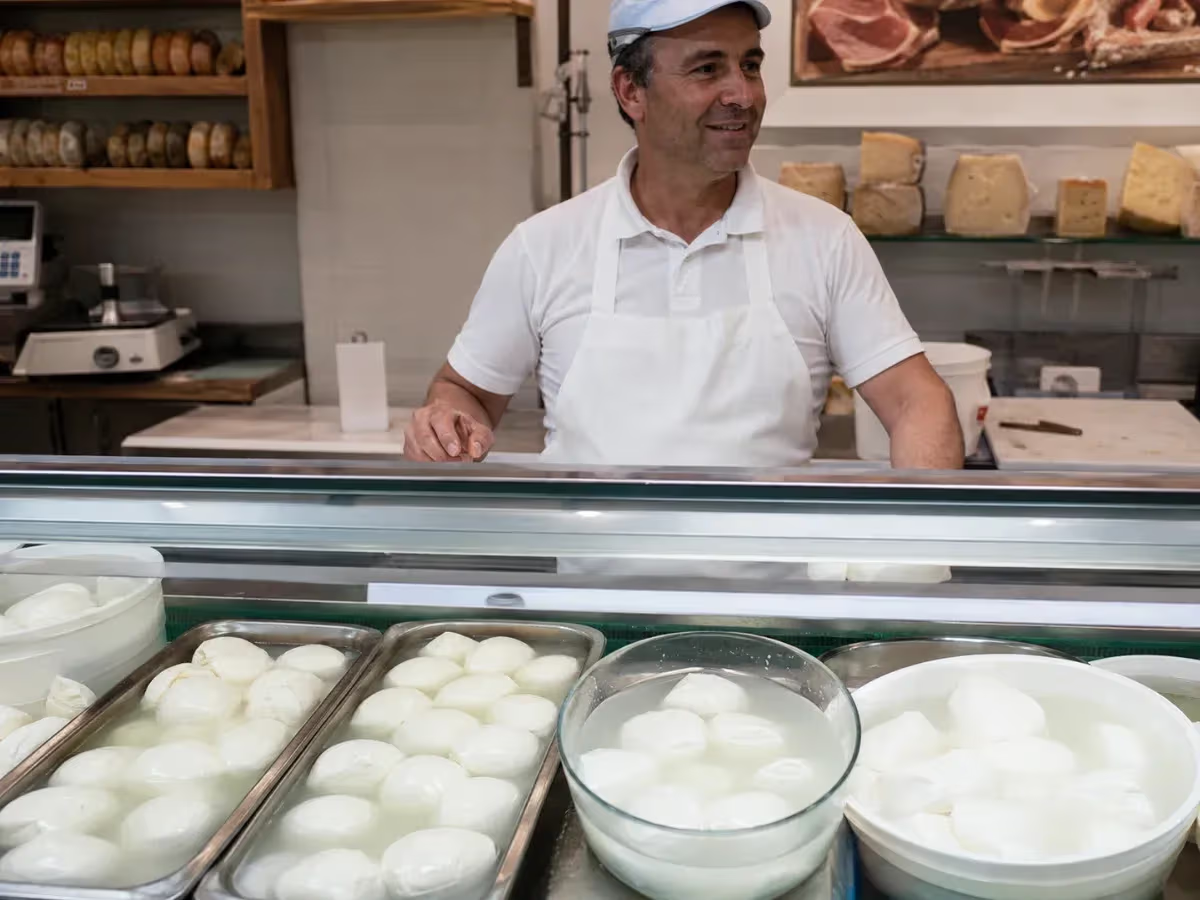

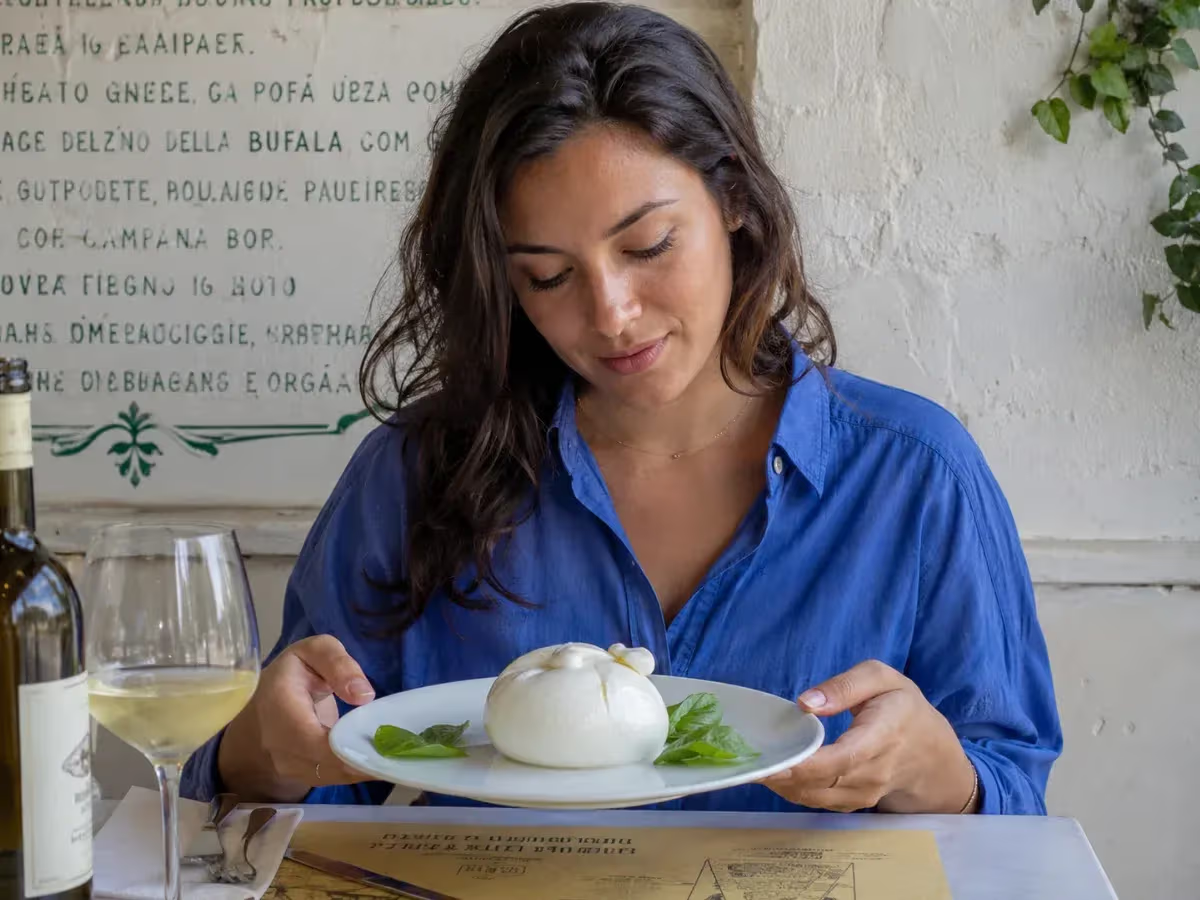
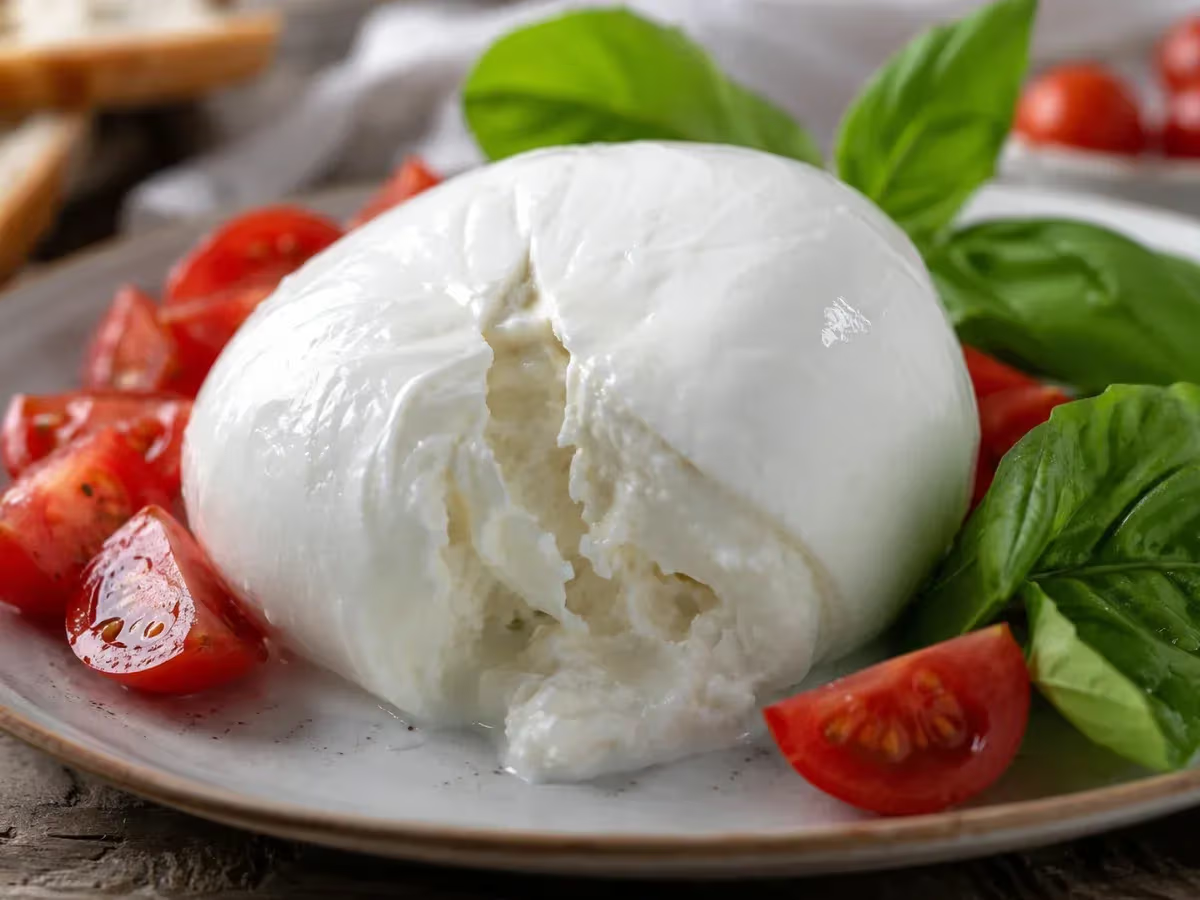
Mozzarella di Bufala Campana is a fresh cheese (commonly called dairy product) with a stretched curd paste produced from whole buffalo milk in the provinces of Caserta and Salerno, with extensions in southern Lazio and some areas of Puglia and Molise, according to a DOP regulation recognized by the European Union. Its consistency is soft and elastic, with a smooth and shiny surface of porcelain white color. Inside, the stratified paste retains the whey, which flows out when cut together with a tangy and milky aroma, characteristic of natural fermentation. The flavor is delicate but recognizable: a hint of fresh acidity, a buttery undertone and a contained saltiness that leaves the palate clean. In the kitchen, mozzarella di bufala expresses itself best when consumed raw, at room temperature, thus enhancing its aroma and structure. It is a fundamental ingredient of pizza Margherita in the mozzarella di bufala variant, the star of insalata caprese with tomato and basil, and lends itself to being paired with grilled vegetables, prosciutto crudo or bresaola. Its use is rooted in everyday Campanian cuisine as much as in fine gastronomy.
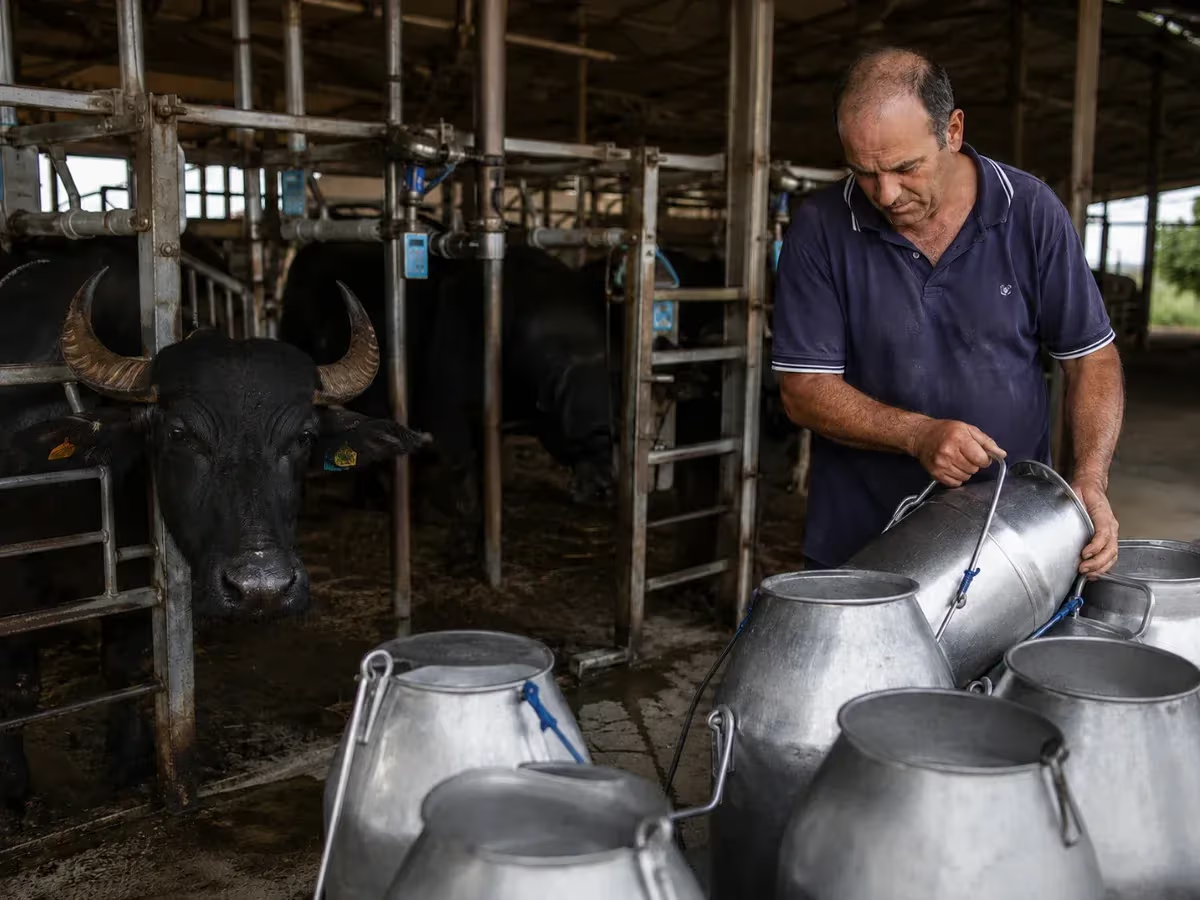
In the alluvial plains between the Volturno and Sele rivers, where humidity and pasture richness made cattle raising difficult, the water buffalo found its ideal environment. The presence of these animals in Campania is documented from the High Middle Ages, probably introduced through the commercial routes of southern Italy or from the eastern plains. The transformation of their milk into a pasta filata cheese followed the paths already known to local cheesemakers for bovine cheeses, but the characteristics of buffalo milk, richer in fats and proteins, gave rise to a product with its own distinct personality.
The first written attestations of the term "mozzarella" in relation to buffalo milk date back to the XVI century, with references to monasteries in the Campania plain that distributed cheese to pilgrims. Over the centuries, production became structured around the "bufalare," large rural barracks where both herders and herds lived. The DOP recognition, obtained in 1996, established production rules and delimited the geographical area, protecting its authenticity in response to the spread of industrial imitations. The Protection Consortium oversees the entire supply chain today, from raw milk to the marking of the finished product, guaranteeing traceability and compliance with the regulations.
Authentic Mozzarella di Bufala Campana DOP is presented in spherical or bite-sized form, with a smooth, shiny surface of a porcelain white that tends slightly towards ivory. The rind is extremely thin, almost imperceptible; to the touch the product yields with a certain elastic resistance, but without being rubbery. When cut or pressed, the clear, internal whey emerges, fragrant with tangy milk.
To recognize the certified product it is necessary to verify on the packaging the consortial logo with the wording "Mozzarella di Bufala Campana DOP" and the numbered band of the Consortium for Protection, which guarantees traceability. The term "fior di latte" or the generic "mozzarella" without further indications refers to cow's milk products, not buffalo. An authentic product must not present a rubbery or excessively compact consistency, nor a flat flavour lacking acidity: both signals indicate non-compliant processing or the use of non-certified milk.
Mozzarella di Bufala Campana is an energy-dense dairy product: buffalo milk contains a significantly higher percentage of fat than cow's milk, bringing the finished product to approximately 250-270 kcal per 100 grams. It is a good source of proteins with high biological value and provides calcium and phosphorus in relevant quantities, useful for maintaining bone structure. It contains B vitamins, particularly B2 and B12, and vitamin A. Thanks to the presence of whey and artisanal processing, digestibility is generally good, provided it is consumed fresh.
Mozzarella di Bufala Campana should be stored immersed in its brine at a temperature between 4 and 8 degrees Celsius. Once the package is opened, it is best to consume it within 24-48 hours to preserve its freshness and aroma. It must not be frozen: intense cold irreparably alters the pulled curd structure and flavor. It is advisable to remove it from the refrigerator at least 30 minutes before consumption, to allow the paste to soften and the aromas to express themselves fully.
The ideal consumption of Mozzarella di Bufala Campana is raw, at room temperature, to appreciate its elastic consistency and aromatic complexity. It should be removed from its brine shortly before serving and cut with a smooth-bladed knife or torn by hand, according to tradition. It is served with a drizzle of Campania extra virgin olive oil and, if desired, a few fresh basil leaves. When used on pizza, it is preferable to add it at the end of cooking or a few minutes before removing from the oven, to prevent it from losing excessive whey and drying out.
On the wine front, Mozzarella di Bufala Campana pairs naturally with fresh white wines of good acidity, capable of balancing its creaminess. Greco di Tufo and Falanghina dei Campi Flegrei, both Campania wines, are classic references: the former brings minerality and saltiness, the latter a fruity note that does not overpower the cheese. A young Fiano di Avellino also pairs well, as do some classic method sparkling wines from central and southern Italy.
At the table, the most well-known pairing is with fresh San Marzano tomatoes or tomatoes from Sorrento, extra virgin olive oil from Cilento or Terra di Bari and basil. It pairs excellently with Prosciutto di Parma or San Daniele, mortadella, and summer vegetables such as grilled zucchini and roasted peppers. With aged cheeses the contrast is interesting, but Mozzarella di Bufala Campana gains more when it remains the absolute protagonist of the dish.
The most emblematic preparation: slices of ripe tomato alternated with slices of Mozzarella di Bufala Campana, dressed with extra virgin olive oil, sea salt and fresh basil. A summer dish that requires few ingredients but of excellent quality. The proportions between tomato and mozzarella vary by family tradition, but the balance between the acidity of the tomato and the creaminess of the cheese is the goal.
In the Campania version with buffalo mozzarella, the mozzarella is added to the pizza at the end of cooking or in the final minutes, to preserve its freshness. The Pizza Napoletana STG regulations explicitly provide for this possibility. The result is a pizza with creamy patches of mozzarella that contrast with the tomato and the pasta slightly charred at the edges.
Specialty typical of Campania and Lazio cuisine: slices of sandwich bread filled with Mozzarella di Bufala Campana, dipped in beaten egg and fried in abundant oil until golden. The mozzarella melts inside creating a stretchy center. A dish from recovery cuisine and celebrations, still present in traditional trattorias in Naples and the surrounding province.
In the families of the Piana del Volturno and Sele plains, Mozzarella di Bufala Campana has never been a product for special occasions, but part of the daily table. The ritual of going directly to the dairy early in the morning, when the mozzarella is just made and still warm from processing, belongs to the shared memory of entire generations. Consuming it in this state, with the whey dripping between your fingers, is considered the way to truly appreciate it.
At village festivals and wedding banquets of Campania tradition, Mozzarella di Bufala Campana appears as a welcome appetizer, a sign of hospitality and abundance. The bond with the territory is so deeply rooted that the term "bufala" has entered common Italian language with a metaphorical meaning, a testament to how much this product and the animal that makes it possible are present in the collective cultural imagination.
The product is at the center of various events in its area of origin. The Mozzarella di Bufala Campana Fair, traditionally held in the Caserta and Salerno areas, brings together producers, processors and enthusiasts for tastings and in-depth discussions on the buffalo milk supply chain. Paestum, in the province of Salerno, periodically hosts events dedicated to Campania gastronomy in which buffalo mozzarella holds a place of prominence. More generally, the summer festivals of the municipalities of the Sele Plain and the Aversa area almost always include tastings of this product, which remains a strong identity reference for local communities.